
1972 Chevrolet Camaro
$46,995
Vehicle Details
Chevrolet
Camaro
1972
100 miles
1Q87H2N165261
Coupe
Automatic
Gasoline
NEW 350
Description
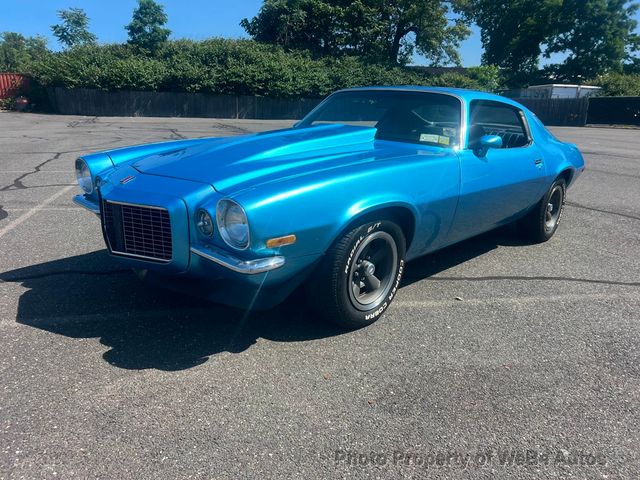
1972 Chevrolet Camaro RS Split Bumper For Sale Factory A/C * New 350 Crate Engine * Turbo 350 Automatic * Marina Blue * Factory Tilt Wheel The 1972 Chevrolet Camaro RS Split Bumper is one of the most desirable models of the second-generation Camaro, recognized for its iconic Rally Sport split front bumper and aggressive styling. Finished in beautiful Marina Blue with a black bucket seat interior, this RS combines timeless muscle car looks with modern reliability, making it an outstanding cruiser that's ready to drive and enjoy. Under the hood is a new 350 cubic-inch Chevrolet crate engine with only approximately 100 miles since installation.
The engine has been upgraded with long tube headers, electronic ignition, an aluminum radiator with an electric cooling fan, and a dual exhaust system, delivering dependable performance, improved reliability, and a deep, unmistakable muscle car exhaust note. Power is routed through a proven Turbo 350 three-speed automatic transmission to a durable 10-bolt rear axle, providing effortless cruising and dependable performance. Additional features include: New 350 Chevrolet Crate Engine (Approximately 100 Miles) Turbo 350 Automatic Transmission 10-Bolt Rear Axle Long Tube Headers Dual Exhaust Electronic Ignition Aluminum Radiator with Electric Cooling Fan Power Steering Factory Air Conditioning Front Disc Brakes The Camaro retains its factory suspension, preserving the ride quality and handling characteristics that made these cars so popular while benefiting from tasteful mechanical upgrades for enhanced reliability.
Exterior Finished in stunning Marina Blue, this Camaro's legendary Rally Sport split bumper front end is complemented by an aggressive cowl induction hood, giving the car an unmistakable muscle car stance. The body lines remain among the most recognizable of Chevrolet's golden era of performance. Interior Inside, the black bucket seat interior offers the perfect contrast to the Marina Blue exterior.
The cabin features a factory center console with the desirable Horseshoe automatic shifter, along with a factory tilt steering wheel, providing both comfort and classic Camaro styling. Interior highlights include: Black Bucket Seats Factory Center Console Horseshoe Automatic Shifter Factory Tilt Steering Wheel Factory Air Conditioning This Camaro is equally comfortable cruising around town or heading to your favorite weekend car show. Summary With its legendary split-bumper Rally Sport styling, beautiful Marina Blue finish, fresh 350 crate engine, Turbo 350 automatic transmission, long tube headers, dual exhaust, electronic ignition, aluminum radiator with electric fan, power steering, factory air conditioning, cowl hood, and desirable bucket seat interior with center console and Horseshoe shifter, this 1972 Chevrolet Camaro RS is an outstanding example of one of Chevrolet's most sought-after early second-generation muscle cars.
Whether you're looking for a dependable weekend cruiser, a local show car, or a classic Camaro that's ready to enjoy immediately, this Rally Sport delivers the looks, sound, and driving experience that have made these cars legendary. For Sale by Owner Located in Coram, NY 11727
Trim: RS Split Bumper For Sale
Options: Premium Sound System
Classic Chevrolet Camaro Buyer's Guide
Chevrolet Camaro Market Overview
Based on 368 Chevrolet Camaro listings currently on ClassicCarsArena.com
Classic Chevrolet Camaro Buyer's Guide
The Chevrolet Camaro launched in September 1966 as Chevy's direct response to the Ford Mustang, and for over five decades it has defined American performance for an entire generation of enthusiasts. Whether you're hunting a numbers-matching first-generation Z/28, a survivor split-bumper second-gen, or a clean third-gen IROC-Z, the Camaro buyer's market is deep, varied, and full of pitfalls for the unprepared.
What to Check Before Buying
Common Issues
What to Look For
Price Guide
Did You Know?
Also Consider
Similar classic cars shoppers also browse:
How Does It Compare?
Head-to-head matchups for the Chevrolet Camaro:
1972 Chevrolet Camaro
Contact Seller
Listed by dealer
Nationwide consignment dealer
WeBe Autos lists vehicles from sellers across multiple states. The vehicle may not be at the dealer's address shown. Contact the dealer to confirm the vehicle's actual location before traveling.
Buying safely?
Read our scam-avoidance tips before paying →
Listing Actions
Browse by Era
1970s Classics for SaleAll 1972 Classics
Browse all 1972 Cars for SaleGet classic car alerts
Latest arrivals, newest deals, and discount coupons — straight to your inbox.
Selling your classic car?
Reach millions of classic car enthusiasts on the largest US classics marketplace.
Sell Your Car →Similar Listings
 Dealer
 United States
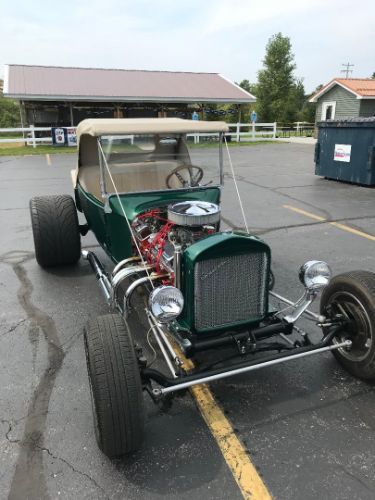
1918 Chevrolet 100
 Dealer
United States
Dealer
United States
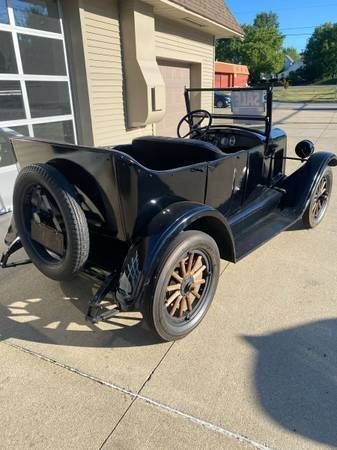
1923 Chevrolet Master
 Dealer
United States
Dealer
United States
1925 Chevrolet Superior K
 Dealer
United States
Dealer
United States
1926 Chevrolet 100
Contact Seller
Call this seller?
You're about to call WeBe Autos about the 1972 Chevrolet Camaro.
+1 (631) 339-0399
Report this Ad
Help us keep the marketplace clean. Our moderation team reviews every report within 24 hours.