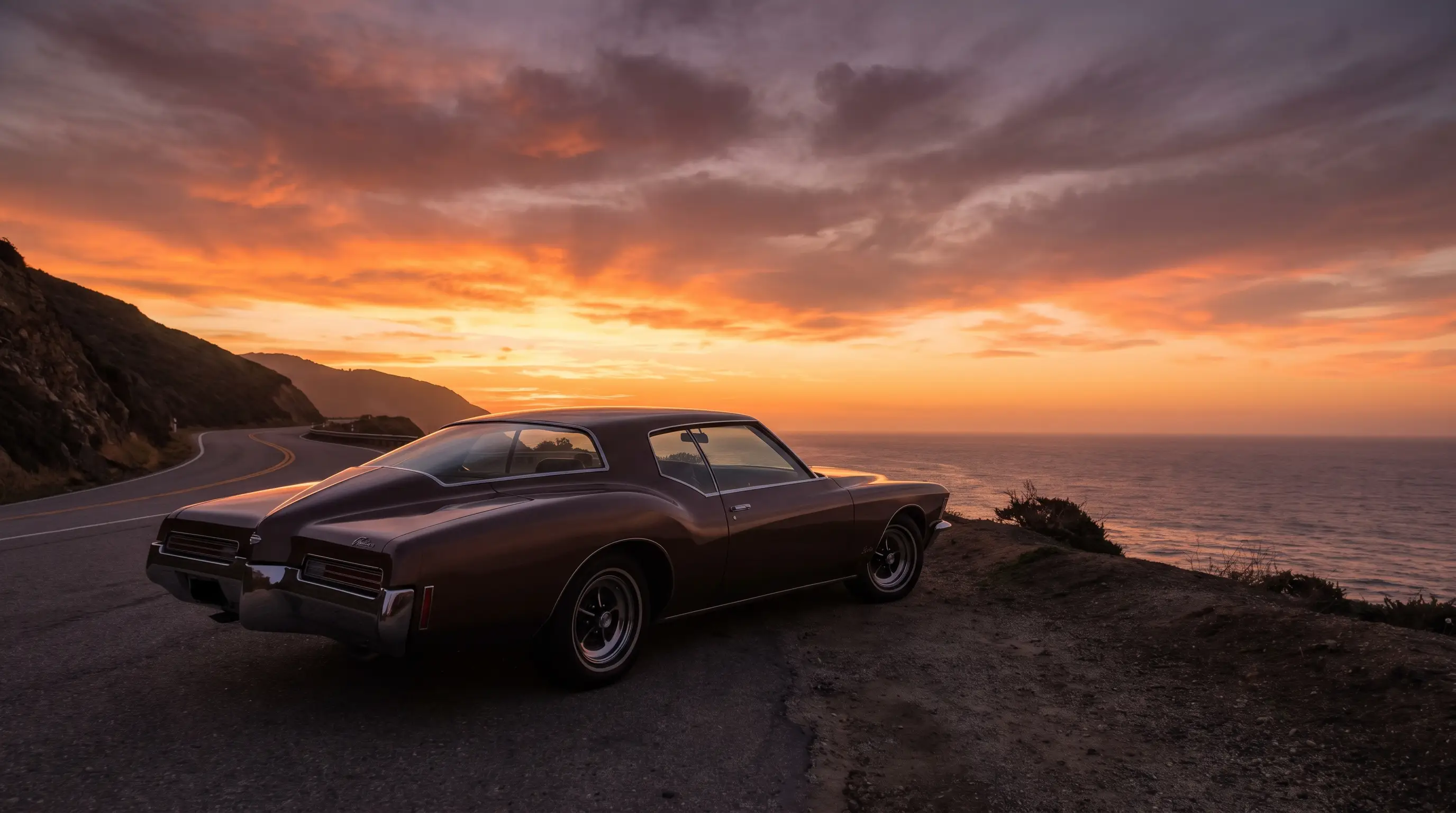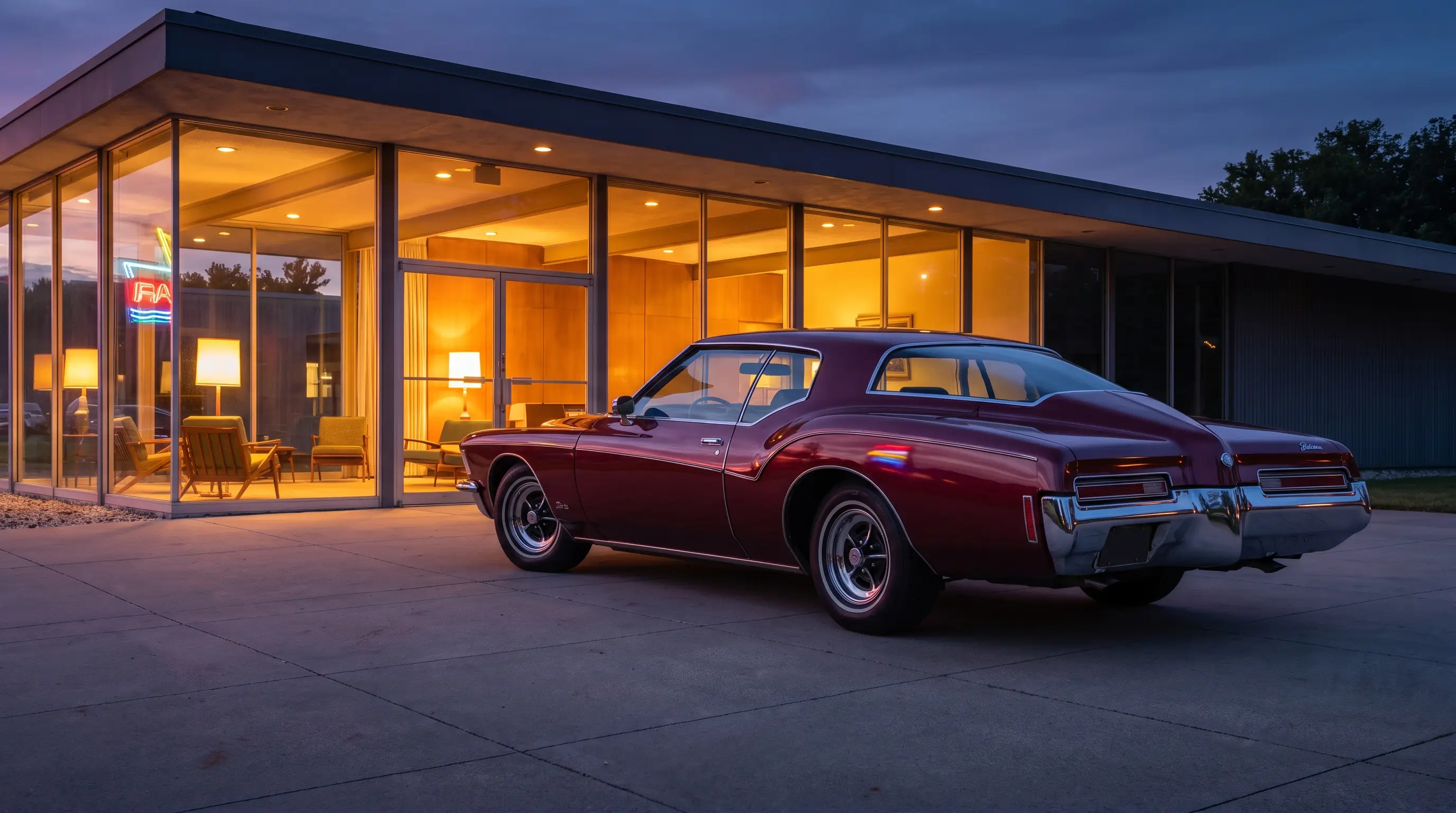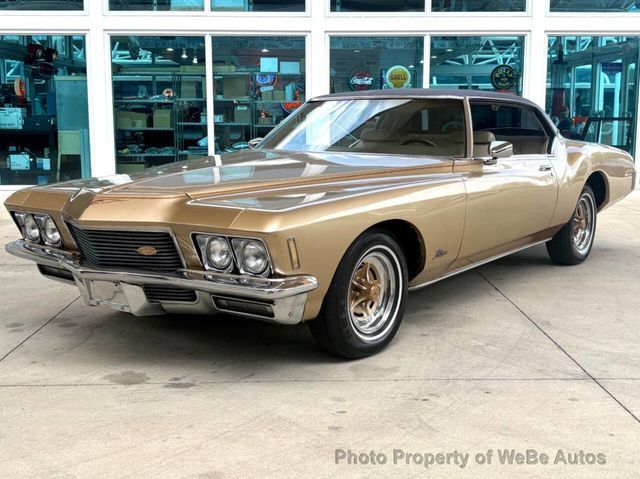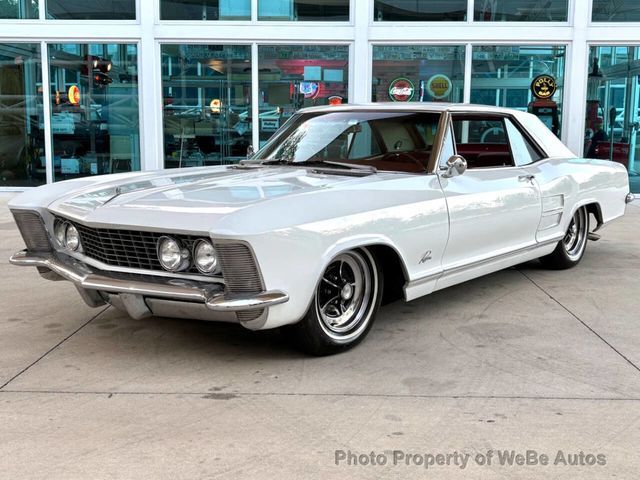
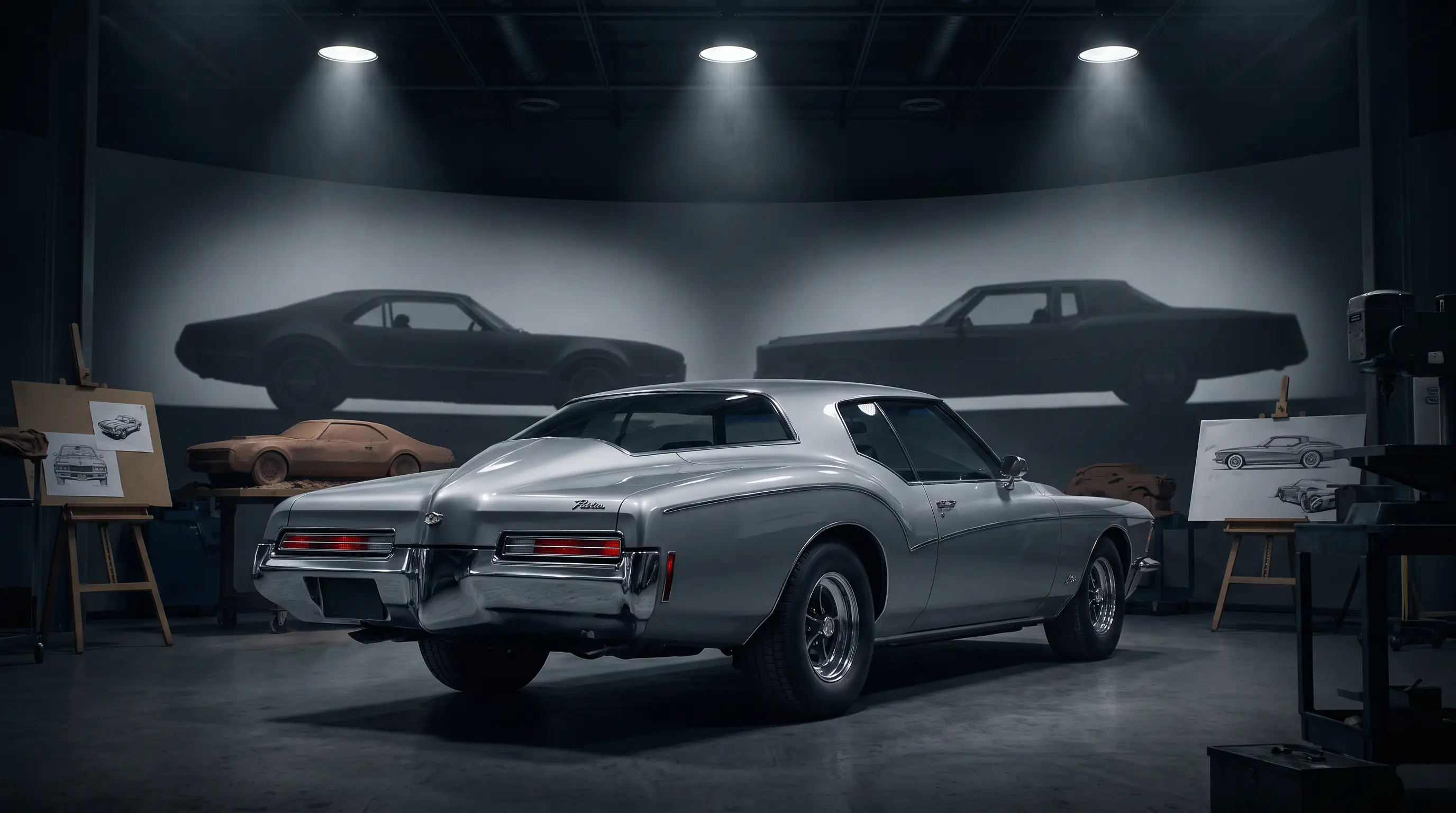
Understanding buick riviera 1971 gm e body context means understanding a divorce as much as a platform. Through the second half of the 1960s, the Riviera had shared its basic architecture with the Oldsmobile Toronado and the Cadillac Eldorado, GM's trio of personal luxury flagships built to prove the corporation could compete with Ford and Lincoln at every price point in that segment. By 1971, that shared foundation had split, and the Riviera went its own way with a rear-wheel-drive layout and a radically different body while its former platform-mates continued down the front-wheel-drive path they had already committed to. The boat-tail Riviera is, in part, the story of Buick choosing a different answer to the same question its GM siblings were still asking.
The E-body experiment that came before
GM's E-body platform had originally been conceived to let three divisions build genuinely distinct personal luxury coupes off a common structure, saving engineering cost while allowing each car to carry its own division's identity. The Toronado pioneered front-wheel drive for the group, the Eldorado followed suit, and the Riviera rode the same basic architecture while keeping its own rear-wheel-drive character intact. It worked reasonably well through the late 1960s, giving each division a genuinely different driving experience wrapped in shared hard points. But it also meant the Riviera was, underneath its Buick-specific bodywork, tied to decisions made partly around Oldsmobile and Cadillac engineering priorities.
Why Buick chose a different road for 1971
When it came time to redesign the personal luxury lineup for the new decade, Buick made a decision that set the Riviera apart from its former E-body siblings. Rather than continuing to share a platform with the front-wheel-drive Toronado and Eldorado, the 1971 Riviera moved to a rear-wheel-drive architecture derived from GM's full-size B-body underpinnings, reshaped and shortened for the personal luxury role. That decision freed Buick's stylists from some of the packaging compromises that a shared FWD platform demanded, and it is part of why the boat-tail shape could go as far as it did. A body built around a conventional front-engine, rear-drive layout had more freedom to chase dramatic proportions than one built around the transaxle and driveline packaging a front-wheel-drive platform requires. For the origin story of that shape itself, see our complete history.
| Model | 1971 drivetrain layout |
|---|---|
| Buick Riviera | Rear-wheel drive, B-body-derived platform |
| Oldsmobile Toronado | Front-wheel drive, continued E-body |
| Cadillac Eldorado | Front-wheel drive, continued E-body |
What the split actually meant for the driving character
This platform divergence is often glossed over in casual histories that lump all three cars together as GM's personal luxury trio, but it mattered enormously to how each one actually drove and how each one could be styled. The Toronado and Eldorado retained the flatter floors and different weight distribution that front-wheel drive allowed, while the Riviera kept the more traditional long-hood, short-deck proportions that rear-wheel-drive layouts favor. Buyers cross-shopping the three in 1971 were not just choosing a badge, they were choosing between two genuinely different engineering philosophies wearing similar personal luxury price tags.
"Production records make it clear this was not an oversight or a delay in adopting front-wheel drive. Buick looked at what the Riviera needed to be and concluded the answer was a different platform than its old E-body partners were using."
- Tom Ramirez
How the split shaped the rest of the decade
The consequences of that 1971 divergence rippled through the rest of the decade. The Toronado and Eldorado continued refining their front-wheel-drive formula, eventually becoming the template for GM's later downsized personal luxury coupes, while the Riviera's rear-wheel-drive path kept it feeling like a more traditional American coupe underneath its radical bodywork. Neither approach was objectively correct, but the divergence explains why the boat-tail Riviera feels like such a distinct animal within GM's broader personal luxury story rather than simply a Buick-badged cousin of the Toronado. The next chapter of that story, as the era's changing regulations reshaped the whole segment, is covered in keep exploring.
Why the E-body label stuck anyway
Despite the mechanical split, enthusiasts and even some period dealer literature kept referring to the Riviera as part of the E-body family well after 1971, and that habit has persisted in casual conversation ever since. Part of the reason is simple marketing inertia. GM had spent years positioning the three cars as a matched set for cross-shopping purposes, and undoing that positioning in the public's mind proved harder than actually redesigning the underlying architecture. The other part of the reason is that the cars still competed for the same buyer, at similar price points, with similar levels of standard luxury equipment, so treating them as a family made intuitive sense even after the platforms diverged. Factory paperwork from the era, however, is clear about the difference, and anyone researching build sheets or parts interchange quickly discovers that a 1971 Riviera shares far less hardware with a contemporary Toronado than the marketing language implied.
This distinction matters practically as well as historically. Buyers and restorers who assume parts interchangeability across the three nameplates based on the old E-body reputation run into trouble quickly, since suspension components, body mounts, and driveline hardware diverge substantially once the Riviera moved to its own platform. Treating the three cars as a loosely related family for styling and market comparison purposes makes sense; treating them as mechanically interchangeable does not, and that gap between reputation and reality is exactly what buick riviera 1971 gm e body context is really about.
Where this leaves the car today
For collectors, the platform story adds a layer of context that pure styling appreciation misses. The 1971 through 1973 Riviera is not simply a wild-looking variation on a familiar GM personal luxury theme, it is the product of Buick choosing independence from a shared architecture at exactly the moment its GM siblings doubled down on theirs. That decision gave the boat-tail generation a mechanical identity as distinct as its silhouette, and it is worth keeping in mind the next time someone lumps the Riviera, Toronado, and Eldorado together as interchangeable badge-engineered cousins. It also explains why the boat-tail Riviera tends to attract a slightly different collector than the Toronado or Eldorado of the same years. Rear-wheel-drive enthusiasts who prefer a traditional American driving layout gravitate toward the Riviera specifically because it kept that character, while buyers drawn to the engineering novelty of front-wheel drive in a full-size personal luxury coupe have tended to end up with a Toronado or Eldorado instead. The platform split, in other words, did not just separate the cars mechanically, it separated their eventual audiences too.
Understood this way, the boat-tail Riviera earns its place in GM history on its own terms rather than as a footnote to the Toronado and Eldorado story. It was not GM's front-wheel-drive personal luxury experiment finding one more badge to wear. It was Buick's own answer, built on its own foundation, to a question the corporation had originally tried to answer once for all three divisions at the same time. Anyone curious to compare that independence in person can find classic Riviera for sale listings worth a closer look.