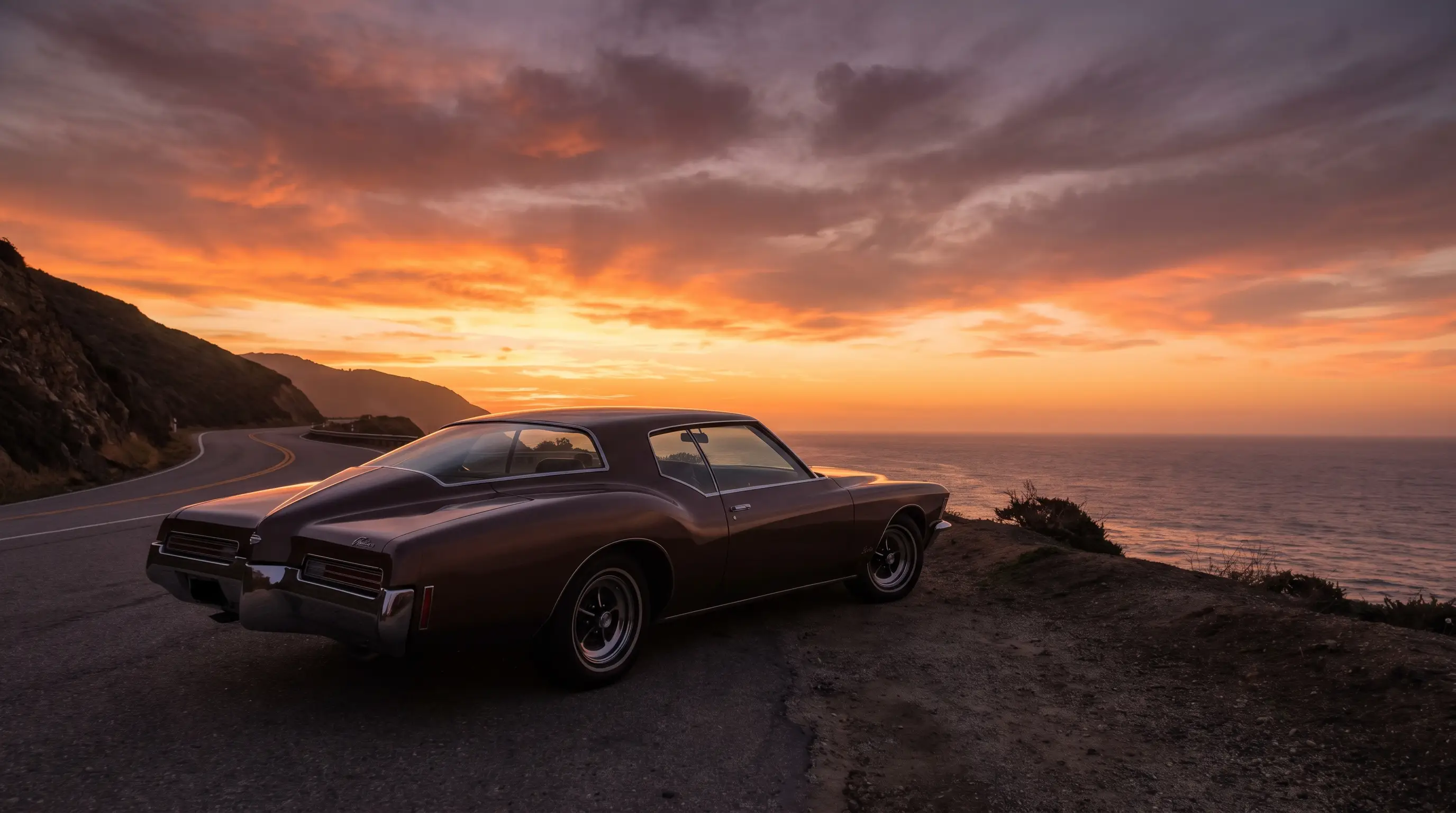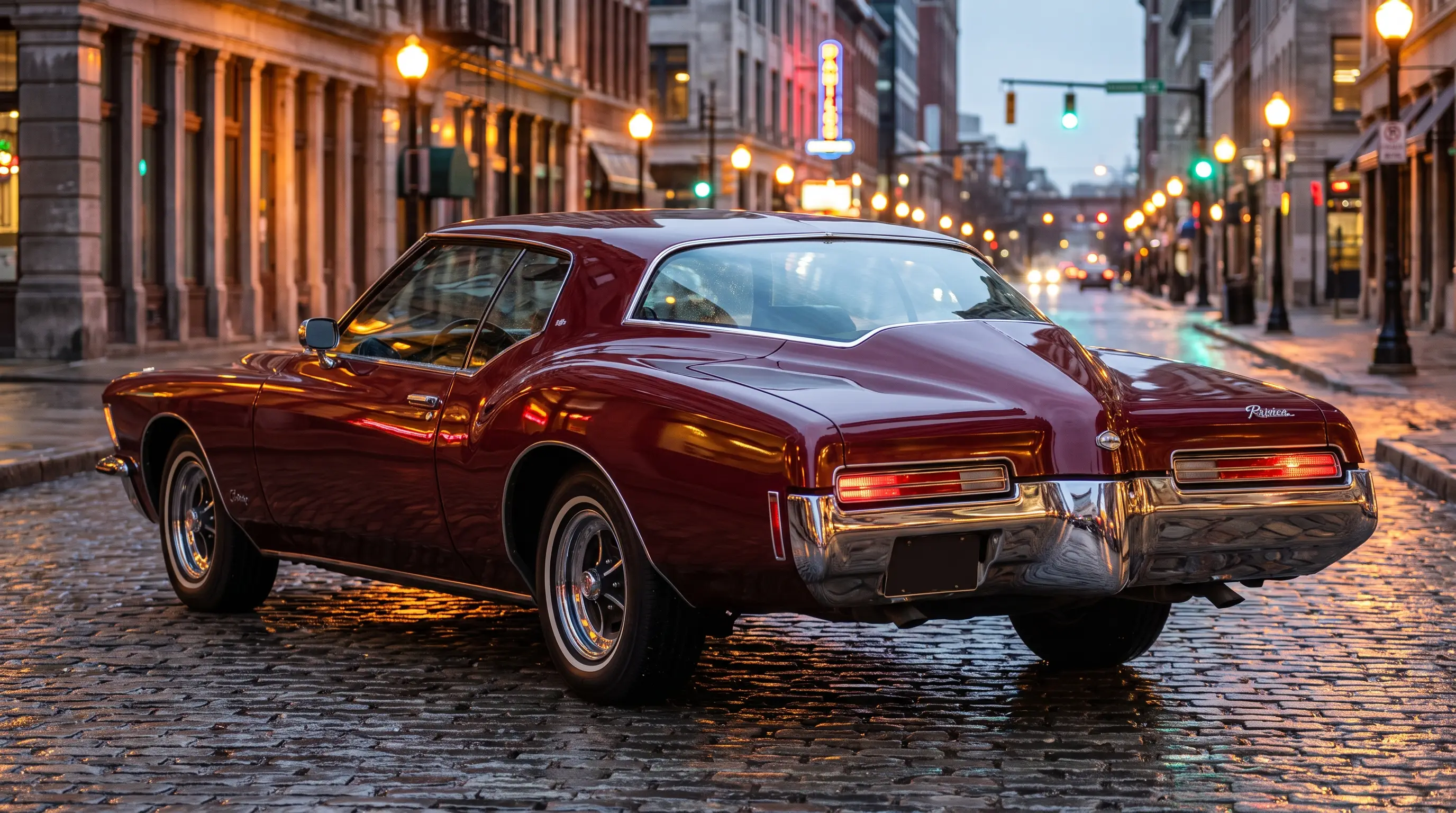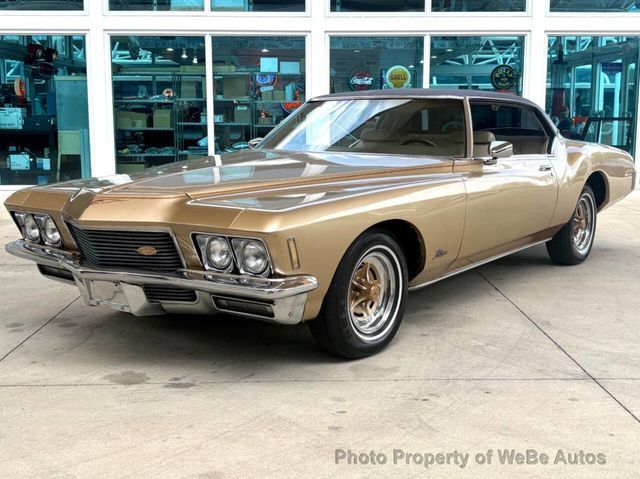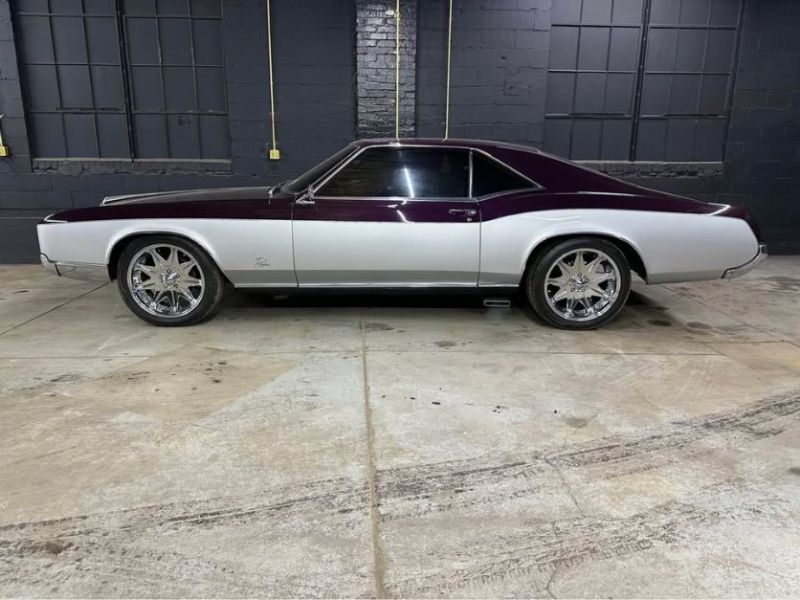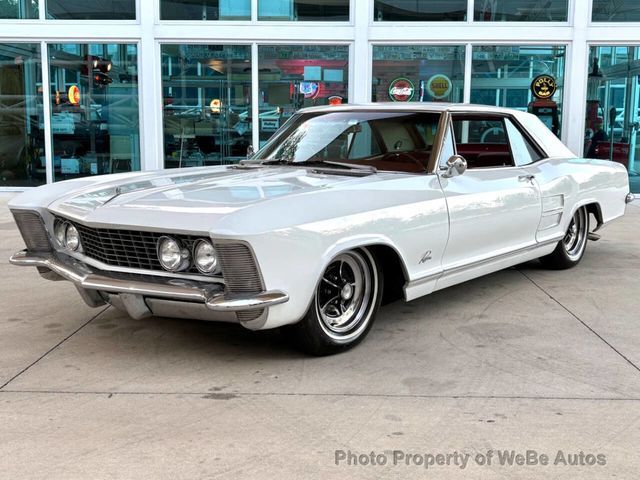
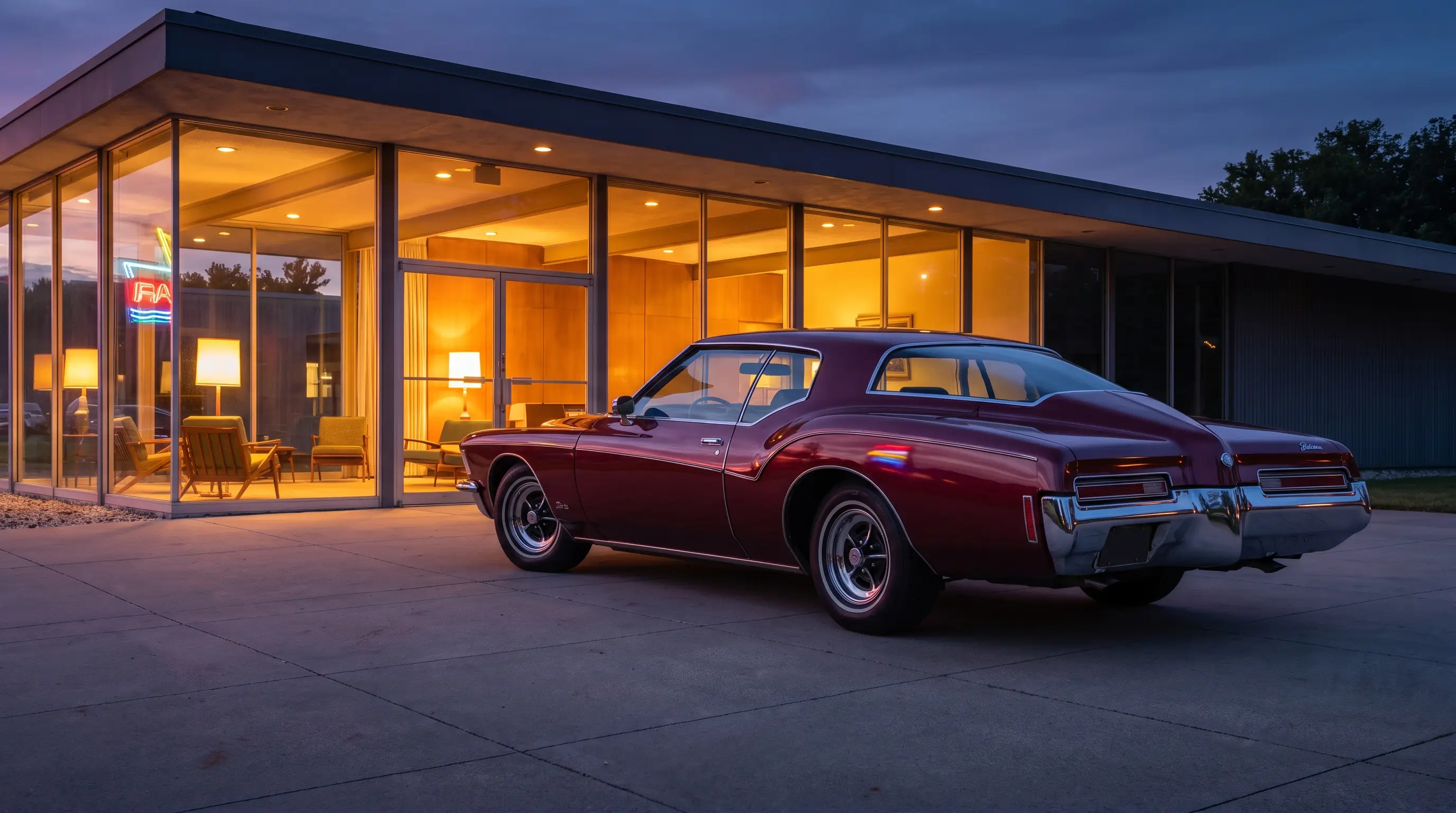
The buick riviera 1971 73 collector market has quietly turned into one of the more interesting corners of the personal luxury coupe segment, and the numbers back that up better than the enthusiasm alone would suggest. For years the boat-tail Riviera sat in the shadow of muscle car icons from the same period, priced as a curiosity rather than a serious collector car. That has been changing. Buyers who once passed over the 1971 through 1973 cars for a Chevelle or a GTO are now cross-shopping them directly, and auction results from the last several seasons show a market that has stopped treating the boat-tail as a novelty.
What moved the needle on values
Values for any collector car generally move for one of two reasons: scarcity catches up with demand, or a design gets rediscovered by a younger buyer pool. The boat-tail Riviera has benefited from both. Production numbers were never enormous to begin with, and clean, unmodified survivors are genuinely thin on the ground compared to how many were originally built. At the same time, the design itself, once considered too radical by some period critics, reads today as one of the boldest shapes GM put into production during the early 1970s. That combination, real scarcity plus a design now viewed favorably, is exactly the setup that tends to move a car from cheap curiosity to recognized collectible. For the full origin story behind that shape, see more on the 1971 buick riviera.
Where prices actually sit
Condition spread in this market is wide, which is typical for a car that spent decades being undervalued and therefore under-restored. A driver-quality 1971 through 1973 Riviera with a straight body, a running 455, and honest but tired trim tends to trade in roughly the $14,000 to $20,000 range at public auction. Step up to a well-documented, largely original example with clean paint and an unmolested interior, and buyers should expect to pay closer to roughly $25,000 to $35,000, with exceptional GS 455 cars and rare color and trim combinations pushing well past that, into the $45,000 to $70,000-plus range, when two determined bidders show up on the same day.
| Condition tier | Typical range |
|---|---|
| Project or parts car | Roughly $8,000-$12,000 |
| Honest driver, some flaws | Roughly $14,000-$20,000 |
| Clean, mostly original | Roughly $25,000-$35,000 |
| Documented GS 455, low miles | Roughly $45,000 and up |
What is notable is how much tighter that range has gotten at the top end over the last few years. A decade ago, an exceptional boat-tail Riviera and a merely good one might have sold within a few thousand dollars of each other because so few buyers were competing for the best examples. Today the gap has widened considerably, a classic sign of a market that has developed real connoisseurship rather than treating every survivor as interchangeable.
The GS 455 premium is real and growing
Buyers researching this generation quickly discover that the GS 455 package commands a meaningful premium over a standard 455-equipped car, and that premium has been widening rather than narrowing. It reflects both genuine rarity, since the GS was a lower-volume option within an already modest production run, and the broader collector instinct to pay up for the version that combined the boldest styling with the most credible performance credentials. Anyone shopping this segment should treat GS documentation, not just a badge, as the deciding factor before paying that premium.
Buy or wait: an honest read
For a buyer asking whether now is the right time to enter this market, the data points toward buy rather than wait, with conditions. The scarcity of clean, unmodified cars is not going to reverse itself, and every model year that passes removes more honest survivors from circulation as parts cars and hack jobs. Waiting for prices to soften assumes a correction that the last several auction cycles have not shown any sign of. The condition caveat matters more than the timing question. A buyer who pays driver-quality money for a car with hidden rust or replaced sheet metal will not see the appreciation that clean, documented examples have delivered, so the real risk in this market is misjudging condition, not overpaying for a genuinely good car.
"The boat-tail Riviera spent thirty years priced like a curiosity. The auction results from the last several seasons say that window has closed, and buyers who treat it as still-cheap are working from an outdated spreadsheet."
- David Mercer
What actually separates a good buy from a bad one
Buyers new to this market tend to focus on the wrong variables first. Color and trim combination matter for eventual resale, but they matter far less than structural integrity and drivetrain originality. The boat-tail's long rear quarters and complex rear glass surround are expensive to source and repair correctly, so a car with any hint of prior rust repair in that area should be priced accordingly, regardless of how good the paint looks in photographs. The same caution applies to the 455, which is a durable engine but not immune to decades of deferred maintenance. A car with a numbers-matching engine and clean records will always out-earn a car with a "correct" replacement block at resale, even if both run identically well today.
Regional variation also plays a bigger role in this market than in more heavily traded muscle car segments. Southern and southwestern cars with less exposure to road salt tend to command a premium over otherwise comparable examples from the rust belt, simply because structural soundness is harder to verify after a repaint. Buyers who ignore that geography and focus purely on the auction sticker price often end up overpaying for a car that needs more hidden work than the listing implied.
Documentation is worth more than it used to be
A decade ago, a Protect-O-Plate or original build sheet was a nice-to-have in this segment rather than a price driver. That has changed. As more buyers enter the market without the direct-from-new-owner provenance that used to circulate informally among longtime Riviera clubs, paperwork has become one of the clearest ways to separate a genuine GS 455 or a low-mileage original from a car that merely presents well. Sellers who can produce original documentation are seeing meaningfully stronger results than sellers offering the same condition without paperwork, and that gap is likely to keep widening as the generation that remembers these cars new continues to age out of the market.
Where the story fits into the bigger picture
None of this happened in isolation. The boat-tail generation's rise in value tracks with a broader reassessment of early 1970s personal luxury coupes generally, as collectors who grew up with these cars reach the buying power to chase them seriously. For the complete arc of how the Riviera got to this point across all three generations, read our complete history, and for anyone ready to compare what is currently available against everything covered here, there are classic Rivieras on the market worth reviewing before making a decision either way.