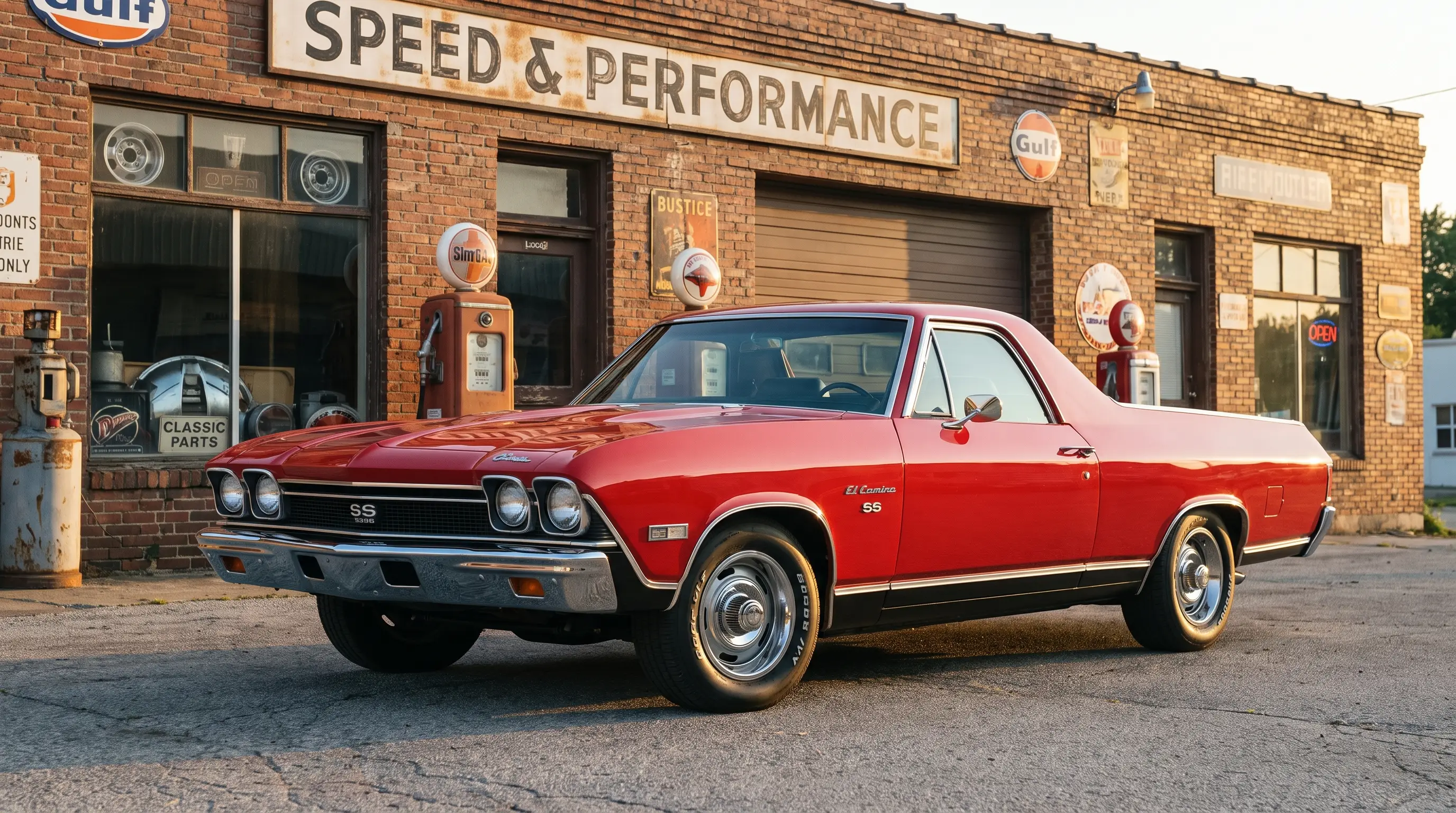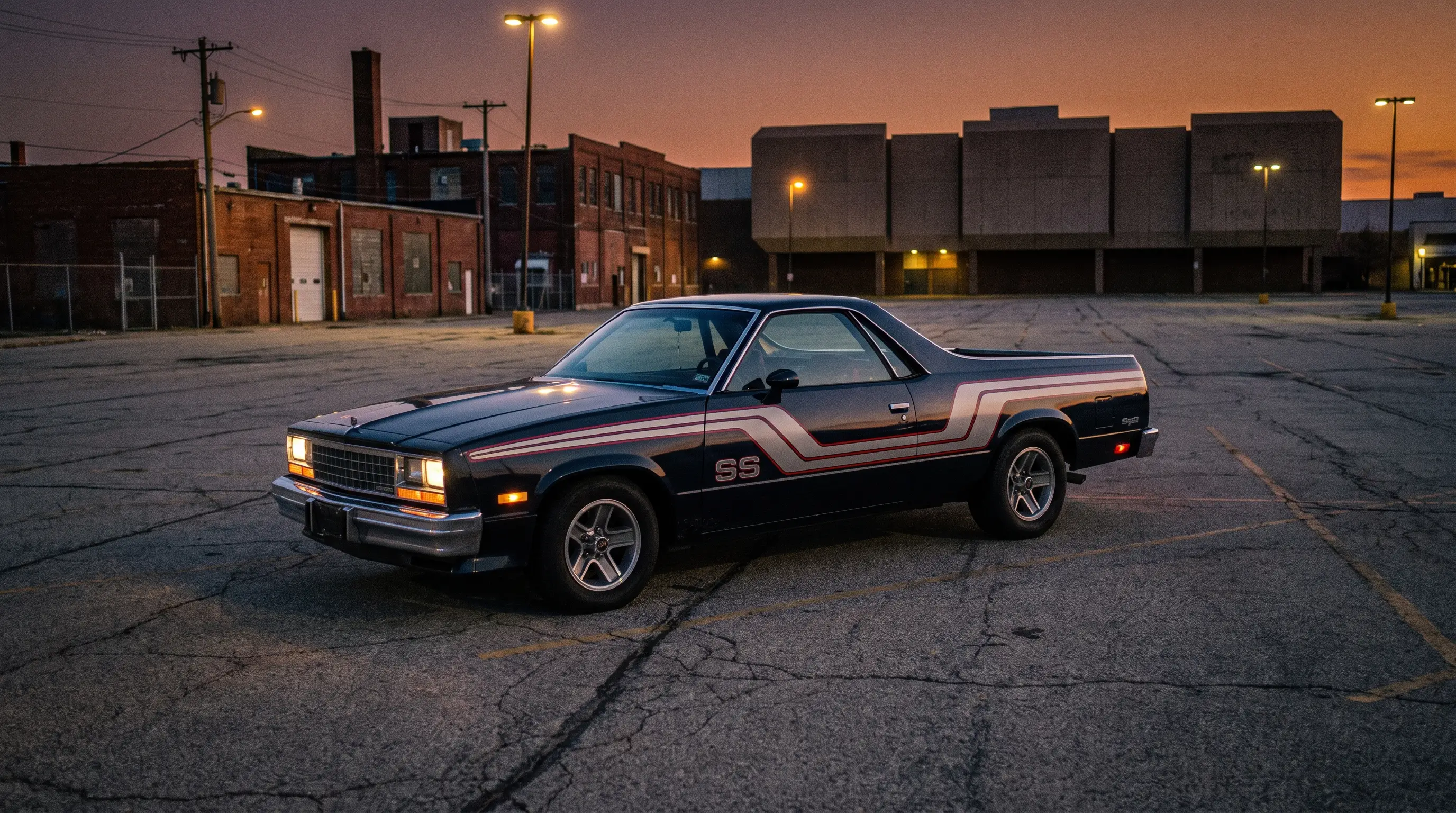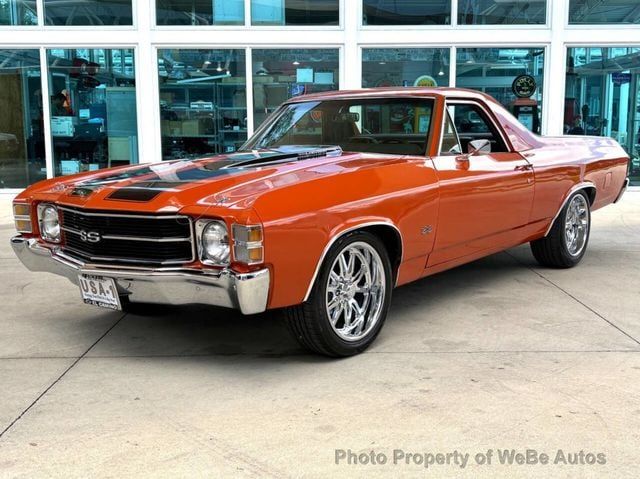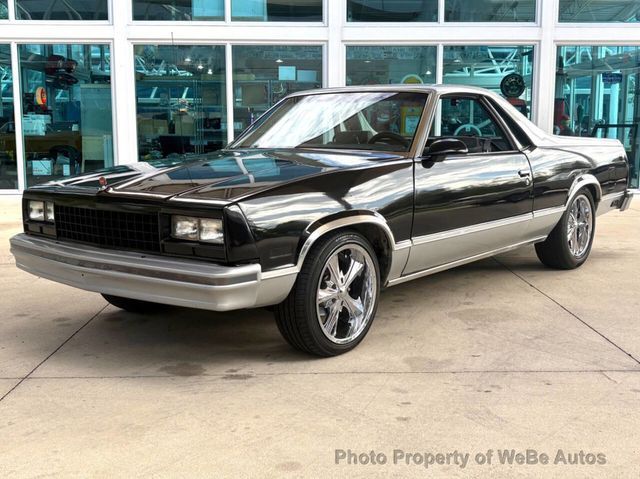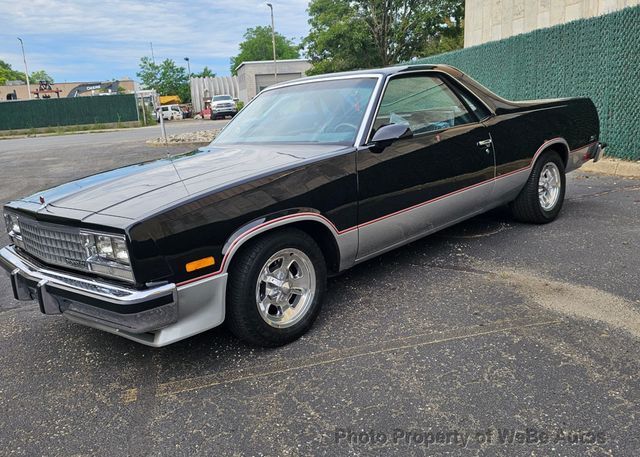
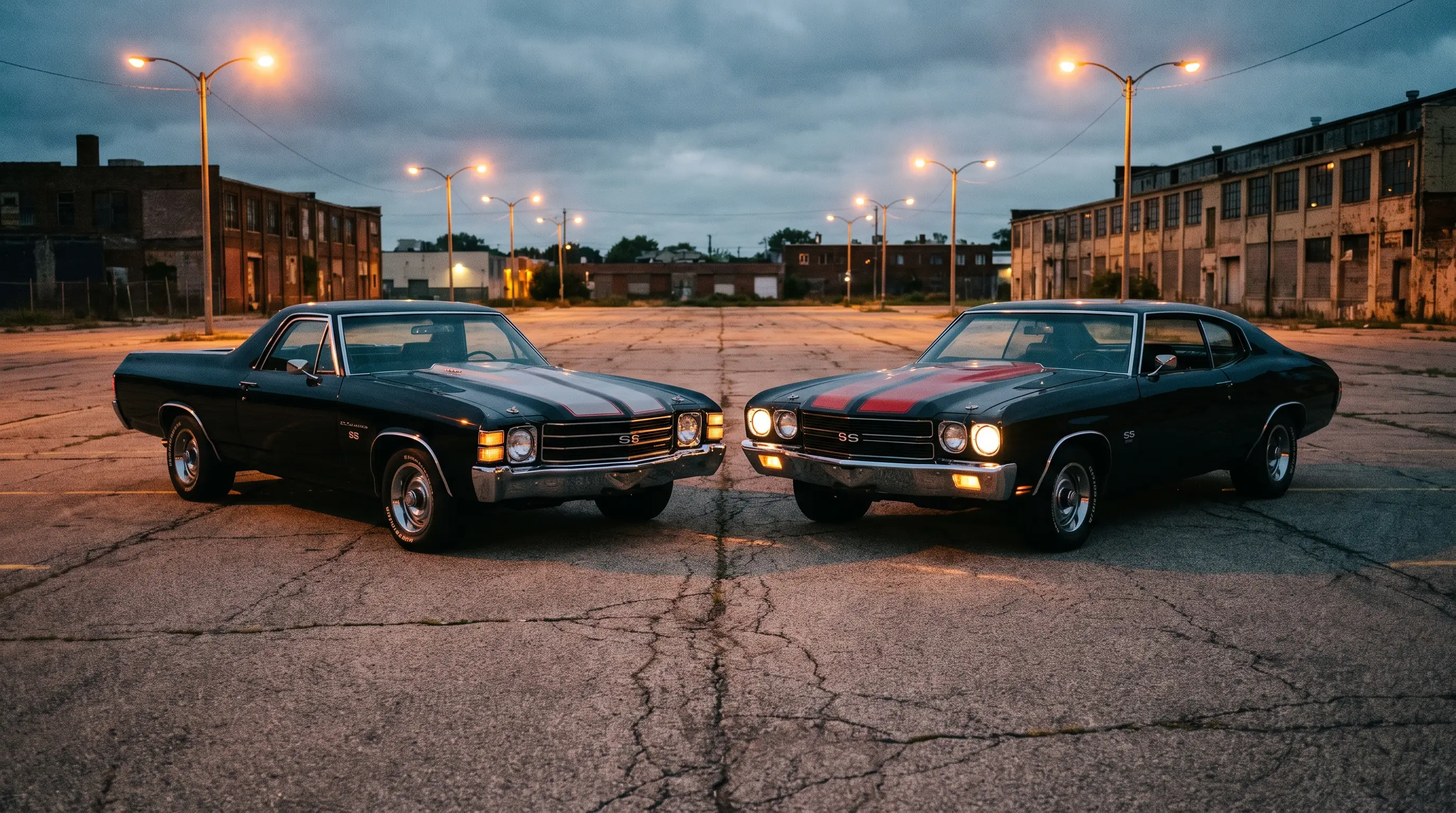
There is a story that gets told at almost every car club meeting that has both an El Camino SS and a Chevelle SS parked in the lot. Two brothers, one buys the coupe, the other buys the truck-car, and forty years later they are still arguing about which one made the smarter choice. I have heard six versions of this story from six different clubs, with six different pairs of brothers, and I believe every single one of them, because the el camino ss vs chevelle ss argument is basically wired into how this whole platform gets remembered.
Same bones, different job
Underneath the sheet metal, the El Camino SS and the Chevelle SS shared the same A-body platform through most of their overlapping years, and often the exact same engine options. A 1970 SS 454 El Camino and a 1970 Chevelle SS 454 could be ordered with the same LS6 big block, the same suspension components, and nearly identical drivetrains. The difference was never really mechanical. It was about what the car was for. The Chevelle was a coupe built to look like a performance car and nothing else. The El Camino carried a bed behind the cab, built to actually work during the week and show off on the weekend.
That single design decision, a truck bed instead of a trunk, shaped everything about how the two cars got used, sold, and eventually remembered by the hobby.
The rivalry that was never really equal at the dealership
Sales numbers tell part of this story honestly. The Chevelle SS consistently outsold the El Camino SS across most of their shared years, in part because the coupe form appealed to a broader buyer base looking for a straightforward muscle car rather than a hybrid work vehicle. The El Camino attracted a different kind of buyer, someone who wanted the performance image but also needed to justify the purchase with practicality, whether that meant hauling a motorcycle, camping gear, or lumber for a home project. That practical justification made the El Camino an easier sell to a spouse or a bank loan officer, even if it meant fewer total units moved off the lot compared to its coupe sibling.
What the club meetings actually argue about
Ask a room full of owners which one is the better collector car and you will get two camps that never quite agree. The Chevelle camp argues that a coupe is simply a purer expression of what a muscle car should be, unencumbered by a truck bed's practical compromises, and that collector demand and auction results back that up with generally higher prices for comparable Chevelle SS trims. The El Camino camp argues back that rarity and versatility matter more than purity, that fewer clean SS El Caminos survive specifically because so many of them were used as actual trucks and driven into the ground, and that the ones left standing today deserve more respect, not less, for having done real work.
Both sides have a point, honestly, and that is exactly why the argument never resolves. It has been running at swap meets and club barbecues for decades now, and it will probably keep running for decades more.
"I've owned both, a Chevelle SS in my twenties and an El Camino SS now that I'm older and actually need to haul things. The Chevelle got me more compliments. The El Camino gets used more, and honestly, that means something too."
- Wayne Coburn
Where the values sit now
The market has generally rewarded the Chevelle SS with higher average sale prices, particularly for documented big block cars with matching numbers, and that gap has held fairly consistent for years. But the El Camino SS has been closing that gap slowly as buyers discover how much rarer genuinely clean, unmolested examples actually are relative to Chevelle SS survivors. A truck-car that spent decades hauling firewood does not survive in the same numbers as a coupe that spent its life in a garage, and scarcity eventually shows up in price whether or not it shows up in reputation first.
What the styling tells you
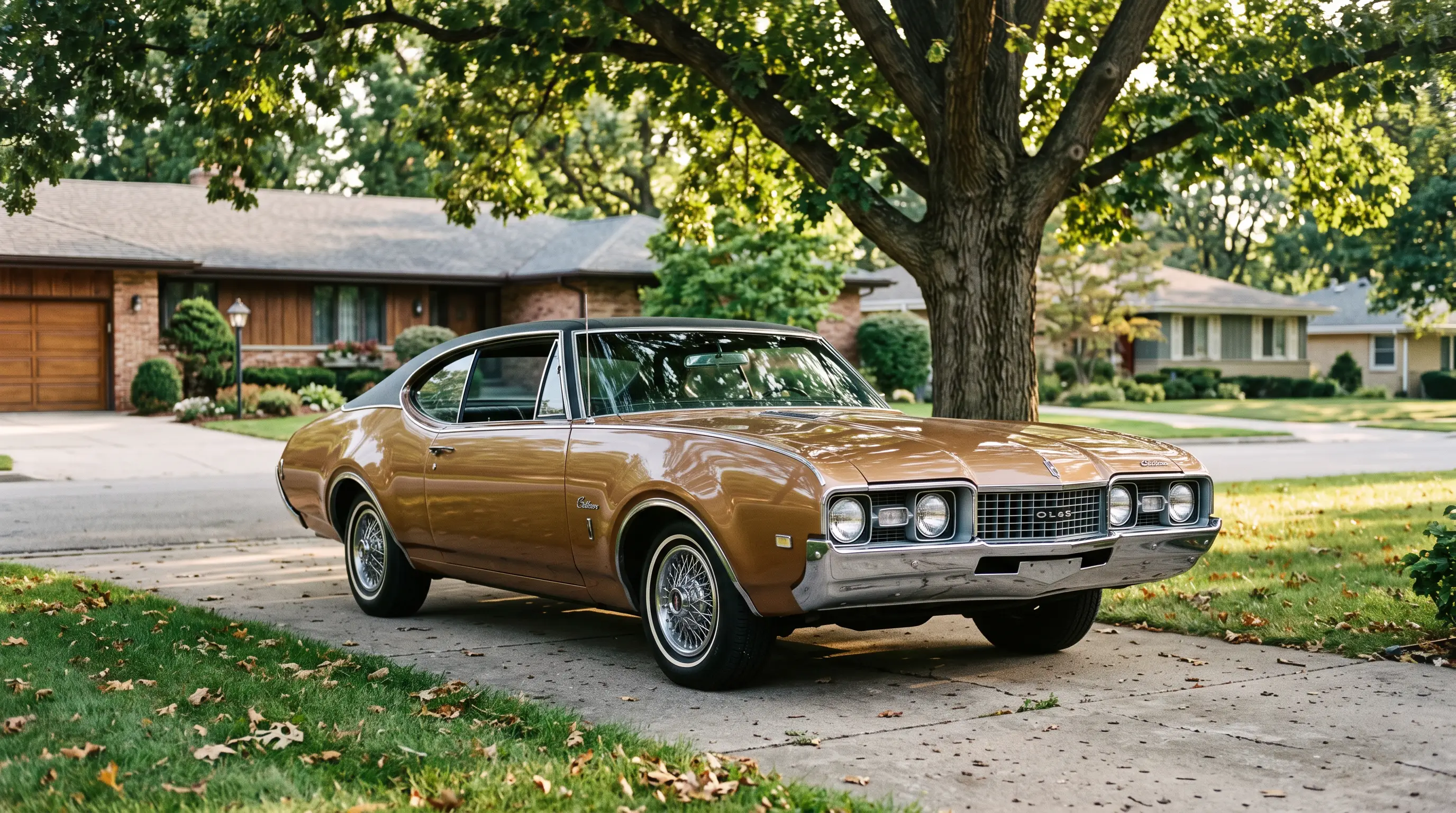
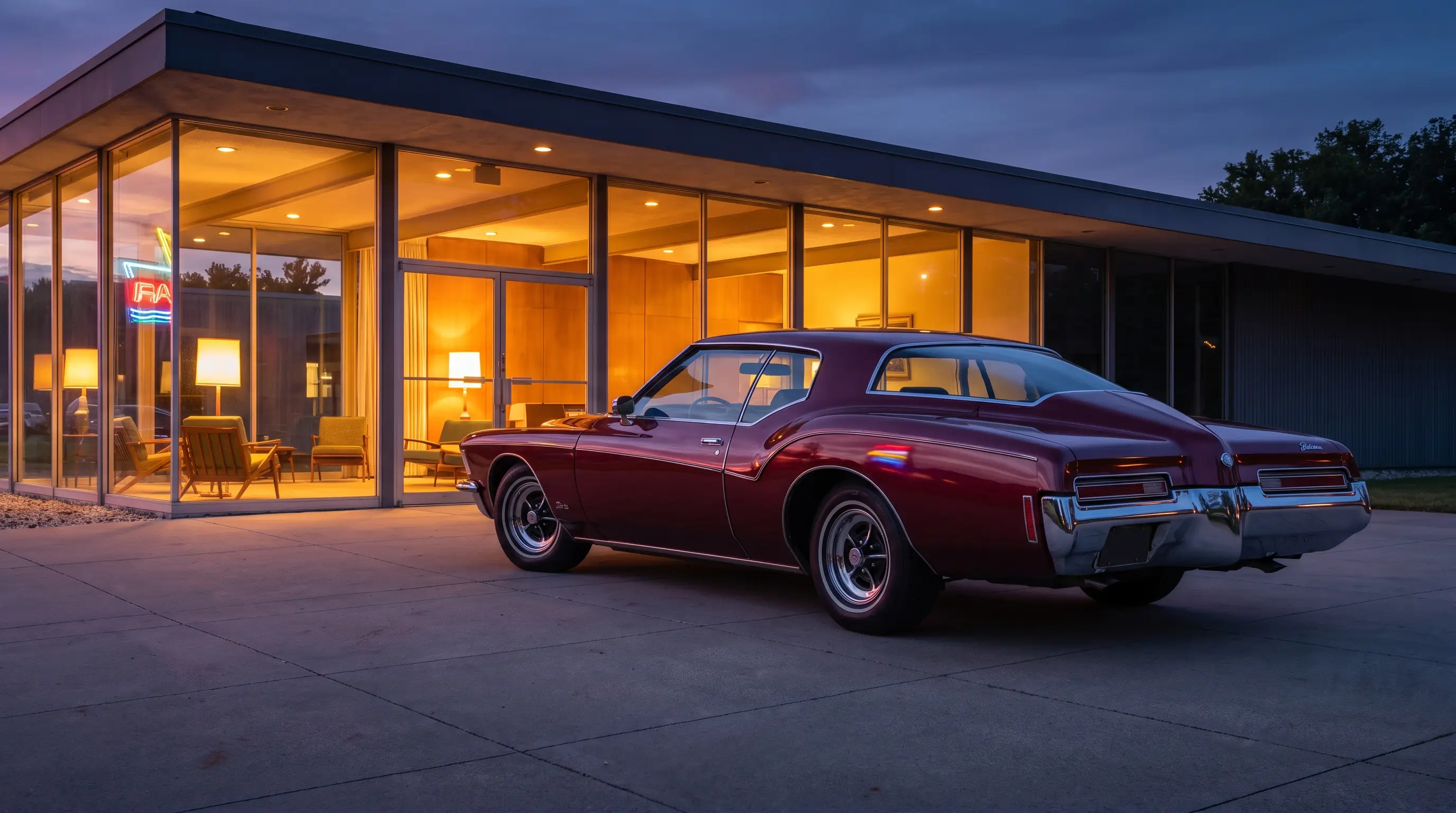
Sit the two nameplates side by side and the styling differences, subtle as they look at a glance, tell you exactly which audience Chevrolet's designers had in mind for each one. The Chevelle SS got the full coupe treatment, a lower roofline, a fastback-adjacent profile on some years, and interior trim clearly aimed at buyers who wanted a performance car full stop. The El Camino kept the SS badge, the stripe packages, and often the same grille and hood, but the whole rear three-quarters of the vehicle told a different story, one built around utility rather than pure sport styling.
That styling split shows up again in how the two cars photograph and show today. A Chevelle SS lined up at a car show reads instantly as a muscle car to anyone walking past, no explanation needed. An El Camino SS at the same show tends to draw a slower kind of attention, people walking up to figure out what exactly they are looking at, a truck or a muscle car, before deciding it is honestly both. That ambiguity used to work against the El Camino in terms of pure muscle car credibility. Now, in a hobby that increasingly values the unusual and the hard to categorize, it works in the truck-car's favor.
| Trait | Chevelle SS | El Camino SS |
|---|---|---|
| Body style | Coupe | Truck-car (coupe utility) |
| Shared platform | GM A-body | GM A-body |
| Typical buyer | Performance-first | Performance plus practicality |
| Production volume | Higher | Lower |
| Collector price trend | Generally higher | Closing the gap |
For the full arc of how the El Camino SS badge came to be in the first place, and why Chevrolet decided a Super Sport truck was worth building alongside its coupe sibling, read the background covers the whole story from the 1968 introduction forward. And if this rivalry has you leaning toward the truck-car side of the argument, there is always a way to find a classic El Camino and settle the debate for yourself, one driveway at a time.
Whichever side of the argument you land on, the two nameplates make more sense understood together than apart. The Chevelle SS shows what a straightforward performance coupe from this era looked like when Chevrolet was not compromising the design for any other purpose. The El Camino SS shows what happens when that same performance intent gets bent around a practical need, and how much character survives that compromise. Neither answer is wrong, and honestly, that is probably why the argument at the club meeting never actually gets settled. Nobody really wants it settled. The back and forth is half the fun of owning either one.