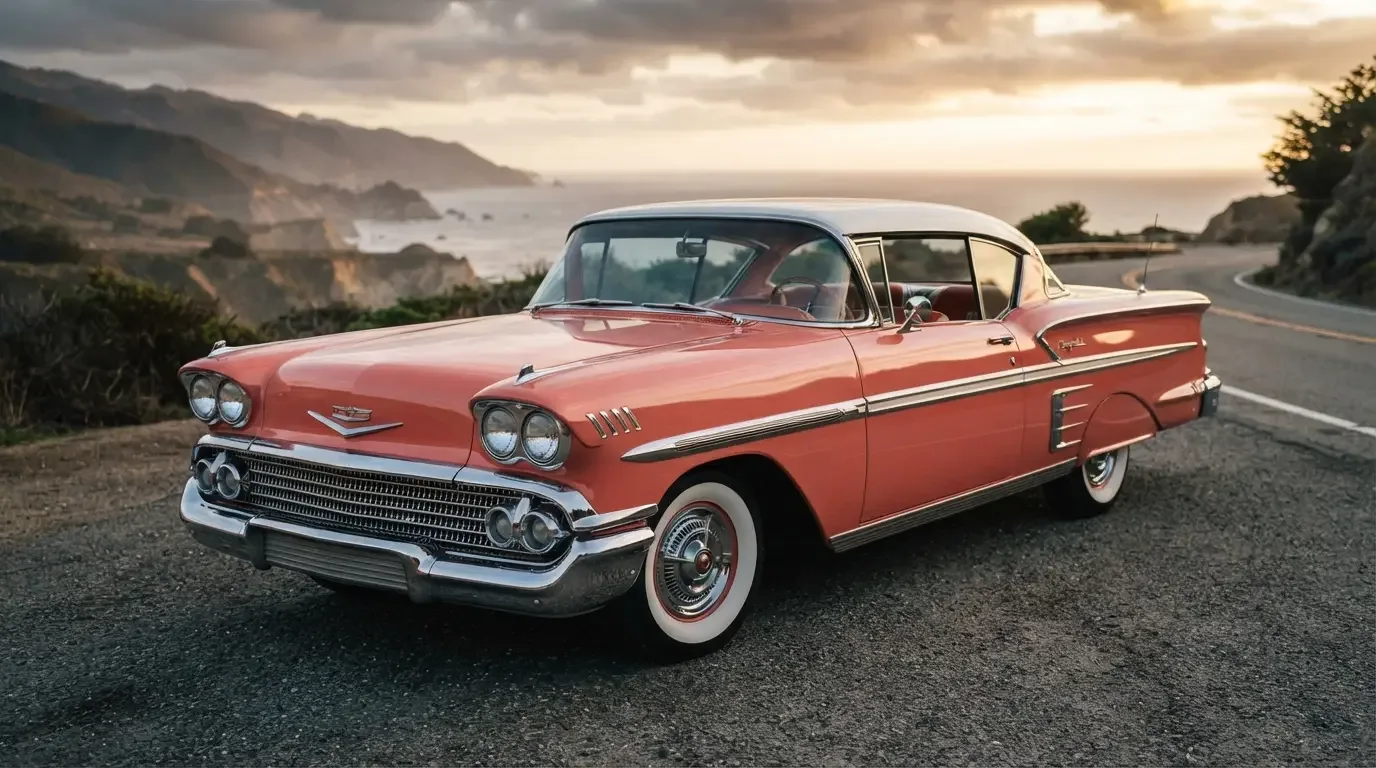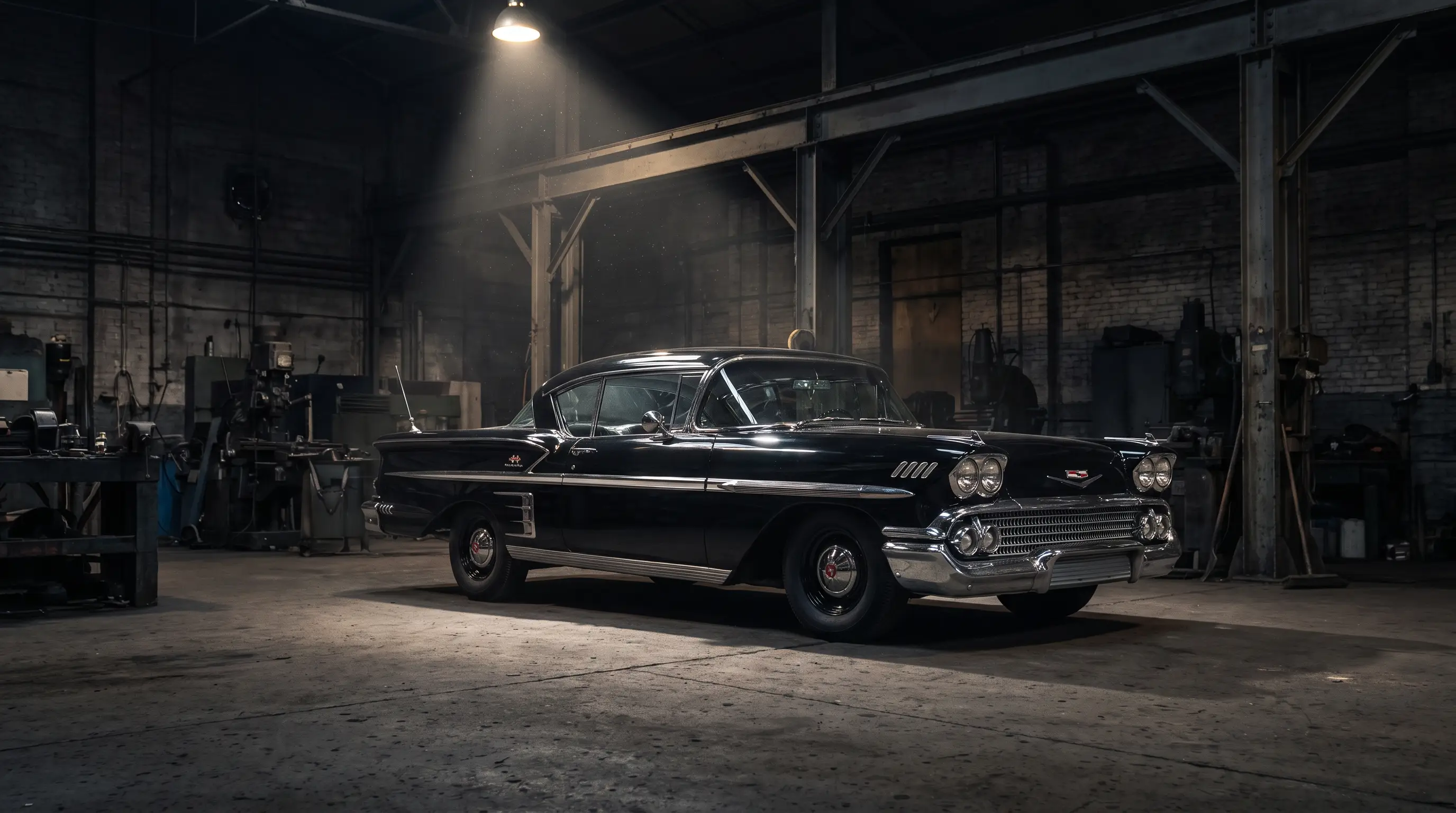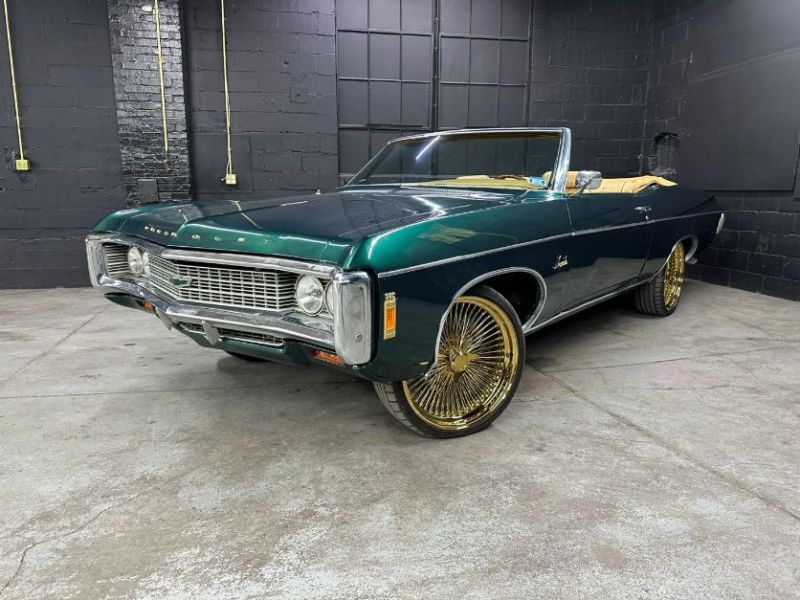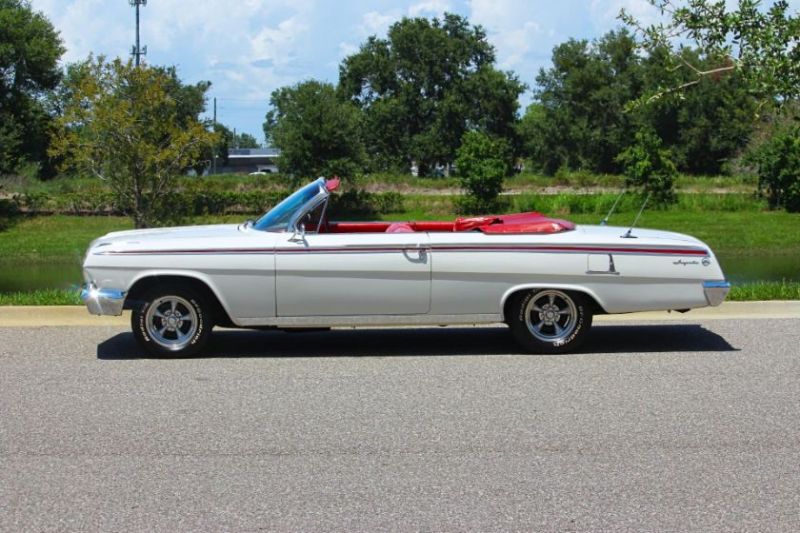
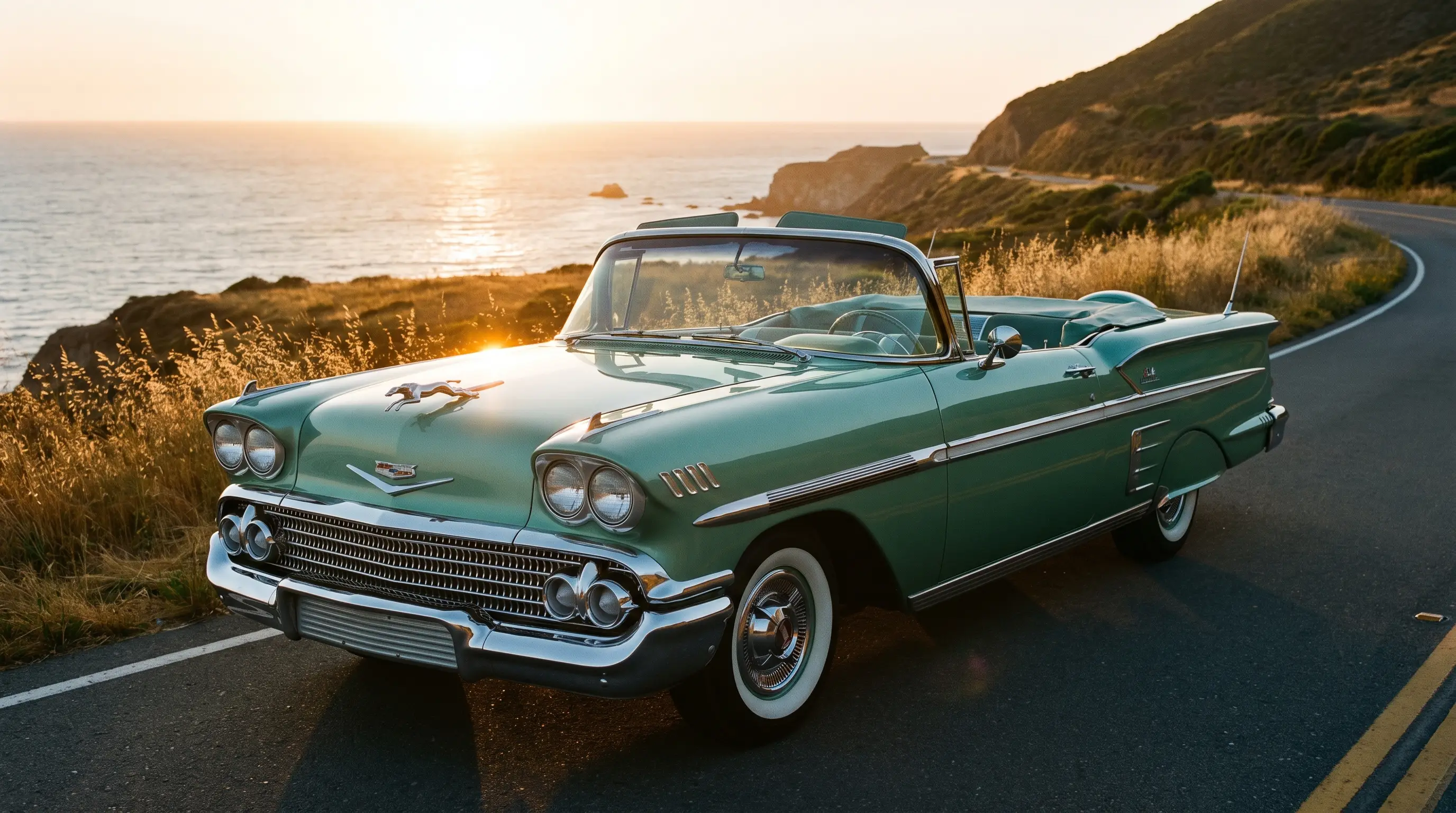
The Chevrolet Impala name origin traces back to a product planning decision inside Chevrolet's styling and marketing offices in the mid-1950s, not to an advertising contest or a focus group of car buyers picking their favorite word off a list. Chevrolet's designers wanted a name that suggested speed, grace, and something faintly exotic for a new upper trim level they were preparing for 1958, and they landed on an African antelope known for covering ground in long, effortless bounds. It is a small piece of naming history that most Impala owners never think to ask about, yet it shaped the entire visual identity Chevrolet built around the car for the next several decades.
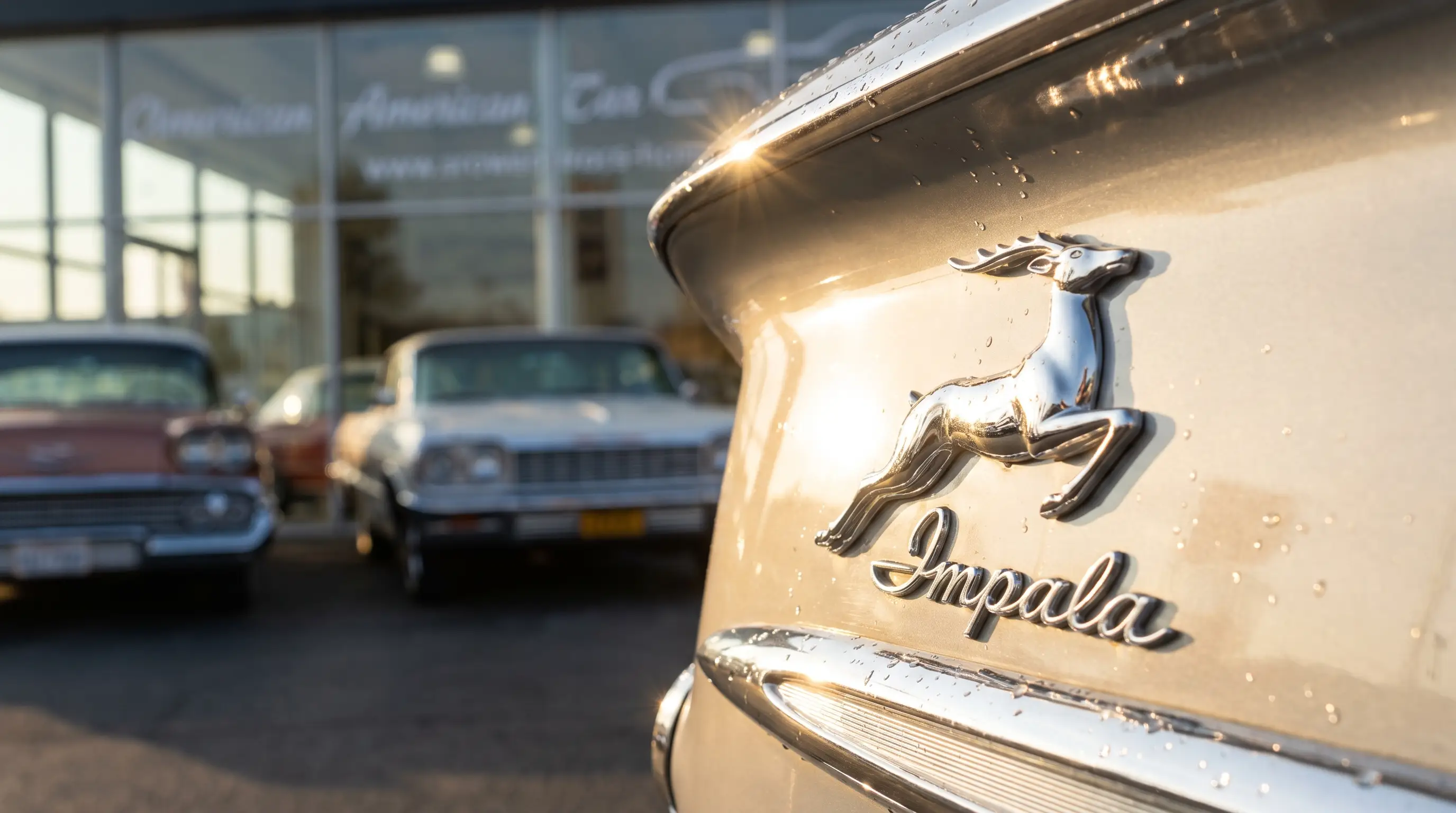
Understanding where the name came from also explains a design language that ran through Impala advertising, badging, and even period dealership displays for years afterward. Once Chevrolet chose an animal as its namesake, the leaping impala figure became a recurring motif across emblems, hood ornaments, and print campaigns, a level of visual commitment that goes well beyond simply picking a pleasant sounding word.
Why an antelope, and why this one
Chevrolet's naming conventions in the 1950s increasingly leaned on evocative, image-driven words rather than the more literal or alphanumeric model designations common earlier in the industry. Bel Air, Biscayne, and Corvette had already established a pattern of borrowing place names or evocative words rather than plain numbers, and Impala continued that trend by reaching for an animal known specifically for speed and agility rather than raw size or strength. Design staff involved in the naming process have described wanting something that read as fast and light rather than powerful and heavy, a distinction that mattered because Chevrolet was trying to position the new trim as sporty and upscale rather than simply bigger and more expensive.
The impala itself, a species of African antelope capable of covering long distances at speed and famous for its leaping bounds when startled, fit that brief closely. It was also, importantly, a name no domestic competitor had already claimed, which mattered in an era when automakers were increasingly protective of evocative model names as marketing assets in their own right.
How the name shaped the marketing that followed
Once Chevrolet settled on Impala, the animal imagery became a marketing asset the company leaned on consistently rather than a name that existed only on the trunk lid. Print advertisements throughout the late 1950s and into the 1960s regularly incorporated the leaping antelope motif, sometimes literally showing the animal alongside the car to reinforce the connection for buyers who might not otherwise know what an impala was. That kind of sustained visual reinforcement was unusual for the era and reflects how seriously Chevrolet treated the name as more than a label.
The strategy paid off in a way that outlasted the specific ad campaigns that introduced it. By the time Impala became Chevrolet's top selling full-size model in the mid-1960s, the animal imagery had become inseparable from the car's identity in a way that few automotive mascots or namesakes have managed before or since. Few buyers in 1965 needed the connection explained to them the way a 1958 buyer might have.
"Chevrolet didn't just borrow an animal's name, they built an entire visual identity around it and stuck with that commitment for years. That kind of consistency is rare, and it's part of why the name still means something specific today."
- Sarah Whitfield
Why the origin story still matters to collectors
For researchers and collectors tracing the Chevrolet Impala name origin, the story is a useful reminder that the car's identity was deliberately constructed from its earliest days rather than accumulated by accident over a long production run. That deliberate construction shows up in how consistently the badge, the emblem artwork, and the marketing language reinforced the same idea of speed and grace across more than two decades of classic-era production. Readers digging into our complete history of the 1958 debut year will find the naming decision sits at the very start of that story, informing everything Chevrolet did with the model afterward.
That consistency also matters for anyone evaluating original badges, emblems, and period advertising material connected to a specific car. Collectors who understand the intended imagery behind the name are better equipped to spot inconsistent or incorrect reproduction parts, since Chevrolet's own commitment to a specific visual treatment of the animal makes deviations easier to identify. Buyers interested in seeing how that identity translates into today's market can browse classic Impala listings and note how often original badging and emblem condition factors into asking prices.
Naming rivals that never quite caught on
Chevrolet was not the only automaker chasing evocative animal or place names in this period, and looking at what did not stick makes the impala choice look sharper in hindsight. Competing brands experimented with their own animal-derived names through the same stretch of years, some borrowing big cats, some reaching for birds, with mixed results in the marketplace. Few of those names achieved anything close to the recognition Impala built, partly because fewer competitors committed to the same level of sustained visual reinforcement Chevrolet applied across badges, ornaments, and advertising art. A name is only as strong as the marketing discipline behind it, and Chevrolet treated the impala imagery as a long-term asset rather than a one-season gimmick.
That discipline extended to how dealerships displayed the car as well. Showroom materials from the late 1950s and early 1960s frequently used the leaping animal pose as a recurring graphic element on standees, banners, and print inserts, reinforcing the same imagery buyers would have already seen in national advertising. Few nameplates from the era received that kind of coordinated treatment across every customer touchpoint, and the consistency is one reason the name has aged so well compared to some of its contemporaries.
A name built to last
Few automotive names from the 1950s have proven as durable or as consistently reinforced as Impala, and that durability traces directly back to a deliberate choice by Chevrolet's planners to build an entire identity around a specific animal rather than simply attach a pleasant-sounding word to a new trim level. The leaping impala motif that followed the name for decades afterward was not an accident of marketing convenience. It was the point from the very beginning, and it is a large part of why the name still carries instant recognition among collectors and casual observers alike today. Ask a room full of people who have never sat behind the wheel of one what an Impala looks like, and most will still describe something fast and low before they mention a single mechanical detail. That is the mark of a name that worked exactly as intended.