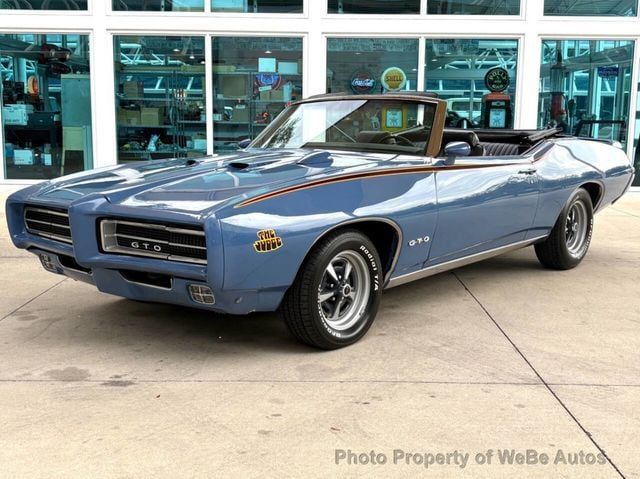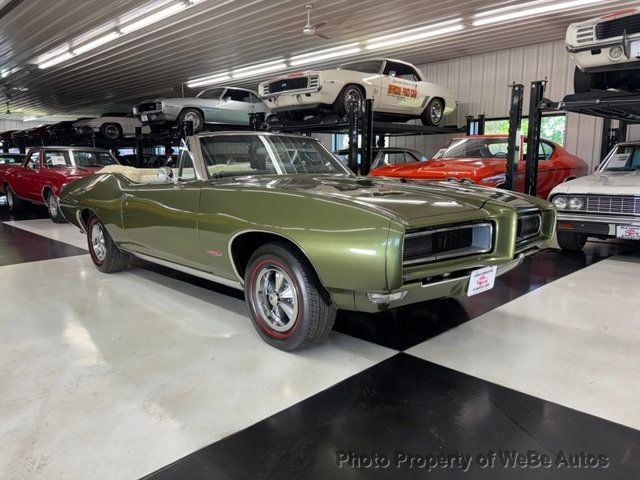
I remember guys at the local strip talking about Arnie Beswick like he was some kind of local legend you'd maybe get to see once a season, and depending where you grew up, that might have actually been true. They called him "The Farmer," and it wasn't a gimmick name some PR guy dreamed up. Beswick actually farmed in Illinois, ran his equipment during the week, and hauled Pontiacs to match races on the weekends, which is about as Midwest a résumé as drag racing has ever produced.
What made Beswick stick in people's memory wasn't just that he was fast, plenty of guys were fast. It was that he stuck with Pontiac power long after Pontiac itself pulled back from factory-backed racing in the early 1960s. General Motors' corporate ban on factory racing support hit right as the muscle car era was picking up steam, and a lot of teams jumped ship to whatever manufacturer would still write a check. Beswick didn't. He kept campaigning Pontiacs on his own dime and his own reputation, and that loyalty is a big part of why his name still gets brought up whenever GTO history comes up at a swap meet.
The cars people still talk about
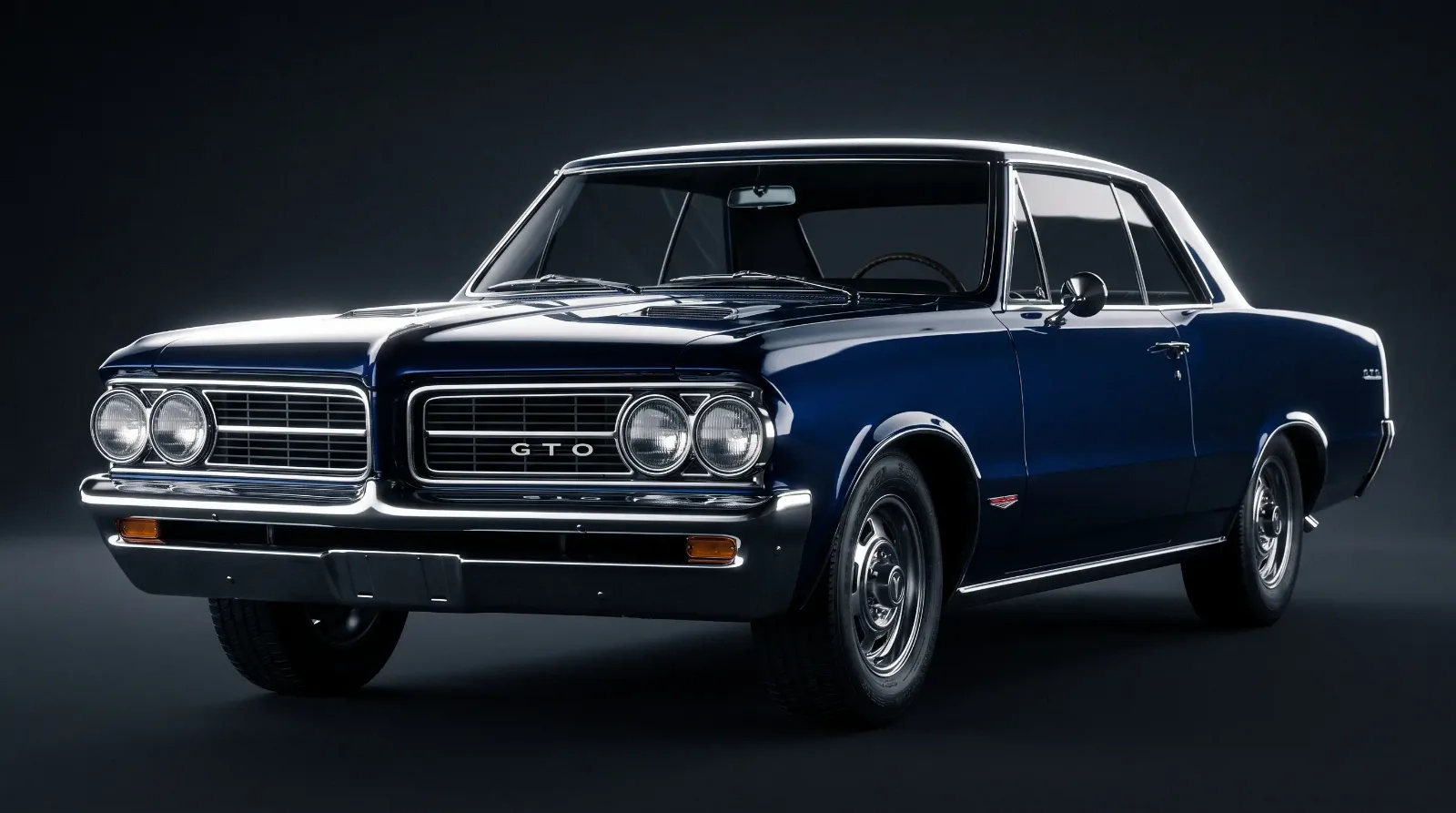
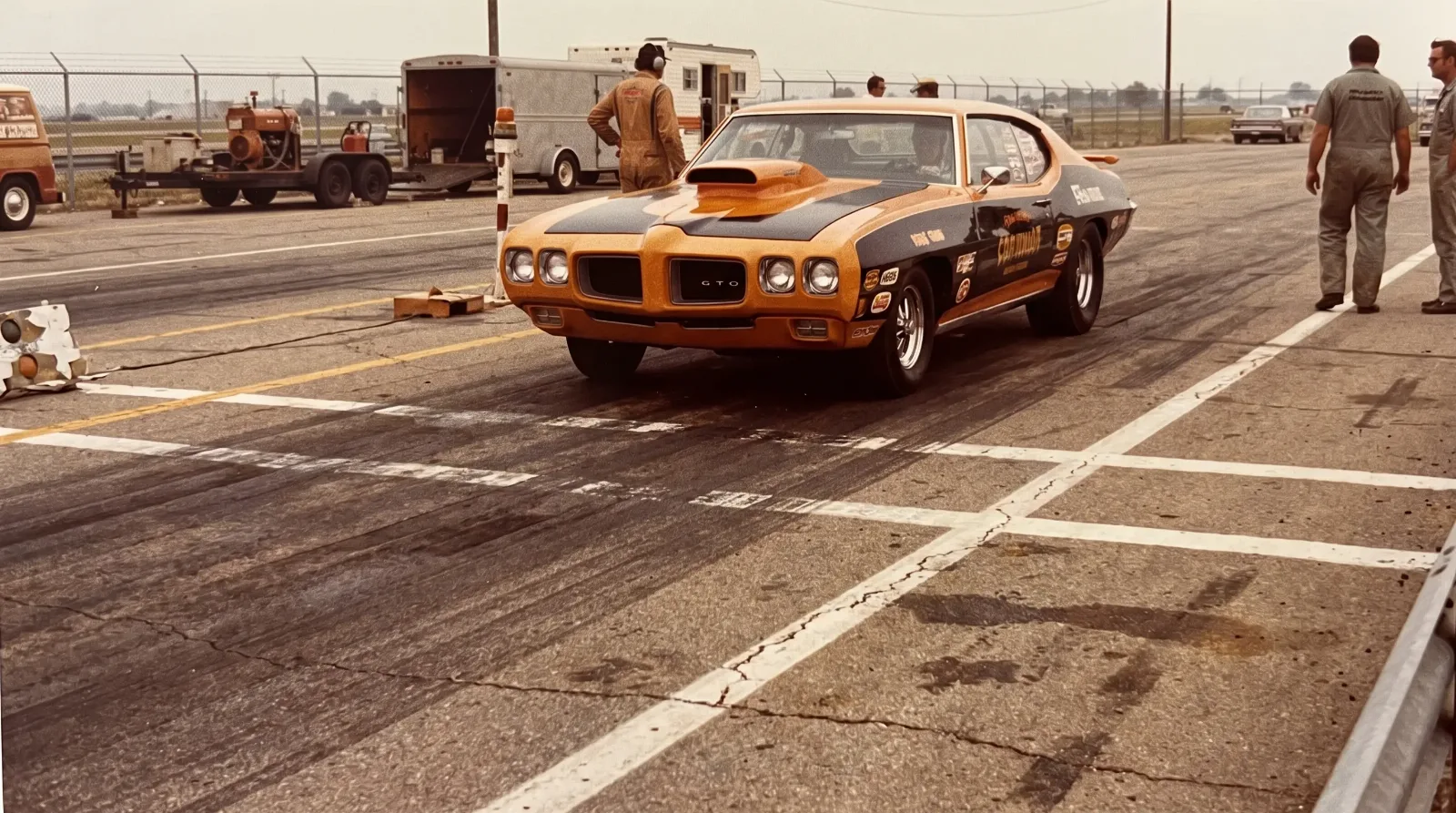
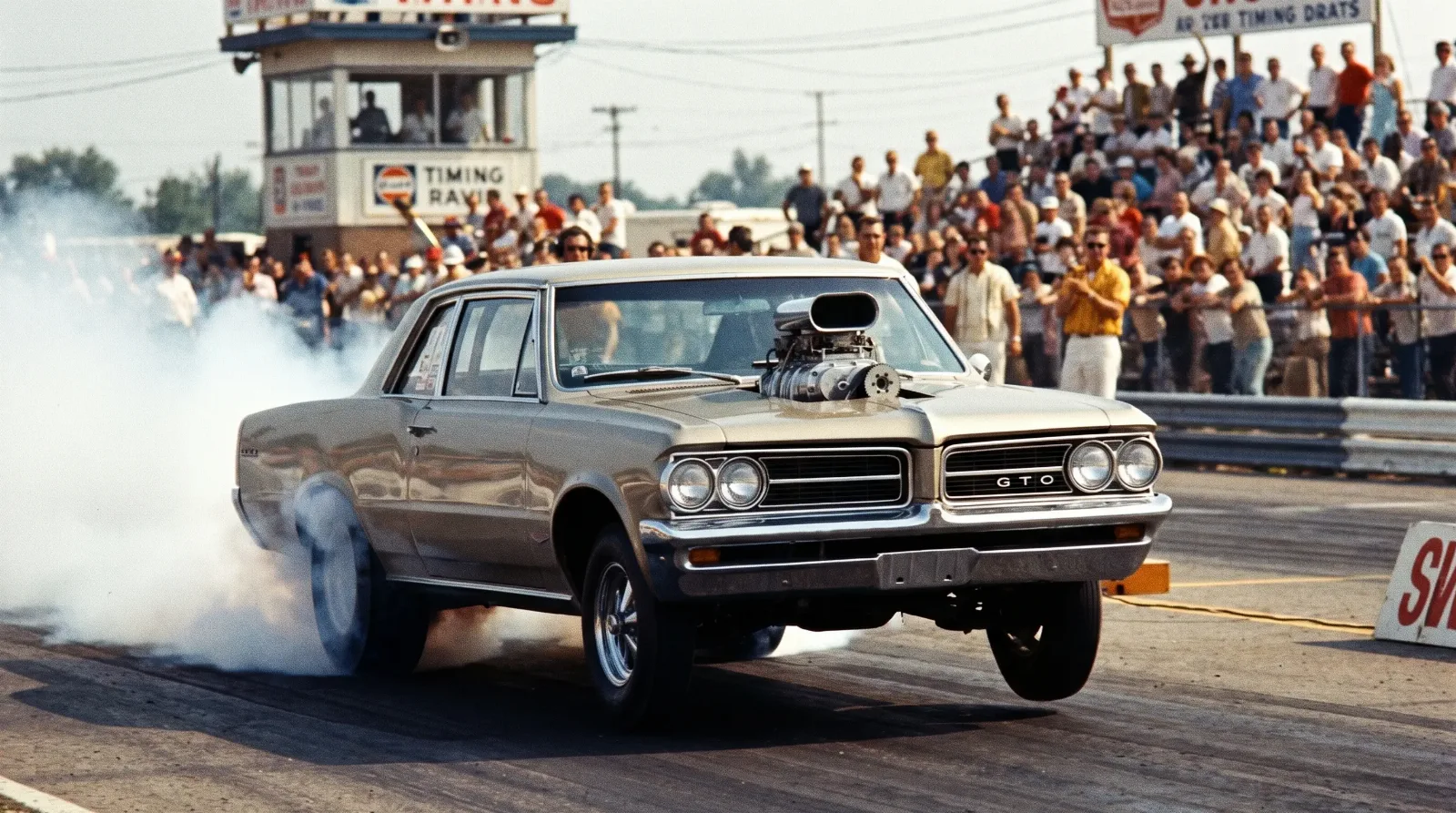
Beswick ran a string of memorable machines through the 1960s, several of them built around Pontiac's Tempest and GTO platforms, campaigned in match races and exhibition classes where the whole point was putting on a show for a paying crowd as much as winning a sanctioned points race. His supercharged 1964 GTO factory-experimental car, known as the Mystery Tornado, was one of the earliest and most feared, and he followed it with cars like the altered-wheelbase 1963 Tempest called Tameless Tiger, the fiberglass-bodied 1966 GTO called Star of the Circuit, and later a Super Judge built around GTO Judge styling. On April 17, 1965, running the blown gas 1964 GTO, Beswick became the first driver to take a stock-bodied car through the quarter mile in under 10 seconds, a 9.97 at US 30 Dragway in York, Pennsylvania. That distinction matters if you weren't around for it. Match racing wasn't NHRA points-chasing in the strictest sense. It was barnstorming, two cars and their drivers showing up at a local strip, running a few passes for a crowd that came specifically to see two known names go head to head. Beswick built a career out of being one of the names promoters wanted on the bill.
He did this in an era when Pontiac's factory involvement in that kind of racing had officially ended, which meant whatever he was running, he was largely building and maintaining himself, or with a small crew, without the deep-pocket factory support that Chevrolet, Ford, and Chrysler teams still had access to through various backdoor channels. That's a harder road, and it's part of why his longevity in the sport earned him respect that went beyond just his win column.
"You'd hear his name on the PA before you ever saw the car come off the trailer, and there'd be a crowd already forming around the pit area. That's not something you get from one good season. That's built up over years of showing up and delivering, strip after strip, town after town."
— Gary Nowak
Why Pontiac power specifically
Plenty of match racers of that era switched brands whenever a better deal or a faster combination came along. Beswick's reputation was built on staying with Pontiac even when it would have been easier not to, and that consistency turned him into something like an unofficial ambassador for the brand's performance image at a grassroots level, away from the glossy magazine ads and dealership floor plans. Every time his car ran well against a Chevy or a Mopar at a small-town strip, that was Pontiac's reputation getting built one Saturday night at a time, mostly outside the factory's direct control.
That grassroots credibility mattered more than people give it credit for now. A magazine ad tells you a car is fast. A guy from Illinois who keeps beating faster, better-funded teams weekend after weekend with his own Pontiac tells you the same thing in a way that sticks harder, because it's not coming from an ad department. It's coming from the strip, where results don't care whose name is on the paycheck.
Working on the cars himself
One thing that got repeated at every strip he showed up to was that Beswick wasn't just the guy behind the wheel. He wrenched on his own equipment, same as he wrenched on his farm machinery during the week, and that hands-on relationship with the cars showed in how he ran his operation. There wasn't a big shop full of specialists tuning between rounds the way some of the factory-adjacent teams had. It was closer to a family operation, lean, self-sufficient, built on knowing every bolt on the car because you put most of them there yourself.
That kind of self-reliance earned him a different kind of respect than a purely factory-funded driver would get. Fans could relate to it. Here was a guy who farmed for a living, built his own race cars in whatever time was left over, and still went out and ran competitively against teams with real budgets behind them. It's the same underdog appeal that shows up in plenty of American sports stories, and it stuck to Beswick's name for the rest of his career, long after the specific race results faded from anyone's memory but the record books.
The legacy that outlasted the era
Beswick kept racing well past the peak muscle car years, and his name has stayed attached to Pontiac performance history in a way that a lot of his contemporaries from other brands didn't manage. Part of that is longevity. Part of it is that the story itself, a working farmer campaigning Pontiacs against factory-backed teams and holding his own, is the kind of narrative that keeps getting retold at car shows because it's just a good story, the underdog angle doing real work alongside the actual results.
His run through match racing eventually connects to a bigger chapter in GTO competition history, when Pontiac power started showing up in a more formalized class structure rather than the barnstorming exhibition format Beswick built his name on. That shift, and what it meant for the cars and drivers who made the jump, is worth its own telling if you want read on, and it ties back to the same question of what GTO stands for as a performance badge that had to keep proving itself on the strip, not just on a spec sheet, decade after decade.
Guys like Beswick are why that proving-ground reputation held up. You can put a slogan on a magazine page. You can't fake what happens when the tree drops and two cars leave the line in front of a crowd that showed up specifically to see if the reputation was real, and Beswick spent the better part of two decades proving it, one small-town strip at a time.