
The question sounds simple. What does GTO stand for? The short answer is that the letters were borrowed, not invented, and they carry an Italian meaning that has nothing to do with Pontiac. GTO stands for Gran Turismo Omologato, which translates roughly to "grand touring homologated." It is a racing term, and Pontiac lifted it from Ferrari. Getting that straight clears up a surprising amount of the confusion and myth that has built up around this car over the decades.
Car Features
9 min read
What Does GTO Stand For? The Name, the Ferrari Borrowing, and the Myths
GTO stands for Gran Turismo Omologato, lifted from Ferrari. What the letters mean, why Pontiac borrowed them, and the myths the record corrects.
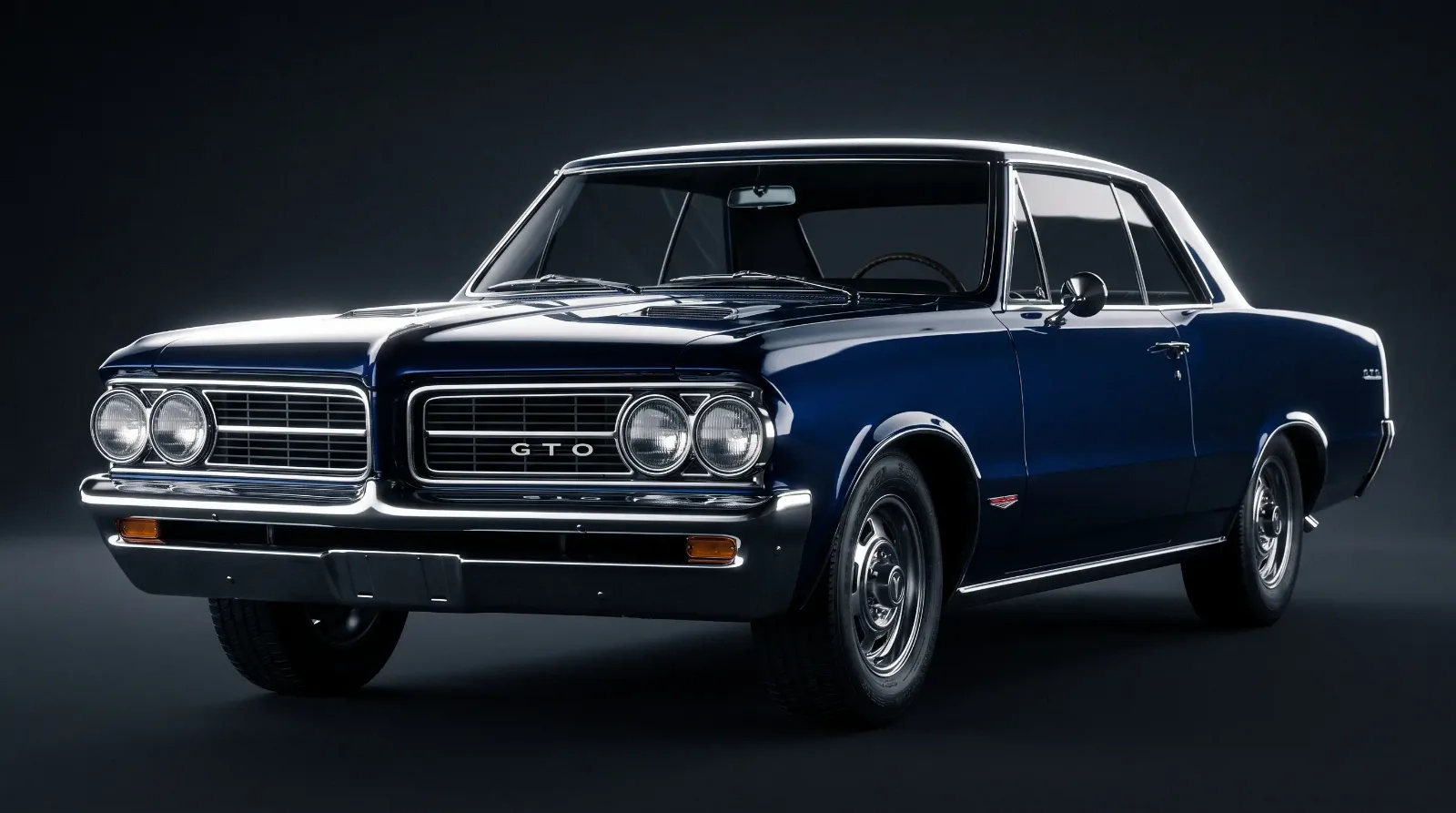
What follows is the documented account of the name, where it came from, and the stories about the GTO that do not survive a look at the record. If you want the car's whole history first, there is the Pontiac GTO story.
What the letters actually mean
Gran Turismo Omologato is Italian. "Gran Turismo" means grand touring, a class of road-capable performance car. "Omologato" is the key word, and it means homologated, that is, approved or certified for a racing class by building the minimum number of road cars a sanctioning body required. In motorsport, homologation is the process of making a race car legal for competition by producing enough street versions to qualify.
So the full sense of GTO is a grand touring car homologated for racing. It is a precise technical term from European motorsport, and it described exactly what Ferrari's car was.
"The letters are not a Pontiac invention and they are not marketing nonsense. Gran Turismo Omologato is a real homologation term from European racing. Pontiac took a legitimate motorsport phrase and applied it to a car that was never homologated for anything. That is the whole story in one sentence."
Tom Ramirez
The Ferrari that owned the name first
The name belonged to the Ferrari 250 GTO, a grand touring race car of the early 1960s built in tiny numbers to qualify for GT racing. The 250 GTO was genuinely homologated, a real race car sold in road-legal form to meet the rules. Its GTO badge was earned in the literal sense the term demands.
Pontiac's use of the same letters was, by contrast, pure appropriation. The 1964 GTO was never homologated for any racing class, and it did not need to be. It was a street car with a big engine. Borrowing the Ferrari's designation was an act of marketing audacity, and it drew objections from enthusiasts who felt the term was being misused. Those objections were technically correct. The name did not fit in the strict sense. It fit perfectly in every other sense, because it told American buyers this Pontiac belonged in the same conversation as an exotic.
Who chose the name
The name itself is credited to John DeLorean, who ran Pontiac's engineering side and lifted the letters straight from the Ferrari 250 GTO, while Bill Collins and Russ Gee helped engineer the car and the marketing side, including Jim Wangers, shaped how it was sold. The name fit the strategy of positioning a mid-size Pontiac as something with European performance credibility rather than just another American intermediate.
The audacity was the point. Taking a revered Ferrari's designation and putting it on an affordable American car was exactly the kind of confident move that defined the GTO's whole personality. It announced ambition, and it dared anyone to argue.
| Term | Meaning |
|---|---|
| Gran Turismo | Grand touring, a road-going performance class |
| Omologato | Homologated, certified for a racing class |
| Full sense | A grand touring car homologated for racing |
| First famous user | Ferrari 250 GTO, a genuine homologated racer |
The myths worth correcting
Several stories about the GTO circulate as fact and deserve a careful look. The first is the idea that the GTO was a fully sanctioned corporate program from the top. The record is closer to the opposite. The GTO reached the market as an option package on the 1964 LeMans specifically because that path avoided the corporate approval a standalone model would have required, given a General Motors rule that limited engine size in intermediate cars. It was, in effect, an end run around the company's own policy.
A second common claim is that the GTO was the first car ever to combine a big engine with a mid-size body. Big engines had appeared in various cars before 1964. What the GTO did was package the idea, name it, price it for a young buyer, and market it as an attitude, which is why it, and not some earlier example, is credited with launching the muscle car segment. The distinction matters: the GTO's claim is about defining and popularizing the formula, not about being the first engineering instance of it.
"People say the GTO was the first muscle car and then somebody points out an earlier big-engine car and declares the whole thing a myth. Both miss the point. The GTO did not invent the ingredients. It wrote the recipe everyone else cooked from. That is a documented, defensible claim."
Tom Ramirez
The nickname the badge could not stop
A third piece of confusion is not about the formal name at all, but about the one the public gave the car. Almost from the start the GTO was called the Goat. There are several competing explanations for where that came from, and none of them is settled. Some say it is simply a slurring of the letters G-T-O into a single spoken word. Others tie it to the animal's reputation for eating anything, a nod to a car that would take on all comers. A few trace it to drag-strip slang of the period. The honest position is that the origin is folklore, and anyone who tells you they know the single true source is overstating the record.
What is documented is that the nickname stuck and that Pontiac's own marketing eventually leaned into the car's tough, take-on-anything image rather than fighting the street name. A borrowed Italian racing term on the badge and a barnyard nickname on the street is a fitting summary of the whole car: high aspiration and working-class swagger wearing the same sheet metal.
The magazine test that fed a myth
One story deserves its own correction because it shaped how people talk about the 1964 car. A prominent enthusiast magazine of the day ran a comparison that pitted the new Pontiac GTO against the Ferrari that owned the name, and the write-up was read by many as proof the Pontiac could run with the exotic. The trouble is that the Pontiac was a Royal Pontiac ringer, secretly fitted with a 421 cubic inch engine in place of the production 389, and no Ferrari ever actually took part. The two cars were never run side by side, which is why the magazine's cover was an illustration rather than a photograph. That is exactly the kind of detail that gets lost when a headline becomes legend. The episode is real and it mattered to the car's image. The clean takeaway that "a stock GTO beat a Ferrari" is the part that does not survive scrutiny.
This is the pattern with most GTO myths. There is a true event underneath, a magazine test, a loophole, a borrowed name, and then a simplified version that hardened into folklore. The documented account is almost always more interesting than the myth, because it shows people making bold, slightly reckless choices rather than a tidy legend arriving fully formed.
"The magazine comparison happened. What people remember about it is cleaner than what the record shows. That is how these things work. A real event gets sanded down into a slogan, and the slogan is what survives. My job is to hand you the event back."
Tom Ramirez
The expansions that are simply wrong
Because the letters are Italian and unfamiliar, people fill the gap with guesses, and a few wrong expansions circulate widely enough to correct here. The most common is "Grand Turismo Option," which mangles both words: the Italian is "Gran," not "Grand," and the third word is not "Option." Another is the folk reading that treats the O as standing for some English word entirely, usually "Omega" or "Overdrive." None of these is right. The term is fixed by its origin in European homologation rules, Gran Turismo Omologato, and it does not bend to whatever English word happens to fit the letter.
A related question is whether Ferrari objected to Pontiac borrowing the badge. The purist community certainly did, loudly, but Ferrari itself never sued and had little basis to. GTO was not a Ferrari trademark at all: it was an FIA racing classification, three letters the rulebook stamped on homologated cars, and three letters like that are not something one carmaker owns. What is documented is that the borrowing was controversial among enthusiasts on principle, because the Pontiac was never homologated for anything and the Ferrari genuinely was. The outrage was real. The lawsuit people sometimes describe never actually happened.
Why the name stuck
The letters worked because they carried aspiration in three characters. GTO sounded fast, foreign, and expensive, and it sat on a car that was none of those things in price but delivered on the promise where it counted, in a straight line. The mismatch between the exotic name and the accessible car was not a flaw. It was the entire appeal. A young buyer got to park a set of Ferrari-derived initials in his driveway for a factory-worker's budget.
That is the honest account of the name. Three Italian racing letters, borrowed without homologation, applied with audacity, and made legendary by a car that earned the reputation the badge only borrowed. For how that reputation was built under the hood, there is the story of Pontiac's GTO engines, and for the moment it all began, there is the birth of the GTO.
If the story has you wanting to see the cars themselves, browse the GTOs for sale and look for the documentation that separates a real example from a story. The name may have been borrowed, but a genuine, well-documented GTO is the real thing.
Sources and notes
Related Reading
Article
The Pontiac GTO Story: How One Car Invented the Muscle Car Era
Article
The 1964 Pontiac GTO: Birth of the Muscle Car

Article
Pontiac GTO Engines: From 389 Tri-Power to Ram Air IV and 455
Article
Why the GTO Is Nicknamed 'The Goat'
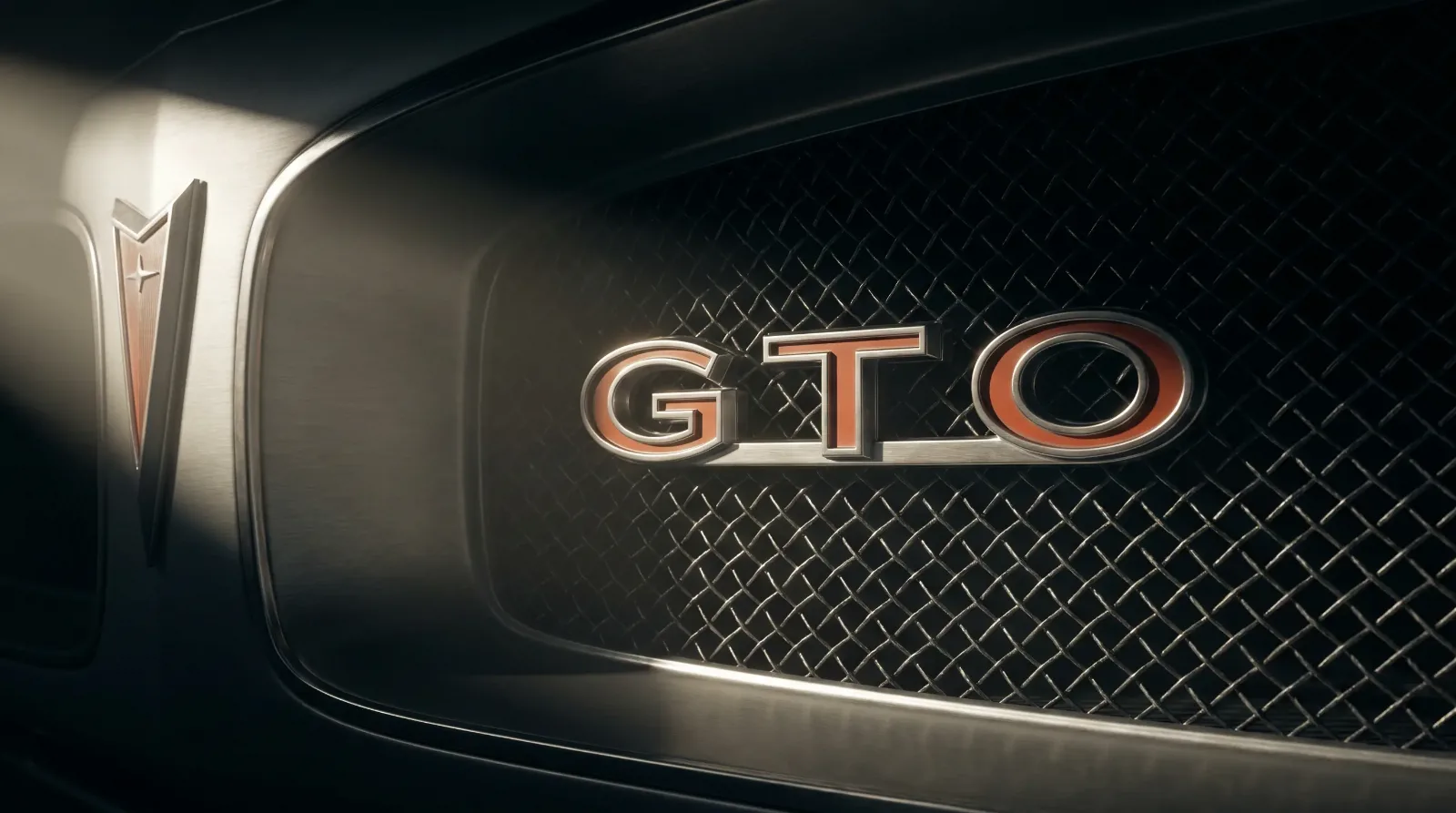
Article
What Does GTO Actually Stand For?
Article
'The Great One': How a Slogan Became a Legend
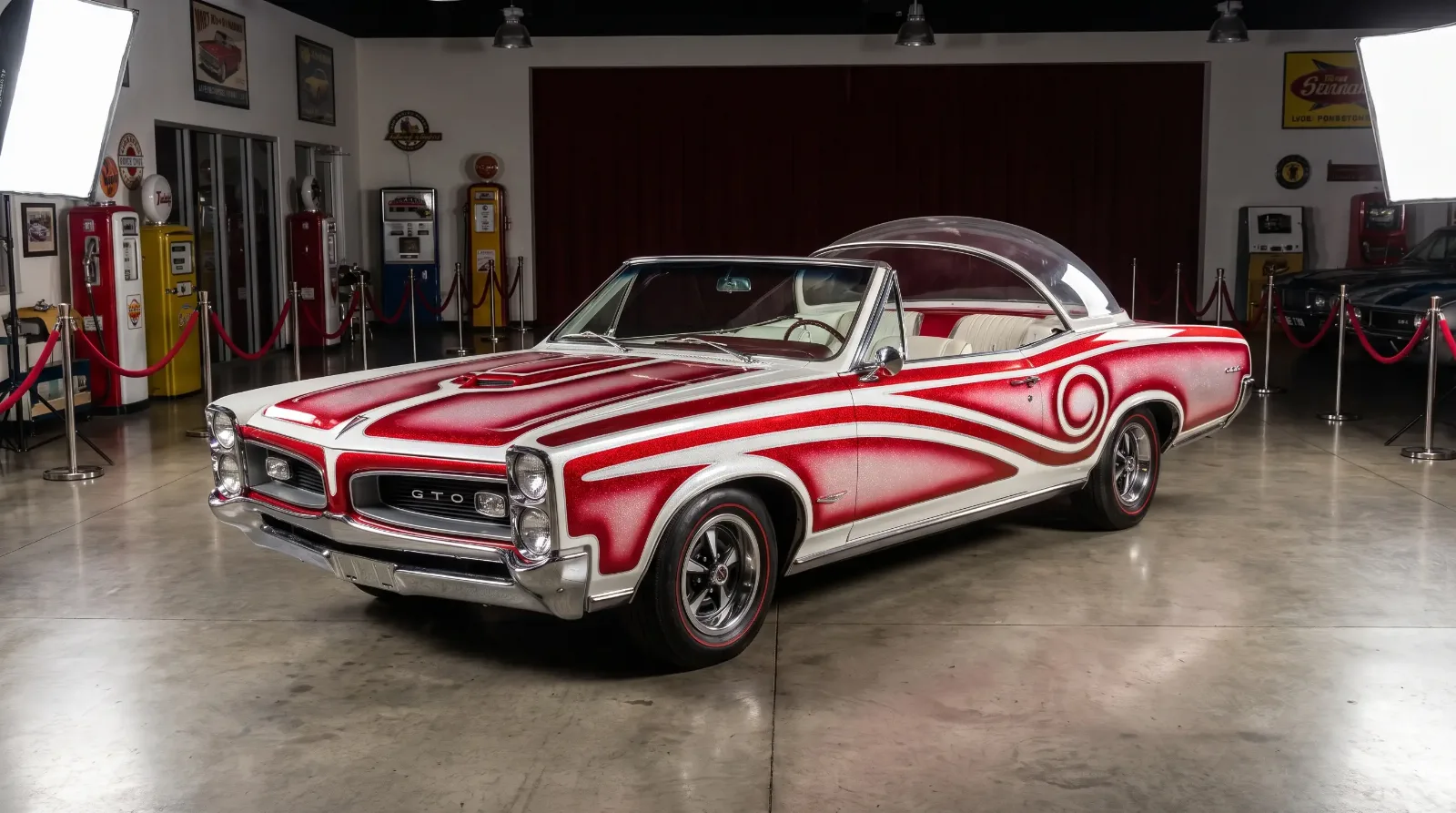
Article
The MonkeeMobile: How a 1966 GTO Became a Pop Icon
Article
Every Famous GTO in Movies and TV
Article
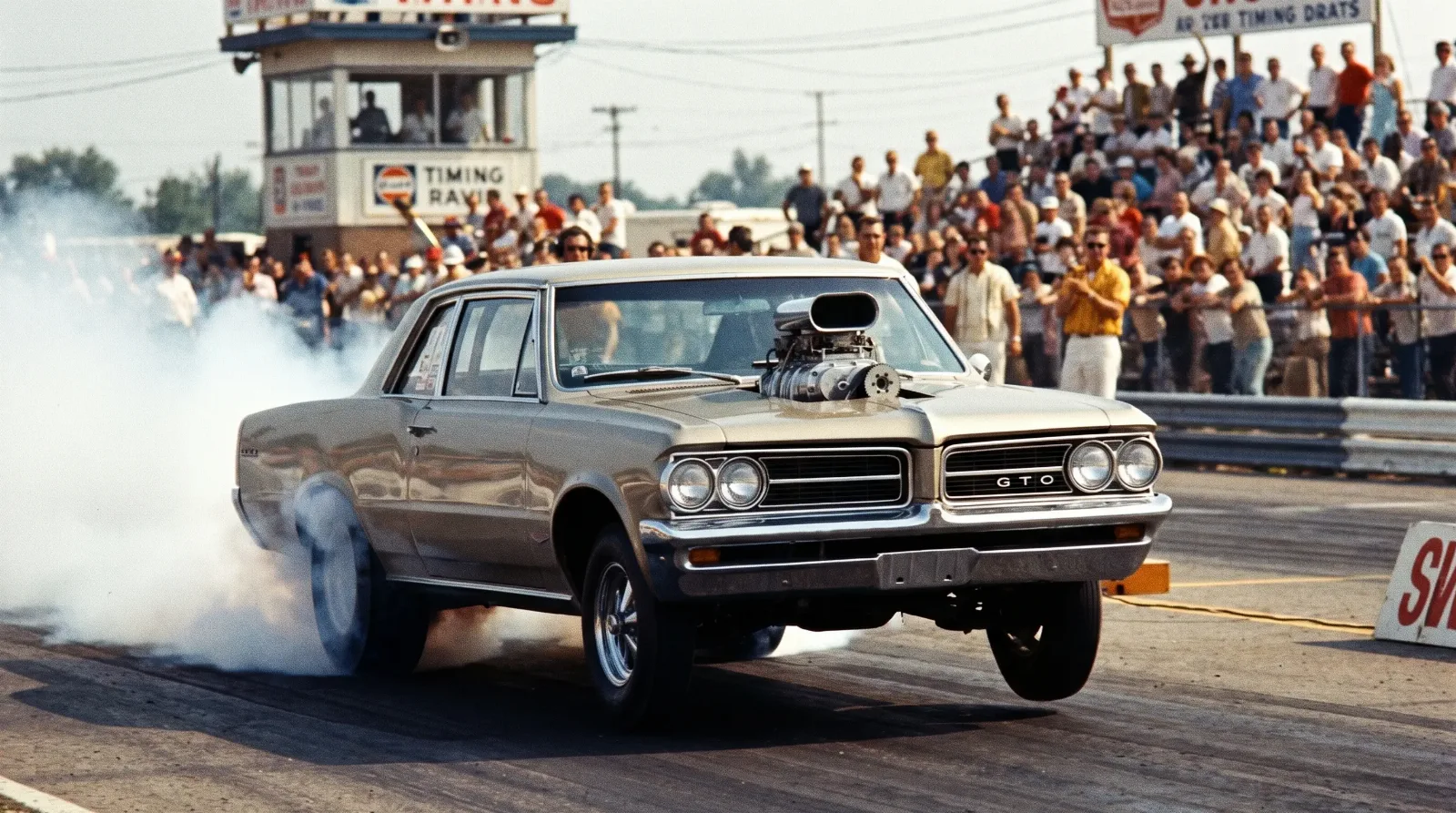
Arnie 'The Farmer' Beswick and the GTO's Drag-Strip Legend
Article
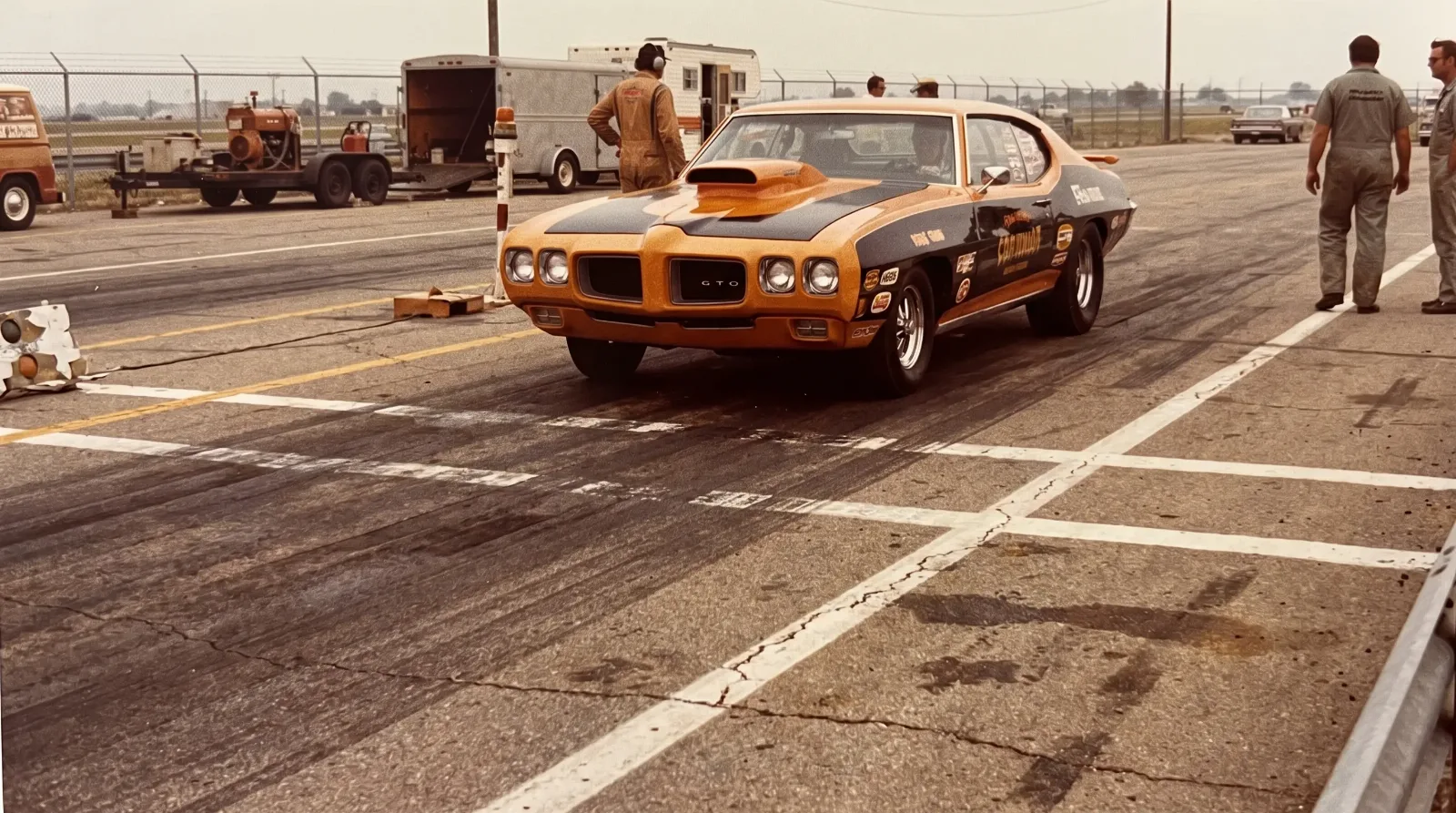
The GTO in Pro Stock: When the Goat Went to War
Article
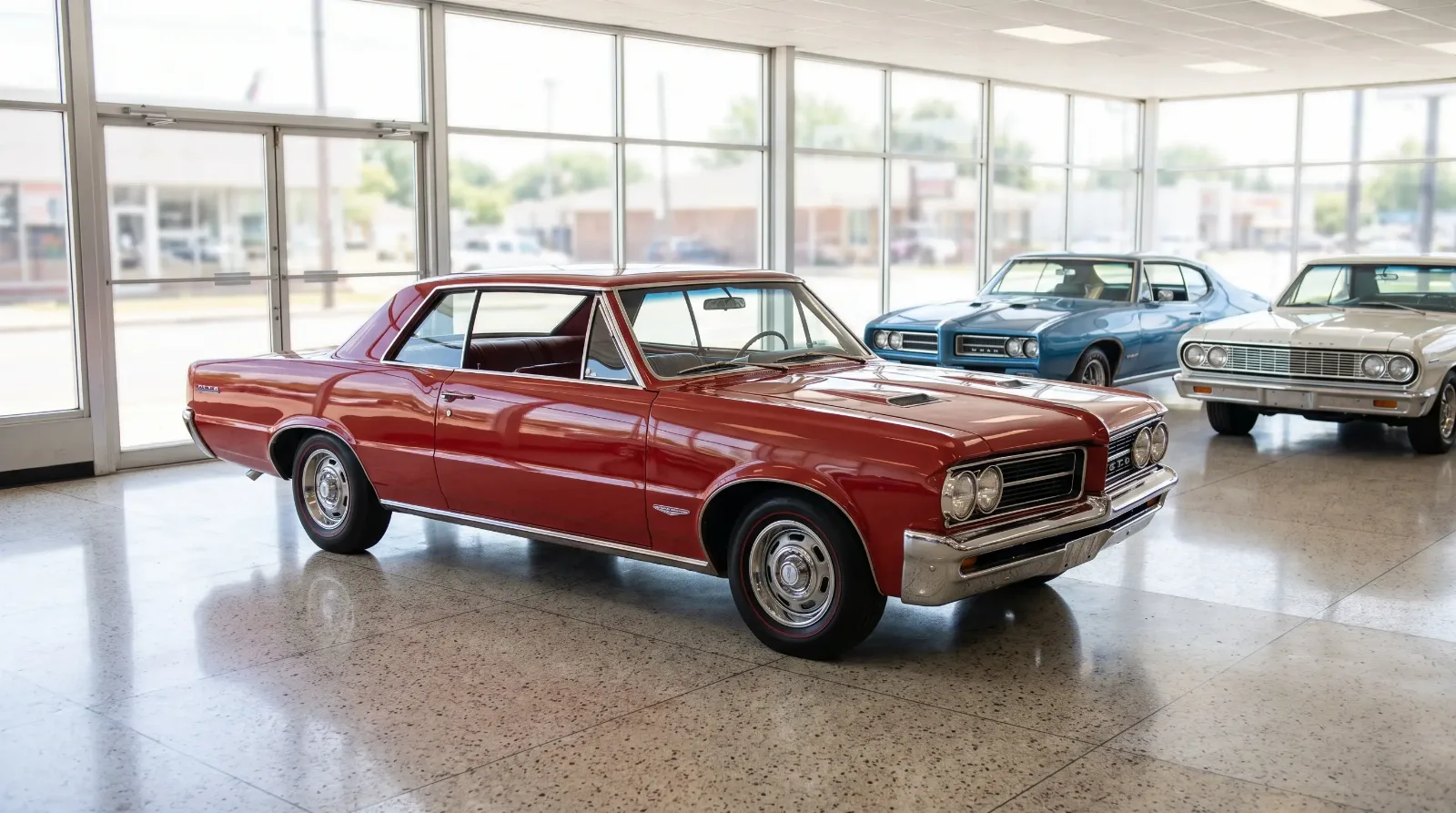
The Detroit Muscle Car Wars and the Goat That Started Them
Article
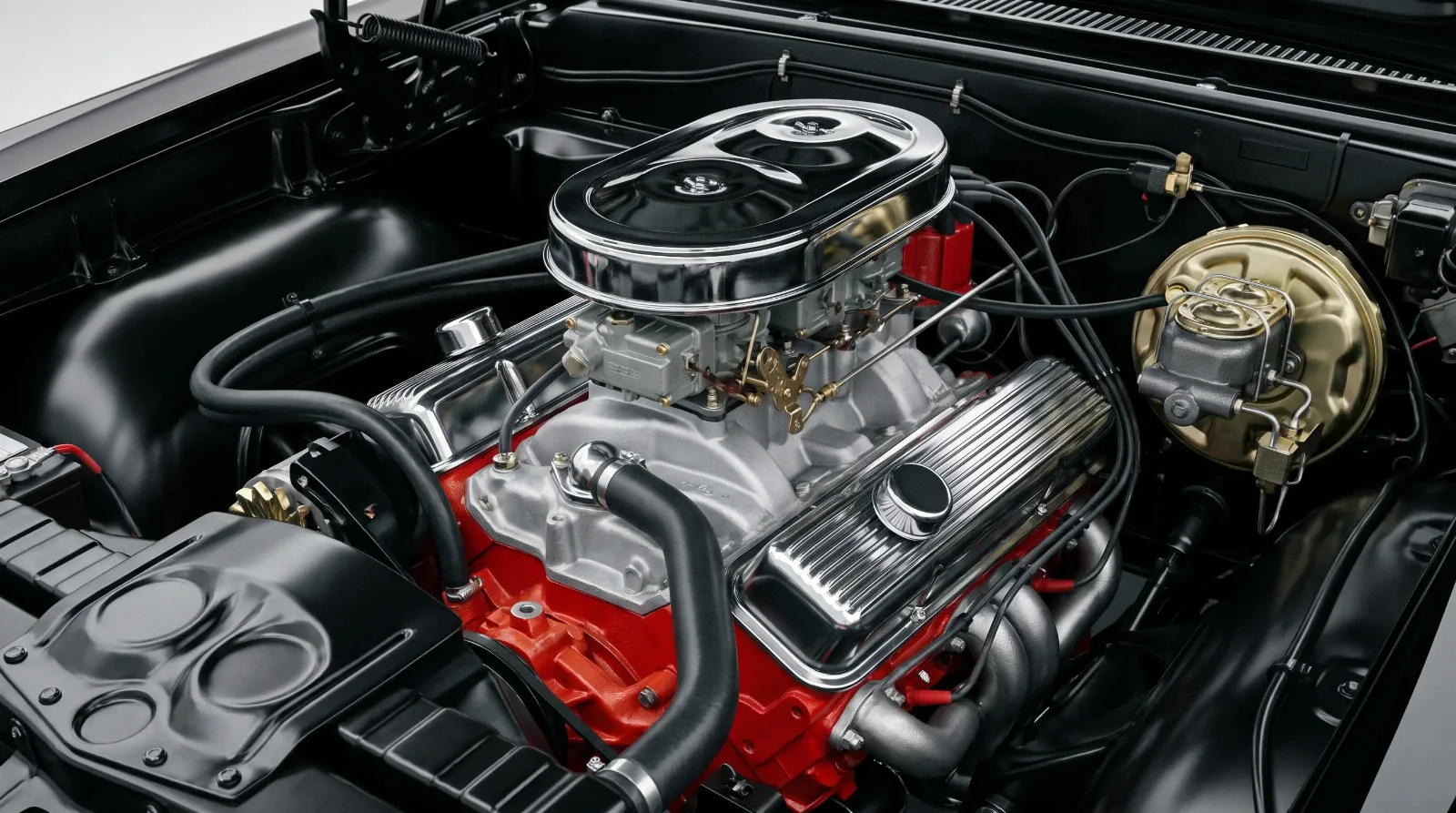
Why the GTO Is Called the Godfather of Muscle Cars
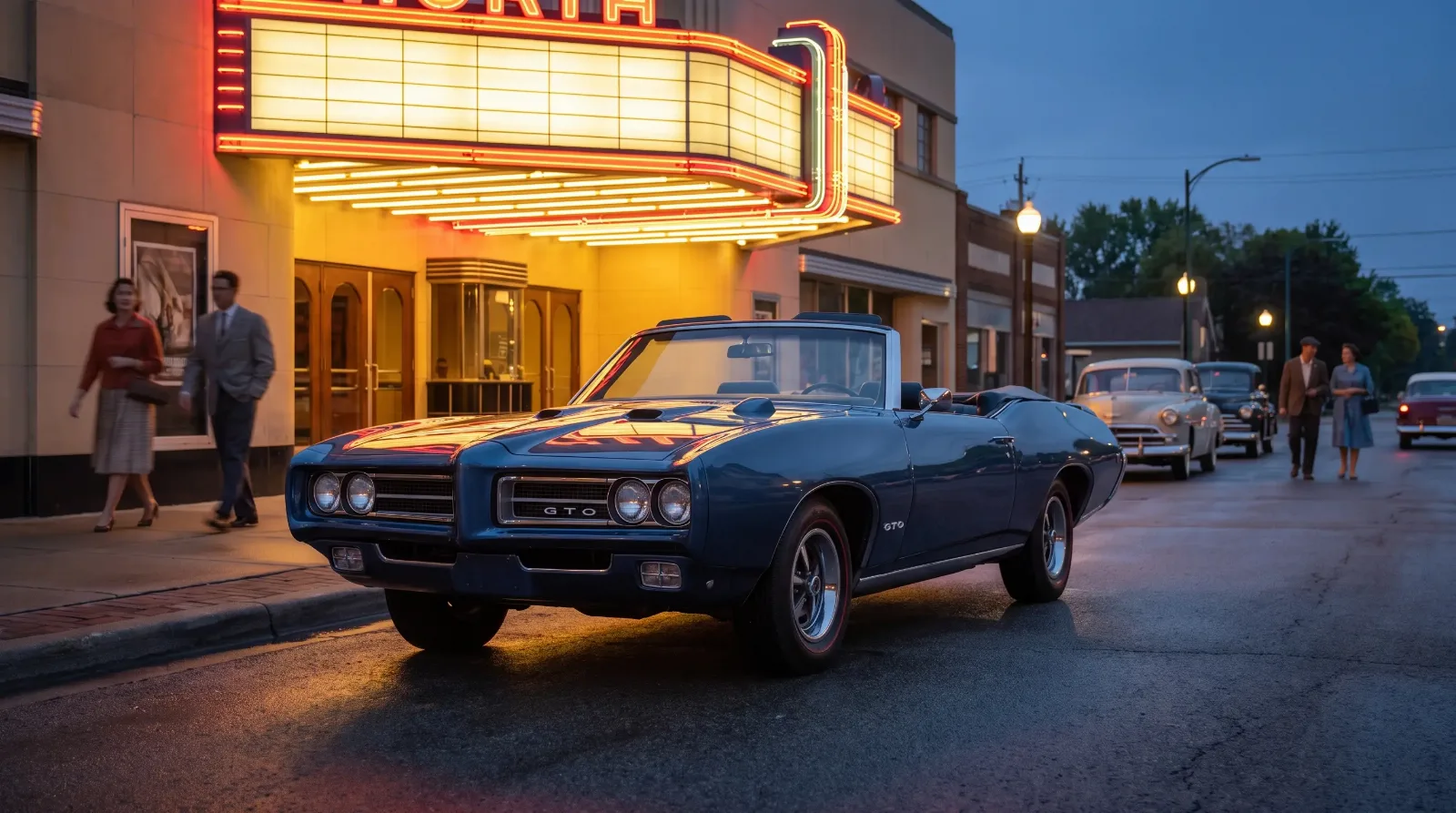
Article
Celebrities Who Owned Classic GTOs
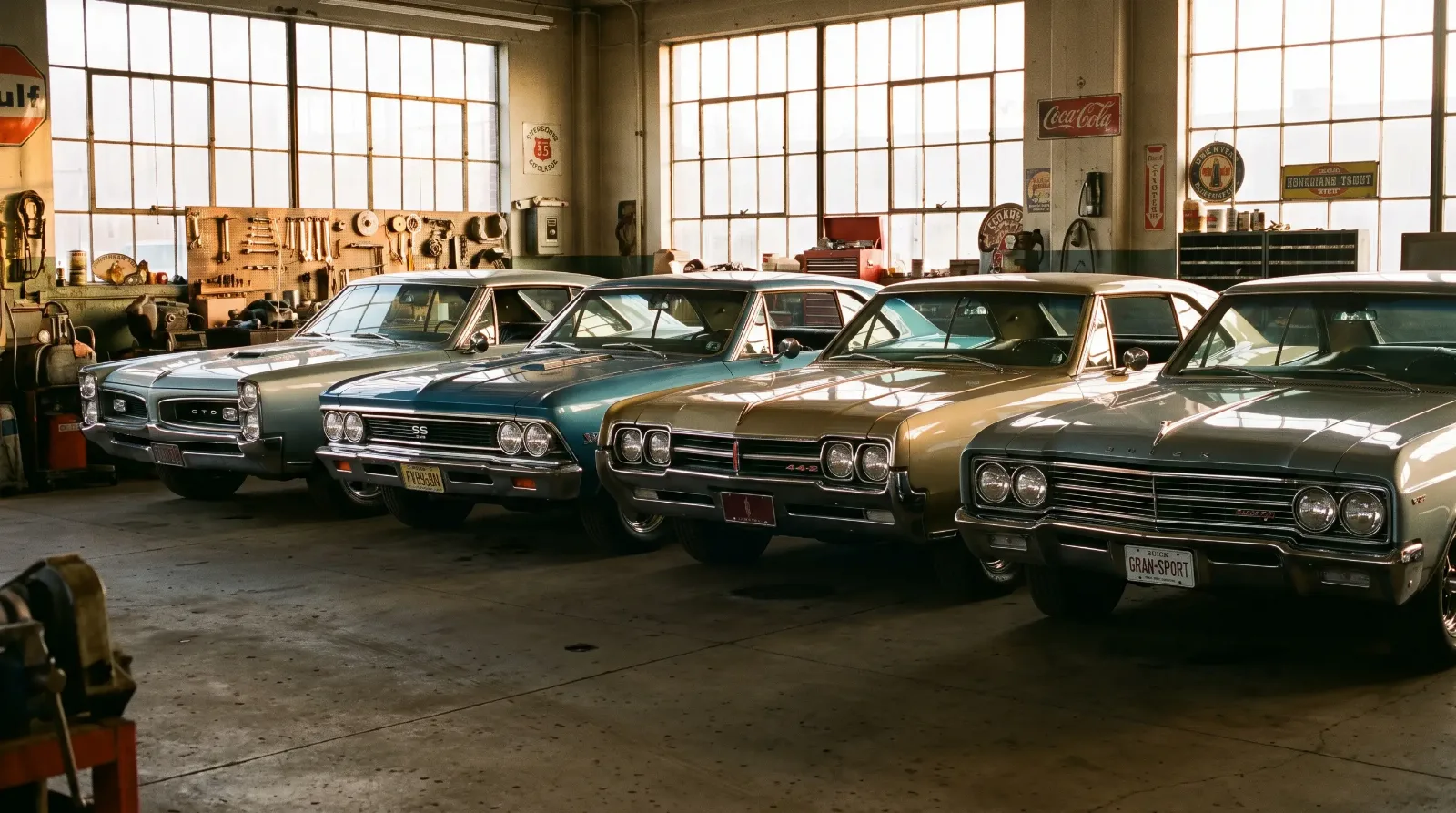
Article
GTO vs the A-Body Field: Chevelle, 442, and GS
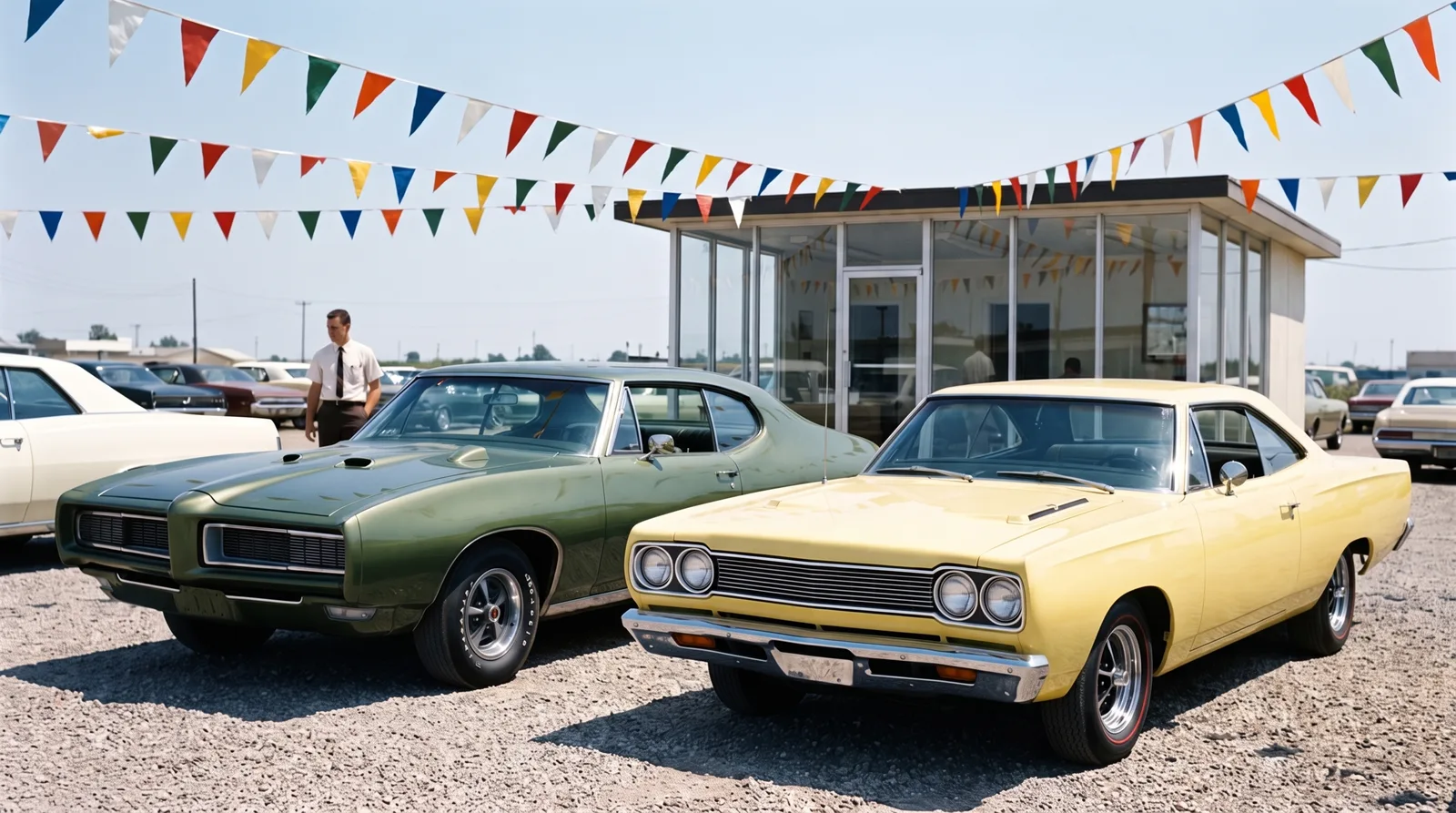
Article
GTO vs Plymouth Road Runner: Budget-Muscle Showdown
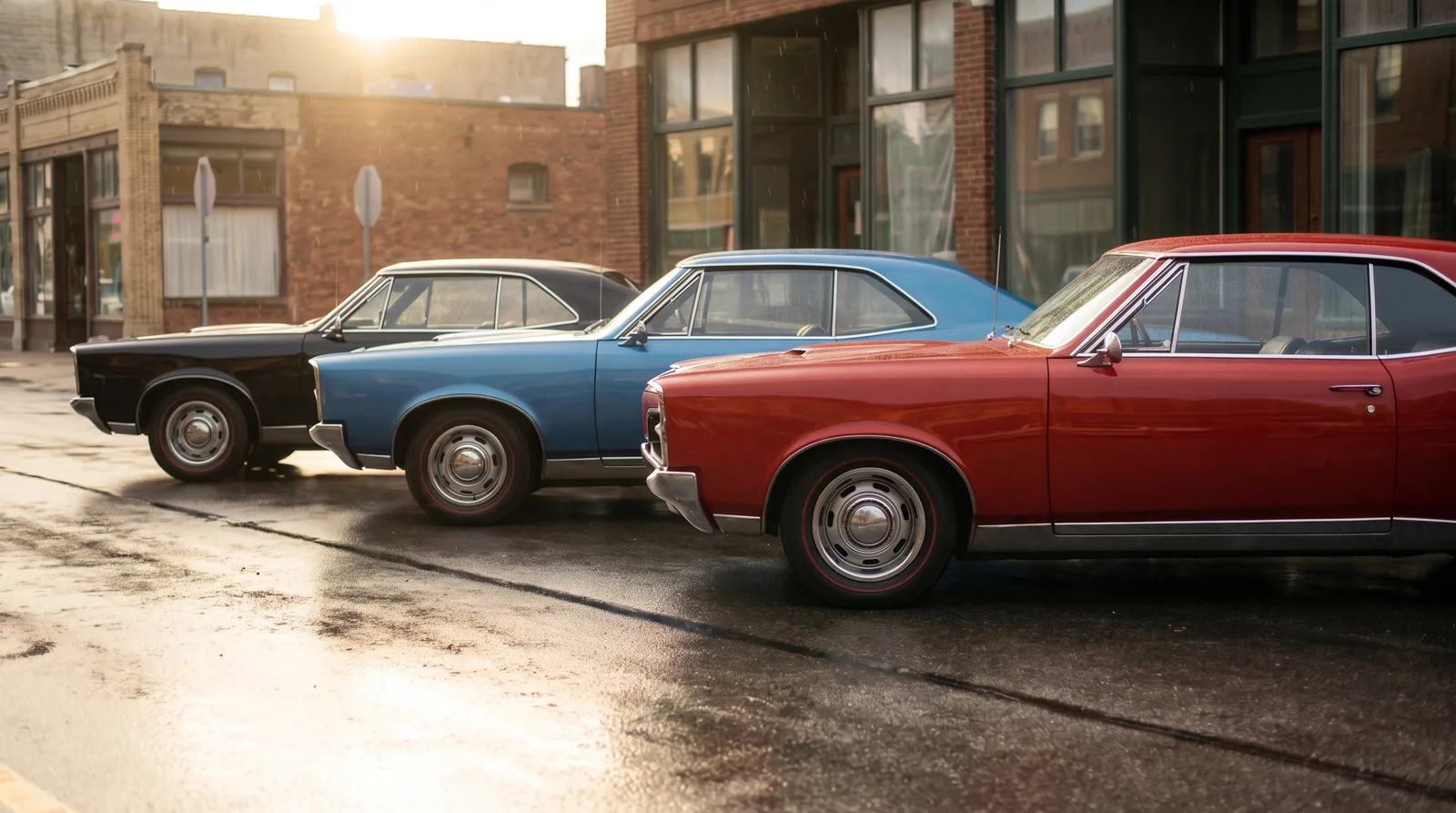
Article
The GTO Clubs and Community That Kept the Goat Alive
Have a
Pontiac GTO
for Sale?
Reach thousands of serious classic car collectors across the US.
Sell It Here →
Are You a Classic Car Dealer?
List your full inventory and connect with targeted classic car buyers.
Join as a Dealer →
#muscle car
#ferrari 250 gto
#gto name
#what does gto stand for
#gran turismo omologato
#pontiac gto myths

About the author
Tom Ramirez
Corvette researcher and historian based in Bowling Green, Kentucky. Two decades documenting Corvette production history from original factory records.
Related Listings - Pontiac GTO


Comments (2)
G
Gary Tompkins
2 months ago
Found mine through a marque club contact rather than a public listing. Paid fair value and knew exactly what I was getting. Worth the connections.
D
Dale Pruitt
1 month ago
Seller said it was all original when I asked about the engine. VIN tag told a different story. Always check the details.