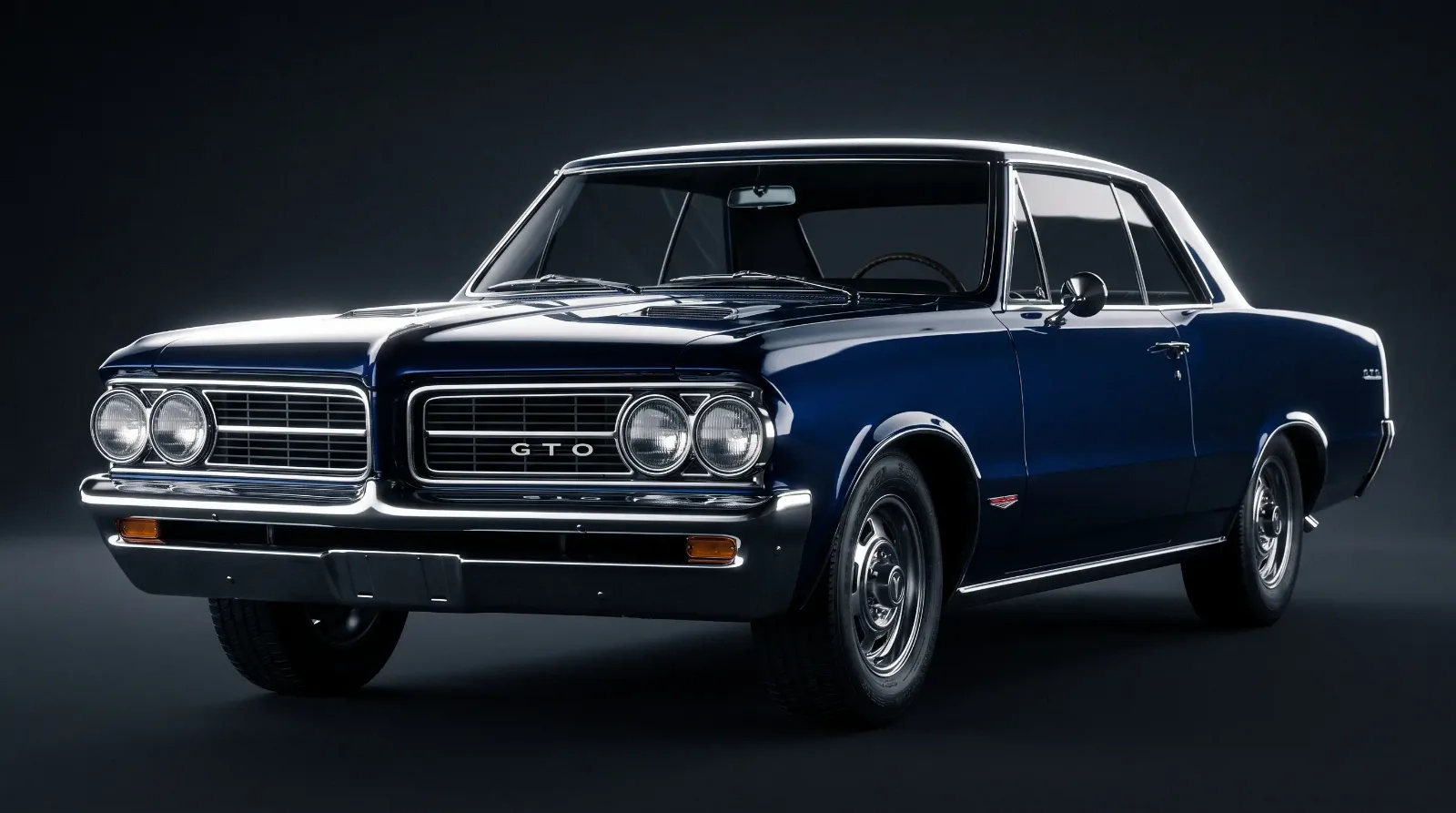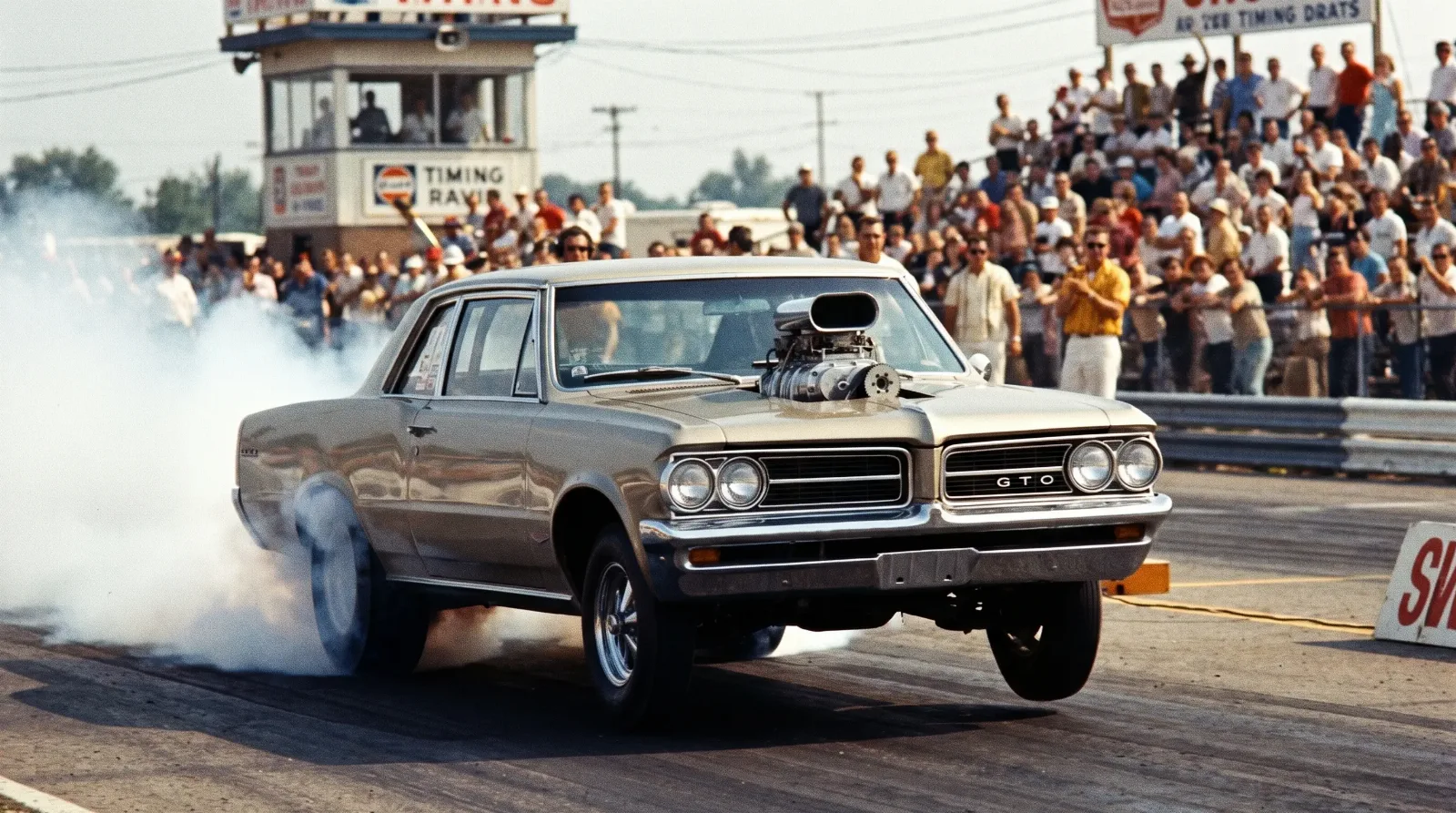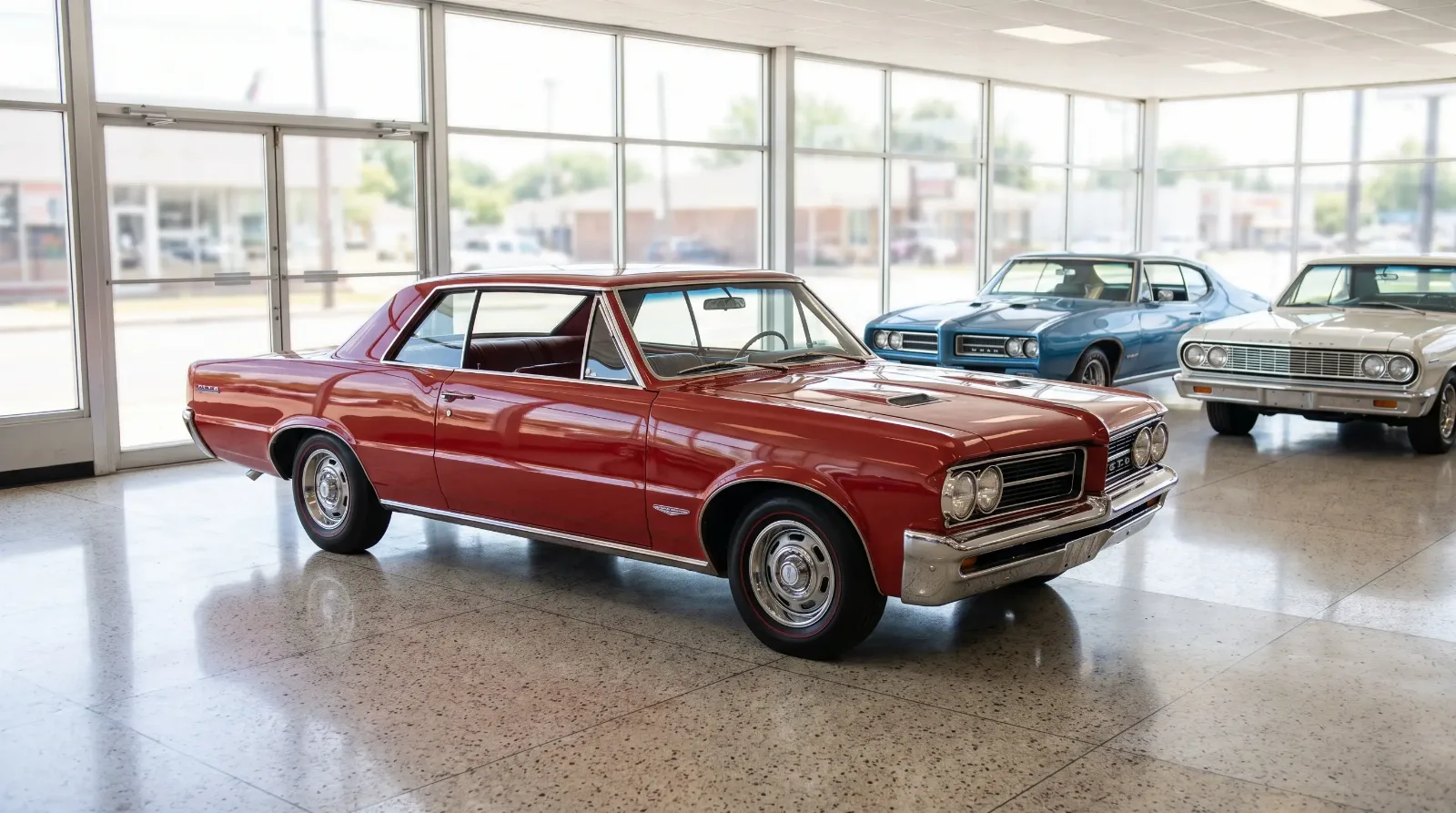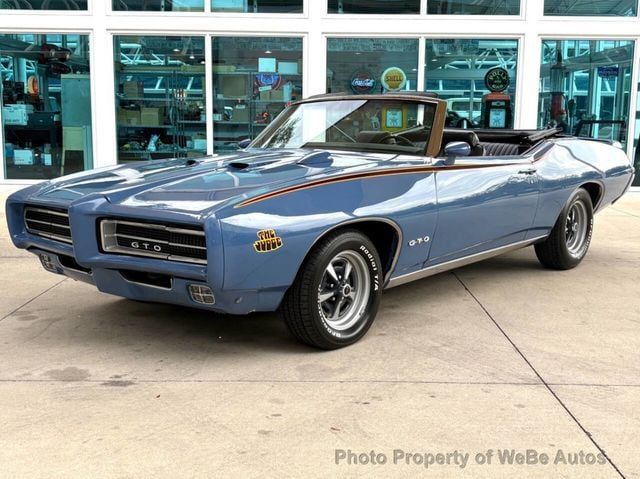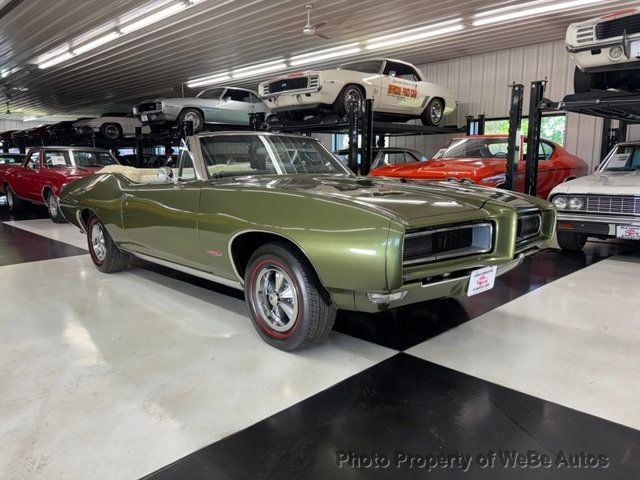
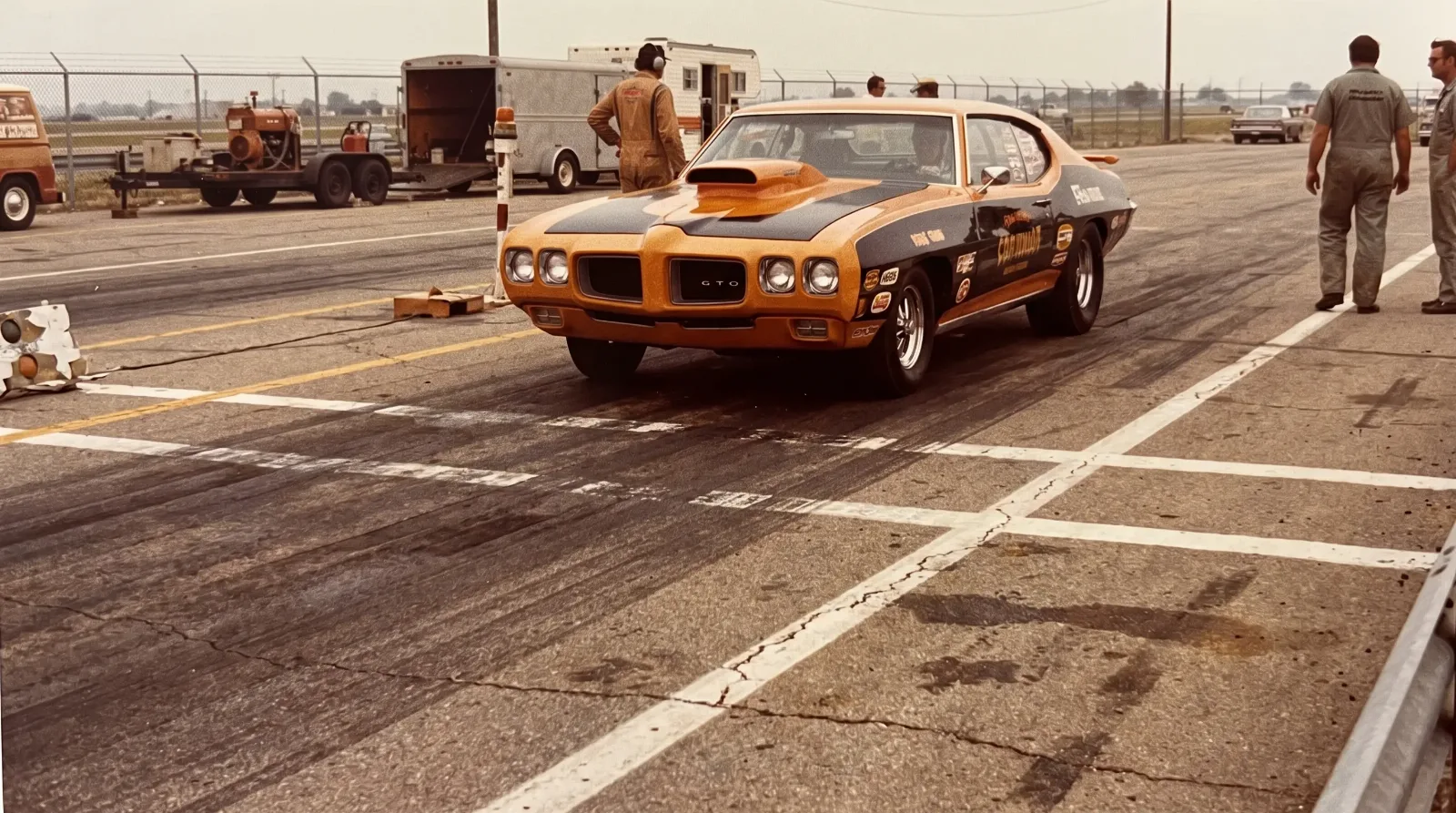
Pontiac's Pro Stock story isn't a rise-and-fall. It's closer to a car that missed its own launch party. NHRA created Pro Stock for 1970, built around production-based cars with real doorslammer bodies instead of the increasingly unrecognizable altered-wheelbase funny cars the sport had drifted toward, and when the class actually lined up at that first Winternationals, the field was Hemi Plymouths, big-block Chevy Camaros, SOHC Ford Mavericks, and Hemi Dodges. No Pontiac GTO or Firebird was in that lineup. The GTO's connection to Pro Stock is real, but it runs through the drivers the car had already made famous, not through the GTO itself lining up at the tree.
Who actually drove, and why they weren't in Pontiacs
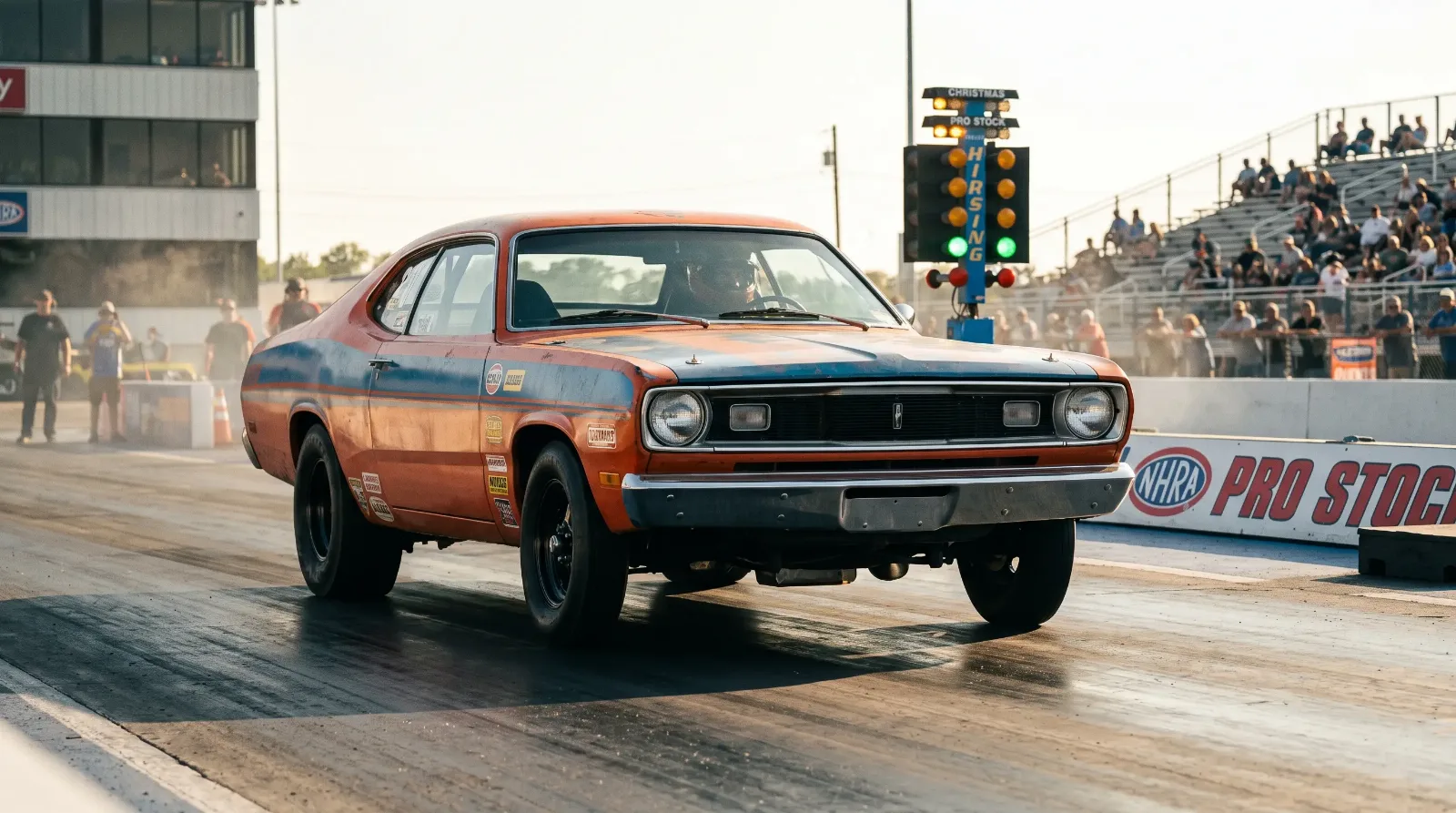
The names that matter most here ran out of Royal Pontiac's orbit, the Michigan dealership that had built a performance reputation through the 1960s on GTO marketing and go-fast parts, drivers like Arlen Vanke and Herb McCandless. But Royal Pontiac closed its doors in late 1969, right as NHRA was standing up the new Pro Stock class, and by the time the class actually ran its first races in 1970, both men were behind the wheel of Chrysler Hemi Dusters, not Pontiacs. McCandless won Pro Stock's first U.S. Nationals in a Sox & Martin Hemi Duster; Vanke, who'd made his name driving GTOs like the "Tin Indian" in the mid-1960s, took a factory-backed Duster deal from Chrysler for the 1970 season and later ran Cudas as part of Chrysler's United States Racing Team alongside Ronnie Sox, Bill "Grumpy" Jenkins' rivals, and Don Nicholson. The talent that built Pontiac's street reputation in the GTO years ended up carrying someone else's colors once Pro Stock actually existed.
That timing isn't a coincidence. Pontiac's official involvement in racing had already been curtailed by GM's 1963 corporate racing ban, so the brand's competitive presence through the rest of the 1960s ran through dealership-level hustle, Royal Pontiac chief among them, rather than a direct factory program. When that dealership shut down just as Pro Stock opened its doors, there was no equivalent Pontiac operation left standing to field a car, let alone chase Chrysler's factory-backed Hemi teams into an increasingly expensive class.
"Pro Stock separated real numbers from catalog numbers fast. The drivers who'd made Pontiac's name on the street were still winning races in 1970, they just weren't doing it in Pontiacs anymore, and that tells you everything about where the factory support had gone."
— Dan Reeves
The engine problem underneath the class
Pro Stock's early seasons ran on a pounds-per-cubic-inch weight break, a formula that set a car's minimum weight based on its engine displacement and varied by manufacturer. The first Pro Stockers ran at roughly 7.0 pounds per cubic inch, a number NHRA would tighten and complicate over the following decade as it chased parity between big-block Hemis and smaller-displacement combinations. Chrysler's 426 Hemi won the class's first two world championships outright, in 1970 and 1971, before NHRA rewrote the rules for 1972 to give smaller-displacement, lighter cars a better shot at the front. Pontiac wasn't part of that fight at all in the class's formative years, since there was no organized Pontiac Pro Stock effort left to run the math against Chrysler's.
Where the GTO's Pro Stock legacy actually sits
Pontiac did eventually become a serious Pro Stock manufacturer, racking up wins that rank second only to Chevrolet's all-time total, but that run belongs to later decades and later nameplates, the Firebird and Trans Am chief among them, not the 1964-74 GTO covered in this silo. During the GTO's own classic run, the car's real link to Pro Stock is the one this piece has been tracing: Royal Pontiac's driver pipeline handed Chrysler two of the class's early stars just as the doors opened.
There's also a technical footnote worth keeping honest. Pontiac's V8 architecture, developed through the 389 and 421 Super Duty combinations of the early 1960s, had real speed-parts depth behind it. But depth on the street and depth in a fast-moving factory-backed racing class are different things, and once Royal Pontiac's doors closed, nobody was left to translate that street knowledge into a Pro Stock program before the Hemi teams had already claimed the class.
What the numbers actually say
Look at the win column across Pro Stock's first several seasons and the pattern is plain: Chrysler's Hemi cars took the first two world titles, Chevrolet built momentum from there, and Pontiac's name doesn't appear in the results at all until the nameplate changed decades later. That's not a knock on Vanke or McCandless, who kept winning real races against factory-funded competition, just not for the brand that had made their names in the first place. It's a statement about what happens when a manufacturer's factory racing investment disappears at the exact moment a new class needs it most.
The bigger picture here connects to a pattern that shows up again and again in GTO history: real results on real strips, not just brochure claims, built the reputation that made the car matter, and that pattern traces back to the GTO legend as a whole. Pro Stock was simply the class where that reputation ran into the hardest, most literal kind of competition, cars lined up side by side with nothing but a stopwatch to settle the argument.
Sources and notes
- NHRA - 50 years of Pro Stock, the 1970 Winternationals debut field
- NHRA - Herb McCandless wins the first Pro Stock U.S. Nationals in a Sox and Martin Hemi Duster
- NHRA - a look back at the 1970 Pro Stock rules and weight break
- NHRA - guide to Pro Stock manufacturer diversity, including Pontiac's later win total
- Michigan Motor Sports Hall of Fame - Arlen Vanke induction biography
- Wikipedia - Pro Stock class history and early champions
Pontiac's Pro Stock chapter was brief, but it sits inside a much bigger story about how Detroit's manufacturers turned street performance into an escalating factory arms race across the whole muscle car era, one that started well before Pro Stock existed and kept running long after Pontiac stepped back from the class. That larger competitive history, and where the GTO fits into the bigger picture of who was racing whom, is worth following if you want read on.
The lesson for anyone looking at this era today isn't that Pontiac lost some kind of moral argument to Chrysler or Chevrolet in Pro Stock. It's that racing at the top of any factory-adjacent class has always come down to who was willing to spend the most on engine development in the shortest window, and Pontiac chose not to chase that spending war past a certain point. That's a business decision, not a performance failure, and it's worth separating the two when you're reading old scoreboards and trying to figure out what actually happened on those strips, because the drivers running Pontiac power in those years were still turning in genuinely competitive numbers against much better funded opposition.