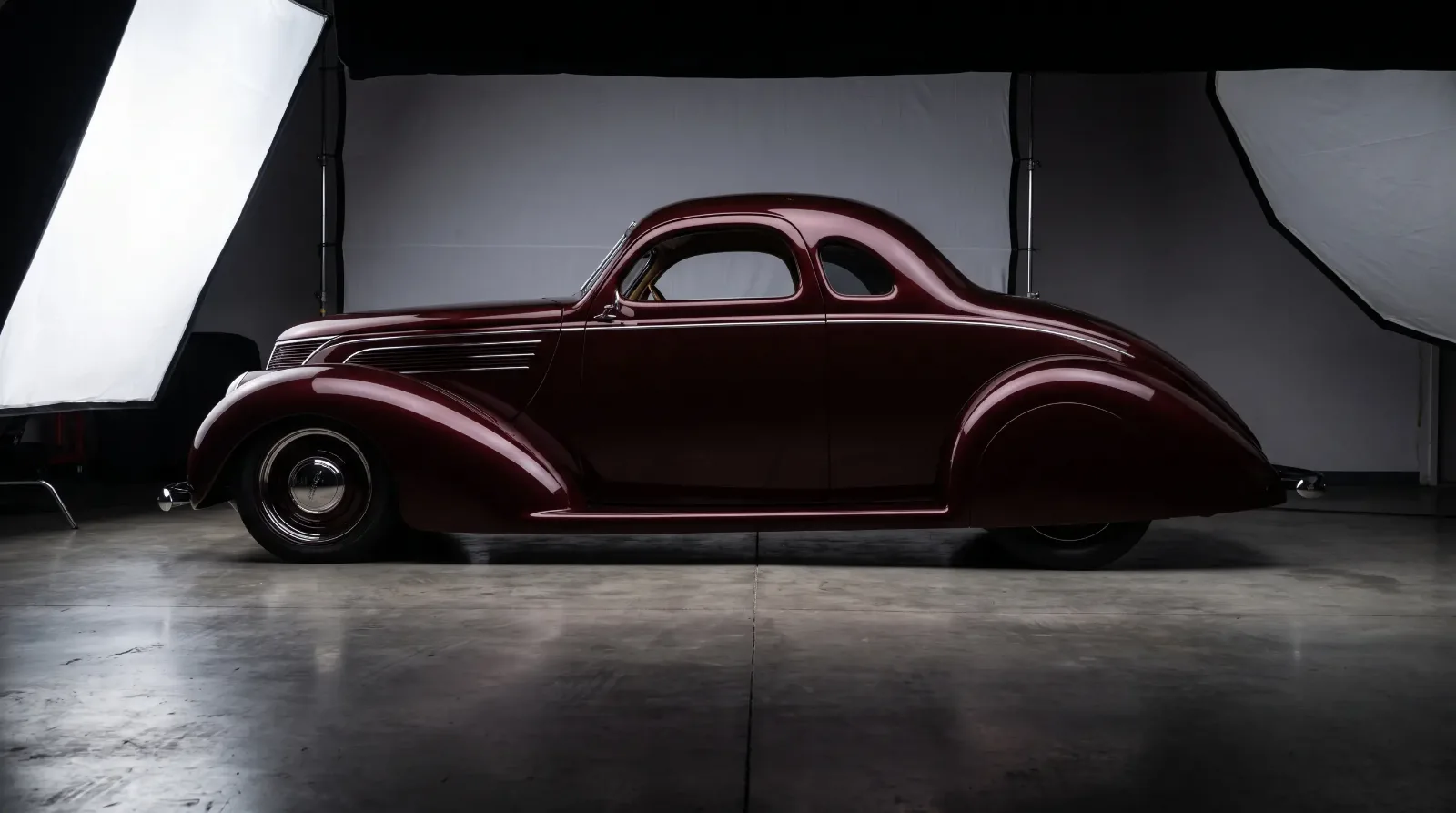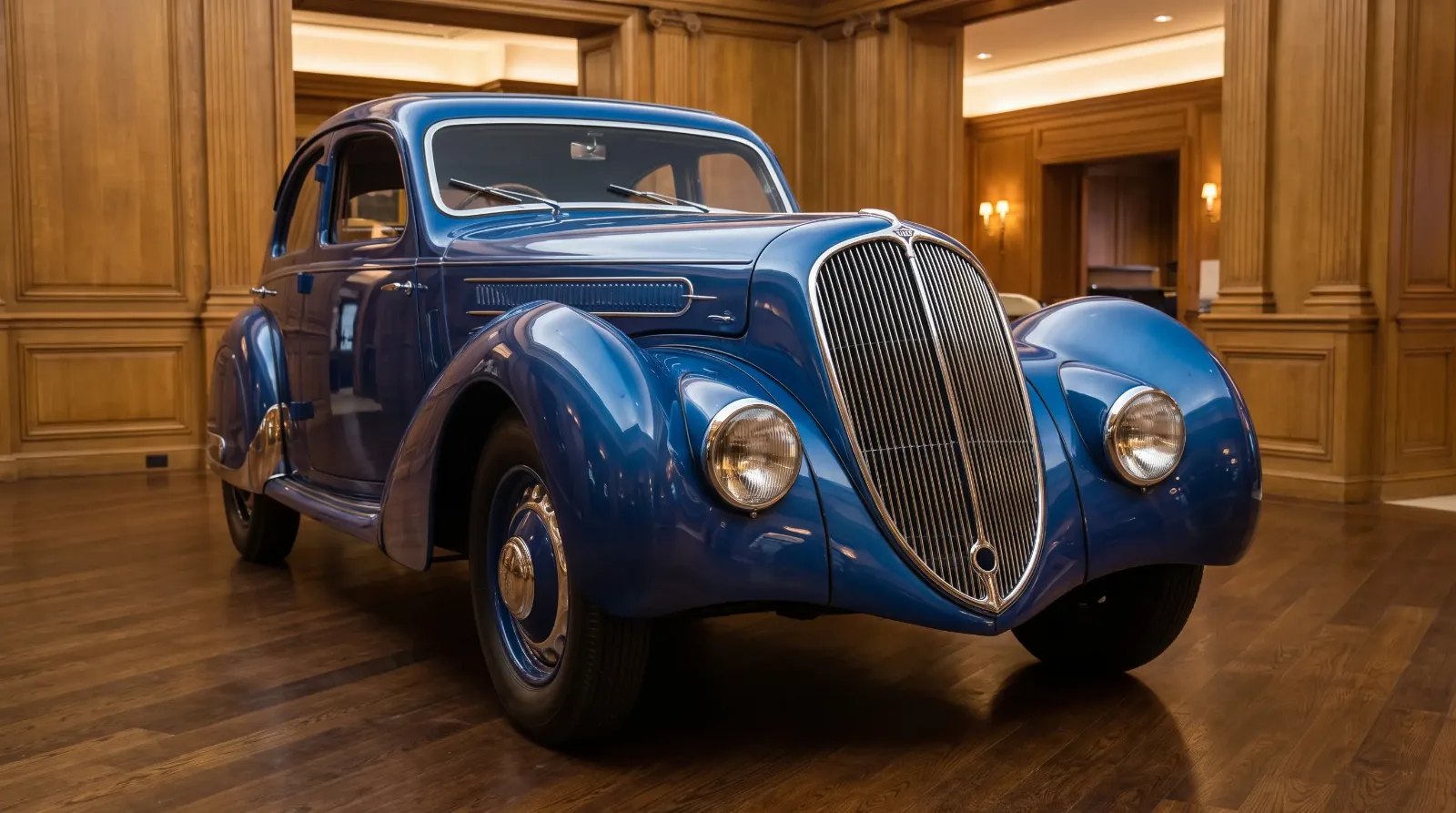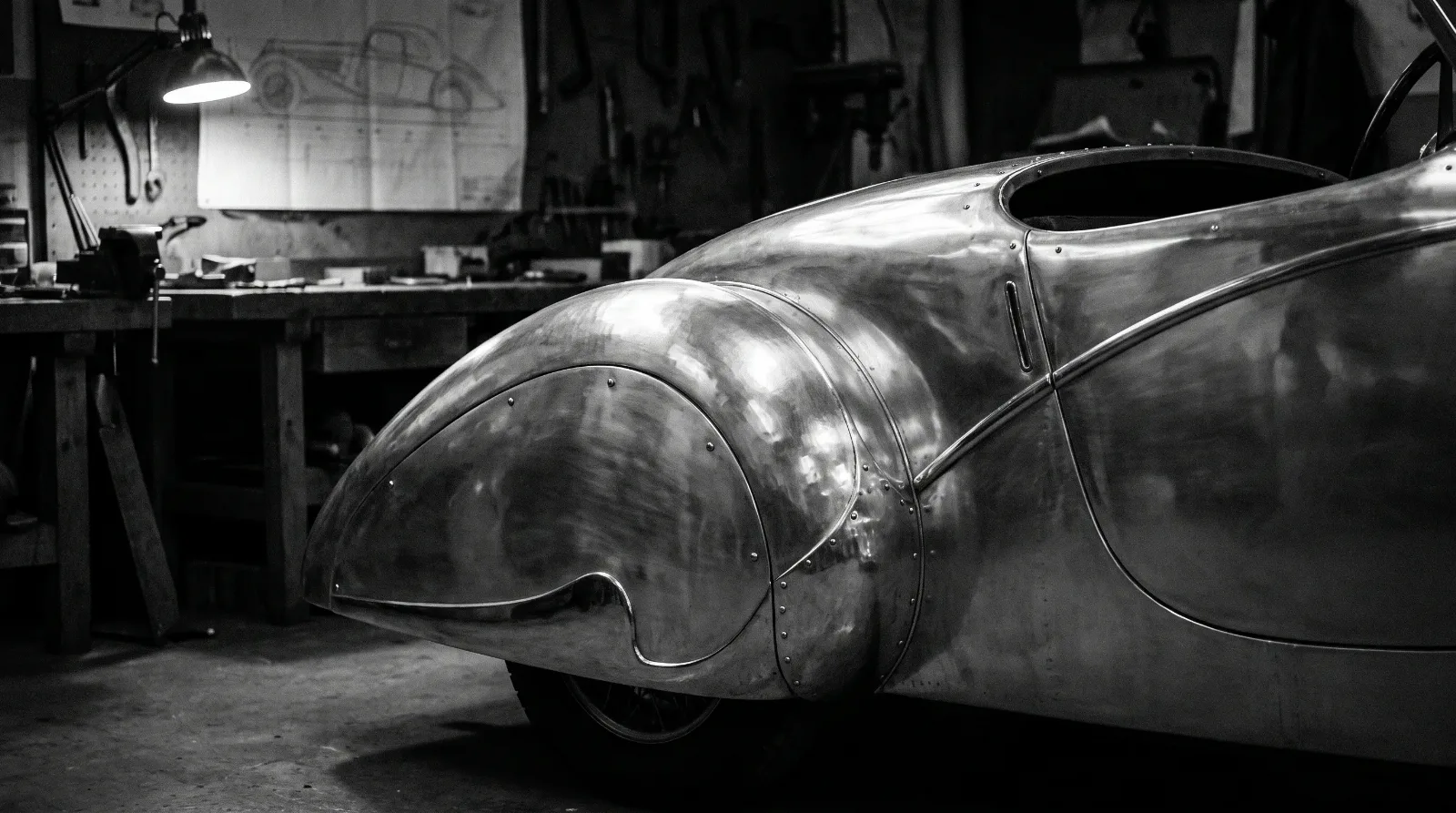
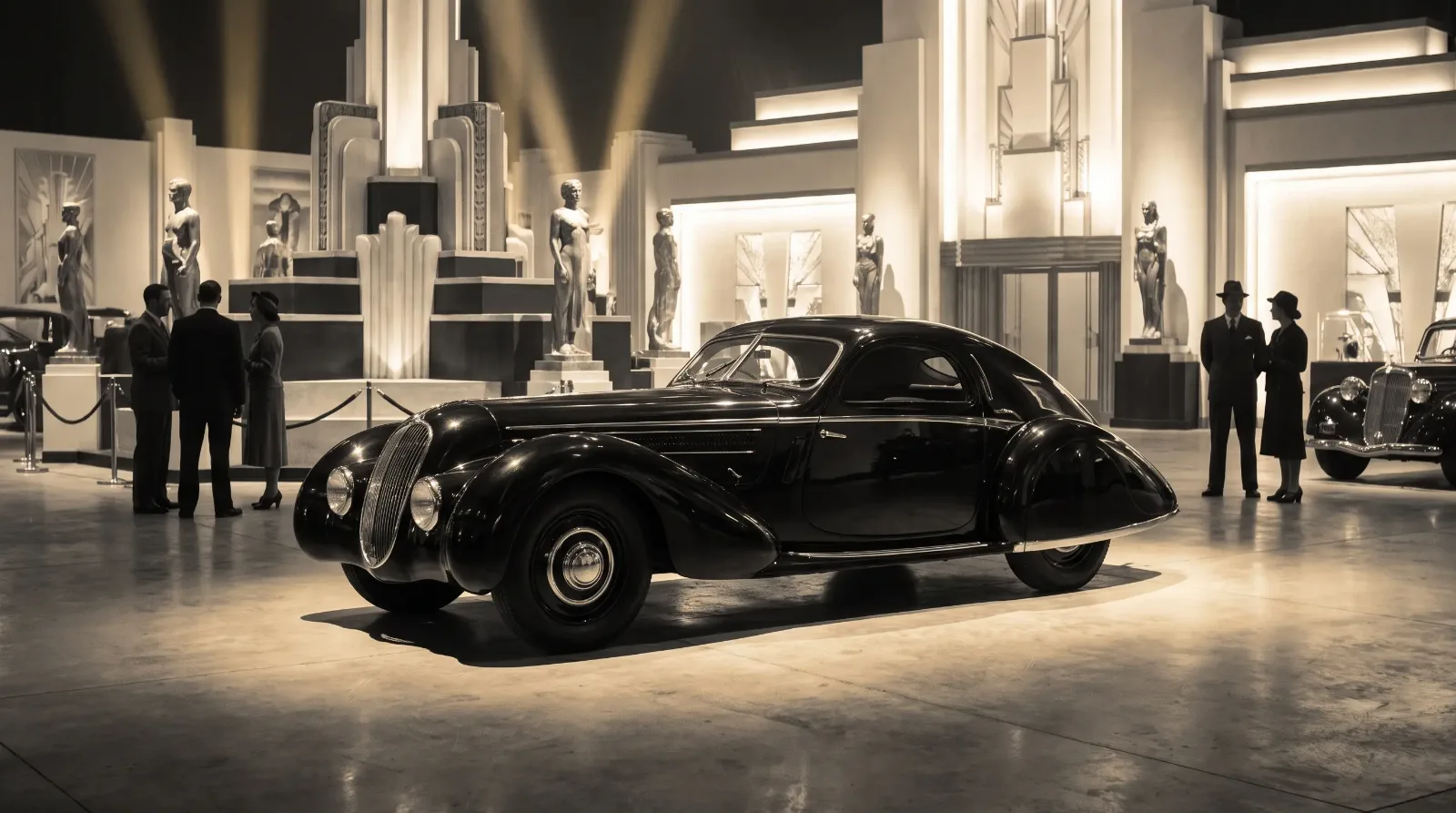
World's fairs in the 1930s were where manufacturers went to show the public what they wished the automobile could be, rather than what a dealer actually had on the lot. The exhibits mixed real engineering with pure theater, and separating the two takes some care, since press coverage from the period often blurred the line between a running prototype and a static mockup built mostly of wood and plaster.
I work from factory records and period documentation rather than the legend that grew up around these cars, and the record is more interesting than the myth in most cases. The concepts genuinely shaped what reached showrooms a few years later, even when the fair car itself never turned a wheel under its own power. For the design language these cars were built to demonstrate, see more on art deco concept cars.
Why world's fairs became design showcases
The Chicago Century of Progress Exposition in 1933 and 1934 and the New York World's Fair of 1939 were the two events that mattered most to the auto industry. Both drew tens of millions of visitors, and manufacturers understood that a striking exhibit could reach more people in a single season than years of magazine advertising.
Automakers built entire pavilions around the theme of progress, and the automobile was positioned as the clearest evidence that progress was real. A concept car parked under dramatic lighting, described in breathless copy as the shape of the future, did work that a factory brochure could not. The strategy was public relations first and engineering demonstration second, though the two goals were never entirely separate.
The Century of Progress and the streamline debut
Chicago in 1933 is where streamline styling reached a mass American audience for the first time. The fair's own architecture leaned into aerodynamic-looking curves and horizontal banding, and automakers followed the same visual cues in their exhibits. Pierce-Arrow displayed its Silver Arrow there, a fastback show car with faired headlamps and a smooth tail that anticipated production streamline styling by several years. Only five Silver Arrows were hand-built, priced at roughly $10,000 apiece during the depths of the Depression, and the factory treated the car explicitly as a design statement rather than a model intended for volume production.
The Chrysler Airflow, though it debuted through more conventional channels, drew on the same aerodynamic thinking that the Century of Progress popularized. Chrysler's engineers had done real wind-tunnel work on the Airflow, which sets it apart from some of the show-only concepts of the period. It is a useful reminder that not every streamline car from this window was pure theater. Some carried genuine research behind the shape, even if the sales results for the Airflow itself disappointed the company.
GM Futurama and the shape of things to come
The 1939 New York fair raised the stakes considerably. General Motors built the Futurama exhibit, an enormous scale diorama imagining American highways and cities two decades ahead, and it became the single most visited attraction at the fair. Futurama was not a car at all in the conventional sense. It was a vision of an entire transportation system, populated with miniature streamlined vehicles that reflected the same design vocabulary as the full-size concept cars parked elsewhere on the grounds.
The exhibit's real influence was on how the public understood the automobile's future, more than on any single production model. Visitors left believing that streamlined, high-speed highway travel was inevitable, and that expectation shaped consumer taste for the smoother, more integrated body designs that followed in the 1940s and beyond, once wartime production resumed as civilian output.
Concept versus production: what actually reached buyers
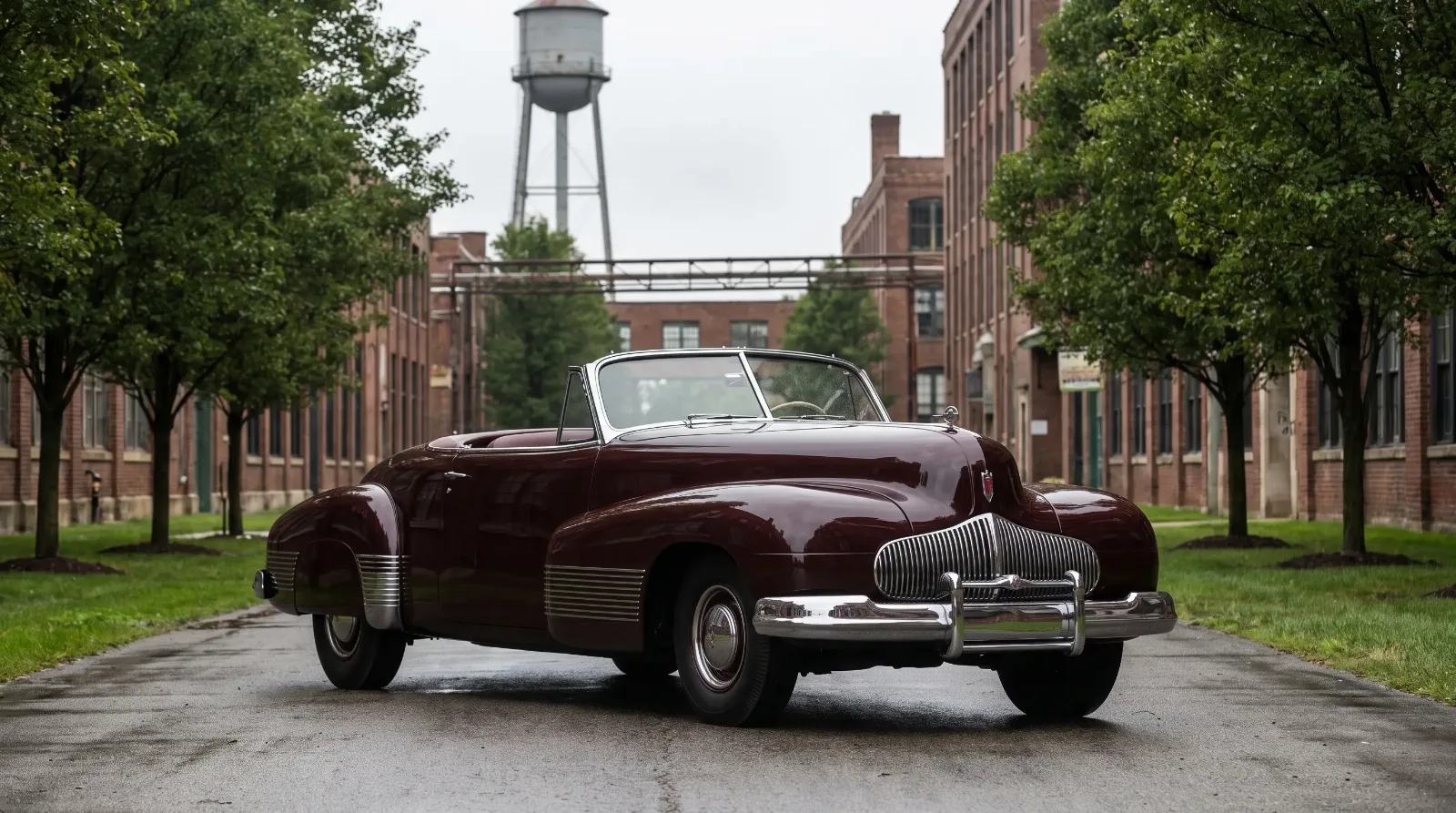
It matters to separate what was shown from what was sold, because the gap between them was often large. A fair concept could use a lightweight body, a non-functional interior, or styling cues that a production line simply could not replicate at volume. Some fair cars ran under their own power and were driven to and from the venue. Others were static displays moved into place by hand.
| Exhibit | Fair | Status |
|---|---|---|
| Pierce-Arrow Silver Arrow | Century of Progress, 1933 | Running show car, five hand-built, three known to survive today |
| Chrysler Airflow | Various promotions, early 1930s | Full production model |
| GM Futurama | New York World's Fair, 1939 | Scale diorama, not a drivable car |
| Buick Y-Job | Factory tour circuit, late 1930s | Running concept, never sold to the public |
The Buick Y-Job, generally credited to designer Harley Earl, is the clearest example of the pure concept car in this era. It ran under its own power and toured extensively, and while it was never sold, several of its styling ideas, including power-operated features and a lower overall stance, filtered into Buick production models over the following years. That pattern, a concept car serving as a testbed for ideas rather than a product in its own right, became the template the rest of the industry followed for decades.
"People assume every fair car was pure fantasy with nothing under the skin. Some were. Others carried real engineering that showed up in showrooms within a few seasons. The trick is checking the factory record before repeating the legend."
— Tom Ramirez
What survives, and why so little does
Very few true fair concept cars survive today. Many were built quickly and cheaply, intended for one season of display rather than long-term use, and factories often scrapped or dismantled them once their promotional purpose had passed. A handful, including the Buick Y-Job, were preserved deliberately by the manufacturers themselves, which is a large part of why they remain well documented compared to lesser-known exhibits.
For anyone researching a specific fair car, factory archives and period trade publications are more reliable than later retrospectives, which sometimes conflate different show cars or attribute production features to a concept that never actually had them. That kind of primary-source checking is the same discipline worth applying to the coachbuilt cars that shared the same design language. If you want to see how the French shops translated the streamline idiom into cars that customers actually bought, read on.