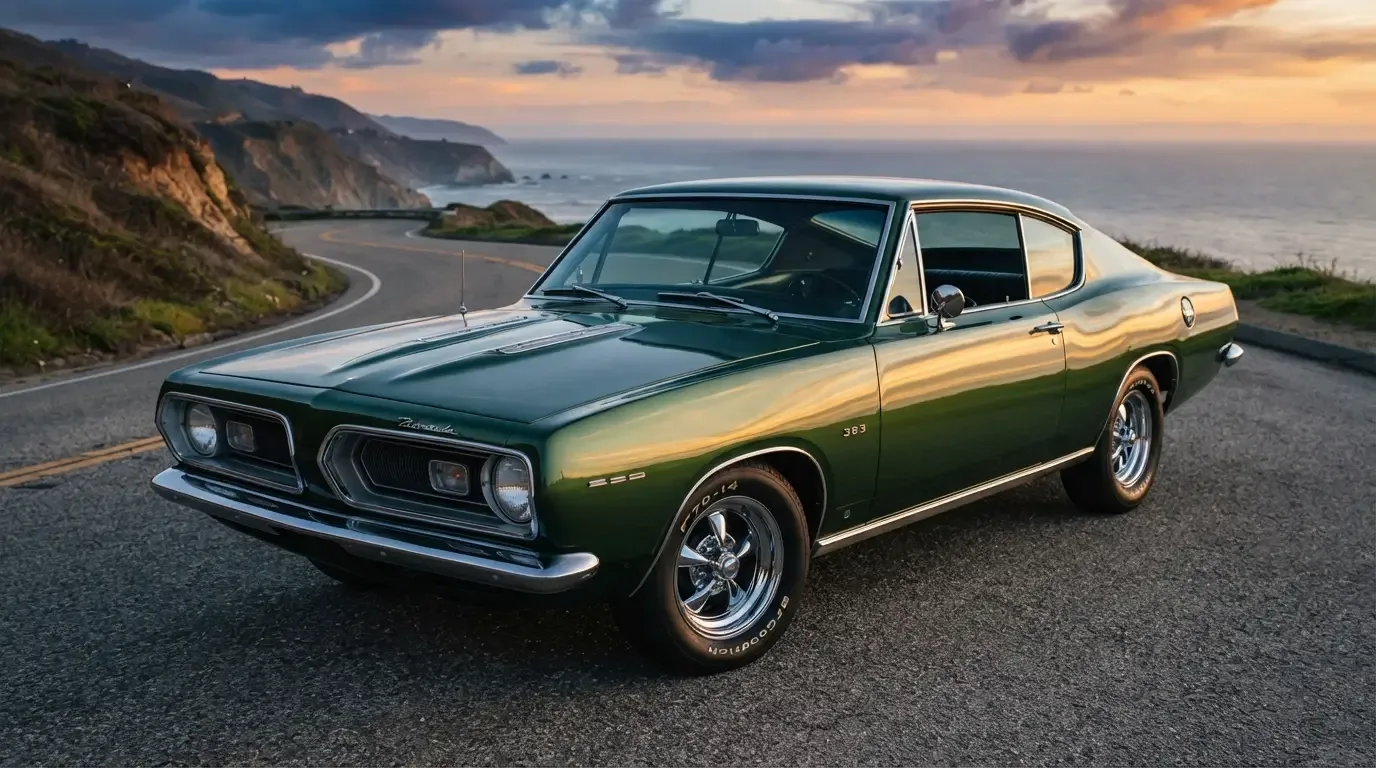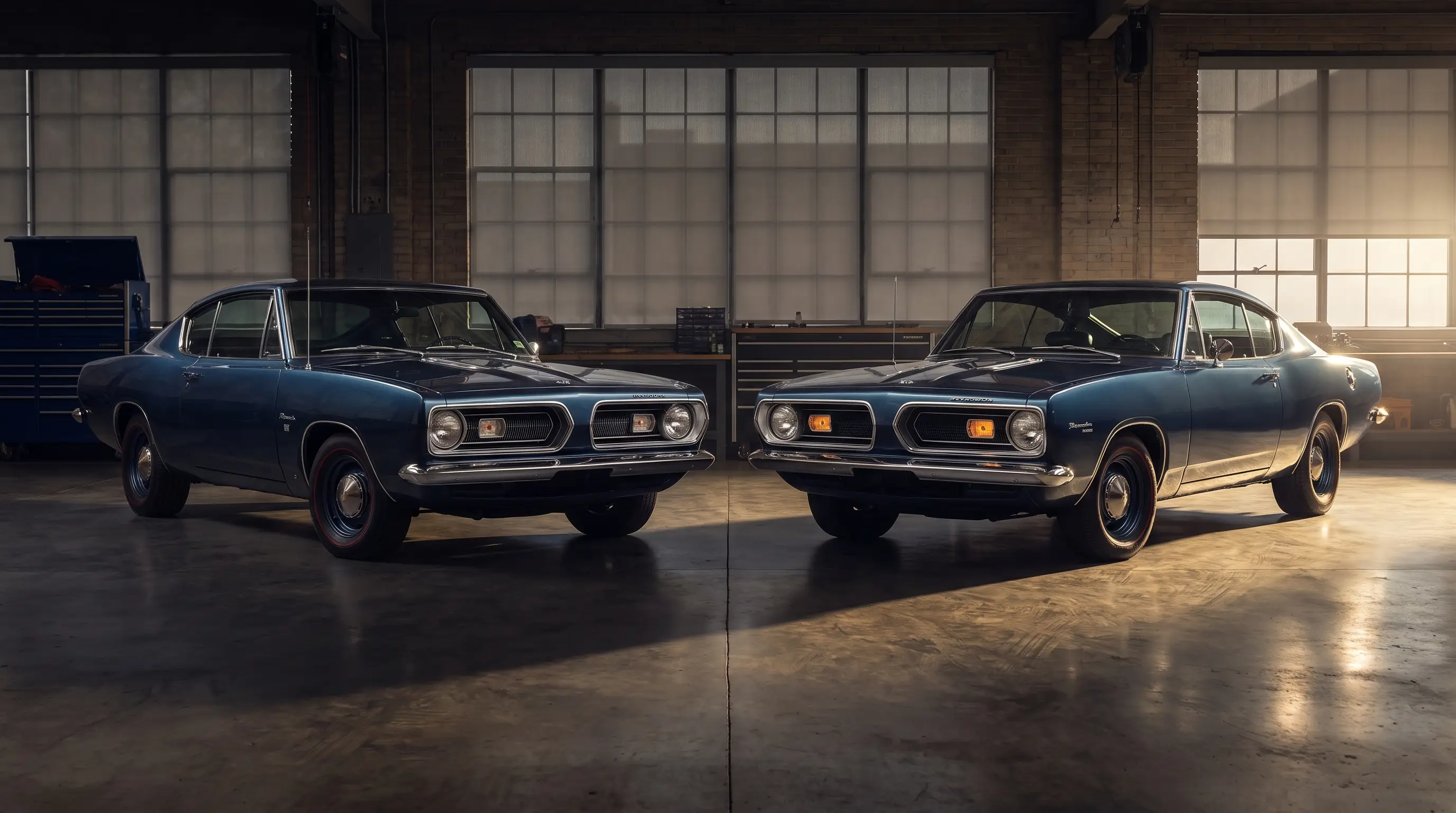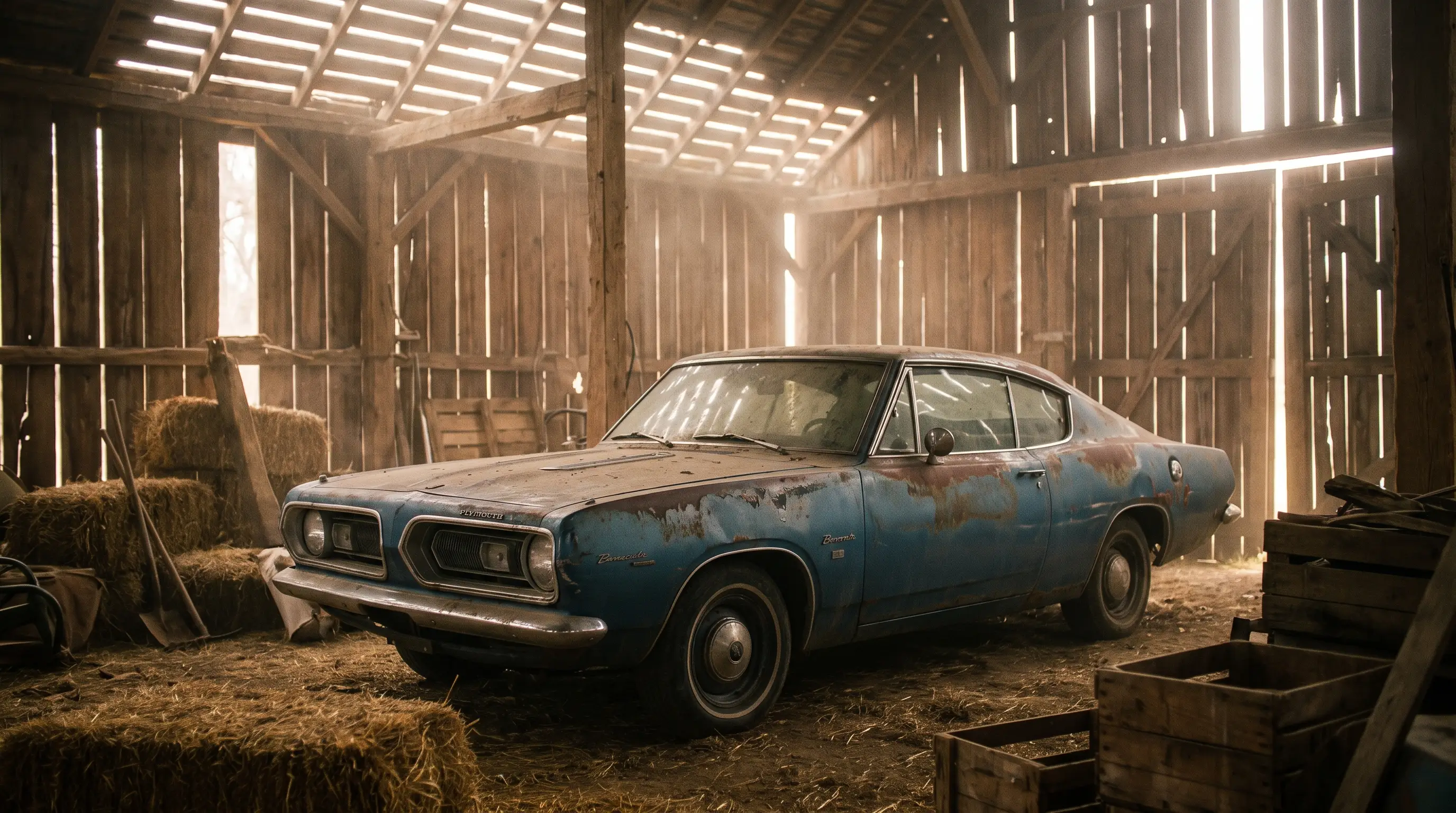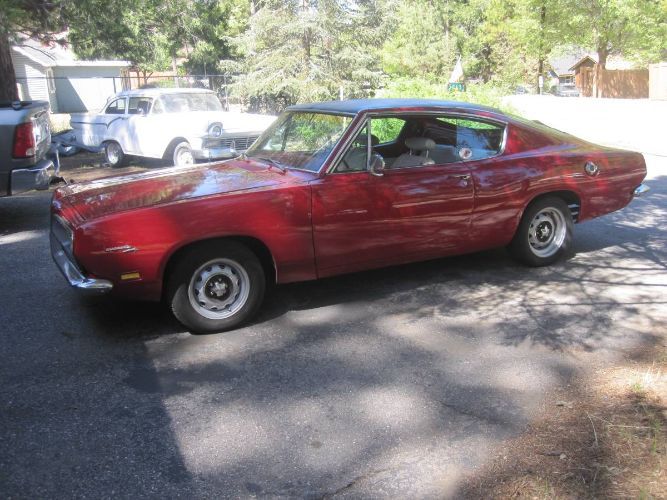
Look at the spec sheet for the 1968 Barracuda engines lineup and you find one of the more interesting engineering stories in Chrysler's compact performance line: a chassis designed around a small block that got a big block stuffed into it mid-generation, with all the compromises that implies. The results were good, occasionally excellent, but the engineering never fully hid the fact that this was a retrofit rather than a clean-sheet design.
The base engines nobody talks about
Most of the coverage this car gets focuses on the performance variants, which is understandable but skips over what most buyers actually drove off the lot. The 1968 Barracuda's base engine was a 225 cubic inch slant six, a genuinely durable unit that Chrysler used across multiple product lines for decades. It made around 145 horsepower, unremarkable but reliable, and it kept the car's front end light, which is not a trivial detail once you understand how much the platform's handling depended on weight distribution.
Above the six sat two small block V8 options, a 273 and a 318, both reasonable performers for daily use without pretending to be muscle cars. These engines get dismissed by enthusiasts chasing horsepower numbers, but from an engineering standpoint they represent the correct match for the chassis: light enough not to overwhelm the front suspension, torquey enough to be pleasant, and simple enough to be genuinely reliable.
The Formula S and the 340 as a benchmark
The Formula S package's headline engine for 1968 was the 340 cubic inch small block, rated at 275 horsepower, and this is the engine I would point to as the best overall balance in the lineup. It weighs roughly the same as the base 318, meaning the chassis behaves the way its suspension tuning intended, while still delivering genuinely quick acceleration for the era. Where the numbers get interesting is in the power to weight comparison against the big block option: the 340 car is lighter over the front axle by a meaningful margin, and on anything but a dead straight drag strip that translates into a car that actually turns the way the suspension engineers designed it to.
The 383: more power, more compromise
The 383 cubic inch big block, available as an alternative Formula S engine, made more raw horsepower, typically rated around 300 in this application, but it came at a real engineering cost. The A-body engine bay was not designed for an engine this size, and Chrysler's solution involved reworked engine mounts and, in some cases, modified front suspension geometry to clear the block. The result added a meaningful amount of weight over the front wheels, which shows up directly in the car's handling behavior. Where the 340 car turns in eagerly, the 383 car pushes on the same corner at the same speed, plain understeer from added mass sitting ahead of the front axle centerline.
None of this makes the 383 a bad engine. It is a strong, torquey unit that delivers the straight line performance buyers wanted from a Formula S. But it is worth being honest about the tradeoff: you are buying acceleration at the cost of front end balance, and that is an engineering fact, not an opinion.
| Engine | Displacement | Approx. horsepower | Handling character |
|---|---|---|---|
| Slant Six | 225 ci | 145 hp | Light, neutral, unhurried |
| Small block V8 | 273 / 318 ci | 190 to 230 hp | Balanced, mild understeer |
| Formula S small block | 340 ci | 275 hp | Best balance in the lineup |
| Formula S big block | 383 ci | 300 hp | Front heavy, more understeer |
What the data means for buyers today
If you care about how the car drives rather than just how quickly it gets down a quarter mile, the 340 Formula S is the engineering sweet spot in this lineup, and that case holds up whether you are shopping for a driver or building a track car. The 383 has its own appeal for buyers who want maximum straight line performance and are willing to accept the handling tradeoff that comes with the added front weight. Base V8 cars, meanwhile, are underrated as balanced, honest drivers that never get credit for how well the chassis was actually tuned around them.
For the full context of how this engine lineup fits into the second generation Barracuda's three model years, our complete history walks through the year by year changes in detail. If the engineering case above has you curious about specific cars, you can browse classic Barracuda listings to see what is currently available with each of these engine configurations.
Transmission pairings and how they change the character
Engine choice is only half the equation. Chrysler paired these engines with a range of manual and automatic transmissions that meaningfully change how each configuration actually drives. A four speed manual behind the 340 produces the most engaged, communicative version of this car, with a shifter action that rewards the same attention to weight transfer that the chassis engineering already favors. The TorqueFlite automatic, while less involving, actually suits the 383 reasonably well, since the torque converter smooths out some of the abruptness that comes with a heavier engine sitting further forward than the chassis was originally designed to carry.
Base six cylinder and small V8 cars most commonly left the factory with a three speed manual or the same TorqueFlite automatic, and neither transmission choice does much to change the fundamentally honest, unhurried character these lower output engines deliver. The transmission, in other words, tends to amplify whatever character the engine already establishes rather than overriding it.
Reading dyno-era claims with appropriate skepticism
Factory horsepower ratings from this era were measured under gross conditions that do not translate directly to modern net horsepower figures, and enthusiasts comparing period numbers to anything measured today need to account for that difference before drawing conclusions. The 383's 300 horsepower gross rating, for instance, likely represents something meaningfully lower once measured the way a modern engine dyno reports output, consistent with how gross-rated engines from this era typically compare to net-rated figures used today. This is a common source of confusion when new owners compare period brochure numbers to modern dyno results on a restored example and find the car making noticeably less power than the sticker suggests, without realizing the measurement standard itself changed decades ago.
The engineering verdict
1968 Barracuda engines span a wider range of character than most buyers expect from a single model year, from a light, honest six cylinder to a front heavy big block. Understanding the weight distribution consequences of each choice, not just the horsepower rating on the option sheet, is the difference between picking the engine that matches how you actually want to drive and picking the one with the biggest number on the spec sheet.
Sources and notes
- Plymouth Barracuda - Wikipedia
- 1968 Formula S 383-S specifications - Automobile Catalog
- 1968 Formula S 340-S specifications - Automobile Catalog
- 1968 Plymouth Barracuda Fact Sheet - Over-Drive Magazine
- 1 of 1,270: 1968 Plymouth Barracuda Formula S - Barn Finds
- 1967-1969 Plymouth Barracuda 383/440 - HowStuffWorks