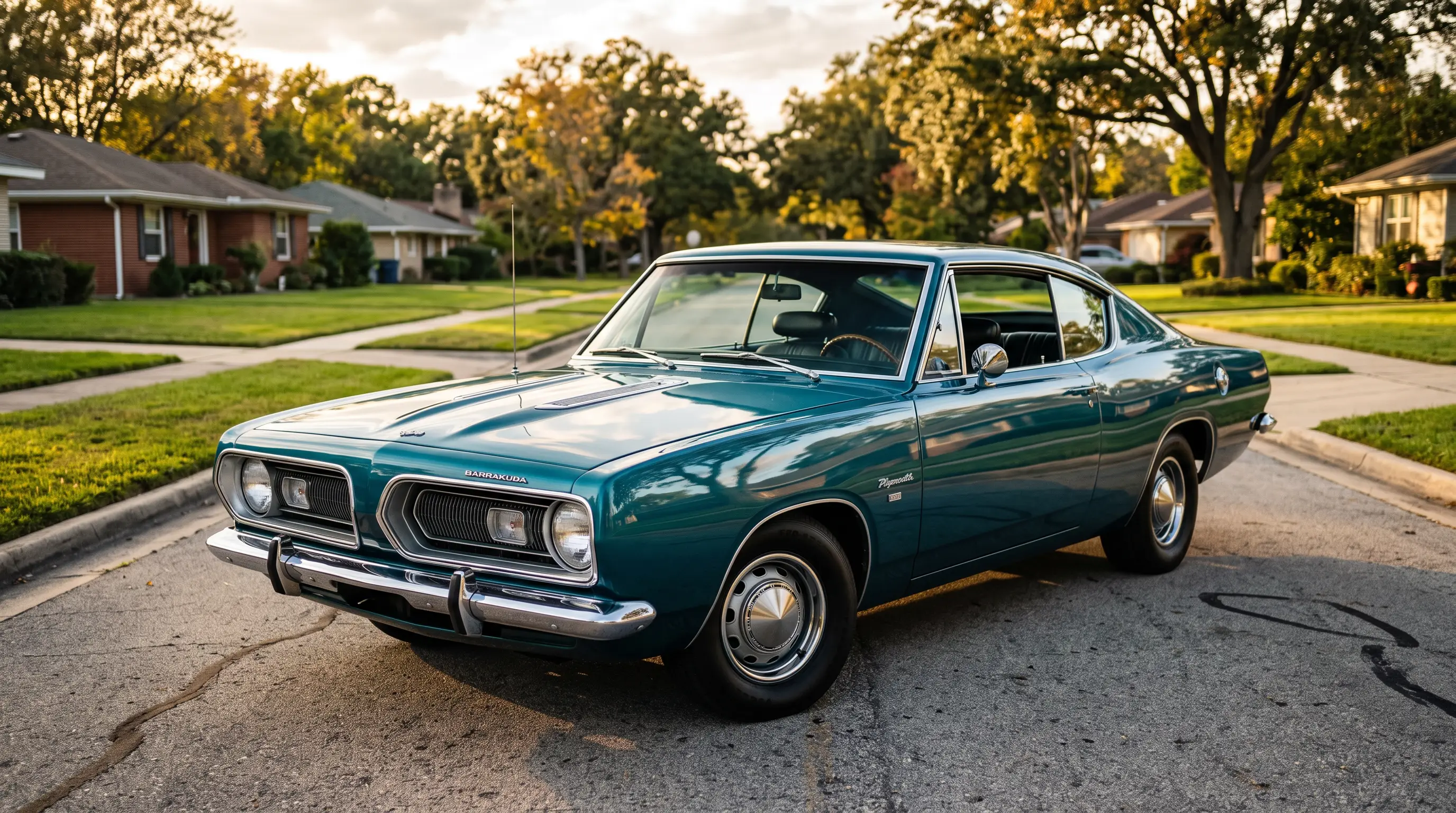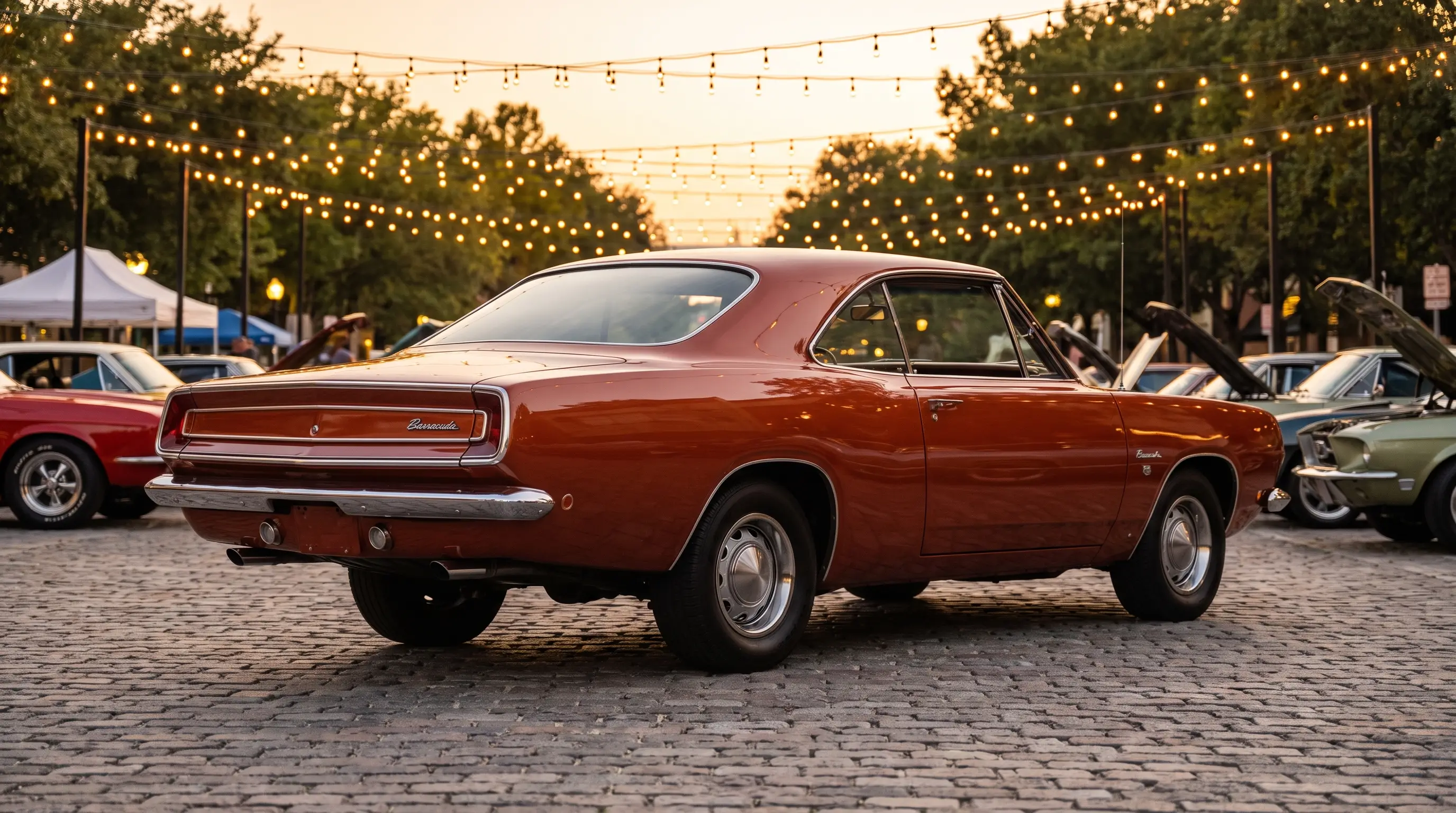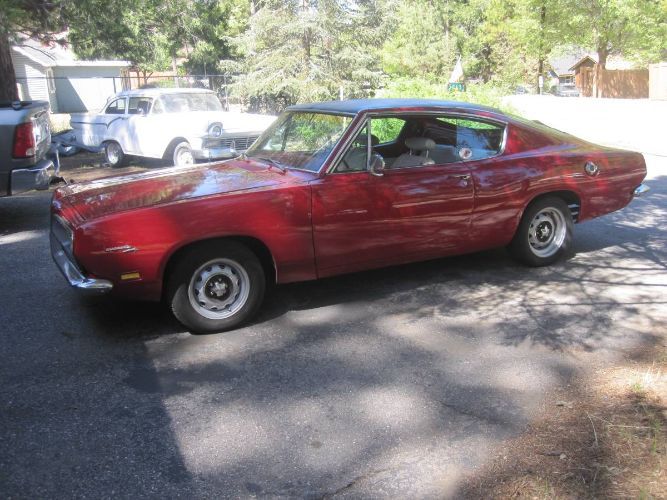
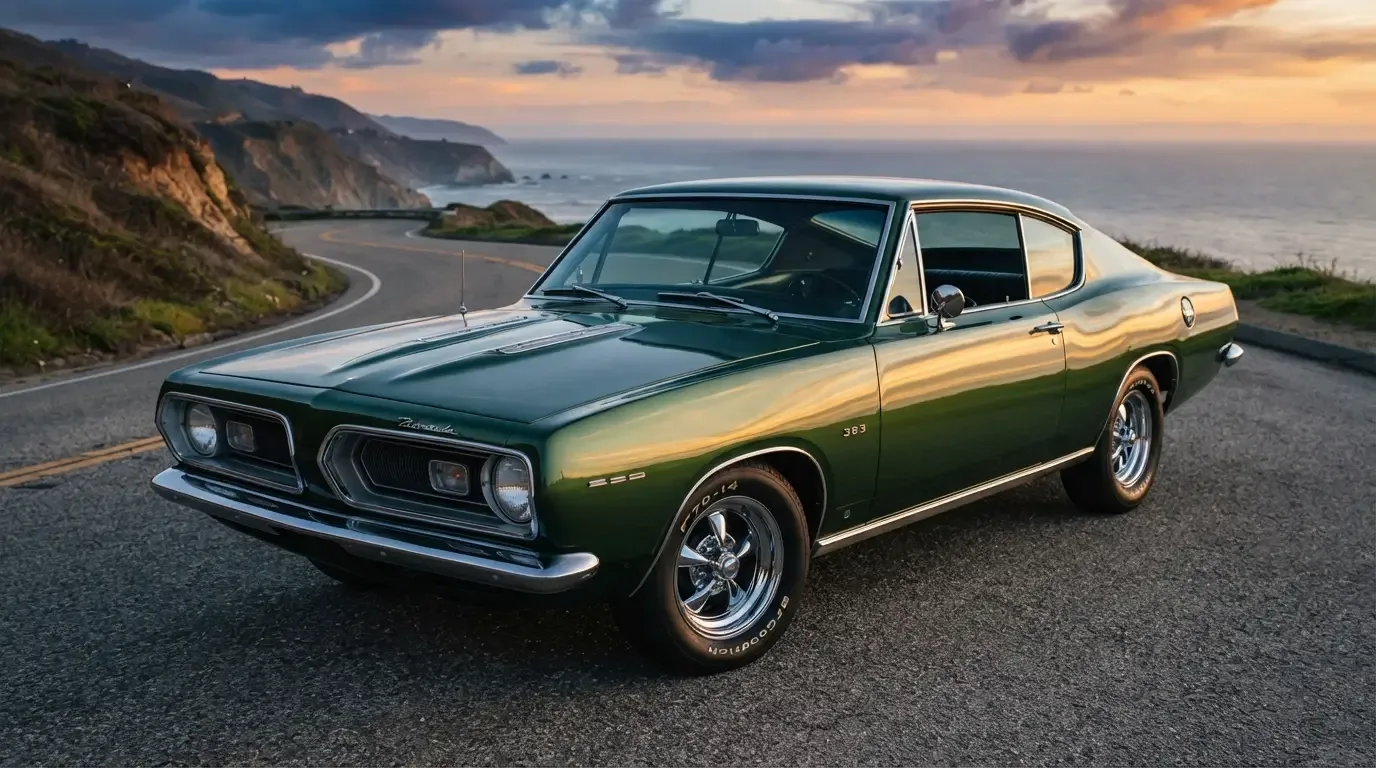
A common claim in Barracuda writing is that the car only became serious in 1970, when the E-body arrived with its Hemi option and its long list of loud colors. The factory record does not support that. The second generation Barracuda, built from 1967 through 1969, is where Plymouth turned a clever fastback into a three-body performance line that could take a big block, and the paperwork from those years shows a car maturing fast. If you read the order codes rather than the folklore, the 1967 to 1969 cars are the bridge that made everything after them possible.
A clean-sheet body on familiar bones
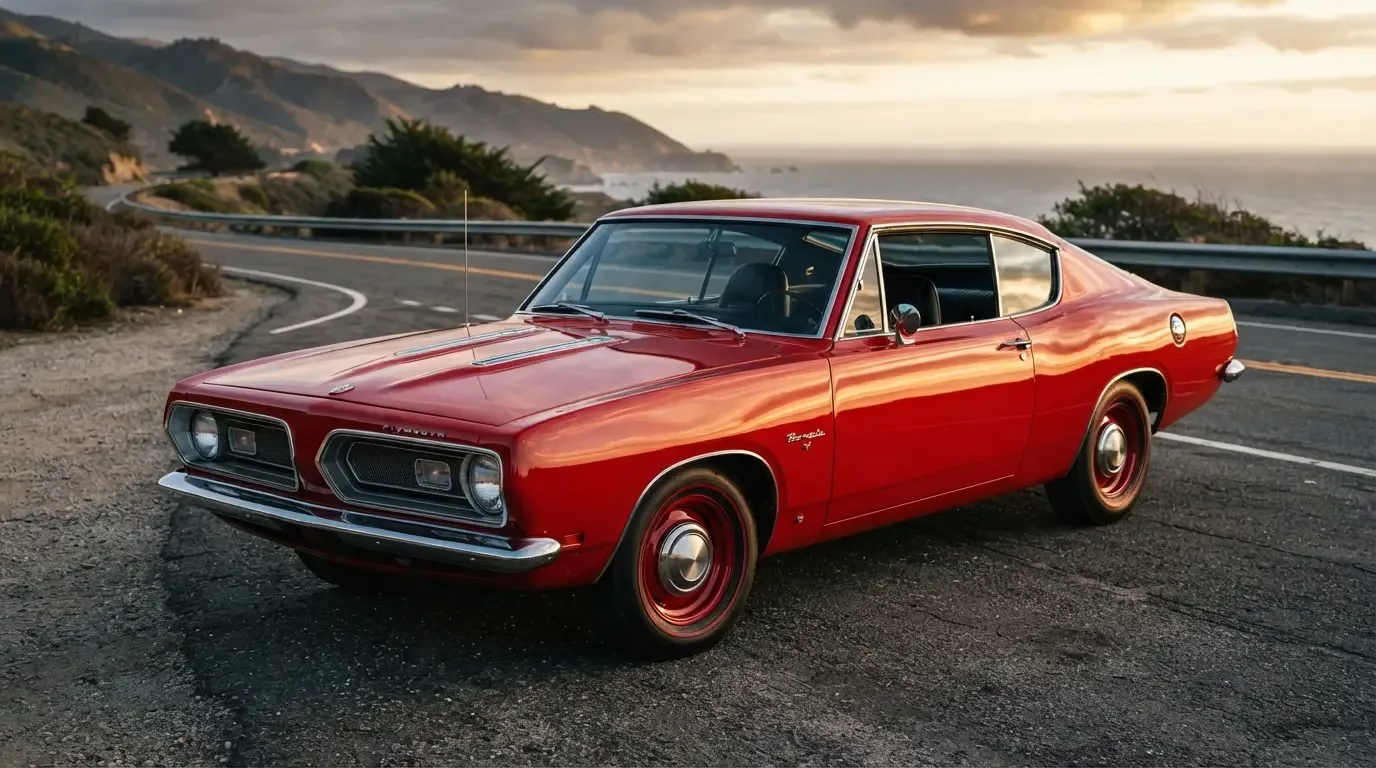
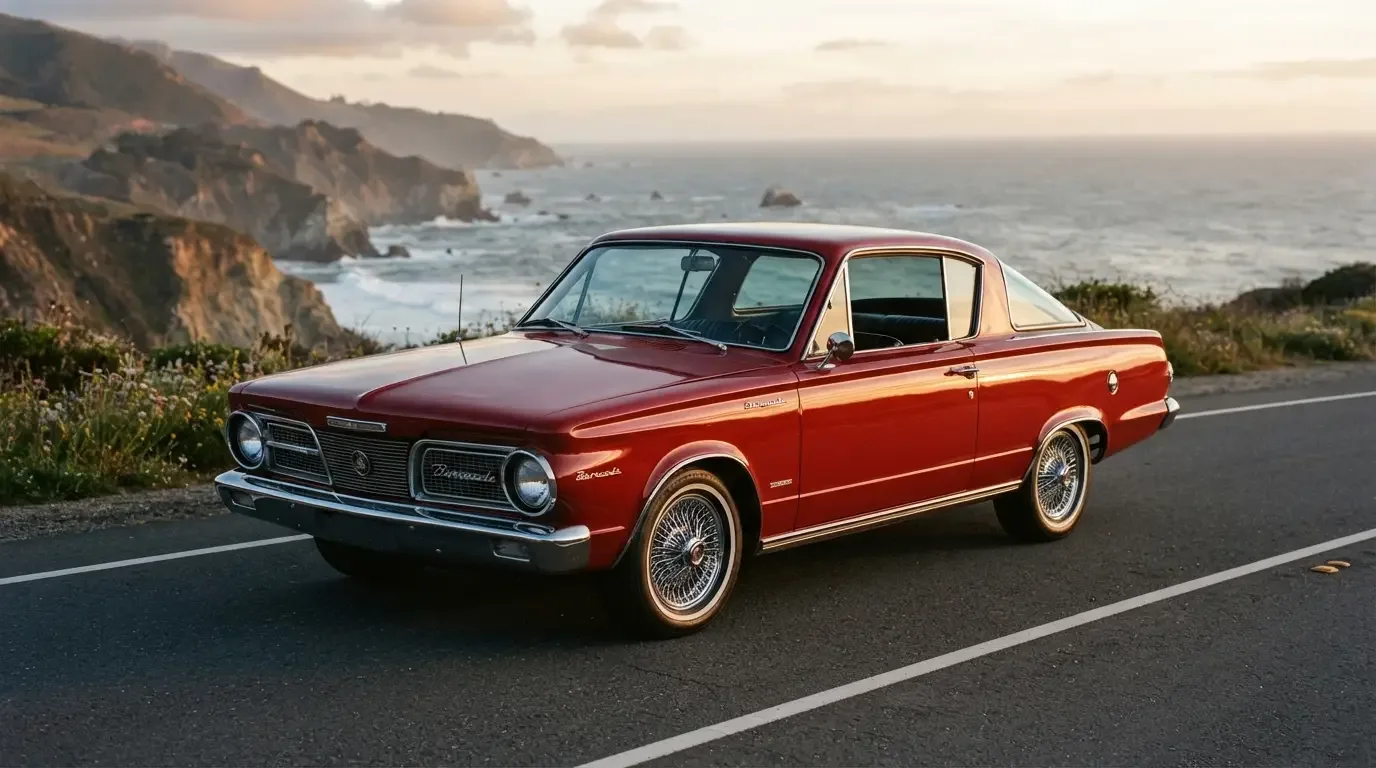
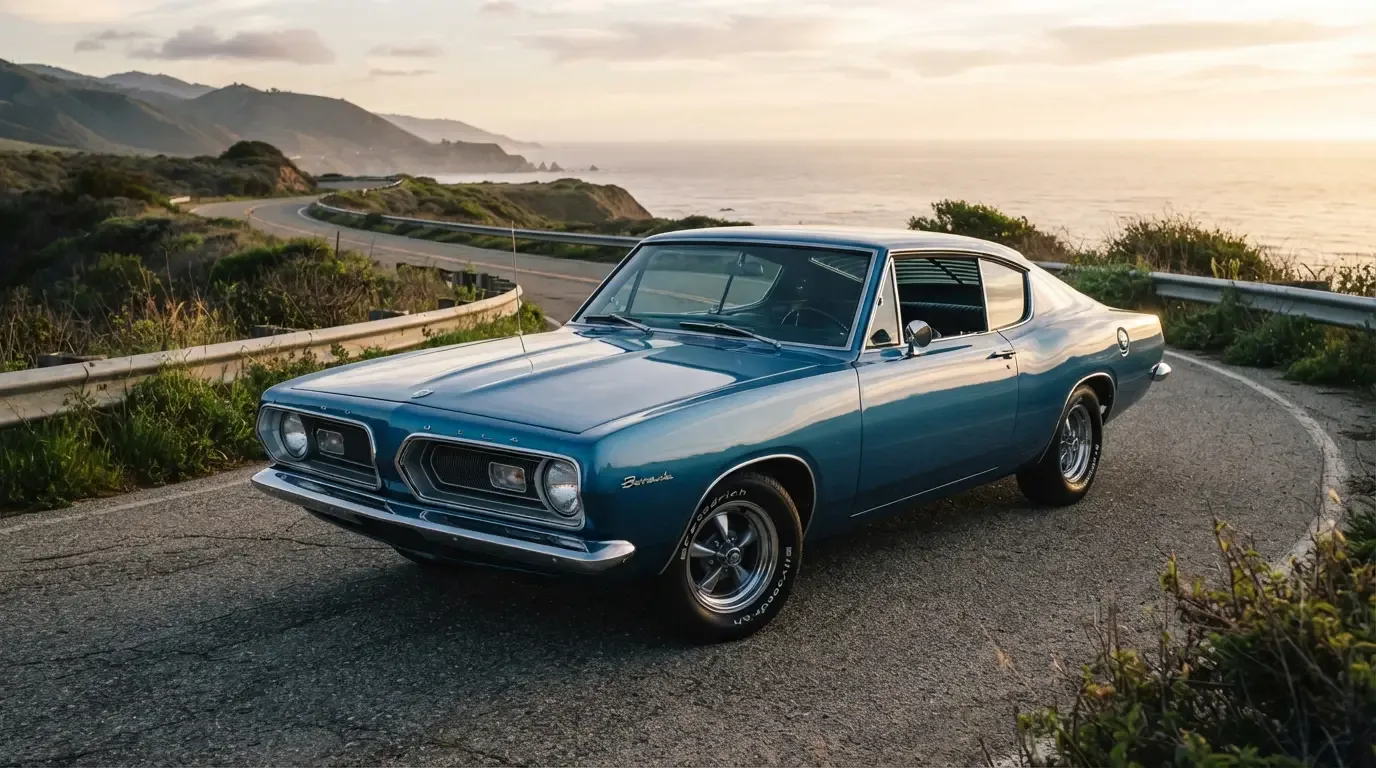
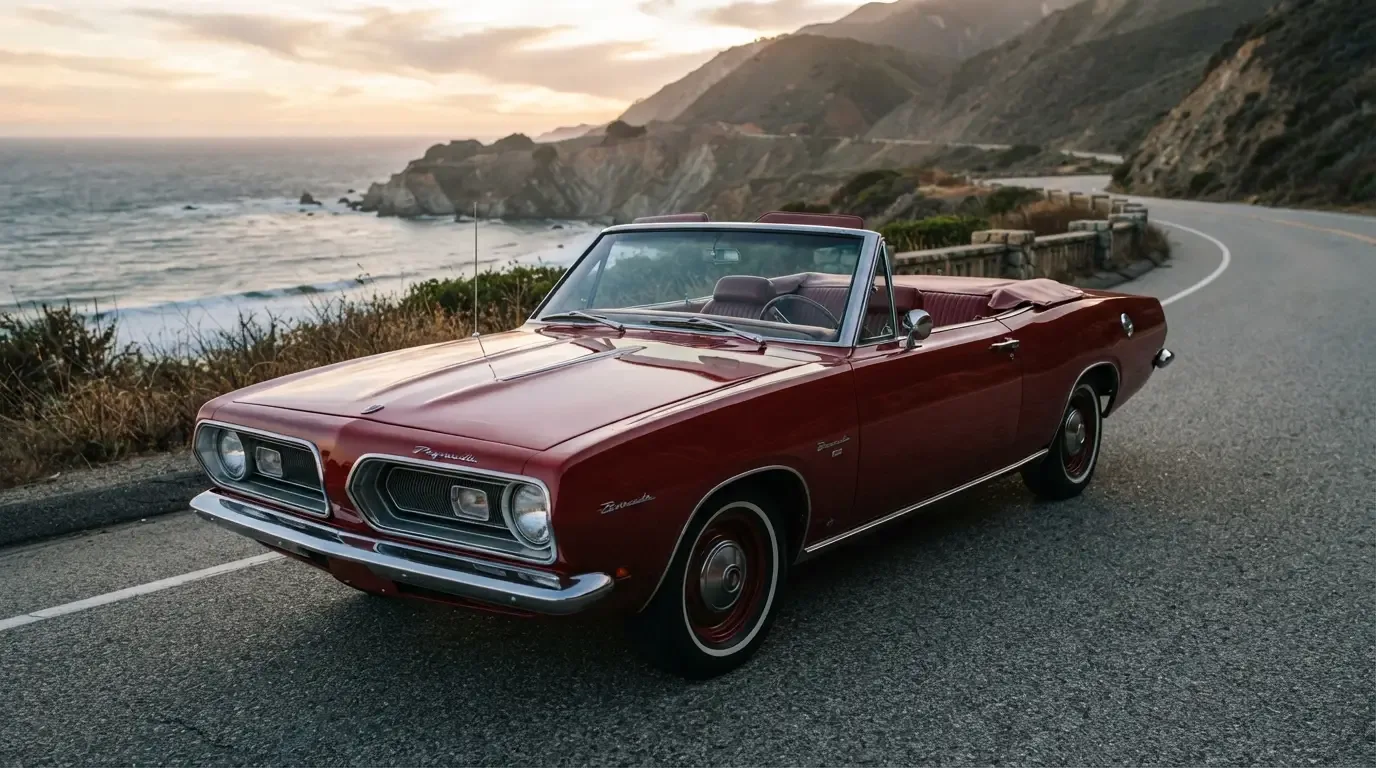
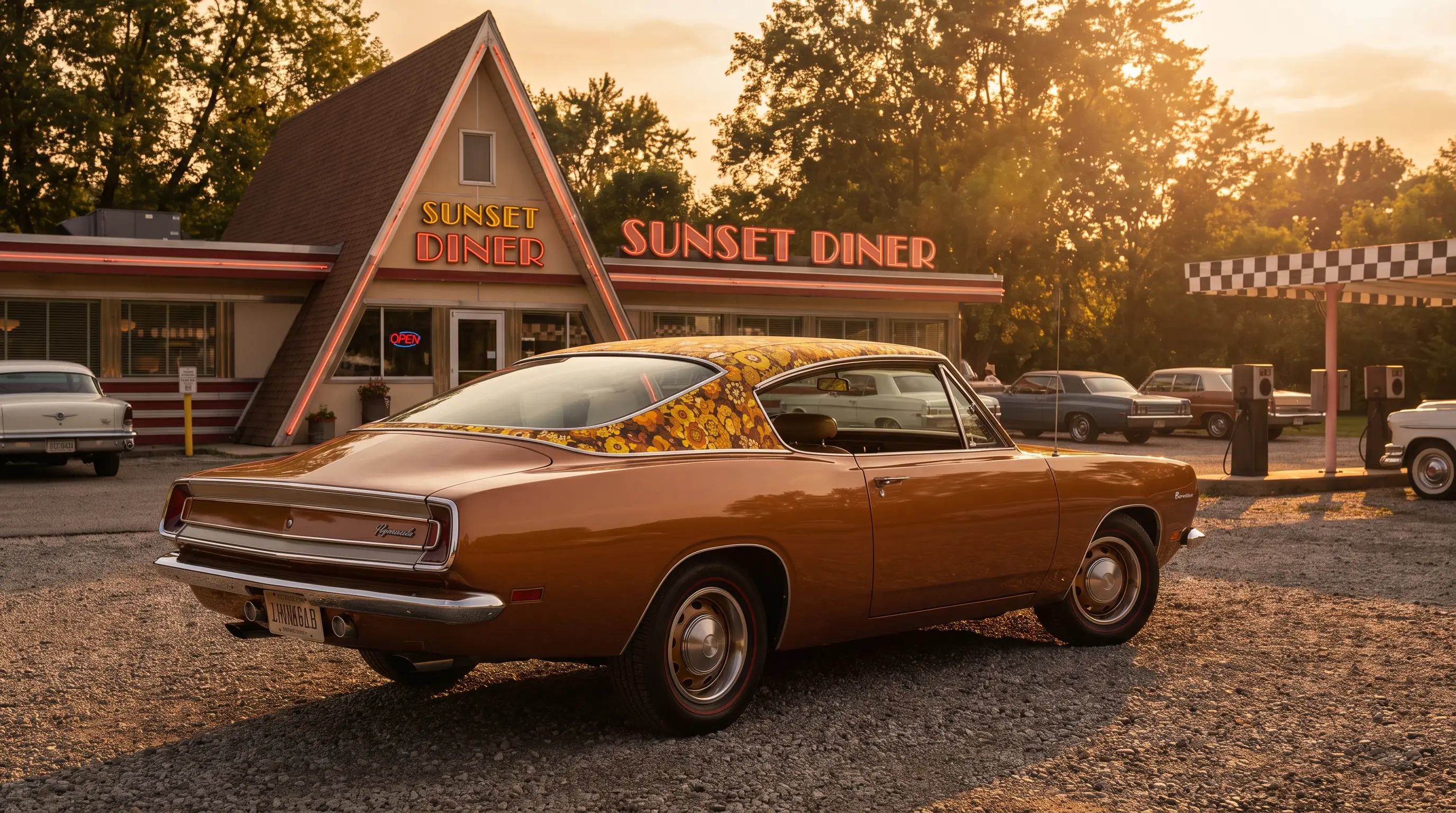
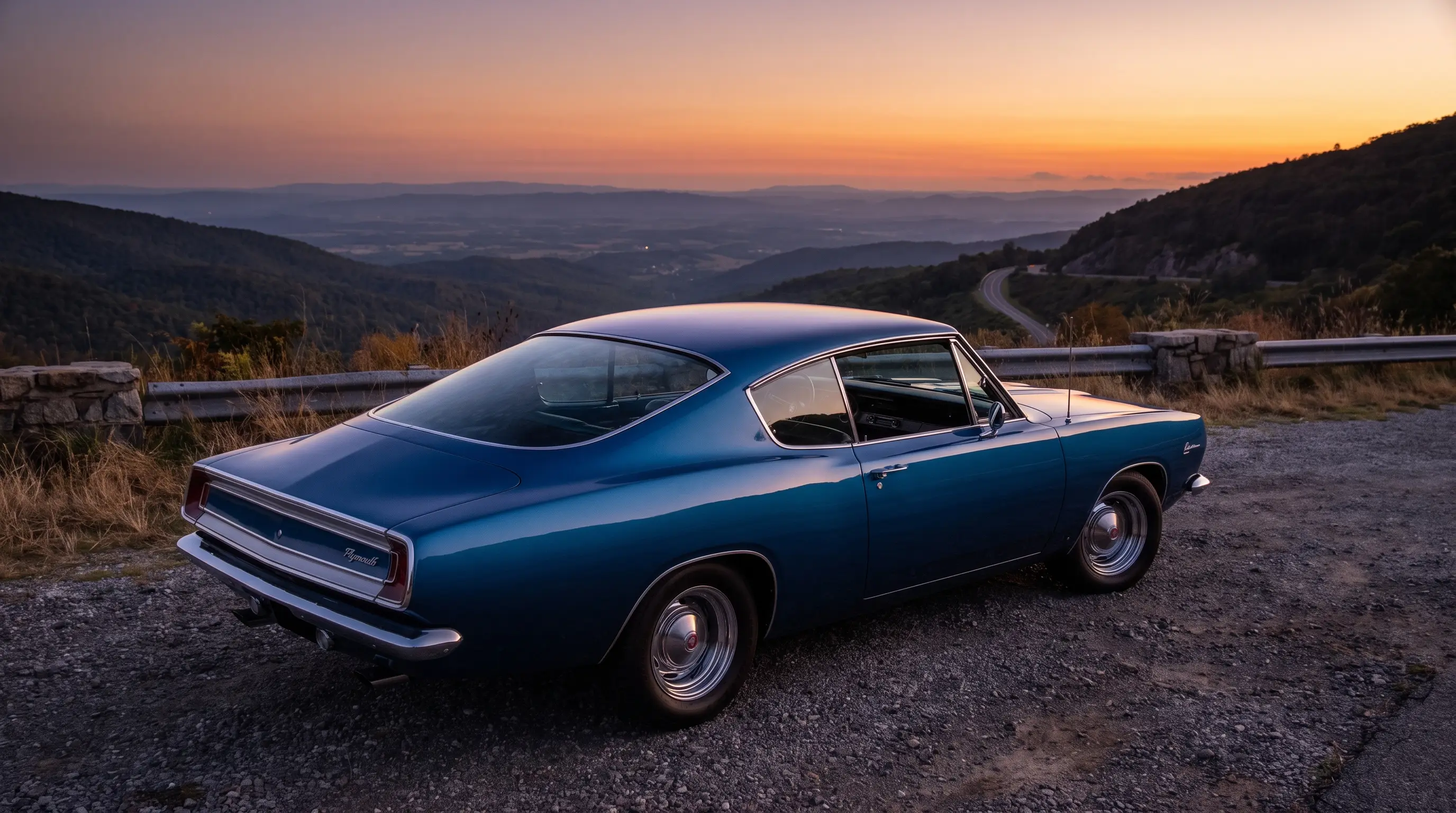
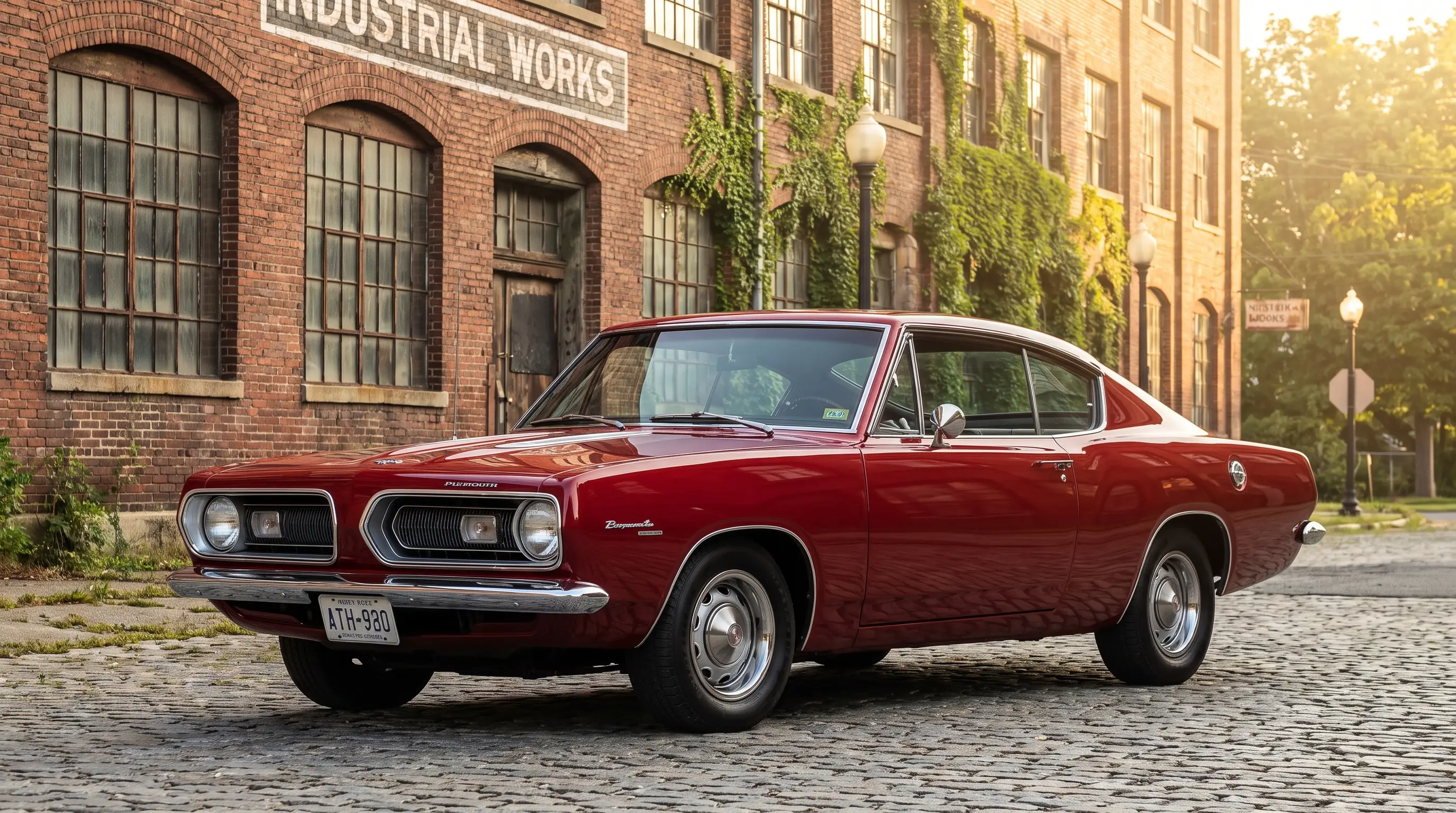
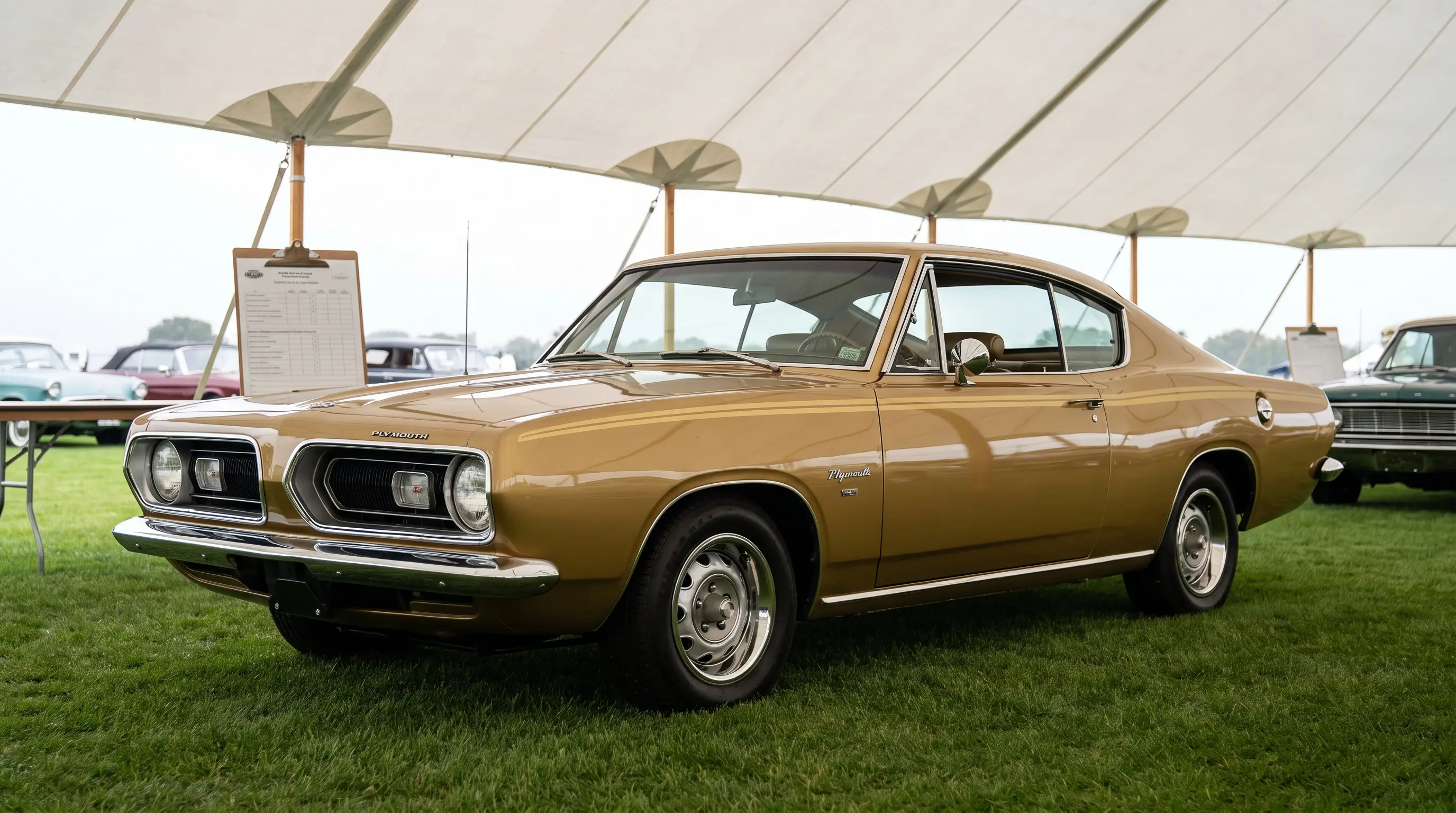
For 1967 Plymouth gave the Barracuda a completely new body, longer and wider than the first-generation car while still riding on the A-body platform it shared with the Valiant. The important change was not the dimensions but the range. Where the 1964 to 1966 car existed only as a fastback, the second generation launched in three distinct styles: the fastback that carried the original silhouette forward, a notchback hardtop coupe with a formal roofline, and, for the first time, a convertible. That three-body strategy is the single fact most casual histories skip, and it is central to understanding the model.
Each body wore its own sheet metal from the windshield back, so these are not trim variations on one shell. The fastback kept the sporting profile the name had earned. The notchback aimed at buyers who wanted the Barracuda look without the fastback's compromised rear headroom. The convertible was the halo. For the full sweep of how the model arrived at this point and where it went afterward, the wider the plymouth barracuda story sets out the whole timeline.
The year the big block arrived
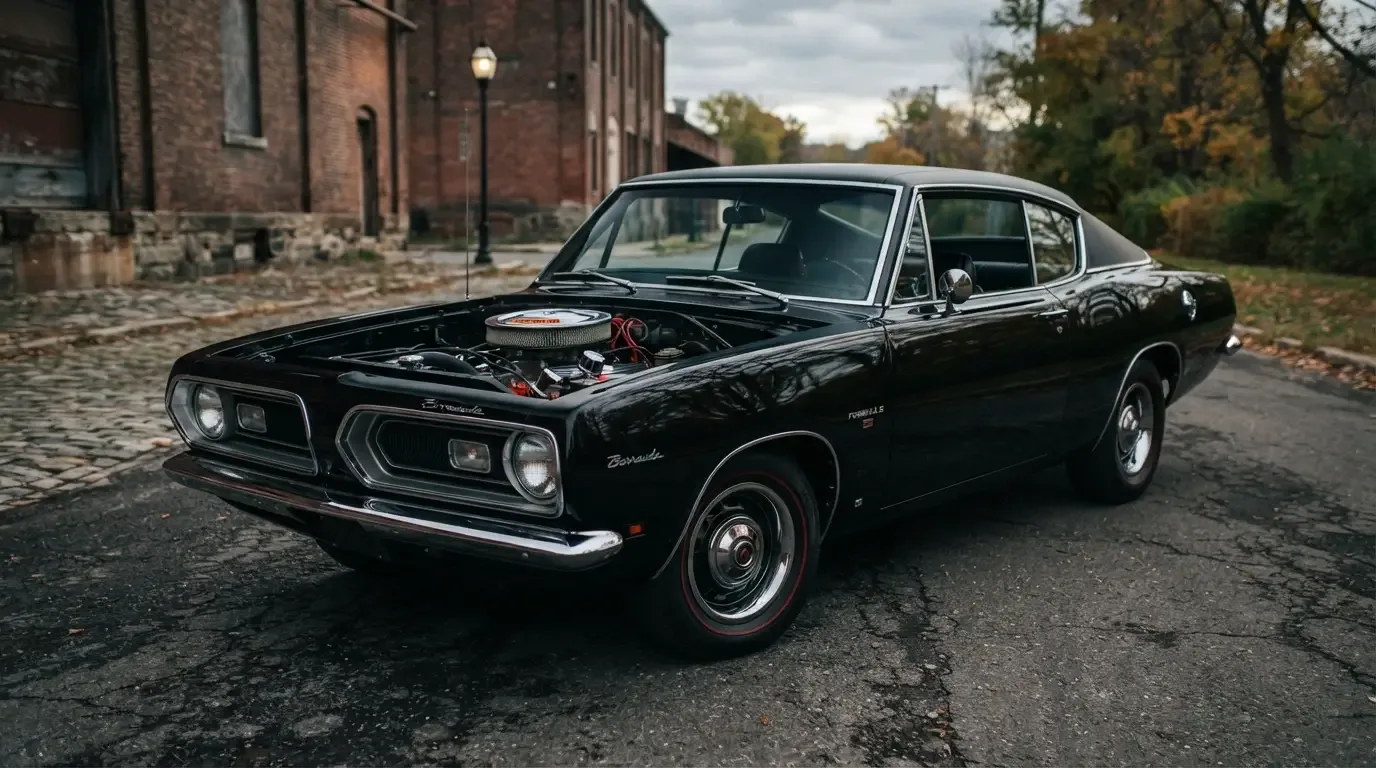
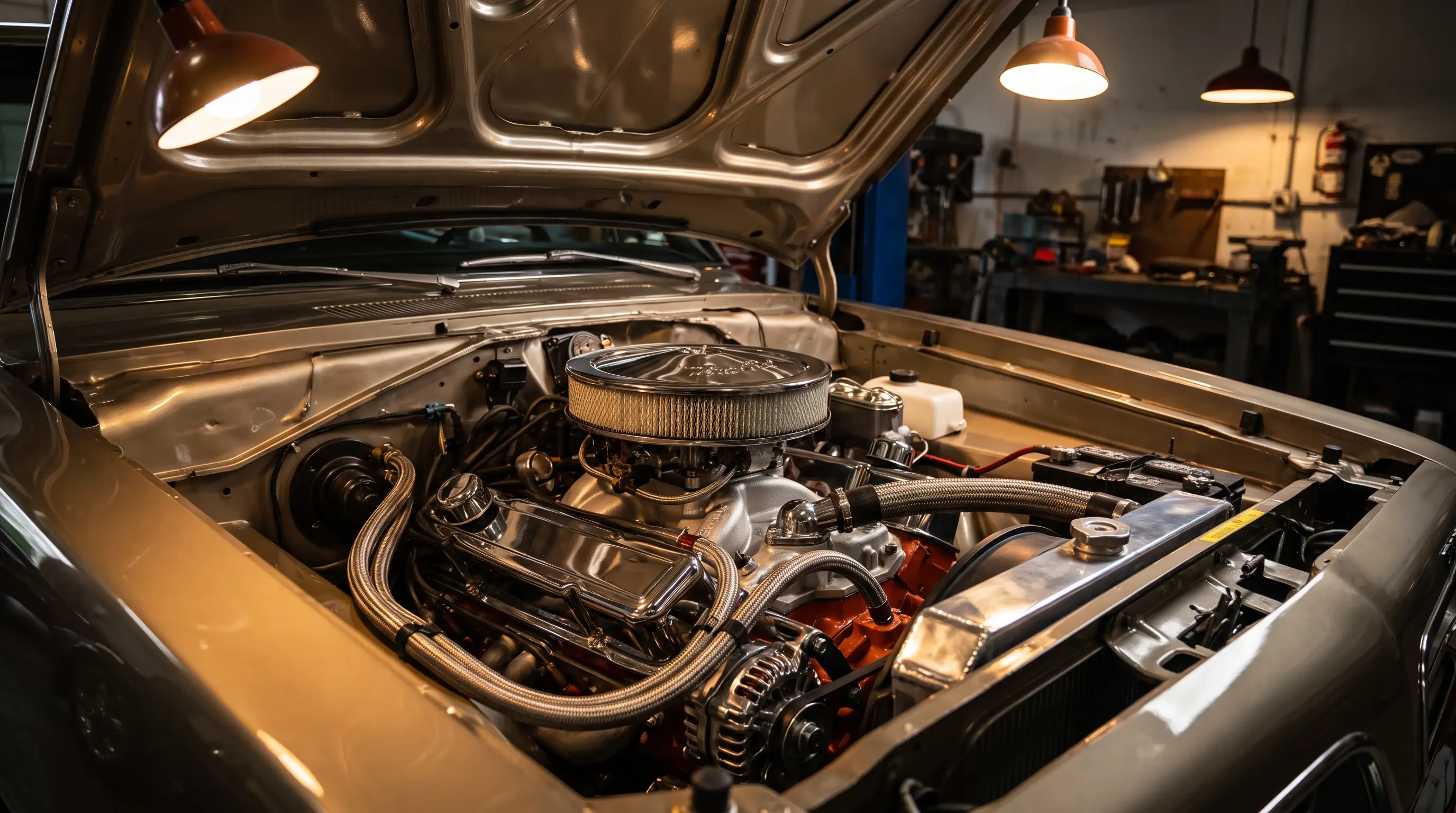
The performance story of the second generation Barracuda is a story about engine bays getting bigger. In 1967 the top engine was the 383 cubic inch big block, and fitting it into the A-body engine bay was genuinely tight. The factory record notes the compromise plainly: early 383 cars sacrificed power steering and power brakes because the exhaust manifolds left no room for the associated hardware. That is not a legend, it is an engineering consequence documented in the service literature, and it tells you how hard Plymouth was pushing the platform.
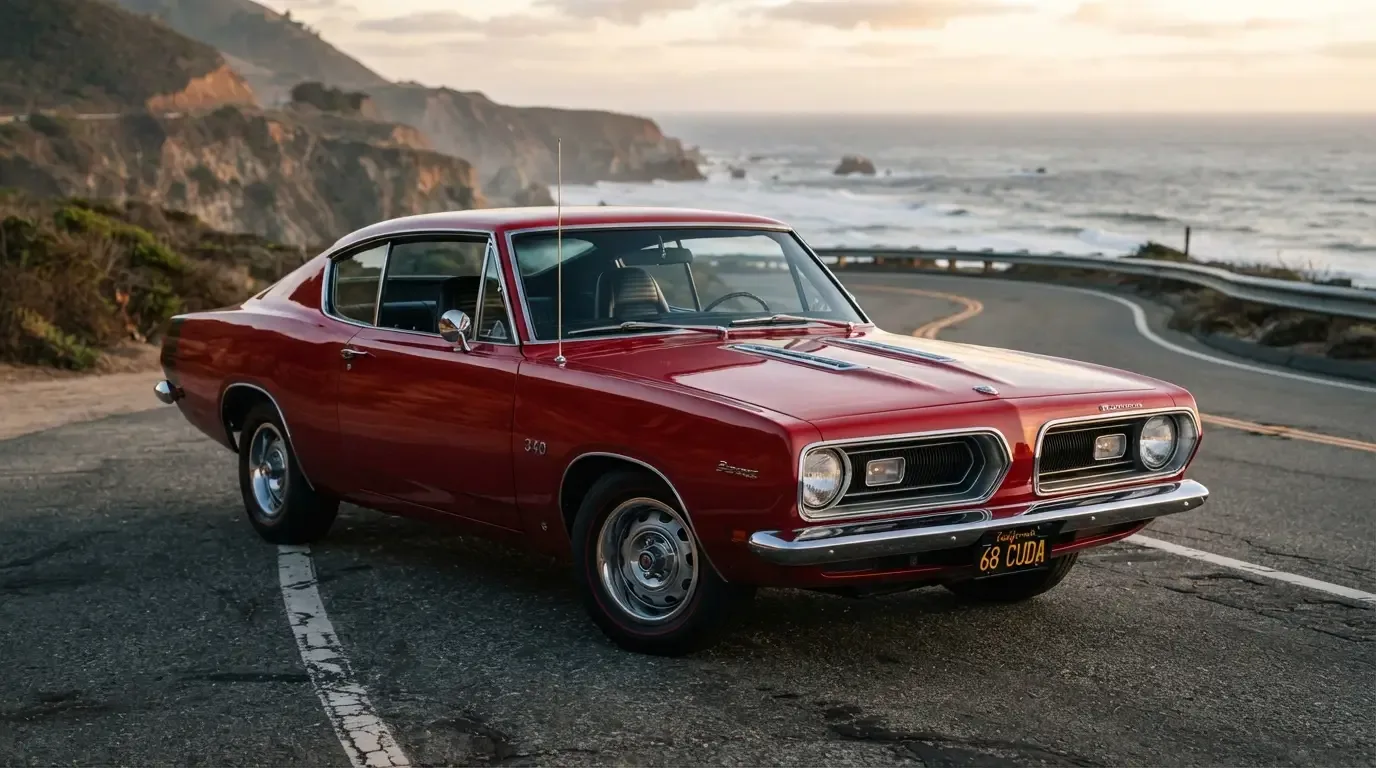
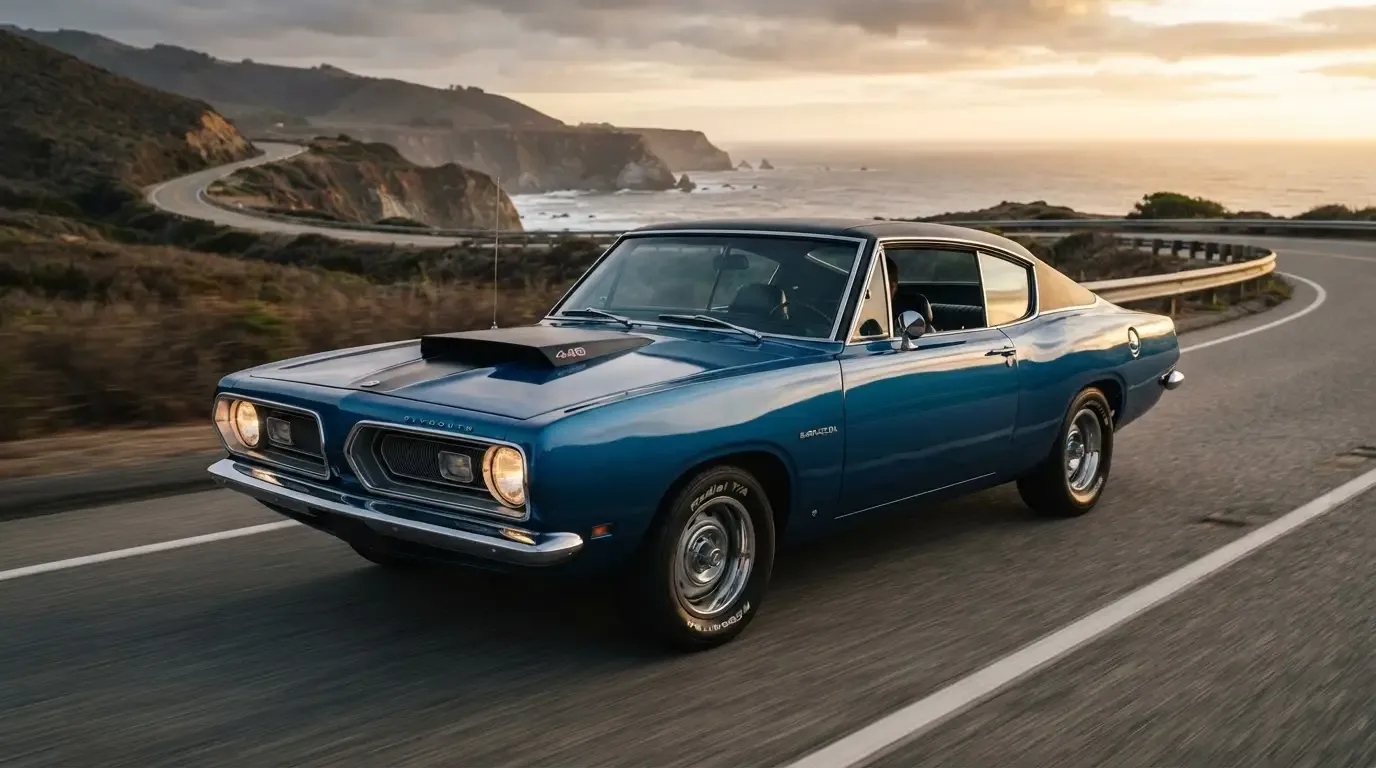
In 1968 the picture changed with the arrival of the 340 cubic inch small block, one of the best engines Chrysler built in the period. The 340 gave the Barracuda serious performance without the nose-heavy handling of the 383, and a 340 Formula S is a car that drives better than its bigger-engined sibling in most real conditions. The 383 continued and grew stronger through the run. By 1969 the 383 was rated at 330 hp and the model line had added the 440 to the order sheet late in the cycle, another big block squeezed into a bay that was never designed for it.
The weight distribution is the fact the sales literature never advertised and the fender tag never records. A 383 or 440 sitting over the front wheels of a compact A-body made the nose heavy and the handling blunt, and the factory itself acknowledged the compromise by deleting equipment to make the engine fit. The 340, lighter and better balanced, is the engine an engineer would choose and the one many experienced owners prefer today. This is where the reputation and the record diverge. The big block cars are more valuable because they are rarer and because the market rewards displacement, but the 340 cars are frequently the better machines to drive. A buyer who understands that distinction can find real quality at a lower price by looking past the badge to the balance of the car.
| Specification | 1967 to 1969 Barracuda |
|---|---|
| Body styles | Fastback, notchback hardtop, convertible |
| Platform | A-body (redesigned) |
| Notable small block | 340 cu in V8 (from 1968), 275 hp |
| Big block | 383 cu in V8, up to 330 hp by 1969 |
| Performance package | Formula S (340 or 383) |
| Racing special | 1968 Hemi Super Stock, code B029, roughly 50 built |
| Transmissions | 3-speed and 4-speed manual, TorqueFlite automatic |
The Formula S grows up
The Formula S package carried over from the first generation but gained real muscle in these years. A 1967 Formula S could be ordered with either the 273 or, more meaningfully, the 383, and by 1968 the 340 became the enthusiast's choice within the package. The Formula S included the heavy-duty suspension, the wide wheels, the front sway bar and the badging that marked the car out, and on the second-generation cars it finally had engines worthy of the chassis work.
What the factory data makes clear is that these were low-volume orders. Most Barracudas left the plant with the slant six or the base V8, and the Formula S cars, especially the big block versions, were a small fraction of production. That scarcity is why a documented Formula S with matching numbers sits well above an ordinary car in today's market, and why the order codes on the fender tag matter more than any repaint or restoration story a seller tells you.
It helps to picture how these cars were sold. A Formula S was an order-sheet decision, an option package a buyer specified and paid extra for, not a separate model on the showroom floor. Most walk-in customers wanted an affordable, good-looking coupe and ordered the economical engines, so the sporting versions were built in numbers that reflected genuine demand rather than production planning. That ordering pattern is why survivors skew toward the base cars and why an authenticated big block Formula S is a genuinely uncommon find. The paperwork exists precisely because Chrysler documented every one of those choices at the plant, and a surviving broadcast sheet turns a plausible story into a verified history.
"People treat 1970 as year zero for the fast Barracudas, but the factory was already stuffing 383s and then 440s into the A-body two and three years earlier. Read the broadcast sheet before you decide a second-generation car is the tame one. The codes tell a different story than the reputation does."
- Tom Ramirez
The Hemi Super Stock nobody could buy off the lot
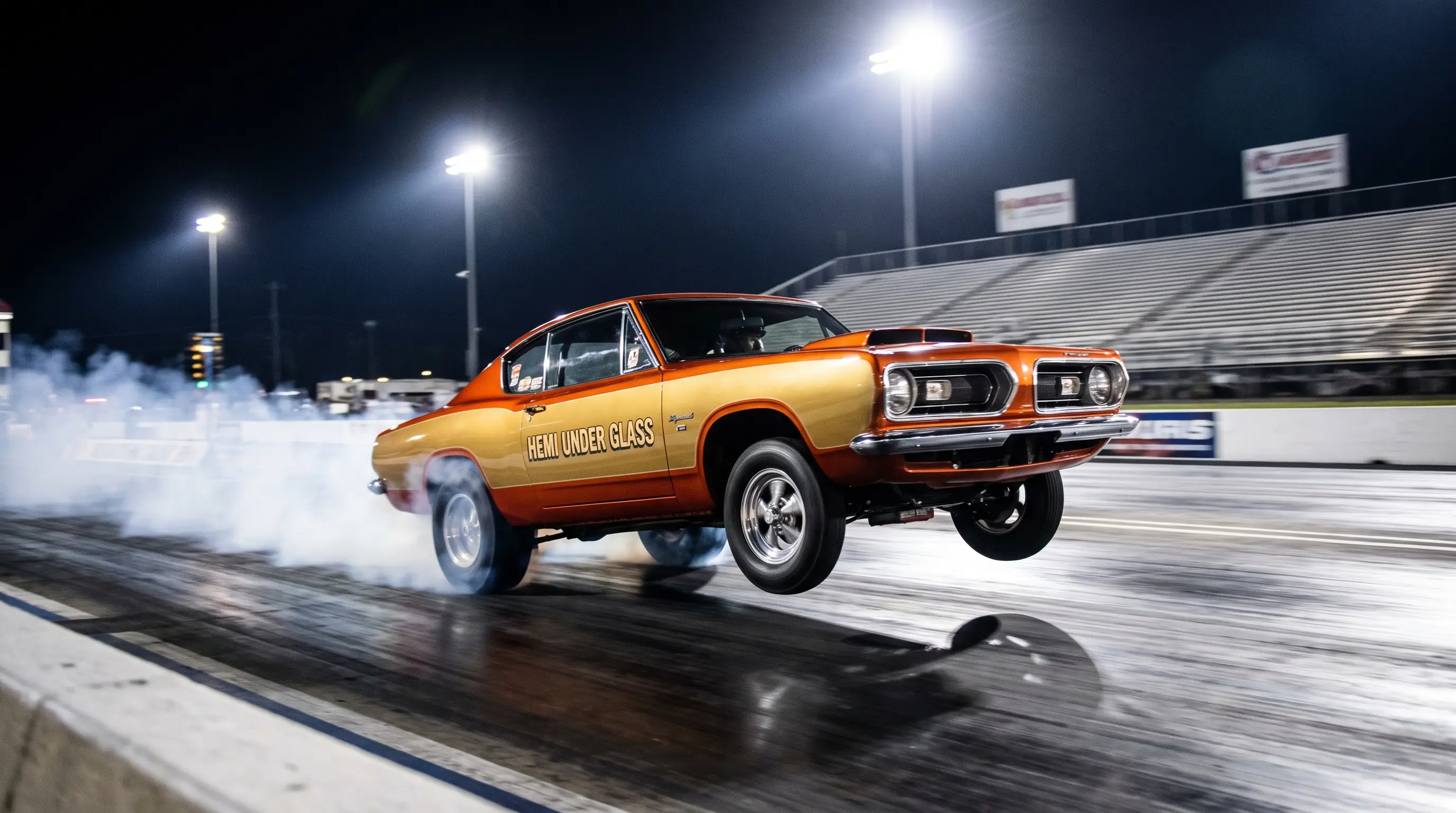
The most extreme second-generation Barracuda never appeared in a normal showroom. In 1968 Plymouth, working with Hurst, built a run of purpose-made drag cars under the code B029, fitting the 426 Hemi into the Barracuda body for Super Stock competition. These were stripped, acid-dipped where it helped, and sold as race-only machines. The most commonly cited figure is around 50 cars, though some sources put the number as high as 70, and their survival rate and documentation are the subject of careful study among Mopar historians because so many were consumed by racing.
These BO29 cars matter to the historical record because they prove Chrysler was willing to put its biggest engine in the A-body for competition well before the E-body made the Hemi Cuda a catalog item. They are also a caution for buyers: the number built was small, the number of genuine survivors smaller, and the temptation to create tribute cars from ordinary bodies is real. Provenance on these is everything.
Telling the years apart, and the 1969 details
Across the three model years the second-generation body changed in ways that a careful eye can date. The 1967 cars are the cleanest expression of the new design. For 1968 the front end received revised trim and the side-marker lights that federal regulation now required, a small legal change that helps date any American car from that year forward. The 1969 cars carried further detail revisions to the grille and tail, and 1969 is also the year the naming began to shift toward the performance identity that the E-body would inherit.
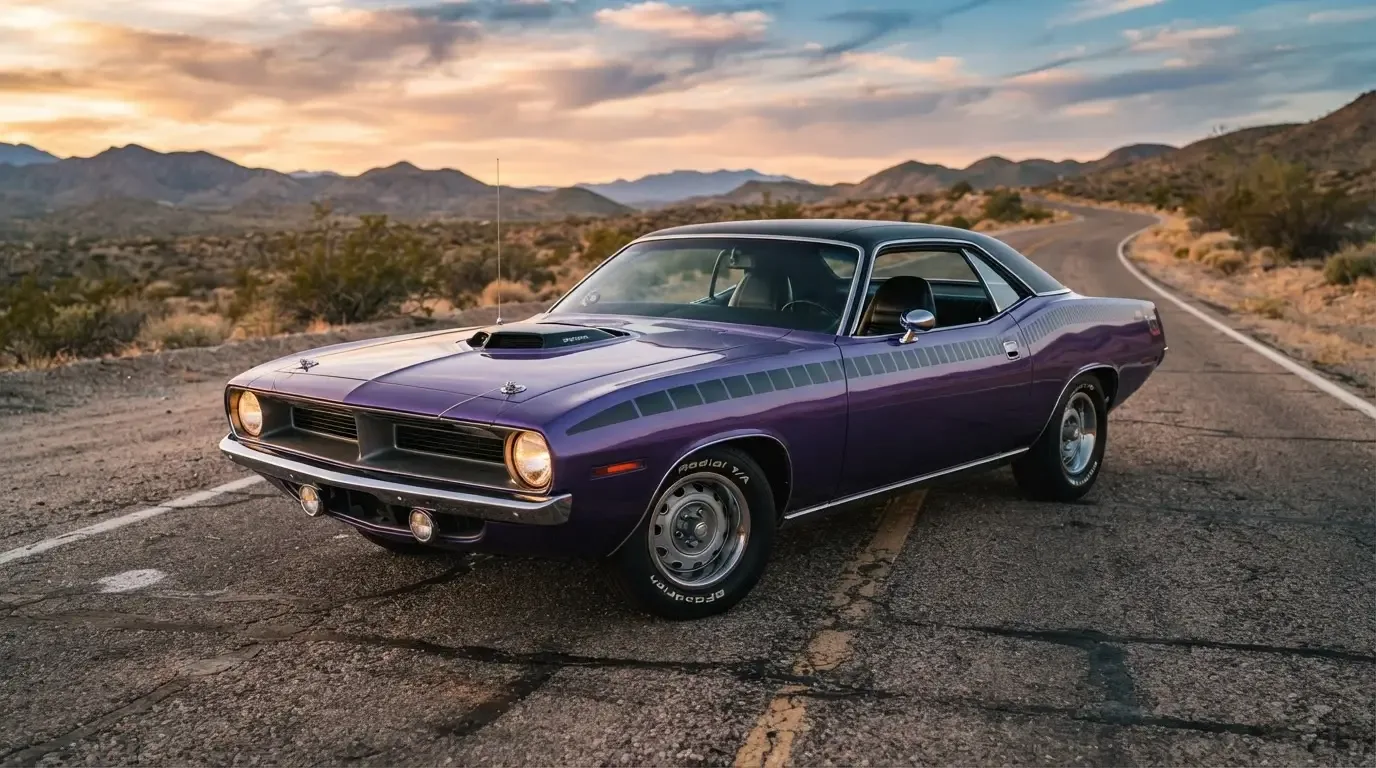
The 1969 model year deserves attention because it introduced the 'Cuda designation as a distinct performance grouping within the Barracuda line, most prominently with the 340 and 383 cars marketed as the 'Cuda 340 and 'Cuda 383. This is a point casual histories get wrong, treating the Cuda name as an E-body invention. The record shows the apostrophe-Cuda badge and the associated performance intent already in use on the A-body in 1969, a full model year before the redesign. Anyone tracing the origin of the name should start here rather than in 1970.
These distinctions are not trivia. On a market where a big block A-body Barracuda commands a real premium, the ability to confirm the year and the correct year-specific trim protects a buyer from paying second-generation prices for a car dressed to look like something it is not. The grille, the side markers and the badging all leave a documented trail, and reading it is the difference between an informed purchase and a hopeful one.
Notchback, fastback and what survived
Among the three body styles, the fastback is the one collectors picture and the one that carries the strongest identity. The convertible is the rarest in most years and commands attention for that reason. The notchback hardtop is the quiet one, produced in respectable numbers but never as celebrated, which makes it the value proposition of the generation for a buyer who wants a genuine 340 or 383 car without paying the fastback premium.
Because the second-generation cars sit between the first-generation curiosity and the E-body legend, they have historically been undervalued relative to their engineering. That has been changing as the numbers-matching 340 and 383 cars are recognized for what they are. A buyer starting research today would do well to browse classic Barracuda listings across the body styles to see how specification and rarity separate the prices. The current browse classic Barracuda listings selection is a useful starting point for that comparison.
The generation that earned the reputation
By the end of 1969 the Barracuda had outgrown the A-body. The engine bay could not sensibly go beyond the big blocks already crammed into it, and Plymouth was preparing the E-body that would give the car room to become the Cuda the world remembers. But the groundwork was laid here. The three body styles, the 340, the 383, the Formula S and the BO29 racers all belong to the second generation Barracuda, and they are the reason the model had credibility to build on when the E-body arrived.
The car that followed took the headlines, and it deserves them. There is another one worth knowing in the another one worth knowing chapter, where the platform finally caught up with the engines. But the 1967 to 1969 cars are not a warm-up act. They are the years the Barracuda became a real performance car, documented in the order codes for anyone willing to read them.
Sources and notes
- Plymouth Barracuda - Wikipedia
- 1968 Plymouth Barracuda Fact Sheet - Over-Drive Magazine
- 1969 Plymouth Barracuda Formula S 383-S Specs - Automobile Catalog
- 1968 Plymouth Hemi Barracuda B029 - Supercars.net
- Factory Drag Car: Super Stock 1968 B029 Hemi Barracuda - Dragzine
- Vintage Car Life Road Test, 1968 Barracuda 340-S - Curbside Classic