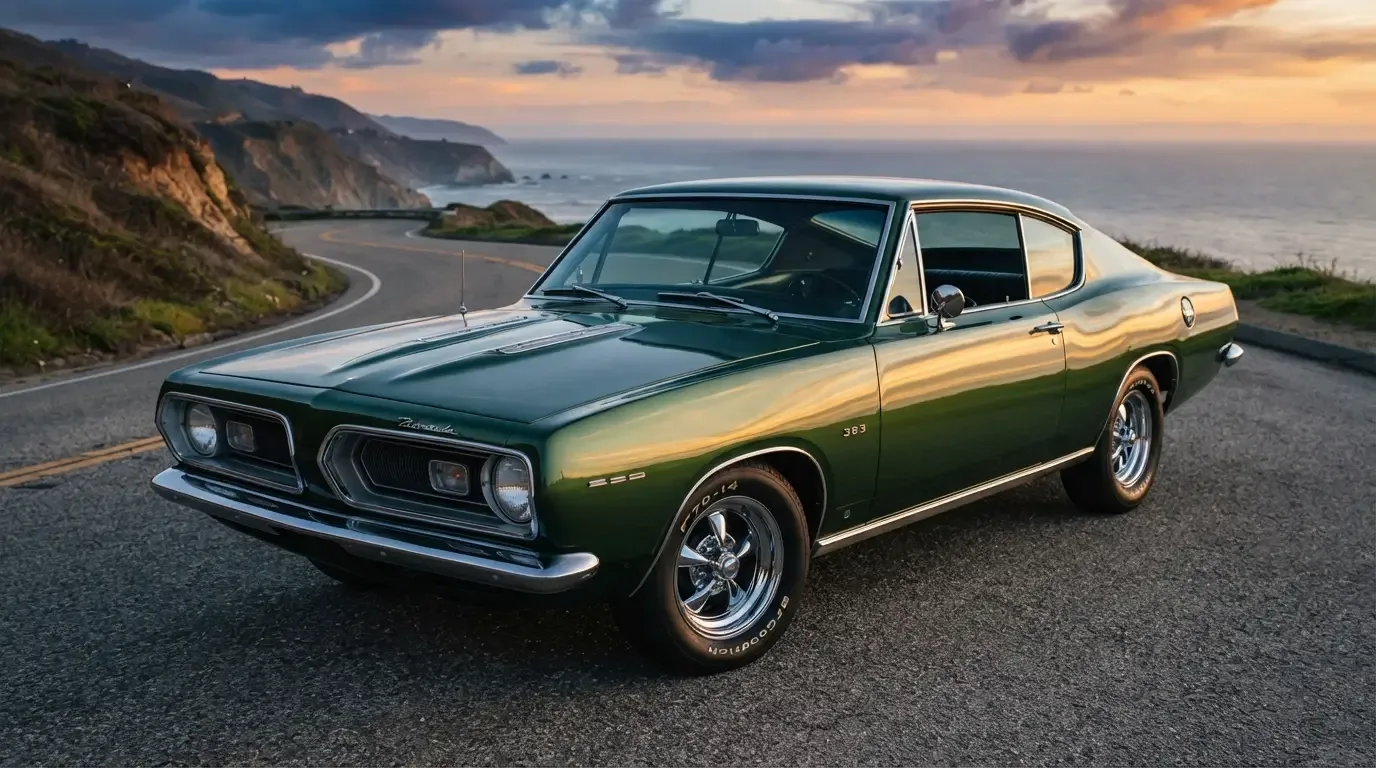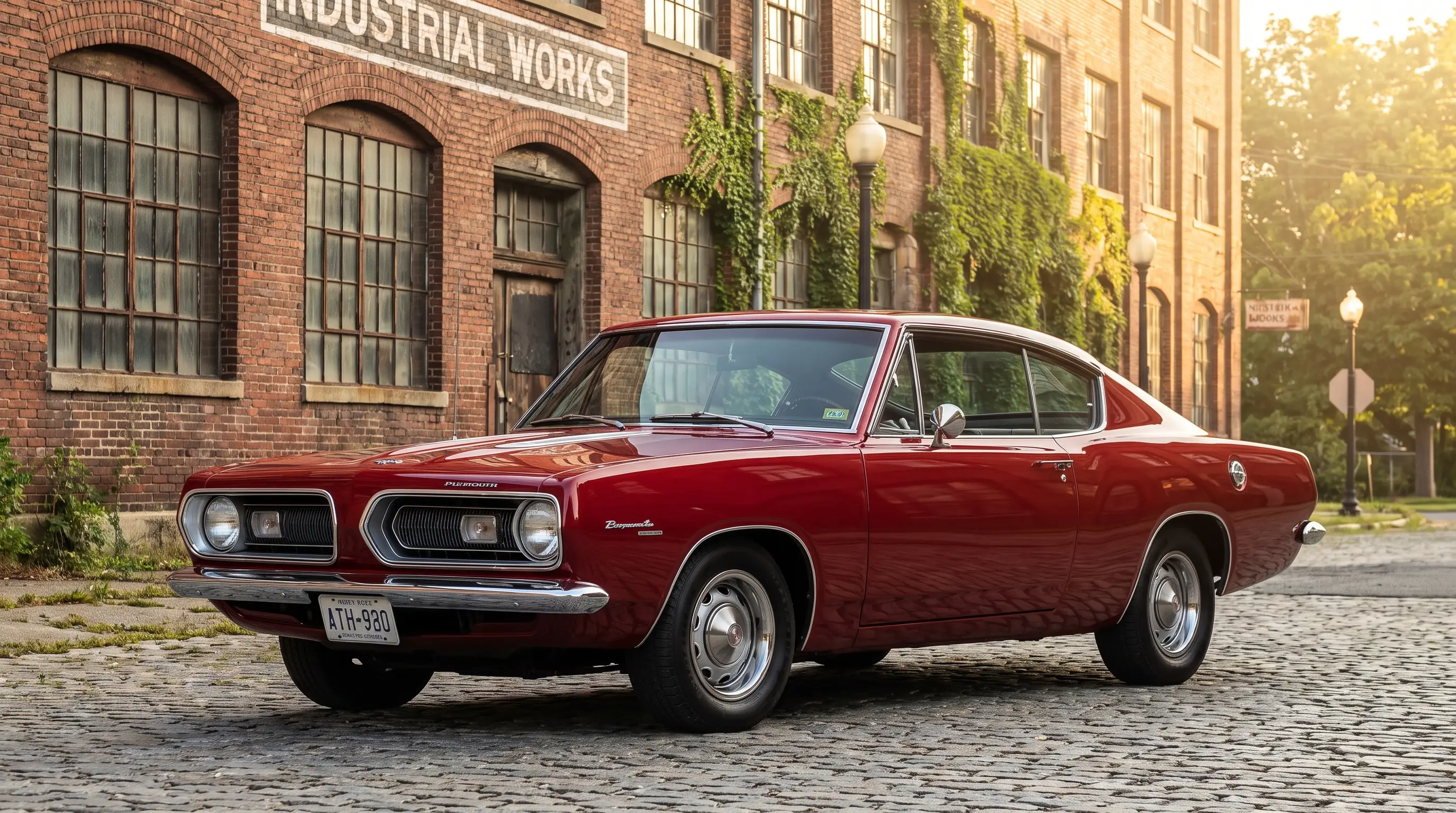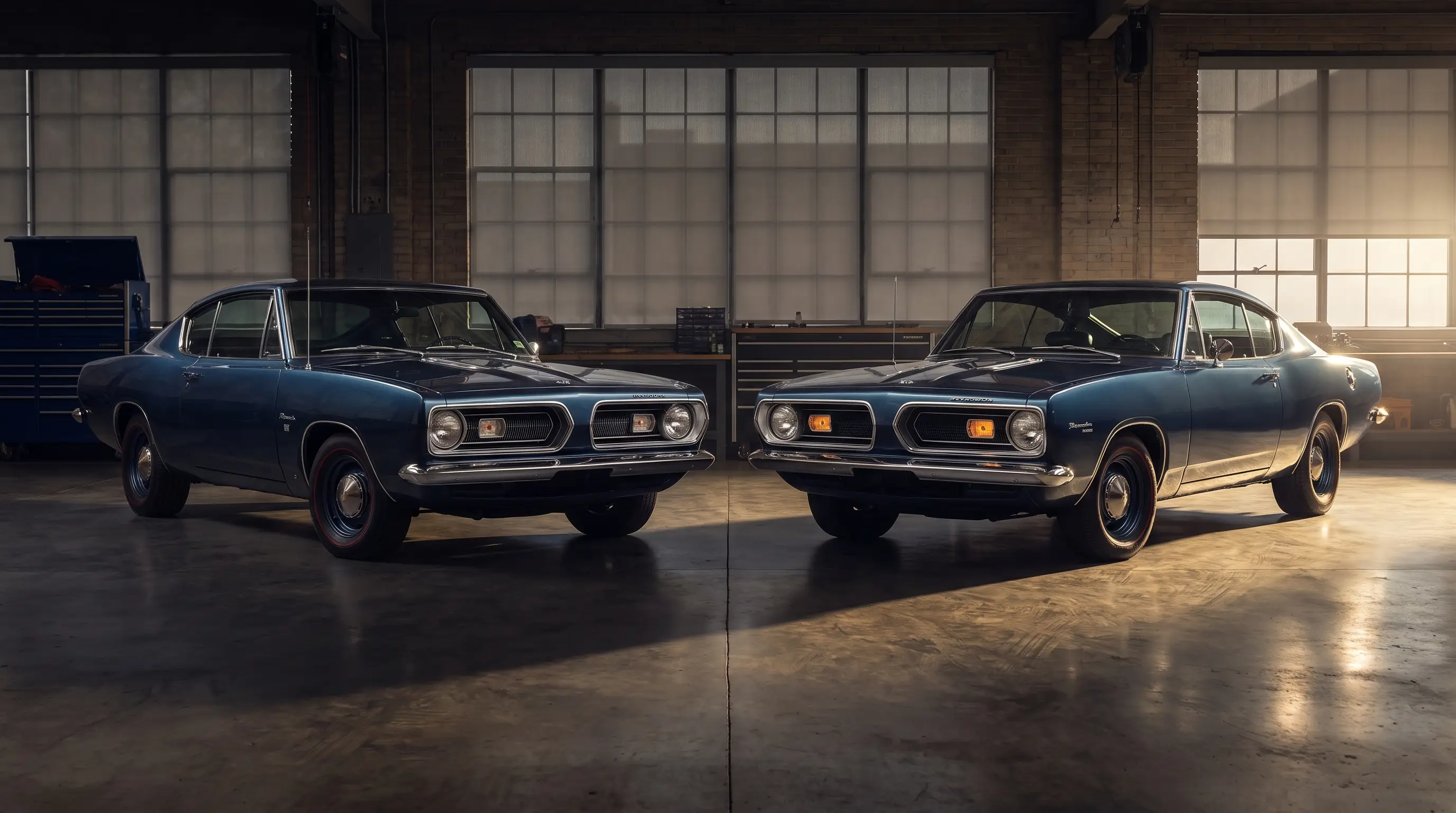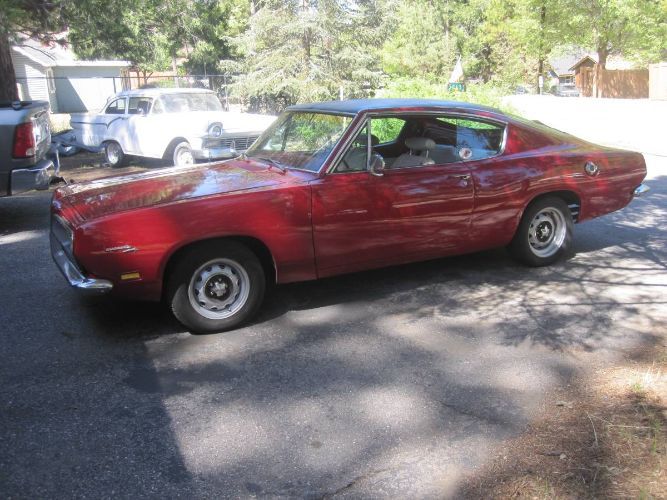
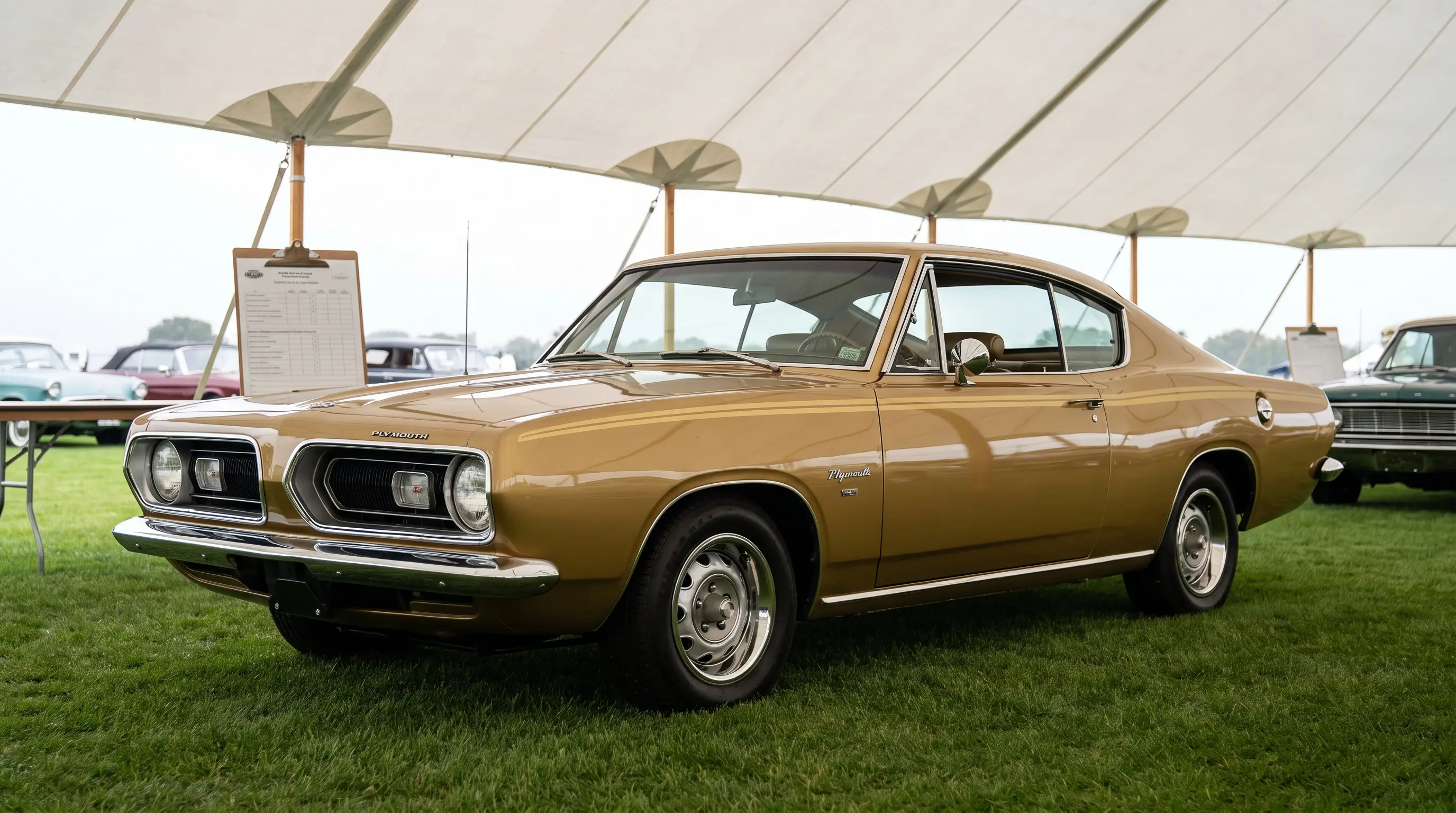
The second generation Barracuda still trades at a discount to its E-body successor, and that gap is the entire story of second generation barracuda value in one sentence. Built from 1967 through 1969 on the compact A-body platform, these cars carry real performance credentials and a shrinking supply, yet the market has been slow to catch up. That lag is either a warning sign or an opportunity, depending on which numbers you trust.
Reading the auction data honestly
Formula S cars with the 383 cubic inch V8 have been the anchor of this segment for a decade, and results have been consistent rather than explosive. A clean, numbers-matching 1969 Formula S convertible will clear six figures at a major auction house, but the hardtop version of the same car often settles well under half that number. Coupes without documentation, meaning no broadcast sheet, no fender tag decode on record, and no verified mileage, routinely sell in the twenty to thirty five thousand dollar range even in strong condition. That spread between convertible and hardtop, and between documented and undocumented cars, is wider here than almost anywhere else in the muscle car segment.
The reason is straightforward. Buyers who chase A-body Mopars want the drop top experience and the visibility that comes with it. Coupes, even fast ones, get treated as driver cars rather than trophy cars. That has kept a lid on hardtop prices for years, which is precisely why some serious collectors have started buying them.
What actually moves the needle on price
Three things separate a twenty thousand dollar Barracuda from a hundred thousand dollar one: engine, body style, and paperwork. The formula S package with the 383 four barrel commands the premium; the base 273 and 318 cars, while pleasant, rarely break into serious money regardless of how clean they are. Manual transmission cars with factory bucket seats and console add a further step up, especially with buyers under fifty who grew up wanting a car they could row themselves.
Color matters more than most owners want to admit. A factory High Impact color, even applied late in the 1969 model year, adds a real premium over the common Ivy Green or Sahara Beige cars that dominated production. Buyers pay for the photograph before they pay for the drivetrain, and a Bahama Yellow or Vitamin C Orange example simply photographs better sitting in a field of white and beige.
| Configuration | Typical market range | Trend |
|---|---|---|
| Base coupe, six cylinder or small V8, undocumented | $14,000 to $22,000 | Flat |
| Formula S hardtop, 383, documented | $38,000 to $55,000 | Rising slowly |
| Formula S convertible, 383, documented | $70,000 to $110,000 | Rising |
| Formula S convertible, 383, rare color, four speed | $110,000 and up | Strong demand |
Why the gap with the 1970 to 1974 cars persists
Ask any dealer why a 1969 Formula S trails a 1970 Cuda with a similar engine and the answer is almost always the same word: styling. The E-body's wider stance and more aggressive proportions photograph as a muscle car in a way the second generation body, still carrying some of its compact-car ancestry, does not. That is a market perception problem, not a mechanical one. Read the second generation barracuda story for the full account of how this body evolved and why its case for collectibility is stronger than the price gap suggests.
The perception gap is exactly where a disciplined buyer finds value. Paying forty percent less for a car with comparable performance and dramatically better production rarity than its E-body successor is not a fluke. Total second generation production fell sharply as the run went on, from roughly 62,500 cars in 1967 down to well under half that by 1969, and the surviving population has thinned further with every decade since. It has not fully happened yet.
"Everyone wants the shark nose car. Nobody's bidding against you for the '69 convertible, and that's exactly why I'd rather own one."
- David Mercer
Documentation is the single biggest lever
A fender tag, a broadcast sheet, and a title history that traces back cleanly can add thirty to fifty percent to a hardtop's value and even more on a convertible. Buyers in this segment have been burned by clone cars wearing Formula S badges and aftermarket stripe kits, so anything that proves originality moves a car out of the driver category and into the collector category. If you are shopping, ask for documentation before you ask about the paint.
Mileage claims without support are treated with skepticism industry wide. A car advertised as having thirty thousand original miles with no service history, no inspection stickers, and no prior owner records will get discounted in negotiation almost automatically. Sellers who have the paperwork should lead with it; buyers who don't see it should assume the number is unverifiable and price accordingly.
Where this segment is likely headed
Demographics favor cars from this era over the next decade as buyers who came of age with them reach peak earning and collecting years. The second generation Barracuda benefits from being simultaneously less expensive than its E-body sibling and mechanically related enough that parts support, an underrated factor in long-term ownership cost, remains solid. Convertibles with the 383 and documented history look like the safest long-term hold in this specific niche. Hardtops remain the value play for buyers who care more about driving than trophy value.
For a broader view of how this generation fits into the marque's full arc, from the first fastback in 1964 through the final E-body cars, the full story lays out the entire production run and where values have moved across every generation. If the numbers here have you thinking about buying rather than just reading about it, there are classic Barracudas on the market worth cross-referencing against everything above before you make an offer.
Regional variation buyers underestimate
Location affects second generation Barracuda value more than most first-time buyers expect. Cars that spent their lives in dry climates, the desert Southwest or the interior West, hold a real premium over comparable cars from the rust belt or coastal regions, and that premium shows up in auction results even when both cars present as fully restored. The reason is structural rather than cosmetic. Rust repair on unibody cars, even done well, tends to get discovered eventually by a knowledgeable buyer or a pre-purchase inspection, and once it is disclosed it resets the negotiation regardless of how the bodywork looks in photographs.
This is worth factoring into any cross-country purchase. A car advertised at a discount from a rust belt state should be inspected in person or by a trusted third party before money changes hands, since the discount often reflects underlying structural work that a seller has no obligation to volunteer. Buyers who skip this step tend to be the ones who later discover the "clean southern car" story attached to a listing was more marketing than documentation.
How this compares to parallel muscle car segments
Put the second generation Barracuda side by side with contemporary offerings from Ford and Chevrolet in the same displacement and performance class, and the value gap becomes even more apparent. A comparable era Mustang fastback with a similar performance package routinely commands a premium over the Formula S Barracuda despite production numbers that, in some configurations, were actually higher. That is almost entirely a function of cultural visibility rather than any measurable difference in performance, build quality, or rarity. Buyers willing to look past brand name recognition and focus purely on the underlying scarcity and performance credentials will consistently find better value in the Barracuda than in its more famous rivals from the same three model years.
The bottom line for buyers
Second generation barracuda value is not a mystery once you separate the car from the marketing. A 383 Formula S with real paperwork is undervalued relative to what it offers on the road and what it will likely command in five years. A base coupe without documentation is a nice driver and nothing more, and should be priced like one. Buy the paperwork as much as the car, and the value case takes care of itself.
Sources and notes
- Plymouth Barracuda - Wikipedia
- 1969 Formula S 383-S specifications - Automobile Catalog
- The 1967-1969 Plymouth Barracudas Were Out to Win You Over - MotorCities
- 1967-69 Plymouth Barracuda Formula S Profile - HotCars
- Pick of the Day: 1967 Plymouth Barracuda Formula S - ClassicCars.com Journal
- Plymouth Barracuda Production Numbers 1964-1974 - 440 Magnum Network