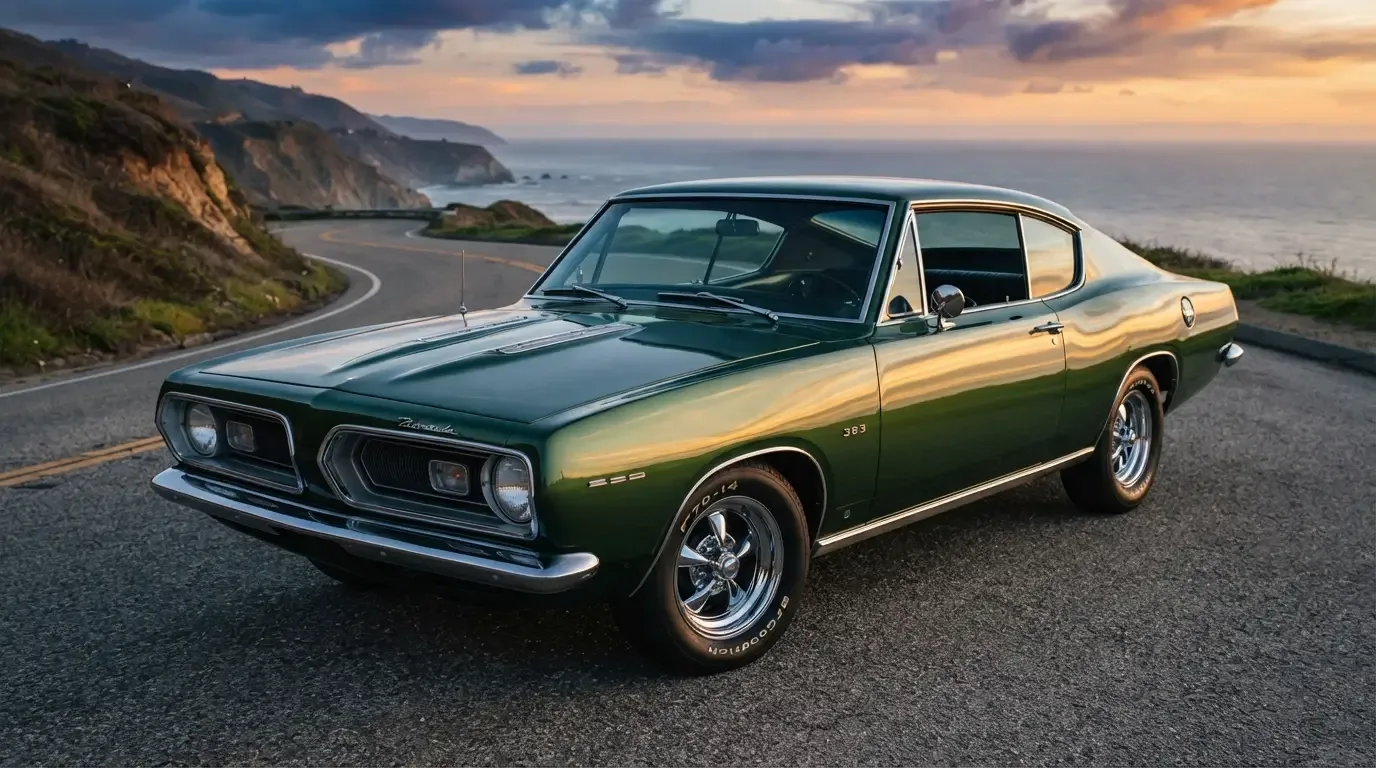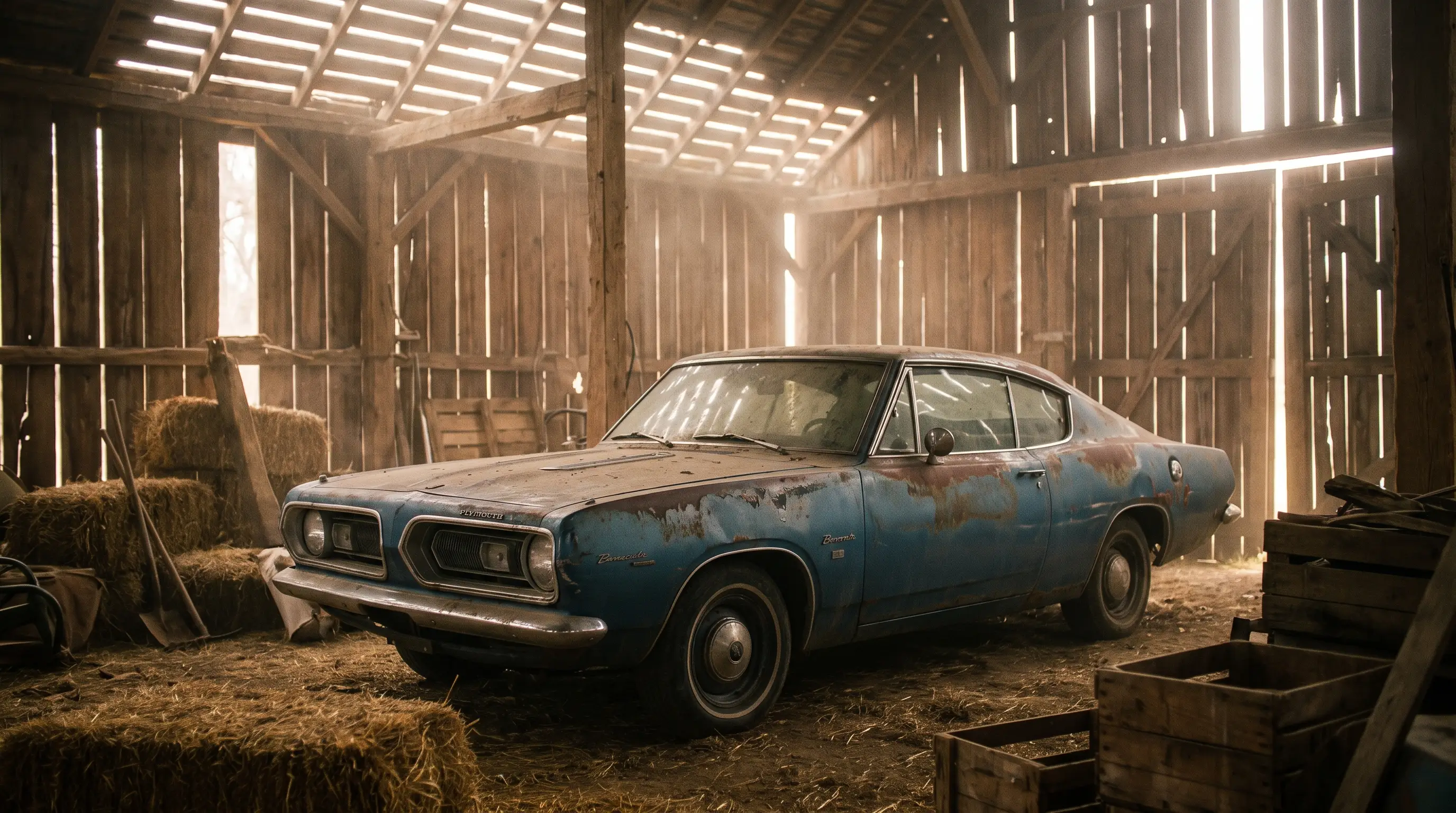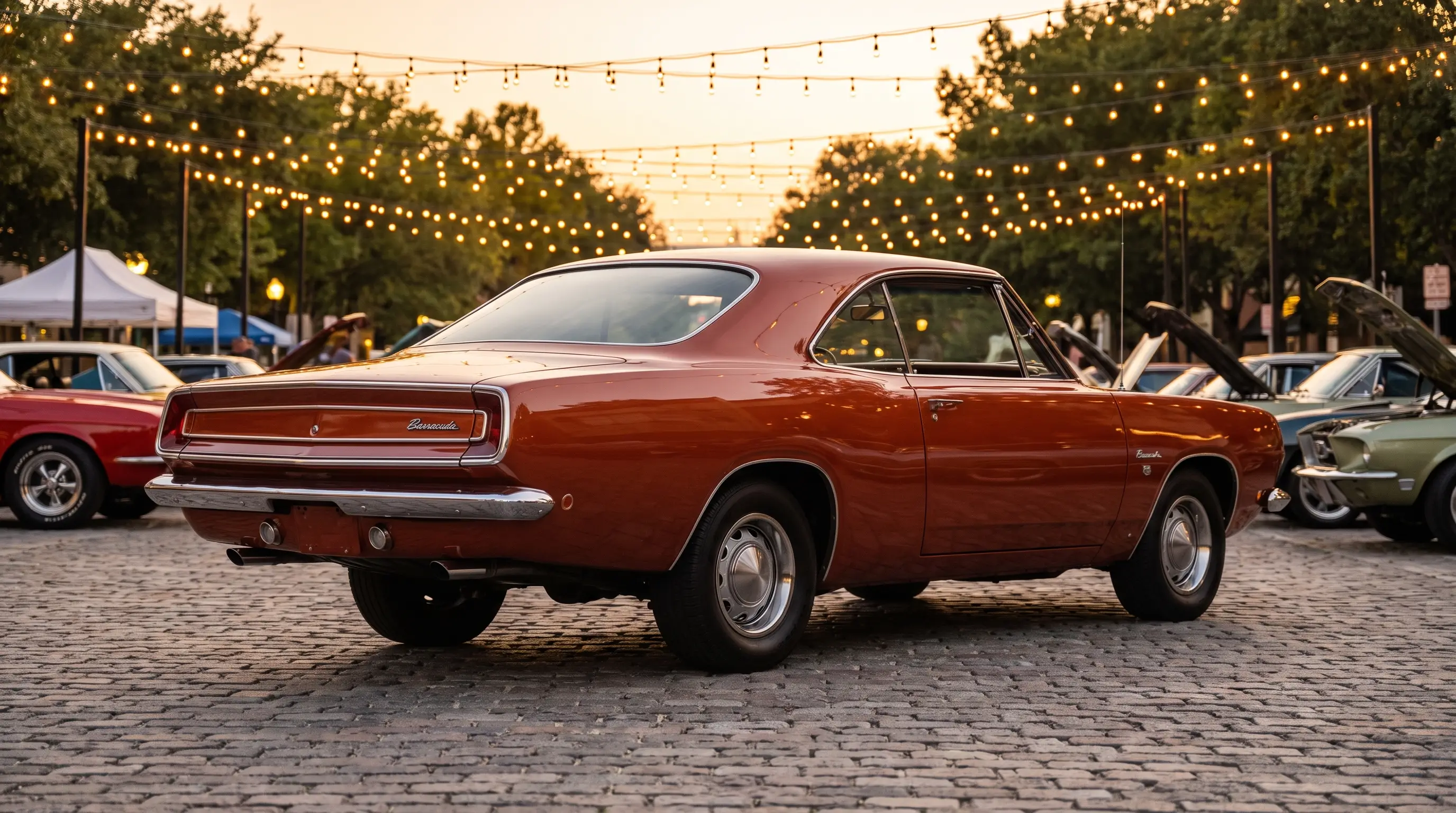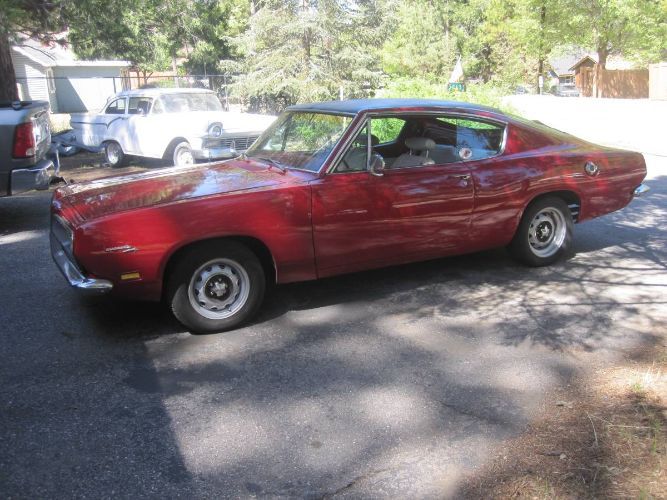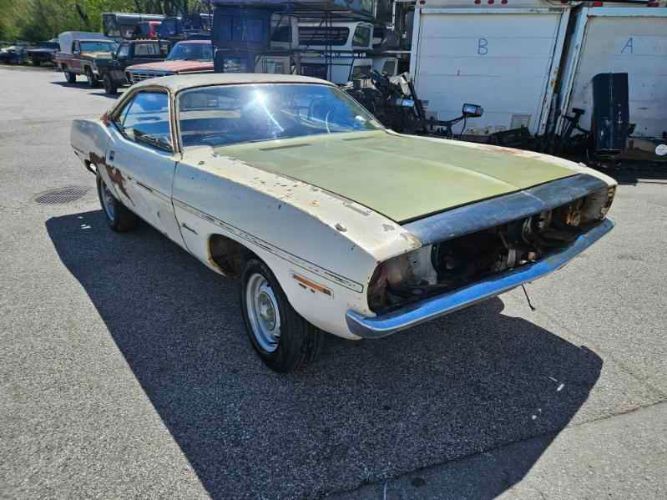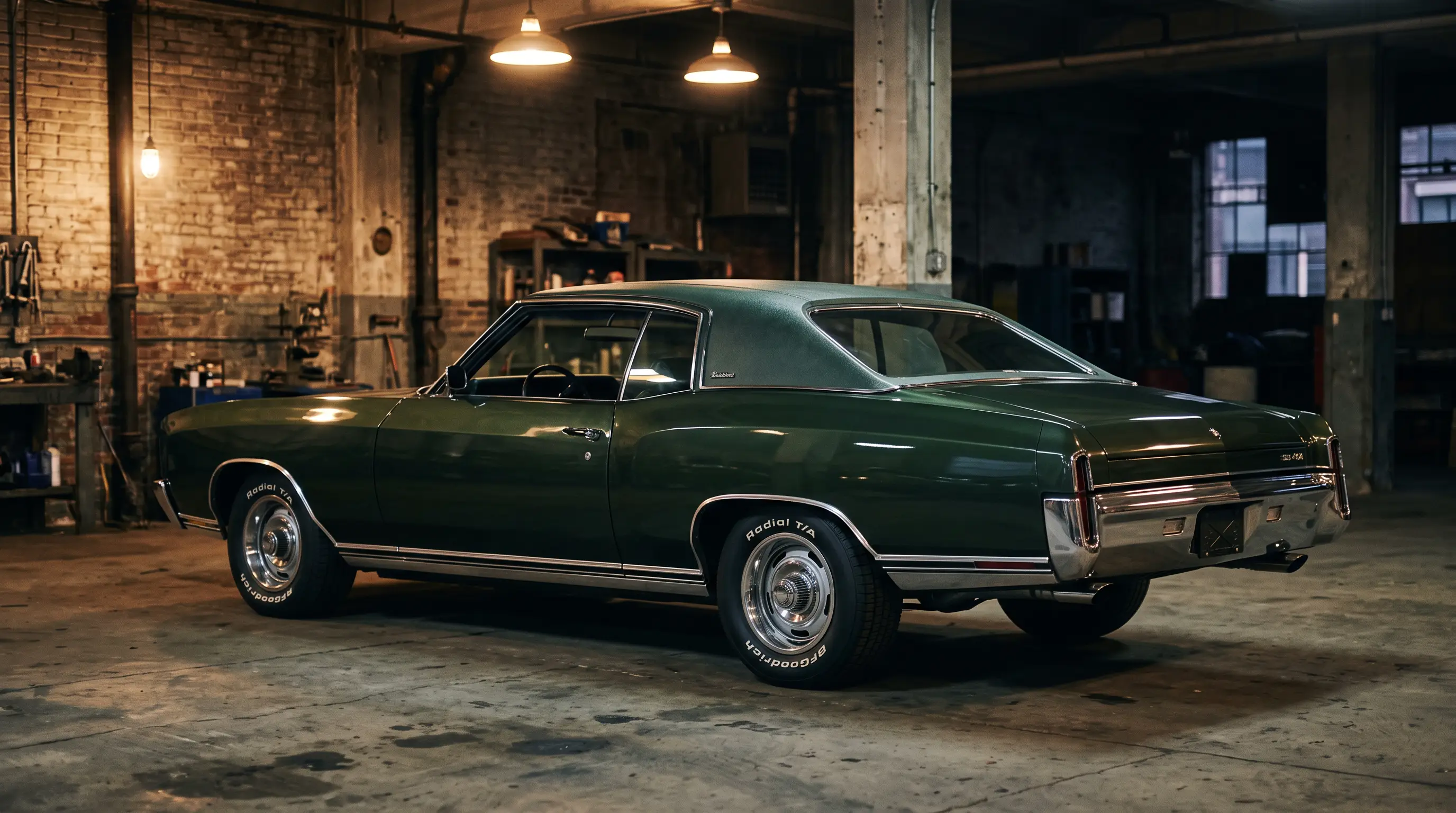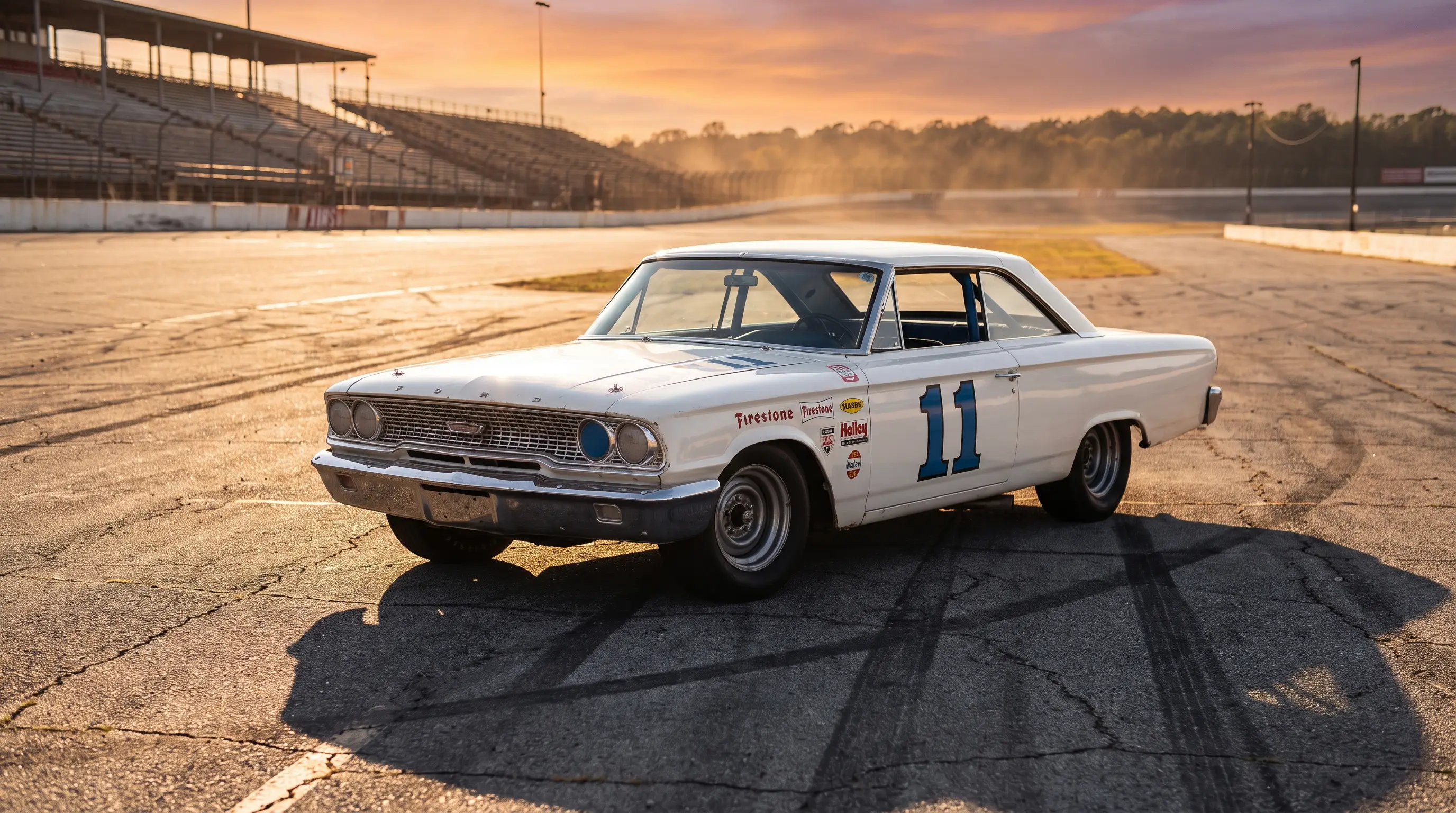
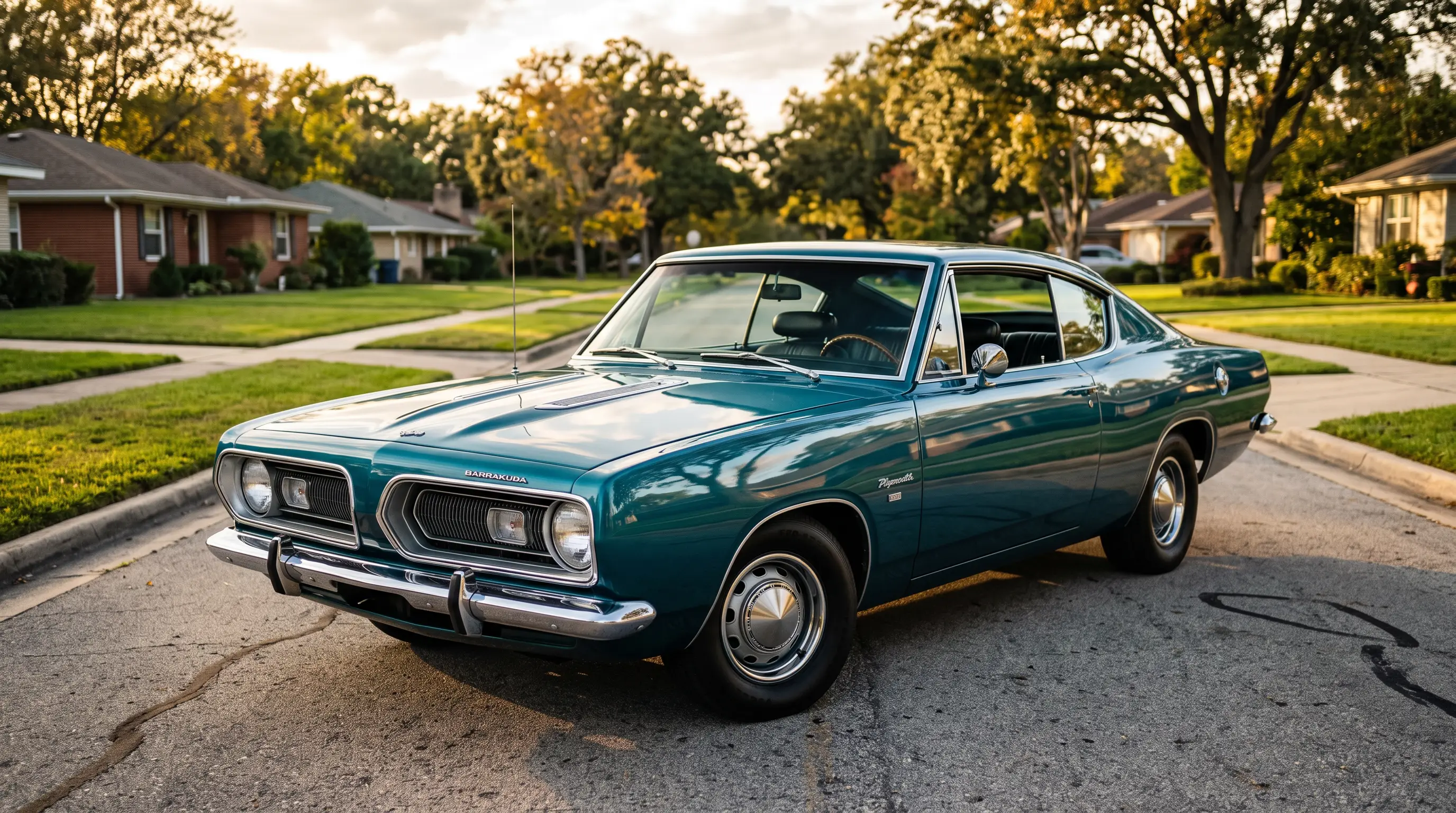
Ask ten people at a car show what a barracuda notchback is and maybe two will know you're not talking about a body kit. I've been going to Mopar meets for the better part of three decades, and I still watch people walk right past the notchback hardtop parked next to a fastback, never realizing they're looking at two different body styles built on the same second generation Barracuda from 1967 through 1969.
The car that got skipped in the story
Here's how I usually explain it to newer club members. The fastback gets all the attention because of that sloped rear glass, the one that makes it look like it's leaning forward even parked at the curb. But Plymouth also built a notchback hardtop version, a car with a conventional trunk and upright rear roofline, and it actually outsold the fastback in some years of this generation. Nobody remembers that because the fastback photographed better in every brochure Plymouth ever printed.
I remember the first one I saw up close belonged to a fellow named Ralph at our local club, a quiet guy who'd bought his notchback new off the lot as a young man and never sold it. He used to laugh about how people at shows would ask him what he'd done to the roofline, assuming he'd modified a fastback rather than realizing Plymouth built it that way from the factory. That mix-up happened so often he started keeping a factory brochure in the glovebox just to prove the point.
Why the notchback exists at all
The practical reason was buyer choice. Not everyone wanted the sloped fastback glass, which cut into rear headroom and trunk access in ways that mattered to buyers using the car as everyday transportation rather than a weekend toy. The notchback offered a more traditional coupe silhouette with a proper trunk opening, appealing to a segment of buyers who wanted the Barracuda's performance options and styling cues without the fastback's practical compromises.
It also gave Plymouth's dealers a third body style, alongside the fastback and convertible, to round out the showroom lineup and give buyers more reasons to choose a Barracuda over a Mustang or Camaro that offered similar body style variety. That variety mattered more to period buyers than modern collectors sometimes credit.
| Body style | Roofline | Common perception today |
|---|---|---|
| Fastback | Sloped rear glass | Iconic, most collected |
| Notchback hardtop | Upright, conventional trunk | Overlooked, undervalued |
| Convertible | Folding soft top | Most expensive, most sought |
Why club members are starting to hunt them down
Here's the thing about club circles: once enough people notice a car is undervalued relative to its rarity, word travels fast at swap meets and regional shows. That's exactly what's happening with the notchback right now. Members who couldn't afford a documented Formula S fastback or convertible have started chasing notchback hardtops instead, and finding genuinely good deals because the demand simply hasn't caught up to how scarce these cars actually are compared to their fastback siblings.
I've watched at least three club friends buy notchbacks in the last two years specifically because they wanted a Formula S drivetrain without paying fastback money. Every one of them has told me the same thing afterward: nobody at a show ever guesses what they're looking at until they read the trunk badge, and every single time that conversation turns into a genuine moment of surprise and interest rather than the glazed-over look you get pointing out yet another fastback.
"Half the fun of owning a notchback is watching people realize Plymouth actually built it that way on purpose."
- Wayne Coburn
Documentation, and the stories that come with it
Ralph's notchback, the one with the brochure in the glovebox, eventually went to his grandson, who still brings it to our regional meet every summer. That kind of continuity, a single family holding onto a car that most of the hobby overlooked for decades, is exactly the kind of story that gives a club its character. The car itself carries the history of every misunderstanding it's ever corrected at a show, and that's worth more to me than any auction result.
For anyone wanting the fuller context of where the notchback fits into the second generation's three model years, alongside the fastback and convertible and the Formula S engine options that came with all three, the whole picture lays out the complete history. And if this has you wanting to see one in person rather than just read about it, our members regularly help newcomers find a classic Barracuda that fits exactly what they're after, notchback included.
A second story from the same club
Ralph wasn't the only member with a notchback story worth telling. A woman named Diane, who joined our chapter maybe eight years back, showed up to her first meet in a notchback her father had bought used in the early seventies and driven until it needed more work than he could manage. She'd inherited the project half-finished, learned to do bodywork from club members willing to teach her on weekends, and finished the restoration herself over the better part of six years. When she finally drove it to a meet, half the club didn't recognize the body style either, and she got the exact same "what body kit is this" question Ralph used to field decades earlier.
That repetition, the same misunderstanding happening to two different owners a generation apart, is what convinced me this deserved its own article rather than staying a footnote in every fastback story ever written. Diane's car and Ralph's car never crossed paths at the same show while he was alive, but both of them, independently, spent years correcting the same misconception one conversation at a time.
What to look for if you're hunting one down
Club members shopping specifically for a notchback tell me the same things trip people up every time. First, sellers sometimes list a notchback under generic "hardtop" language without specifying the body style clearly, so photographs matter more than the listing text when you're searching. Second, because these cars carry less name recognition, documentation gaps are more common simply because past owners never thought their car was interesting enough to keep records on, which is a shame but also part of what keeps prices reasonable for buyers willing to do some digging themselves.
An overlooked car worth a second look
The barracuda notchback will probably never get the magazine covers the fastback earns, and that's fine by those of us who already know what it is. It's a genuine factory body style with real production history, a car that rewards anyone willing to look past the more famous silhouette parked next to it. Every club has a Ralph, someone quietly proving the point one brochure at a time, and the notchback deserves to be that car for a lot more people than it currently is.
Sources and notes
- Plymouth Barracuda - Wikipedia
- Plymouth Barracuda Year-by-Year: History, Engines, Production - Muscle Car Club
- The 1967-1969 Plymouth Barracudas Were Out to Win You Over - MotorCities
- 1967-1969 Plymouth Barracuda Guide - Amazing Classic Cars
- 1969 Plymouth Barracuda Fact Sheet - Over-Drive Magazine
- Plymouth Barracuda: Evolution of the Cuda (1964-1974) - Muscle Cars Illustrated