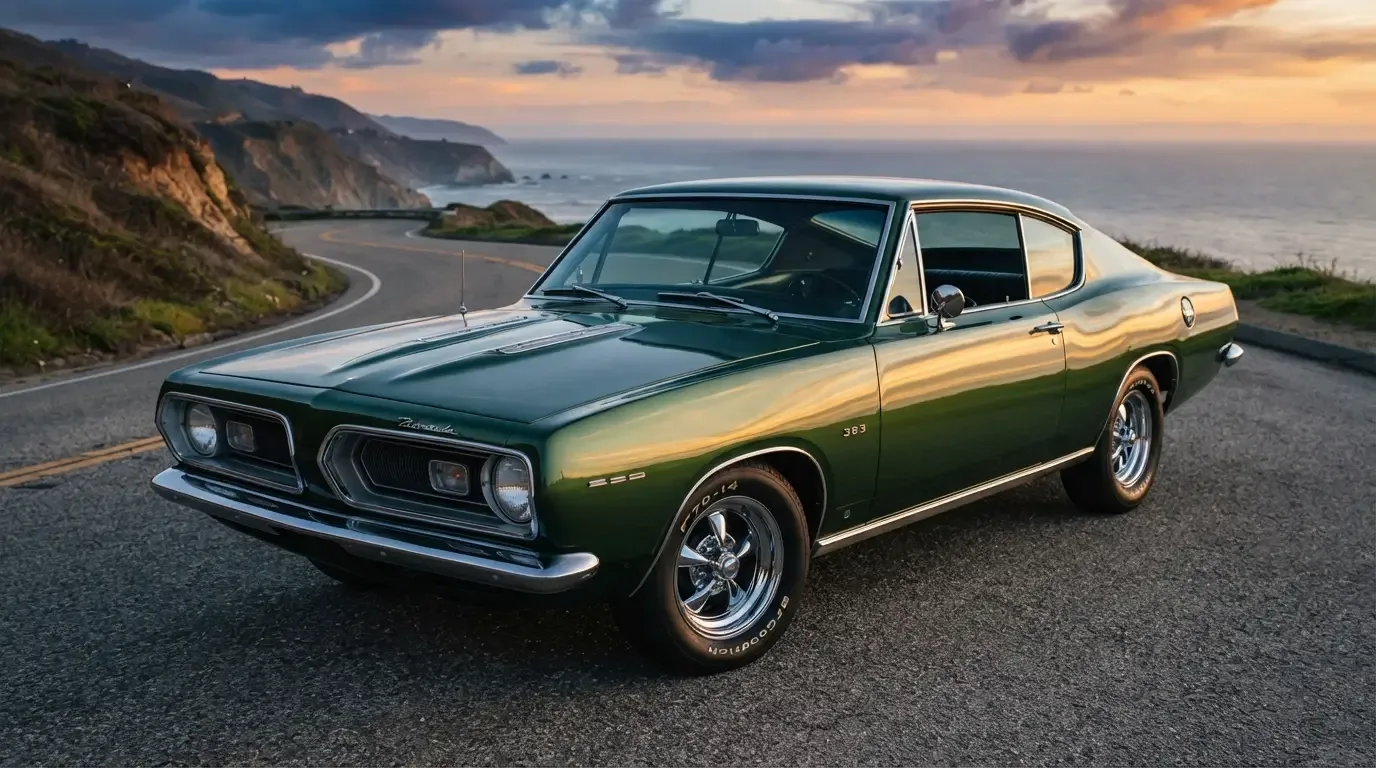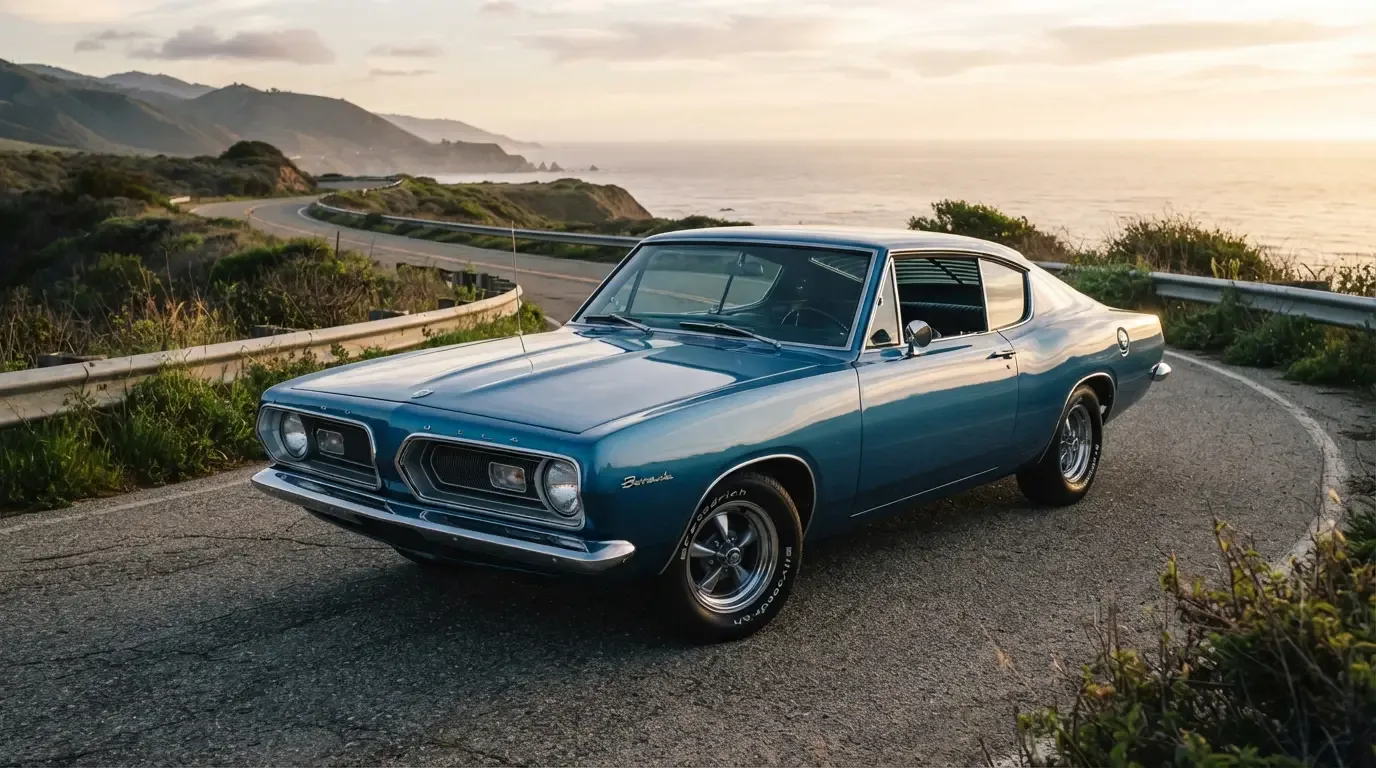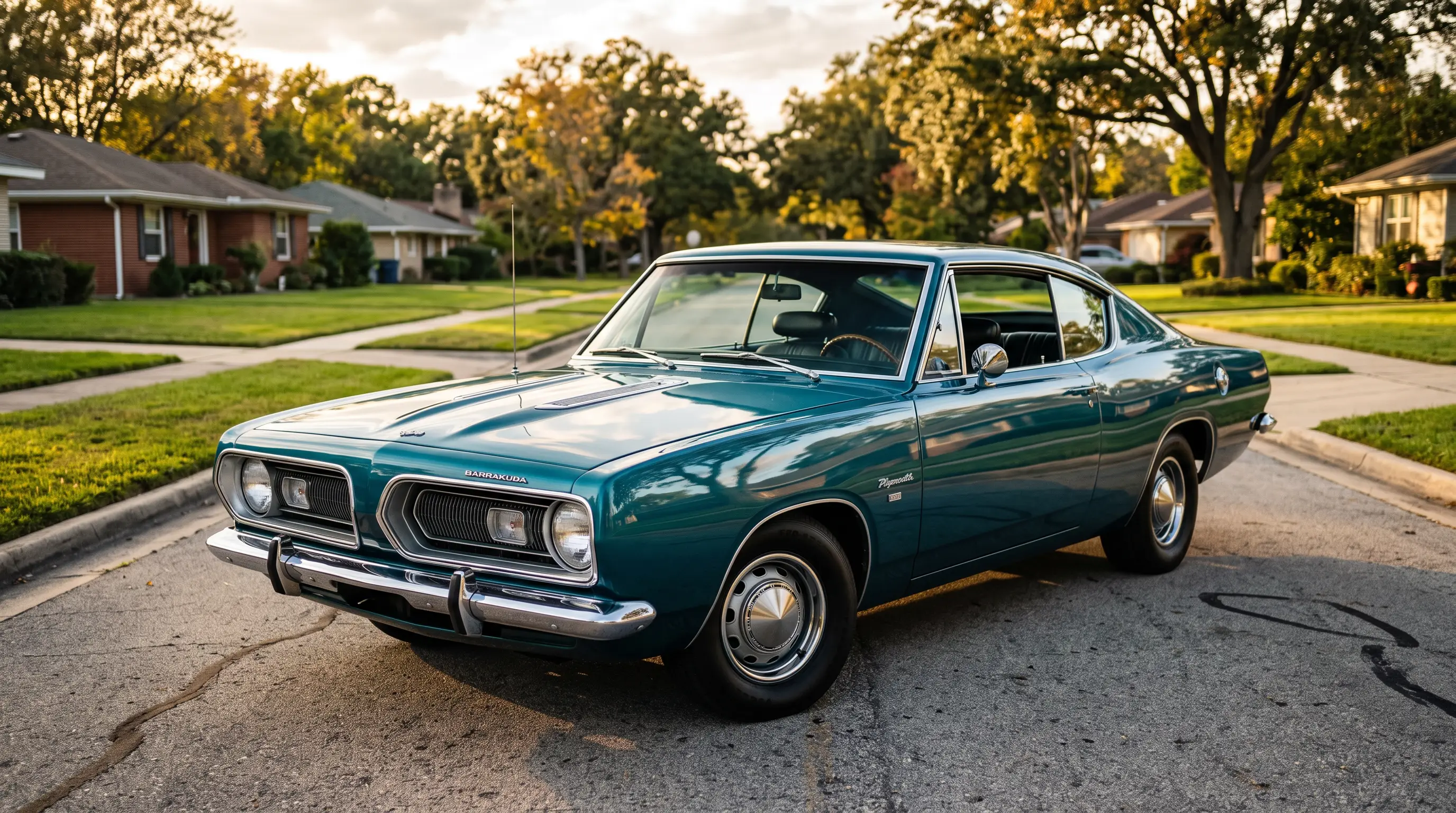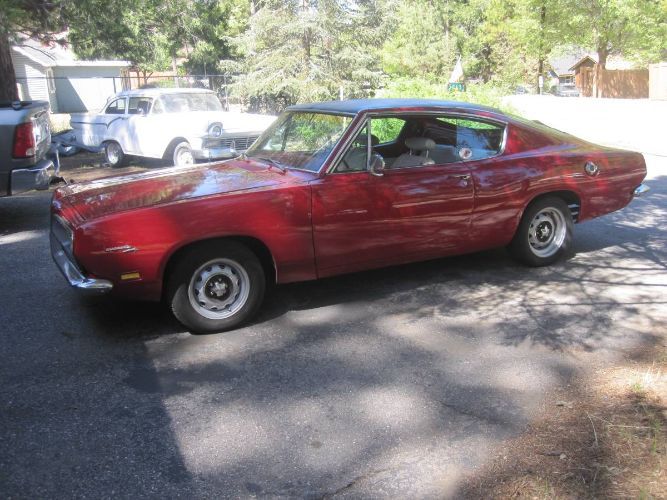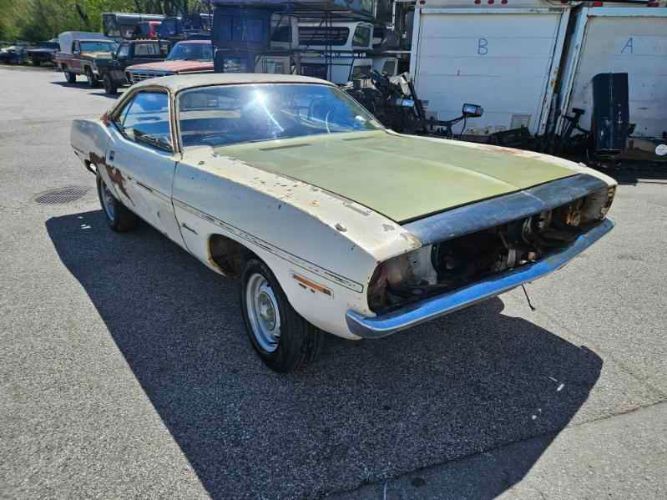
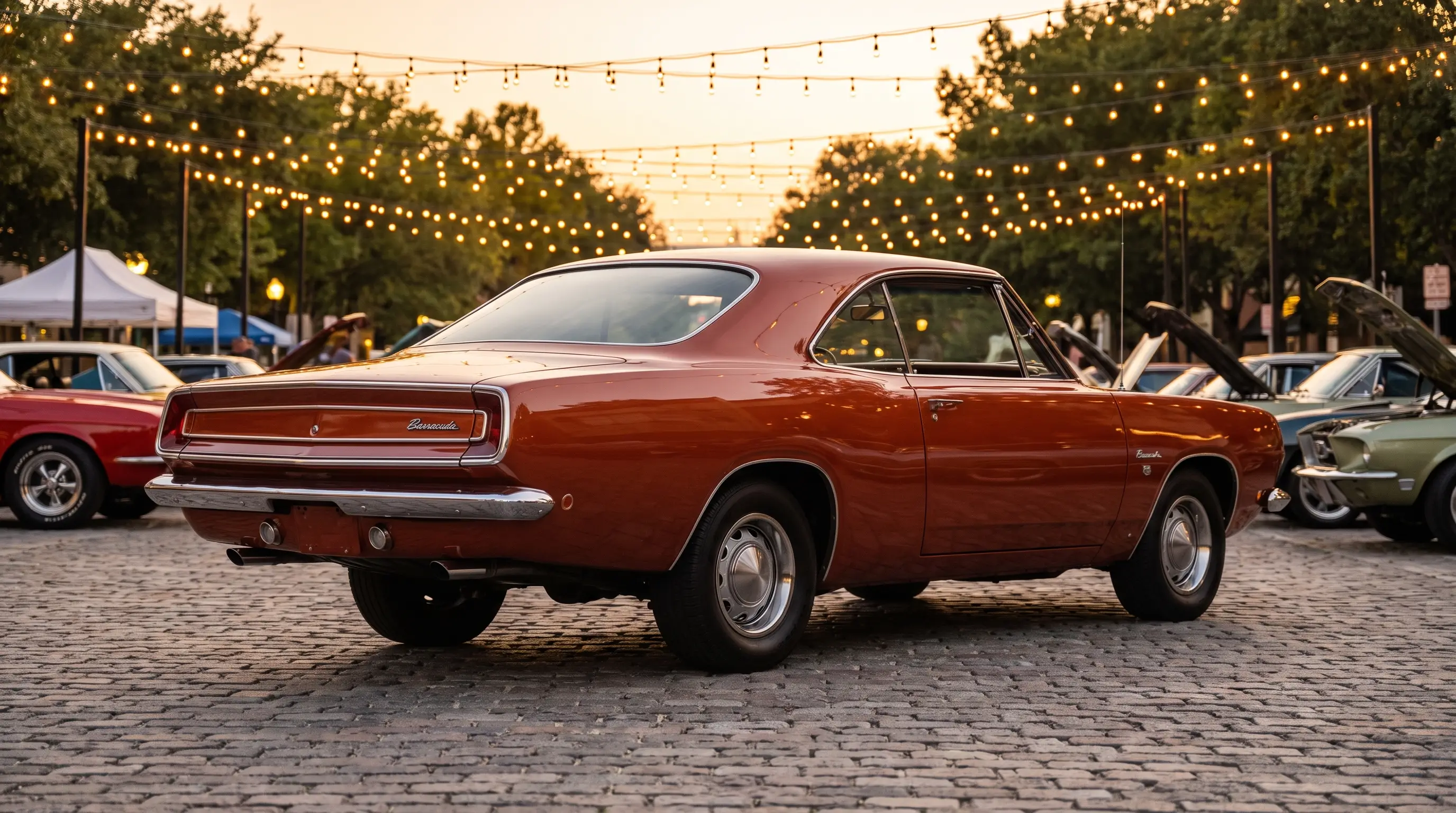
Every appraisal I write on a gen two Barracuda collectible starts with the same disclaimer to the client: this segment has been quietly repricing for several years, and the comparables I'm using today will look conservative in eighteen months. That is not marketing language. It is what the risk factors in front of me actually say when I weigh condition, documentation, and liquidity against where the broader muscle car market has been moving.
Condition: the least interesting variable, and still critical
Condition matters in every appraisal, but it is the least differentiating factor in this specific segment because so few second generation cars survive in genuinely excellent state. A rust-free, numbers-matching example commands a premium simply because the population of cars that qualify has shrunk faster than demand has. I have appraised cars in this generation where a seller's honest "driver quality, some rust repair" assessment turned out to be the accurate description of most of what is actually available at a given price point, meaning buyers need to recalibrate their expectations for what "good" looks like in this specific niche compared to more heavily restored, higher volume segments like the Mustang market.
Documentation: where value actually gets made or lost
If condition is the floor, documentation is the multiplier. A fender tag decode, a broadcast sheet, and a clean title chain can move a car from the bottom third of its comparable range to the top third, sometimes overnight in a single transaction. I have seen two nearly identical Formula S hardtops, same color, same drivetrain, same overall condition, sell eighteen months apart for a thirty percent difference purely because one had a verified broadcast sheet and the other had only the seller's word.
My standing advice to clients on either side of a transaction is the same: treat documentation as a line item with real dollar value, not a nice-to-have. Sellers who have it should have it appraised and referenced explicitly in any listing. Buyers who don't see it offered should assume it doesn't exist and price the risk accordingly rather than taking a verbal assurance at face value.
| Risk factor | Impact on value | Appraiser's note |
|---|---|---|
| Undocumented drivetrain | Discount of 20-30% | Assume modified unless proven otherwise |
| Rust repair, undisclosed extent | Discount, variable | Get repair records before bidding |
| Verified fender tag and broadcast sheet | Premium of 25-40% | Single biggest value lever available |
| Rare High Impact color, documented | Premium, growing | Photographs drive bidding behavior |
Liquidity: the factor most buyers ignore
Liquidity is where I diverge most from casual market commentary. This segment is thinner than the E-body market that followed it, meaning fewer active buyers at any given moment and longer average time to sale, particularly for hardtops without documentation. That is a real cost even if it never shows up on a spec sheet. A car that takes eighteen months to sell instead of ninety days ties up capital and carries holding costs that eat into whatever appreciation the market delivers.
Convertibles and documented Formula S cars trade with meaningfully better liquidity than the rest of the segment, which is exactly why I steer risk-averse clients toward those configurations even when a less liquid alternative looks like better raw value on paper. Value you cannot convert to cash within a reasonable window is a paper gain, not a realized one.
"I don't tell clients what a car is worth in isolation. I tell them what it's worth to sell, and those are two different numbers in this segment more often than people expect."
- Marcus Feld
The downside case, stated plainly
Every appraisal needs a downside scenario, and here is mine for this segment. If the broader classic car market corrects, thinly traded niches like this one tend to see wider bid-ask spreads before they see outright price declines, meaning sellers hold and buyers wait rather than transactions actually clearing at lower numbers. That produces a market that looks stable on paper while actually becoming harder to transact in. Clients holding undocumented, non-Formula S cars are the most exposed to this dynamic, since they have the least differentiated asset in a segment that rewards differentiation.
For context on how this generation fits into the broader arc that created the collectibility case in the first place, where this started covers the full production history worth knowing before you appraise or bid on anything from this era. Buyers ready to act on the analysis above can shop classic Barracuda listings to see current inventory against the risk framework laid out here.
Insurance and replacement value considerations
Clients frequently ask me to distinguish between fair market value and agreed replacement value for insurance purposes, and this segment makes that distinction unusually important. Because comparable sales are thinner than in more heavily traded segments, insurers sometimes default to conservative valuations that lag well behind what a genuine replacement would actually cost in today's market. I routinely advise clients in this niche to secure an independent, current appraisal specifically for insurance scheduling rather than relying on a generic classic car policy's default valuation tables, which are frequently built around more commonly traded models and underrepresent this specific segment's recent price movement.
This matters most for documented Formula S convertibles, where the gap between an outdated insurance valuation and current market reality can run into five figures. A total loss claim settled against a stale valuation is a real financial risk that a fifty dollar updated appraisal easily protects against.
How I advise new entrants to this segment
Clients new to this niche often ask me where to start, and my answer rarely changes. Start with a documented car, even if it costs more upfront, because the documentation premium you pay now is smaller than the discount you will eat later trying to sell an undocumented car to a market that has grown more sophisticated about authentication. Buy the paperwork first and the car second, in terms of priority if not literal purchase order, and you will spend less time exposed to the downside risks outlined above.
My bottom line as an appraiser
Gen two Barracuda collectible status is earned, not assumed, and it rests on documentation and liquidity as much as on condition or drivetrain. A documented Formula S convertible is a defensible long-term hold. An undocumented coupe is a driver you should enjoy and never overpay for. Know which category your specific car falls into before you let anyone's optimism, including mine, set your price.
Sources and notes
- Plymouth Barracuda - Wikipedia
- 1969 Formula S 383-S specifications - Automobile Catalog
- Pick of the Day: 1967 Plymouth Barracuda Formula S - ClassicCars.com Journal
- 1967-69 Plymouth Barracuda Formula S Profile - HotCars
- Plymouth Barracuda Production Numbers 1964-1974 - 440 Magnum Network
- The 1967-1969 Plymouth Barracudas Were Out to Win You Over - MotorCities
I close every appraisal in this segment the same way I opened this article: with a caution against treating any single comparable sale as gospel. This is a thin market, and one outlier auction result, whether unusually high or unexpectedly soft, can distort a client's expectations for months if it is not weighed against a broader set of data points. My job is to build that broader picture before putting a number on paper, and I would encourage any buyer or seller in this niche to demand the same rigor from whoever appraises their car.