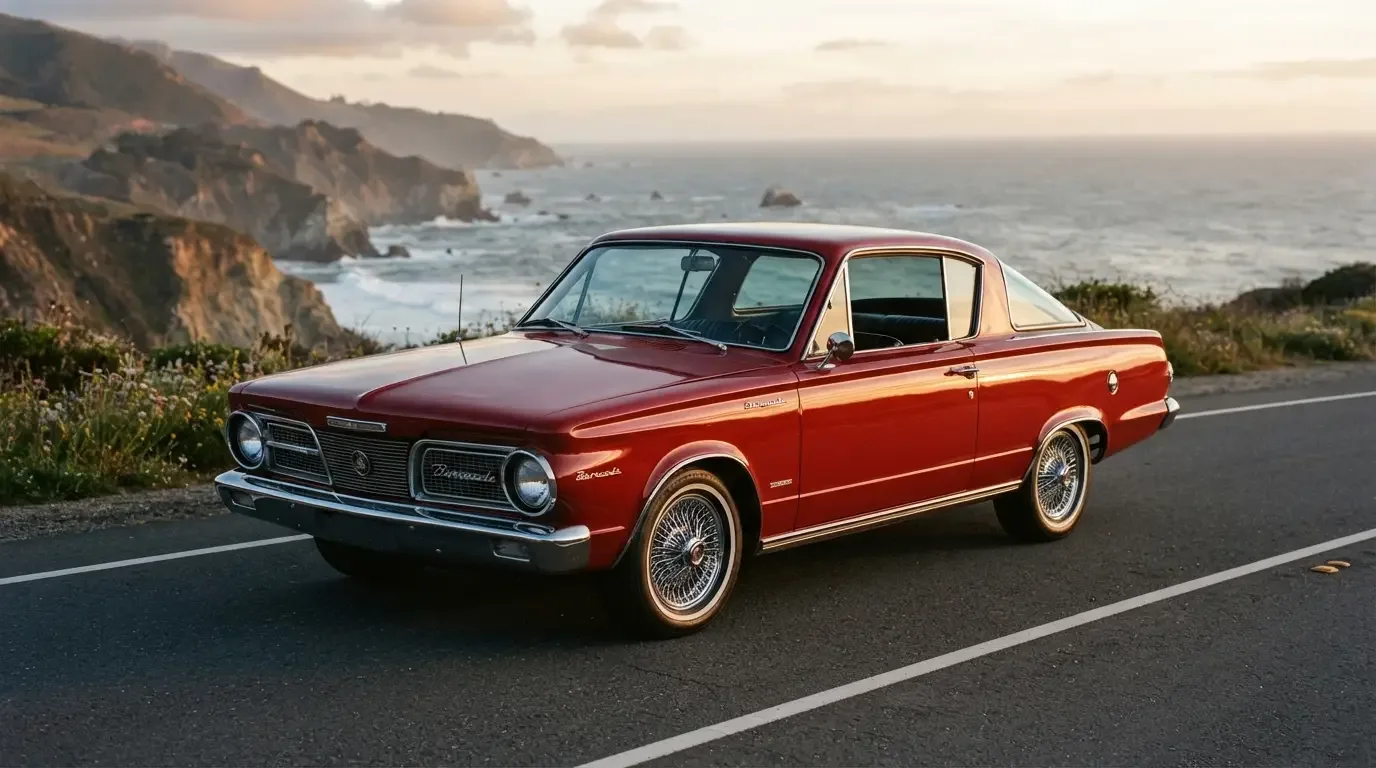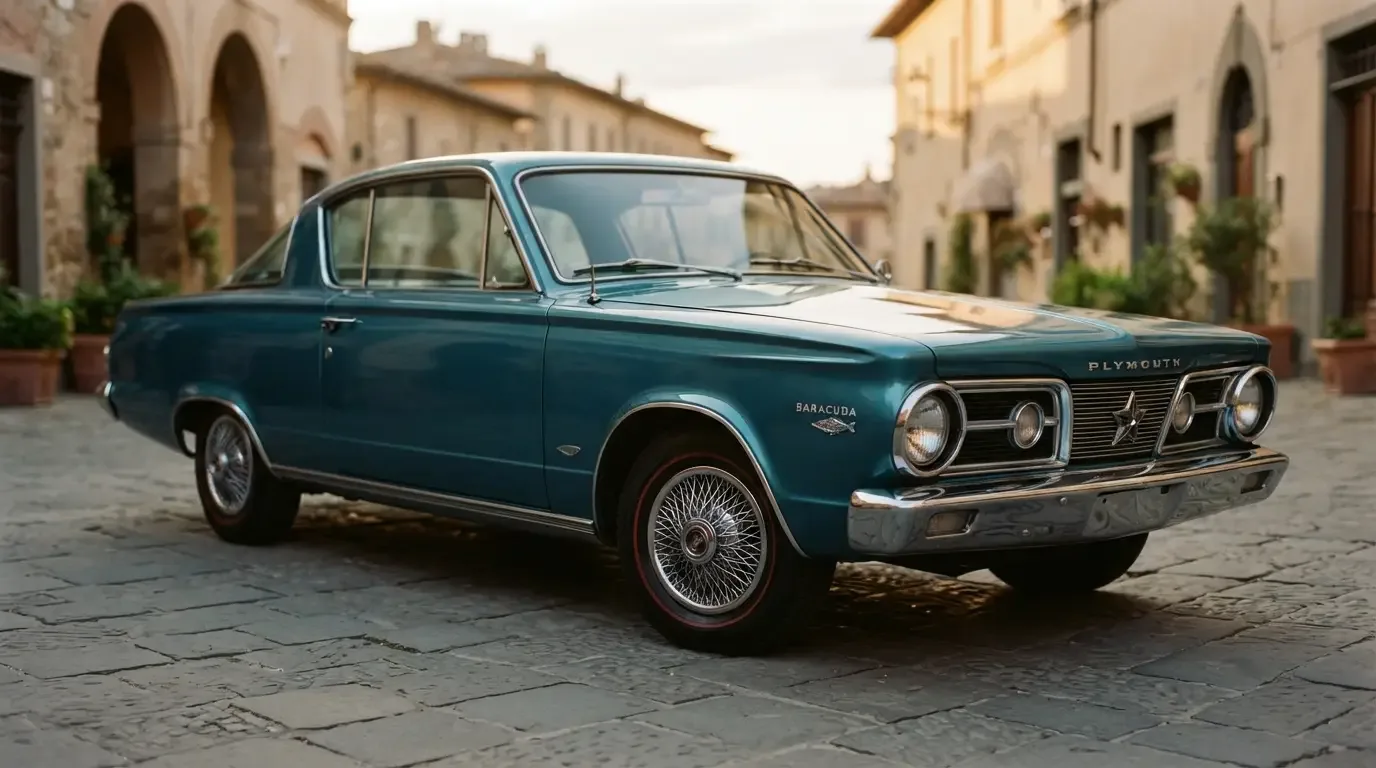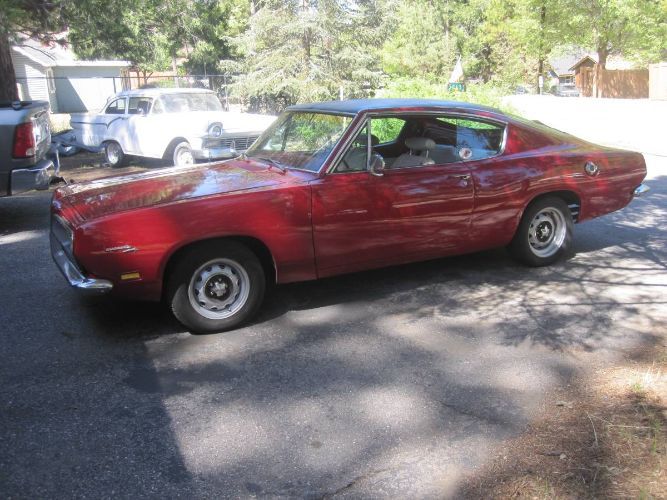
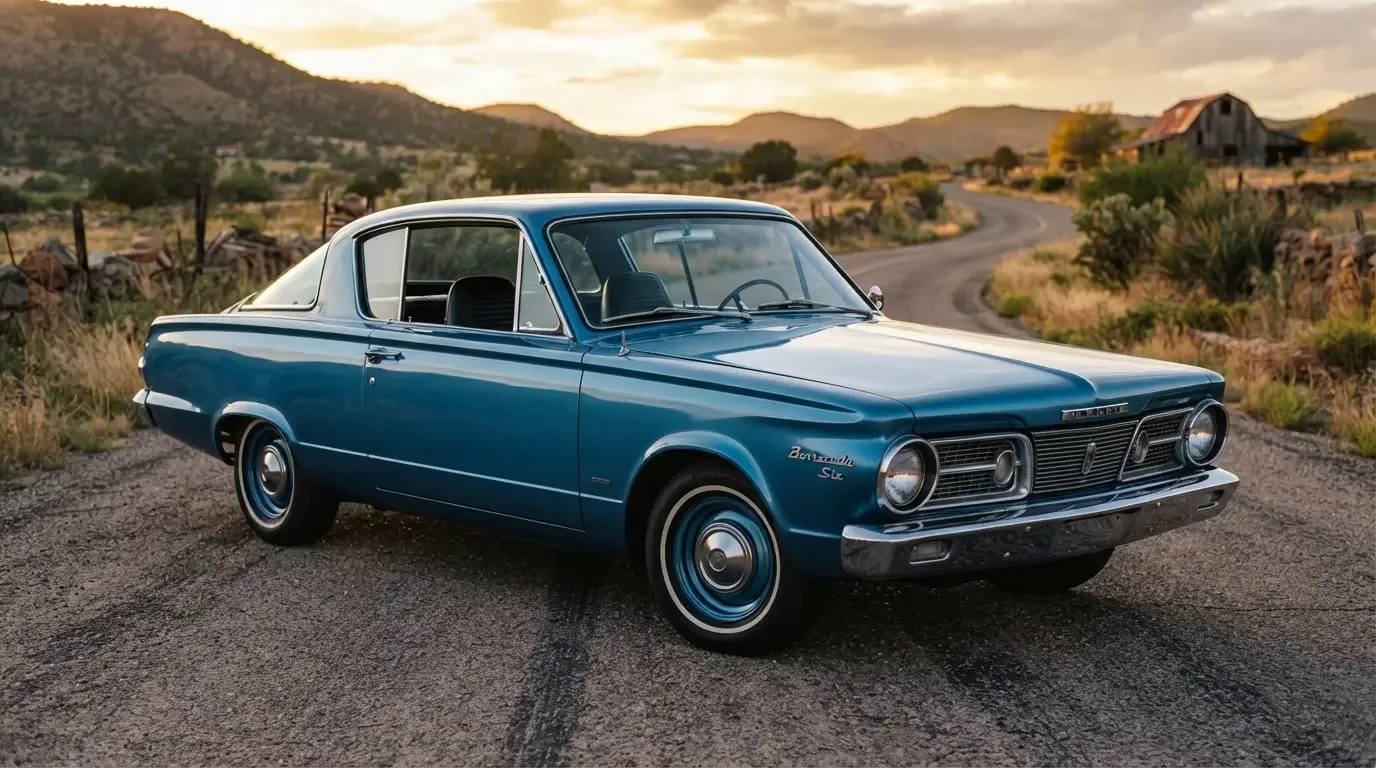
Our club has a member, Ellen, who has owned the same slant six Barracuda since she bought it used in 1979, and every year at the spring show somebody new asks her why she never swapped in a V8 over four decades of ownership. Her answer never changes. "Because this is the car I actually own, not the car everybody else thinks I should have." That answer says more about the slant six Barracuda than most spec sheets ever could.
The engine nobody remembers, because it worked
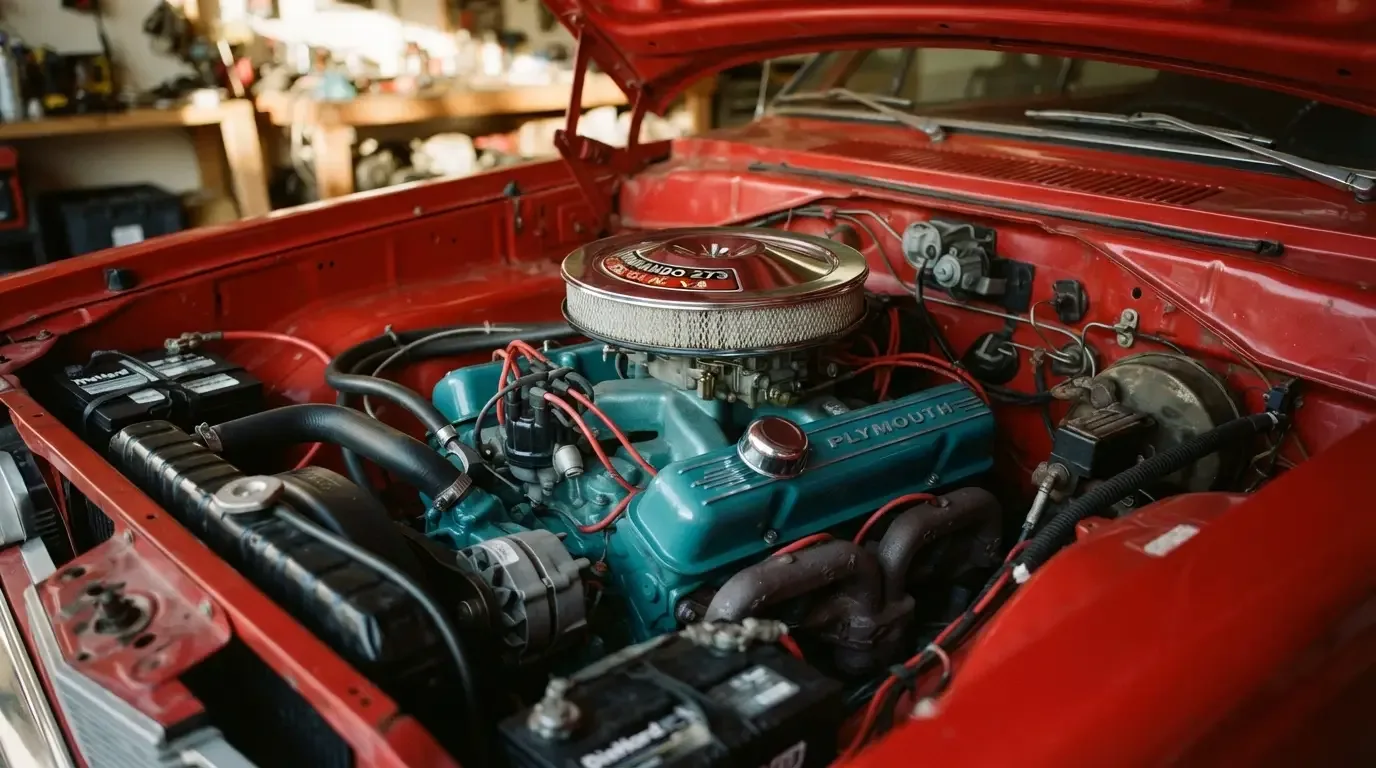
The 170 cubic inch slant six was the standard engine for the 1964 Barracuda, with the larger 225 cubic inch version available as a step-up option. For 1965 and 1966, Plymouth flipped that arrangement in the U.S. market, making the 225 the new standard six and dropping the 170 to a lesser role, though the smaller six stayed the base offering in Canada throughout the run. Neither engine was built to impress anyone at a stoplight. Both were built to start reliably, run for a very long time between major repairs, and ask very little of an owner who just wanted dependable transportation with a sportier roofline than a Valiant sedan. That was the whole assignment, and Chrysler's slant six architecture, already proven in the Valiant and Dart before the Barracuda ever existed, was exactly the tool for the job.
Distinctive by its namesake 30 degree tilt in the engine bay, a design chosen to allow a lower hood line and better weight distribution, the slant six became one of the most respected simple engines Detroit produced during the entire muscle car era, and its reputation for reliability followed it into the Barracuda without needing any adjustment.
Why most 1964 buyers actually chose it
Go read the background on the car's launch and you will notice the V8 gets most of the attention in retrospective coverage, but the sales numbers tell a quieter story. The majority of first-generation Barracudas, especially in that shortened 1964 model year, left the factory with a slant six under the hood rather than the optional 273 V8. Buyers cross-shopping a sporty compact against a Valiant sedan were often making a practical decision as much as an aspirational one, and the six-cylinder engine kept both the sticker price and the running costs down in a way that mattered to a lot of real households in 1964.
| Spec | Slant six Barracuda detail |
|---|---|
| Base engine | 170 cid slant six (1964); 225 cid slant six standard 1965-66 U.S. |
| Optional six | 225 cid slant six (1964); 170 cid remained standard in Canada |
| Engine tilt | 30 degrees from vertical |
| Reputation | Exceptional reliability, low maintenance demands |
| Typical buyer | Practical, value-conscious first-generation owner |
What club members actually say about driving one
Ask around at any regional Mopar show and you will hear the same handful of observations repeated by different owners in different words. The slant six Barracuda is lighter over the front wheels than a V8 car, which changes the handling character in a way plenty of owners genuinely prefer for everyday driving. It is also cheaper and simpler to maintain, with parts still widely available thanks to the engine's long production run across multiple Chrysler models well into the 1980s. None of that makes for a dramatic story at a car show, but it makes for an honest one, and honest stories are what keep people like Ellen in the same car for forty-five years.
"Nobody joins a car club because they own the loudest engine option. Half our members are here because their slant six Barracuda has never once left them stranded, and that loyalty means something after forty years."
- Wayne Coburn
The maintenance stories that keep the reputation alive
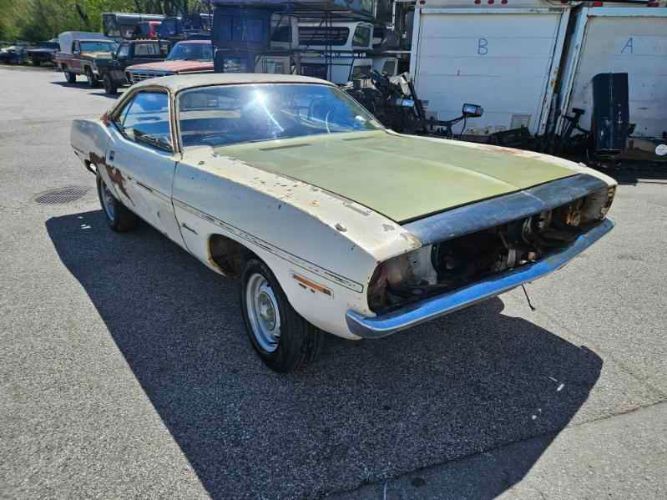
Every long-running club has its own catalog of slant six survival stories, and ours is no exception. There is the member who drove his 1965 car cross-country twice in the same summer with nothing more than routine oil changes along the way. There is the one who bought a barn-find six-cylinder Barracuda that had sat untouched for over a decade, cleaned the fuel system, replaced the battery, and had it running within an afternoon. Stories like these get repeated at every meeting not because they are unusual for this engine, but because they are typical, and typical reliability over sixty years is exactly the kind of thing that earns an engine a permanent reputation among the people who actually live with it.
That reputation also shapes how the parts market treats these cars today. Because the slant six saw service across the Valiant, Dart, and countless other Chrysler products for decades, rebuild kits, gaskets, and common wear items remain inexpensive and easy to find compared to the more specialized parts market surrounding big-block Mopar engines. An owner facing a routine repair on a slant six car is rarely staring down the kind of parts-sourcing headache that can turn a simple job into a months-long search for a rare casting.
An honest case for buying one today
A slant six Barracuda will never command the money a documented Formula S car does, and it should not be marketed as if it will. What it offers instead is a genuinely lower cost of entry into first-generation Barracuda ownership, a simpler engine to maintain and source parts for, and a driving character that a meaningful number of long-term owners actively prefer over the heavier V8 alternative. For buyers who want the styling, the history, and the fastback silhouette without chasing the most expensive powertrain configuration, a well-documented slant six car remains one of the more sensible ways into this hobby. Anyone who wants to find a classic Barracuda without competing for the priciest V8 examples should give the six-cylinder cars a serious look rather than treating them as a consolation prize.
Ellen's own car has never won a trophy at a national event, and she has never entered it hoping for one. What it has done is get her to every regional show for forty-five straight years without a single tow truck involved, which by her own count is worth more than any plaque she could hang on a garage wall. That is the real argument for the slant six Barracuda, not a number on a dyno sheet but a track record measured in decades of showing up when asked to.
New members who join our club chasing horsepower bragging rights usually come around eventually, once they spend a few seasons around owners like Ellen and realize the six-cylinder cars are not the compromise they assumed. They are simply a different kind of ownership experience, one built around dependability rather than drama, and there is nothing embarrassing about choosing dependability when the alternative is spending your weekends chasing down a rare part for an engine that was never designed with everyday reliability as its top priority in the first place. Come to enough shows and you start noticing which cars are actually driven in and which ones arrive on a trailer, and the slant six cars are disproportionately represented in the first group.