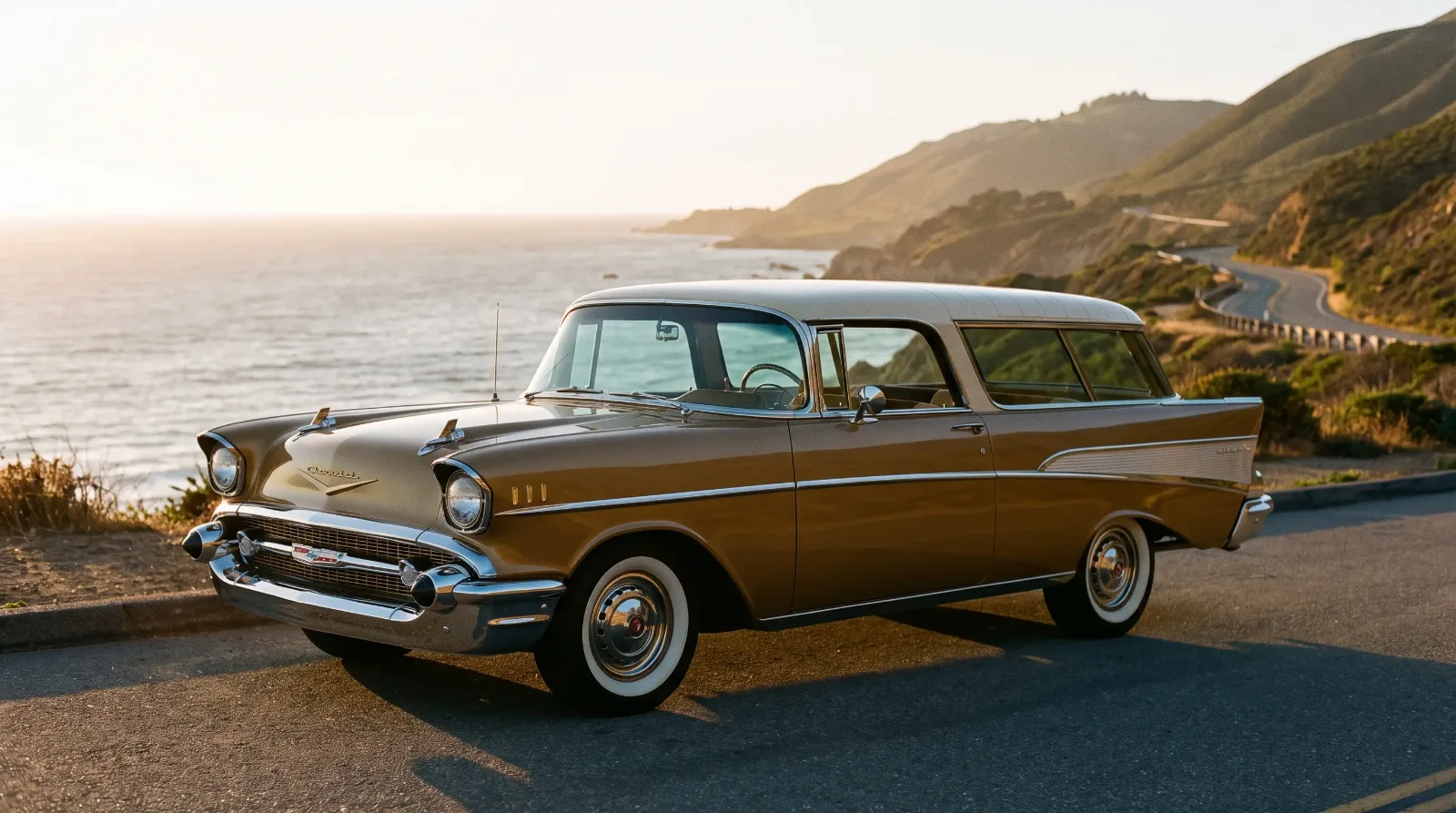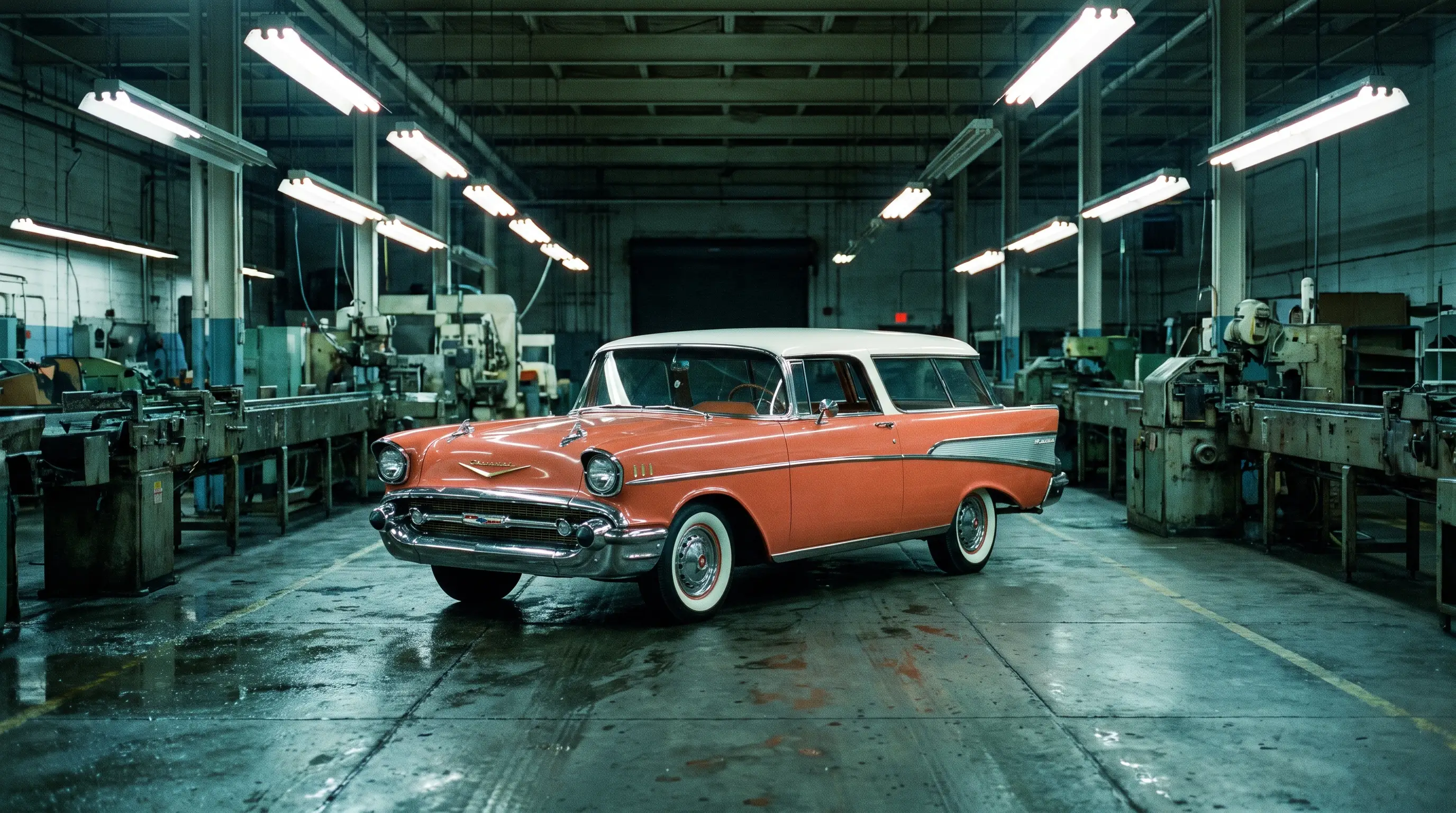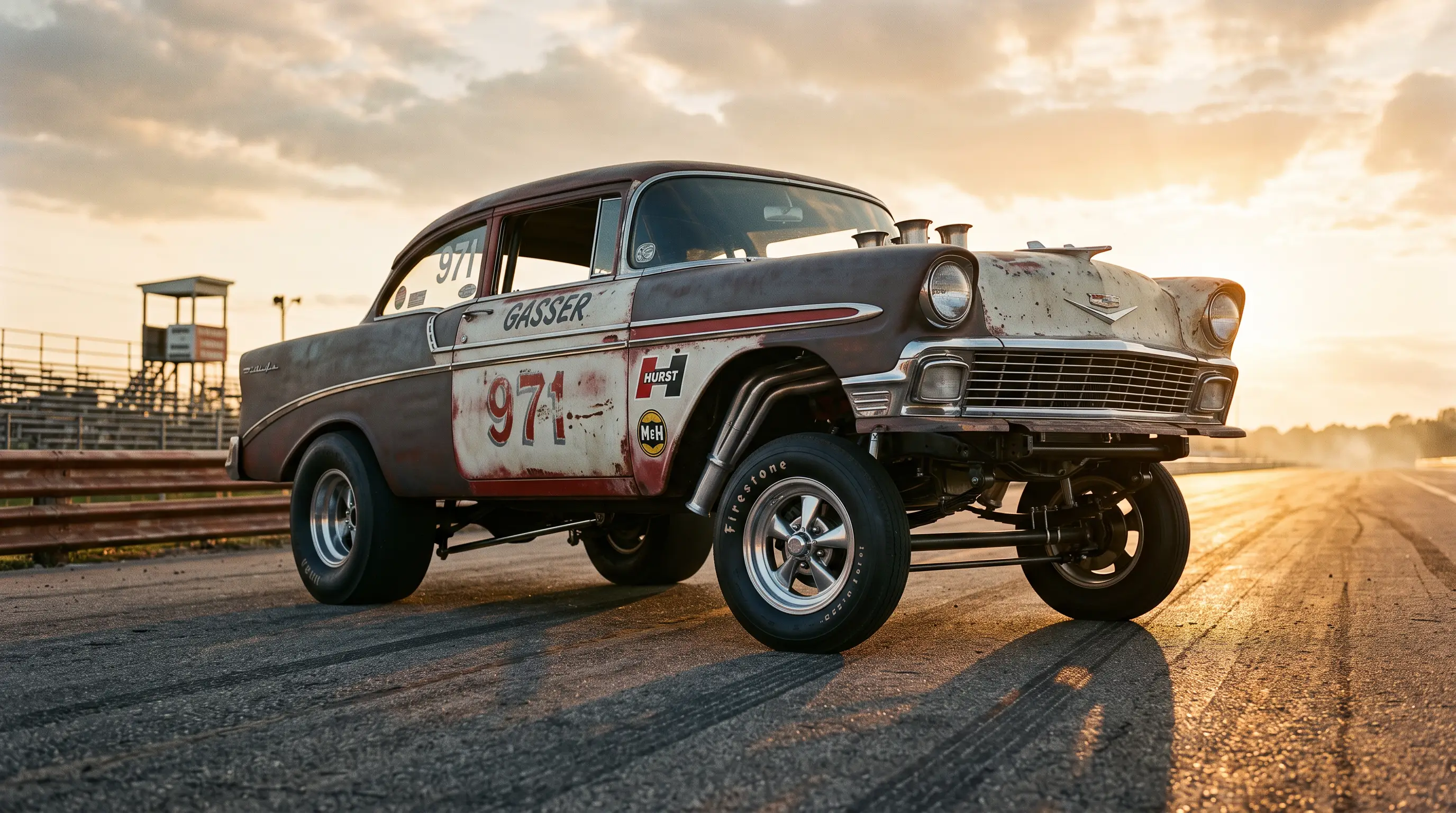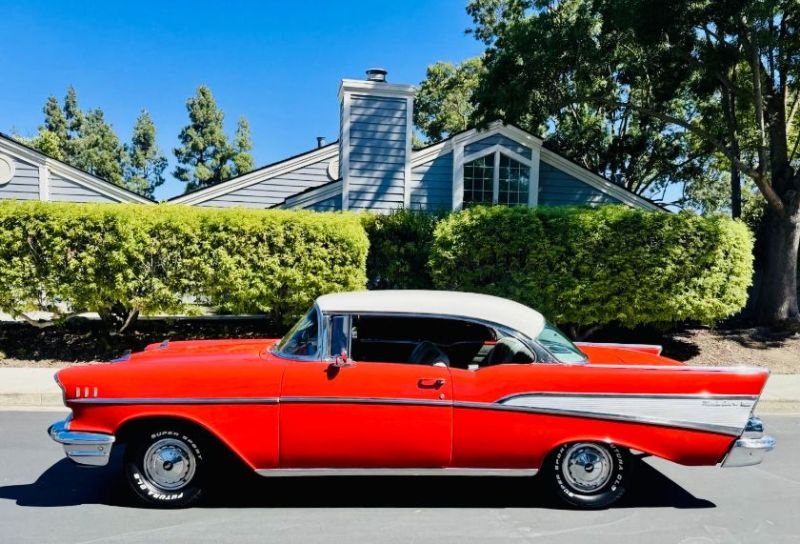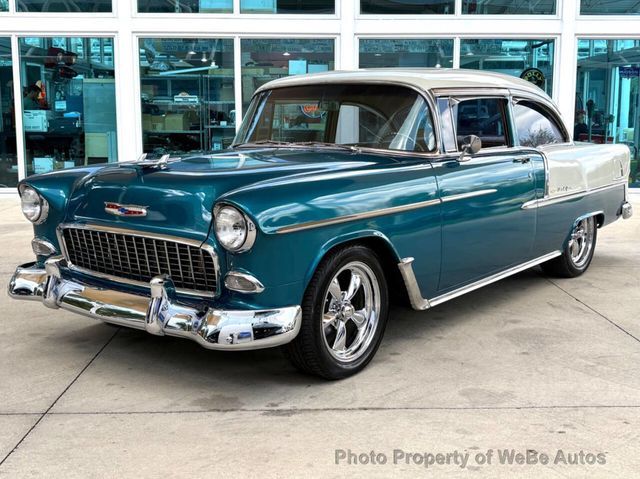
Every club has a founding argument, the one nobody quite remembers starting but everybody has an opinion on. Ours is whether a tri five hot rod stops being a tri five once enough of it has been changed. I have watched grown adults nearly come to blows over a fender well at a Saturday cruise-in, and honestly, I understand the passion even when I do not agree with either side. Few platforms in American car culture have absorbed as much modification, argument, and outright reinvention as the 1955 through 1957 Chevrolet, and somehow the original car still shines through every version of it.
Why hot rodders picked this platform in the first place
The story starts with the engine, same as it always does with this era. Chevrolet's small block V8, introduced for the 1955 model year, was light, compact, and unusually responsive to modification straight out of the factory. Builders who had spent years wrestling heavier, less cooperative engines from other manufacturers noticed almost immediately. Add a chassis that was simple to work on, body panels that were plentiful thanks to the car's high original production numbers, and a shape that looked good lowered, and you had every ingredient a hot rod builder wanted sitting in one package.
That combination did not stay a secret. By the late 1950s and through the 1960s, tri five Chevrolets were showing up at drag strips and in driveways getting worked on by people who had no interest in factory originality. The platform's popularity in the hot rod world grew alongside its reputation as a factory product, and honestly the two reputations fed each other. A car that was already respected on the showroom floor became even more respected once builders proved what it could do with a little attention.
What actually gets changed, and what stays sacred
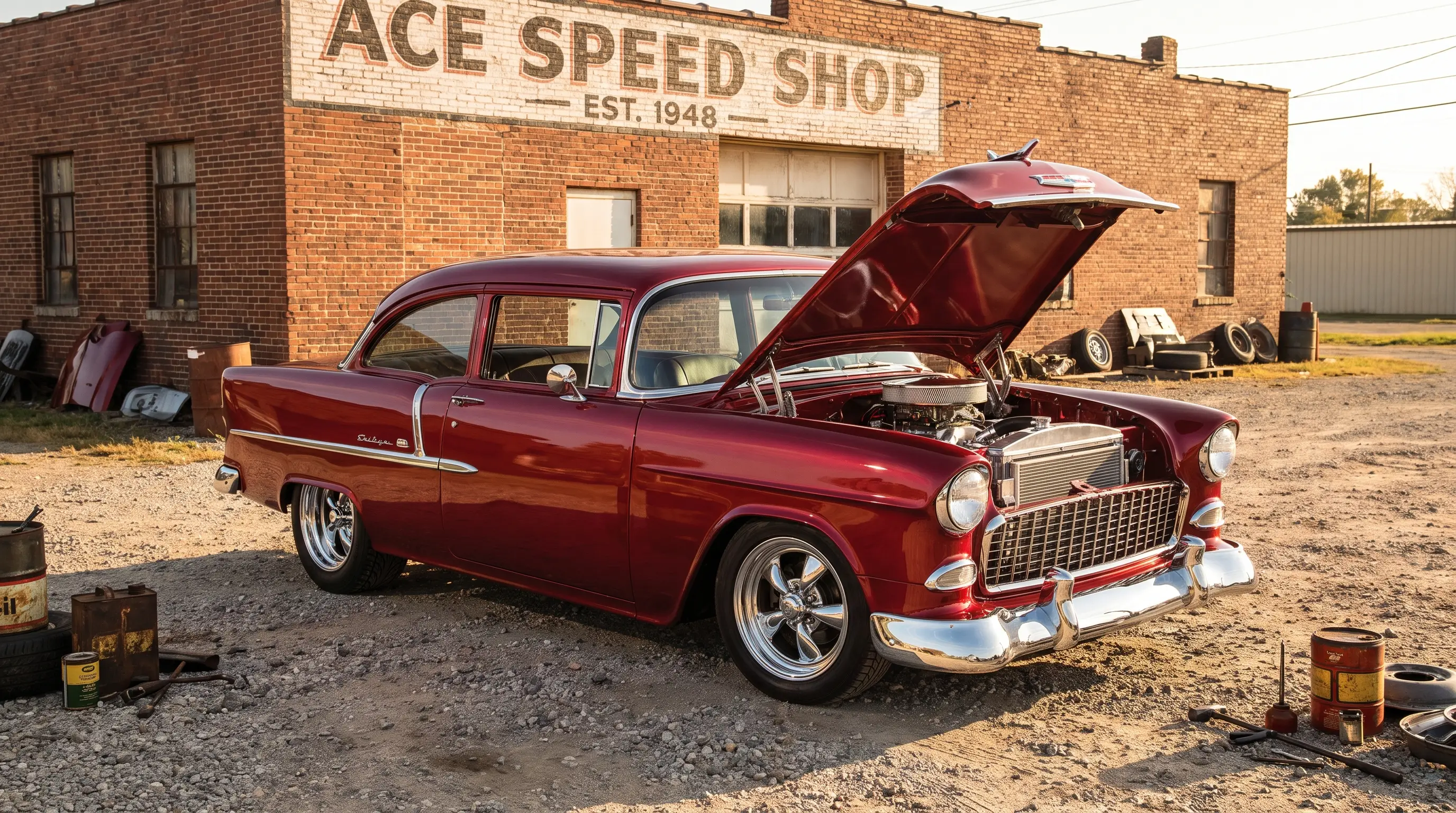
In my experience running into these cars at shows for going on three decades now, there is a fairly consistent pattern to what builders touch and what they leave alone. Suspension and brakes get modernized more often than not, because nobody wants to drive a period-correct chassis in modern traffic if they do not have to. Engines get swapped or built up well beyond factory specification, sometimes staying true to the small block family and sometimes not. What tends to survive untouched, even on heavily built cars, is the basic body shape. Builders mess with stance, with paint, with wheel choice, but the silhouette that Chevrolet drew up in the mid-1950s rarely gets altered in any fundamental way.
That restraint is not universal, obviously, hence my parking lot argument earlier. Some builders chop tops, section bodies, or go further into custom territory than others are comfortable calling a hot rod at all. But even the wildest builds tend to keep enough of the original proportions that you can identify the base car at a glance. That is a testament to how well the original design holds up under pressure, whether that pressure is a chop saw or seventy years of changing taste.
Community, not just craftsmanship
What keeps this platform alive as a hot rod choice generation after generation is not purely mechanical, it is social. Clubs like ours exist specifically because tri five owners want somewhere to compare notes, argue about that fender well, and trade parts leads. That infrastructure did not build itself overnight. It grew because enough people kept choosing this platform decade after decade that a critical mass of specialized knowledge, specialized suppliers, and specialized events accumulated around it. A newcomer showing up with a rough 1956 Bel Air today has access to more collective expertise than someone building almost any other 1950s platform, purely because so many people came before them and left a trail.
You can trace that whole community's roots back to where this started, the original three model years that gave the platform its name and its reputation before anyone had touched a wrench to one in anger. Understanding that baseline is useful even for builders who plan to change nearly everything, because it tells you what you are departing from and, sometimes more importantly, what you are choosing to keep.
"Nobody in this club agrees on how much modification is too much. What we all agree on is that the car underneath deserves the argument. You do not fight this hard over something forgettable."
- Wayne Coburn
Parts, budgets, and the reality of a long build
One thing I tell every newcomer who shows up to a meeting talking about their first tri five project is that the parts availability everyone brags about is real, but it is not the same as cheap. Reproduction sheet metal, trim, and interior pieces exist in far greater quantity for this platform than for almost any other 1950s car, which means you are rarely stuck hunting for a single irreplaceable part the way you might be with a rarer make. That availability adds up over the course of a full build, and builders who go in expecting a bargain because parts exist often come out the other side surprised at the total regardless.
What the parts support actually buys you is predictability. You can plan a build, budget it reasonably accurately, and trust that the pieces you need will be available when you need them, rather than discovering three years into a project that a critical trim piece simply does not exist anymore. That predictability is worth something on its own, and it is a big part of why so many first time builders choose this platform for their first serious project rather than something rarer and more unpredictable to source.
Buying into the platform today
If you are thinking about getting into tri five ownership specifically as a hot rod project, the good news is the market has options at every price point. Rough project cars still turn up regularly, since so many were built and so many survive in barns and back lots waiting for someone with time and patience. Finished builds command real money, sometimes surprising money, because a well executed tri five hot rod represents years of somebody else's labor and decision making that you get to skip entirely.
Either way, the platform rewards patience more than impulse. A rushed build on this chassis stands out just as much as a rushed build on any classic, and the community notices. Take your time evaluating a car before committing, and when you are ready to start looking seriously, keep an eye on where classic Air for sale listings turn up, since clean project candidates and finished builds alike tend to move quickly once word gets out in a club like ours.
Seventy years on, the argument about how much change is too much has not gotten any closer to resolved, and honestly, I hope it never does. That tension between preservation and reinvention is exactly what has kept this platform interesting long after most of its 1950s contemporaries faded into museum pieces nobody argues about anymore.