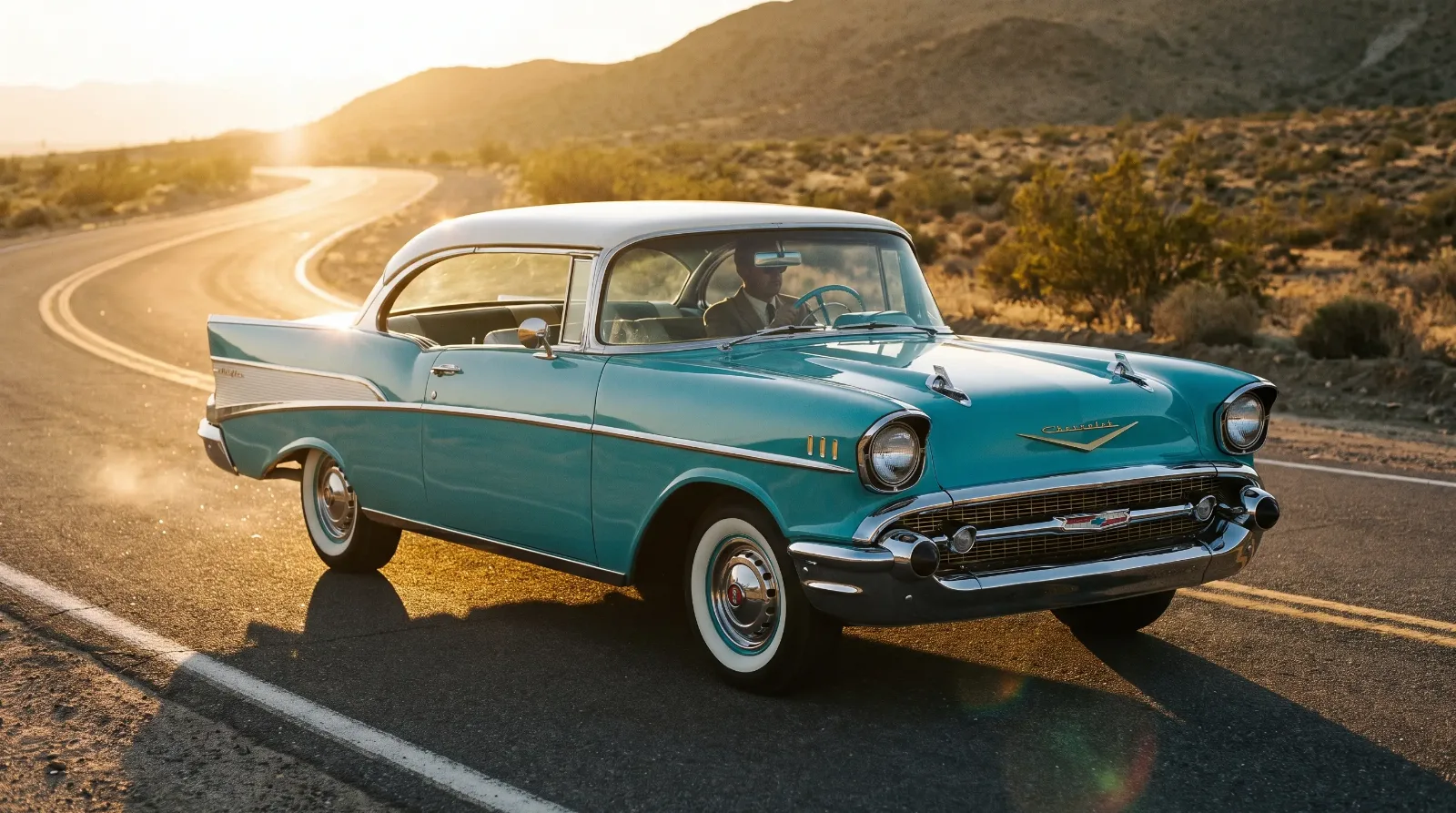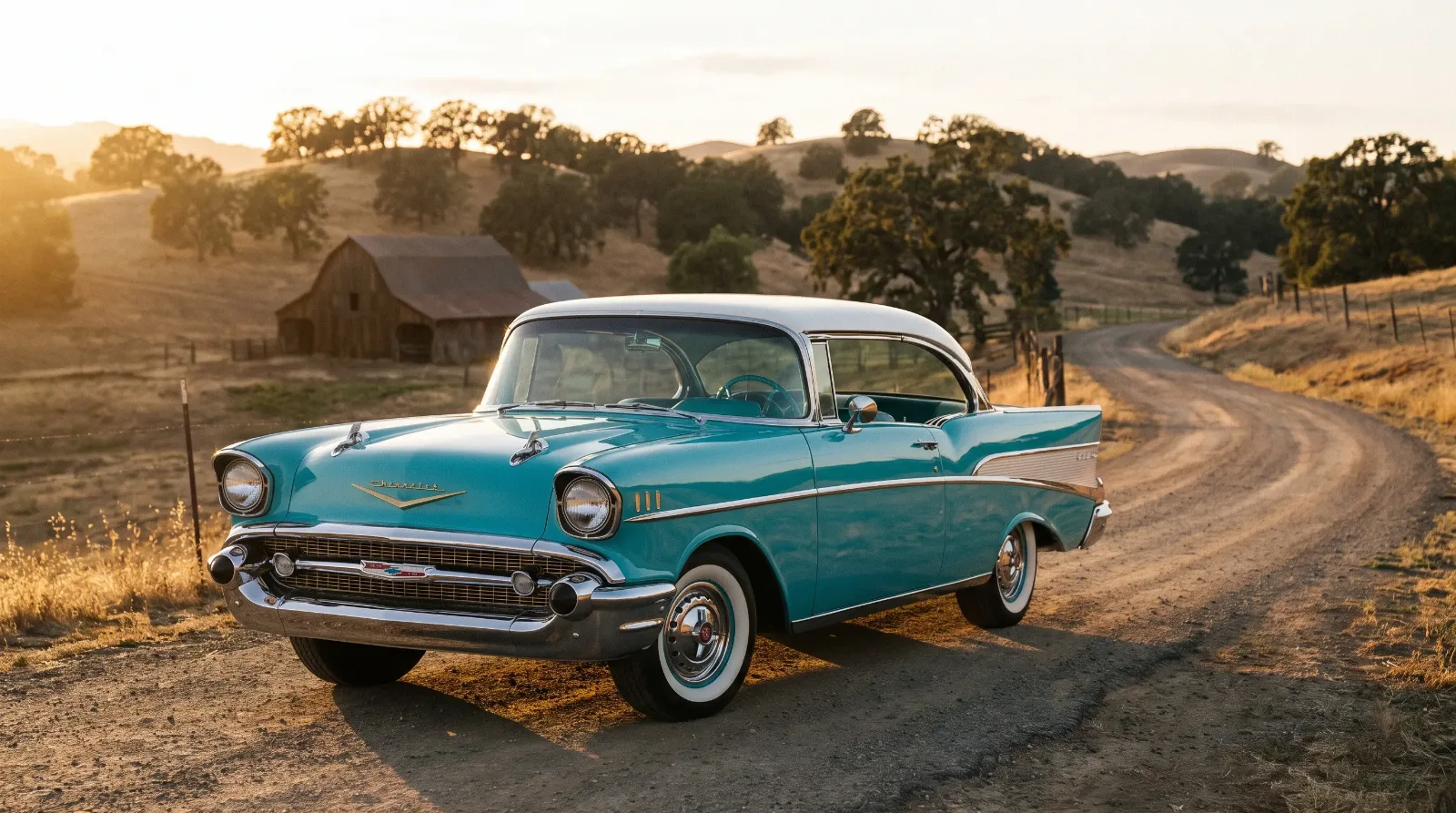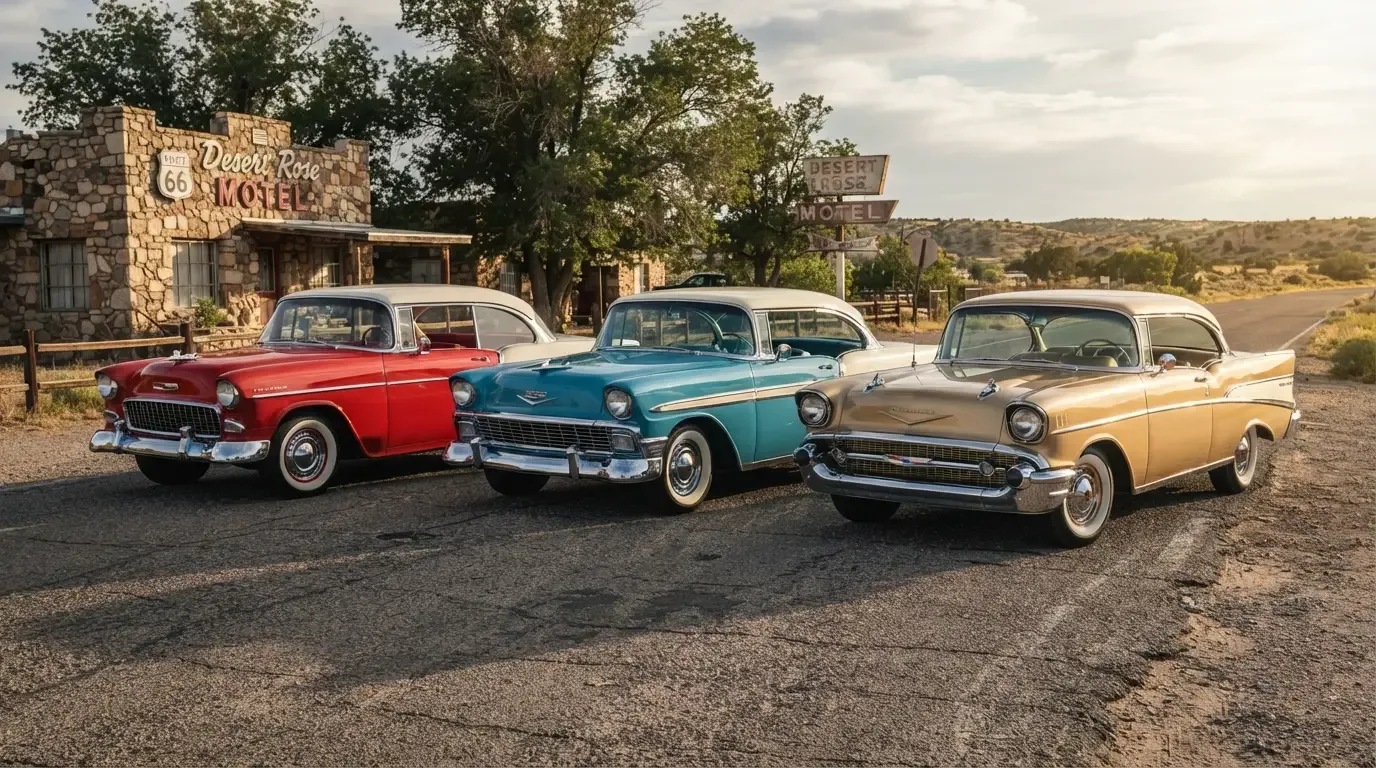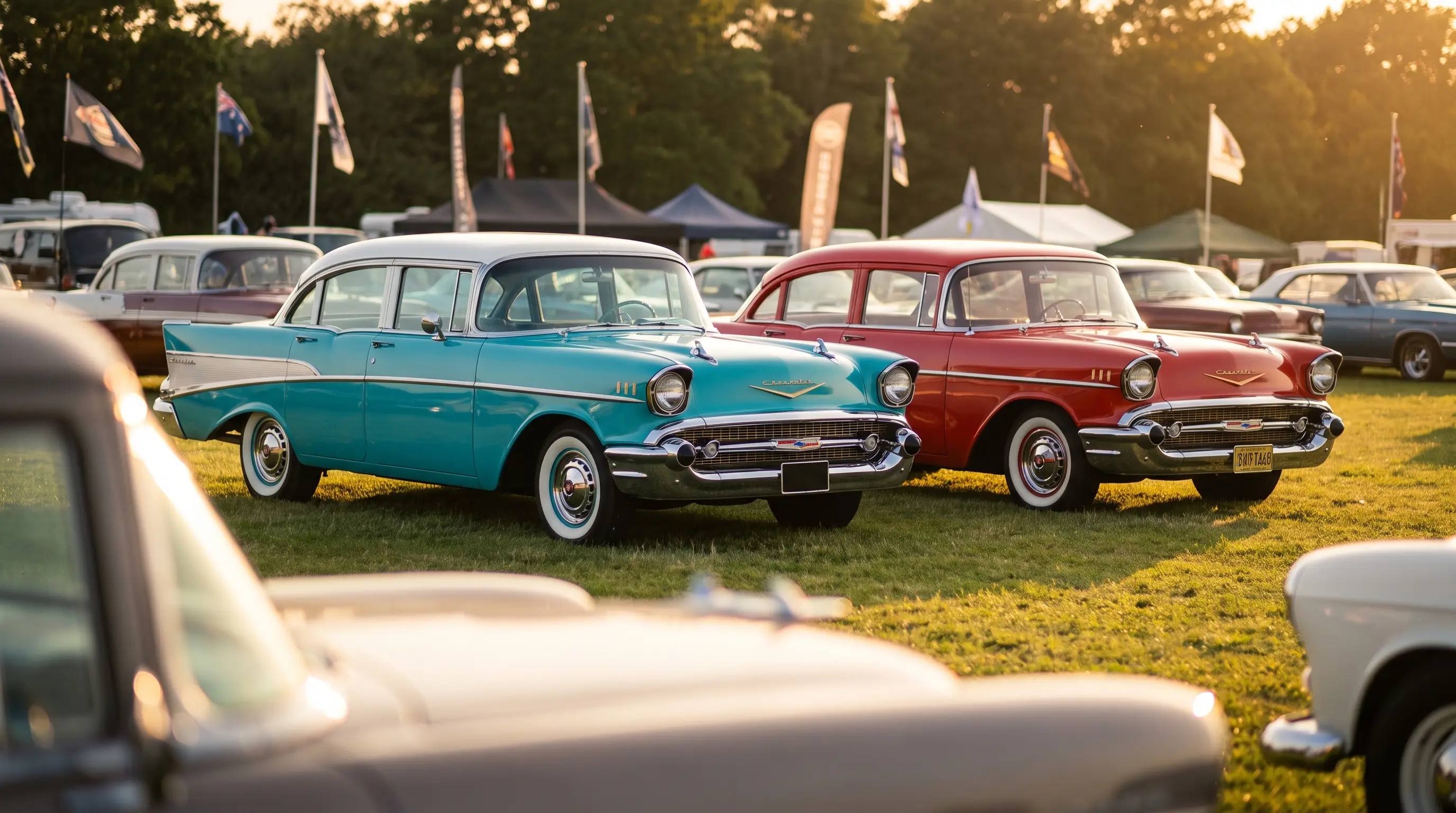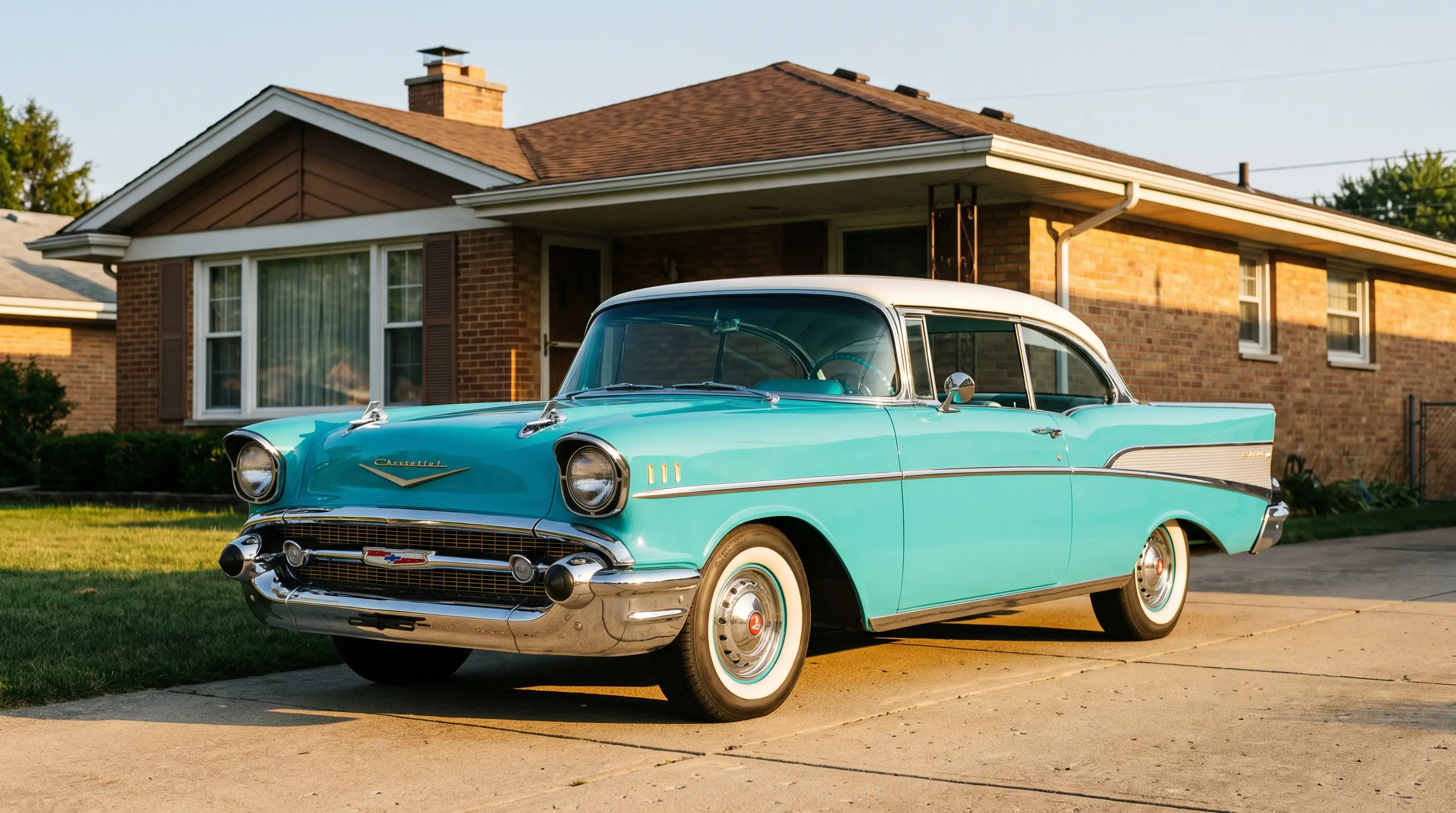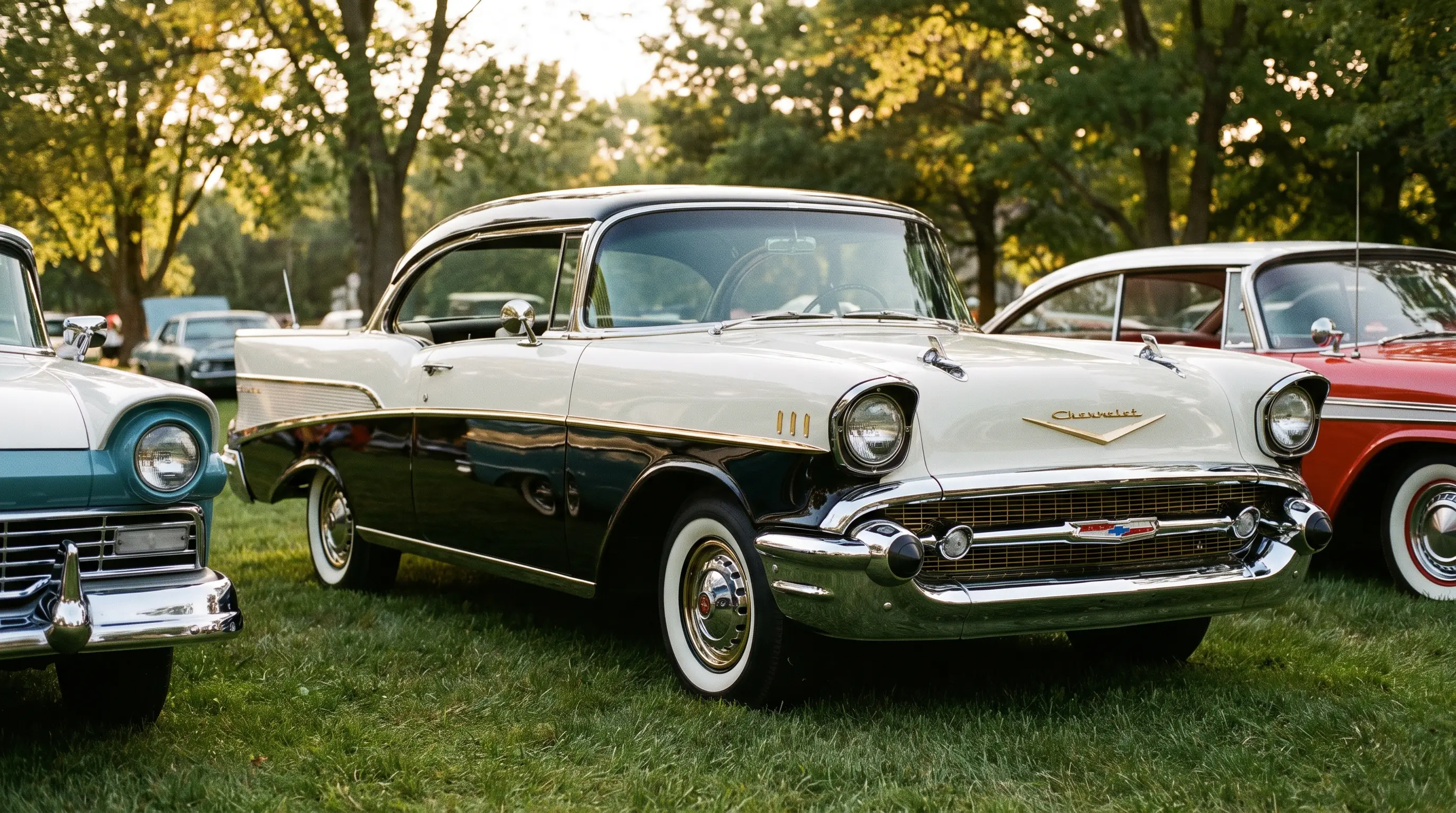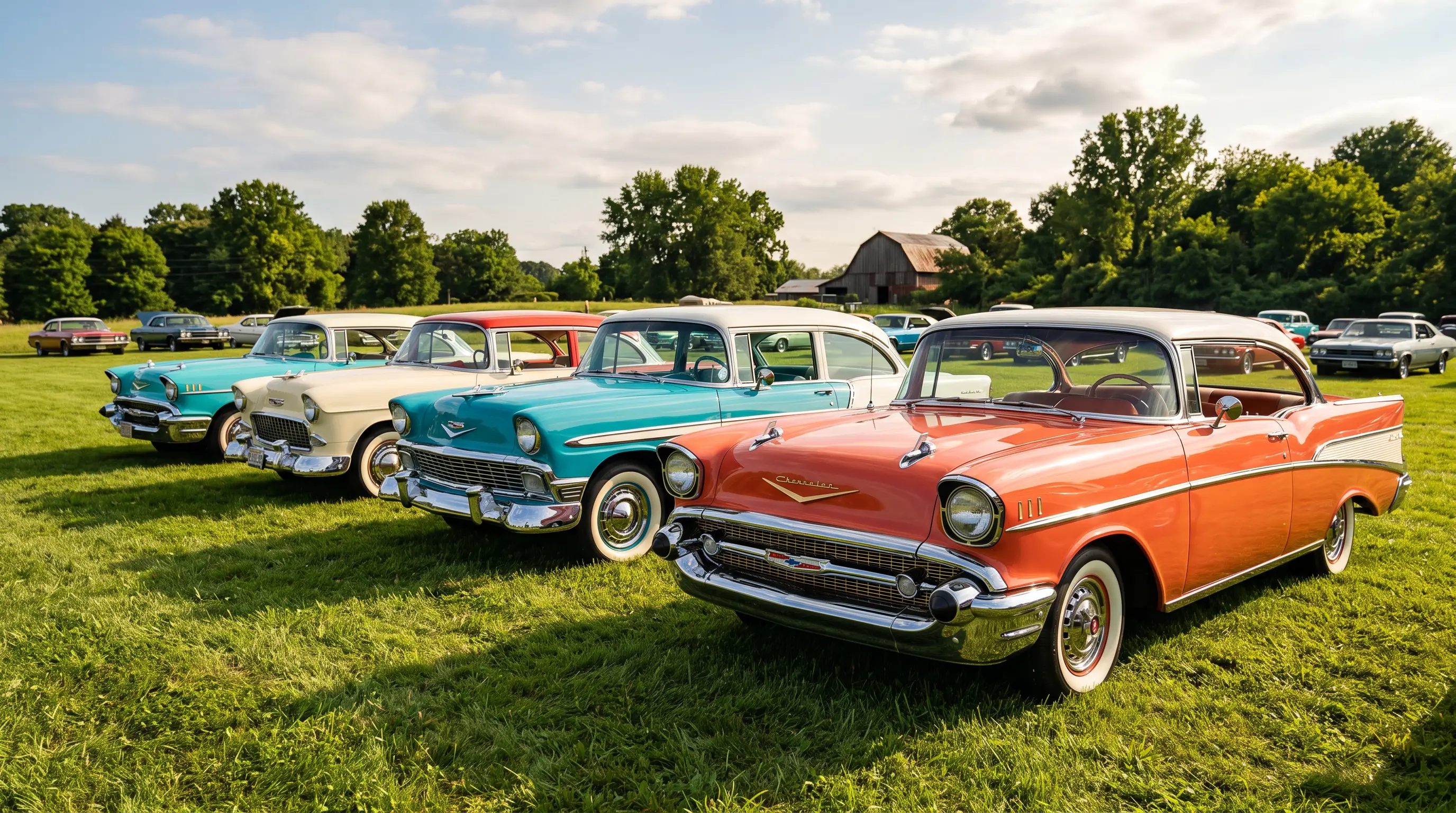
Walk any big Chevrolet show and you can spot the tri five chevy crowd from across the field. They stand a little taller, they gesture a little more with their hands, and half of them are arguing about the correct shade of India Ivory. I have built and rebuilt these cars for a long time, and I still get that same pull when a clean 1955, 1956, or 1957 rolls off a trailer. The Tri-Five is not just a model run. It is the moment Chevrolet stopped being the sensible choice and became the desirable one.
The term itself is shorthand for the three model years that changed everything: 1955, 1956, and 1957. Chevrolet built the full line across those years, but the Bel Air was the top trim, and the Bel Air is what everyone pictures. Two-door hardtops, convertibles, and one strange, beautiful wagon that nobody expected to matter as much as it did. That wagon is the Nomad, and if you want to understand why builders obsess over these cars, the Nomad is where you start.
Why 1955 broke the mold
Before 1955, a Chevrolet was a car you bought because it was reliable and cheap to run. Your father drove one. It got you to church. Then the 1955 model landed with a shape that looked like it had been drawn by someone who actually cared, and under the hood sat the new 265 cubic inch small block V8. That engine is the single most important thing Chevrolet did in the 1950s, and I do not say that lightly. It was light, it revved, and it responded to everything you threw at it.
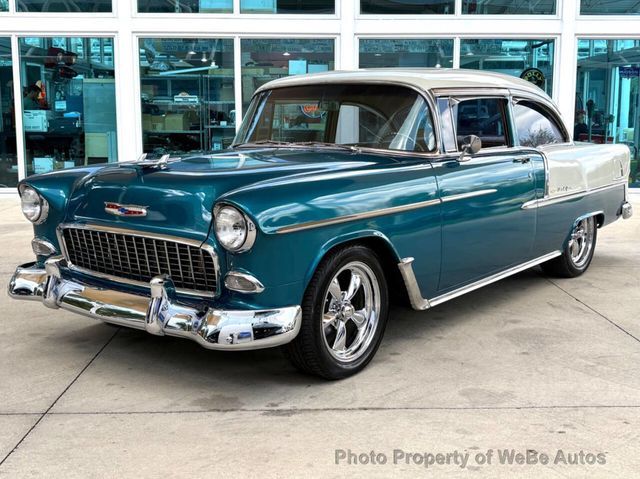
From a builder's chair, the 1955 body is the purest of the three. The lines are clean, the grille is simple, and the whole car has a tautness that the later years traded away for chrome. When somebody brings me a 1955 that has been hacked up with the wrong trim, it hurts, because the factory got that shape right the first time. If you want the full arc of how the nameplate grew from a trim option into an icon, chevy bel air history is worth reading start to finish, because the Tri-Five sits right in the middle of that climb.
1956 and 1957: chrome, fins, and attitude
The 1956 refresh widened the grille and stretched the trim, and it gave the car a more grown-up face. People who love the 1956 love it for that balance. It is not as clean as the 1955 and not as flashy as the 1957. It sits in the middle and knows it.
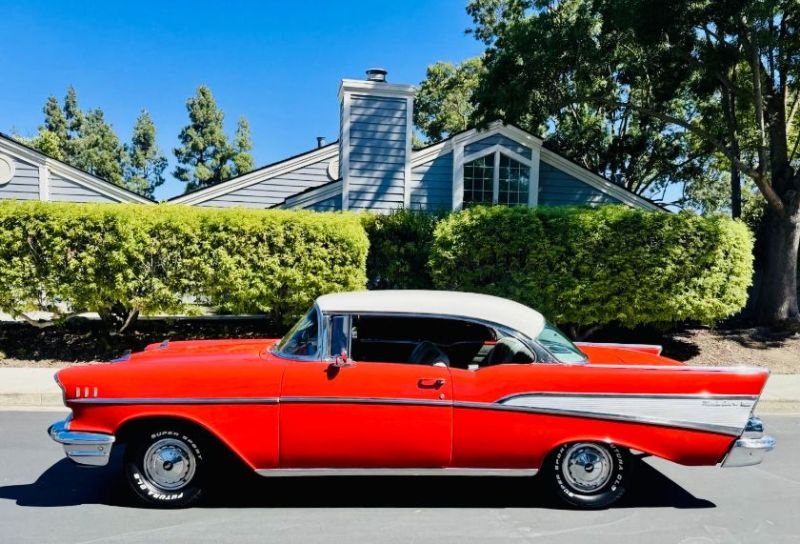
Then came 1957, and everything got louder. The tailfins arrived, the anodized gold trim showed up on the top cars, and the front end grew that toothy chrome grin that people either love or hate. There is no in-between with a 1957. The 283 cubic inch V8 was now available, and on the hottest setup you could order the Rochester Ramjet fuel injection, which pushed output to a confirmed 283 hp on the top engine, making it the first American production engine to hit one horsepower per cubic inch. Chevrolet made sure everyone knew it.
Here is my honest builder opinion. The 1957 is the most valuable and the most copied, and that popularity is exactly why so many of them are wrong. Bad reproduction trim, incorrect gold anodizing, fake fuel injection badges on a carbureted car. A poseur 1957 is easy to build and hard to forgive. A correct one is a different animal entirely.
What most people miss is how different the three years feel from the driver's seat, even though the basic body carried across all three. The 1955 is the lightest on its feet. The 1956 gained a little weight and a little polish. The 1957 sits lowest and widest, and it feels like the most planted of the three on a back road. I have driven all of them back to back more than once, and the personality shift is real. That is part of why serious collectors do not treat the Tri-Five as one car. They treat it as three related cars that happen to share a silhouette.
| Model year | Signature engine | Defining detail |
|---|---|---|
| 1955 | 265 cubic inch V8 | Cleanest body, simple grille |
| 1956 | 265 cubic inch V8 | Full-width grille, more trim |
| 1957 | 283 cubic inch V8 | Tailfins, optional fuel injection |
The Nomad: a wagon that broke the rules
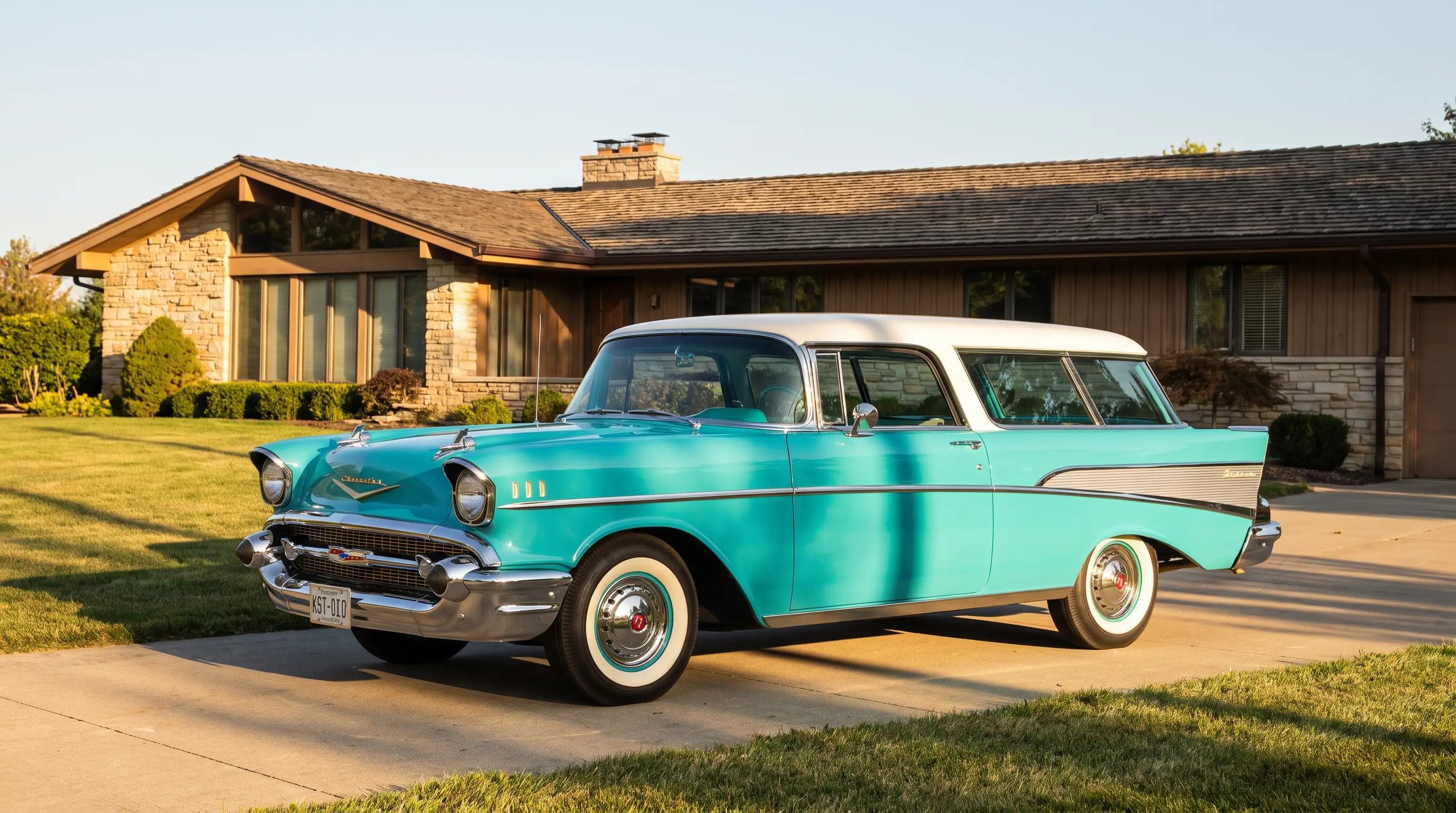
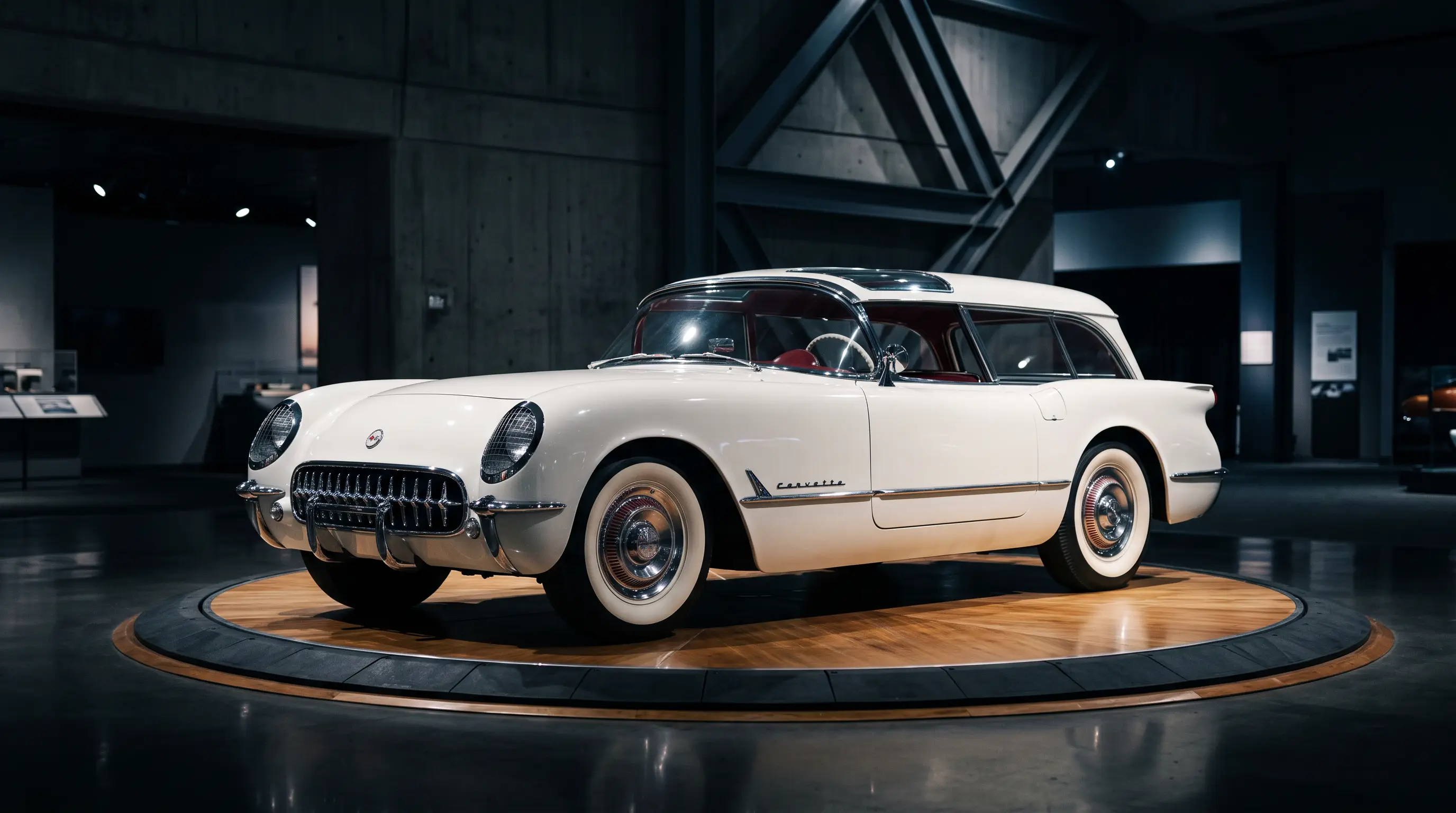
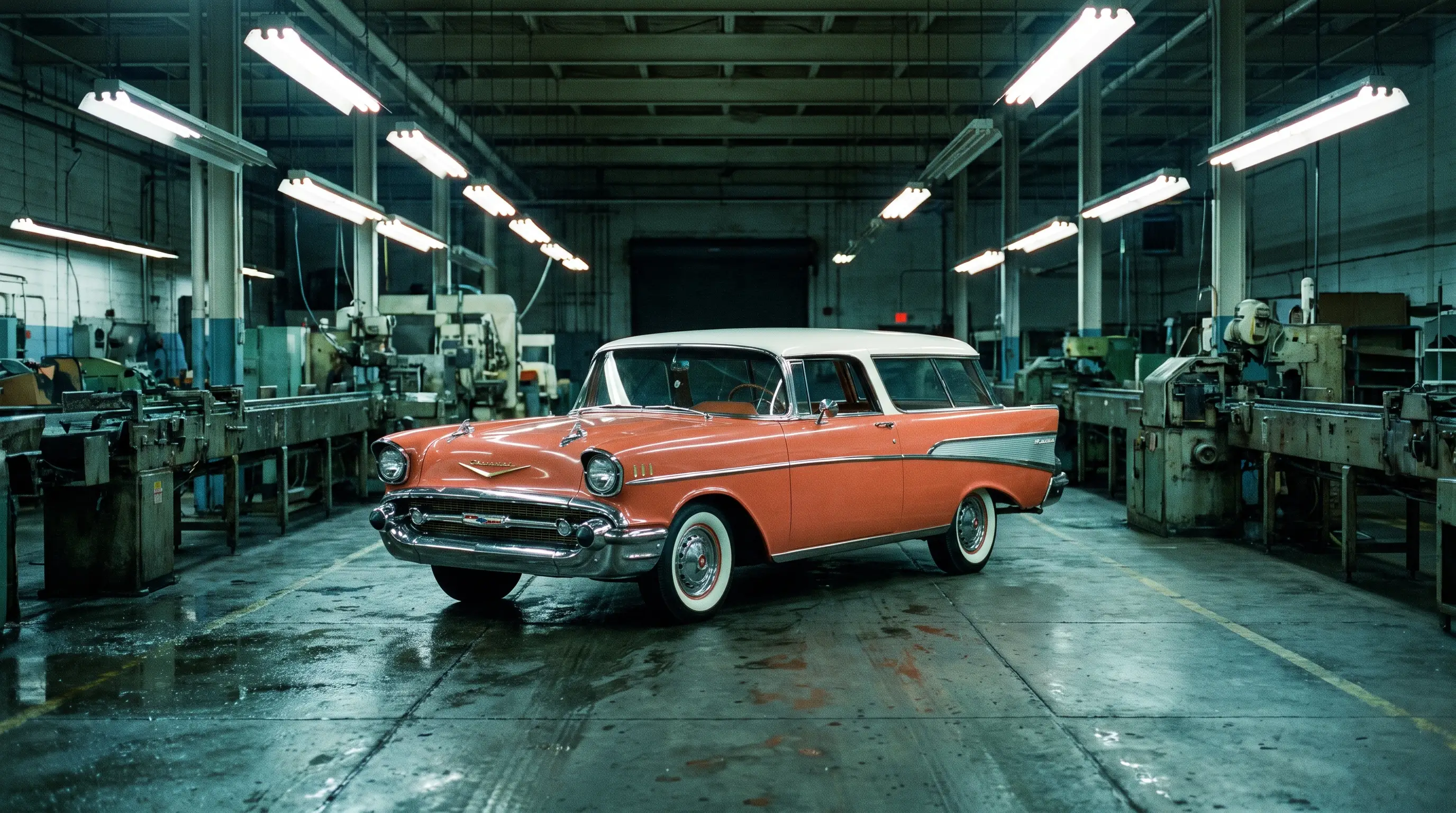
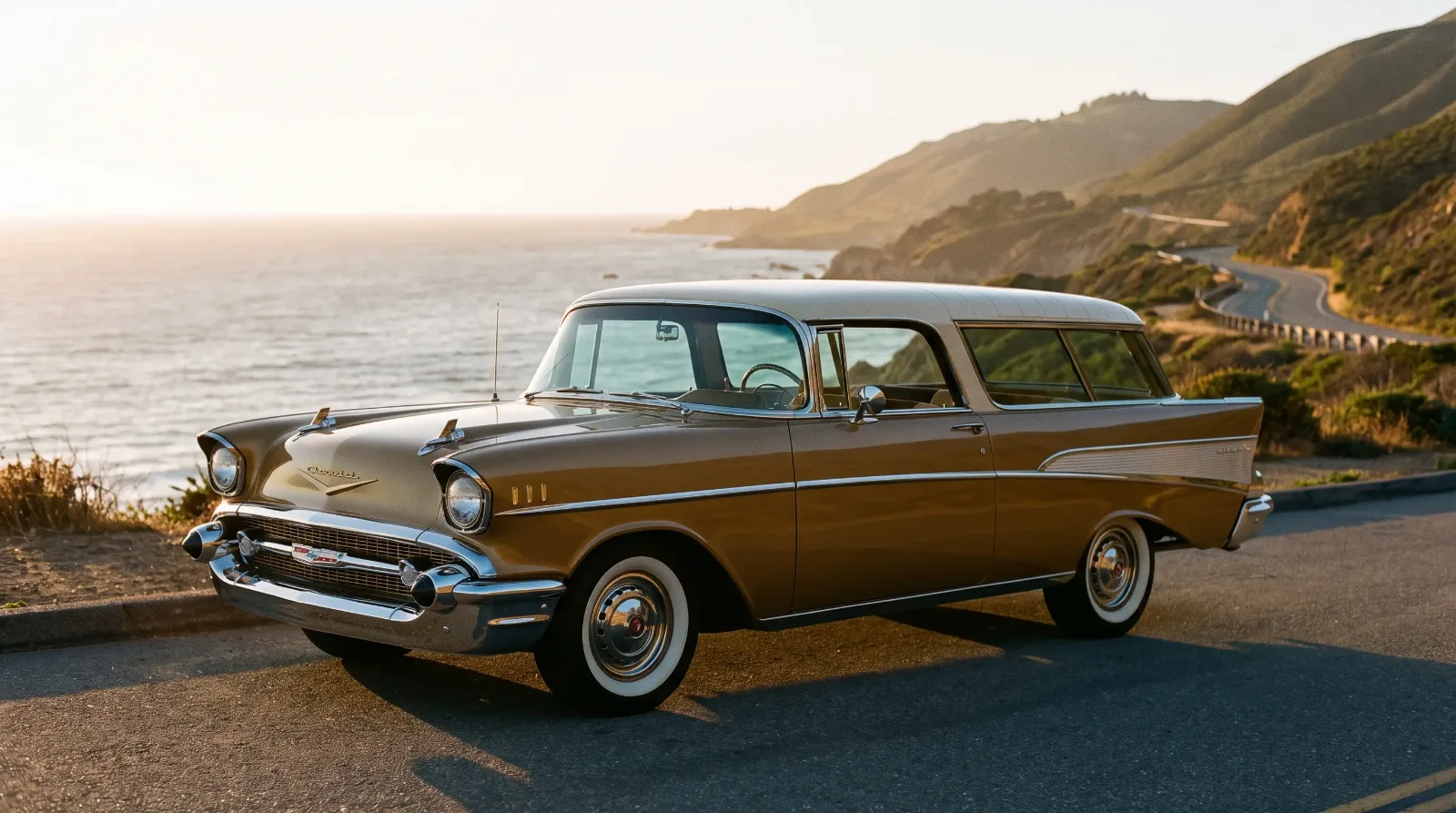
Most station wagons of the 1950s were built for hauling. They were tall, boxy, and about as exciting as a lunch pail. The Nomad was none of that. It started life as a Corvette-based show car for the 1954 Motorama, and when Chevrolet decided to put it into production, they grafted that hardtop wagon roofline onto the Bel Air body. The result was a two-door wagon with a sloped rear glass, ribbed tailgate, and a set of chrome spears on the liftgate that nobody has ever confused with anything else.
The Nomad was expensive when new, and it did not sell in big numbers. That is exactly why it matters now. Chevrolet built the Nomad as a Bel Air trim from 1955 through 1957, and the low production made it the crown jewel of the Tri-Five family. Builders chase Nomads because they are rare, because the body is genuinely difficult, and because getting one right is a real accomplishment.
I will be blunt about the bodywork. A Nomad is not a car for a first restoration. The tailgate hardware, the rear quarter glass, and the trim around that sloped roof are all specific to the Nomad and expensive to source. The chrome tailgate spears are frequently pitted, and correct replacements are not cheap. If you love the shape and you want to see one in the metal before you commit, it is smart to shop classic Air listings and study a few in person before you ever pick up a wrench.
The rarity is not marketing. Chevrolet built the Nomad in small numbers all three years, and the 1957 in particular is a car that survivors track by the hundreds, not the thousands. That scarcity has a downside. When a body panel or a piece of unique trim rusts away or gets damaged, you cannot walk into a swap meet and grab a replacement the way you can with a standard Bel Air. Nomad people know this, which is why they hoard parts and guard their contacts. The community around these wagons is smaller and tighter than the wider Tri-Five crowd, and it has to be.
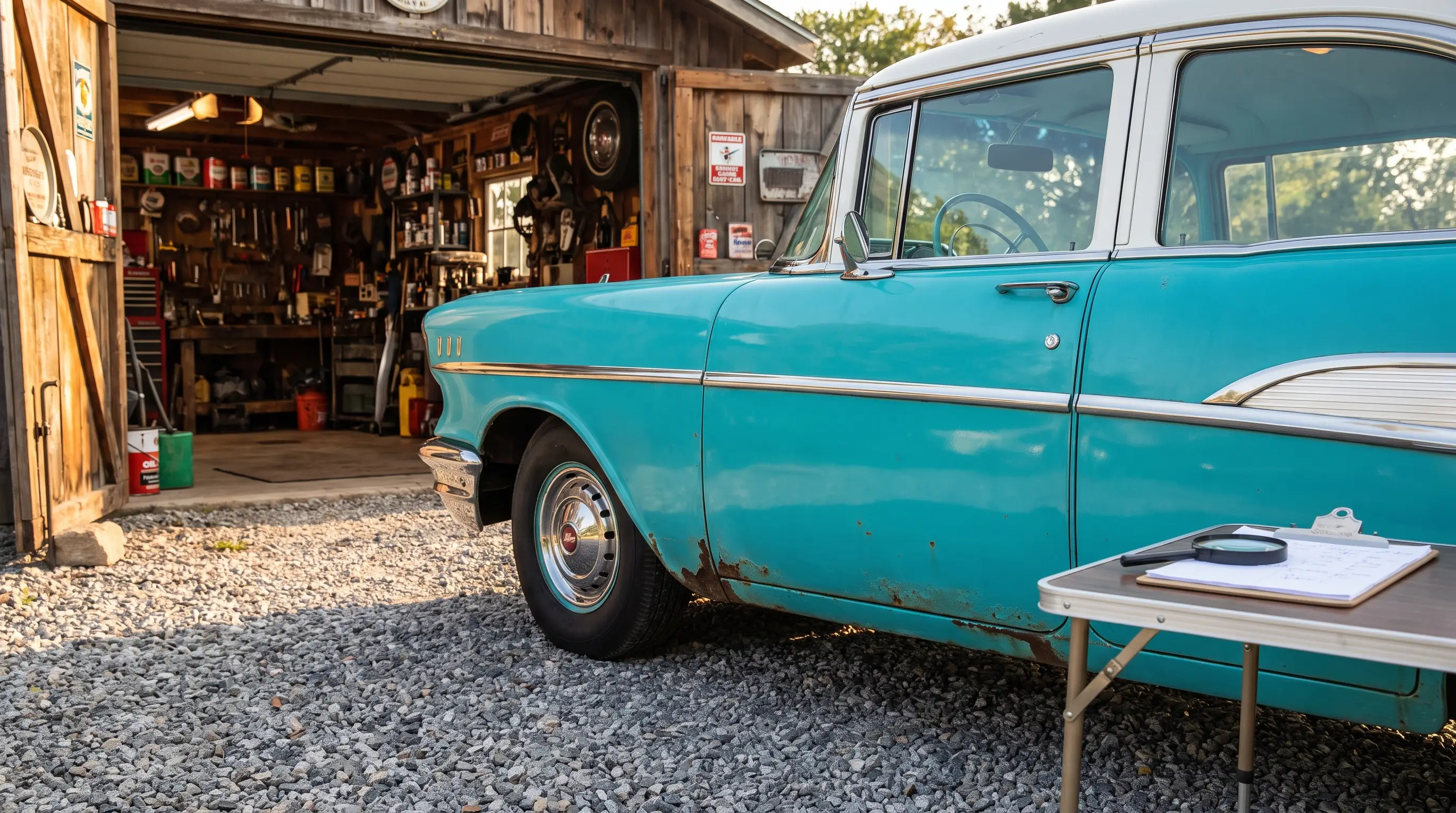
There is also a leak problem worth mentioning, because it shaped how these cars survived. That sloped tailgate and the rear glass were never fully weathertight, and a Nomad left outside for years tends to rot from the cargo floor up. When I inspect one, the load floor and the lower tailgate are the first places I look. A Nomad with a solid floor has usually been cared for its whole life, and that history is worth as much as any single panel.
What the Tri-Five did for hot rodding
The reason the Tri-Five never faded is the small block. That engine family stayed in production for decades, which means parts have always been everywhere, cheap, and easy to work with. A kid in 1965 could hop up a 1957 Chevy on a paper route budget. A builder in this decade can do the same thing with better parts. The car became a blank canvas that generations of people learned on.
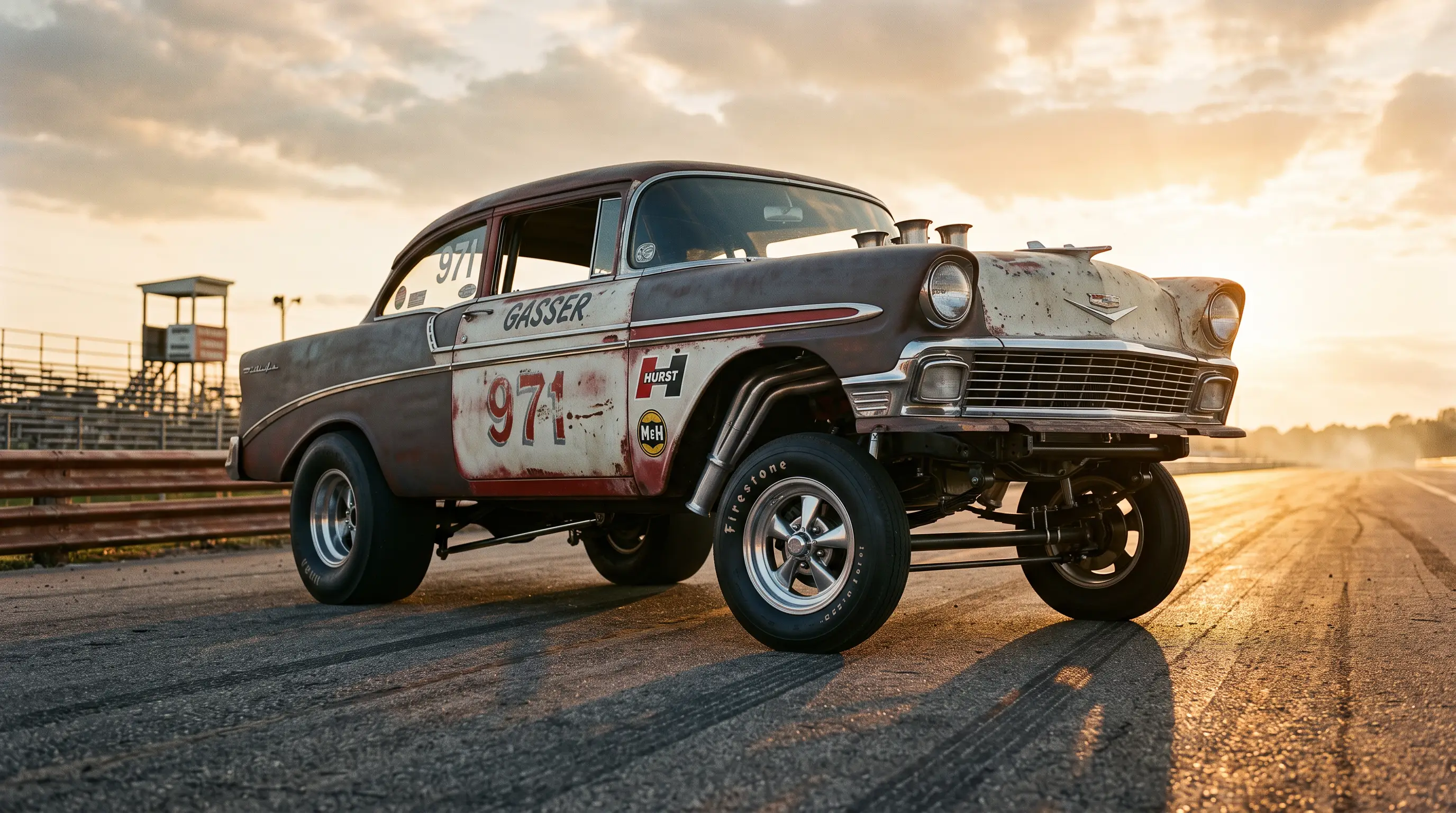
Drag racers loved them because they were light and the V8 loved to rev. Gassers rose on tall front ends and skinny front tires. Later, the pro street movement stuffed huge rear tires under Tri-Five bodies. Every one of those trends left its mark, and every one of them fed the legend. When you buy a Tri-Five today, you are buying into that entire history whether you want to or not.
"A Tri-Five will tell you the truth about a builder. The panels either line up or they do not, and the car does not care how good your story is."
- Jim Vasquez
Period-correct versus the poseur build
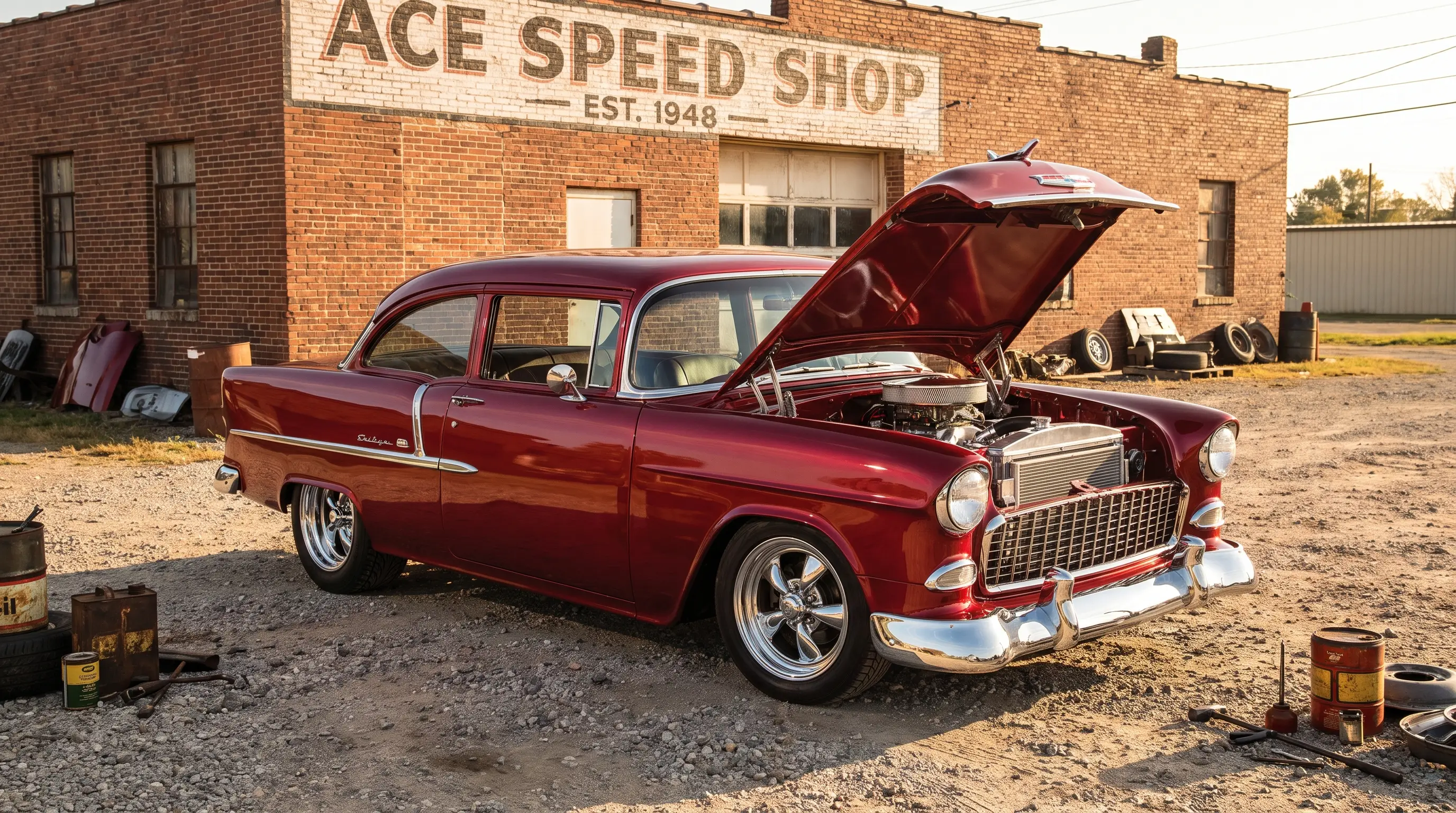
This is where I earn my reputation for being difficult. There is a real divide in the Tri-Five world between cars built to look correct and cars built to look correct in photos. A period-correct restoration respects the trim, the colors offered that year, and the way the factory actually assembled the car. A poseur build slaps on billet wheels, a crate engine with a chrome air cleaner, and calls it a day.
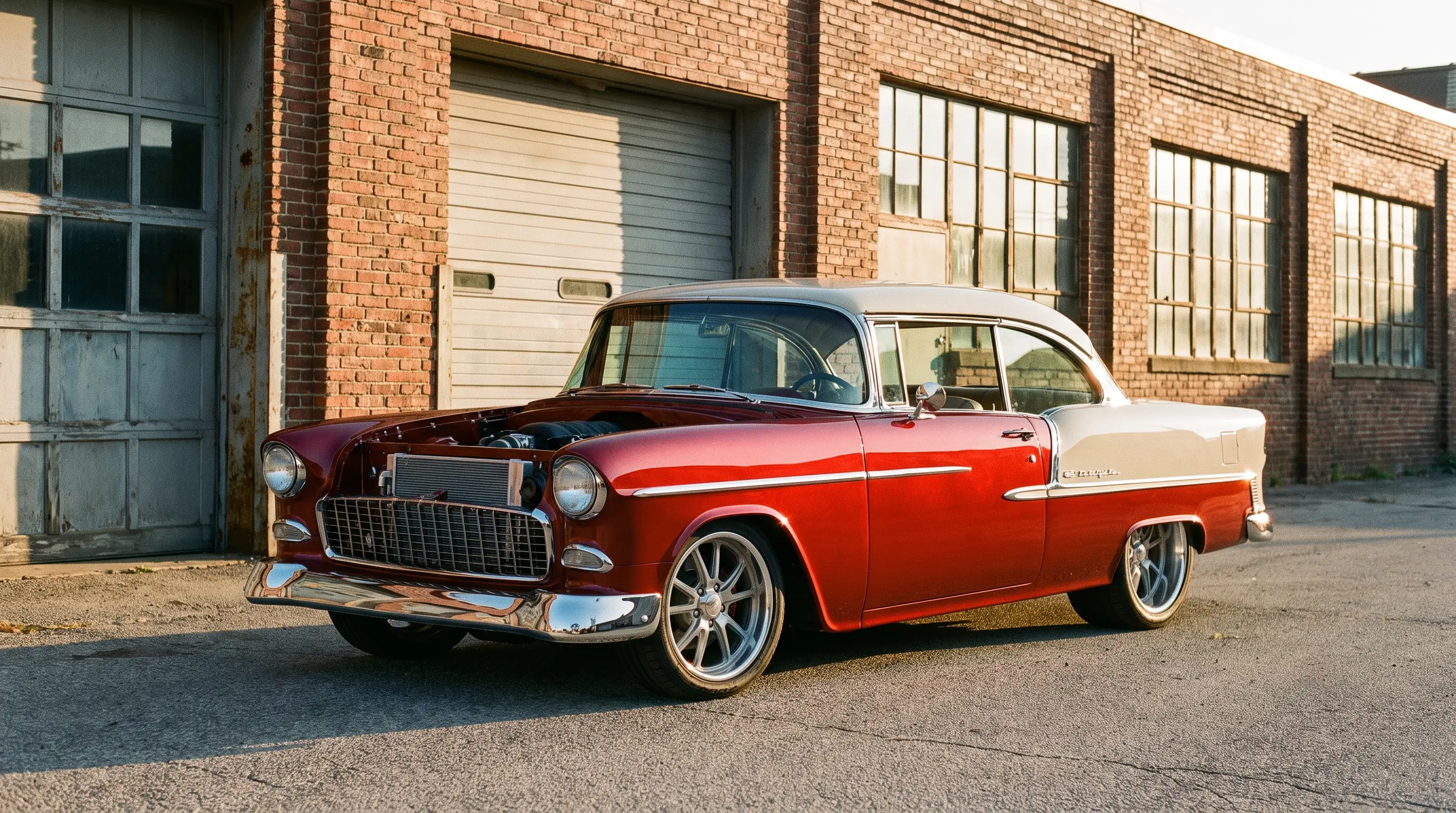
I am not against modified Tri-Fives. A well-done restomod with modern brakes and a tasteful stance is a joy to drive. What I object to is dishonesty, the car pretending to be something it is not. If you build a fuelie tribute, badge it as a tribute. If you paint it a color the factory never offered, own that choice. The cars that age well, both in value and in respect, are the honest ones.
Collecting a Tri-Five now
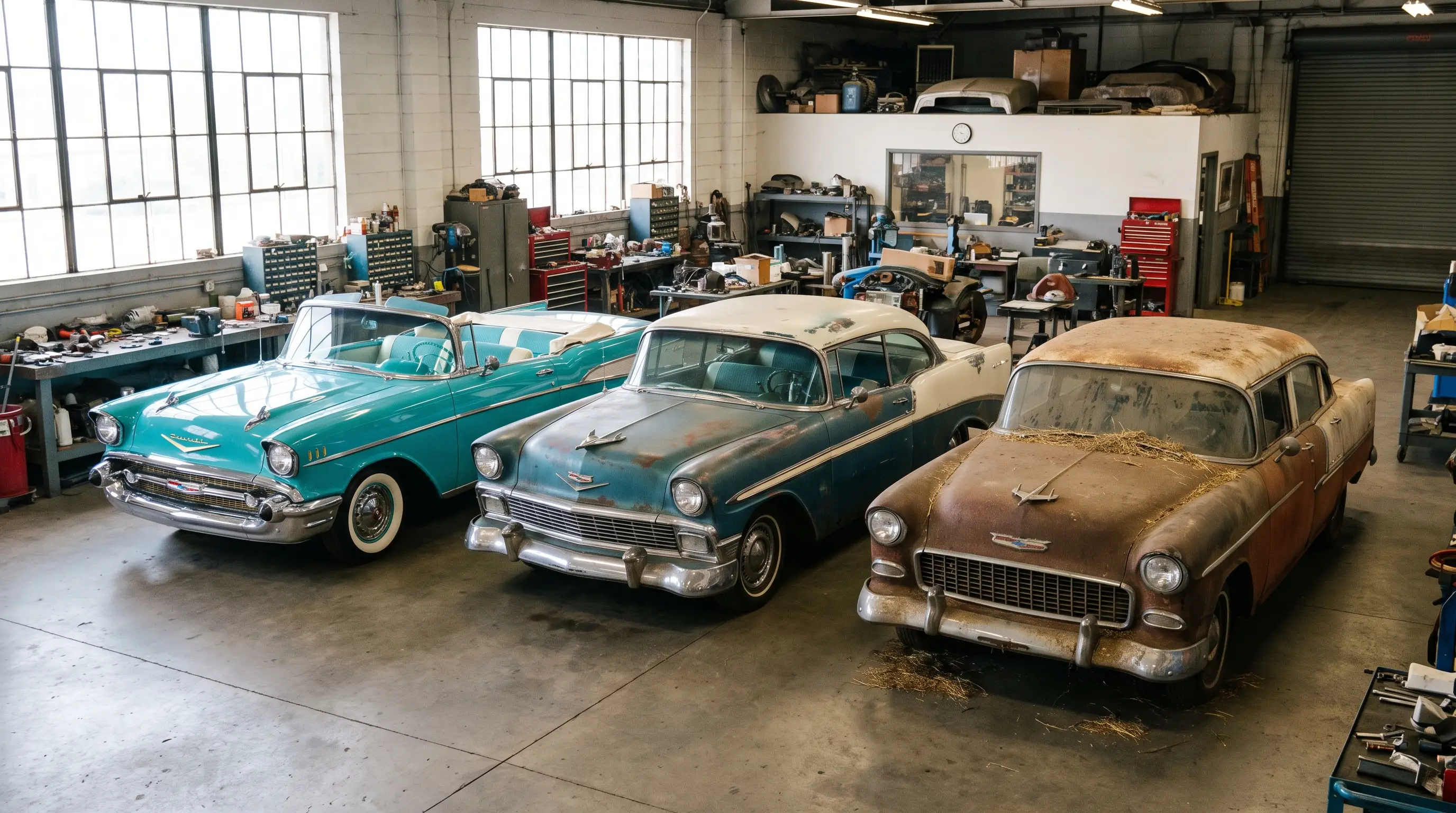
The market has sorted these cars into a clear order. A genuine 1957 Bel Air convertible or a real Nomad sits at the top. Clean 1955 and 1956 hardtops follow. Sedans and four-door cars are the affordable entry point, and there is nothing wrong with that. A four-door 1955 with a good small block is a fantastic first classic, and it will teach you everything you need to know before you ever chase a Nomad.
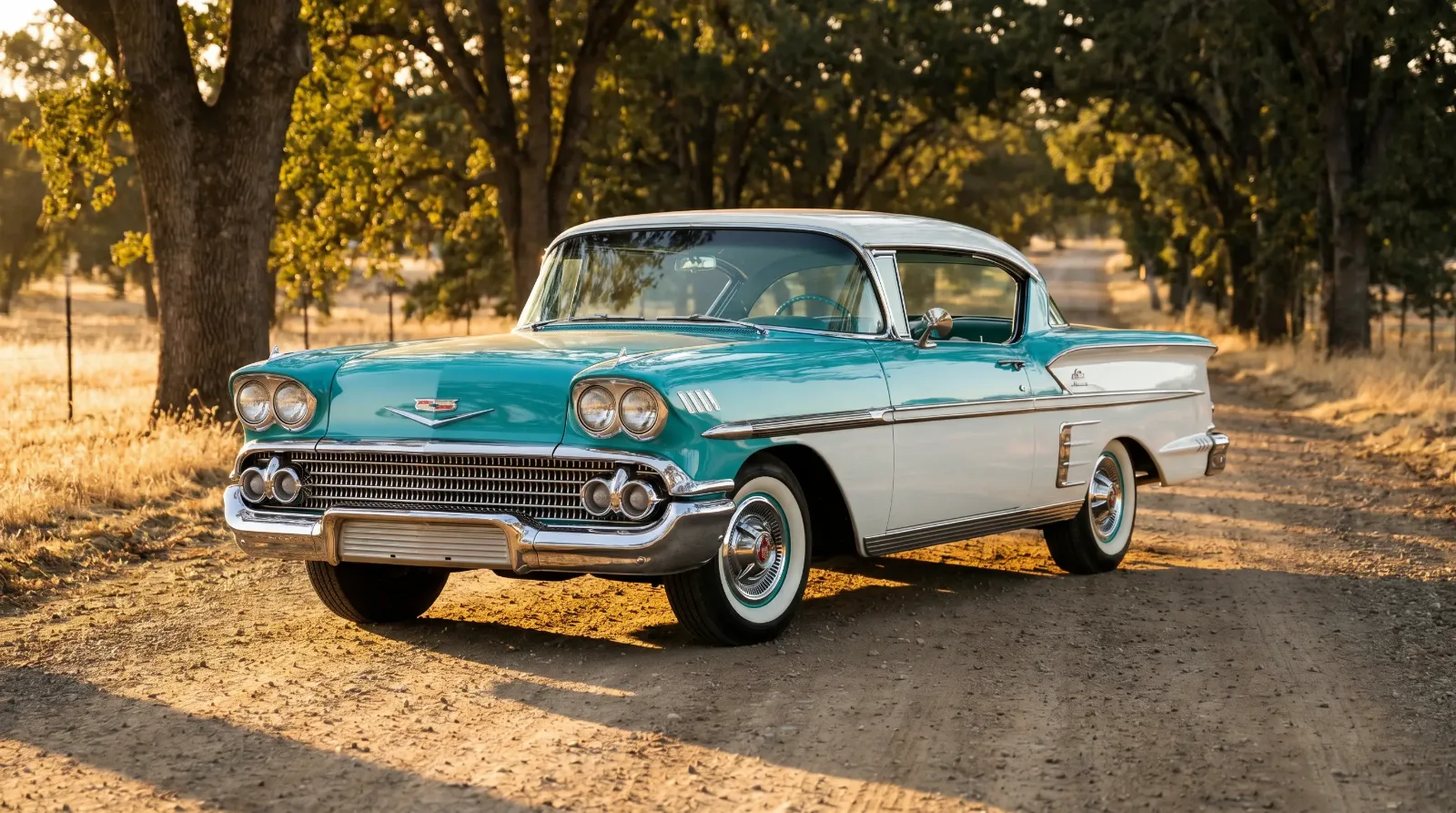
Documentation matters more every year. Build sheets, correct trim tags, and a believable history separate the real cars from the pretenders. If you want to see where the story goes next, the wild restyle that followed the Tri-Five era is worth a look too, because 1958 took the Bel Air in a completely different direction.
Why the legend holds
The Tri-Five endures because it hits three notes at once. It looks right, it drives on an engine that never went away, and it carries the memory of everyone who learned to build on one. The Nomad adds the final piece, a shape rare and difficult enough to keep the best builders honest. You can chase newer, faster, and cheaper cars, but you will not find one that means as much to as many people. That is why the tri five chevy still owns the show field, and why it always will.
Sources and notes
- Curbside Classic: 1957 Chevrolet Fuel-Injected 283 V8
- Automobile Catalog: 1957 283 V8 Ramjet Fuel Injection Specs
- Wikipedia: Chevrolet Nomad
- Mac's Motor City Garage: Secrets of the 55-57 Chevrolet Nomad
- Classic Industries: 1955-57 Chevy Bel Air, 210, and 150 Production Numbers
- Chevy Nomad Club: History