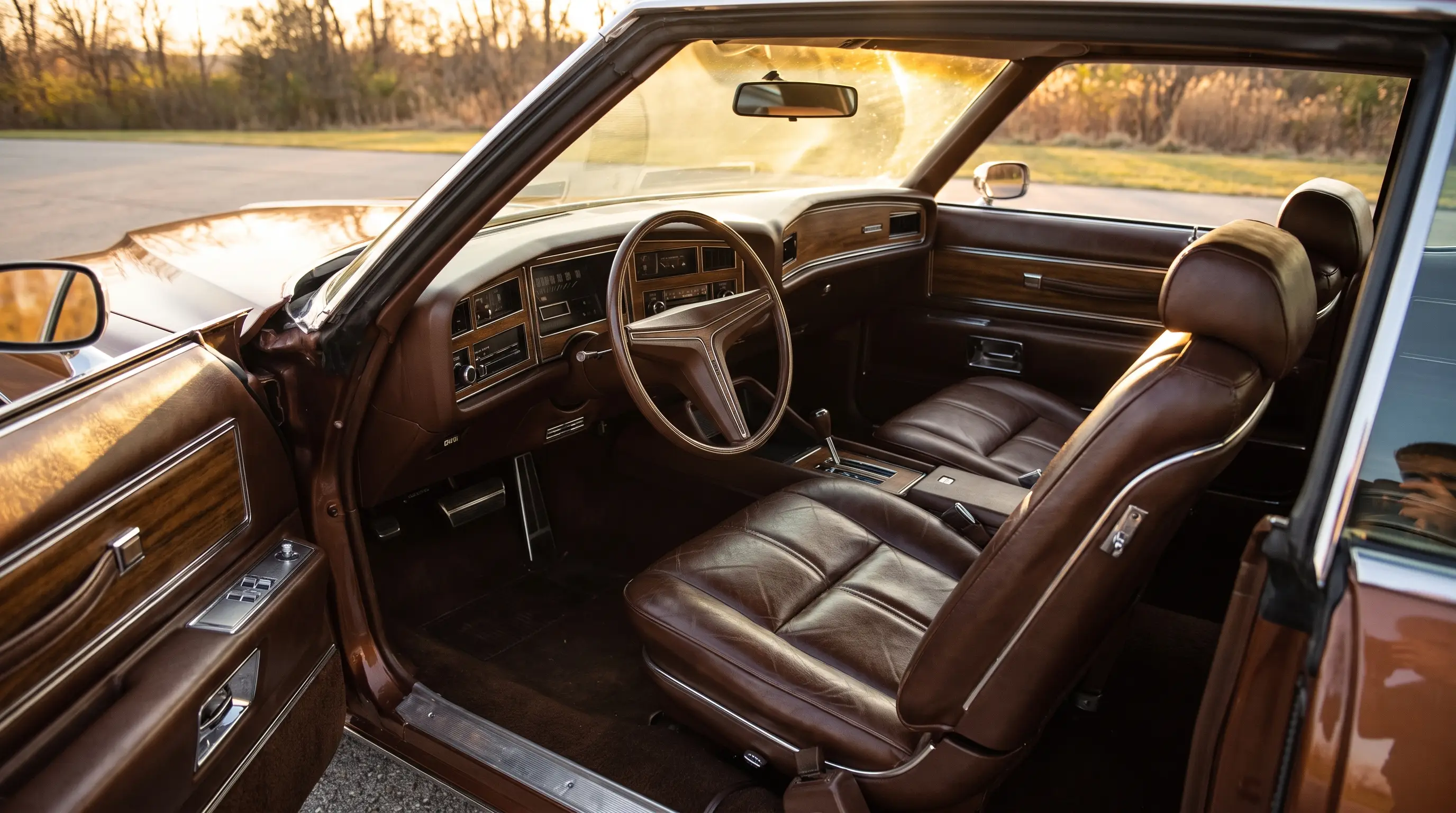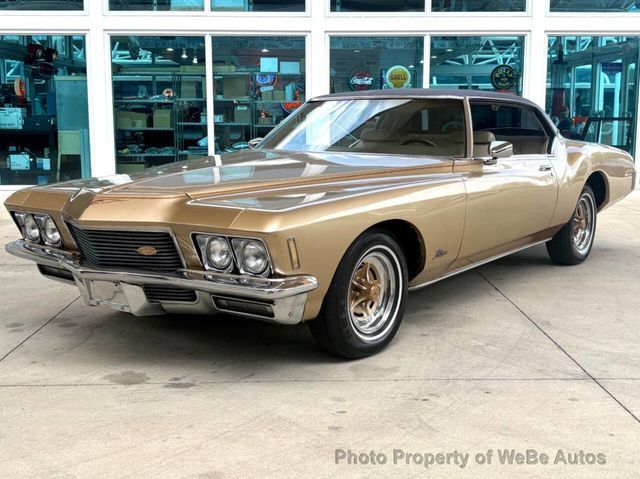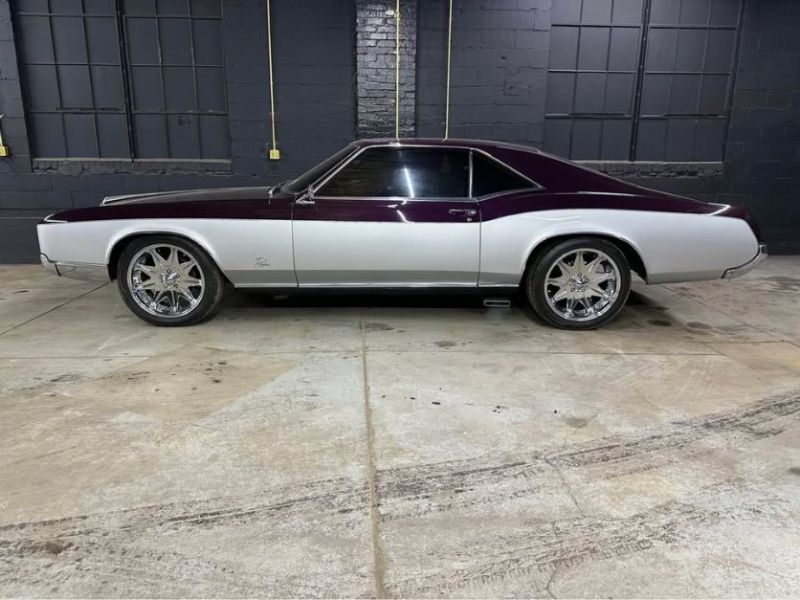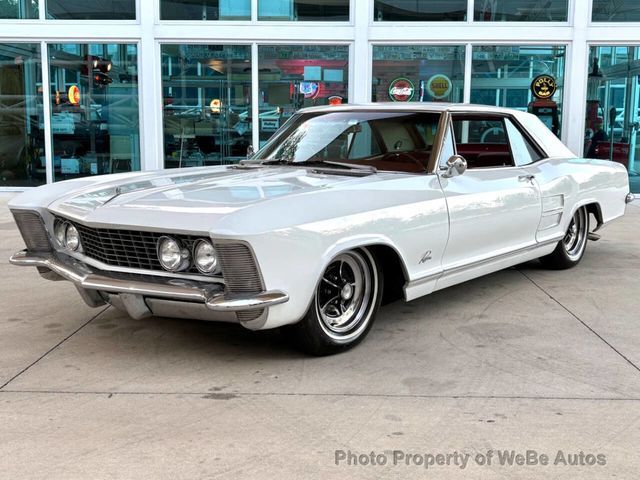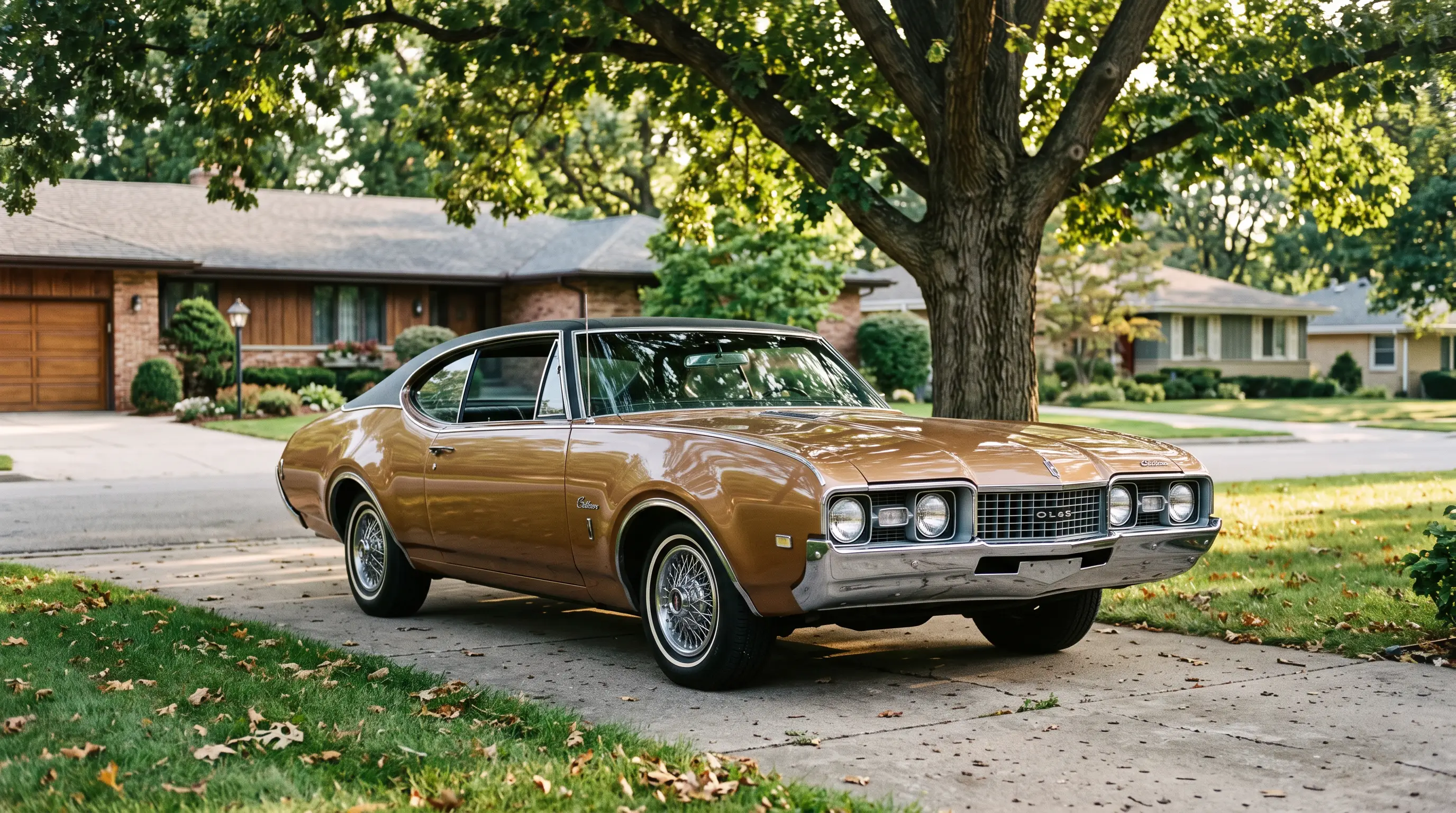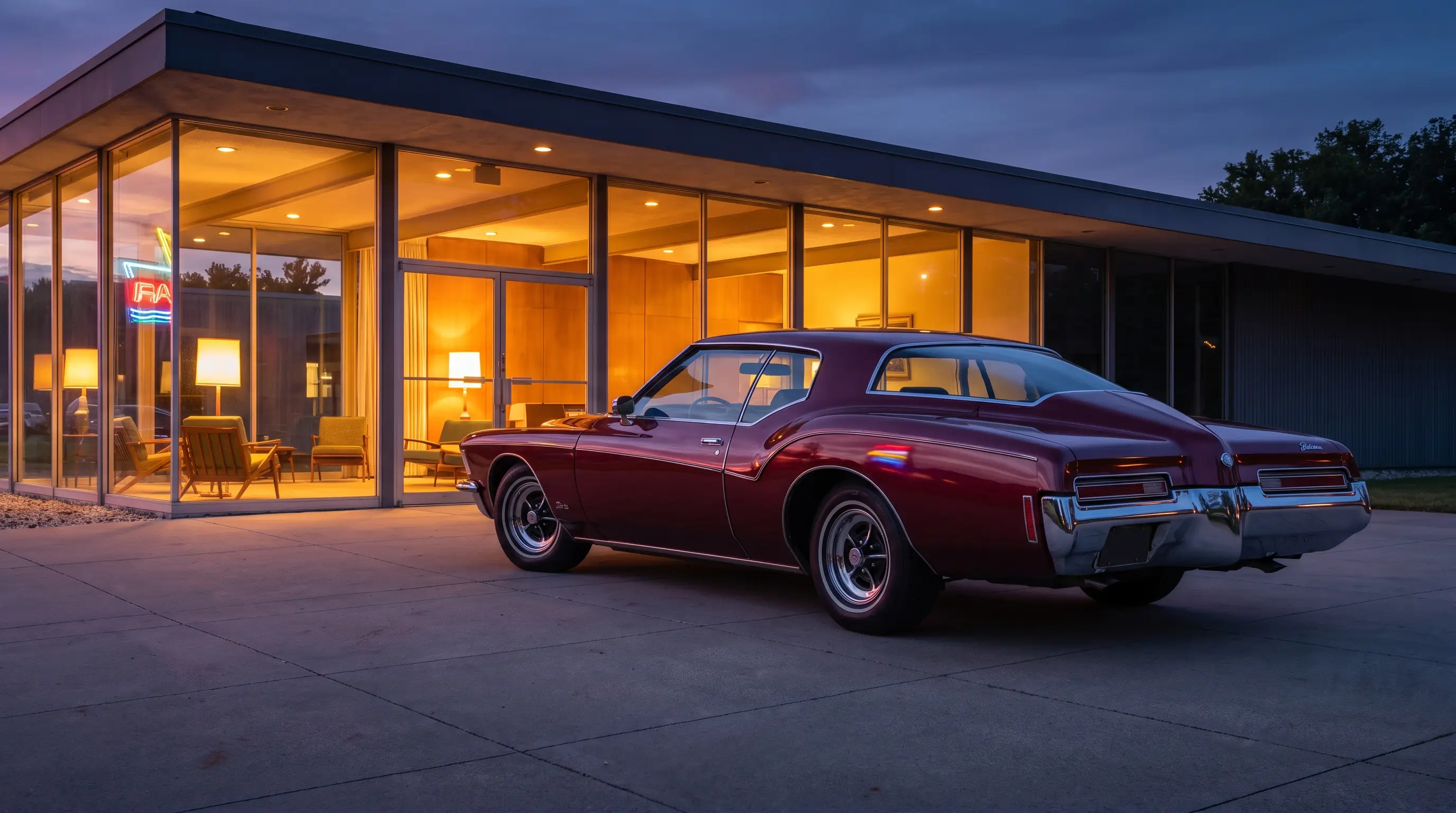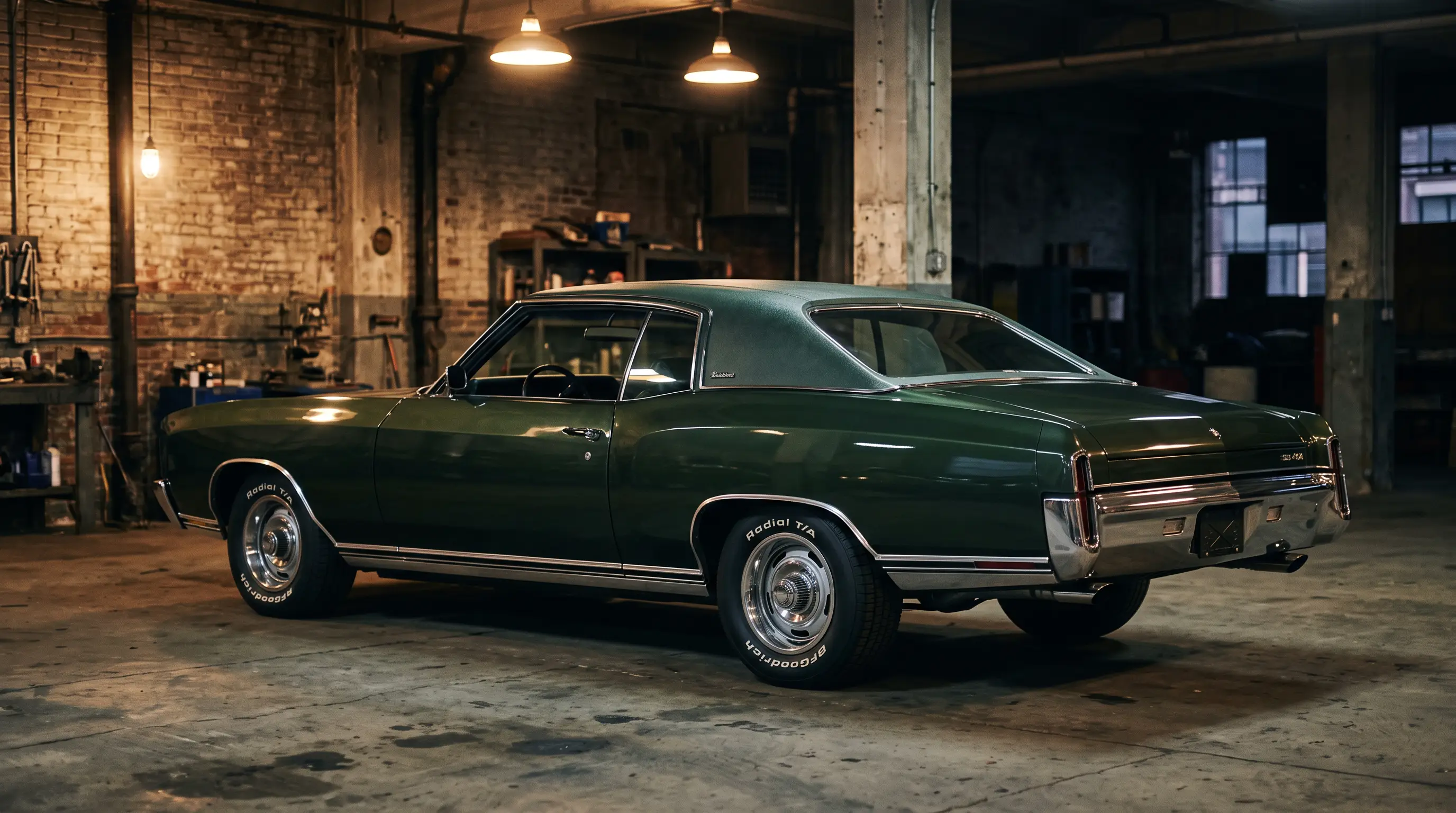
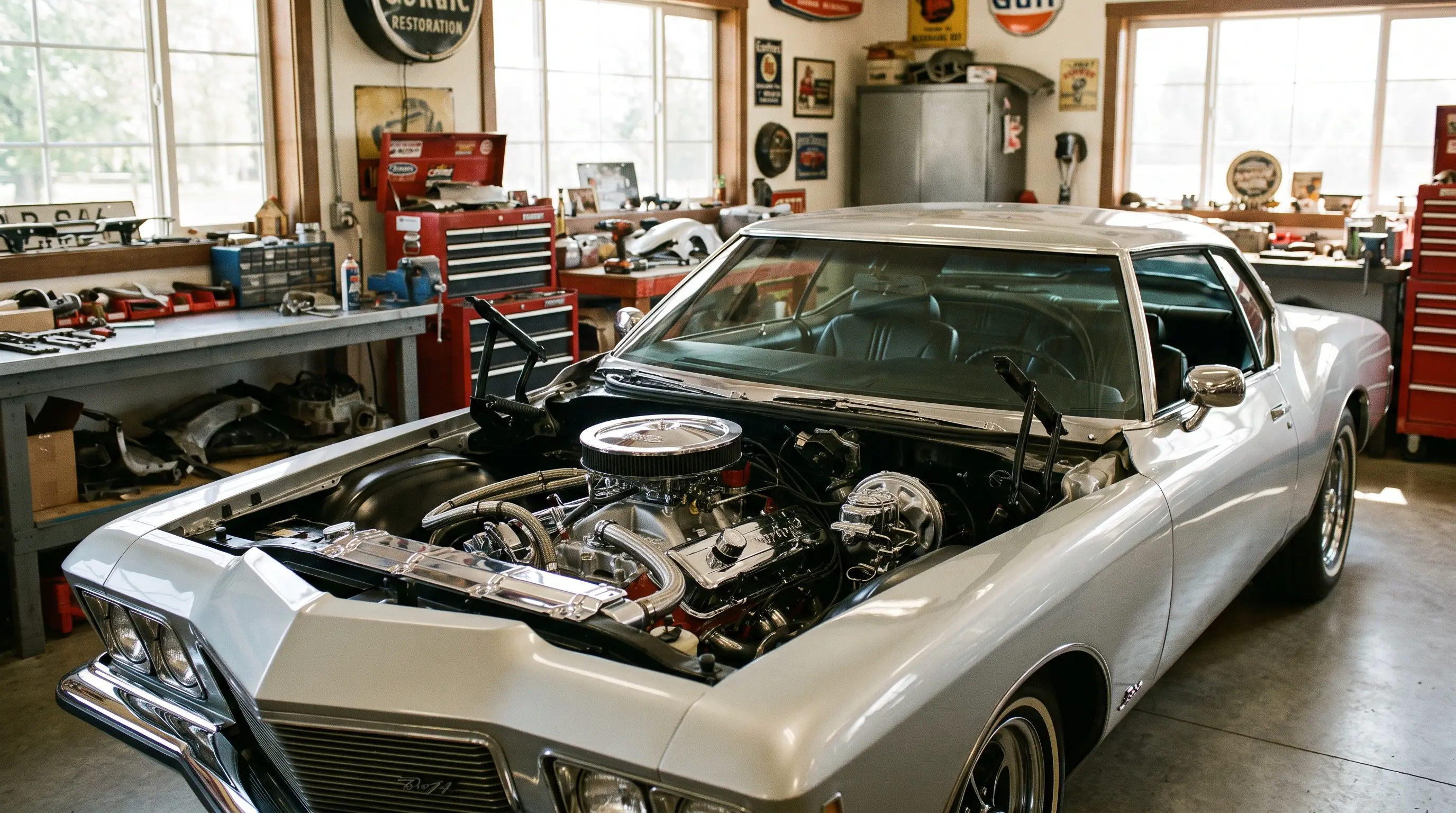
The buick riviera 1971 455 nailhead successor sits under a very long hood, and understanding what it actually is versus what people assume it is clears up one of the more common mix-ups in Buick big block history. This engine is not a nailhead. It replaced the nailhead family entirely, and the distinction matters if you are diagnosing a running issue or sourcing the correct parts for one.
What "nailhead" actually means and why 1971 is different
Buick's nailhead engines, produced from the mid-1950s through 1966, earned their nickname from unusually small valves that looked like nail heads sitting in the cylinder head when you pulled the valve covers. That family was replaced starting in 1967 by an entirely new big block design with conventional valve sizing and a completely different architecture, and it is that later engine family, not the nailhead, that grew into the 455 cubic inch V8 found under the hood of every boat-tail Riviera. Calling the 1971 455 a nailhead successor is accurate in the sense that it is the engine that took over the nailhead's role as Buick's premium big block, but mechanically the two share almost nothing beyond the Buick name on the valve cover.
For the design and market context this engine dropped into, our complete history of the boat-tail generation lays out the rest of the car around it.
Displacement, output, and the SAE rating shift
At 455 cubic inches, this was Buick's largest production V8 and the standard engine across the boat-tail Riviera lineup. Gross horsepower for the base engine in 1971 was rated at 315 hp, with the GS-tuned version rated at 330 gross hp; a distinct "Stage 1" designation for that same GS-tuned engine did not appear on the Riviera until 1973. Torque output was the real story of this engine, with figures well north of 400 lb-ft, which is exactly the kind of low-RPM shove a heavy personal luxury coupe needs to feel effortless rather than strained pulling away from a stop.
Buyers comparing spec sheets across 1971, 1972, and 1973 need to account for the industry-wide switch to SAE net horsepower ratings that took effect for the 1972 model year. A 1972 or 1973 455 quoting a lower number on paper is not necessarily a weaker engine than the 1971 version. It is frequently the same hardware measured by a stricter standard that accounts for accessory drag and exhaust backpressure rather than the more generous gross method used the year before.
Reliability profile and what to watch for
This generation of Buick big block has a reputation among owners as a genuinely durable design when maintained on a normal service schedule, with timing chain wear and carburetor tuning being the most common points that need attention on a car that has sat unused for long stretches. Cooling system condition matters more than most owners expect given the engine's size and the amount of heat it generates under load, so a radiator and water pump in good working order is worth confirming before any test drive rather than assuming factory-original parts are still doing their job after five decades.
Compression dropped across these model years as Buick adjusted for lower-octane fuel requirements heading into the mid-1970s, a change that affected output more than it affected long-term durability. An engine from any of these three boat-tail years, properly maintained, is a genuinely dependable big block by the standards of the era.
Carburetion and induction across the boat-tail years
The base 455 in the boat-tail Riviera ran a four-barrel carburetor as standard equipment throughout the generation, feeding an intake designed for smooth low-RPM response rather than outright top-end breathing. GS-tuned versions of the engine received recalibrated jetting and, in some model years, a different distributor curve to take advantage of the more aggressive camshaft profile. None of this made the engine especially difficult to service by the standards of the era. Buick's big block family was designed around straightforward field maintenance, and most tuning adjustments a home mechanic needed to make were accessible without specialized tools beyond what any well-equipped garage of the early 1970s would have had on hand.
One detail worth knowing for anyone sourcing a rebuild kit is that this 455 shares bore spacing and deck height characteristics with its smaller displacement siblings in the same big block family, which is why machine shops familiar with any Buick engine from this generation, 400, 430, or 455, tend to handle a rebuild competently even without deep Riviera-specific experience.
| Spec | 1971 Riviera 455 |
|---|---|
| Displacement | 455 cubic inches |
| Engine family | Post-1967 Buick big block (nailhead successor) |
| Gross horsepower (base) | 315 hp |
| Rating method after 1971 | Shifted to SAE net for 1972 onward |
"Call it a big block, call it a 455, just do not call it a nailhead. That name belongs to a different engine entirely, and mixing them up leads to buying the wrong rebuild parts."
- Emily Chen
Why the nailhead name persists anyway
Part of the confusion traces back to how casually enthusiasts across different eras use "nailhead" as a general nickname for any older Buick V8, even after the actual nailhead architecture left production in 1966. That loose usage got passed down through decades of casual conversation at swap meets and car shows, long after the technical distinction had faded from common knowledge outside dedicated Buick circles. Add in the fact that Buick never marketed the post-1967 big block under a memorable nickname the way the nailhead earned its own organically, and you get a gap that casual usage filled by simply reapplying the old name to the new engine family.
Serious Buick people correct this distinction gently and often, because getting the engine family right matters practically, not just as pedantry. A shop quoting you nailhead-specific parts or machining specs for what is actually a post-1967 big block is quoting you the wrong job entirely.
The confusion even shows up in casual listing descriptions today, where a seller will advertise a "nailhead 455" without realizing the two terms describe engines from different decades that never shared a production run. A buyer who catches that mistake in a listing gains a small but useful signal about how carefully the rest of the ad was researched. It is rarely a dealbreaker on its own, but it is worth a follow-up question before assuming the seller has the car's mechanical history straight.
Why the correct engine identity matters when buying
Getting this engine family straight matters for a very practical reason: parts interchange, machine shop specifications, and rebuild kits are all specific to the post-1967 big block architecture, not the older nailhead. A seller or parts catalog that conflates the two can send you chasing components that will not fit or perform correctly. When you are evaluating browse classic Riviera listings for a boat-tail car, confirm the engine's casting numbers match the correct 455 big block family before assuming anything about condition or originality from the seller's description alone.