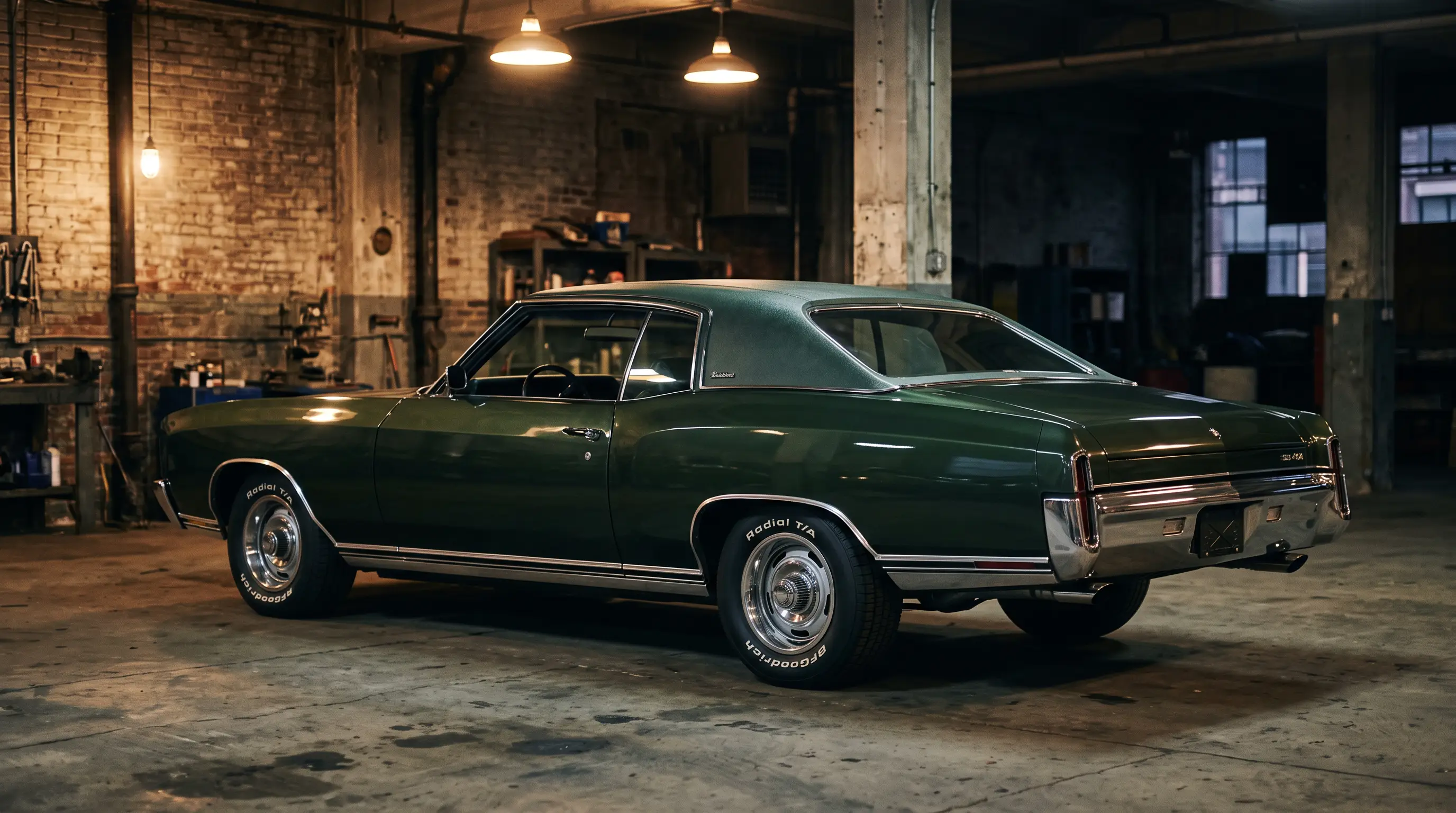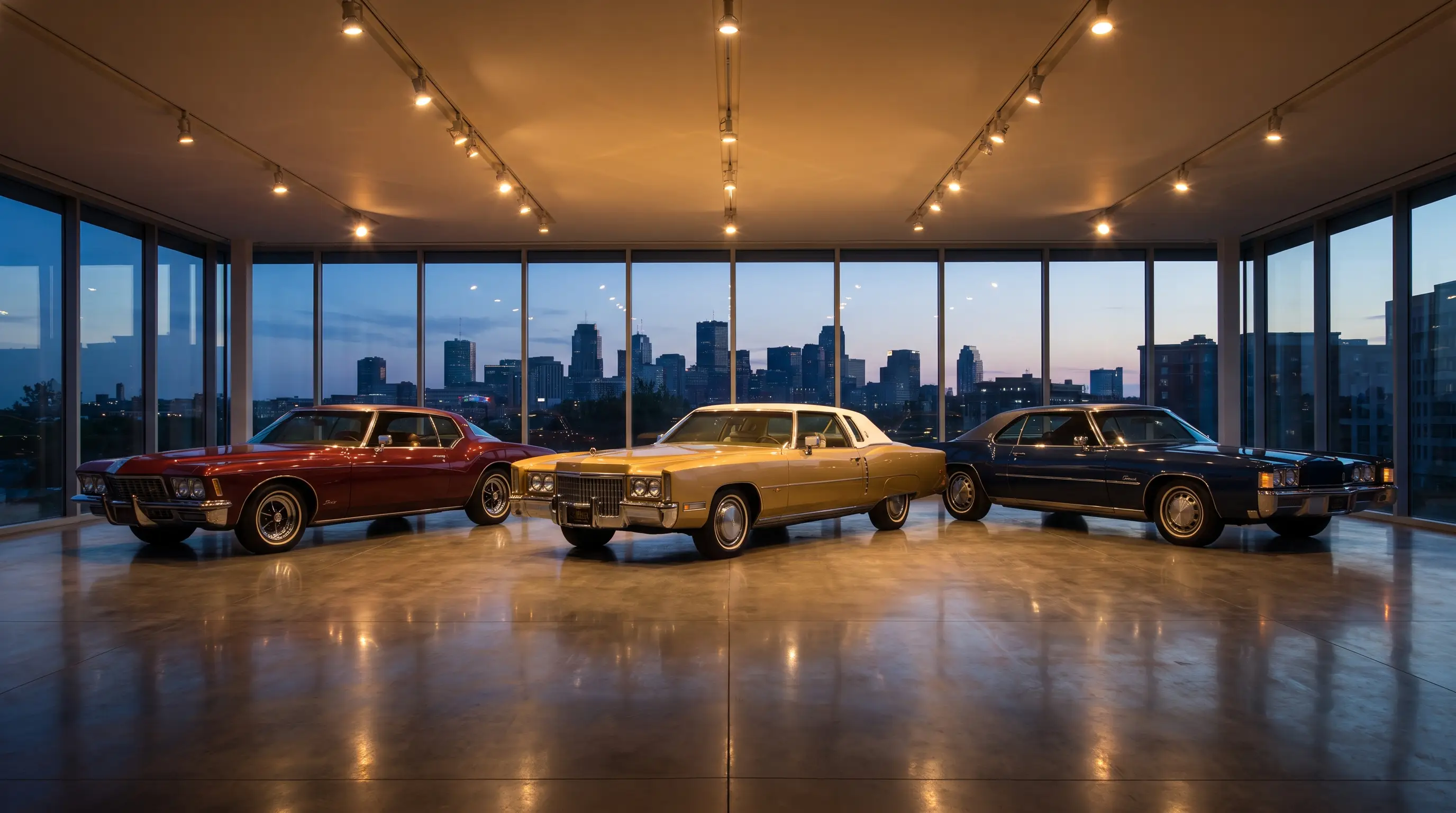
The buick riviera 1971 vs eldorado toronado comparison is really a story about three divisions inside the same corporation solving the identical brief, a personal luxury coupe for the new decade, in three genuinely different ways. General Motors let Buick, Cadillac, and Oldsmobile each answer that brief on their own terms, and the results tell you a great deal about how each division saw its own customer.
Three cars, one corporate brief, three architectures
Cadillac's Eldorado and Oldsmobile's Toronado shared the E-body platform and its front-wheel drive layout, an unusual engineering choice for a large American coupe of this era and one that gave both cars a distinctive flat floor and a driving character unlike almost anything else on the road. The Riviera, despite competing directly against both cars in the same showrooms for the same buyer's money, stayed on a separate, rear-wheel drive platform. For the design story behind that decision, 1971 buick riviera history covers how Buick arrived at the boat-tail shape on that traditional layout.
That split matters more than a footnote. It means a shopper cross-referencing all three cars in 1971 was not just choosing a badge and a design language. They were choosing between two genuinely different approaches to putting power to the pavement, one novel and front-driven, one traditional and rear-driven, wrapped in three very different styling languages.
Styling as brand statement
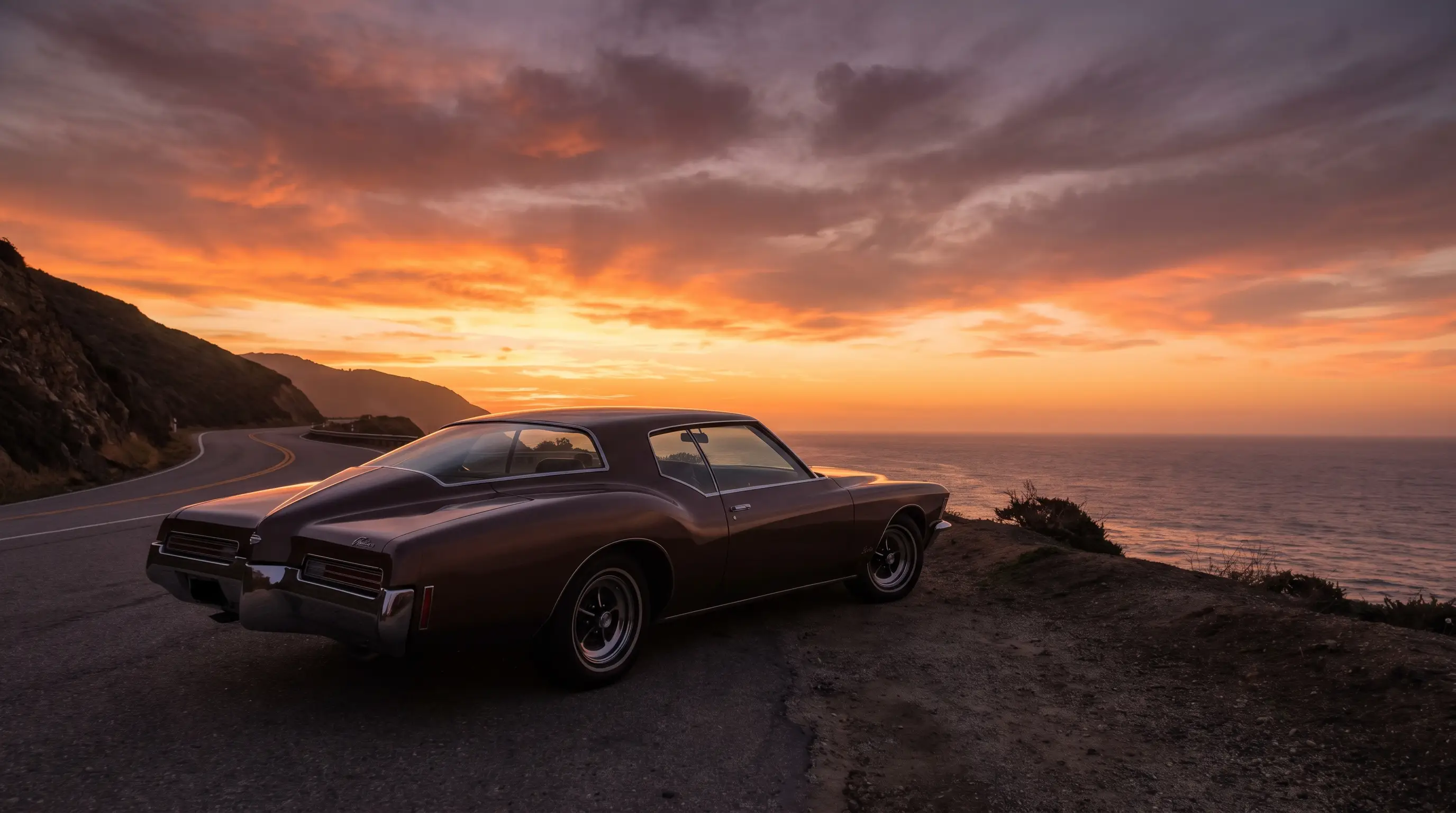
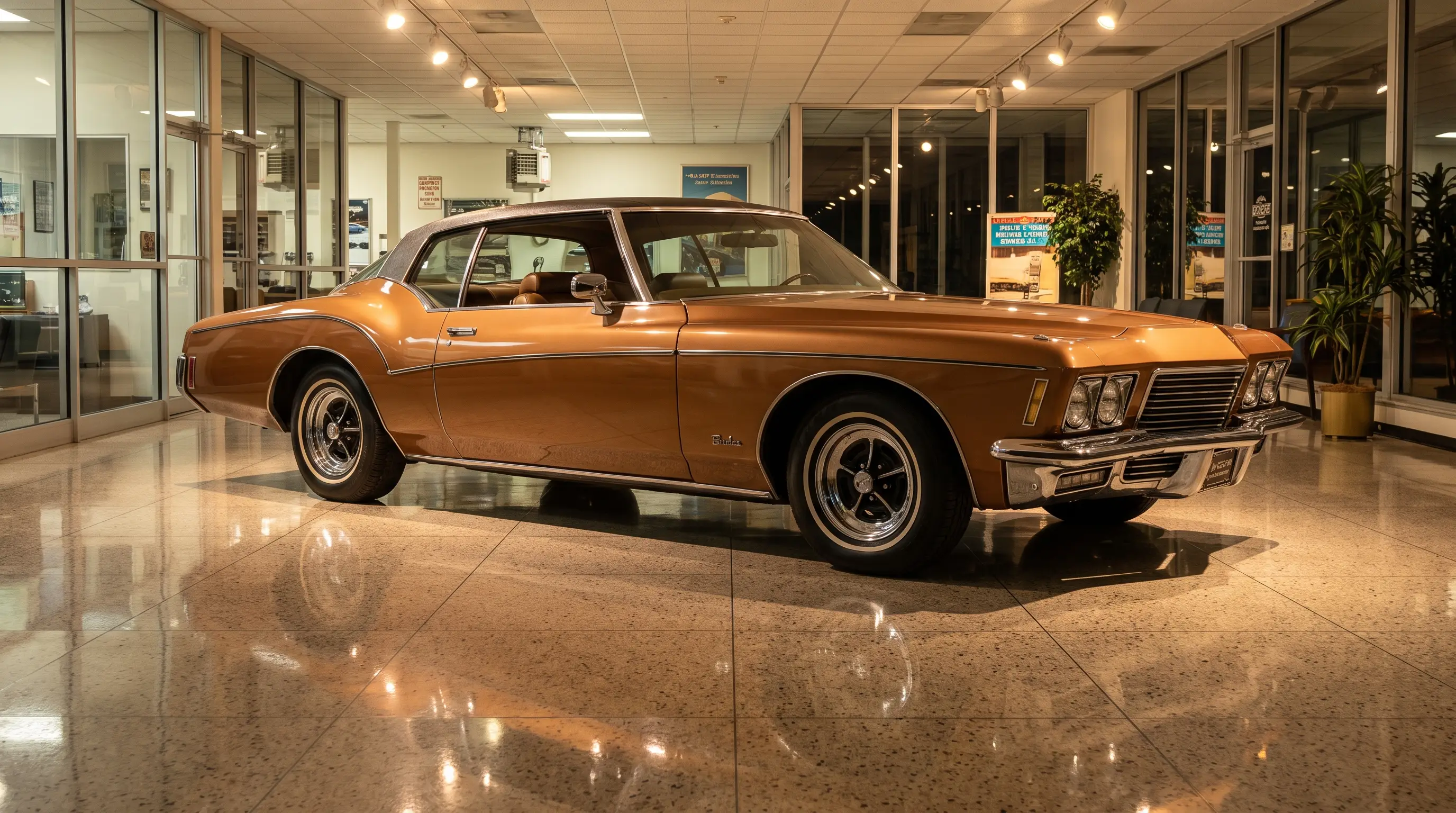
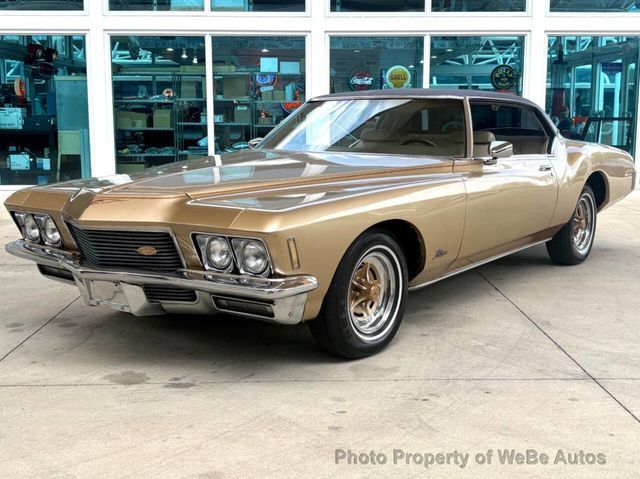
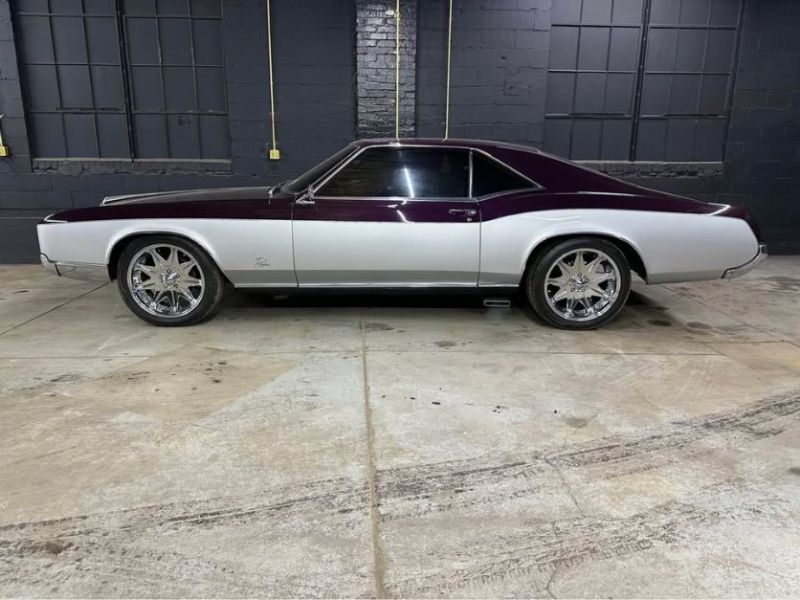
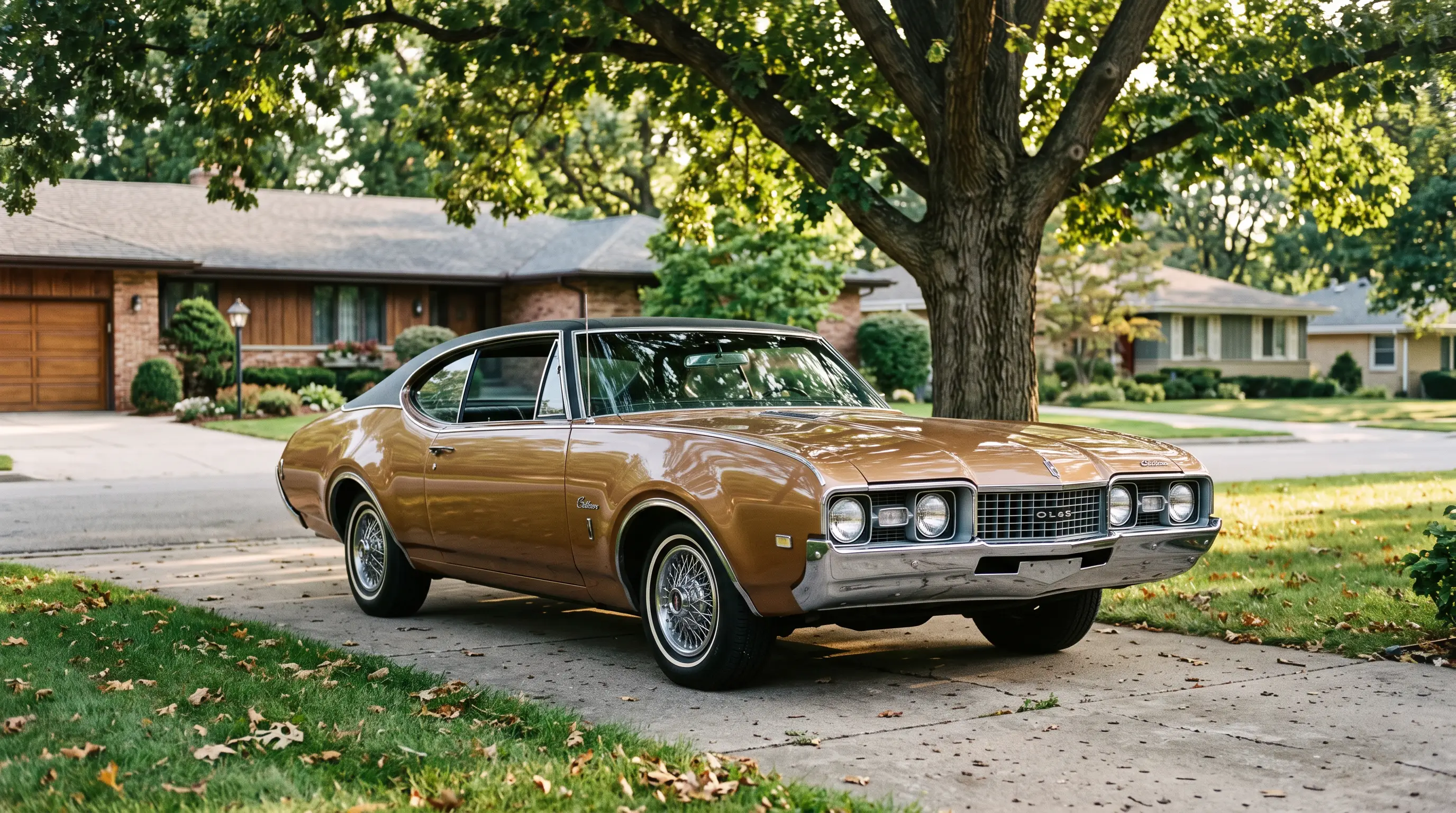
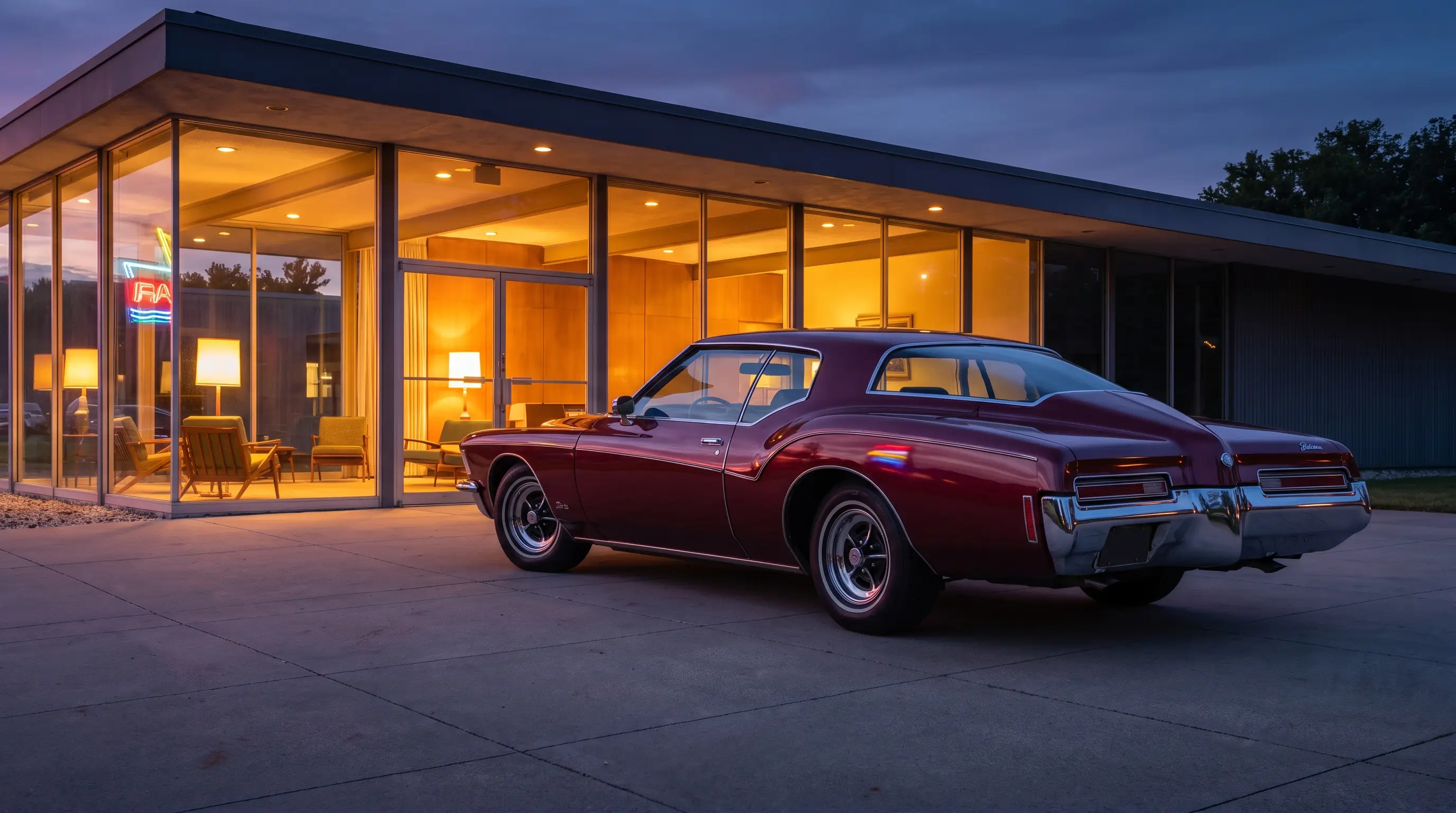
Cadillac's Eldorado for this generation carried a more conservative, formal front end befitting the brand's flagship status, with the convertible variant carrying particular prestige. The Toronado leaned into a bold, slab-sided design with hidden headlamps that had defined the nameplate since its 1966 debut. The Riviera took the biggest styling risk of the three, wrapping its rear-wheel drive chassis in the dramatic tapered boat-tail deck lid and fastback rear window that made the car instantly recognizable and, as covered in a related story, genuinely controversial with buyers who found the look strange rather than striking.
None of the three divisions played it entirely safe, but Buick clearly gambled the hardest on styling alone carrying the sale.
Where each car actually won buyers
Cadillac's badge alone carried enormous weight in this segment regardless of styling risk, and the Eldorado's sales generally outpaced both competitors through this era on brand strength as much as anything else. The Toronado's front-wheel drive layout appealed to buyers genuinely curious about the engineering novelty, and Oldsmobile marketed that difference aggressively. The Riviera's pitch rested most heavily on styling distinctiveness and, for buyers who wanted it, the option of a genuinely quick GS package layered onto that traditional rear-drive chassis. Buick's positioning worked for a specific customer, someone who wanted to stand out visually and did not mind a more traditional drivetrain underneath, but it was a narrower pitch than Cadillac's badge prestige or Oldsmobile's engineering novelty story.
Ownership experience today: three different maintenance realities
Anyone shopping across all three of these cars now needs to reckon with genuinely different mechanical realities rather than treating them as interchangeable badges from the same design era. Front-wheel drive E-body maintenance on an Eldorado or Toronado involves a transmission and differential arrangement unlike almost anything else built in Detroit at the time, which means specialized knowledge and, in some cases, harder to source parts for that specific drivetrain layout. A Riviera owner, by contrast, is working with a more conventional rear-wheel drive arrangement that shares more parts and more mechanic familiarity with mainstream Buick full-size cars of the same period.
That practical difference does not make one car objectively better than the others. It does mean the decision between them should weigh mechanical ownership experience as heavily as which styling language speaks to you. A buyer who wants the novelty and engineering conversation piece of front-wheel drive should lean toward the Toronado or Eldorado. A buyer who wants a more traditional ownership experience wrapped in the boldest styling of the three should be looking at the Riviera.
Interior comparison across the three coupes
Cadillac's cabin leaned into a more formal, upright presentation consistent with the brand's flagship positioning, generally offering the most extensive standard luxury features of the trio. Oldsmobile's Toronado interior matched its exterior boldness with a similarly confident dashboard design. The Riviera's cockpit-oriented dash, discussed at length elsewhere in this cluster's coverage of the car's cabin, split the difference: distinctive without Cadillac's formality, driver-focused without the Toronado's particular flourishes. None of the three disappointed a period buyer expecting genuine luxury appointments for the money, which is exactly why this comparison remains a genuinely close call rather than an easy pick for either critics or collectors today.
| Model | Drivetrain | Styling identity |
|---|---|---|
| Cadillac Eldorado | Front-wheel drive | Formal, prestige-focused |
| Oldsmobile Toronado | Front-wheel drive | Bold, hidden headlamps, novelty engineering |
| Buick Riviera | Rear-wheel drive | Boat-tail taper, most divisive styling of the three |
"Three divisions, one brief, three completely different bets on what a luxury coupe buyer actually wanted. That is corporate engineering at its most interesting."
- Tom Ramirez
Pricing at auction: how the three actually compare now
Auction results across recent years generally show the Eldorado convertible commanding the strongest prices of the trio, a reflection of open-top desirability and Cadillac's enduring badge premium more than any inherent superiority in the coupe versions. Toronado values have historically trailed both competitors, in part because the design's front-wheel drive novelty never fully translated into the same collector demand that its styling boldness might suggest. The Riviera, particularly the more dramatic 1971 and 1972 boat-tail cars and especially any well-documented GS 455, has closed much of that gap in recent years as collector attention has shifted toward appreciating the styling risk Buick took rather than penalizing it.
None of these three cars is a poor value proposition today. Each rewards a buyer who understands what made their specific division's approach distinctive rather than treating all three as interchangeable examples of the same personal luxury coupe formula.
Parts availability plays into that pricing gap as much as raw demand does. The Eldorado benefits from Cadillac's larger production runs and a wider aftermarket support network built up over decades of collector attention. The Toronado, despite its smaller collector following, shares enough E-body hardware with the Eldorado that sourcing mechanical parts is more manageable than the styling's obscurity might suggest. The Riviera sits in a slightly different position: body-specific trim and the unique boat-tail rear glass are the hard parts to find, while the mechanical side draws on the much broader pool of full-size Buick components built across the same years.
Insurance and financing considerations also differ meaningfully across the three, since agreed-value collector policies tend to price against recent auction comparables specific to each nameplate rather than treating this trio as a single interchangeable category. A buyer financing a purchase should get an actual quote against the specific car and year rather than assuming one division's numbers apply evenly across all three.
What this comparison means for collectors today
Shopping these three cars now means shopping three genuinely different ownership experiences, not just three badges from the same era. Front-wheel drive E-body maintenance and parts sourcing differ meaningfully from what a rear-drive Riviera owner deals with, and that distinction should factor into your decision as much as which styling appeals to you personally. If the Riviera's boat-tail shape and traditional drivetrain is the direction you are leaning, Rivieras for sale now gives you a place to start comparing actual cars against everything covered here.