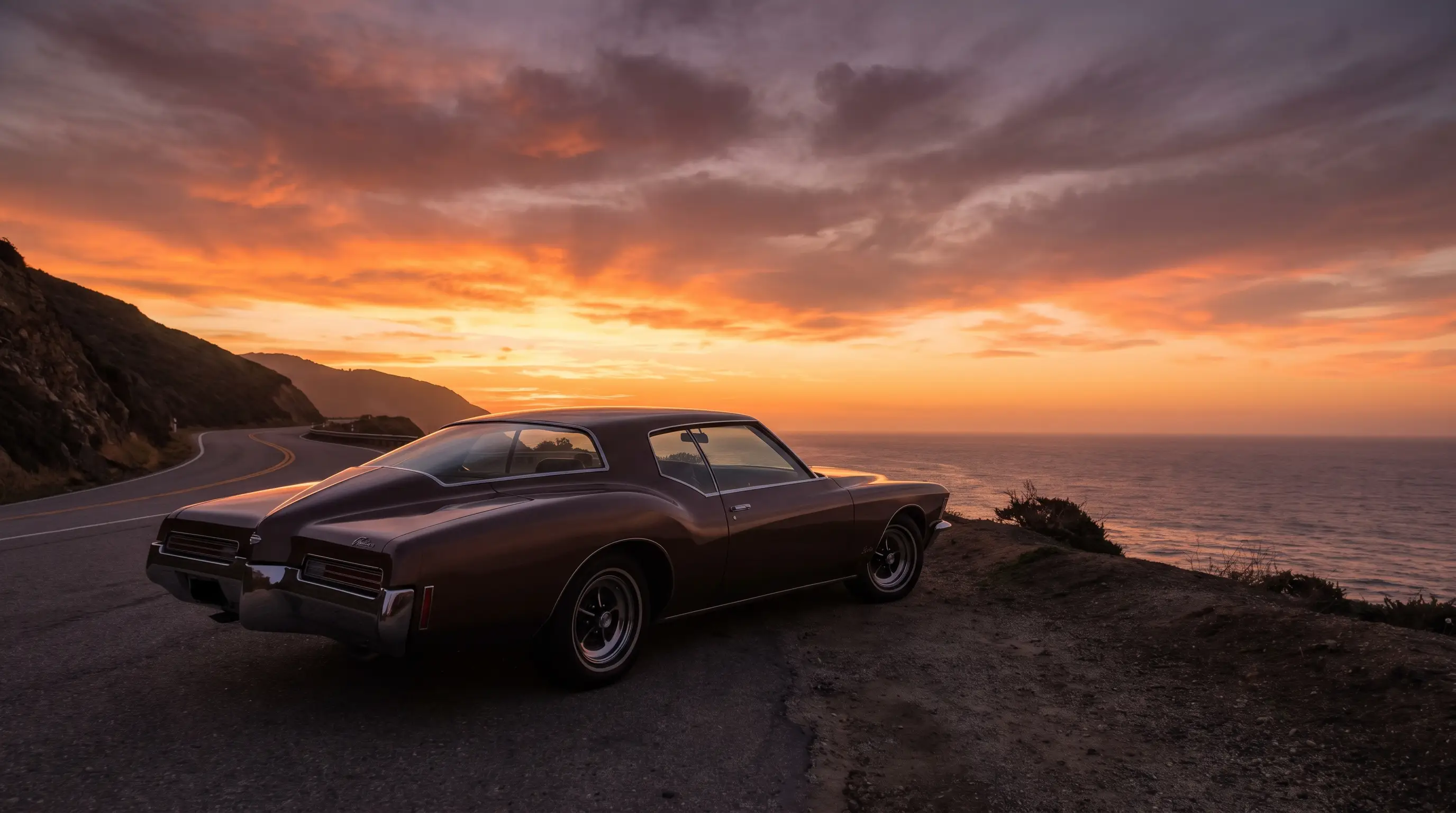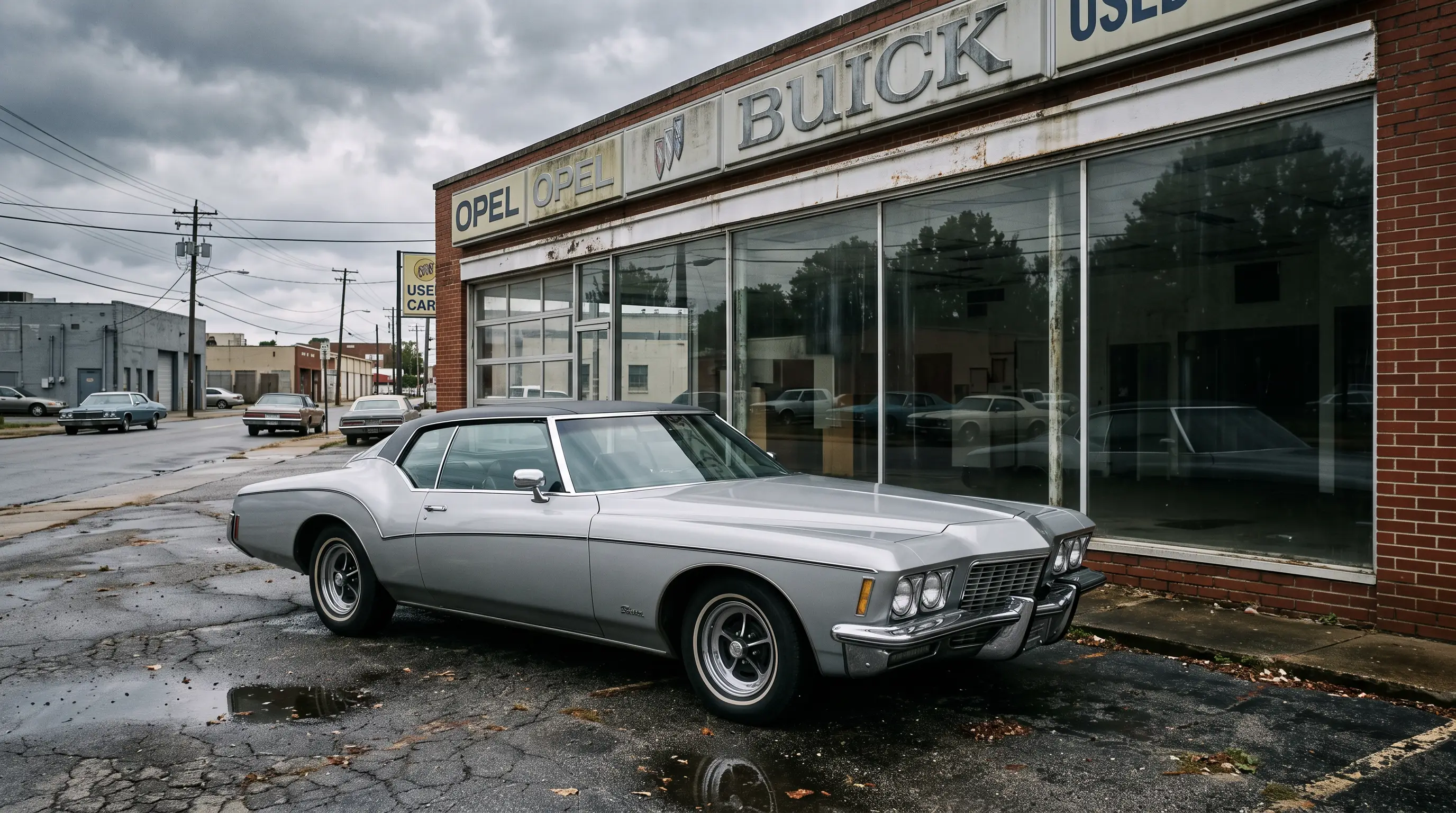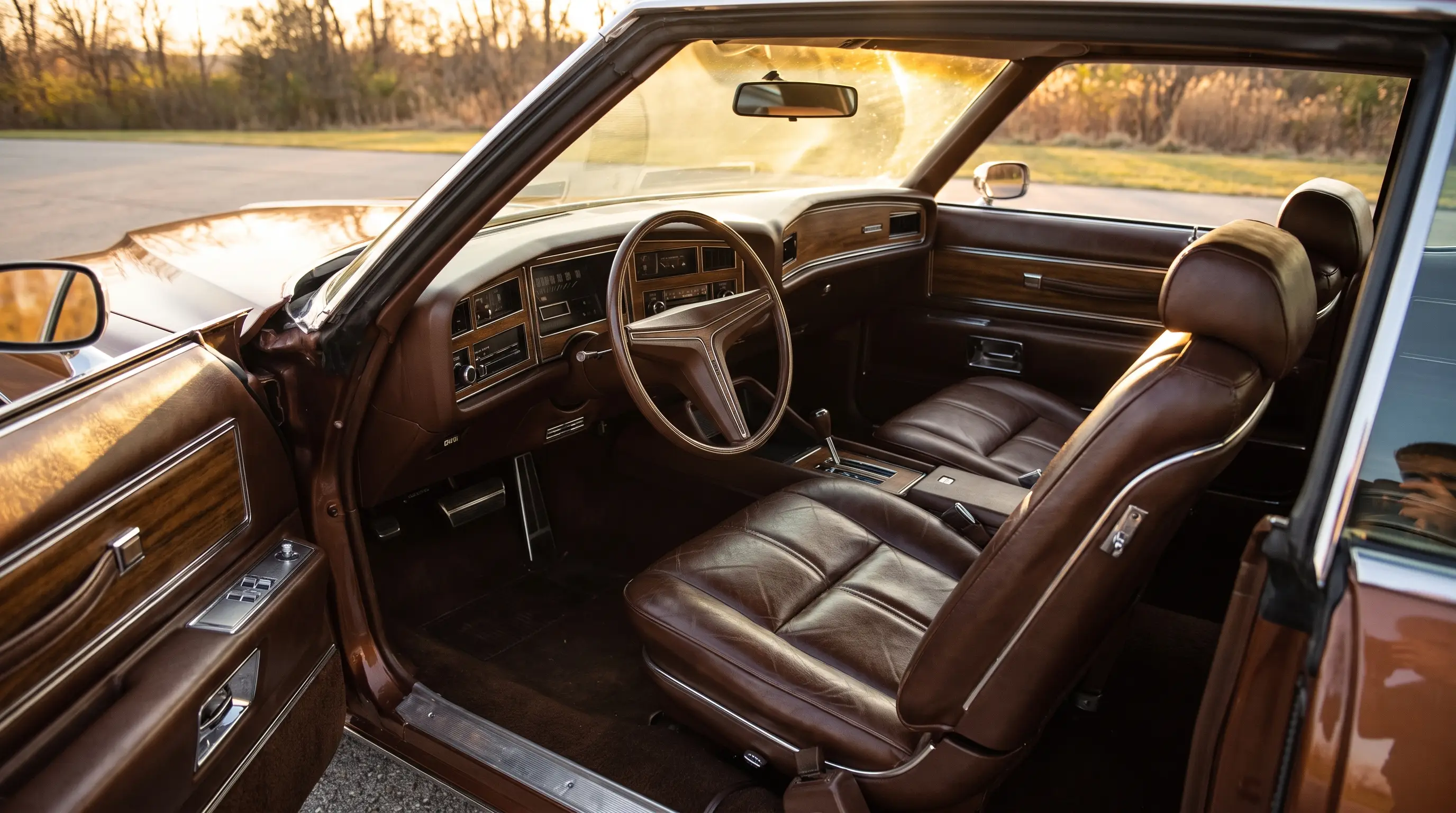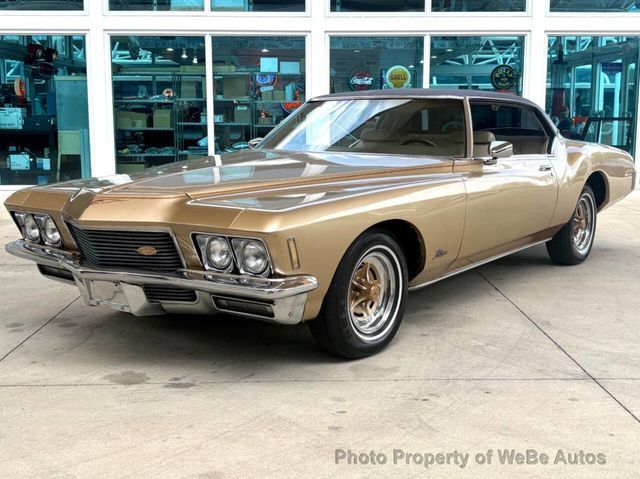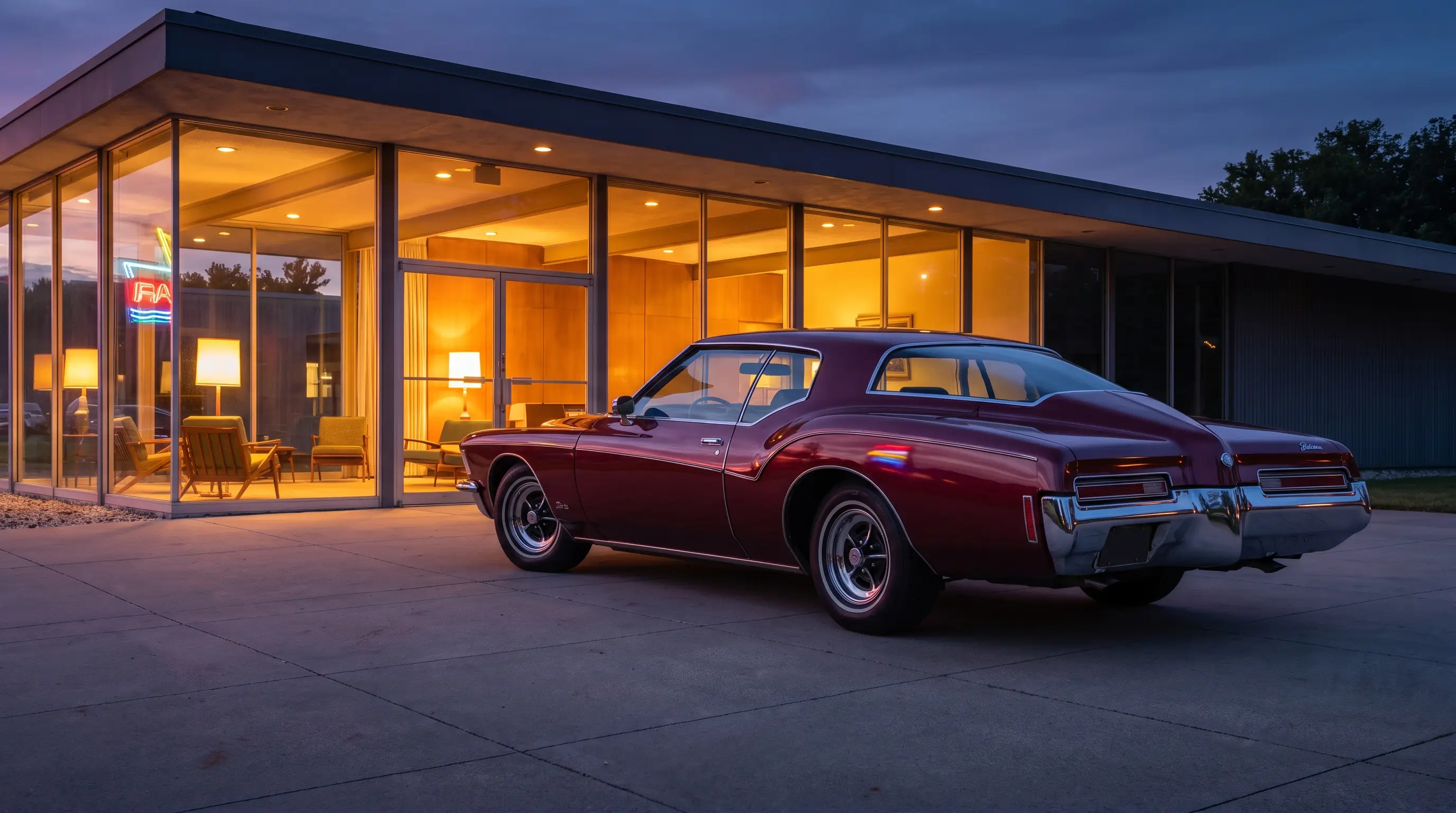
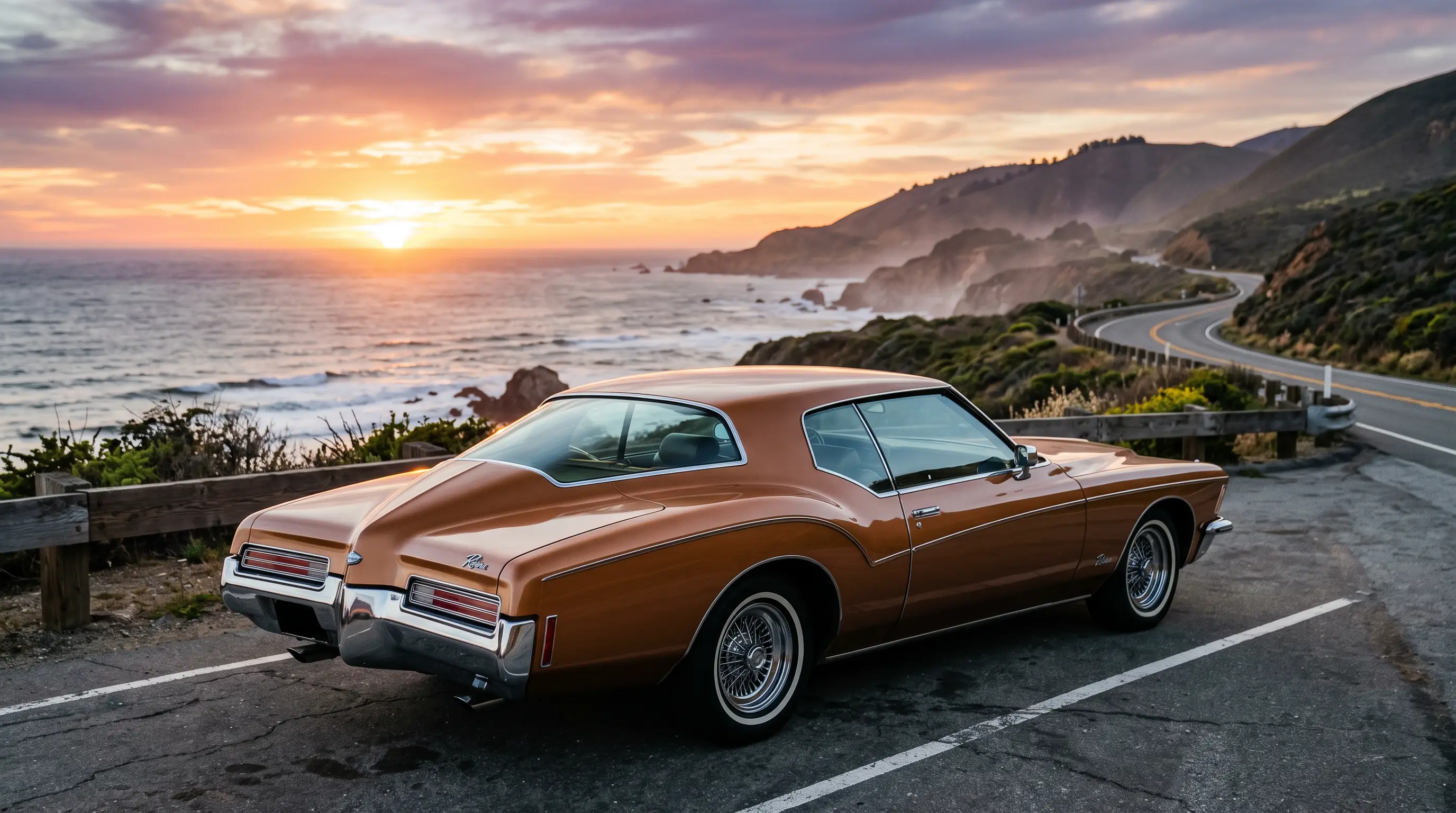
The buick riviera 1971 full size shift is the moment this nameplate stopped being the trim, tight coupe it was born as and became something closer to a full-size personal luxury cruiser. As an artifact of its era, the 1971 Riviera tells you exactly what General Motors believed a premium coupe buyer wanted at the start of the 1970s, and that belief was bigger, longer, and more dramatically styled than anything Buick had built under this name before.
From E-body cousin to its own platform
The original 1963 Riviera and the generations that followed through 1970 shared architecture with GM's other personal luxury coupes to varying degrees, staying relatively compact and tightly proportioned for the segment. For 1971, Buick moved the Riviera onto a larger platform related to the corporation's full-size B-body architecture, stretching the wheelbase to 122 inches and adding significant length and width over the outgoing car. This was a deliberate repositioning, not an accident of engineering. Buick wanted the Riviera to compete more directly against the growing full-size luxury coupe segment rather than remaining a smaller, sportier alternative. For the complete design story behind that decision, the 1971 buick riviera story covers how the boat-tail shape itself came together on this new architecture.
Rear-wheel drive, on purpose
What makes this shift particularly interesting from a research standpoint is what Buick chose not to change. General Motors' other personal luxury flagships of the period, the Cadillac Eldorado and Oldsmobile Toronado, had already moved to front-wheel drive on the E-body platform. The Riviera stayed rear-wheel drive on its new, larger architecture, a deliberate divergence that kept the car mechanically closer to Buick's traditional big-car engineering even as its size and presence grew to match its front-drive stablemates. That choice shaped the driving character of every boat-tail Riviera: a traditional live rear axle and a long hood over a conventional drivetrain layout, rather than the transverse-mounted approach of its GM cousins.
What the bigger footprint meant for buyers
The full-size shift brought real, tangible benefits inside the car. Interior space grew substantially over the previous generation, rear seat room improved, and trunk capacity, at least before the tapered boat-tail deck lid trimmed some of it back, expanded as well. Ride quality on the longer wheelbase became noticeably smoother, more in line with what a personal luxury buyer expected for long-distance highway comfort. This was Buick answering a real market signal: buyers wanted more car for their money in this segment, and the compact-by-comparison Riviera of the late 1960s was giving up ground to bigger, more imposing competitors.
The tradeoff, well documented in period road tests, was a car that handled with more heft and less of the tighter, more nimble character that had defined earlier Rivieras. This was the expected cost of the shift, and Buick's engineers accepted it as the price of the repositioning. For the broader arc of the nameplate across every generation, the full story traces how this 1971 pivot fits into the Riviera's entire production history.
Reading the shift as a document of its time
Treating the 1971 Riviera as a historical artifact rather than just a car, the full-size shift reads as Buick's response to broad industry momentum toward bigger personal luxury coupes across the early 1970s. Nearly every domestic manufacturer's flagship coupe grew during this period, and the Riviera's transformation was consistent with, rather than an outlier from, that pattern. What sets the boat-tail cars apart within that broader trend is the styling boldness Buick layered on top of the size increase, a combination that made the 1971-73 Riviera visually distinct even among a field of cars that were all growing in similar directions.
Frame and suspension carryover from the traditional Buick approach
Underneath the new dramatic bodywork, the 1971 Riviera used a full perimeter frame construction consistent with Buick's approach to its larger cars, rather than any of the unibody or front-drive-specific architecture GM had developed for the E-body platform. Front suspension remained a conventional coil-spring and control-arm setup, with a solid rear axle and coil springs handling the back end, the same basic layout Buick engineers understood well from decades of full-size car production. That familiarity mattered for reliability. Buick was not asking its engineers to master an entirely new drivetrain layout at the same time it was asking its designers to gamble on the boldest shape the division had produced in years.
This conservative mechanical foundation under a radical body is part of why the boat-tail generation has aged well from a maintenance standpoint. Parts commonality with other full-size Buicks of the same years, in braking, steering, and suspension components, remains genuinely useful for anyone keeping one of these cars on the road today, even though certain body-specific trim and sheet metal pieces are unique to the Riviera alone.
How the shift changed the car's presence on the road
Beyond the numbers, the 1971 full-size shift changed how this car occupied space and how other drivers perceived it. A Riviera from 1970 or earlier reads as a substantial but proportionate coupe. The 1971 redesign gave the car genuine road presence, a long hood and a commanding stance that put it visually in the same conversation as the biggest personal luxury coupes on sale anywhere in the country that year. That physical presence, independent of the styling debate over the tapered rear deck, is part of what made this generation memorable even to people who never formed an opinion about the boat-tail nickname at all.
| Generation | Platform character |
|---|---|
| 1963-1970 Riviera | Compact, tightly proportioned personal luxury coupe |
| 1971-1973 Riviera | Full-size platform, 122-inch wheelbase, rear-wheel drive |
| Eldorado/Toronado, same era | Front-wheel drive E-body platform |
"The boat-tail shape gets all the attention, but the real story underneath it is a Buick that chose to stay rear-wheel drive while its own siblings went front-drive. That is the detail a concours judge checks first."
- Sarah Whitfield
Why the shift still matters to collectors
Understanding the 1971 full-size shift changes how you should evaluate a car in a listing today. A boat-tail Riviera should ride, steer, and feel like a traditional rear-drive big Buick underneath its dramatic skin, not like its front-drive GM cousins. If a seller's description conflates the mechanical layout with an Eldorado or Toronado, that is worth a follow-up question before you view the car. Buyers researching classic Rivieras on the market today benefit from knowing exactly which platform decisions carried over from this 1971 redesign and which did not.
Sources and notes
- Ate Up With Motor: Das Boattail, 1971-1973 Buick Riviera
- Wikipedia: Buick Riviera
- Indie Auto: Why wasn't the 1971 boat-tail Riviera shrunk to compact size
- Mac's Motor City Garage: Bill Mitchell's Dreamboat, the 1971 Buick Riviera
- MotorCities: The 1971-73 Buick Rivieras Offered Great Boattail Designs