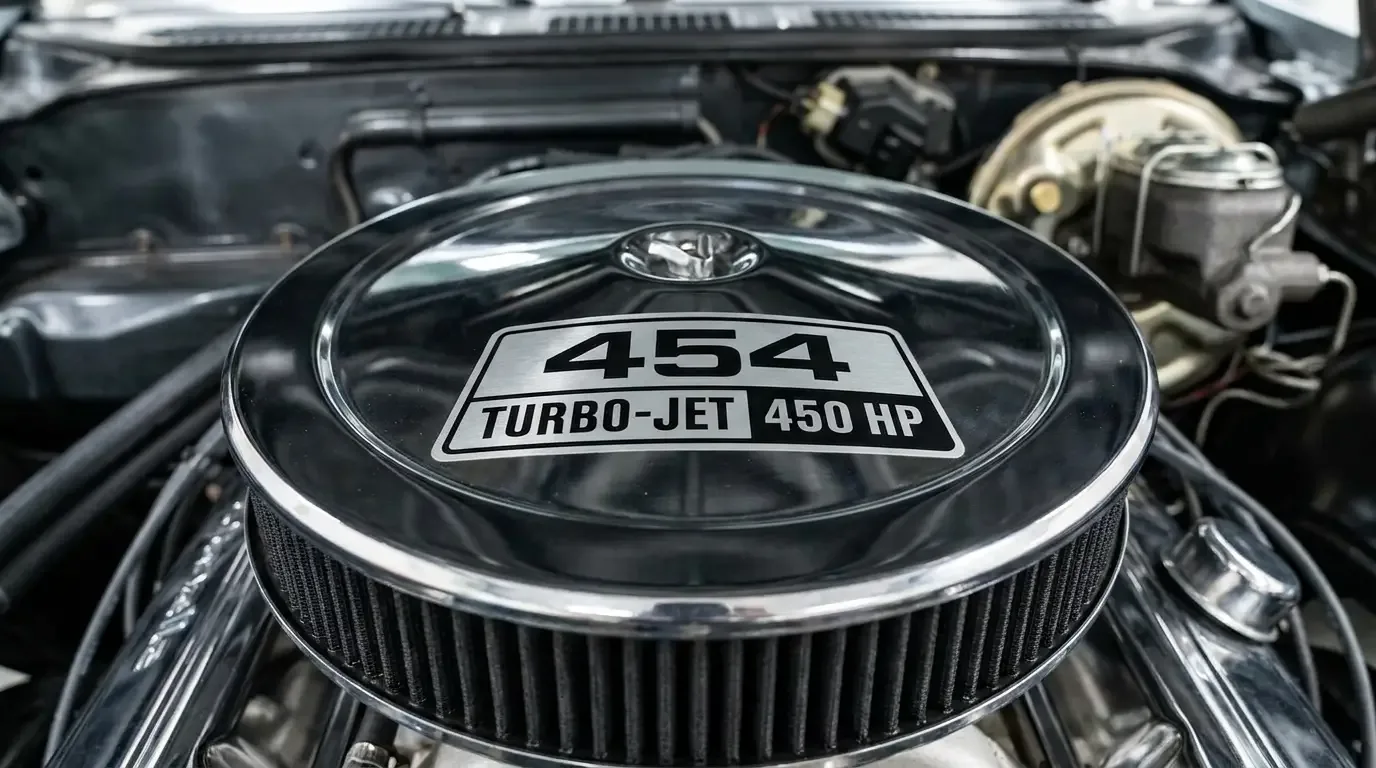
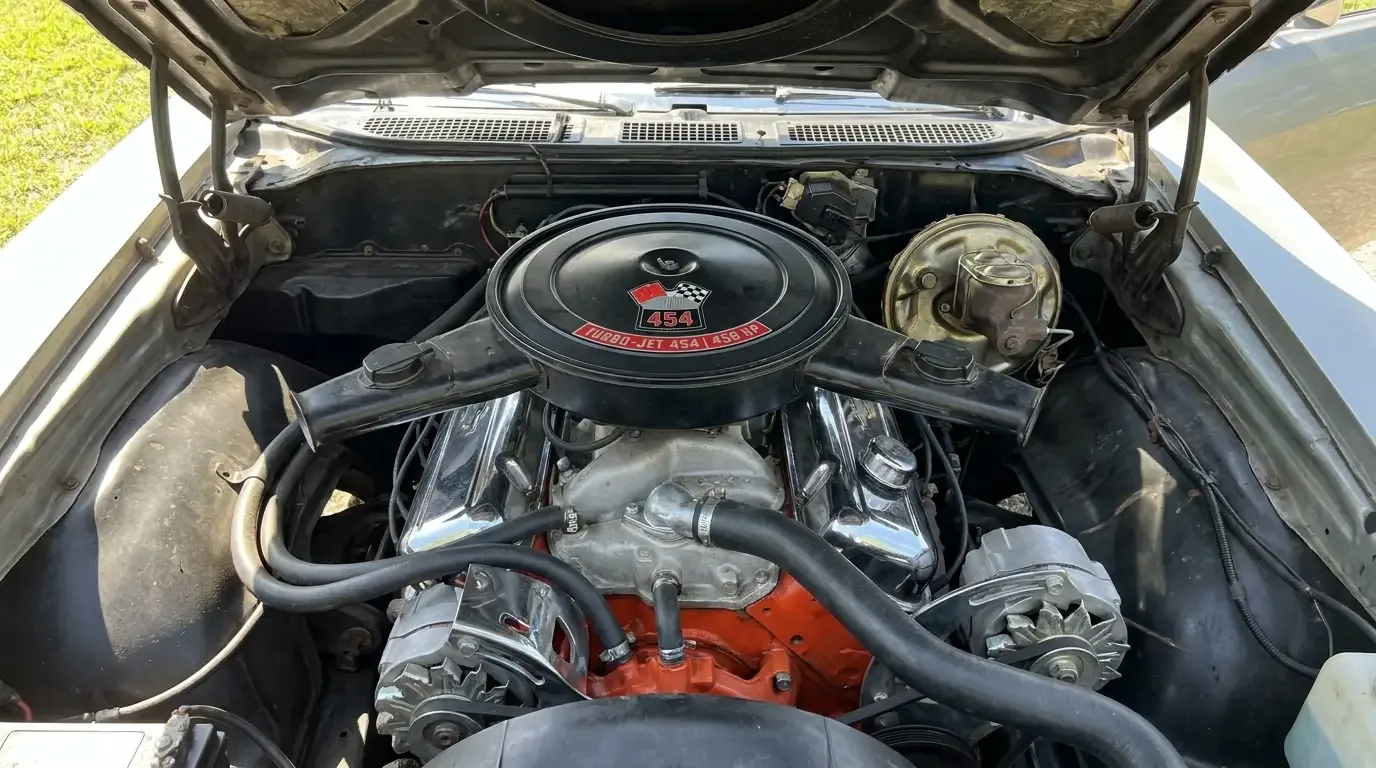
Four hundred fifty horsepower. That's the number everybody quotes, and it's the number that gets an LS6 454 Chevelle sold before the ad even goes up. I've had this engine on the dyno more than once over the years, in more than one build, and I'll tell you the same thing I tell anybody who calls me about theirs: the number on the fender tag is a starting point, not a verdict. What the LS6 actually did, and how it did it, is a better story than the tag alone.
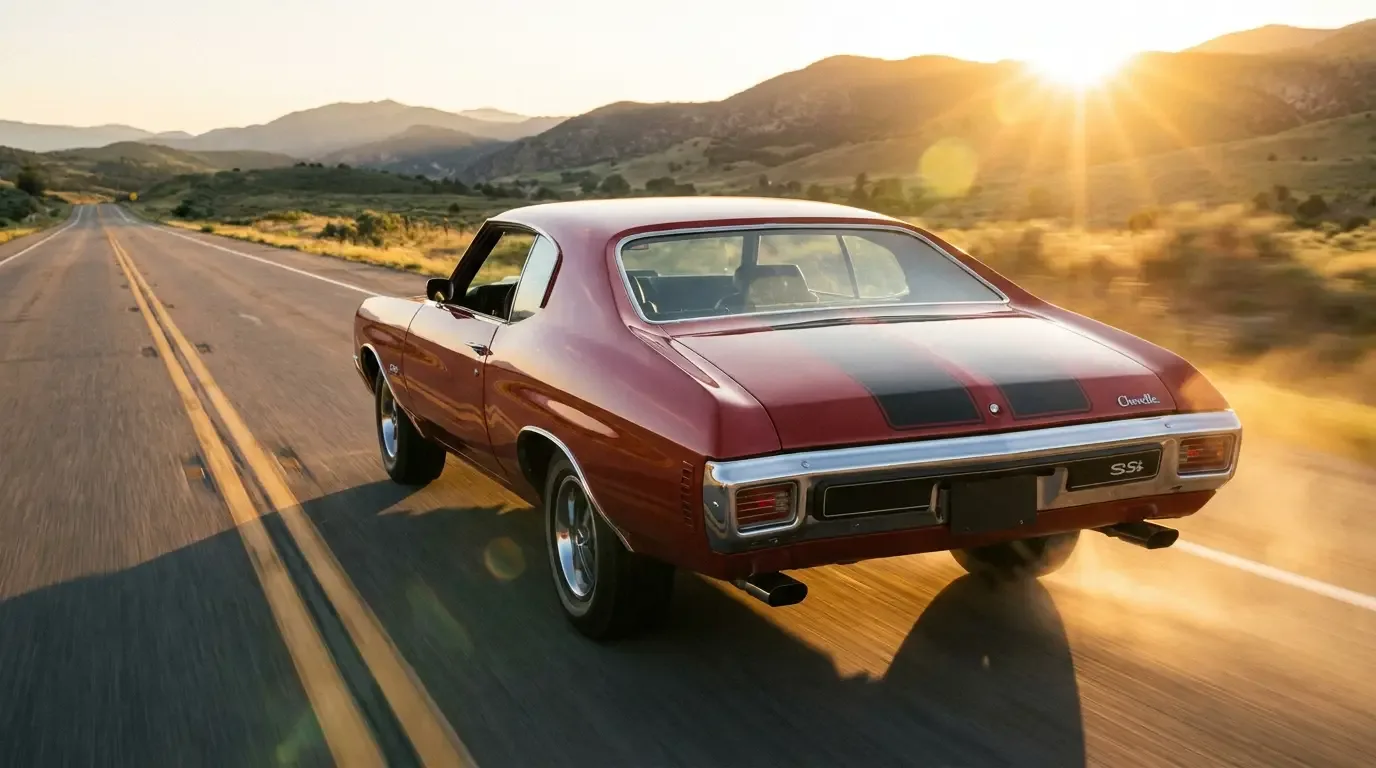
This wasn't a mild big block with a fancy name stamped on a valve cover. Chevrolet built the LS6 to be the biggest hammer in the regular-production catalog, and for one model year it lived in the Chevelle SS454. Everything else in the muscle car world at that price point was posturing. This one had the compression, the cam, and the carburetor to back the number up.
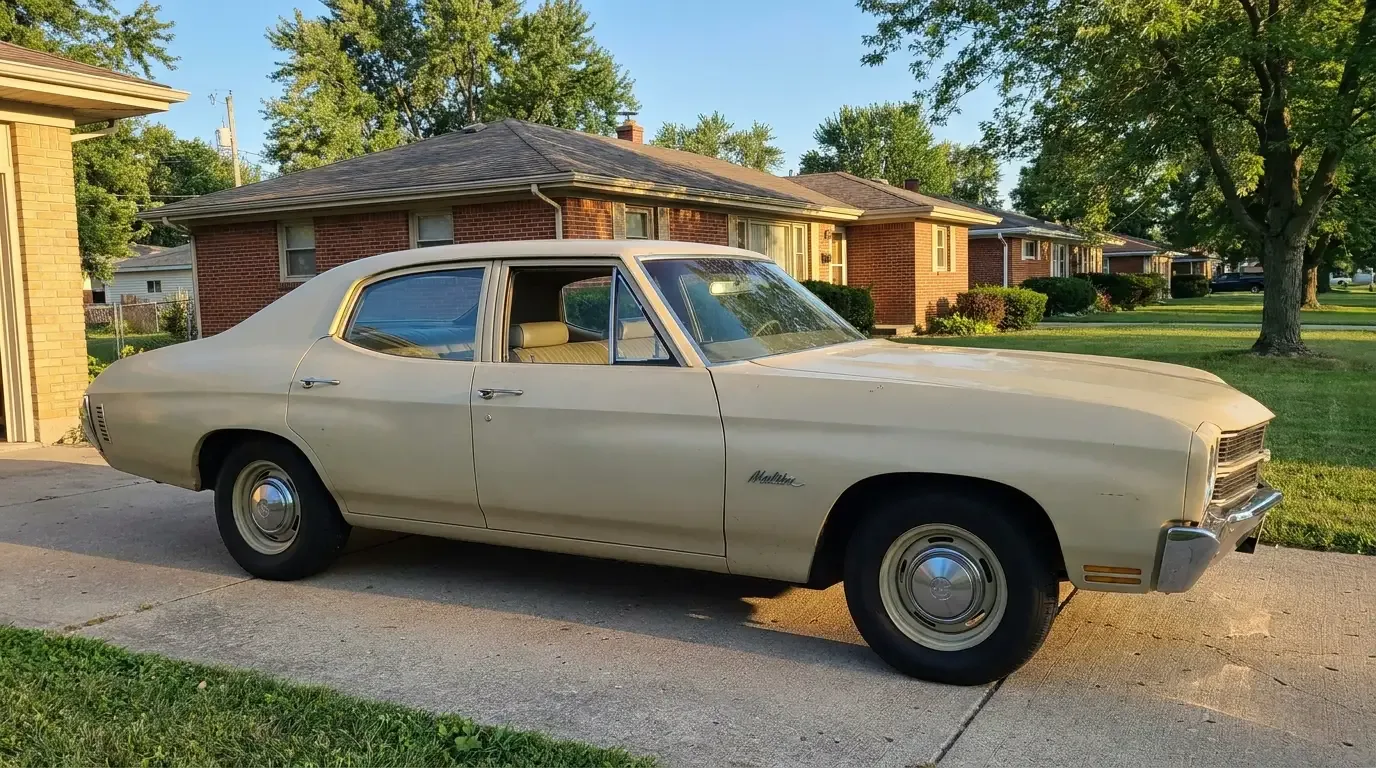
Anyone chasing big-block Chevelles for sale right now needs to understand what they're actually buying before they wire a deposit, because the LS6 name gets attached to cars that never wore the option. That's not a knock on the sellers. It's just how a legend works. Once a number gets famous, everybody wants a piece of it.
What the LS6 actually was
RPO code LS6, built around the Mark IV 454 cubic inch big block, rated at 450 hp at 5600 rpm and 500 lb-ft of torque at 3600 rpm. Compression sat at 11.25:1, which meant premium fuel only and a solid-lifter cam that wasn't shy about letting the valvetrain make noise at idle. This is not a smooth, quiet motor. It clatters a little cold. That's normal, not a warning sign, though plenty of buyers panic the first time they hear it.
The heads were cast iron, open chamber, with ports sized to feed a big carburetor without choking it off top end. Chevrolet wasn't trying to build a broad, forgiving torque curve here. They built a motor that wanted revs and premium gas and rewarded a driver who kept it on boil. That's a different animal from the LS5 454 sitting one option below it in the same brochure, and the two get confused constantly.
The number on paper vs the number that actually moved the car
Four fifty is a gross rating, measured on a test stand without accessories, without full exhaust, without the parasitic losses a street car actually carries. Strip that accounting away and you get real-world flywheel output that's still strong, but not the same number printed on the option sheet. I've made this point on plenty of engine builds that aren't even Chevrolet products: the rating on the tag tells you what the engineers measured in a lab, not what shows up at the rear wheels on a Saturday.
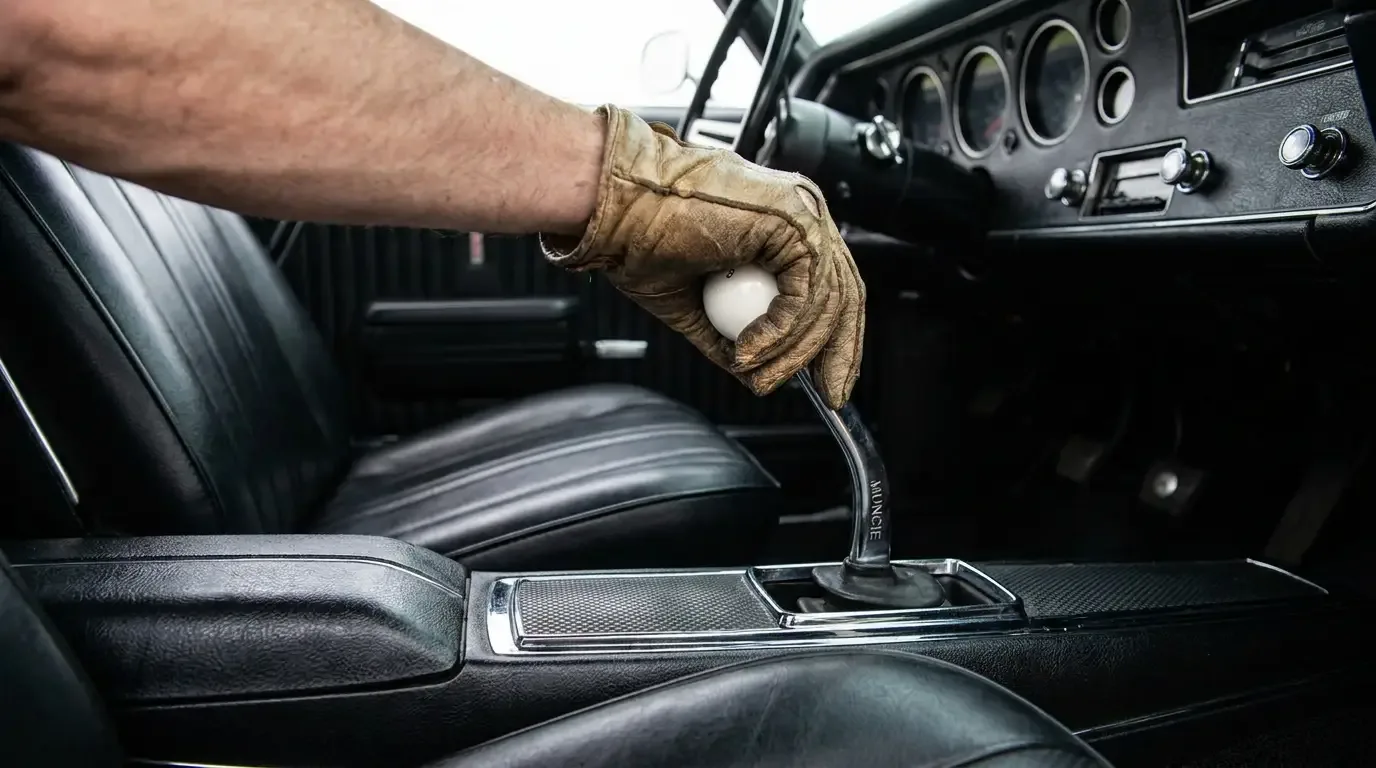
None of that makes the LS6 a lesser motor. It makes it an honestly rated one for its era, built before net ratings replaced gross ratings across the industry. What matters is that the LS6 pulled hard everywhere Chevrolet said it would, and it did it with a driveline built to survive the abuse. Heavy-duty rods, a forged crank in most applications, and a clutch and rear end sized to live behind real torque instead of folding the first time somebody dumped it at 4000 rpm.
What a dyno actually shows you
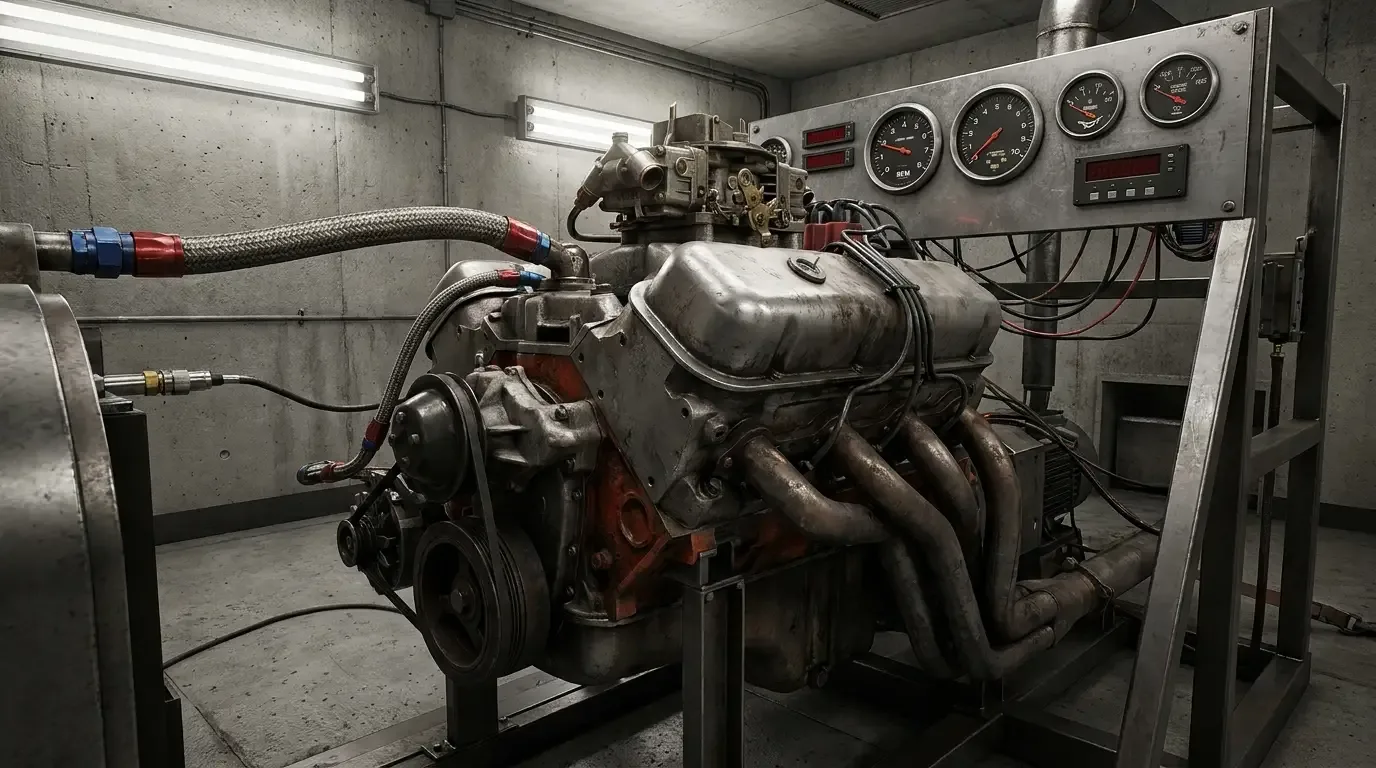
Put a healthy, correctly tuned LS6 on a chassis dyno today and you'll see a torque curve that's fat from just off idle through the middle of the rev range, then a top end that keeps pulling past where a lot of period big blocks start to fall on their face. That shape, not the peak number, is what makes the LS6 feel like a different motor from a garden variety 454. It's not one big number. It's the whole curve.
Under the hood: the parts that made it work
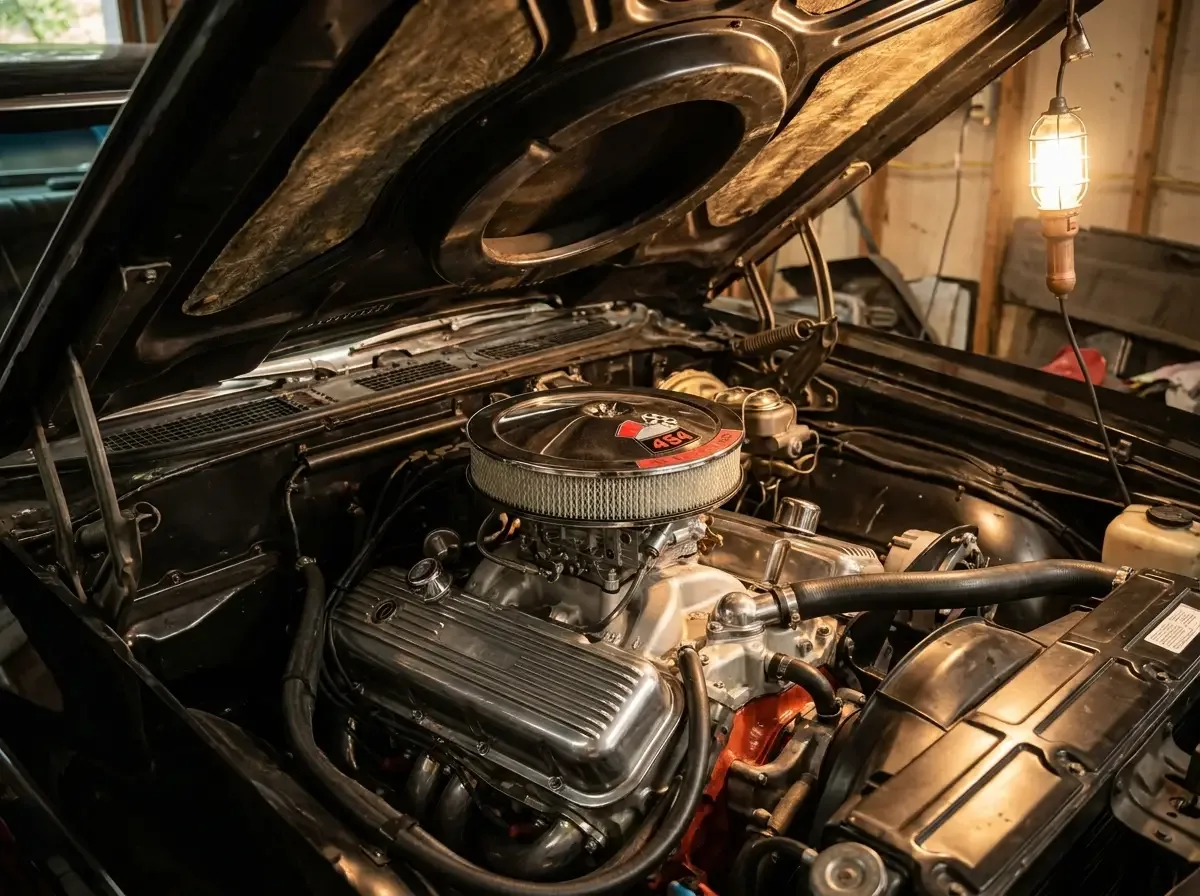
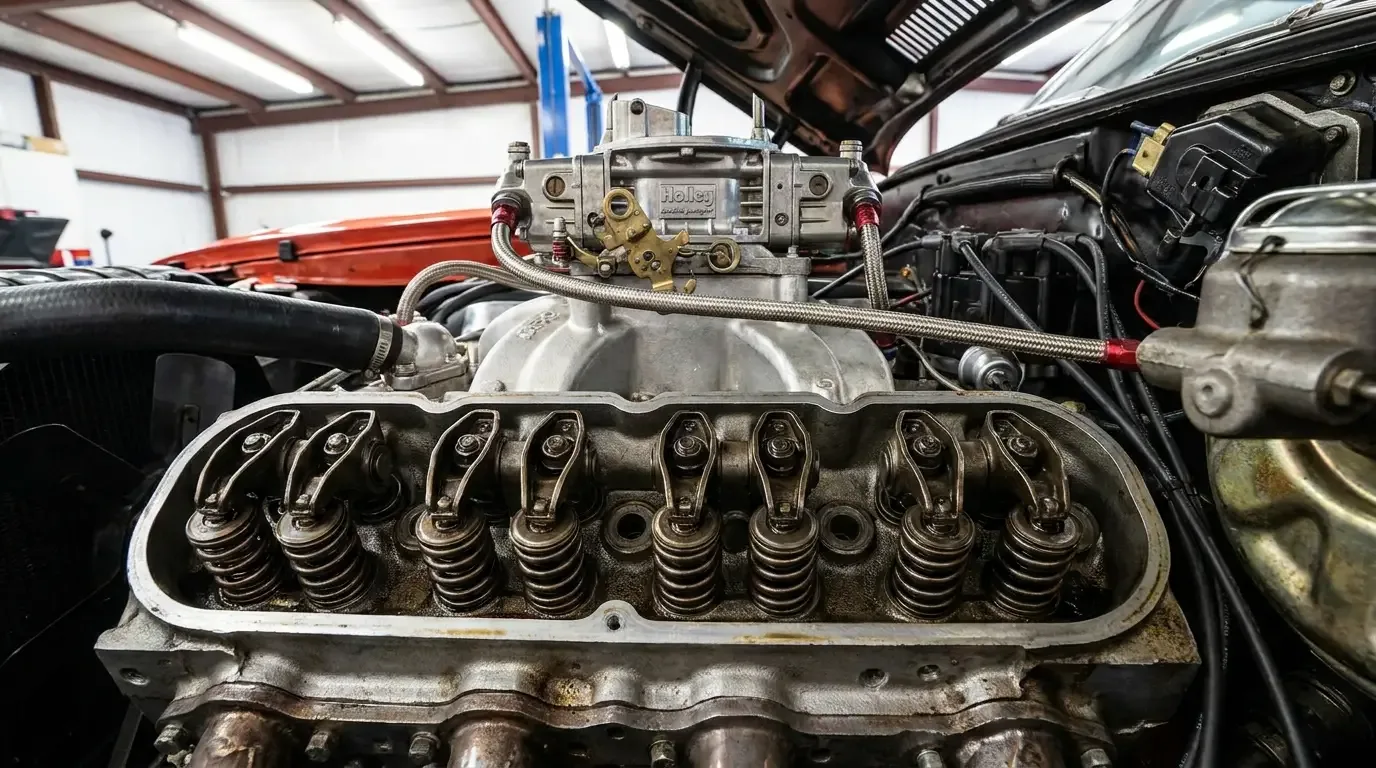
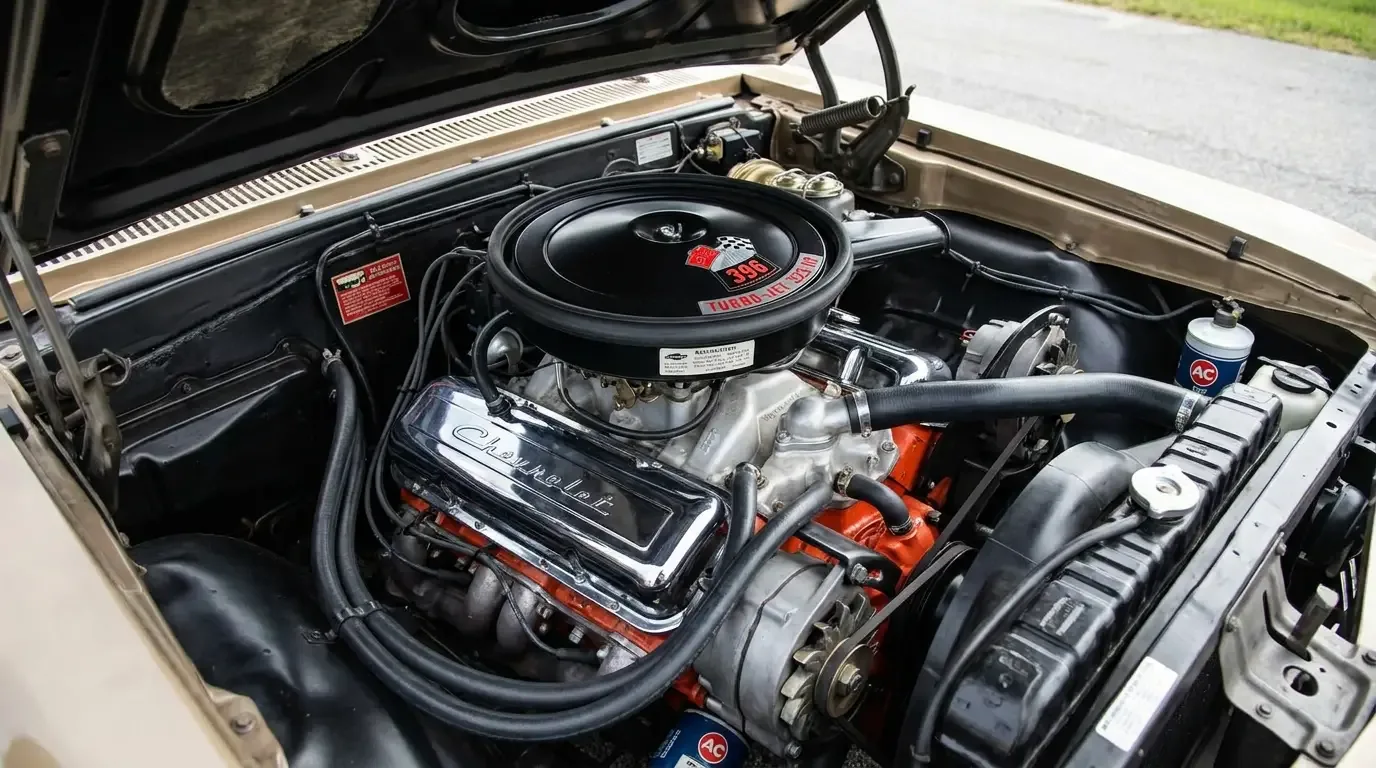
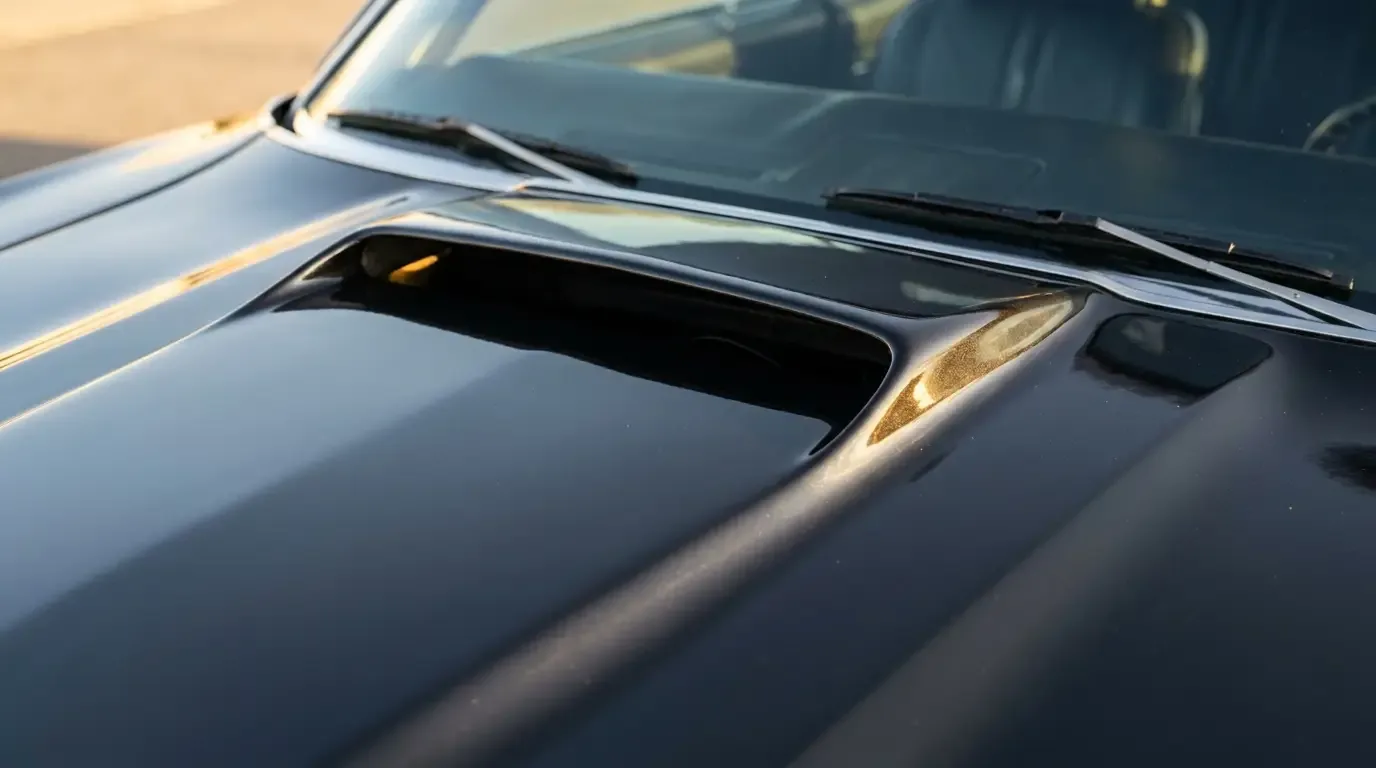
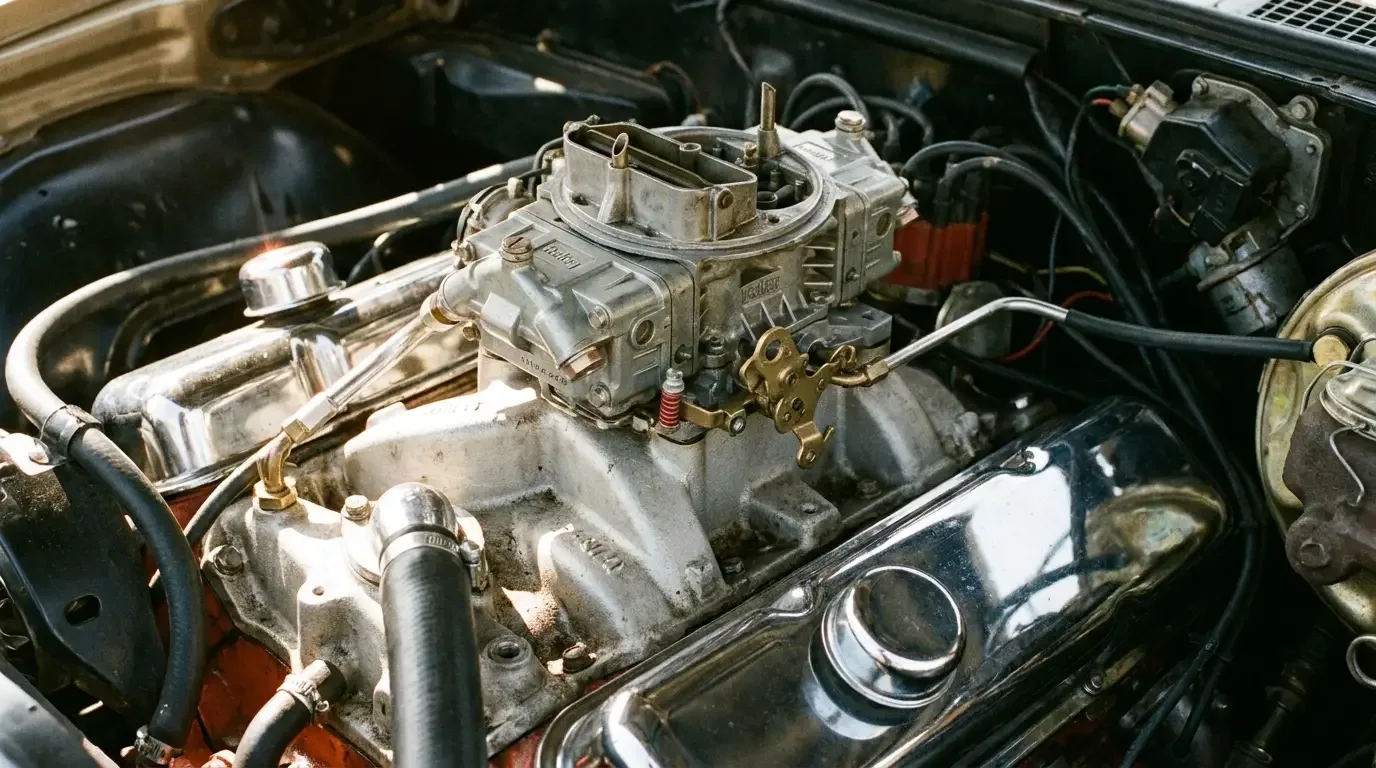
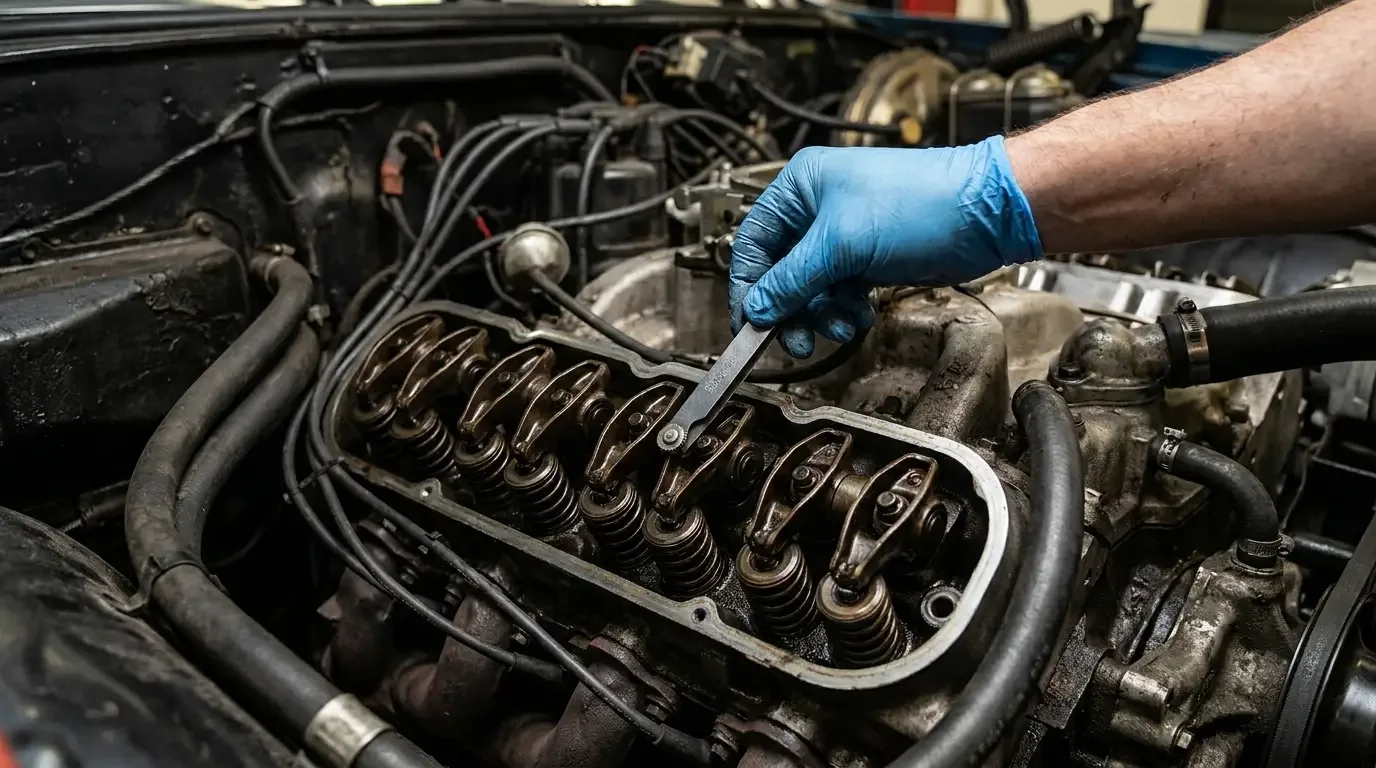
A big cam and a big carburetor don't make a motor by themselves. What separated the LS6 from a hopped-up 454 was that Chevrolet engineered the whole package to survive the power, not just produce it on a test stand once. The block was the same four-bolt main casting used across the high-output 454 applications. The forged internals, the priority-main oiling, the harmonic balancer sized for the rotating assembly, all of it was built assuming the car would see redline regularly, not once at a dealership demo.
The carburetor was a large four-barrel sized to feed the top end without drowning the bottom end, and getting one correctly tuned on pump gas today, with modern fuel chemistry, is a real skill. I see plenty of "restored" LS6 cars running rough at idle because somebody bolted the original-spec carburetor back on and never adjusted for the fact that today's fuel isn't 1970 fuel. That's not a flaw in the car. That's a tuning problem somebody skipped.
Why the compression ratio matters more than people think
Eleven and a quarter to one compression is aggressive for a street engine on any pump gas, then or now. It's part of why the LS6 made the power it did, and it's also why a genuine, unmolested LS6 needs premium fuel and a knowledgeable tuner, not a set-it-and-forget-it approach. Buyers who don't understand that end up chasing a ping or a rough idle that isn't actually a problem with the car. It's a problem with expecting a race-leaning street engine to behave like a mild daily driver.
1970 only: why the window closed
By 1971, GM's corporate compression reduction across the lineup, driven by looming emissions standards and a shift toward engines that could run on lower octane fuel, ended the LS6's run in the Chevelle. The compression came down, the rating came down with it, and nothing that followed in the Chevelle lineup matched the 1970 LS6 on paper again. That one-year window is a big part of why the option carries the premium it does today. It's not just performance. It's scarcity married to a genuinely strong number.
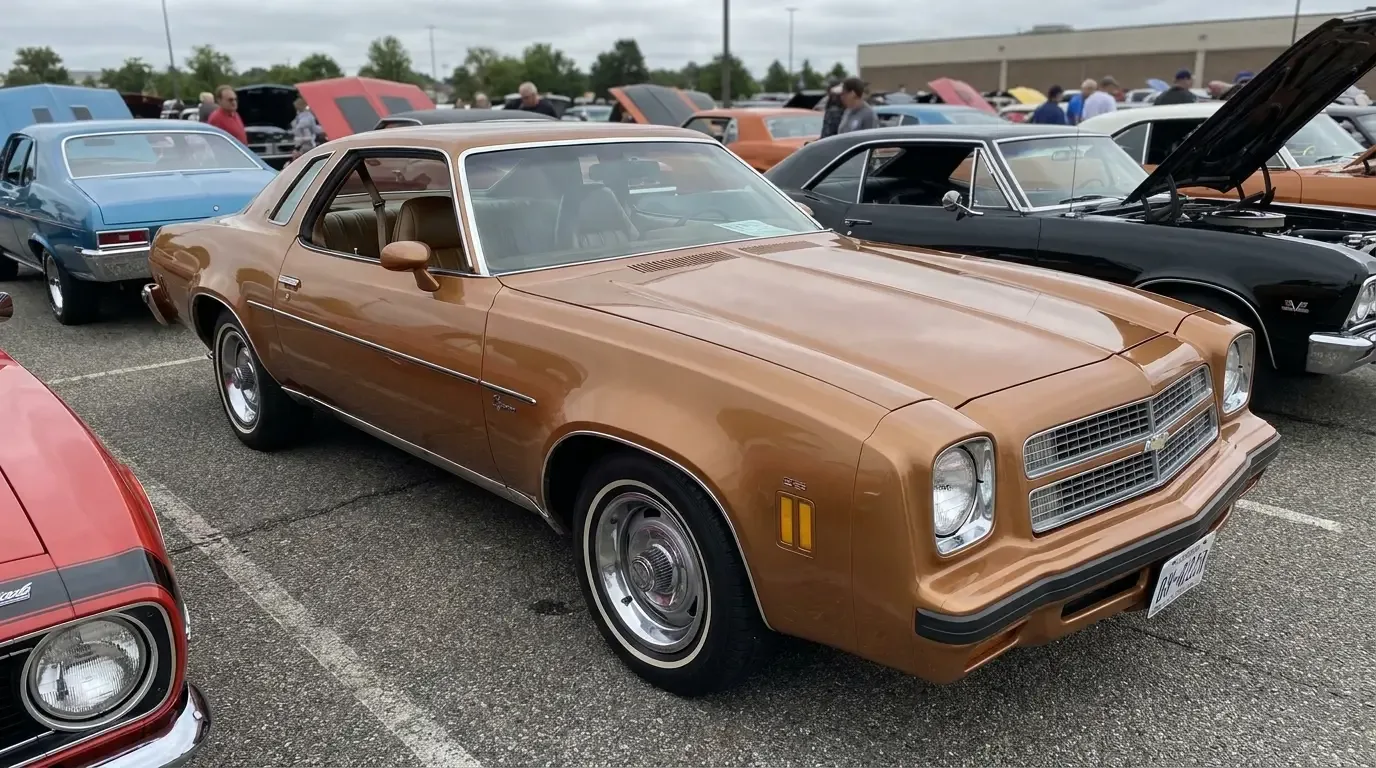
That's also why the car sits at a hinge point in The Colonnade and Laguna Years (1973-1977), where the same nameplate had to make peace with a completely different regulatory and fuel-economy reality. Understanding the LS6 means understanding what Chevrolet was allowed to build right before that shift hit, and what got left behind when it did.
What to check before you trust the tag
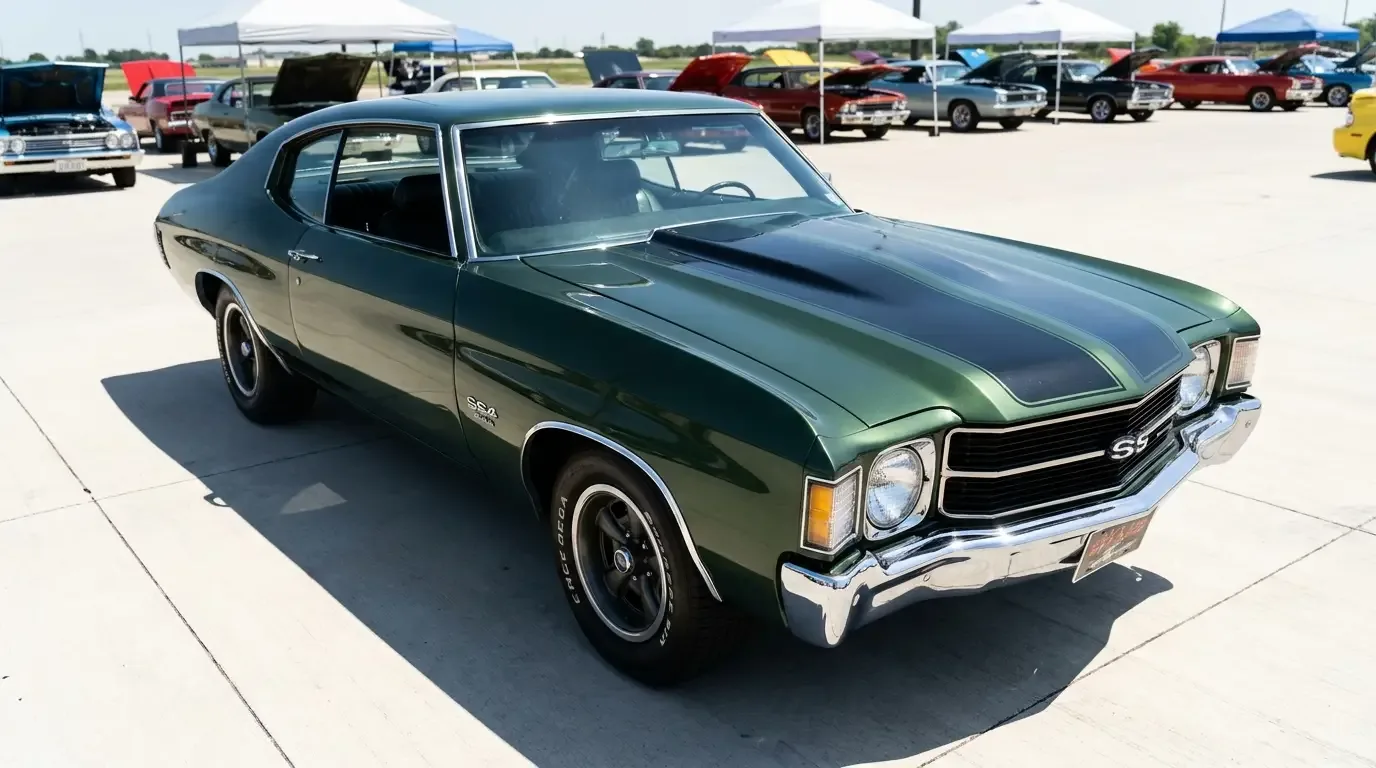
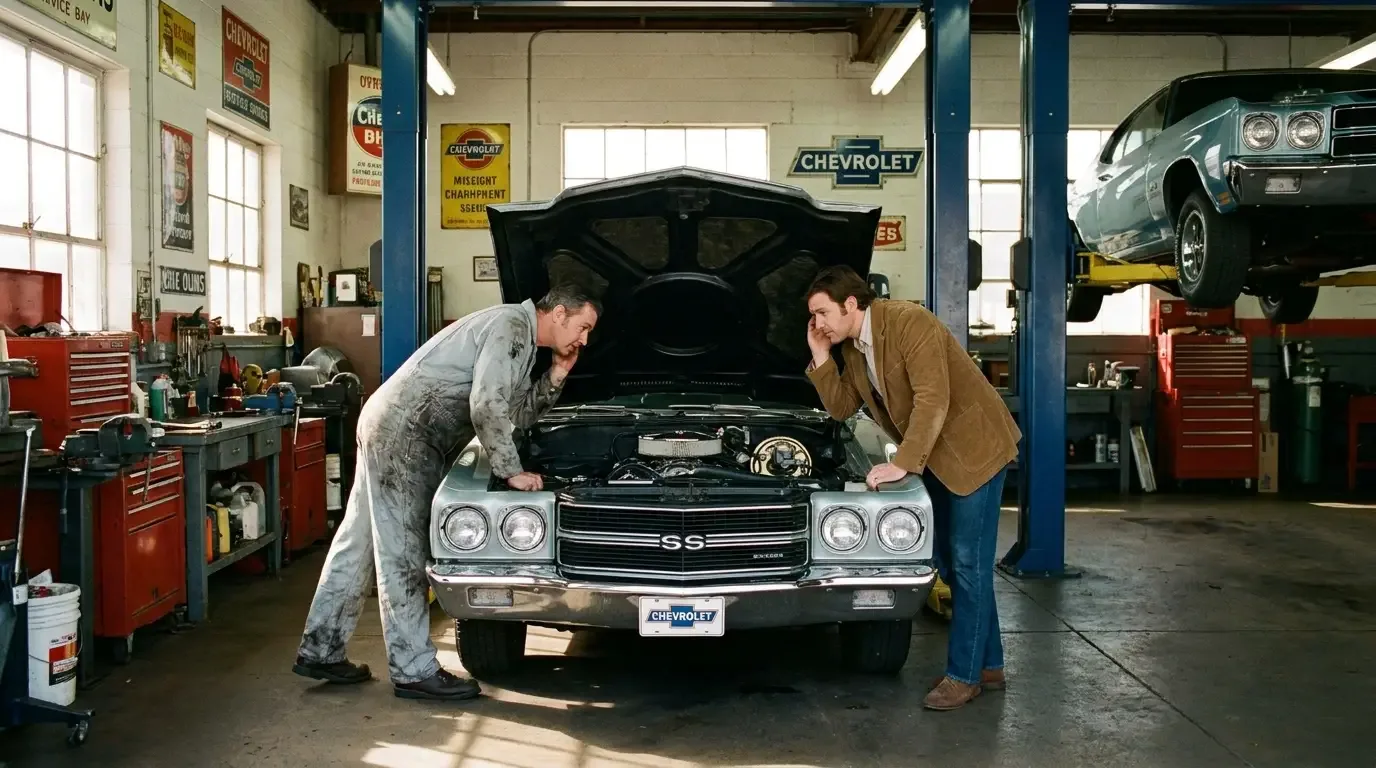
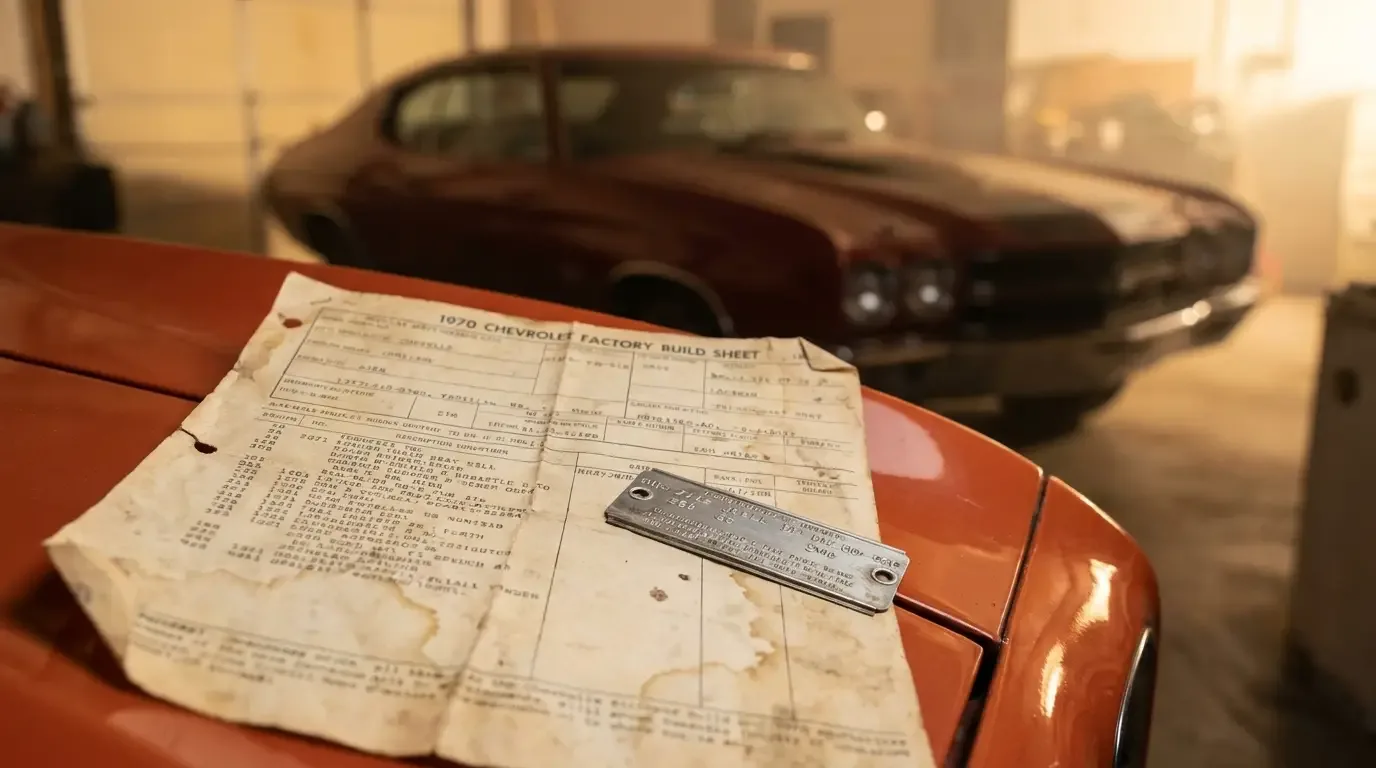
An LS6 Chevelle gets cloned more than most engines in this hobby because the premium between a genuine one and a well-dressed 454 is significant enough to tempt people. Casting numbers on the block, the correct cylinder heads, the cowl tag decode, and ideally a documented build sheet or Protect-O-Plate are what separate a real one from a good story. I don't trust a seller's word on this. I trust the numbers stamped in the iron.
🔧 Inspection Priorities
- Block casting number and date code. Match it against known LS6 casting references before anything else. A wrong casting number ends the conversation regardless of what the seller says the car is.
- Cylinder head casting numbers. The correct open-chamber heads matter for both authenticity and how the engine actually runs. Swapped heads change both the story and the power curve.
- Cowl tag and trim tag decode. Confirm the RPO codes match an LS6 build. This is cheap insurance against an expensive mistake and takes twenty minutes with the right reference.
- Rebuild history and internal parts. A "numbers matching" block with non-original internals is a different car than one that's genuinely untouched. Ask for receipts, not reassurance.
Living with one today
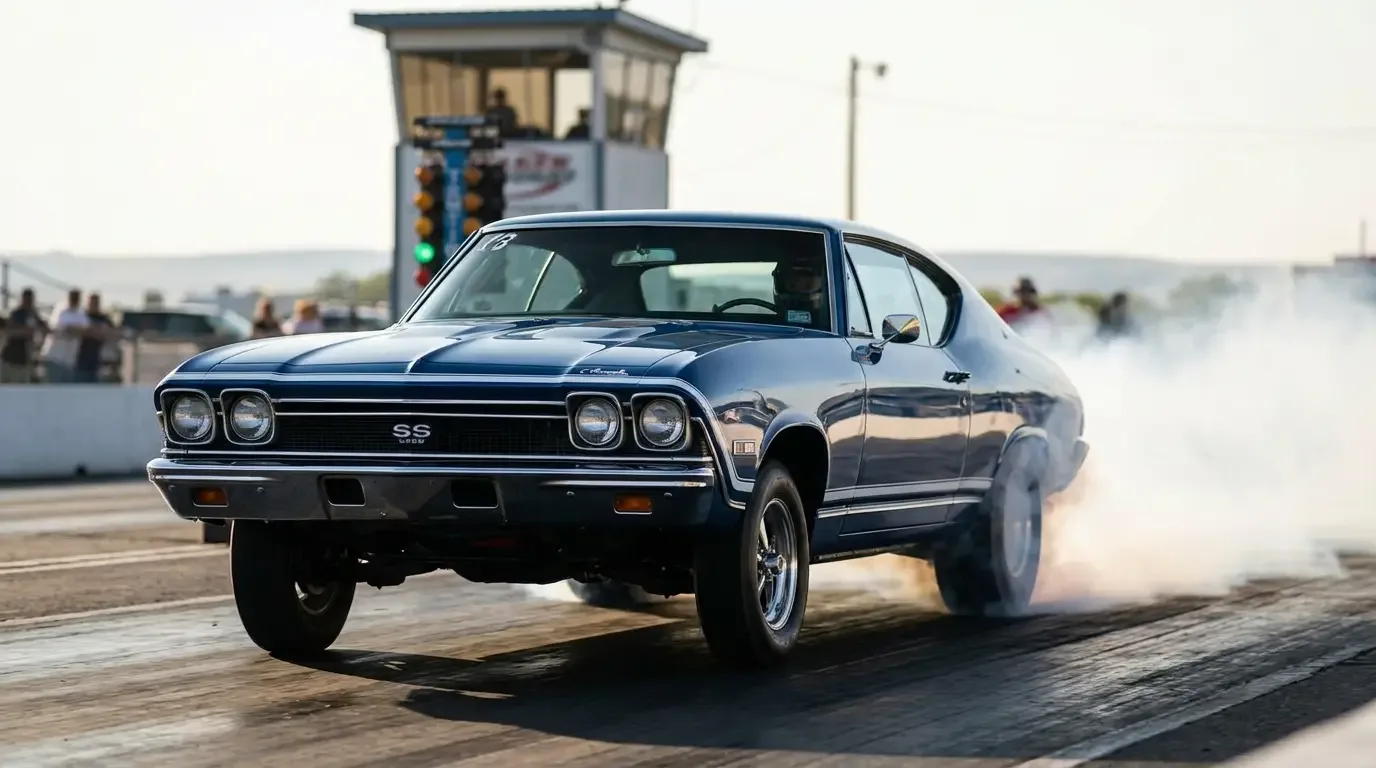
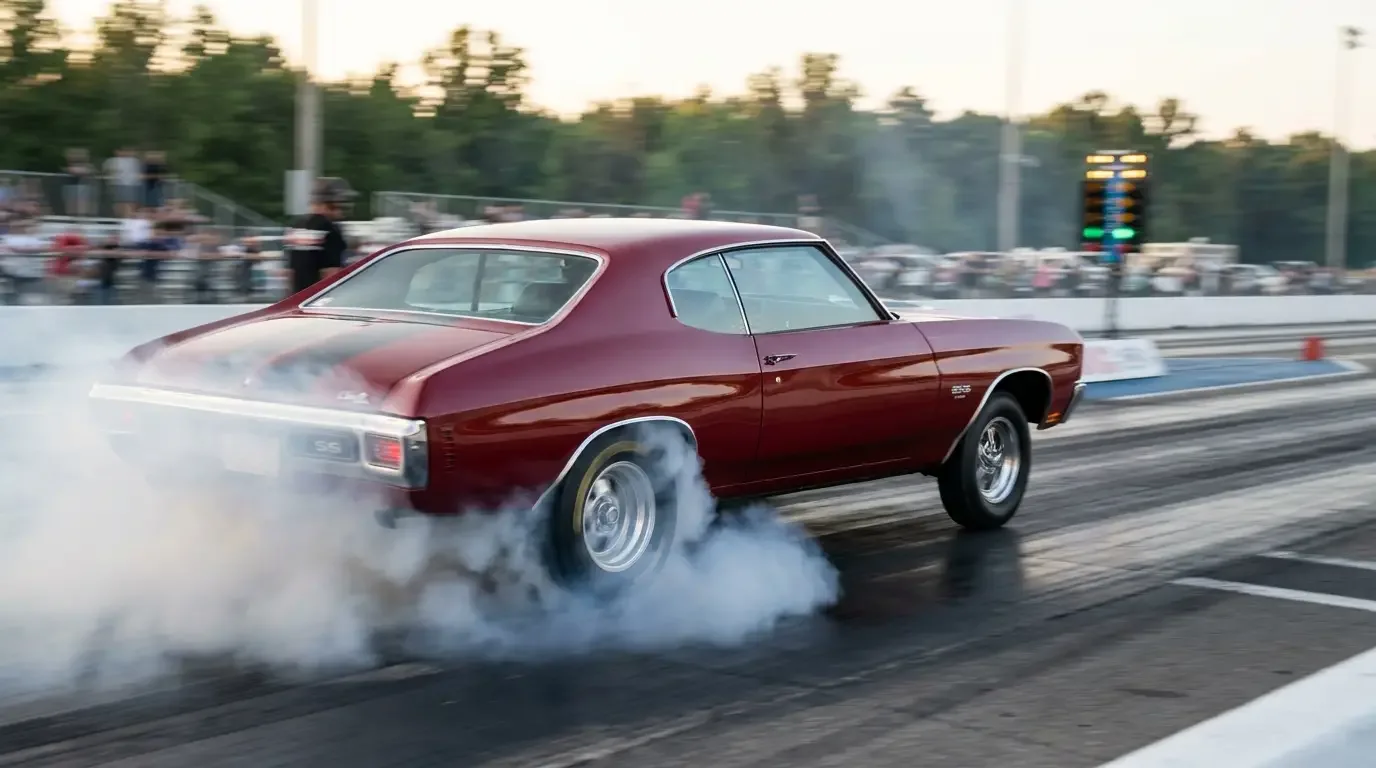
A correctly sorted LS6 is not a fragile museum piece. It's a strong-running big block that wants premium fuel, a competent tune, and an owner who understands that eleven-to-one compression isn't going to idle like a modern crate motor. Treat it right and it'll pull hard from a stoplight the same way it did in 1970. Treat it like a numbers-matching wall hanger and you'll never know what you actually own.
| Spec | LS6 454 |
|---|---|
| RPO code | LS6 |
| Displacement | 454 cubic inches |
| Horsepower (gross, SAE) | 450 hp @ 5600 rpm |
| Torque (gross, SAE) | 500 lb-ft @ 3600 rpm |
| Compression ratio | 11.25:1 |
| Cylinder heads | Cast iron, open chamber |
| Model year availability (Chevelle) | 1970 only |
| LS6 engines built (1970, all applications) | 4,475 units |
"The blower looks great on the invoice. On the dyno it made twelve more horsepower than the cam-and-headers combo that cost a third as much. That's the number that matters."
— Dan Reeves
The LS6 earned its reputation the honest way, with a real torque curve and a driveline built to survive it, and that's still the case whether you're reading about it or standing in front of one with the hood up. For the fuller arc of how this engine fits into the model's history, the full Chevelle story covers where the SS454 sat in the broader lineup before and after this engine's one-year window.
Sources and notes
- Sports Car Market — 1970 Chevrolet Chevelle SS 454 LS6 profile
- California Speed Shop — 1970 Chevelle SS 454 LS6 identification and specifications
- Chevy Hardcore — Muscle Cars You Should Know: 1970 Chevelle SS 454 LS6
- Supercars.net — 1964-1972 Chevrolet Chevelle SS454
- autoevolution — 1970 Chevelle SS 454 LS6 auction coverage