
Most people who know the Chevelle stop paying attention right around 1972. That's a mistake, and it's one I hear from collectors often enough that I want to correct it plainly. The 1973 redesign did change the car in ways that mattered, some of them for the worse on paper, but the build records from this era tell a more complicated story than "the muscle car died and nobody noticed." The factory kept building a performance-oriented Chevelle through the middle of the decade. It just had to answer to a different set of rules than the car that came before it.
History & Heritage
8 min read
The Colonnade and Laguna Years (1973-1977): Muscle in the Malaise Era
How the Chevelle survived the malaise era: the Colonnade redesign, the Laguna S-3's NASCAR-linked nose, and what to verify on a surviving example.
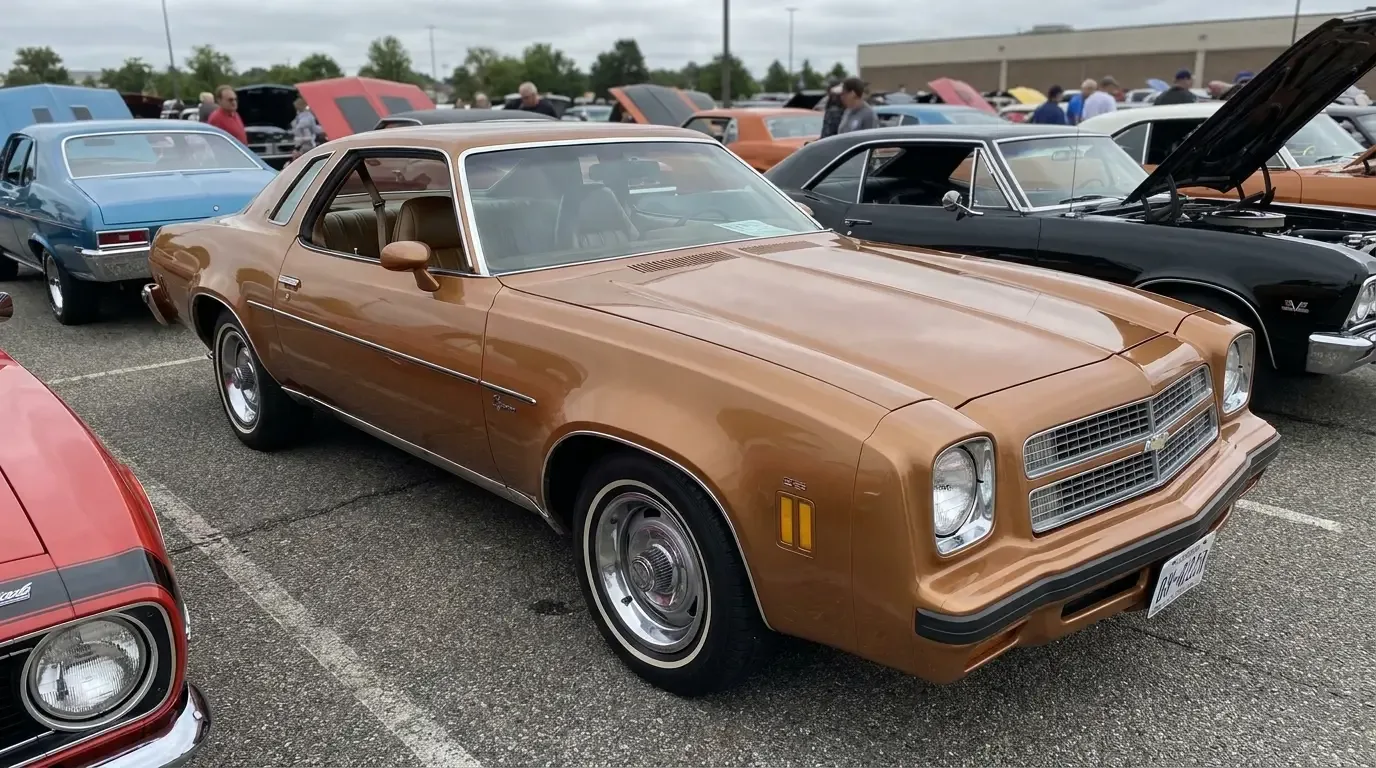
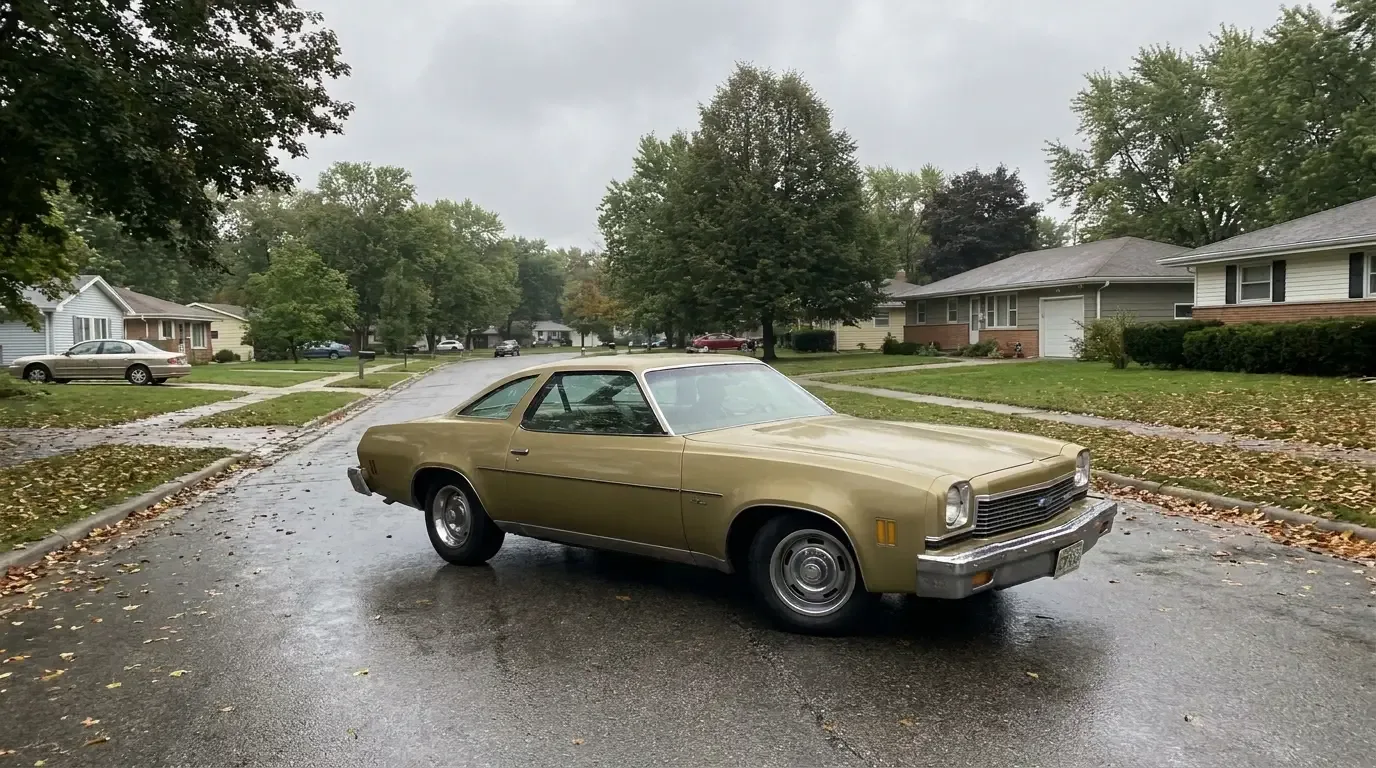
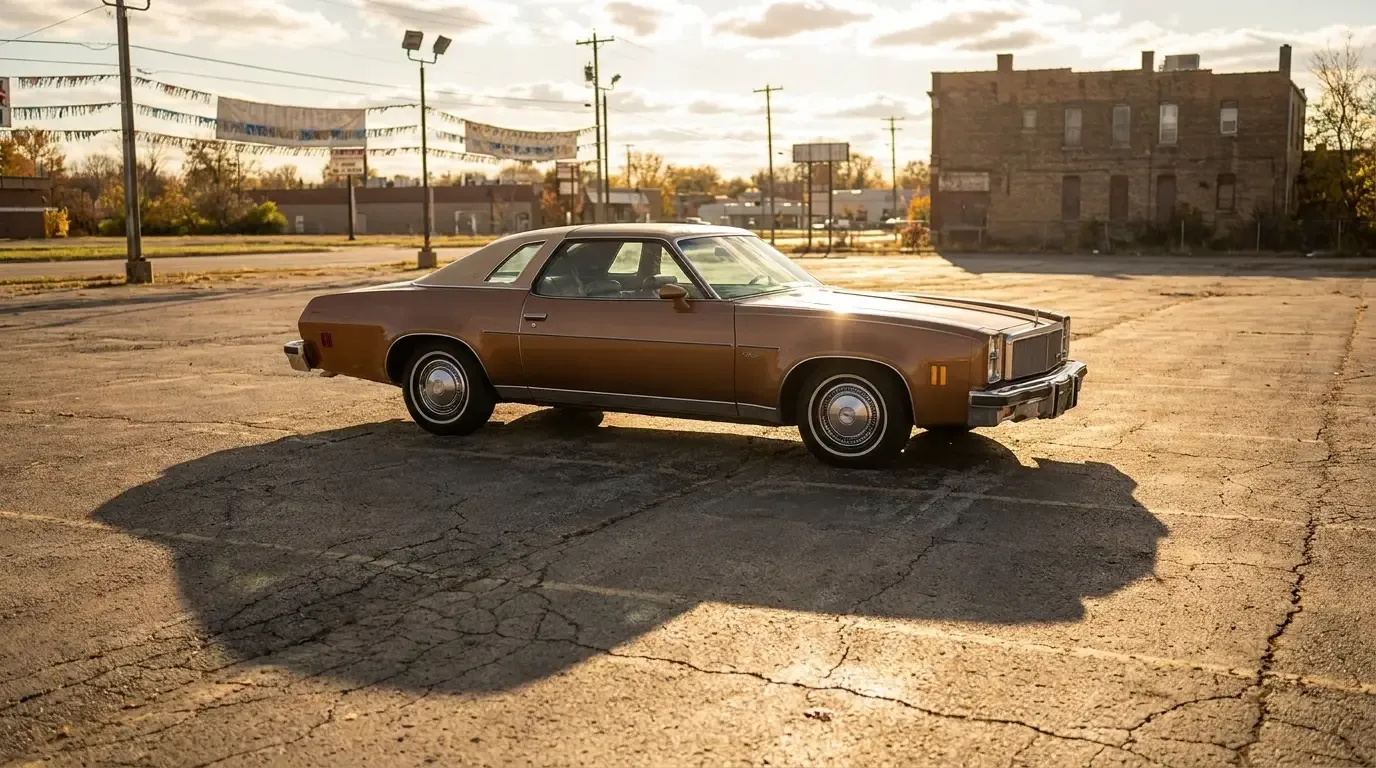
The 1973 model year brought a body style General Motors called Colonnade, a fixed-pillar design that replaced the true pillarless hardtop across its intermediate lineup. This wasn't a styling whim. It was a direct response to federal rollover standards that were expected to arrive and never fully did in the form automakers feared, but by the time anyone knew that for certain, the tooling was already committed. The Chevelle that resulted was heavier, more structurally rigid, and visually a different animal from the second-generation car.
Anyone who wants the complete arc before diving into this specific chapter should start with the Chevelle's complete history, which lays out how the model moved from its 1964 debut through the golden years and into what came next. What follows here is the part of the record that gets skipped over most often.
The Colonnade body: what the records actually show
The pillared roof design added weight and changed the car's proportions, but it also solved real problems the open hardtop couldn't. Body flex on the earlier cars was a known issue at speed and over rough pavement. The fixed B-pillar structure of the Colonnade cars measurably improved torsional rigidity, something documented in period engineering literature even if the styling change is what most people remember first.
Production figures from this era are less cleanly organized than the muscle car peak years, in part because Chevrolet's own internal reporting shifted its categories more than once during the mid-1970s. Even so, the totals are clear enough: 386,739 Chevelles built for 1973, 362,492 for 1974, 333,243 for 1976, and 328,216 for 1977, with 1975 running in the same broad range. That's a volume that dwarfs the SS454 glory-year numbers people usually quote, which is itself a useful reminder that this was still, first and foremost, a high-volume family car platform carrying a performance option, not a dedicated muscle car built in small runs.
What changed under the skin
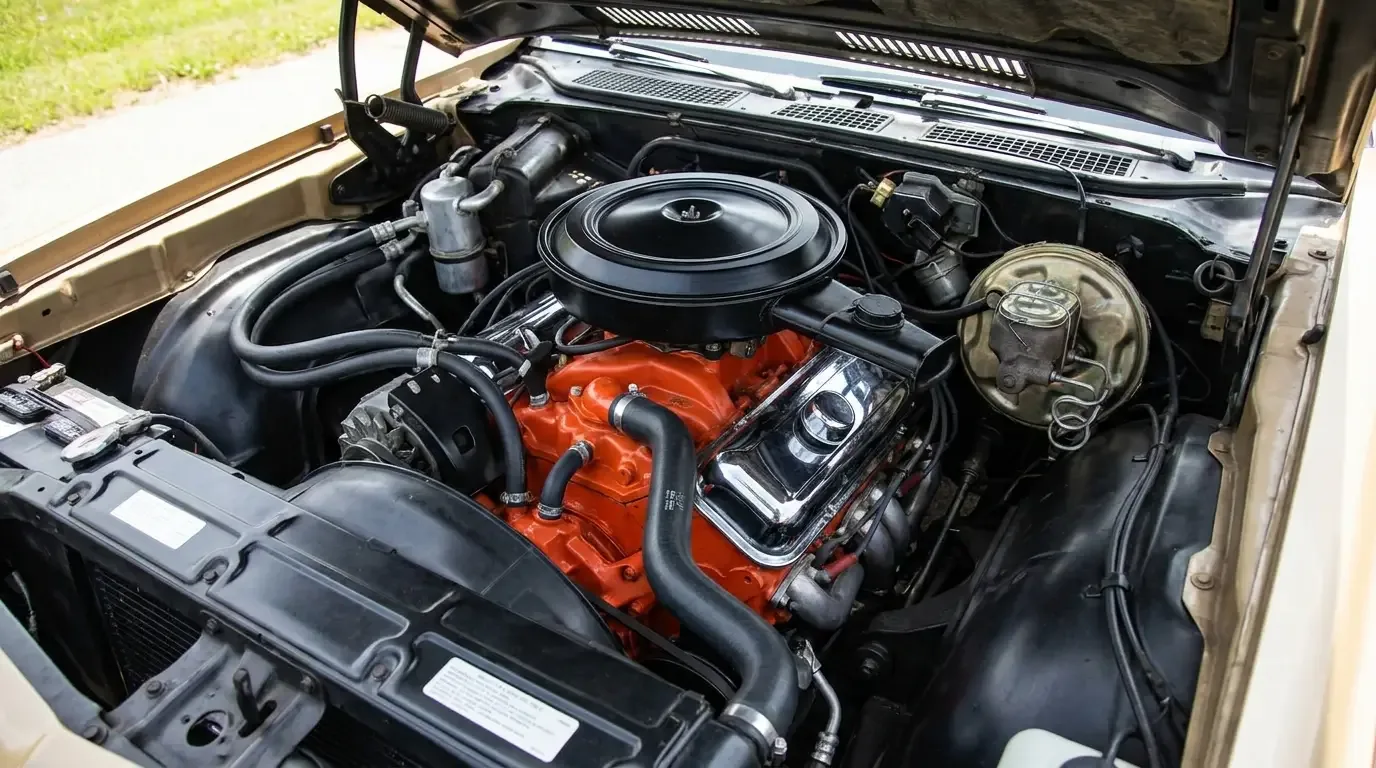
Engine offerings shrank steadily across this window as emissions equipment, catalytic converters starting in 1975, and unleaded fuel requirements reshaped what Chevrolet could certify. The big block options that defined the 1970 to 1972 cars thinned out and eventually disappeared from the lineup entirely, replaced by small block V8s carrying compression ratios well below what the LS6 generation ran. Horsepower ratings also converted from gross SAE figures to net SAE figures during this period, which makes raw number comparisons across model years misleading if you don't account for the measurement change itself.
Laguna: the trim that carried the performance banner
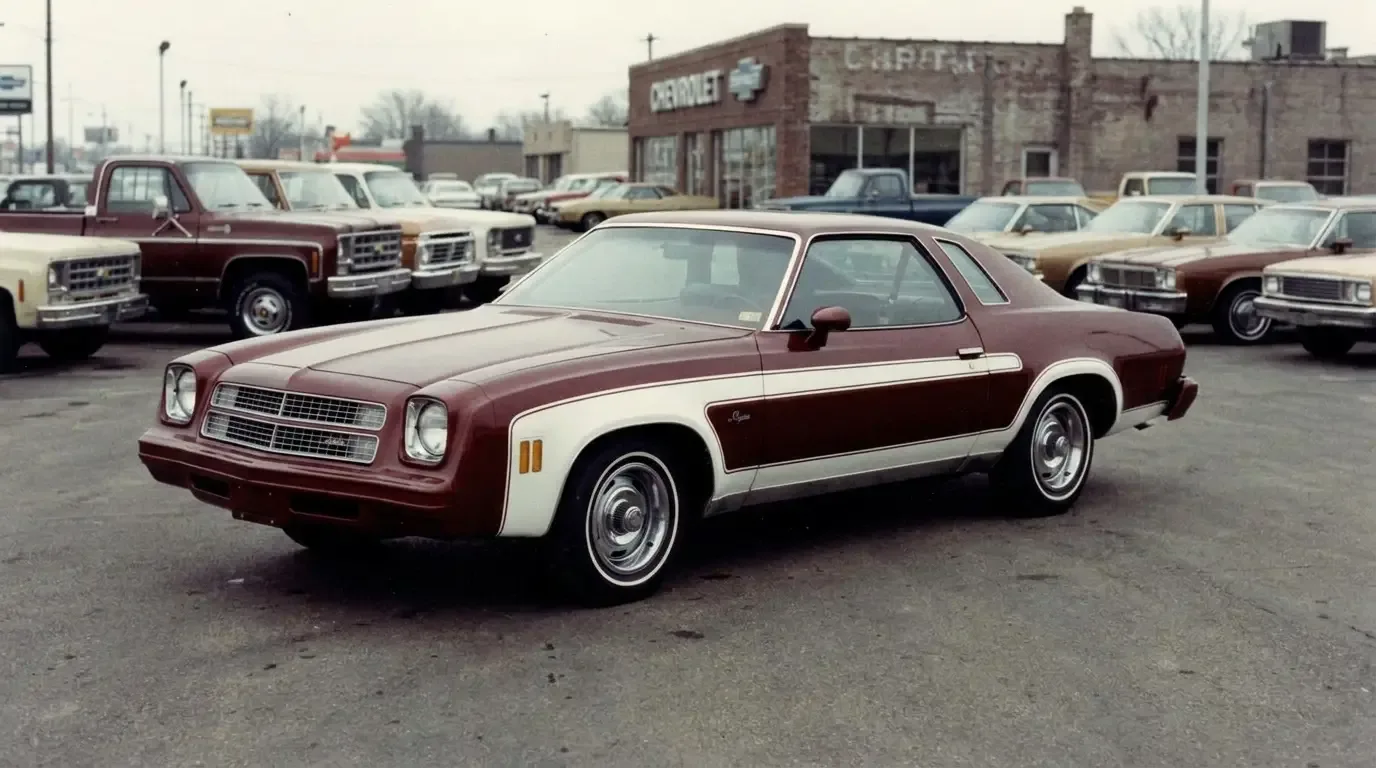
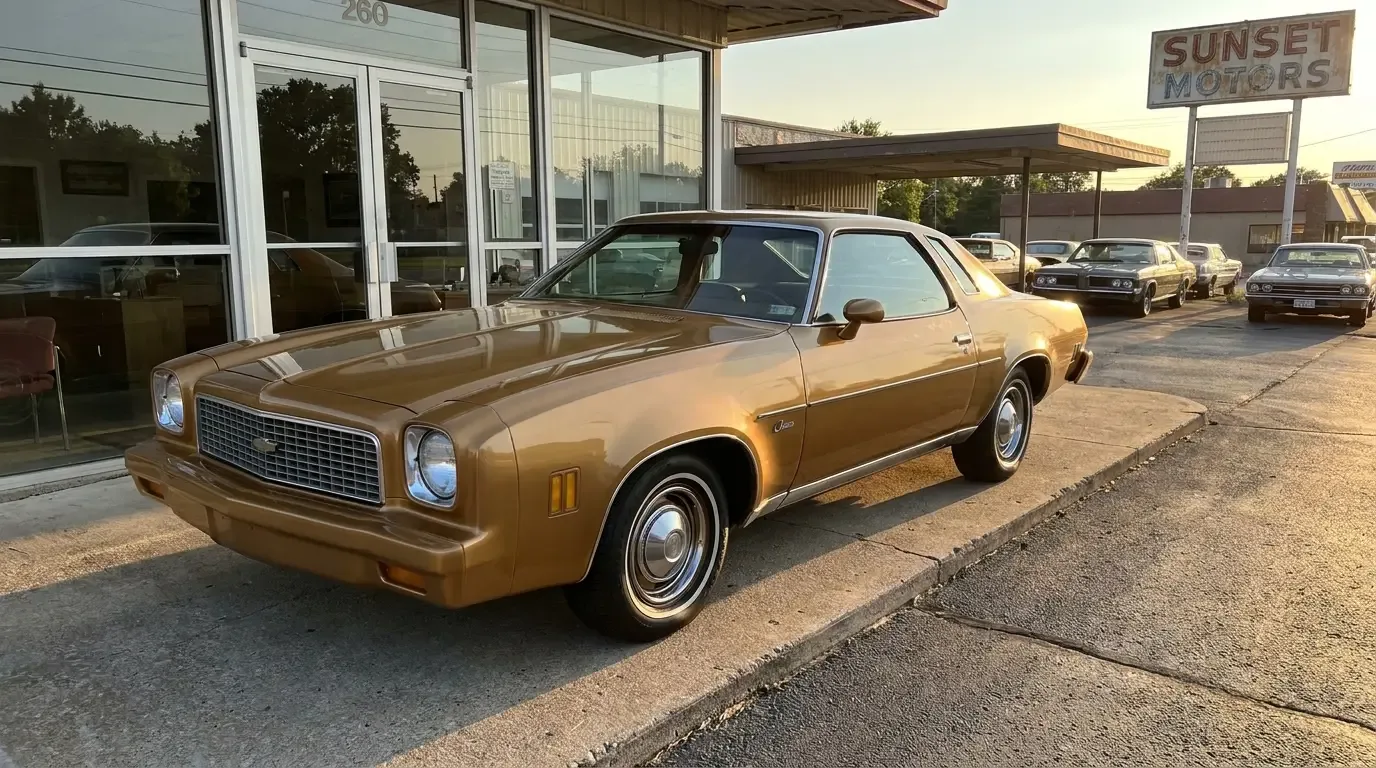
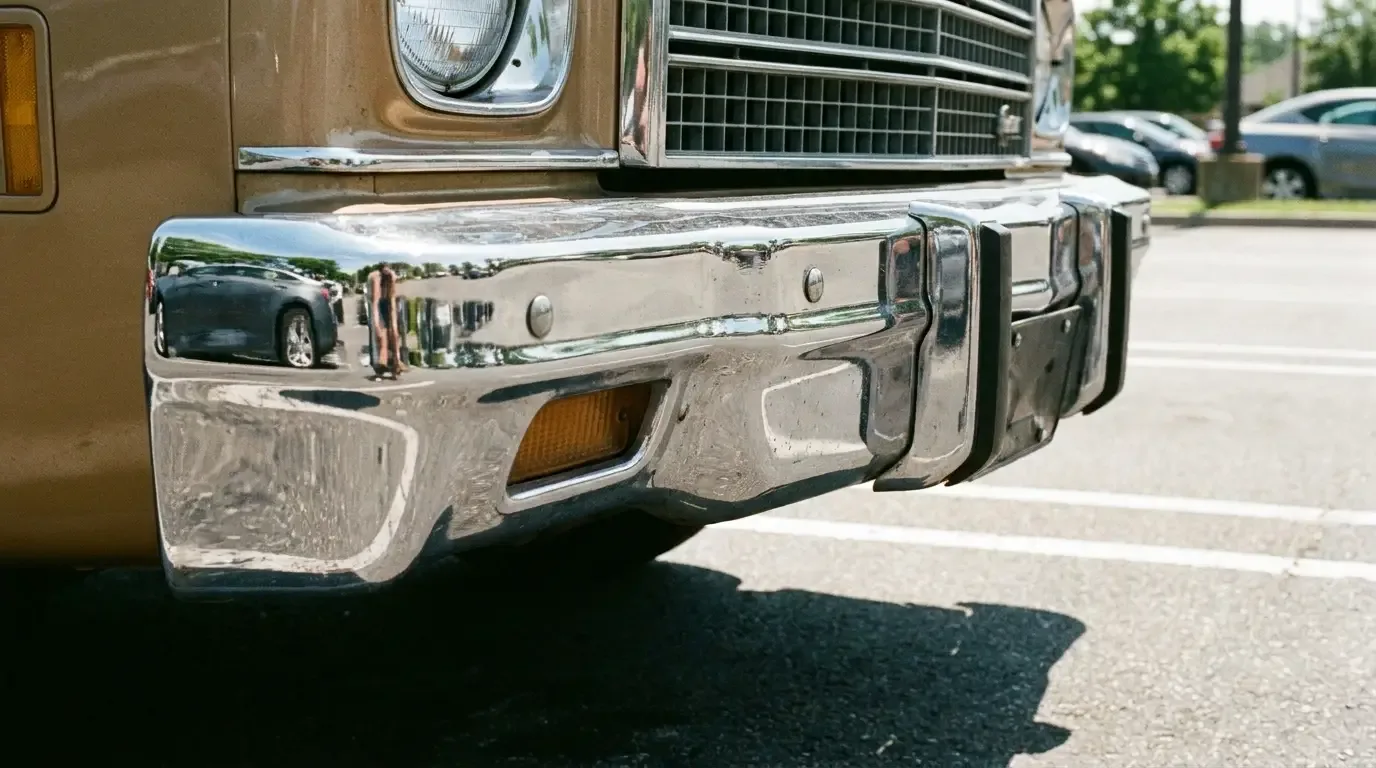
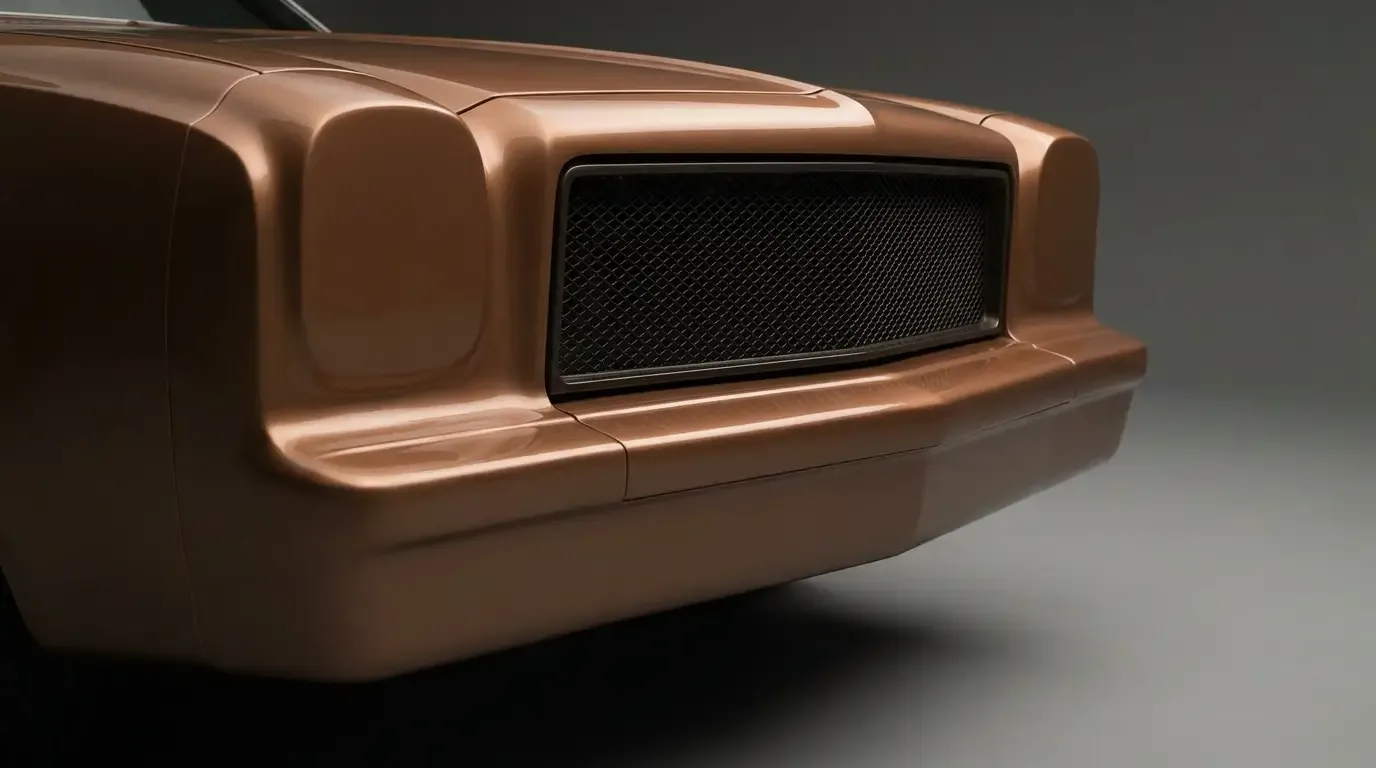
The Laguna name entered the lineup for 1973 as a top trim level, distinguished by a soft urethane front fascia designed to absorb minor impacts without the cracking and chipping that plagued chrome bumpers of the era. It read as a styling choice to the buying public. It was, at least in part, a functional one, born out of the same federal bumper standards that were reshaping front and rear ends across the entire industry.
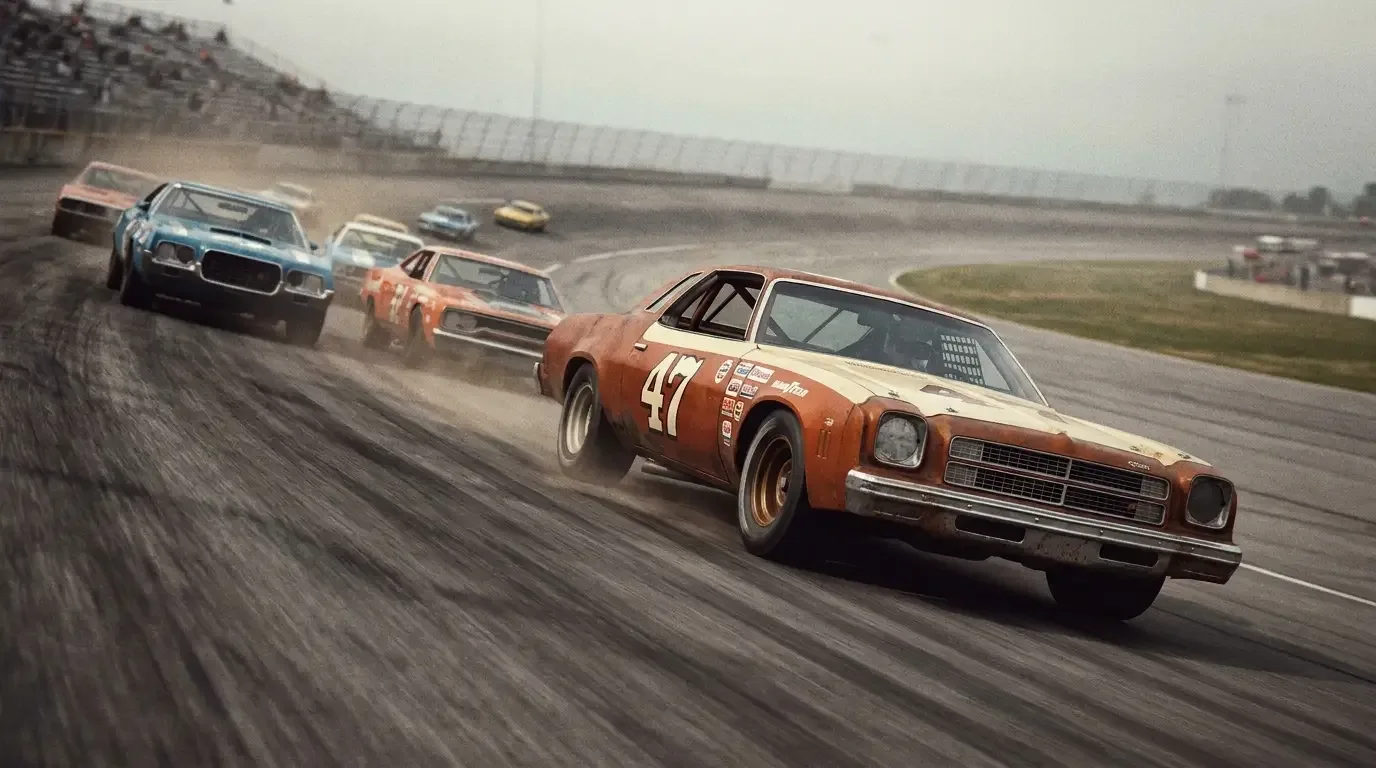
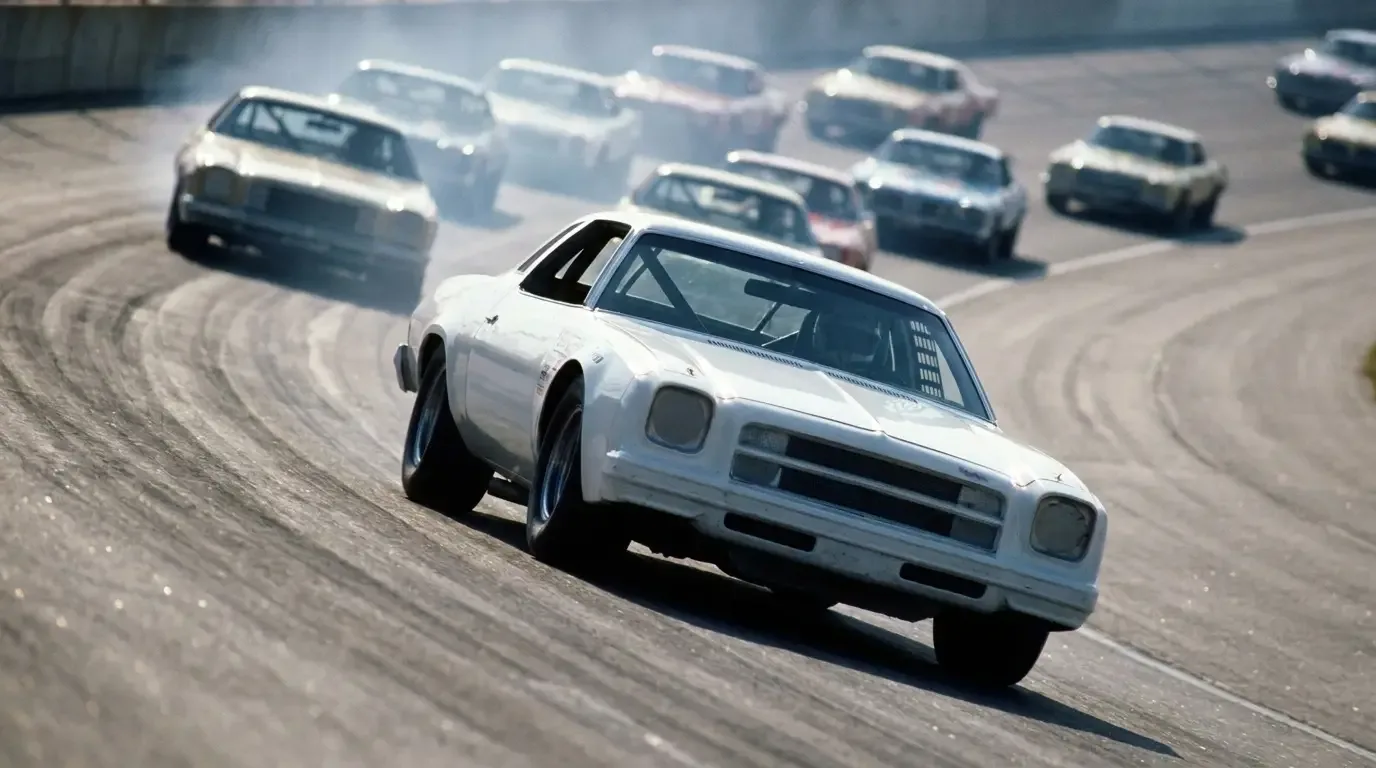
By 1974, the Laguna Type S-3 arrived as the performance-focused variant within the trim, carrying a more aggressive front end treatment and, notably, a connection to Chevrolet's stock car racing program. The body-colored, aerodynamically shaped nose on the S-3 wasn't styled purely for showroom appeal. NASCAR competition at the time favored bodies with better aerodynamic efficiency, and the Colonnade-generation Laguna S-3 nose is documented as having been developed with that competition context in mind, giving Chevrolet's stock car effort a shape better suited to high-speed oval racing than the standard Colonnade front clip.
Trim details worth knowing
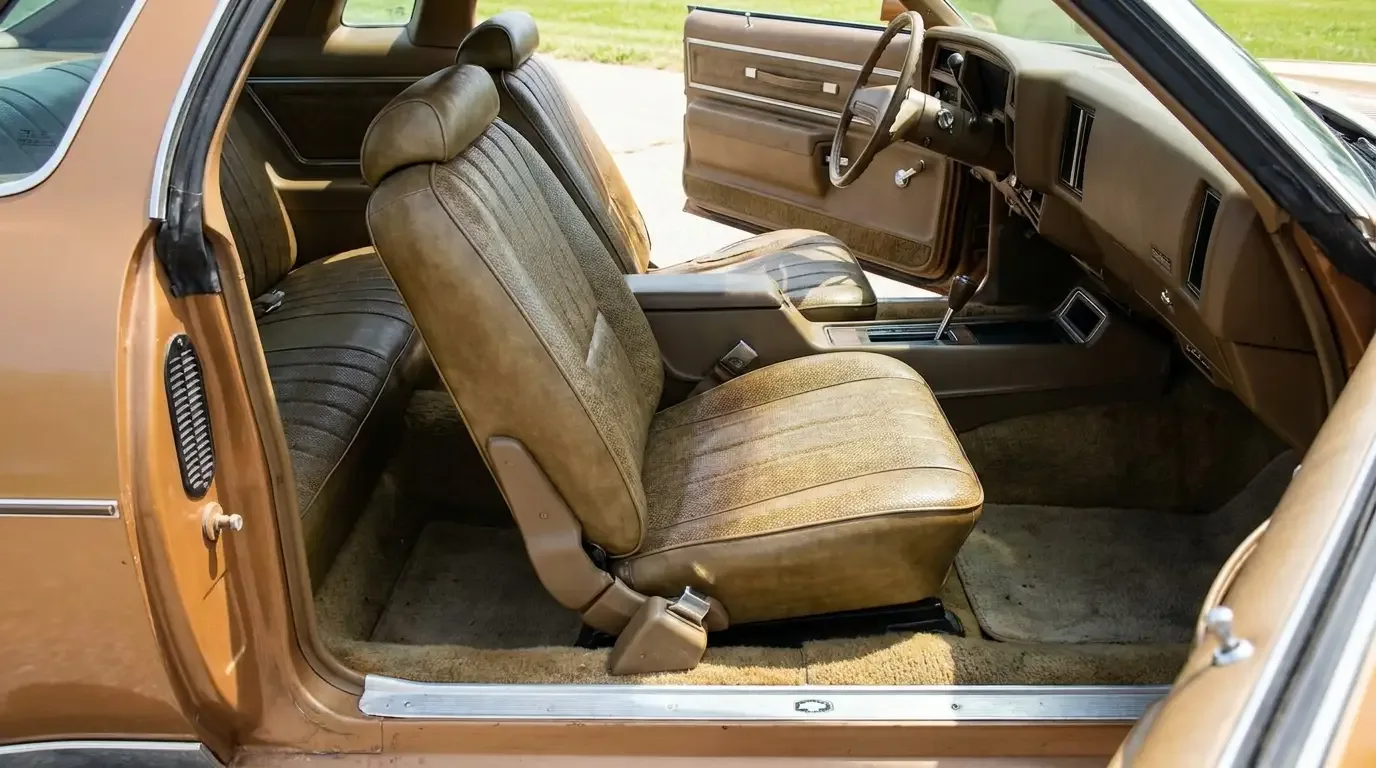
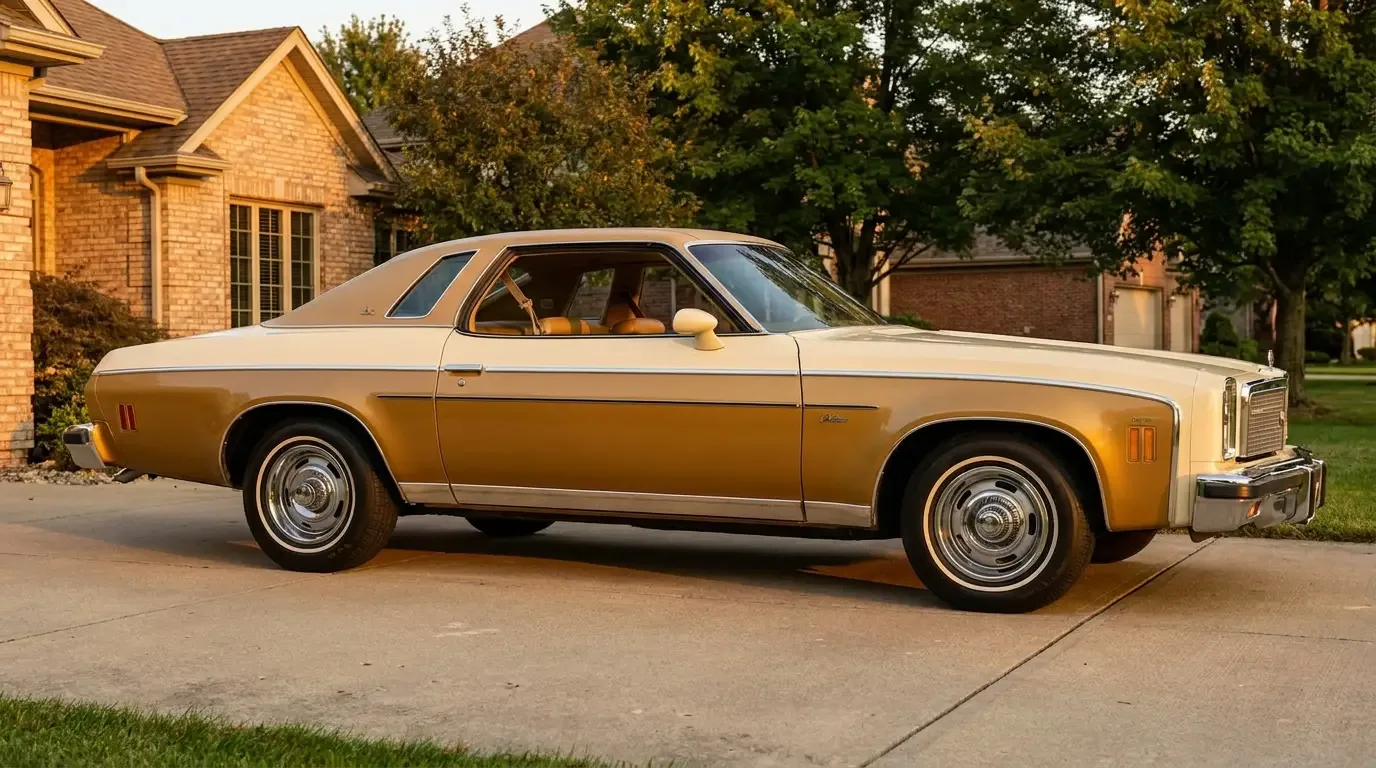
Interior trim on Laguna-badged cars stepped up from base Chevelle Malibu and Deluxe levels with upgraded upholstery patterns, additional sound insulation, and trim pieces that don't always survive intact on surviving cars, since replacement parts for this specific generation are thinner in the aftermarket than parts for the 1968 to 1972 cars. Anyone restoring a Laguna today runs into that scarcity quickly. Original trim pieces, especially interior door panels and the specific woodgrain-look dash appliqué used across these years, command real prices when they surface.
The malaise-era engine lineup, year by year
1973 opened the Colonnade era with a range topping out at a 454 option still available in some configurations, though rated well under the LS6-era numbers due to compression reductions across the board. By 1974, further compression cuts and the first wave of emissions equipment took another bite out of output. 1975 brought catalytic converters and, with them, the end of leaded fuel compatibility for the Chevelle lineup, a genuine turning point that changed how these engines were tuned and maintained from the factory forward.
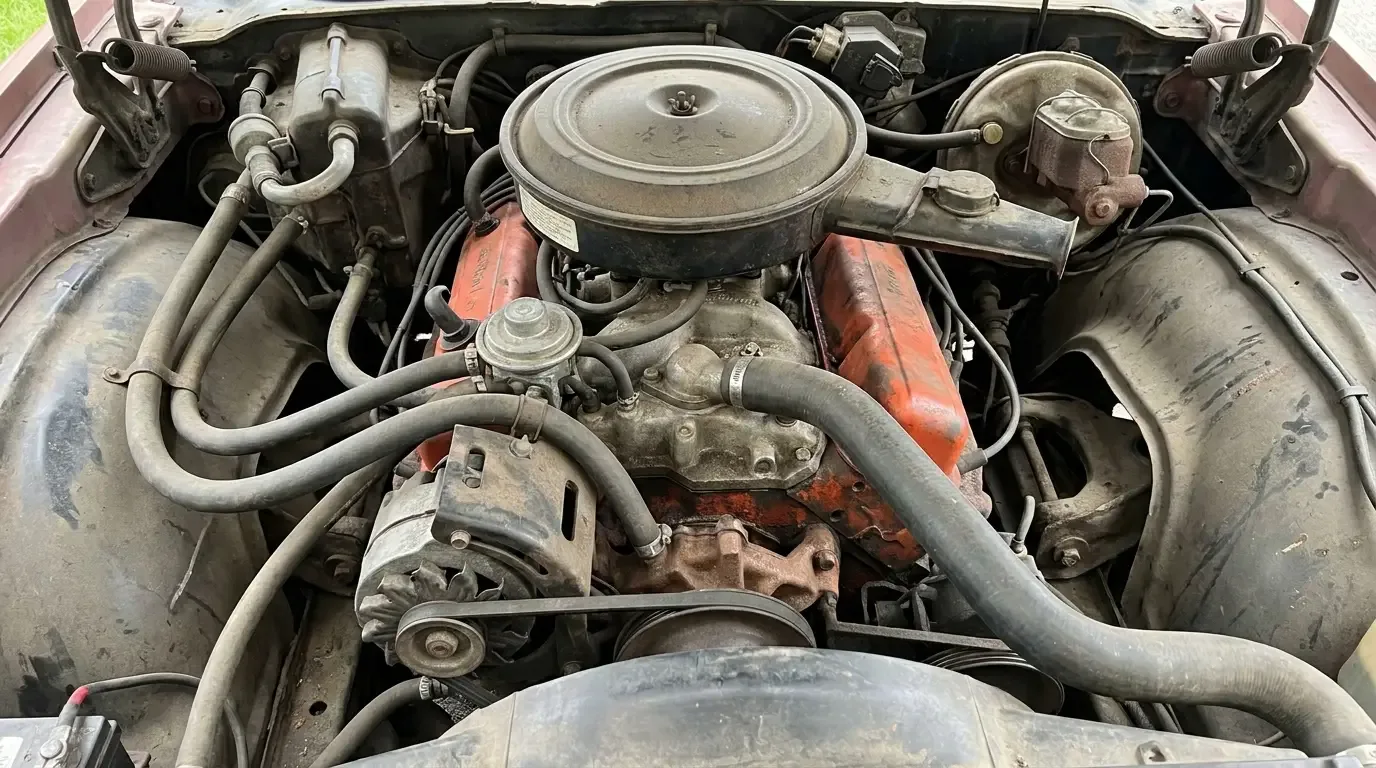
1976 and 1977 saw the big block disappear from the Chevelle catalog entirely in most markets, leaving small block V8 and six-cylinder options to carry the lineup through its final Colonnade-generation years before the nameplate transitioned to the Malibu-badged cars that followed. Net horsepower figures for 1976 topped out with a 400 cubic-inch V8 rated at 175 hp, with a 350 rated at 165 hp and a new 305 at 140 hp filling out the small block range. By 1977 the 400 was gone too, leaving a 170-hp four-barrel 350 as the strongest engine Chevrolet would put in a Chevelle, alongside a 145-hp 305 and the base six-cylinder. Those numbers read as modest against the 1970 catalog but need to be understood against the net-versus-gross measurement shift and the tightening emissions requirements the factory was working within.
Why this generation gets undervalued
Collectors chasing numbers-matching big blocks understandably gravitate toward the 1970 to 1972 cars, and that preference shows up clearly in the price gap between those years and the Colonnade generation. But the documentation trail on well-optioned Laguna S-3 cars, particularly ones that can be tied to genuine build records and original window sticker information, tells a story of a factory still trying to build something with character inside a regulatory environment that made it progressively harder to do so.
That context matters when you're evaluating what a surviving example actually represents. A documented Laguna S-3 isn't a diminished muscle car. It's a specific factory answer to a specific set of constraints, and the build sheet on a genuine one is worth as much diligence as anyone would apply to a 1970 SS454, even if the market hasn't fully caught up to that yet.
What a buyer should verify
Original build sheets, cowl tag decoding, and factory invoice paperwork carry the same weight on these cars that they do on the earlier generation, arguably more, since fewer surviving examples means fewer reference points for what's correct. Trim codes, paint codes, and engine RPO codes should all cross-reference against the cowl tag before any restoration work begins, not after.
| Model year | Body style | Top engine offered | Notable change |
|---|---|---|---|
| 1973 | Colonnade, first year | 454 (reduced compression) | Laguna trim introduced |
| 1974 | Colonnade | 454 (further reduced) | Laguna Type S-3 with urethane nose introduced |
| 1975 | Colonnade | 454 for the first half of the model year, then 400 | Catalytic converters, unleaded fuel required; 454 dropped mid-year |
| 1976 | Colonnade | Small block V8 top option | Big block dropped from most configurations |
| 1977 | Colonnade, final year | Small block V8 top option | Final year before Malibu-only naming |
"A 1974 Laguna S-3 with its original build sheet still in the glovebox tells you more about what Chevrolet was actually trying to do that year than any brochure ever printed. The paperwork doesn't lie the way marketing copy does."
Tom Ramirez
Where the Colonnade cars sit in the bigger picture
Understanding this generation properly means understanding it on its own terms rather than as a diminished echo of 1970. The people building these cars were working within real constraints, and the Laguna S-3's racing connection in particular shows a factory still willing to chase performance through means other than raw displacement. Anyone looking to add one of these years to a collection should start with 1970s Chevelles for sale and evaluate documentation as carefully as they would on any earlier-generation car.
The story continues on the track, where the Laguna's aerodynamic nose found its most direct purpose. That chapter picks up in detail from here.
Sources and notes
Related Reading
Article
The Classic Chevrolet Chevelle Story
Article
The LS6 454: Chevelle's Big-Block Legend
Article
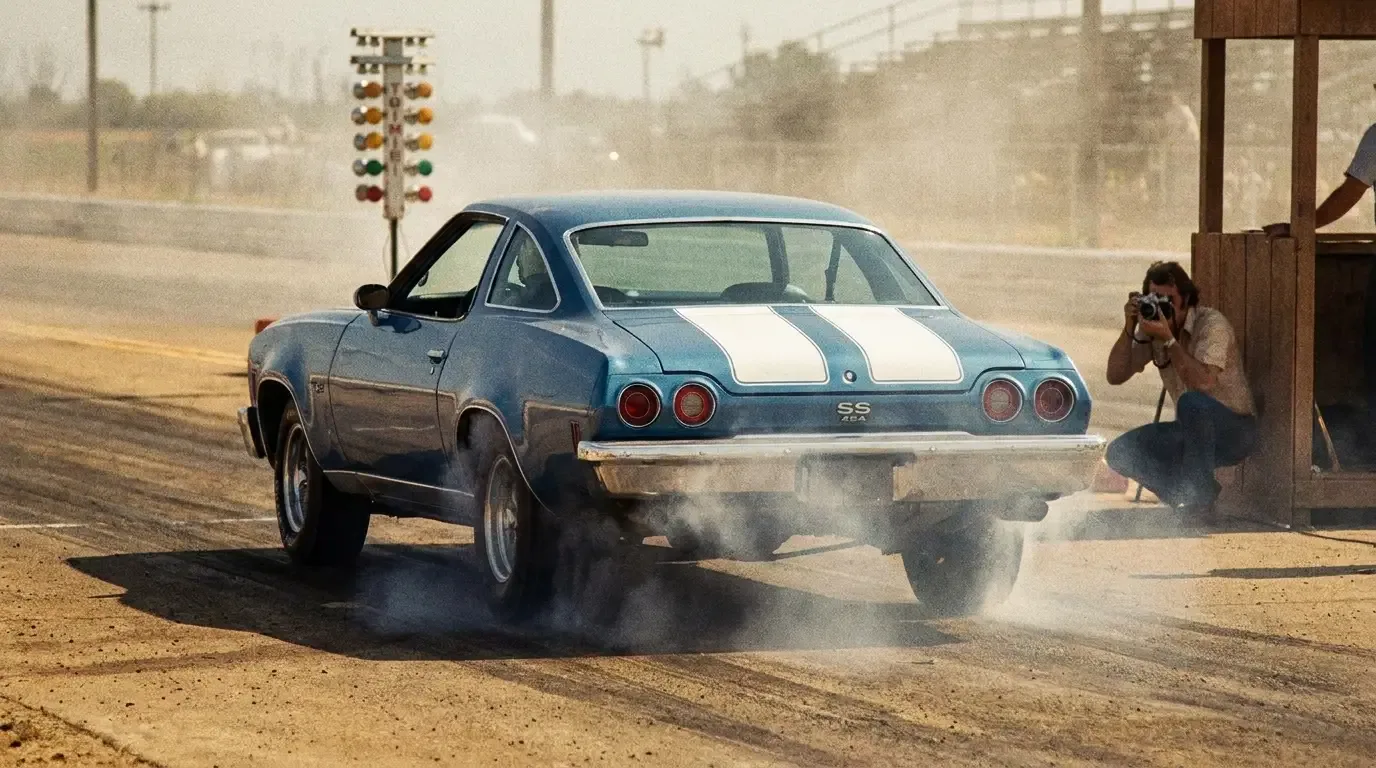
Chevelle in Racing: From NASCAR to the Drag Strip
Article
The 1973 Colonnade Redesign
Article
The 1973 Chevelle SS: The Last of Its Kind
Article
Chevelle Laguna 1973-74: A New Nose on the Colonnade
Article
Laguna Type S-3, 1974-1976
Article
The Swivel Bucket Seats That Defined Colonnade Comfort
Article
The 5-MPH Bumper Story
Article
Malibu Classic: The Chevelle Goes Personal-Luxury
Article
The 454 Big Block in the Colonnade Era
Article
Why the SS Badge Disappeared After 1973
Article
The Malaise-Era Horsepower Decline
Article
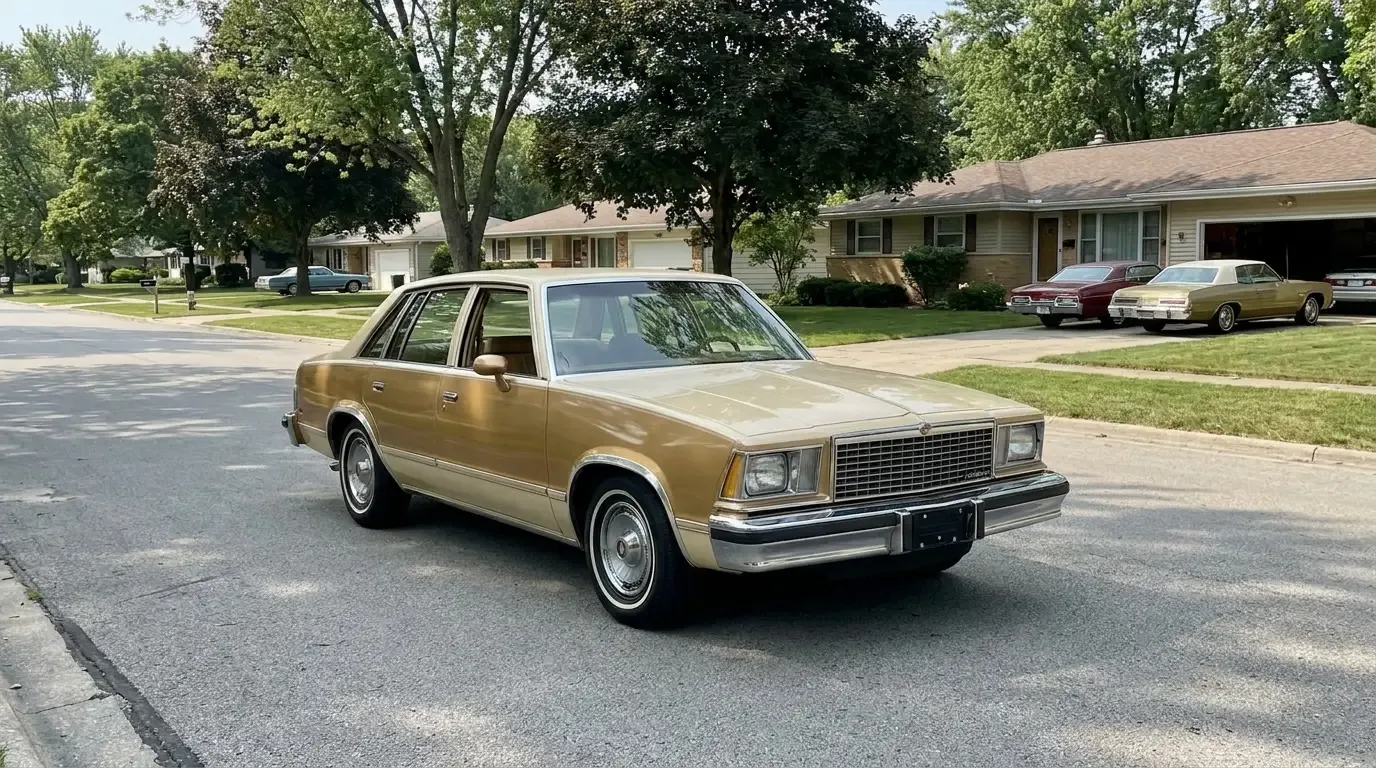
1977: The Final Colonnade Chevelle Year
Article
1978: The Year the Chevelle Became the Malibu
Article
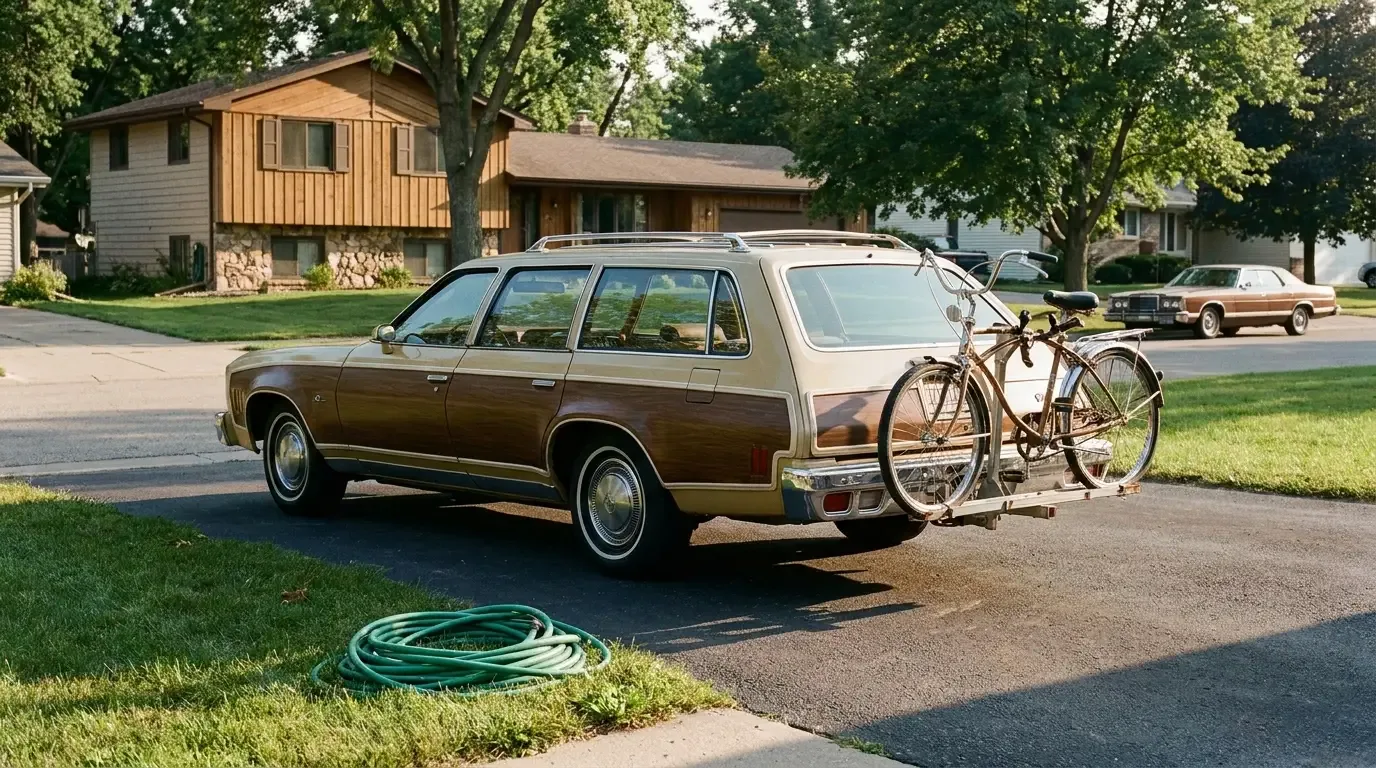
The Colonnade Chevelle Wagon
Article
The Soft-Nose Laguna: A Styling Story
Article
How Period Magazines Judged the Colonnade Chevelle
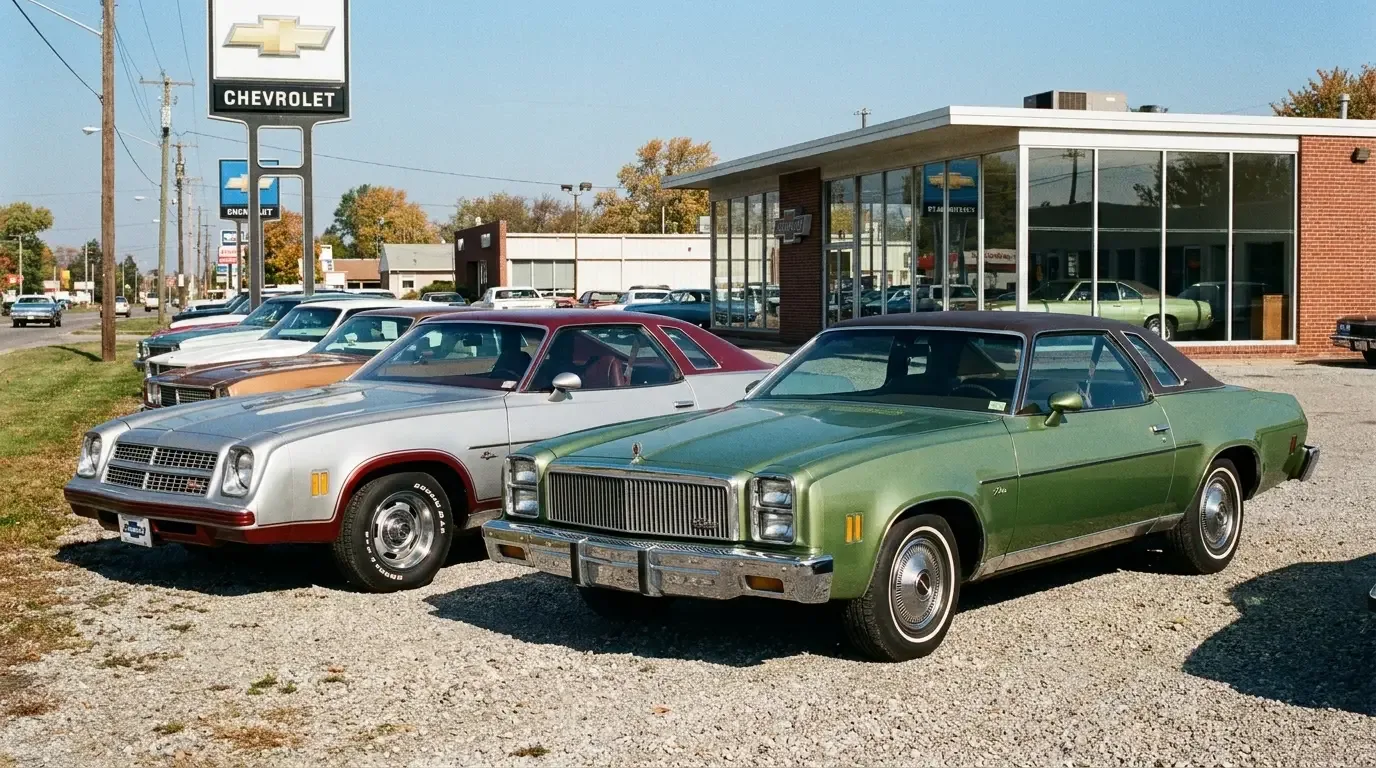
Article
Laguna S-3 vs Malibu Classic: Two Takes on the Same Platform
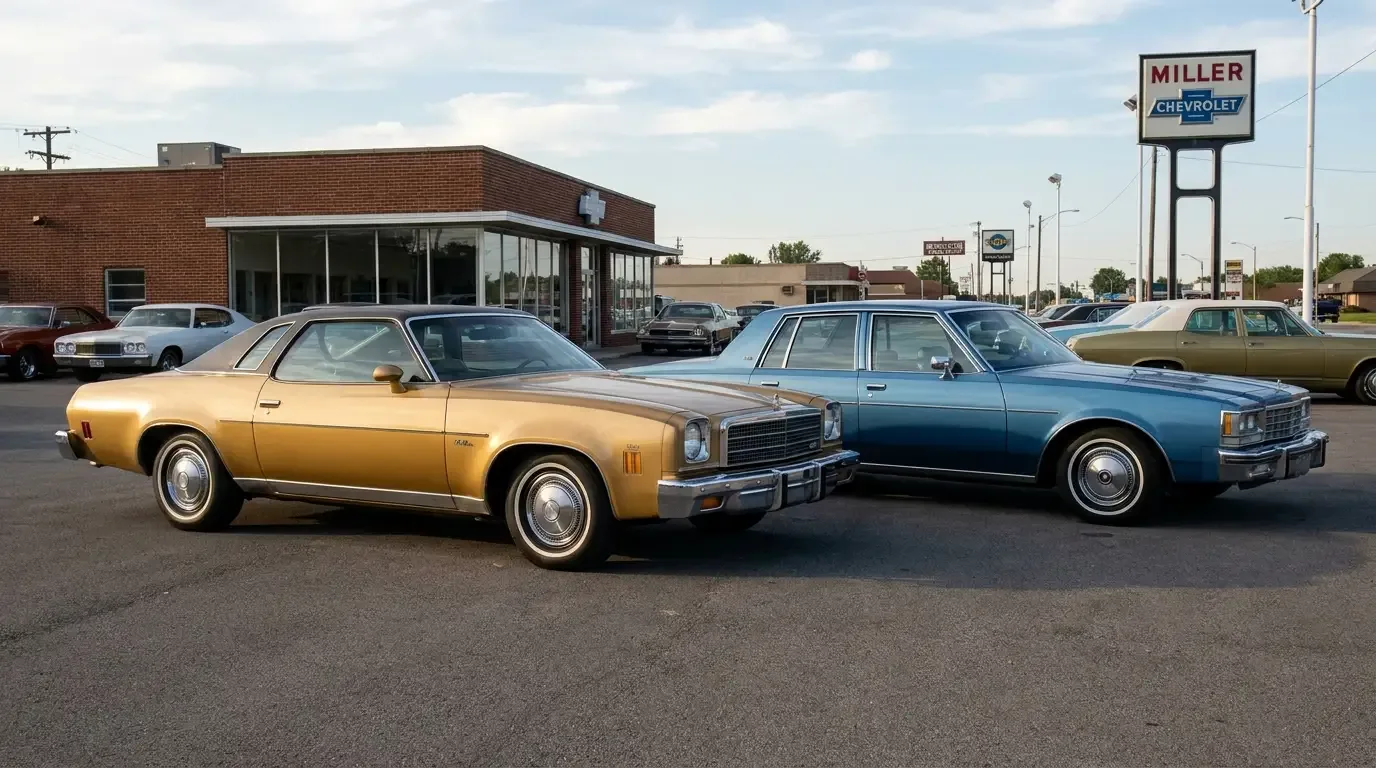
Article
Colonnade Coupe vs Sedan
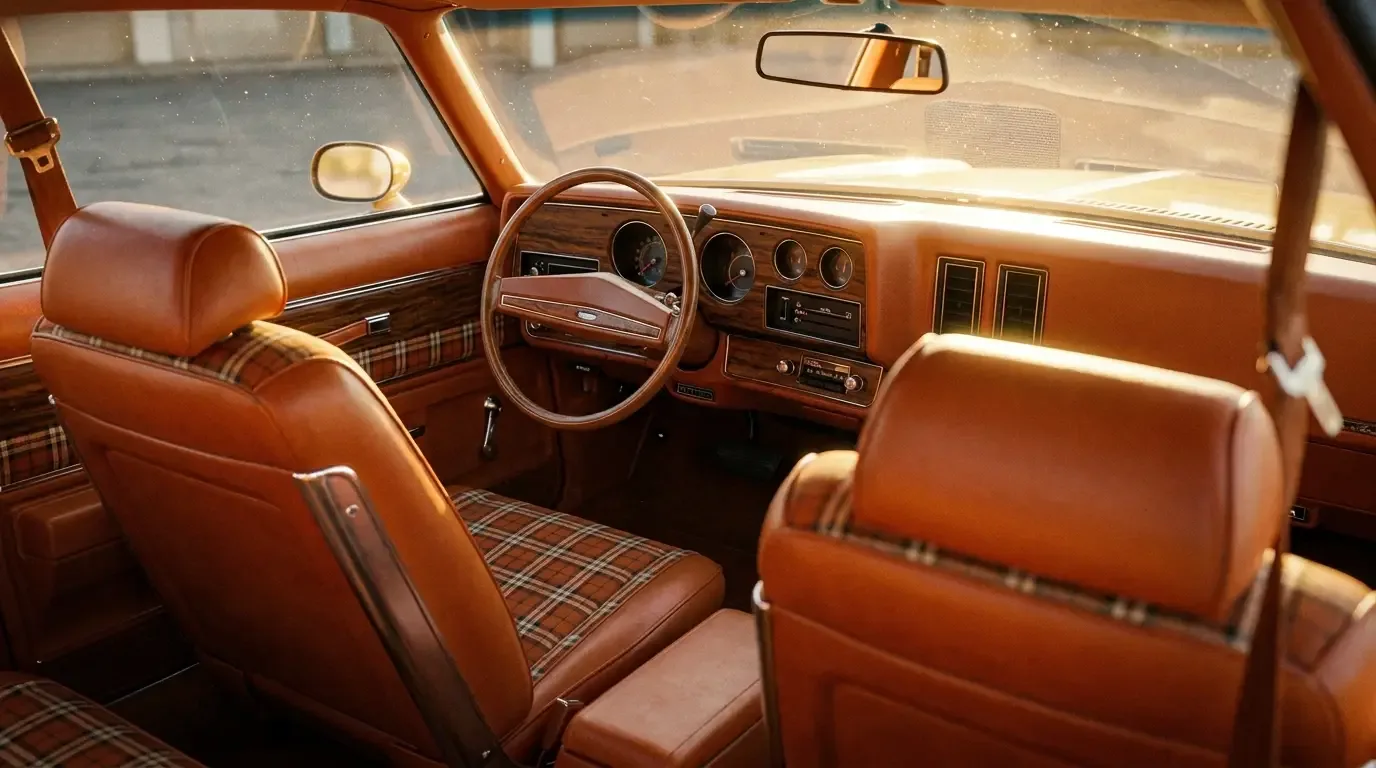
Article
Forgotten Chevelle Comfort Options of the Colonnade Years
Have a
Chevrolet Chevelle
for Sale?
Reach thousands of serious classic car collectors across the US.
Sell It Here →
Are You a Classic Car Dealer?
List your full inventory and connect with targeted classic car buyers.
Join as a Dealer →
#chevelle history
#Chevelle Laguna
#Colonnade Chevelle
#Laguna S-3
#1970s Chevelle
#malaise era muscle cars

About the author
Tom Ramirez
Corvette researcher and historian based in Bowling Green, Kentucky. Two decades documenting Corvette production history from original factory records.
Related Listings - Chevrolet Chevelle
More in History & Heritage
Comments
Be the first to comment on this article.