
I've pulled apart enough of these to tell you the Chevelle never got the reputation it earned. Everybody talks about the Mustang and the Camaro like they invented the muscle car, and then a 396-powered Chevelle rolls into a cruise night and quietly embarrasses half the field. That's the car in a nutshell. Understated on the outside, correct iron underneath, and built in numbers big enough that you can still find one without selling a kidney.
Car Features
14 min read
The Classic Chevrolet Chevelle Story
The full Chevelle history from the 1964 A-body launch through the LS6 454 and the malaise-era Laguna, plus what to check before you buy one.
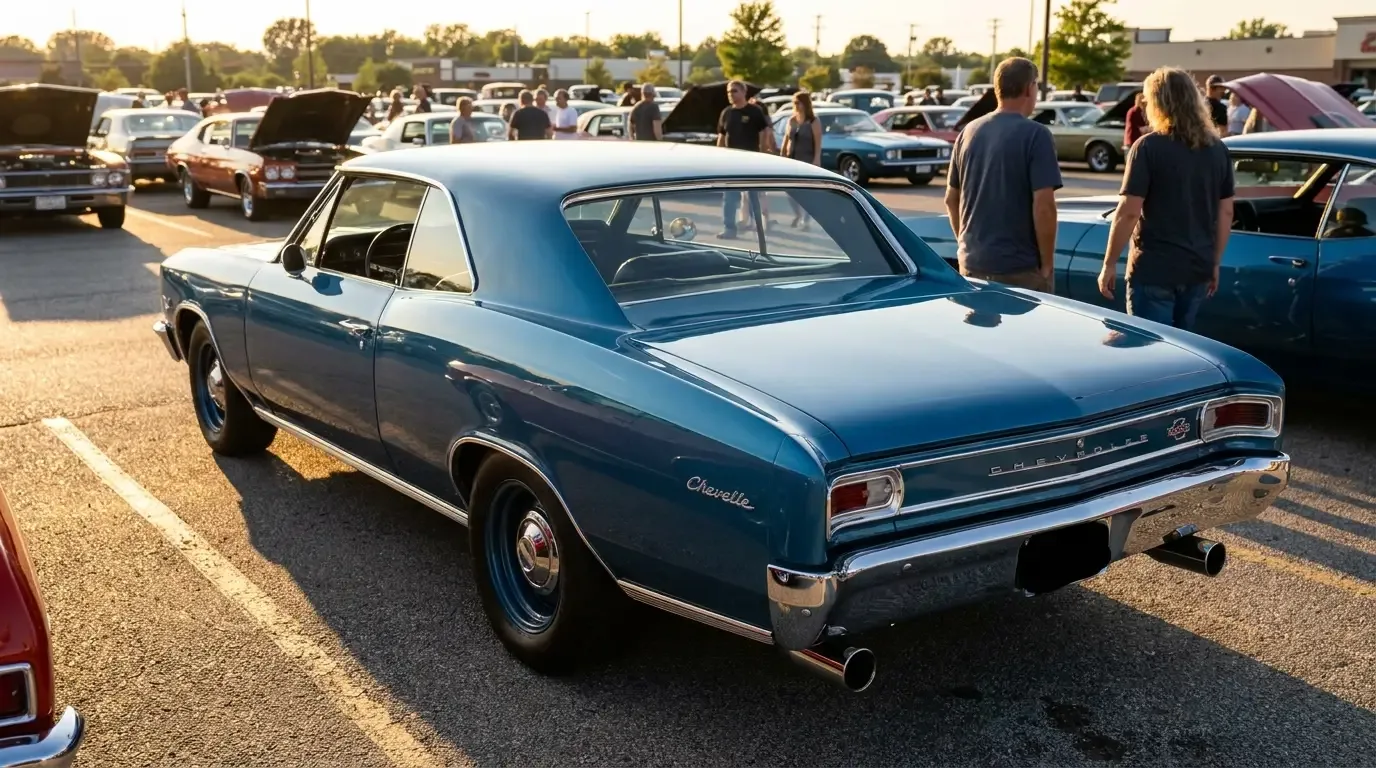
This is the whole story, start to finish. Where the car came from, what changed each generation, which engines matter, and what to actually look at before you hand somebody a check. I'm not going to dress it up. The Chevelle was a working-class Chevrolet that happened to be available with some of the meanest big-blocks General Motors ever built, and that combination is exactly why it still matters.
Why the Chevelle mattered to Detroit
By the early 1960s Chevrolet had a hole in the lineup. The full-size Impala was getting bigger and softer every year, and the compact Chevy II wasn't built to carry a serious engine or satisfy a buyer who wanted something with real presence but didn't want to pay full-size money. GM's other divisions were already working the mid-size angle, and Chevrolet needed its own entry before Pontiac's Tempest and Oldsmobile's F-85 ate the segment alone.
The result was the Chevelle, introduced for the 1964 model year on GM's new A-body platform. It split the difference: full-frame construction, a 115-inch wheelbase shared across every body style at launch, and an engine bay wide enough to eventually swallow big-blocks nobody at the design table was thinking about in 1962. That last part turned out to be the important one. The Chevelle wasn't designed as a muscle car. It became one because the platform had room to grow and Chevrolet had no shortage of V8s looking for a home.
Woodward Avenue in Detroit is where a lot of these cars got proven, whether the factory intended that or not. Stoplight to stoplight, the Chevelle earned its reputation the same way most Detroit iron did: somebody's shop-built 396 humbling a car that cost twice as much.
What made the Chevelle different from the compacts-with-a-big-engine approach other manufacturers took is that the A-body was never a stretched economy car. GM engineered it as a proper mid-size from the ground up, with a perimeter frame under a unitized body structure up front, real trunk space, and a wheelbase long enough to keep the ride civil even with a big-block hanging off the front subframe. That combination, comfortable enough for a family, stout enough for a 396, is the reason the Chevelle sold in numbers that dwarfed most of its muscle car rivals. It wasn't a specialty car. It was a Chevrolet that happened to be available with specialty engines, and that distinction shaped everything about how the car was built, optioned, and sold for the next thirteen years.
First generation (1964-1967): the A-body arrives
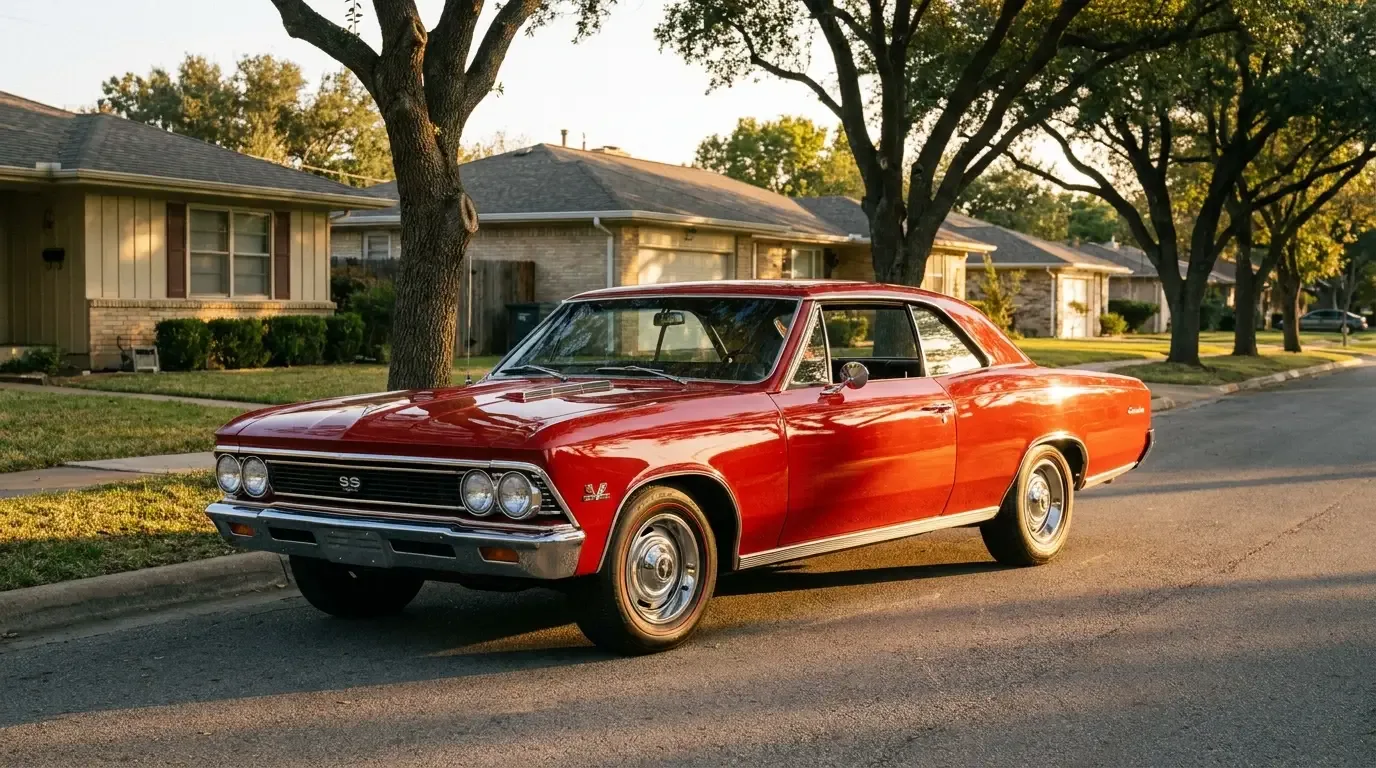
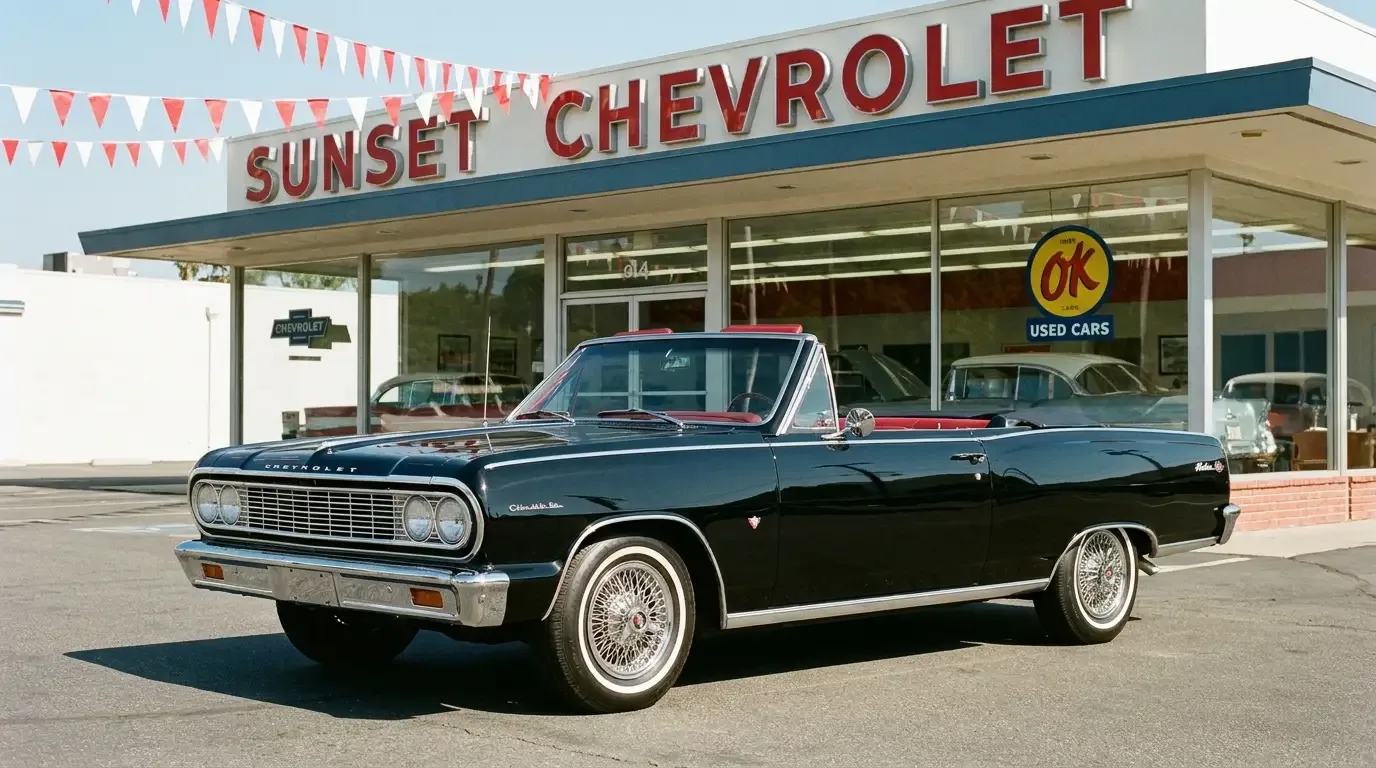
The first Chevelles were offered as two-door coupes, convertibles, four-door sedans, and wagons, badged across trim levels from the base 300 series up through the Malibu and Malibu SS. The Super Sport package showed up in that first year and by 1965 Chevrolet dropped the 396 big-block into the Malibu SS, which is the moment this platform stopped being a family car with an options list and started being something else entirely.
These early cars are lighter and simpler than what came after. Fewer emissions concerns, thinner bumpers, and a body style that still reads clean by any era's standards. The L79 327 was the performance small-block of choice for a lot of buyers who didn't need the weight or the insurance premium of a big-block, and it's a genuinely good engine, factory-rated at 350 hp when it debuted as RPO L79 for the 1965 model year.
1966 and 1967 brought a mild restyle, squaring off some of the earlier car's curves and pushing the SS396 into its own trim identity separate from the base Malibu. By 1967, federal safety requirements started showing up in small ways, an energy-absorbing steering column, shoulder belt provisions, items that don't change how the car drives but do help date a survivor if the paperwork is missing. These four years get less attention from buyers chasing the biggest engine numbers, but the 1965-1967 SS396 cars in particular are underrated. They're lighter than the second-generation cars that followed, which makes the power-to-weight math work out better than the raw horsepower figures alone would suggest.
Second generation (1968-1972): peak muscle
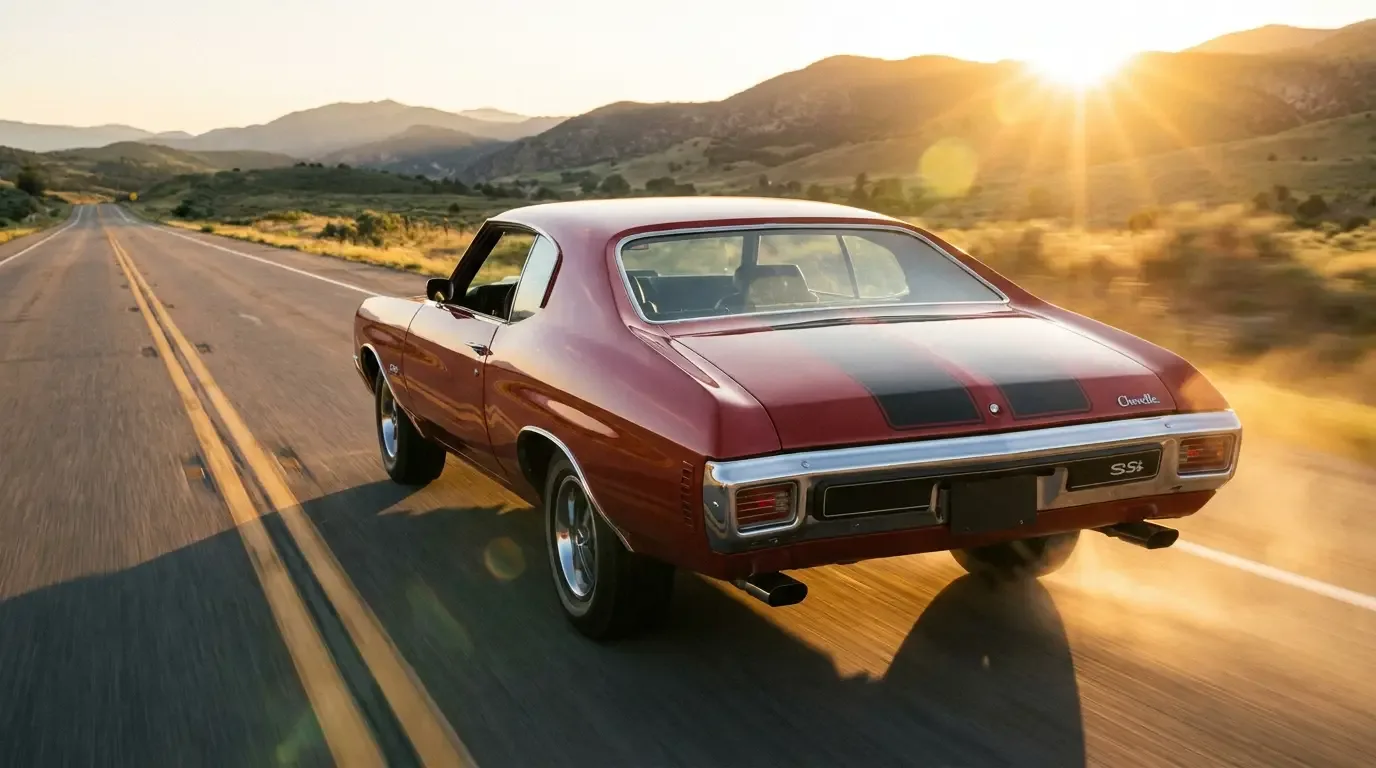
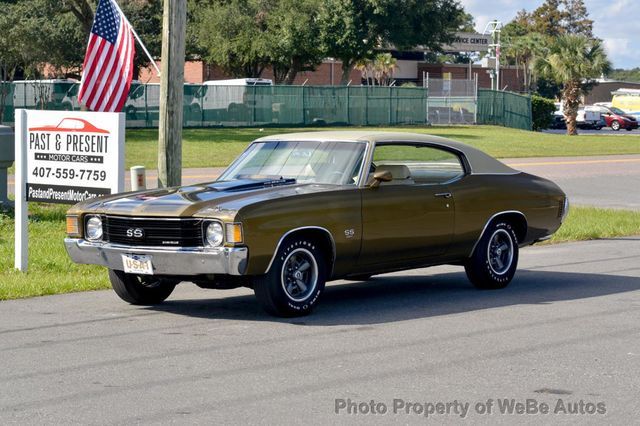
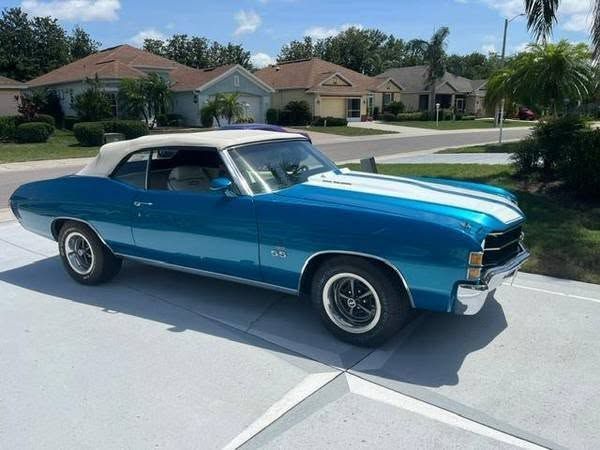
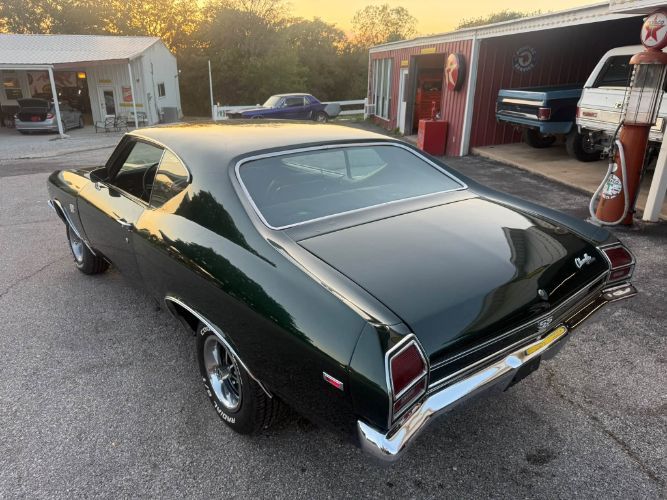
Chevrolet redesigned the Chevelle for 1968 with a longer hood, a shorter deck, and the coke-bottle body styling that defines the car in most people's minds today. This is the generation that produced the SS396, the L78, and eventually the LS6 454, an engine that is still discussed in hushed tones at swap meets because Chevrolet's factory rating on it was honest instead of underhanded the way some manufacturers played the insurance-rating game.
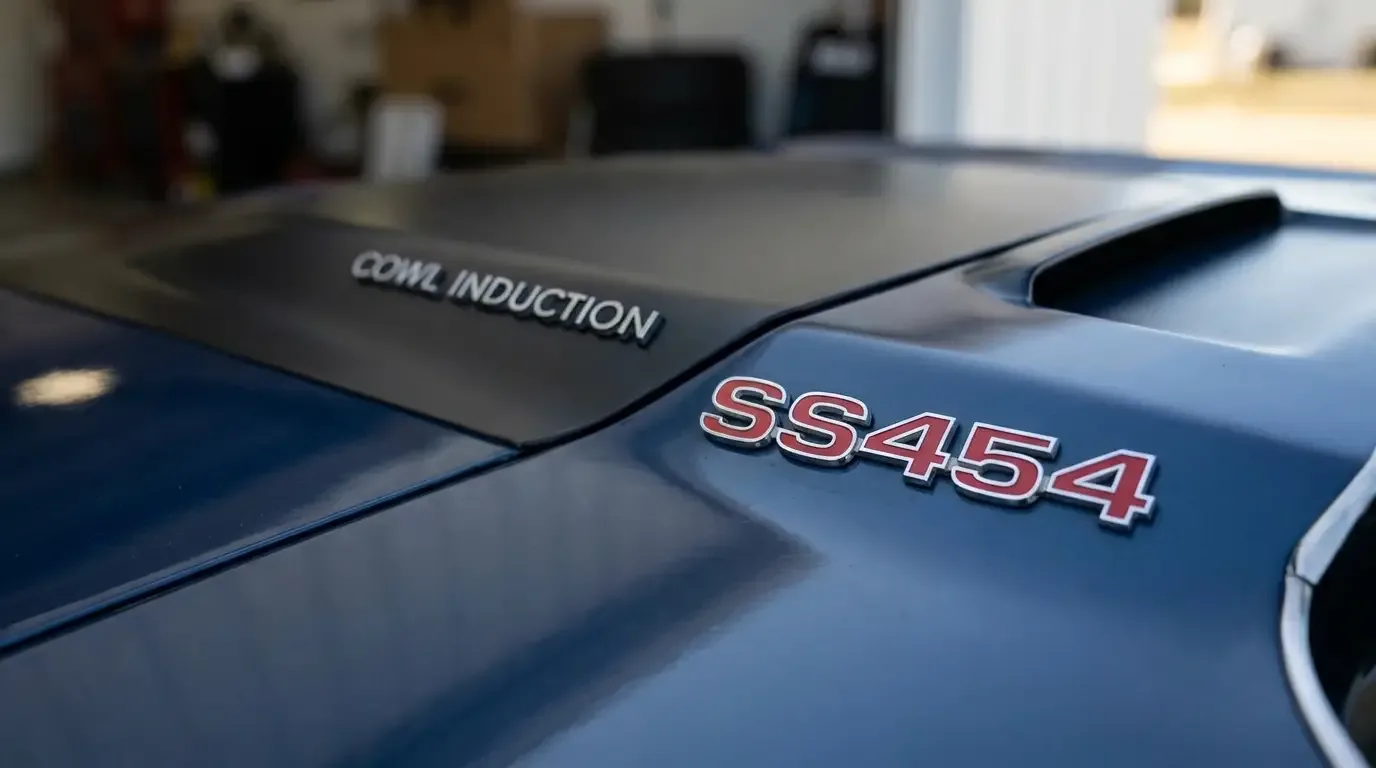
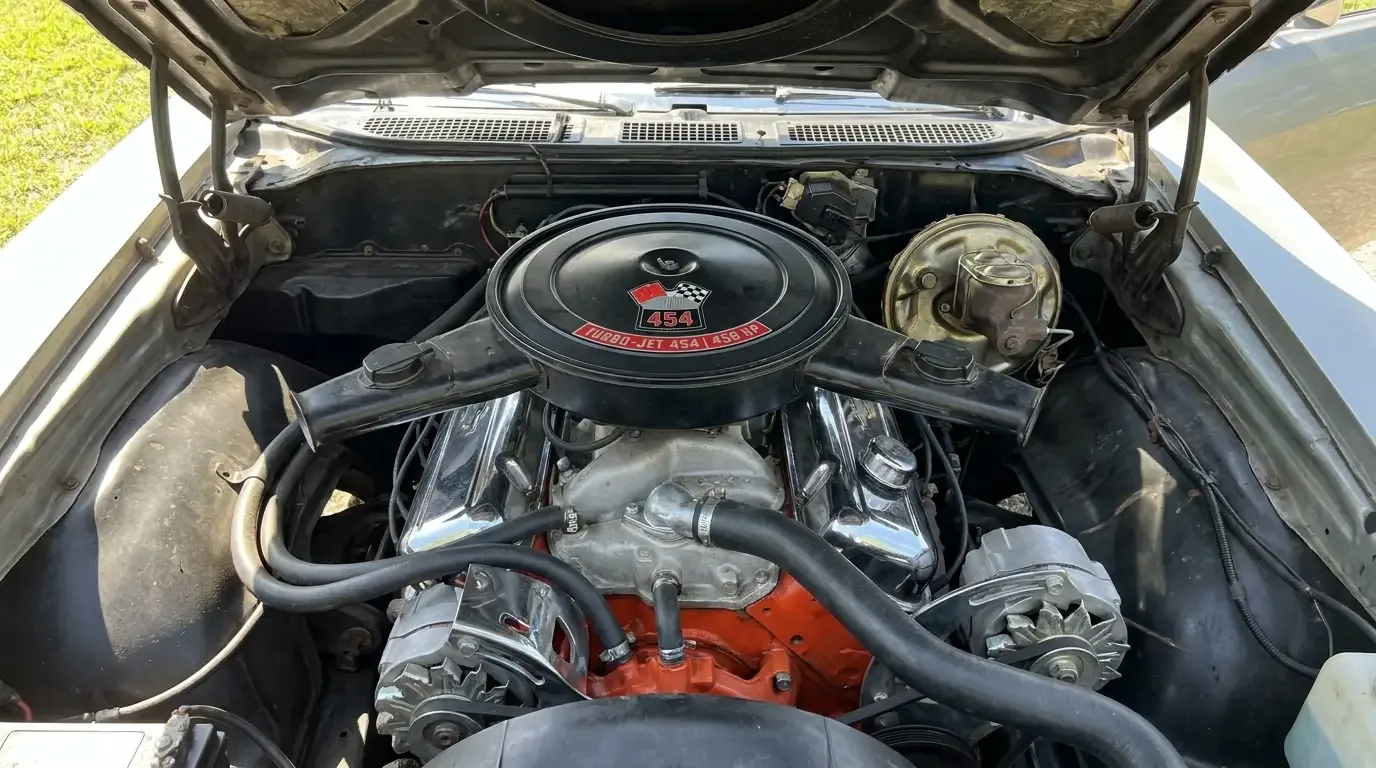
1970 is the year most collectors point to as the high-water mark. The LS6 454 was factory-rated at 450 gross horsepower and 500 lb-ft of torque, the styling had matured without going soft, and the whole package came together before insurance rates and emissions requirements started squeezing the segment from both directions. A well-documented 1970 SS454 is one of the most sought-after muscle cars from any manufacturer, and the prices reflect it.
This generation also carried the car through the early emissions changes of 1971 and 1972, where compression ratios came down across the board and horsepower ratings started their long slide. The engines were still there in name. The bite was already softening.
The body style itself deserves credit separate from the engines. The 1968 redesign gave the Chevelle a fastback SS coupe roofline, hidden wiper cowl, and a stance that looked fast standing still, which is part of why this generation photographs better than the boxier first-generation cars. Chevrolet also expanded the trim ladder through this run, with the Malibu, the SS package, and eventually the Heavy Chevy and other appearance packages aimed at buyers who wanted the look without necessarily stepping up to the big-block price tag. That range of options is part of why the second generation left behind such a deep pool of surviving cars in such a wide spread of condition and configuration.
The engine options that defined it
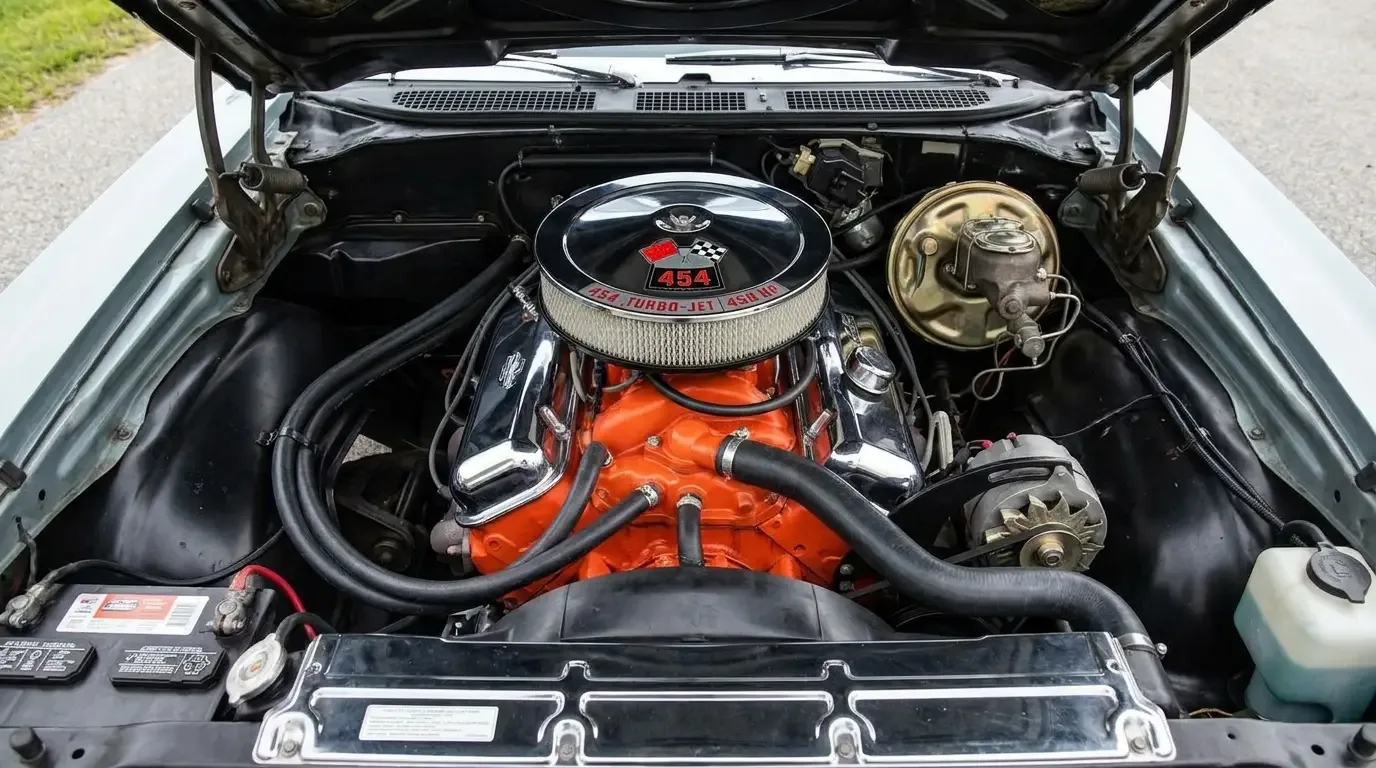
The Chevelle's engine roster reads like a survey of Chevrolet's entire small-block and big-block family. The 283 and 327 handled base and mid-tier duty in the early years. The 350 became the workhorse small-block through the 1970s. On the big-block side, the 396 (later actually displacing 402 cubic inches while keeping the 396 badge for marketing reasons) carried the SS through most of its run, the 396/402 offered its hottest factory tune in the L78, and the 454 closed out the era at the top of the range with the LS5 and LS6 variants.
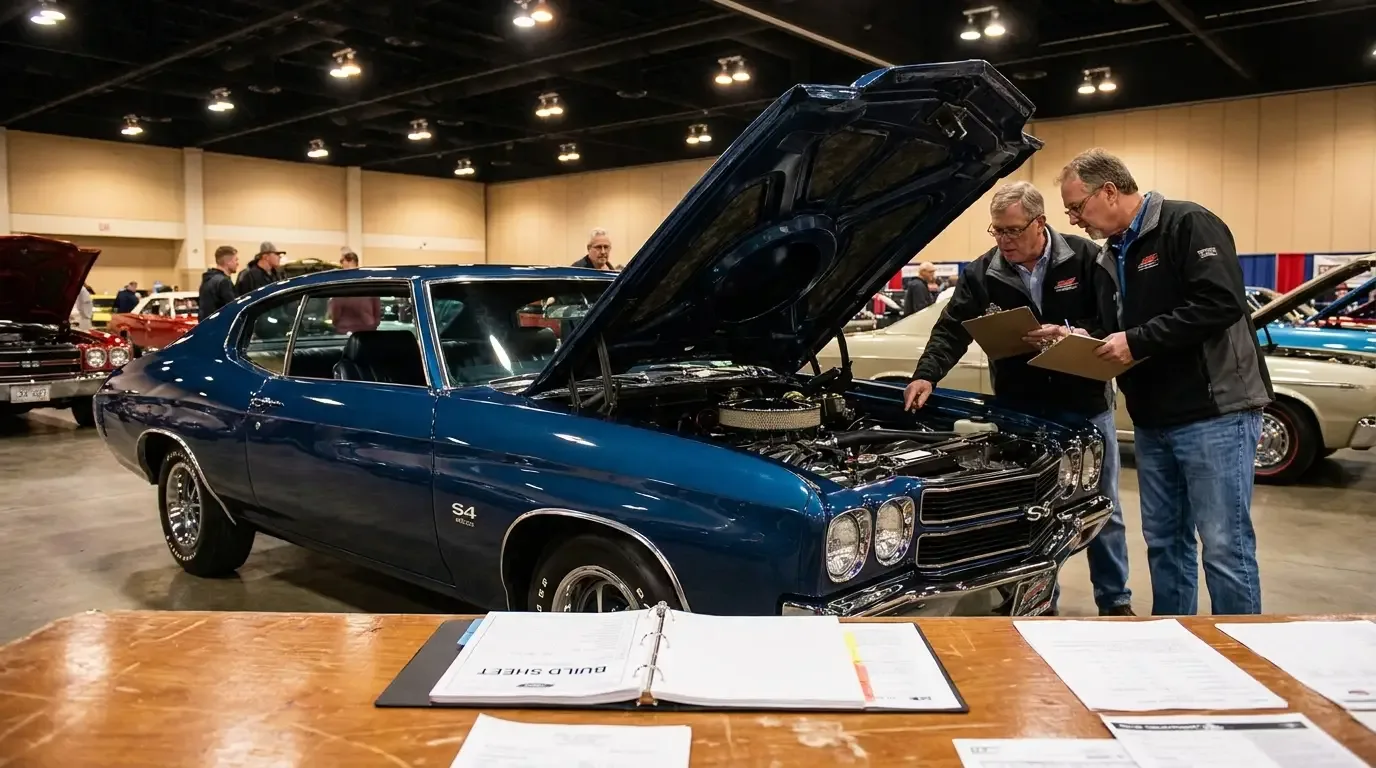
Numbers-matching matters enormously here. A casting number that doesn't line up with the build sheet, or a block date code that postdates the car's assembly, tells you the engine was swapped at some point. That's not automatically a dealbreaker, plenty of good driver-quality cars run a period-correct replacement block, but it changes the car's value and it changes what you should be paying.
Transmissions followed a similar pattern of options growing with the engine lineup. Early cars could be had with a two-speed Powerglide, and Chevrolet added the Muncie four-speed manual and the Turbo Hydra-Matic 400 as the big-blocks became more common. A correctly matched transmission for the engine and year is another documentation point worth checking, since a Powerglide behind a 396 tells a different story than a Muncie four-speed does, both in how the car drives and in what it should be worth.
| Years | Generation | Notable engines | Approx. production |
|---|---|---|---|
| 1964-1967 | First generation | 283, 327, 396 (1965 on) | Roughly 300,000-400,000 per year across trims |
| 1968-1972 | Second generation | 350, 396/402, 454 (LS5/LS6) | SS output and desirability peaked with the 1970 LS6 |
| 1973-1977 | Colonnade/Laguna | 350, 400, 454 (declining output) | Sales volume trended down through the run, from roughly 387,000 in 1973 to roughly 328,000 by 1977 |
The malaise years: Colonnade and Laguna (1973-1977)
The third-generation Chevelle came in for 1973 with a heavier Colonnade body style and none of the compression ratios that made the earlier cars quick. Chevrolet still offered a 454, but net horsepower ratings (the industry switched from gross to net figures in this era, which makes cross-generation comparisons tricky) tell you everything about where things were headed. The Laguna S-3 tried to keep some performance image alive through the mid-1970s with a nose treatment built for NASCAR aerodynamics, and it's a genuinely interesting footnote, but nobody is cross-shopping a 1975 Chevelle against a 1970 SS454 for straight-line performance.
These later cars get overlooked by buyers chasing the big-block glory years, which is exactly why they're worth a mention here. They're cheaper, easier to insure, and still carry the same body-over-frame construction and parts commonality with the earlier cars.
1977 was the last year for the Chevelle name before Chevrolet folded the mid-size lineup into the Malibu badge alone for 1978, downsizing the platform onto a smaller, lighter GM chassis. That transition marks the true end of the Chevelle as most enthusiasts define it. Everything built on the older, larger A-body platform from 1964 through 1977 is fair game for someone chasing this specific car's history, even if the later years never get the auction headlines the 1970 SS454 does.
What to look for when buying a Chevelle today
Start underneath, not under the hood. These cars are unibody up front but full-frame overall, and frame rust at the front crossmember and rear leaf spring mounts is common on anything that spent real time in a road-salt state. Bring a light and a pick. If the metal doesn't ring when you tap it, walk away or budget accordingly.
Next, check the cowl and floor pans. Water gets in through the cowl vent seal and rots the floor from the inside out before it ever shows on the carpet. Pull the carpet if the seller lets you. If they won't let you, that tells you something too.
On the drivetrain side, verify casting numbers against the build sheet or a Protect-O-Plate if the car has one. A numbers-matching 1970 SS454 with documentation is worth multiples of an identical-looking car running a date-correct but non-original block. Anyone who can't produce documentation and still wants numbers-matching money is asking you to take their word for it, and I don't recommend doing that with this kind of money on the table.
🔧 Inspection Priorities
- Frame rails and rear spring mounts. Rust here is structural, not cosmetic, and repair means real fabrication work.
- Cowl and floor pan condition. Water intrusion rots these from underneath, hidden by carpet until it's advanced.
- Casting numbers vs. documentation. A mismatched engine changes the value conversation entirely, get this settled before you negotiate price.
- Trunk floor and quarter panel lower edges. Common rust spots that a fresh paint job can hide at a glance.
"I've seen a lot of these come through Detroit over the years, and most of them have the same problem: somebody did the easy work and left the expensive stuff for whoever bought it next. The paint looks right at fifteen feet. The interior smells like Armor All. And under the hood there's a rebuilt carb sitting on top of an engine that hasn't seen fresh oil in two years. Here's what to actually look at."
Mike Sullivan
Common problems and honest ownership costs
Beyond the rust, expect the usual A-body wear items: worn front end bushings and ball joints from decades of use, tired power steering boxes that leak from the pitman shaft seal, and interior parts that got discontinued decades ago and now cost more in reproduction than the original part cost new. Big-block cars run hot in traffic if the radiator hasn't been upgraded from the factory-correct but marginal original core, so don't be surprised by a temperature gauge that climbs at idle in July.
Budget for brakes too. Factory drum brakes on a big-block car are underwhelming by modern standards, and a lot of these have been upgraded to front discs at some point, which is worth confirming rather than assuming.
Don't overlook the electrical system either. Original wiring insulation gets brittle after five decades, and a fresh restoration that skipped rewiring the harness is a fire risk waiting for a bad connection. Check the charging system output while the engine's running, not just whether the alternator light goes out at idle, since a marginal charging system is one of the more common reasons an otherwise solid driver leaves you stranded.
Where the Chevelle stands in the market now
Documented big-block cars, especially 1970 SS454 LS6 models, sit at the top of the market and have for years. Small-block cars and the four-door and wagon body styles remain far more affordable and, for a lot of buyers, more usable as an actual driver rather than a trailer queen. The Colonnade-era cars from 1973 to 1977 are the entry point into Chevelle ownership for buyers priced out of the earlier generations, and they're starting to get their own following as parts and knowledge for them dry up elsewhere.
If you're shopping seriously, start by looking at what's actually available. There's a wide range of classic Chevelle for sale across body styles, generations, and price points, from project-grade small-block cars to documented big-blocks, and comparing real asking prices against condition is the fastest way to calibrate what a fair number actually looks like this year.
"A Chevelle doesn't have to be a numbers-matching SS454 to be worth owning. Some of the best drivers I know are small-block cars nobody else wanted twenty years ago, bought cheap and kept mechanically honest ever since. That's a better use of the platform than another trailer queen that never sees a road."
Mike Sullivan
The bottom line on this platform
The Chevelle earned its place in Detroit's muscle car story the hard way, by being a genuinely good, genuinely tough platform that happened to accept some of the era's best engines. It wasn't the flashiest car GM built in the 1960s and 1970s, and it didn't need to be. It just needed to be honest, and it was. That's still the case today. Buy the documentation, buy the structure, and the rest of it is just maintenance.
Thirteen model years, three distinct generations, and an engine range that started with a mild 283 and ended with a 454 that could embarrass cars costing three times as much. That's a lot of ground for one nameplate to cover, and it's why the Chevelle still supports so many different kinds of buyers today: the guy who wants a numbers-matching investment piece, the guy who wants a Sunday driver he isn't afraid to put miles on, and the guy who just wants a project in the garage that teaches him something new every weekend. All three are buying the same basic platform. What separates them is documentation, condition, and how honest they're willing to be with themselves about what they're actually looking at underneath the paint.
Sources and notes
- Chevrolet Chevelle: Wikipedia
- 1965 Chevrolet Chevelle L79: the 350 hp 327: Barn Finds
- 1970 Chevrolet Chevelle SS 454 LS6: Sports Car Market
- Bringing a Classic LS6 454 Back to Factory Specs: Chevy Hardcore
- 1964-1972 Chevelle Production Numbers by Series/Model: ChevelleStuff.net
- 1964-1977 Chevrolet Chevelle: 13 Years of History in Detail: TopSpeed
- Where did the name Chevelle come from?: Team Chevelle forum
Related Reading
Have a
Chevrolet Chevelle
for Sale?
Reach thousands of serious classic car collectors across the US.
Sell It Here →
Are You a Classic Car Dealer?
List your full inventory and connect with targeted classic car buyers.
Join as a Dealer →

About the author
Mike Sullivan
Detroit-area muscle car enthusiast and restoration specialist with three decades of hands-on experience working on American iron.
Related Listings - Chevrolet Chevelle
Comments
Be the first to comment on this article.