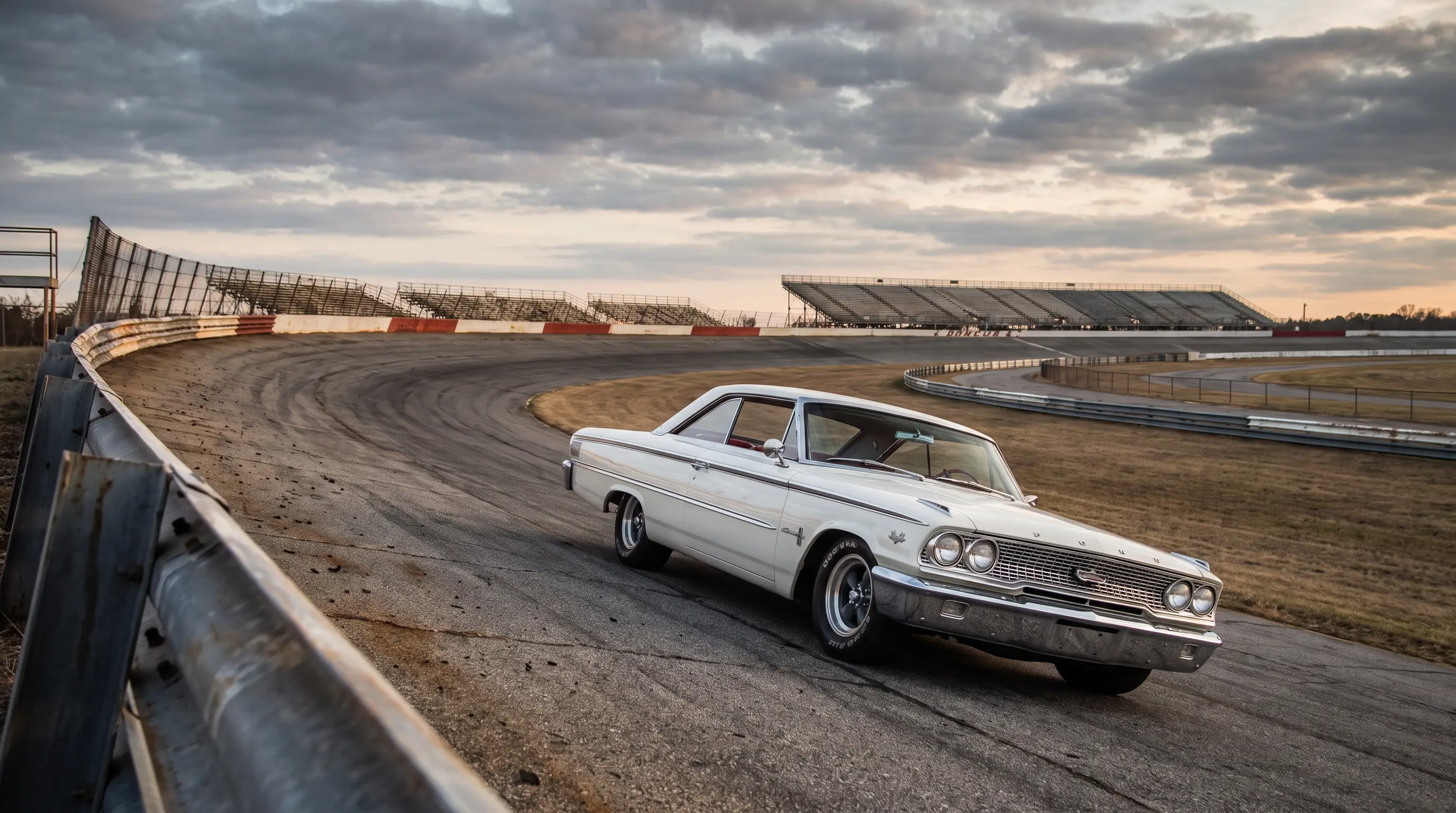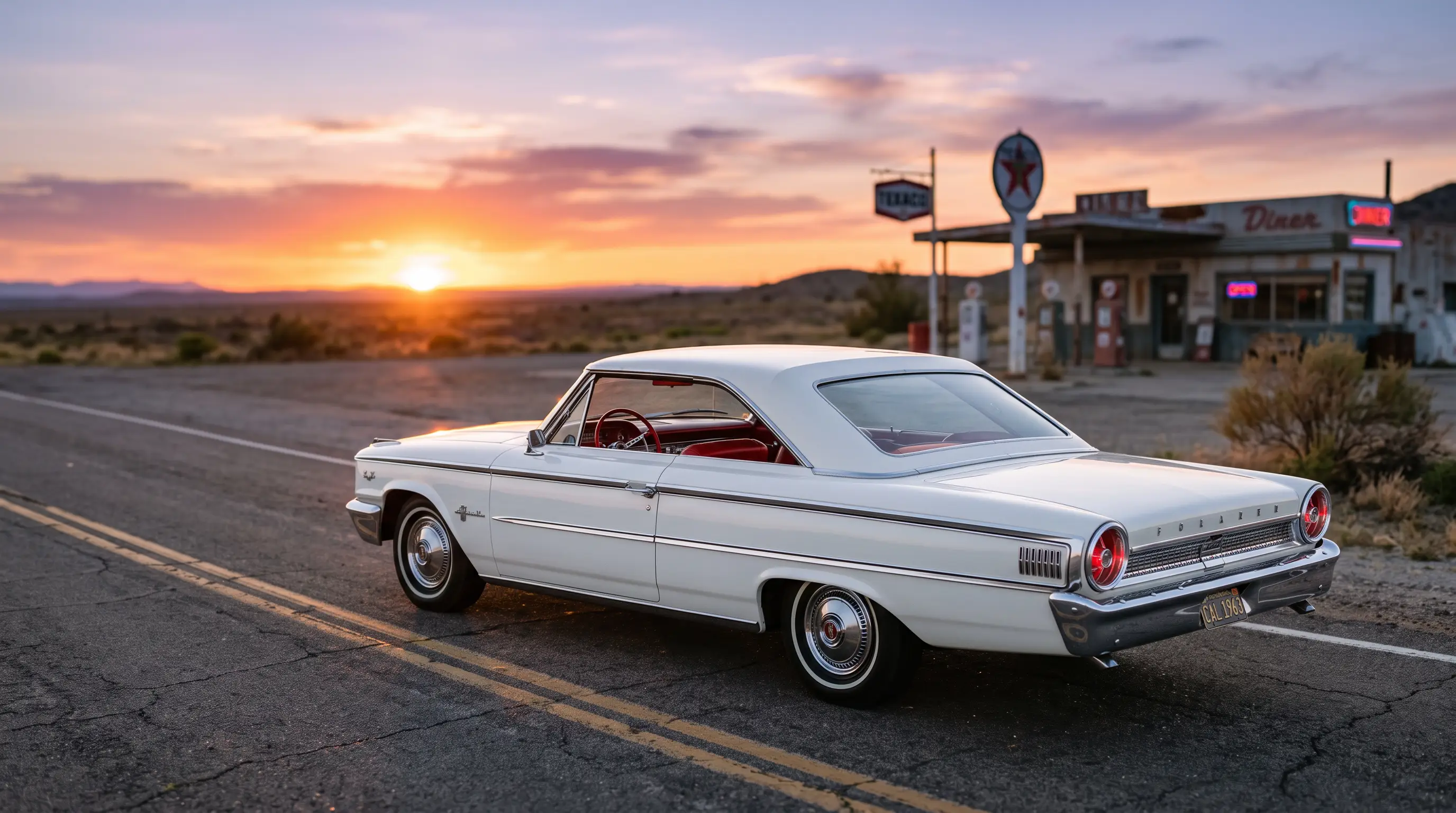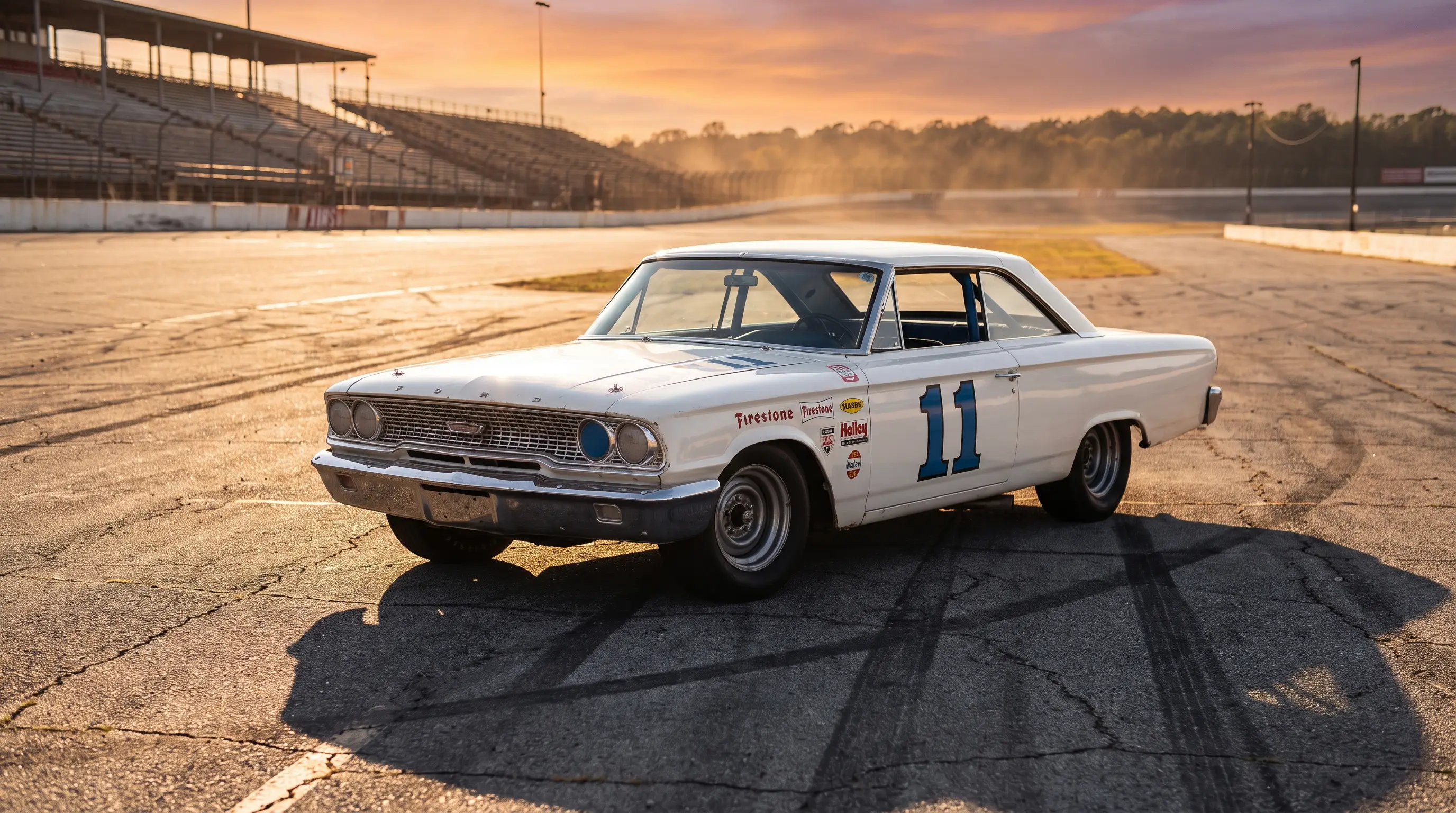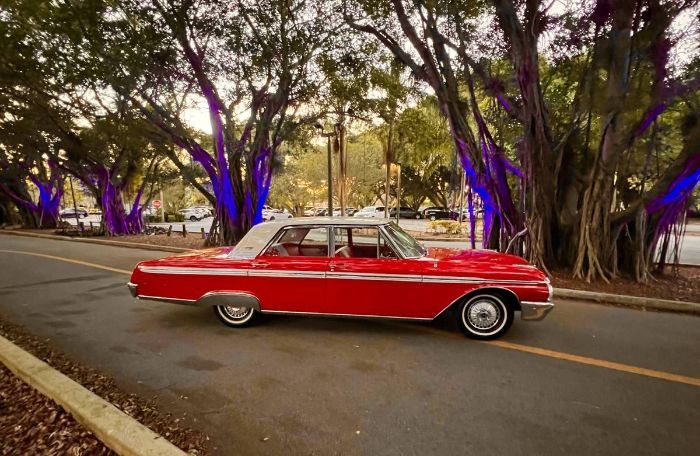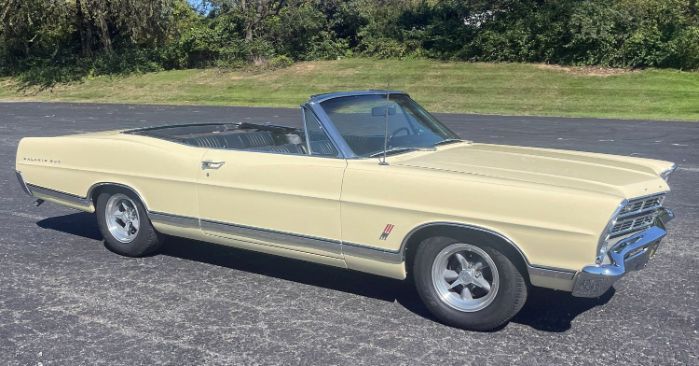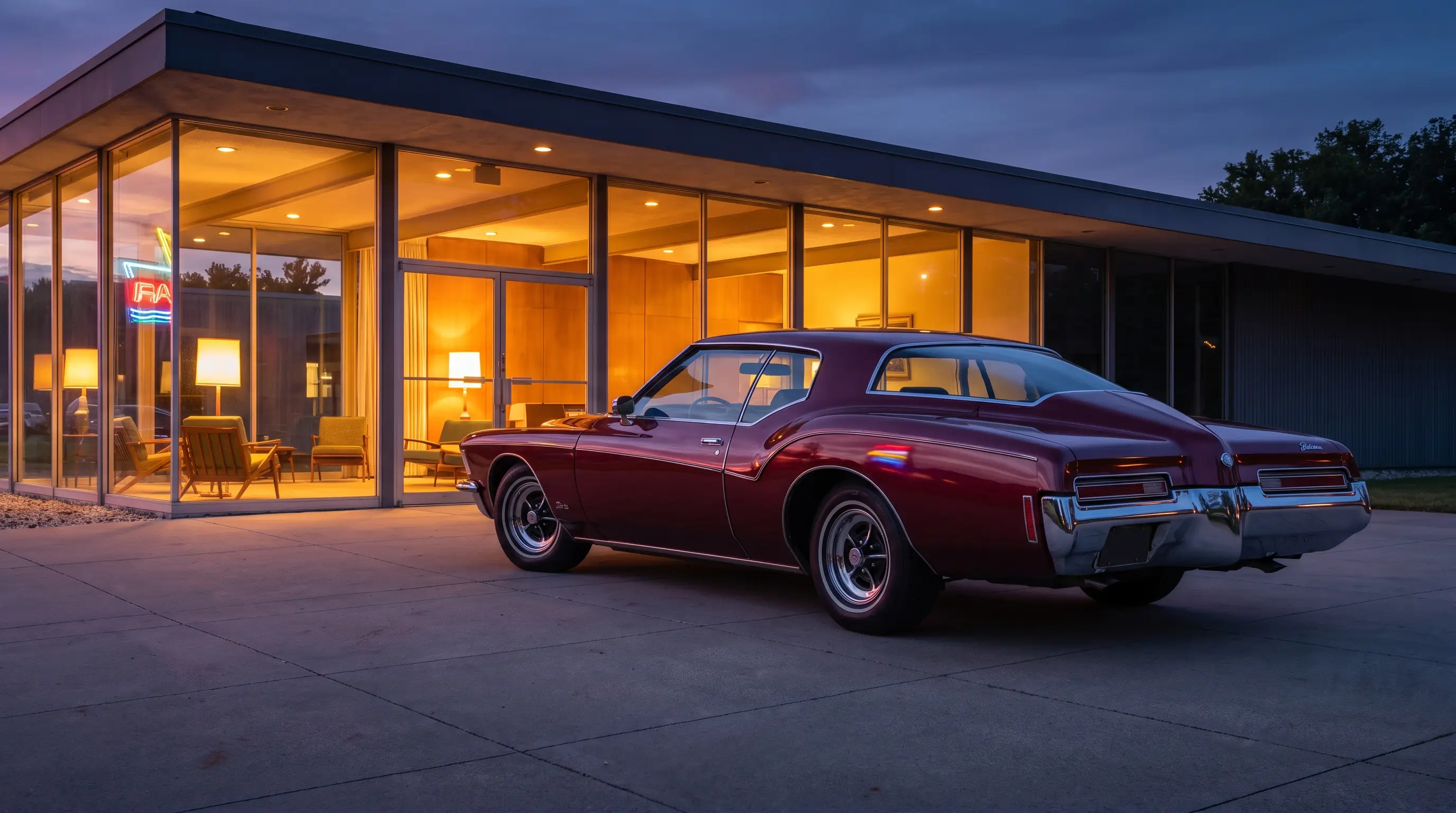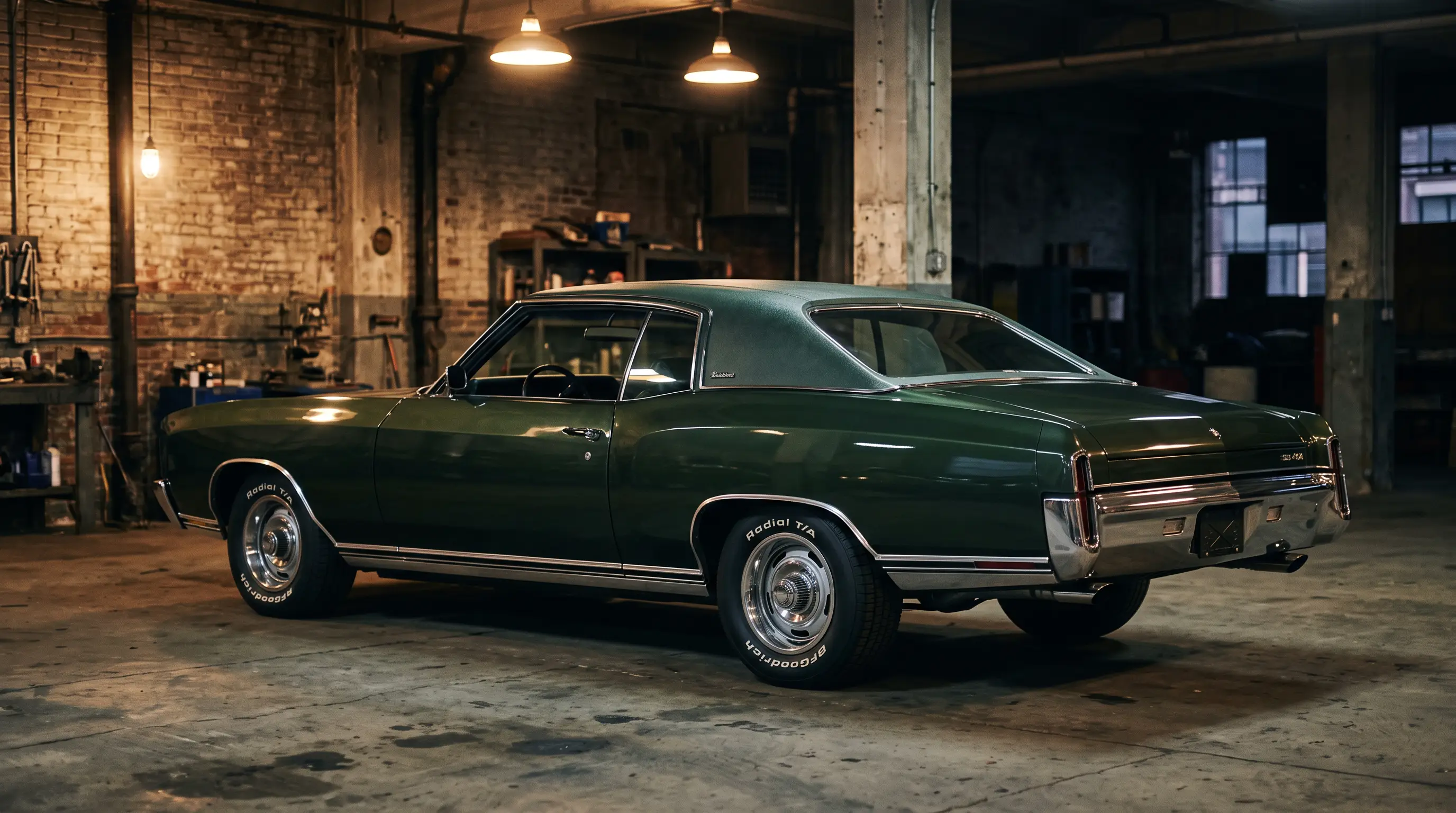
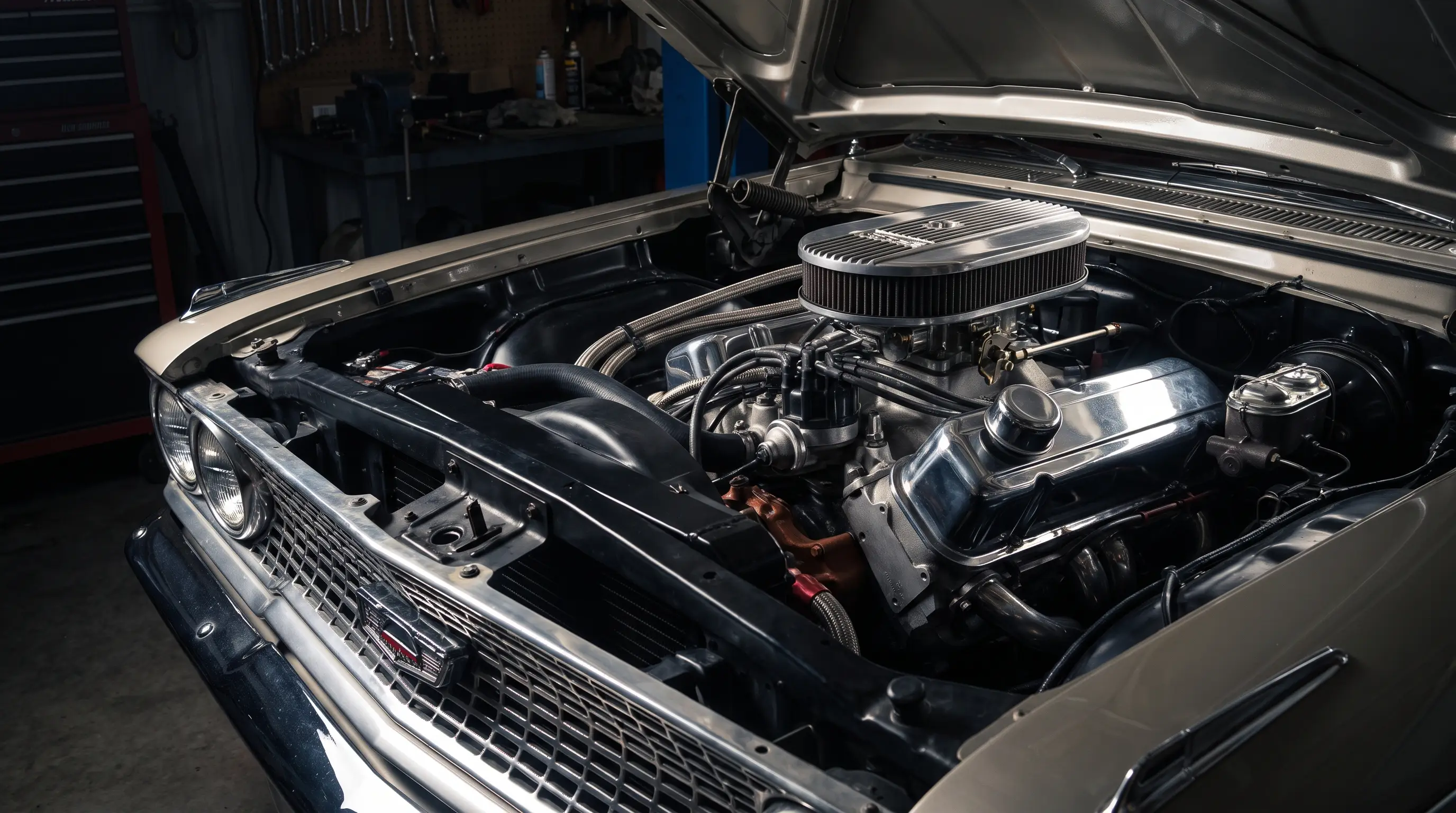
The ford galaxie 1963 427 vs 406 transition is a short story with a big number at the end of it. Ford's full-size muscle only had one job in 1963: win on Sunday, sell on Monday, and the engine bay is where that job either got done or didn't. The 406 had carried the fight in 1962. By early 1963 it was retired, and a 427 cubic inch big block took its place under the hood of the Galaxie. That is the whole transition in one sentence. Everything else is detail, and the detail is where the real answer to why Ford made the change lives.
What the 406 actually did in 1962
The 406 was a bore-and-stroke job on the FE block, built to answer Chevrolet's 409 and Chrysler's 413 max wedge. In its best factory tune, with triple two-barrel carburetors and 11.4:1 compression, Ford rated it at 405 horsepower. That number sounds close to what came next, and that is exactly the problem. A 405 horsepower 406 was already at the edge of what the FE block's water jackets and head bolt pattern could reliably support at sustained high RPM on a race track. Drag racers and NASCAR teams both found the same thing: push it hard for a full season, and the 406 started giving trouble in the areas Ford had stretched the furthest, mainly around cylinder head sealing and bottom-end durability under sustained load.
None of that made the 406 a bad engine for a street car. It made it a compromised engine for a factory that had decided, starting with the 1963 season, to fight for the NASCAR manufacturers title with everything it had. That decision is what actually killed the 406, not any single flaw in the engine itself.
Why 427 cubic inches and not another 406 revision
Ford's engineers went bigger instead of pushing the 406 harder for one plain reason: more displacement gets you more torque and horsepower without demanding more RPM, and more RPM is what breaks parts. The 427 used a stronger block casting, cross-bolted main bearing caps on the high-performance version, and a stiffer bottom end than the 406 had needed. Bore went from the 406's 4.13 inches to 4.23 inches, with a shorter stroke of 3.78 inches instead of the 406's 3.78 as well, in truth the two shared plenty of architecture. The difference that mattered was the block's ability to survive full throttle for 500 miles at Daytona without the cylinder walls or main caps giving up.
Factory literature listed the 427 at 410 horsepower with a single four-barrel (Q-code) and 425 horsepower with dual quads (R-code), figures that read as modest next to the 406's 405. The real gain was not on paper. It was in what the engine could do lap after lap without the internals shifting, cracking, or seizing, which is the only number that actually mattered to a Ford factory team chasing a championship.
The transition on the showroom floor
Buyers who walked into a Ford dealer in early 1963 and specified the top performance package got the 427 instead of the 406, and the change happened mid-model-year rather than at a clean calendar break. That created a small window where late 1962 production cars still carried 406s while early 1963 Galaxies were already 427-equipped, and it is one reason 406 cars from that final run get treated as a distinct, short-production variant by people who track this stuff closely. The 406 never returned as an option once the 427 was in place. Ford did not run two competing big blocks side by side for long; the 427 simply took over the top of the lineup and stayed there.
Price and package structure moved with the engine change. A 427 Galaxie ordered for competition use came without a lot of the comfort options a normal buyer expected, in keeping with Ford's habit of building lightweight special packages for teams and serious privateers rather than dressing the big engine up for daily driving. That is a separate story from the engine swap itself, but it explains why 427 cars from this window are rarer and more specifically documented than a plain V8 Galaxie from the same year.
| Spec | 406 (1962) | 427 (1963) |
|---|---|---|
| Displacement | 406 cubic inches | 427 cubic inches |
| Bore | 4.13 in | 4.23 in |
| Top factory rating | 405 hp (dual quad) | 425 hp (dual quad, R-code) |
| Main bearing caps | Standard | Cross-bolted (high-performance version) |
| Primary role | 1962 season big block | 1963 season and beyond, NASCAR/drag |
Low-riser, high-riser, and side-oiler, three 427s in one name
Calling it "the 427" flattens a variant history that matters a great deal to anyone shopping this era seriously. The earliest 1963 versions used a low-riser intake manifold, a design carried over conceptually from the outgoing 406 era, before Ford introduced the high-riser manifold partway through the model year for cars built specifically for NASCAR and drag competition. The high-riser's taller intake runners improved high-RPM breathing at the direct cost of hood clearance, which is why high-riser cars needed a bulged or specially cleared hood to fit under stock sheet metal at all. The 1963 427 was still a top-oiler block; the side-oiler revision to the internal oiling passages, which fed the main and rod bearings more reliably under sustained high-load conditions, arrived with the 1965 model year as a direct answer to bottom-end failures that had shown up in circle-track competition.
None of this happened as one clean engineering release. It rolled out in stages across the model year as Ford's racing programs found problems and pushed fixes back into production, which is exactly why two nominally identical 427 Galaxies built months apart in 1963 can have meaningfully different internals. A buyer who only checks the displacement stamped on a fender badge is missing most of the actual story.
Why the transition still matters to buyers today
The 406 is scarcer than the 427 simply because it had a shorter production run, one full year plus a partial year before Ford moved on. That scarcity does not automatically make a 406 car worth more than a comparable 427 car. The 427 has the deeper competition record, more factory documentation from Ford's own racing programs, and a much longer aftermarket support history because it stayed in production for years afterward in various forms. A 406 car is a specific, early-1960s snapshot. A 427 car connects to a whole era of Ford performance that runs through the rest of the decade. Buyers chasing either one need to know which story they are actually buying, because the two engines get confused in casual listings more often than you would expect given how different their real histories are.
If you want to trace how the 1963 model year fits into the bigger picture, where this started lays out the full context around this specific season.
"People want the 406 to be the underdog legend and the 427 to be the boring successor. Wrong on both counts. The 406 was a stopgap. The 427 is the engine Ford actually meant to build."
- Dan Reeves
The bottom line on the numbers
Twenty-one extra cubic inches does not sound like a headline. It was the difference between an engine that needed babying to survive a NASCAR season and one that Ford could commit to for years. The 406 got Ford through 1962. The 427 is what actually won championships, and it is the engine most collectors are hunting for when they talk about serious 1963 Galaxie performance. If you are shopping this era, shop classic Galaxie listings and check the engine code before you trust any seller's description of "big block Galaxie," because the two engines get mixed up in ads more often than they should.
Sources and notes
- Ford FE engine - Wikipedia
- Ford's Stepping Stone: The 1962 Super High-Performance 406 V8 - Mac's Motor City Garage
- Rare 1963 Galaxie 500 XL R-Code 427 - autoevolution
- 63-67 stock 427 factory HP - Ford FE Engine Forum
- What's so special about the Ford 427 side-oiler engine - Rare Car Network
- Vintage Car Life Road Test: 1962 Ford Galaxie 500 XL 406 - Curbside Classic