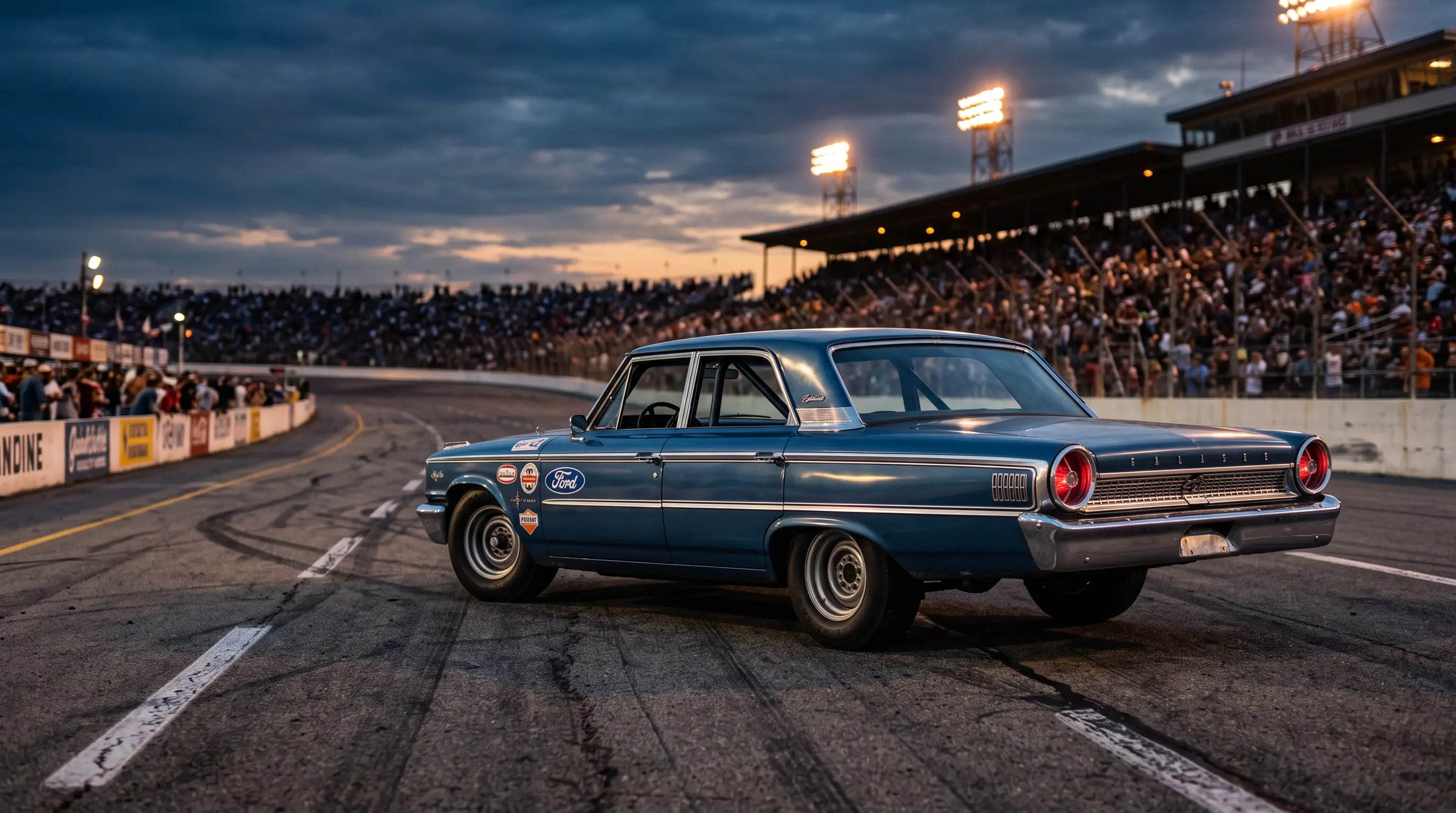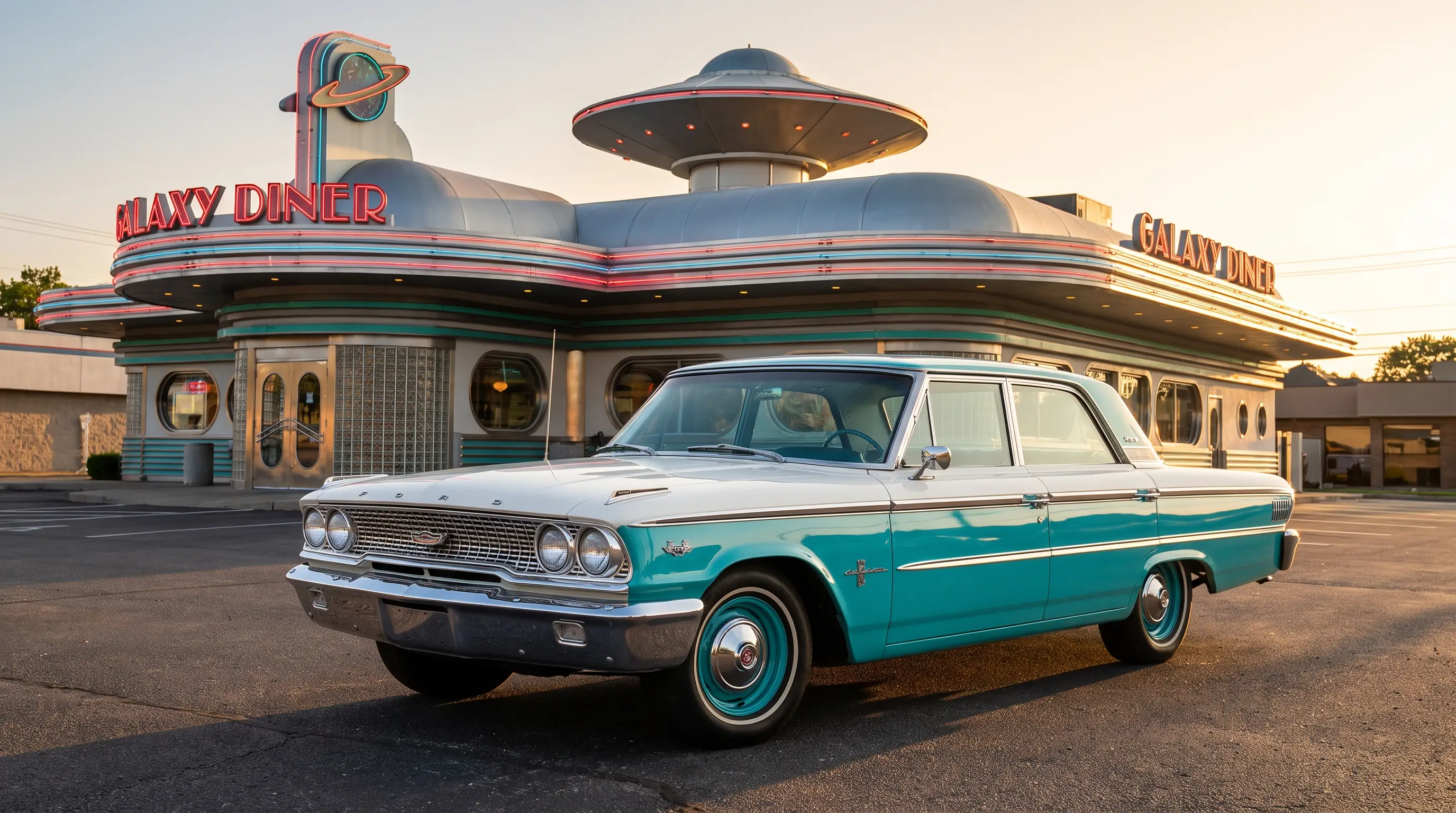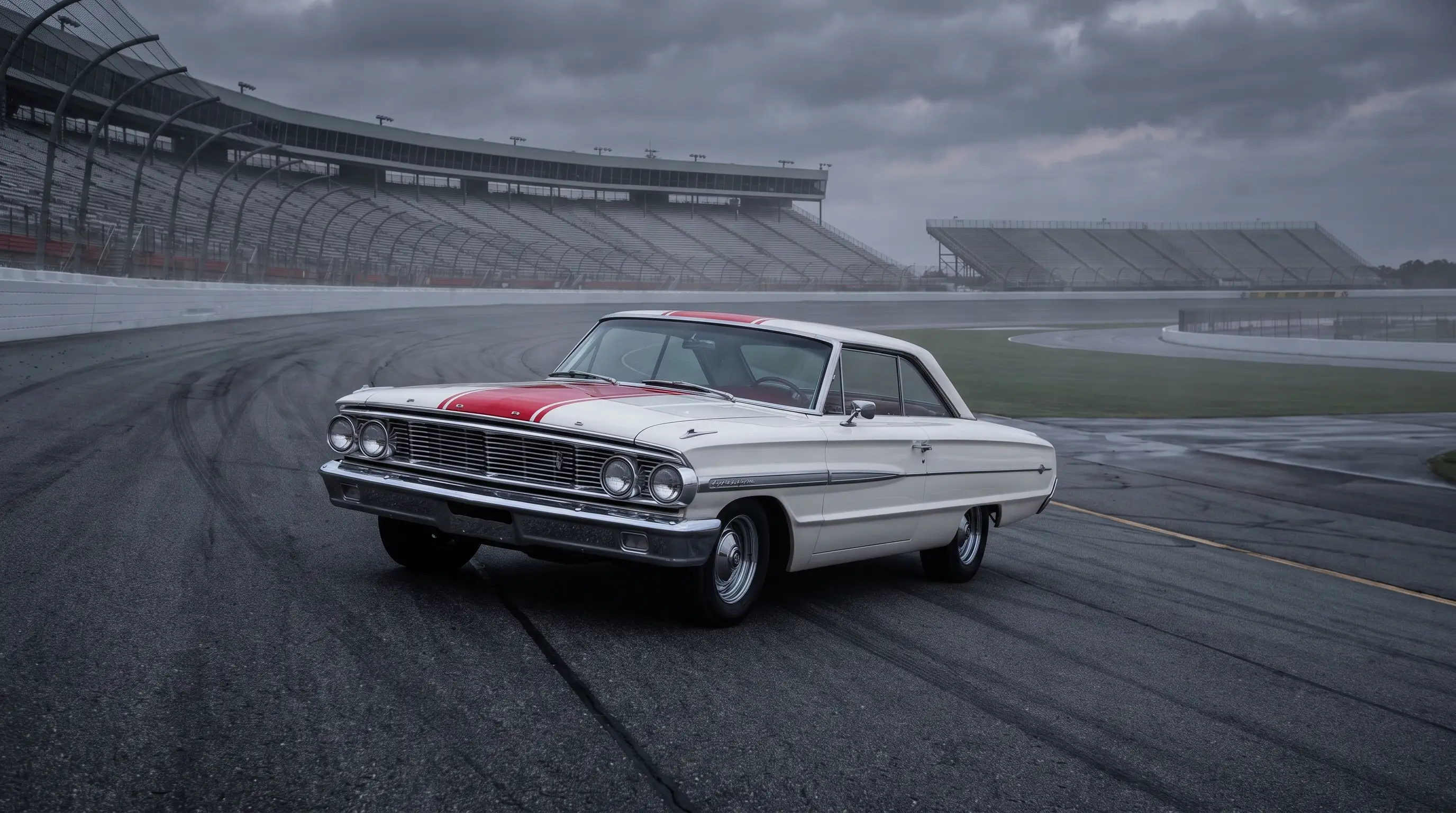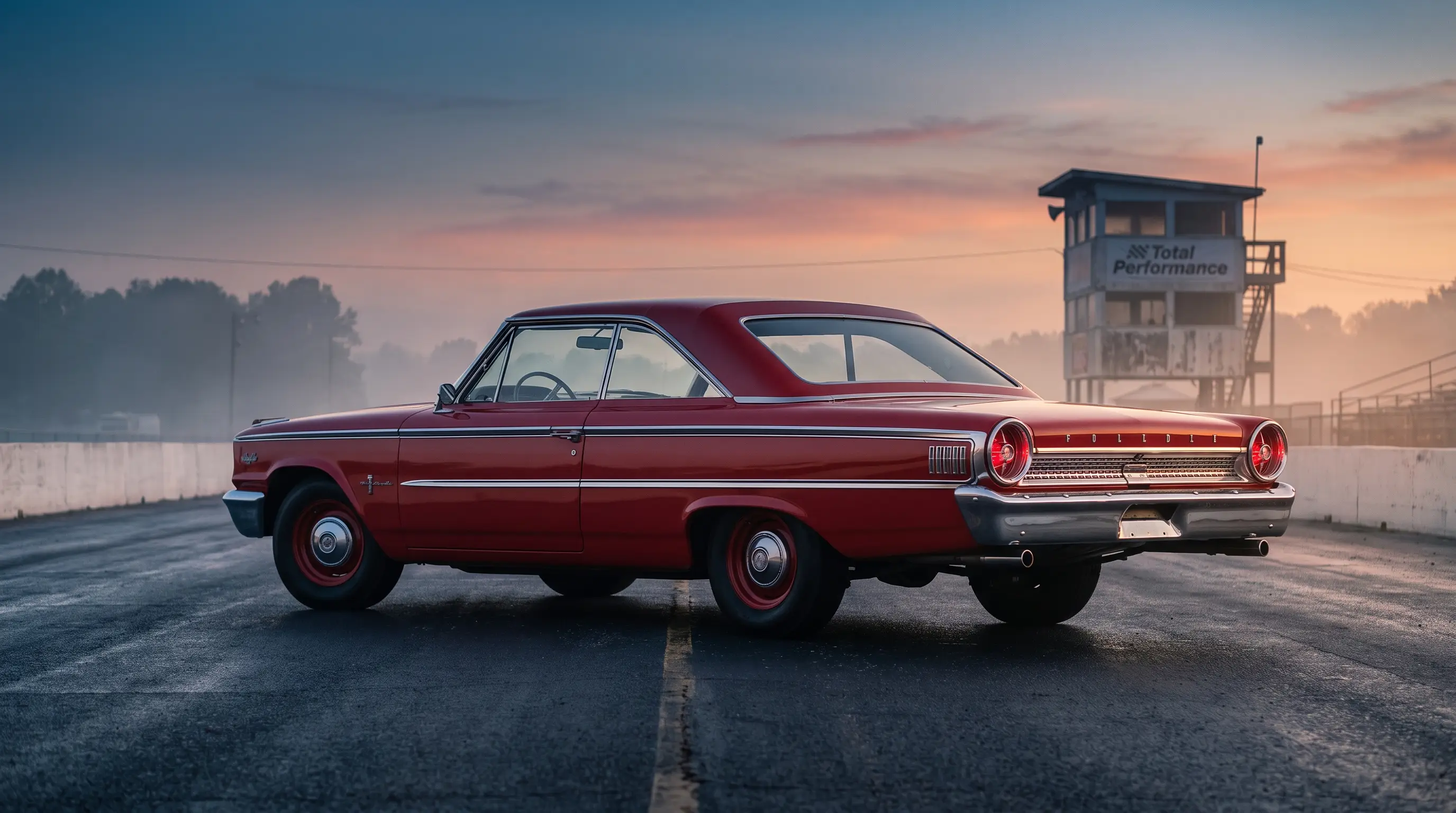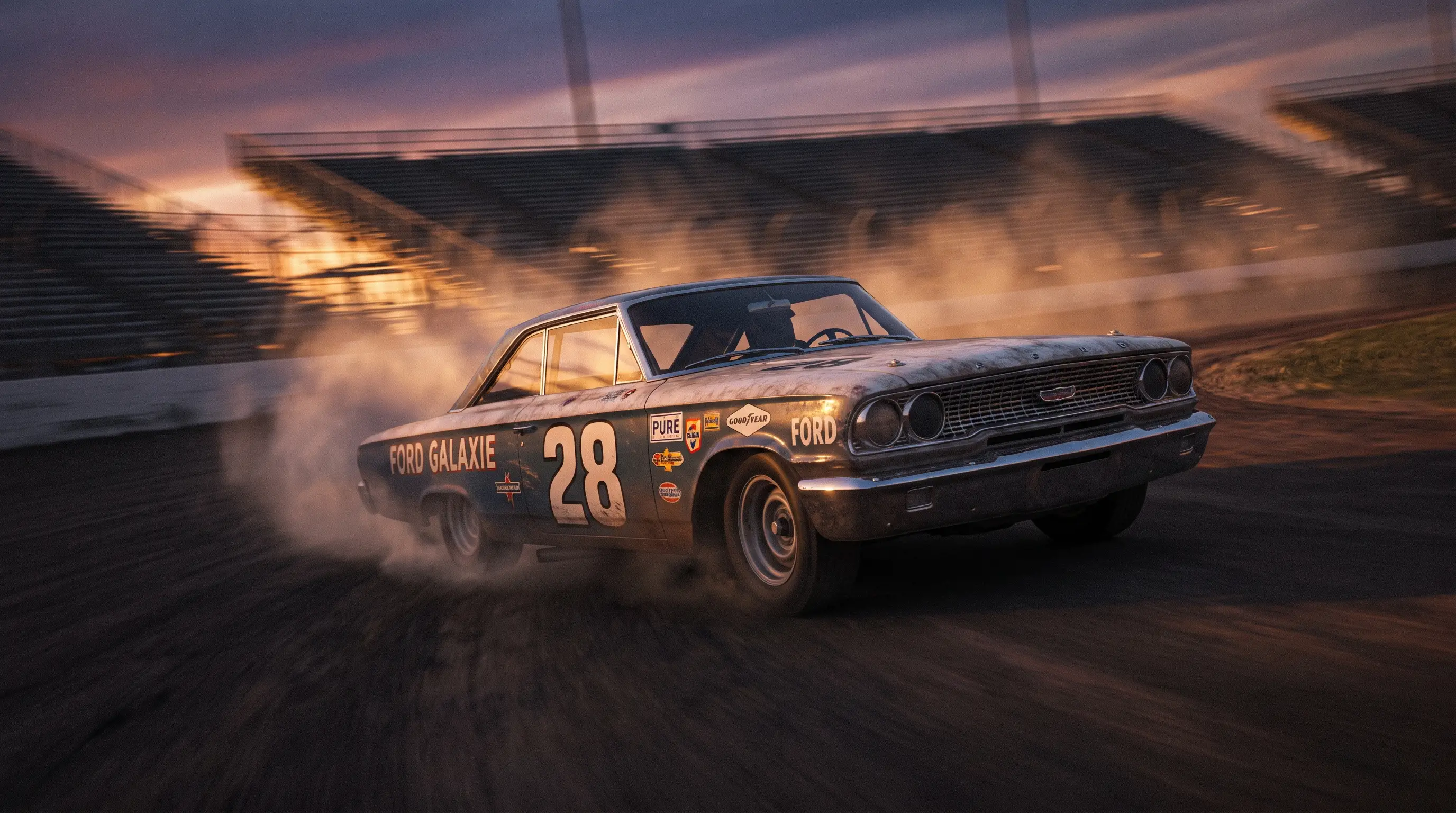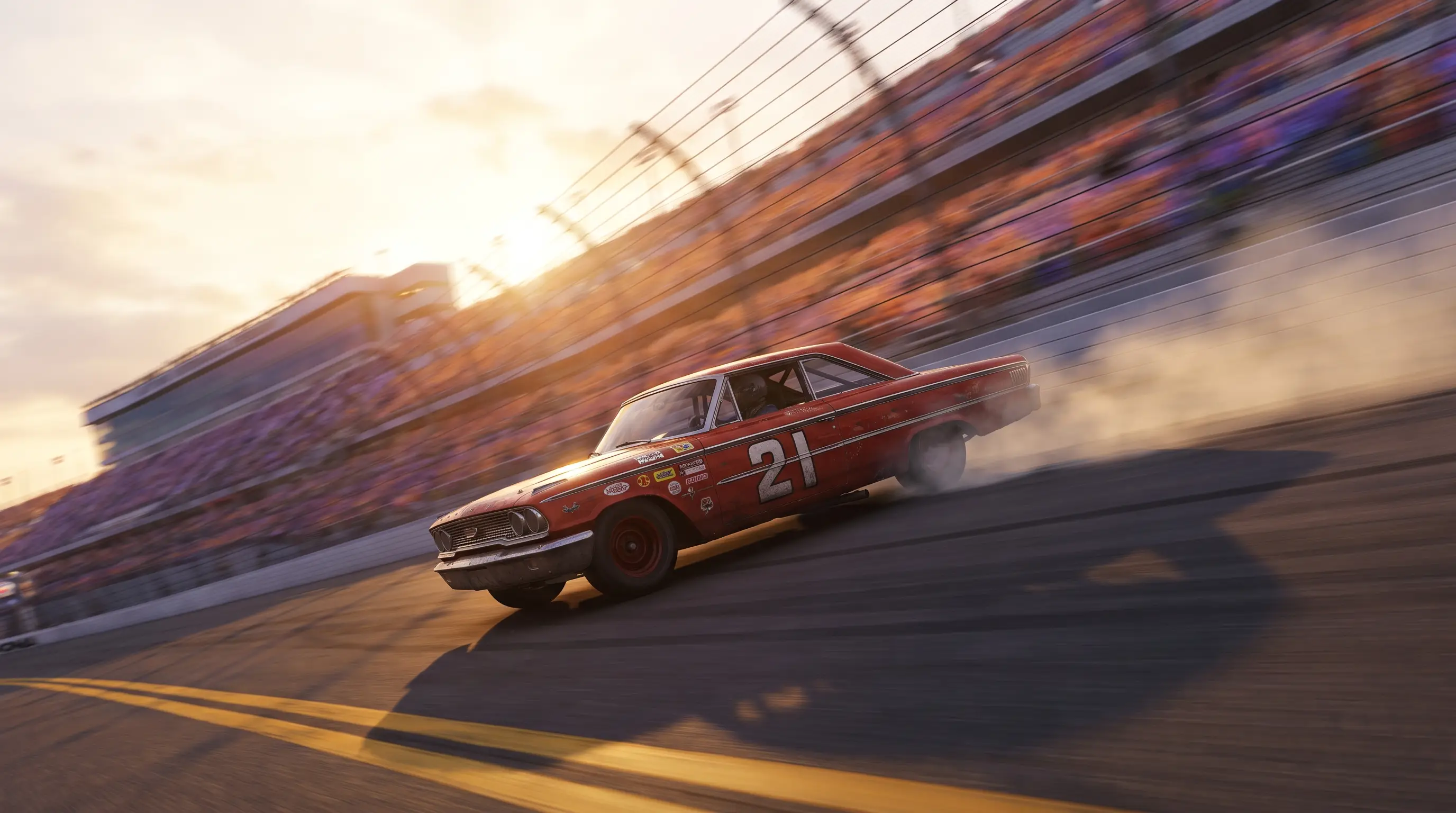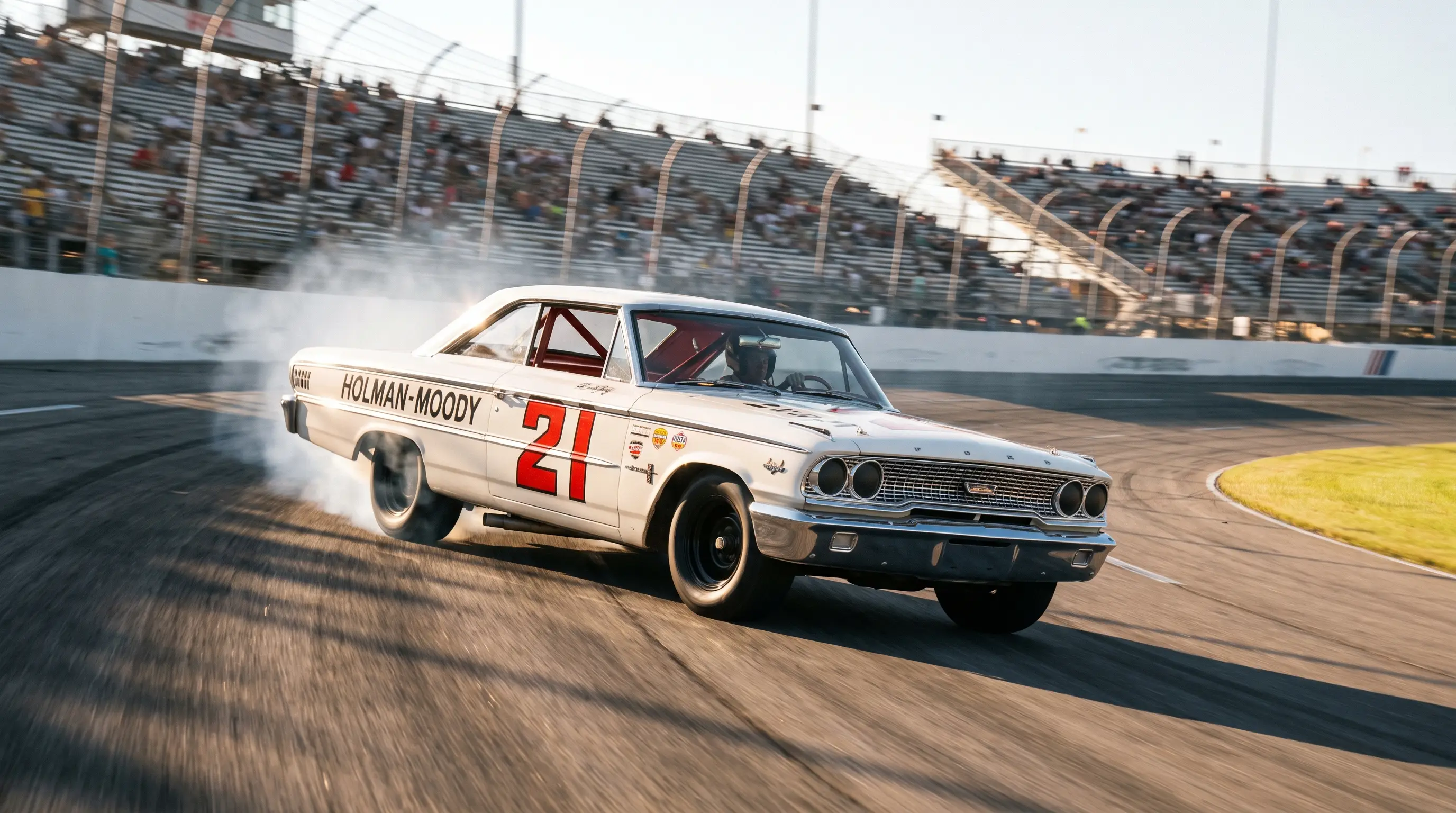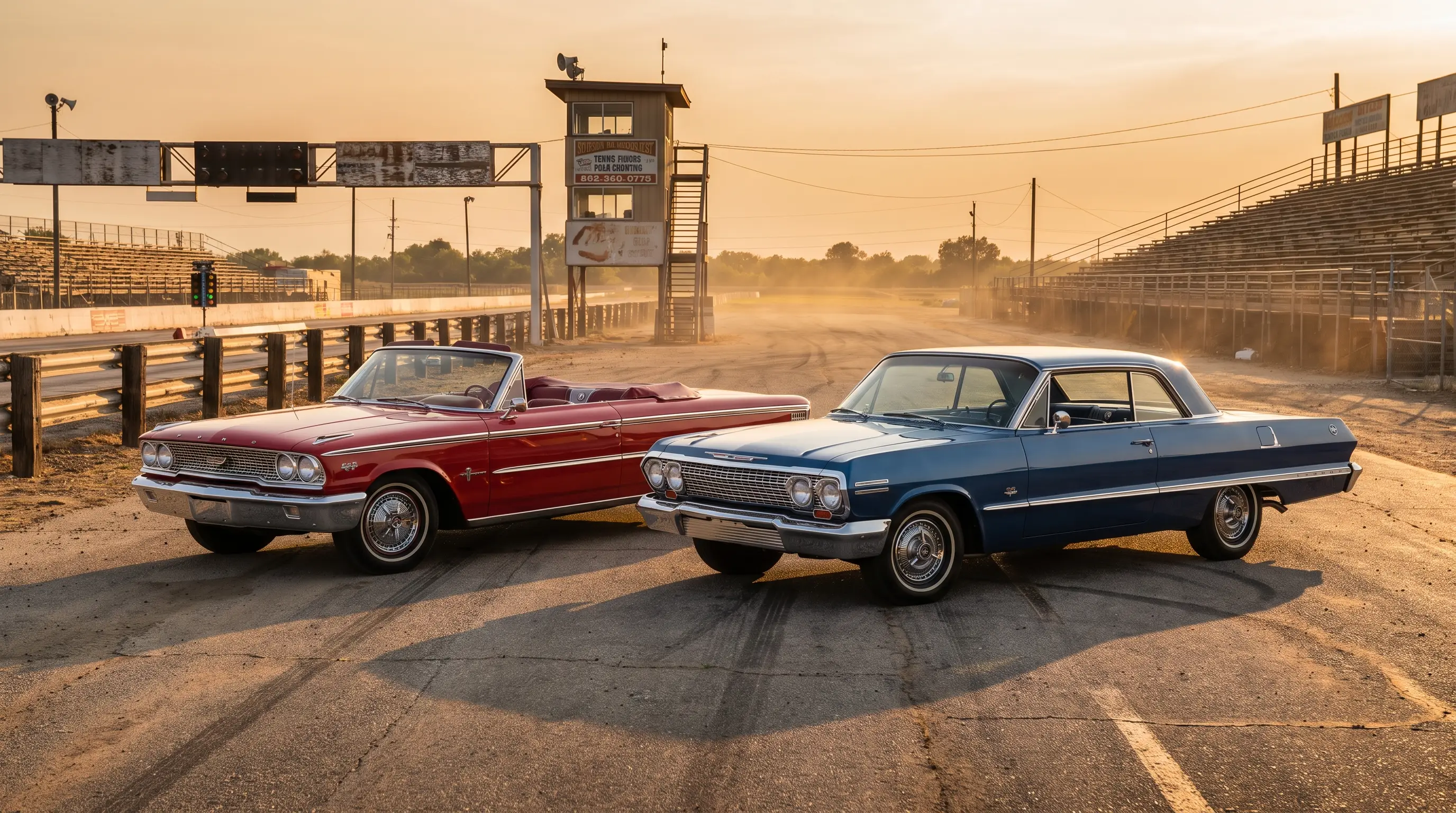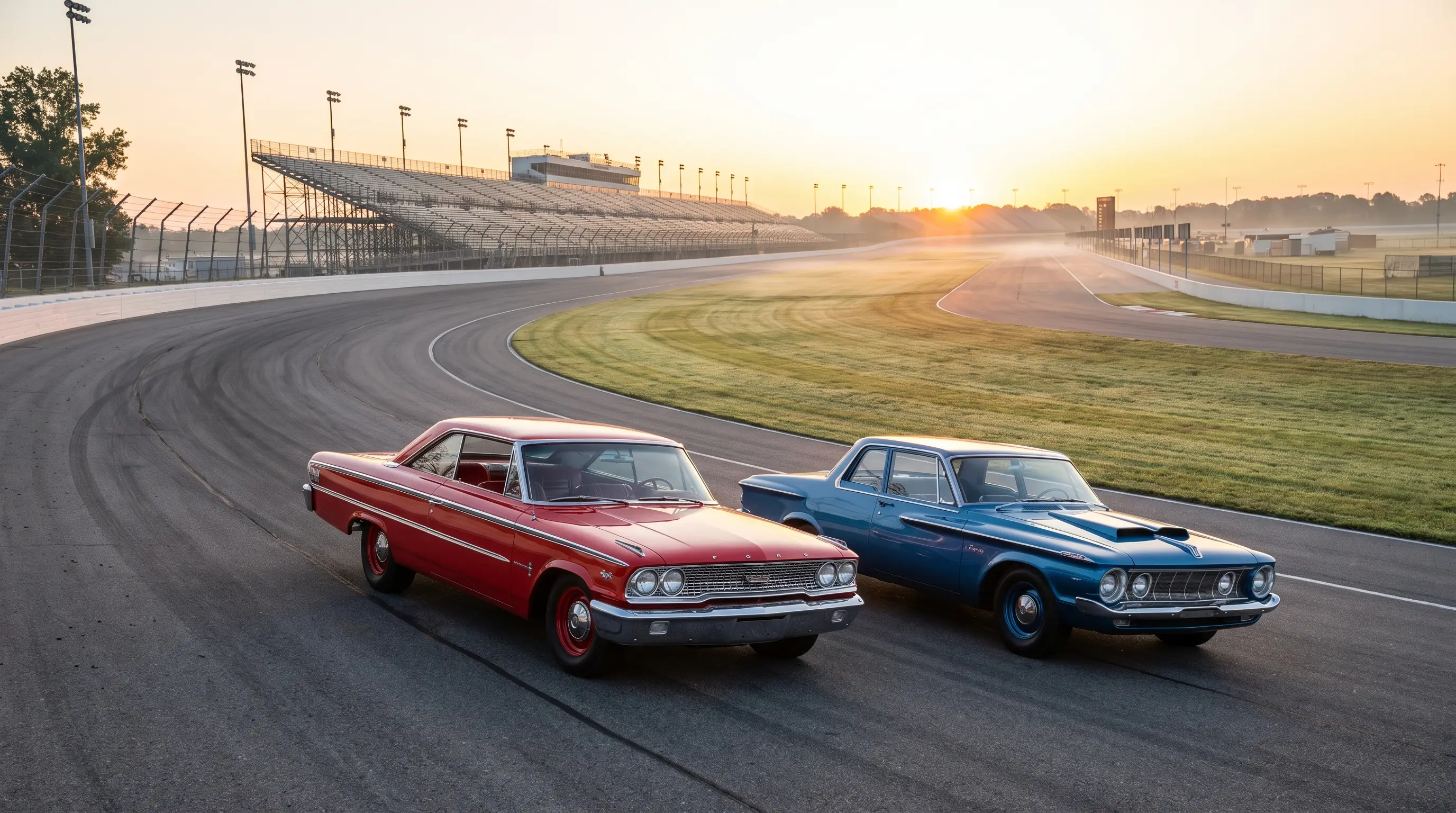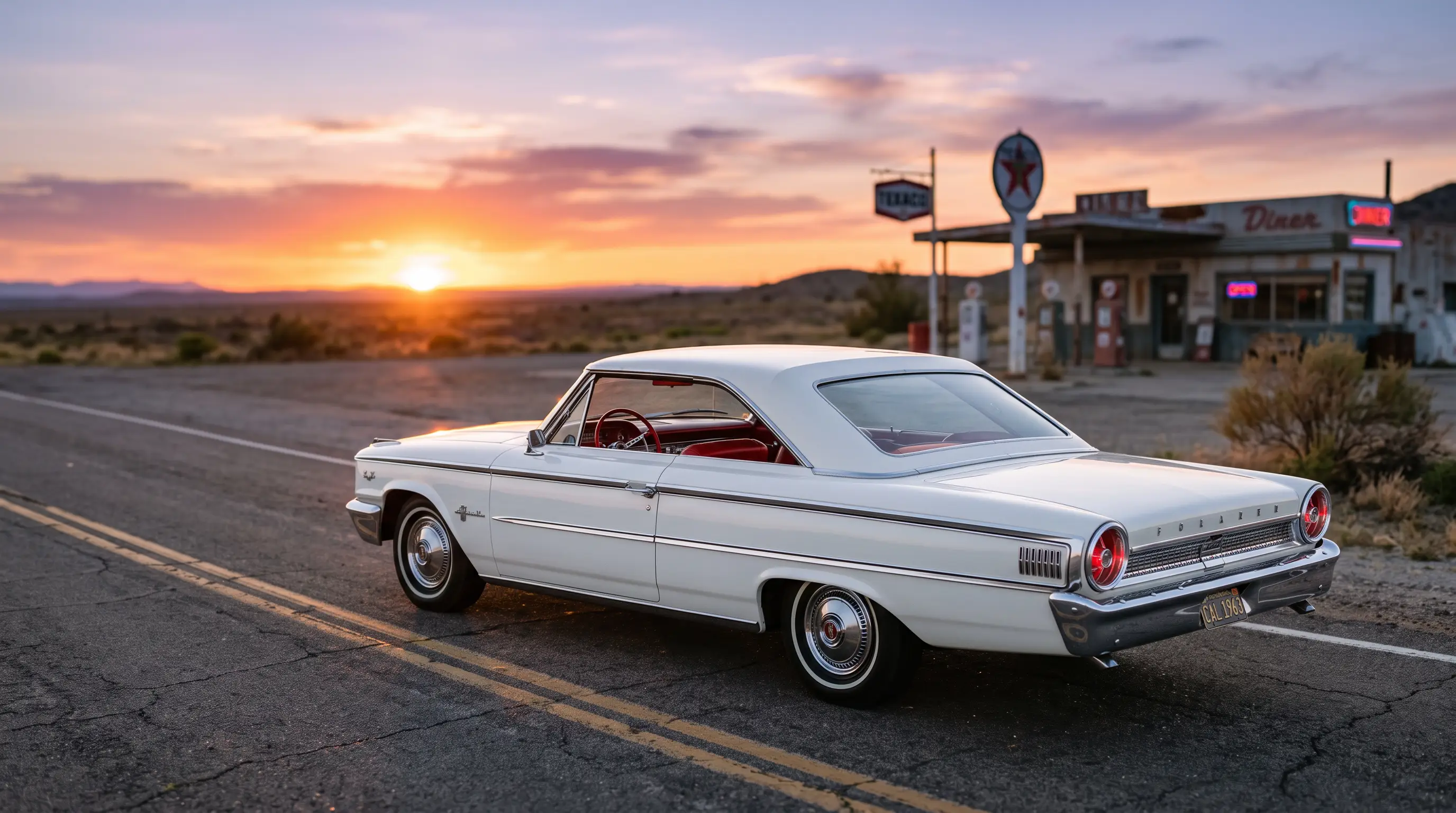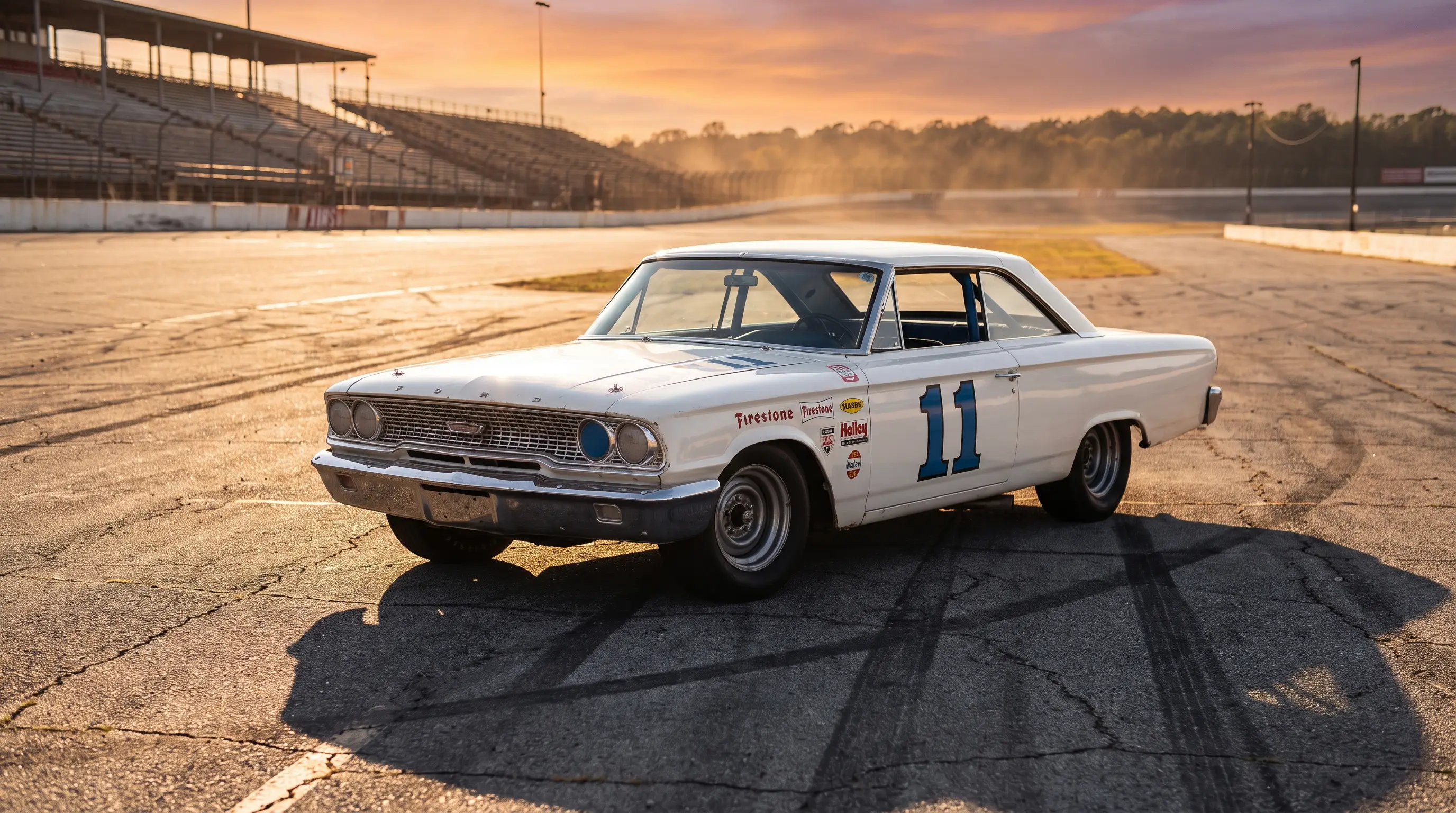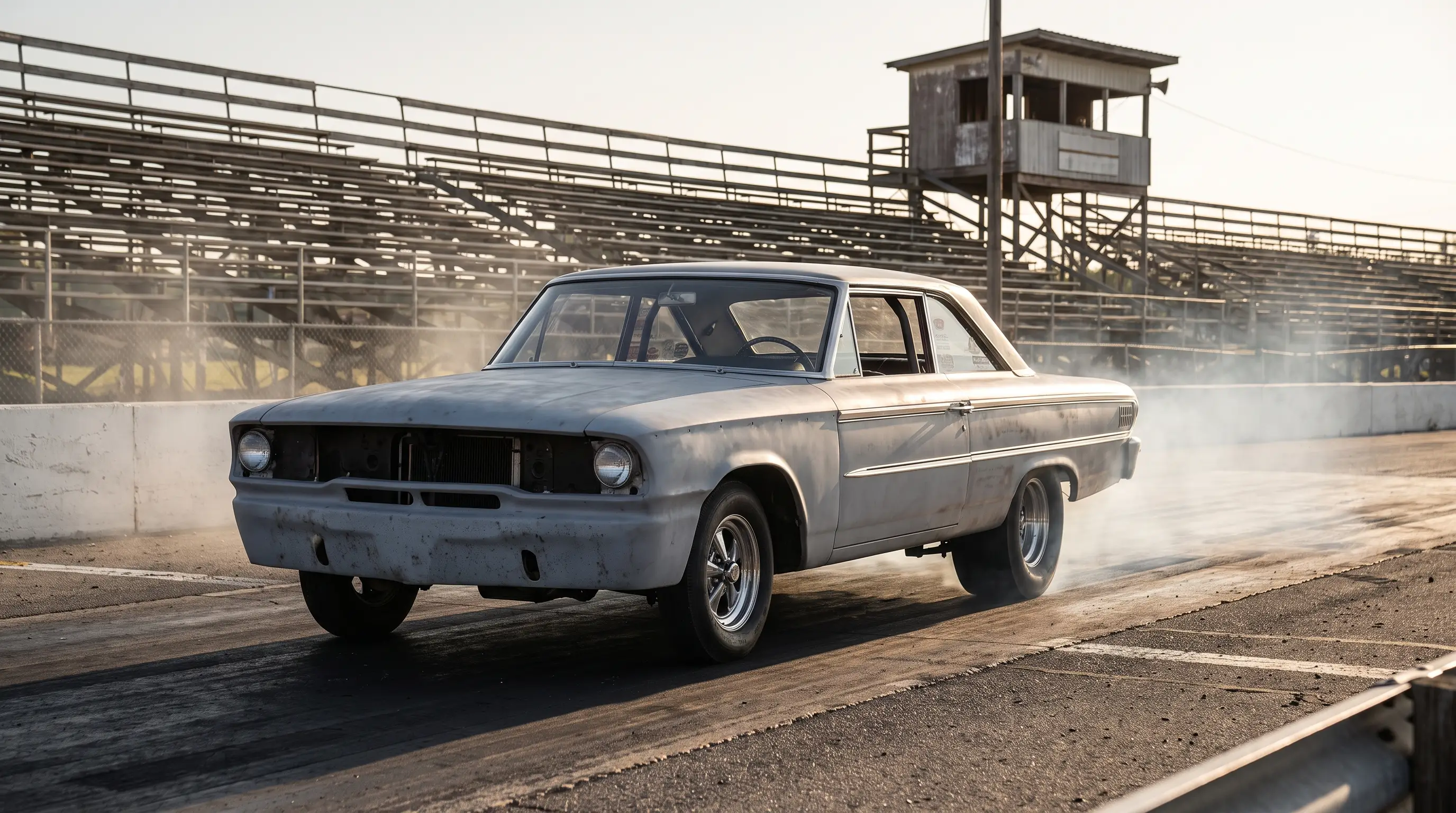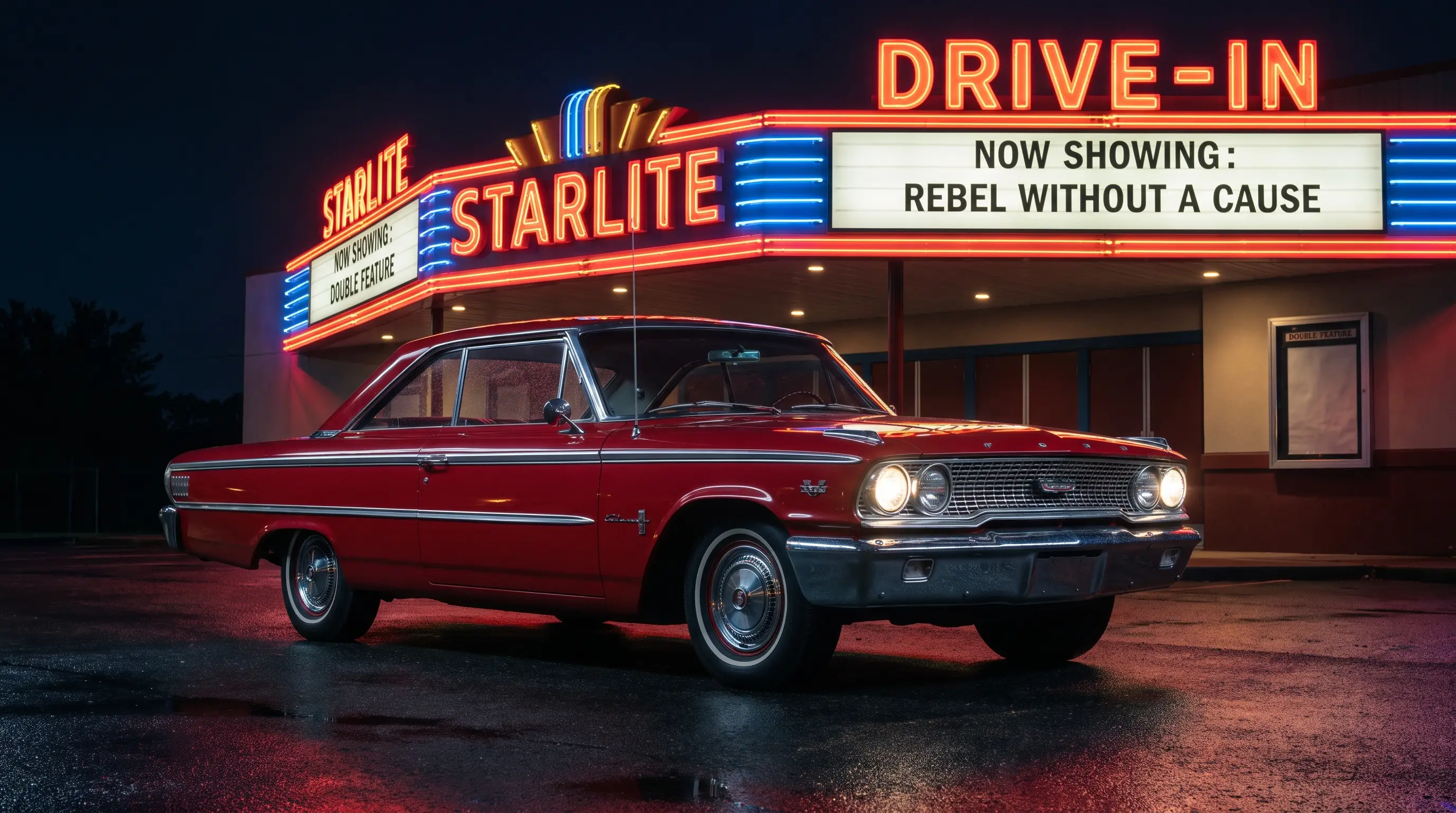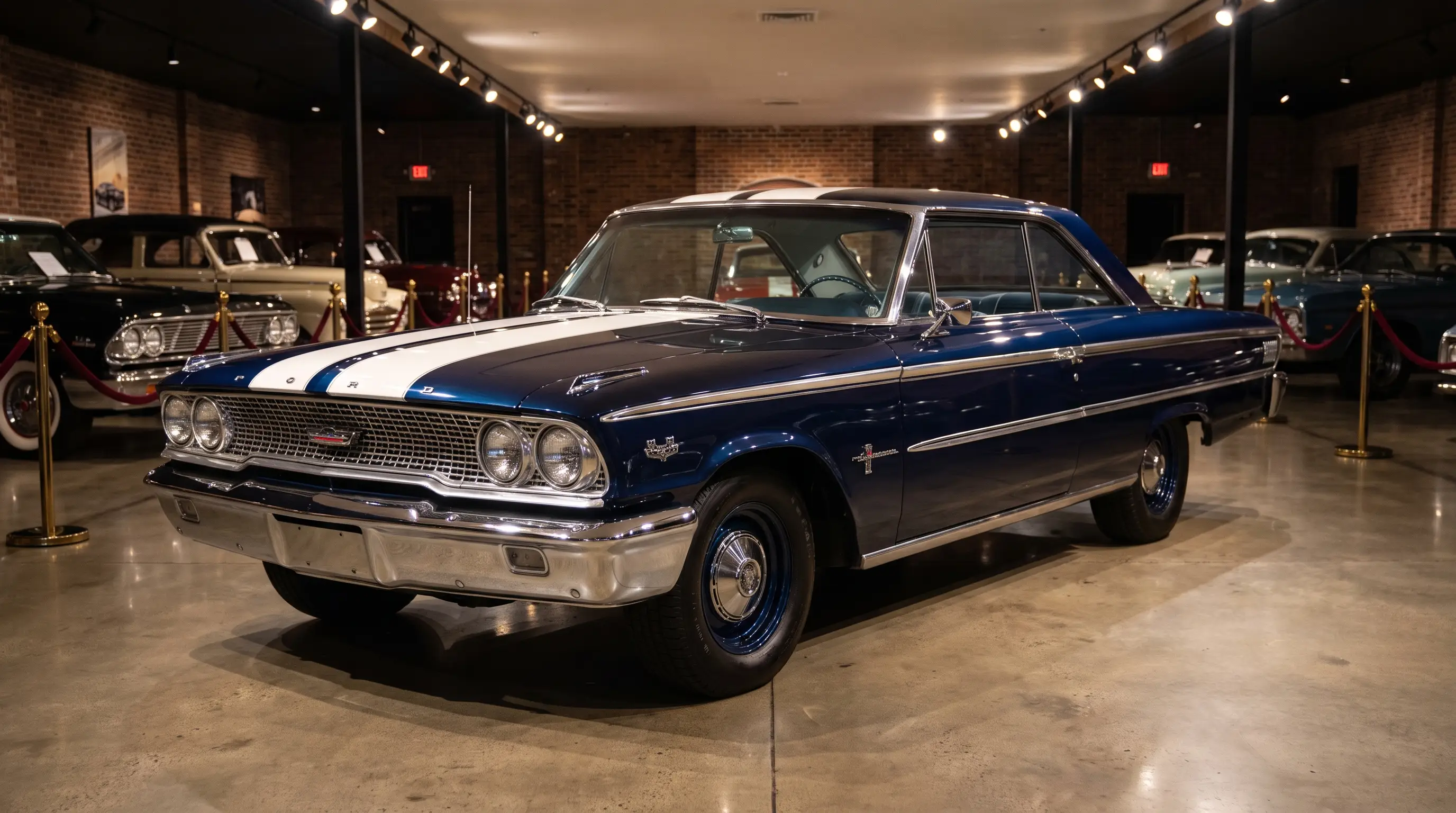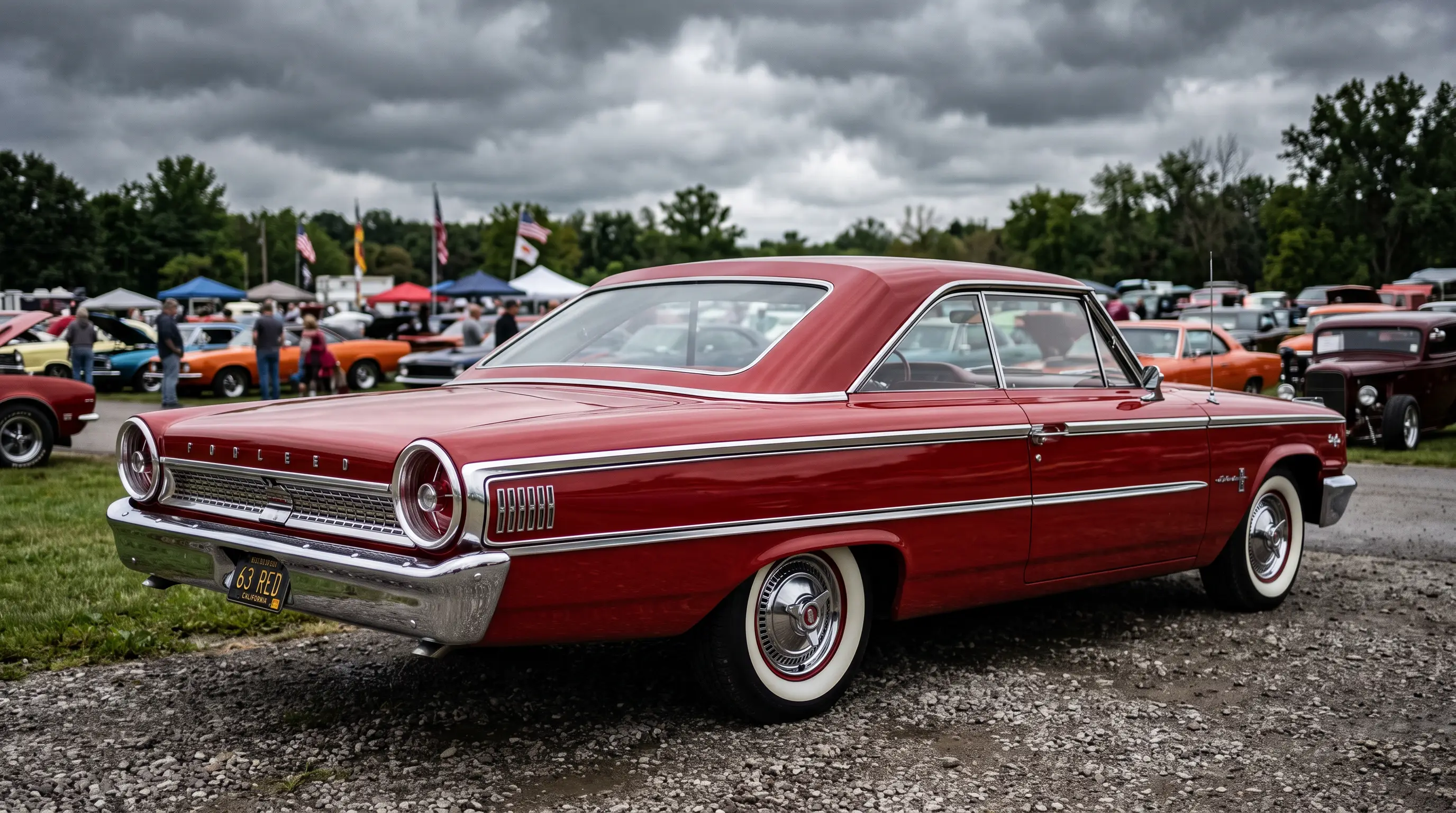
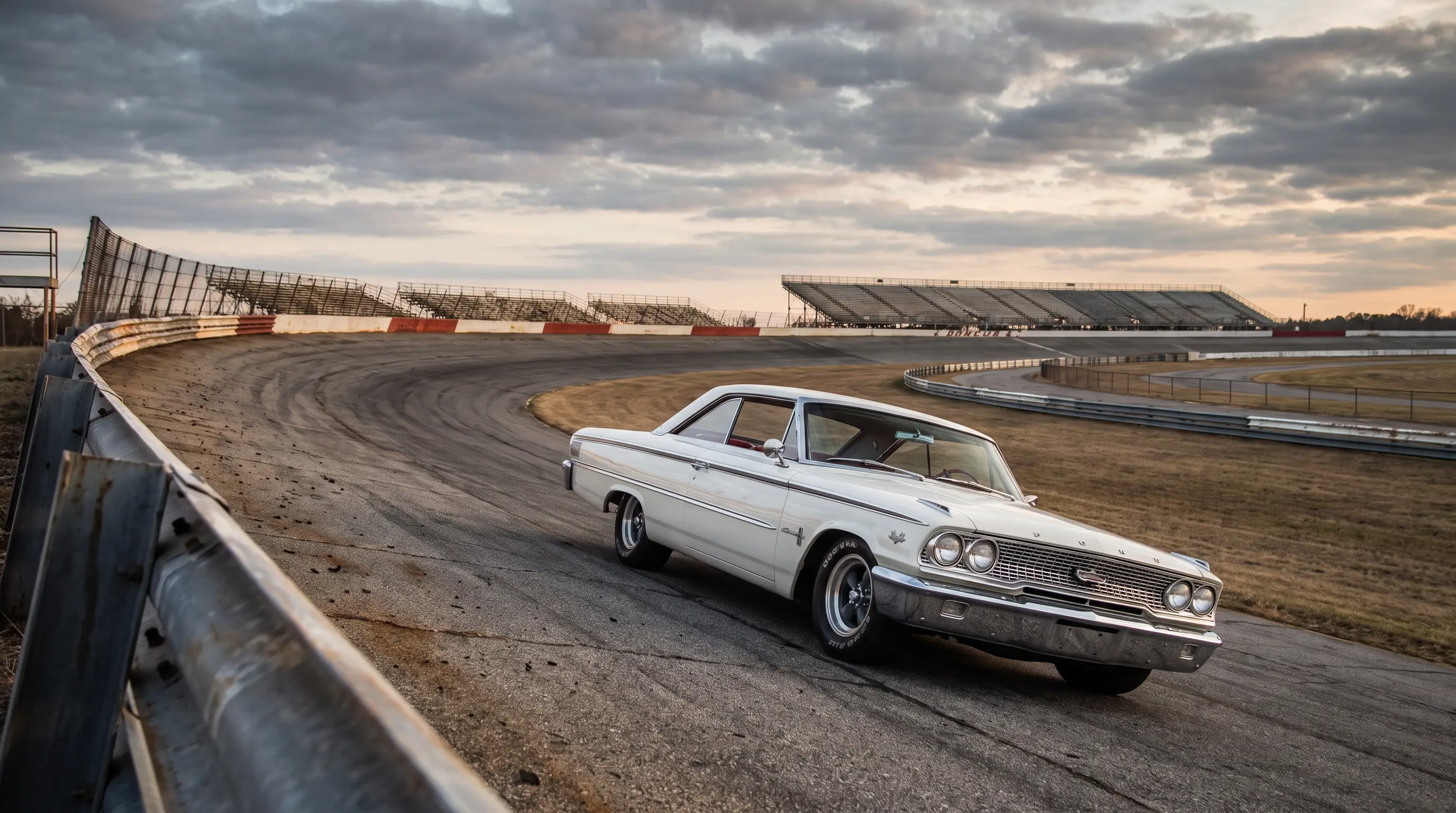
Picture a Southern short track on a Sunday afternoon in 1963, the grandstands packed, the air thick with the smell of hot rubber and cheap gasoline. A row of full-size Fords sits on the grid, their long fastback roofs catching the light, and somewhere in the pits a crew chief is chalking numbers onto a tire. That scene is the real backdrop to the 1963 ford galaxie, because this was the year Ford stopped talking about performance and started proving it. The car that rolled into showrooms that fall carried the same shape that was winning races, and buyers knew it.
The 1963 Galaxie is the moment the whole "Total Performance" idea became something you could touch. Ford had spent years positioning itself as the sensible full-size choice. Then it decided, all at once, to go racing everywhere it could, and the Galaxie became the face of that decision. To understand why enthusiasts still chase these cars, you have to start with the campaign that put them there.
The year Total Performance stopped being a slogan
Total Performance was Ford's answer to a simple problem. Chevrolet and Chrysler were building reputations at the drag strip and on the stock car ovals, and Ford wanted in. The company committed to competition across the board, from NASCAR to drag racing to endurance events overseas, and it needed a full-size car that could carry the flag on the biggest American stages. The Galaxie was that car. For the wider context of how this model line grew from a jet-age trim into a performer, the ford galaxie story traces the earlier chapters that set this year up.
What makes 1963 special is the alignment. The marketing, the engineering, and the racing program all pointed the same direction for the first time. A buyer walking into a dealership was not being sold a fantasy. The car in the showroom shared its engine family and, by midyear, its roofline with the machines running up front at Daytona and Darlington. That kind of honesty between the track and the street is rare, and it gave the 1963 Galaxie a credibility that outlasted the campaign.
The 427 R-code and the engine that built the legend
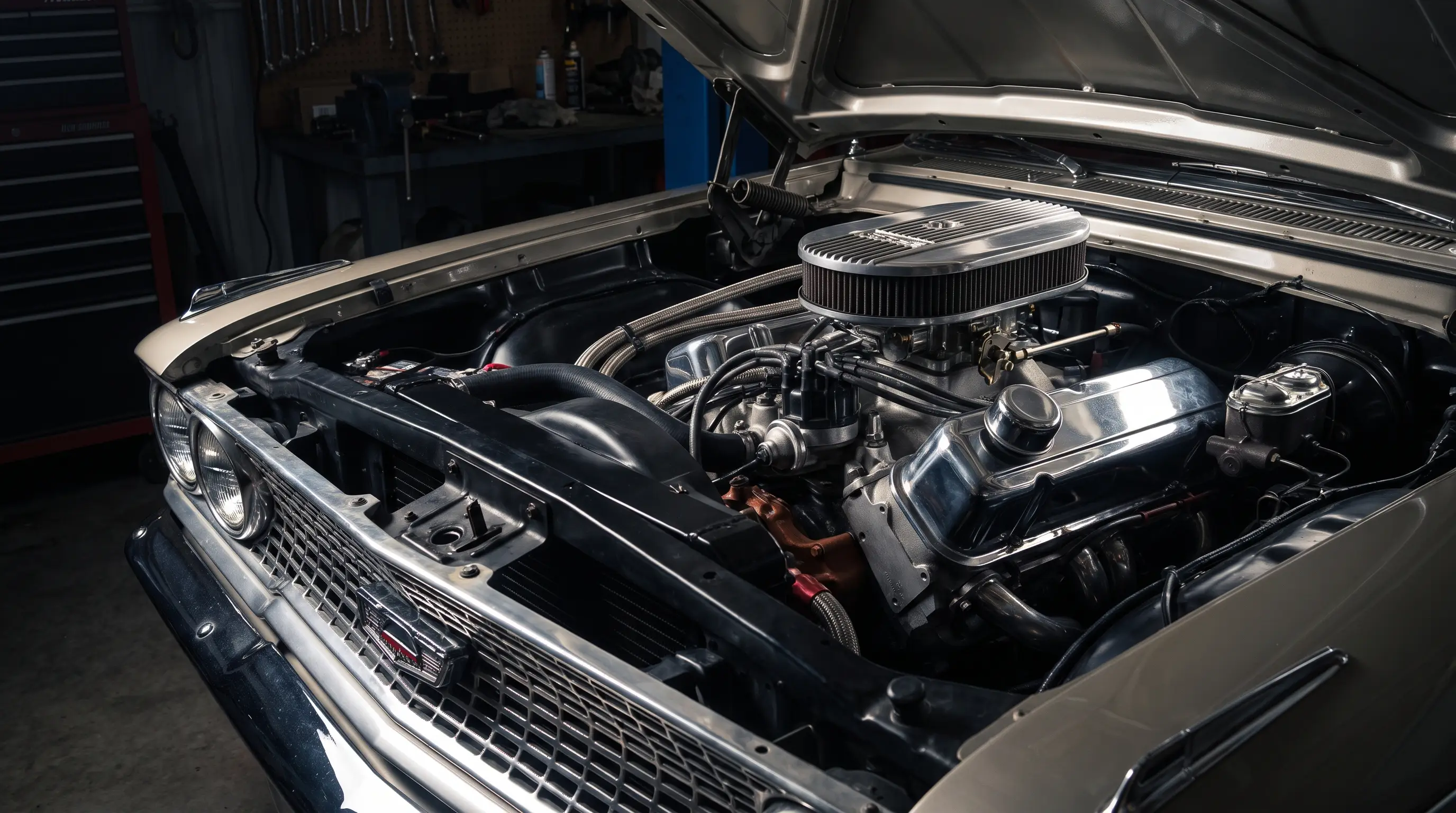
At the top of the engine chart sat the 427, the big FE-family V8 that turned the Galaxie into a genuine threat. Offered in single and dual four-barrel forms, the 427 was a purpose-built performance engine, and the top R-code version is the one that collectors say in a hushed voice. It made the kind of power that let a two-ton full-size car run with the fast crowd, and Ford advertised the dual-quad R-code at 425 hp, next to the single four-barrel Q-code's 410 hp rating, both aggressive figures for the era.
The 427 mattered because it was not a paper option. Ford needed these engines in customer cars to satisfy the racing rulebooks, so the street versions existed in real numbers, if never common ones. That homologation logic is why a 427 Galaxie is such a prize now. It is a road car that owes its existence to a racing requirement, and the engine under the hood is the same basic hardware that carried Ford to the front of the field. Owners who have driven one talk about the way it gathers speed with a big-car calm that hides just how quickly it is moving.
The 1963½ fastback and a shape born on the banking
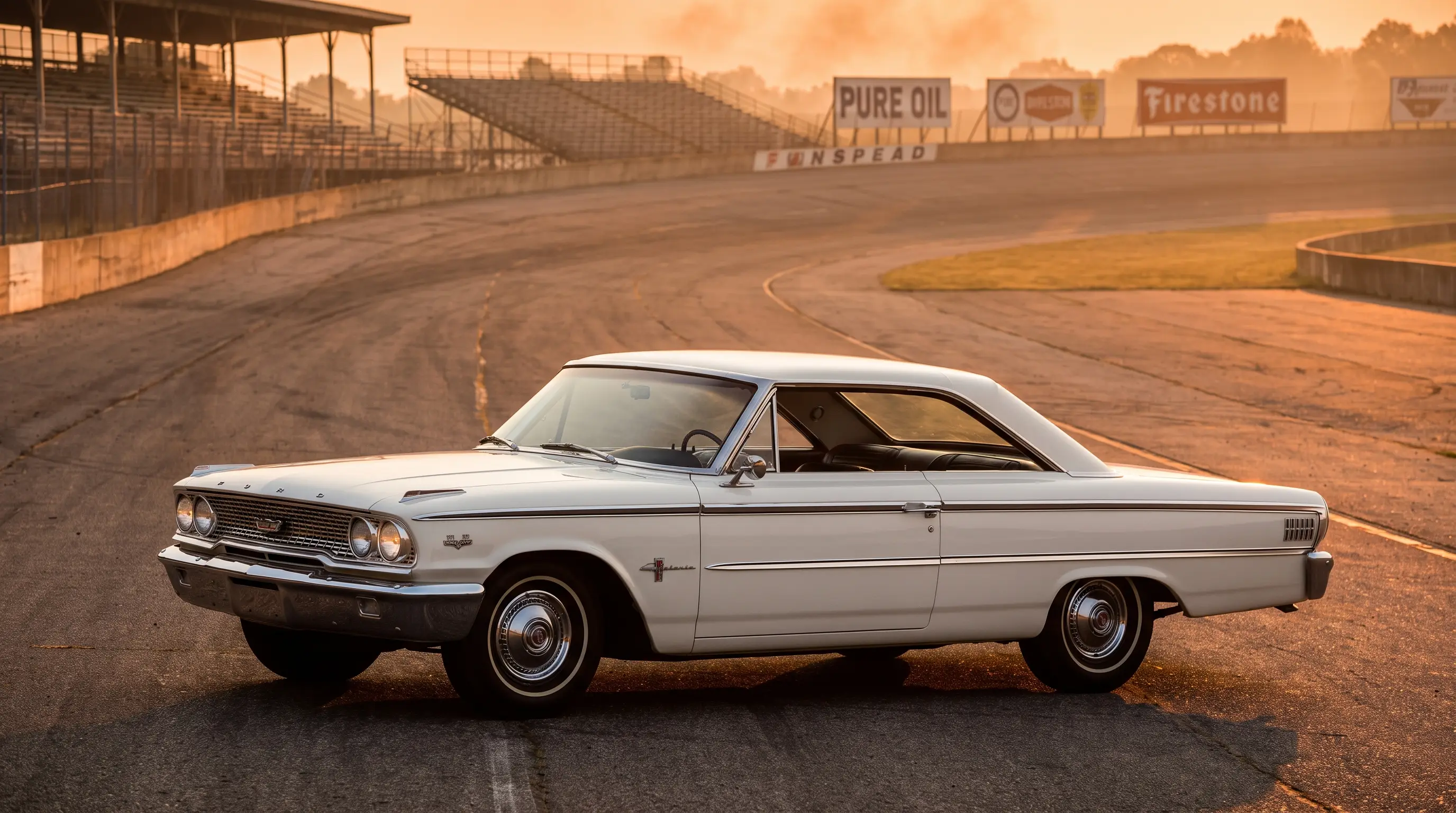
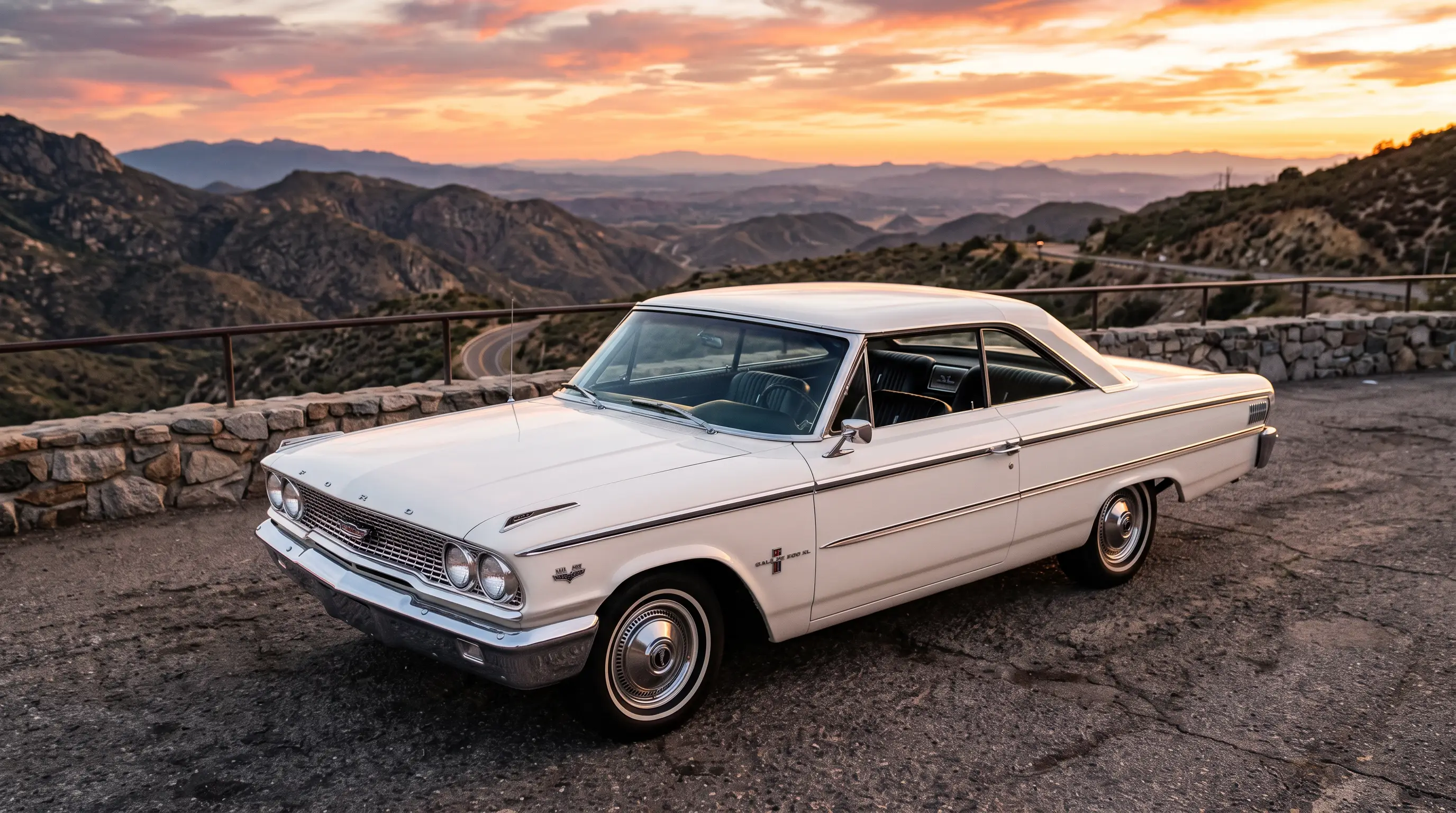
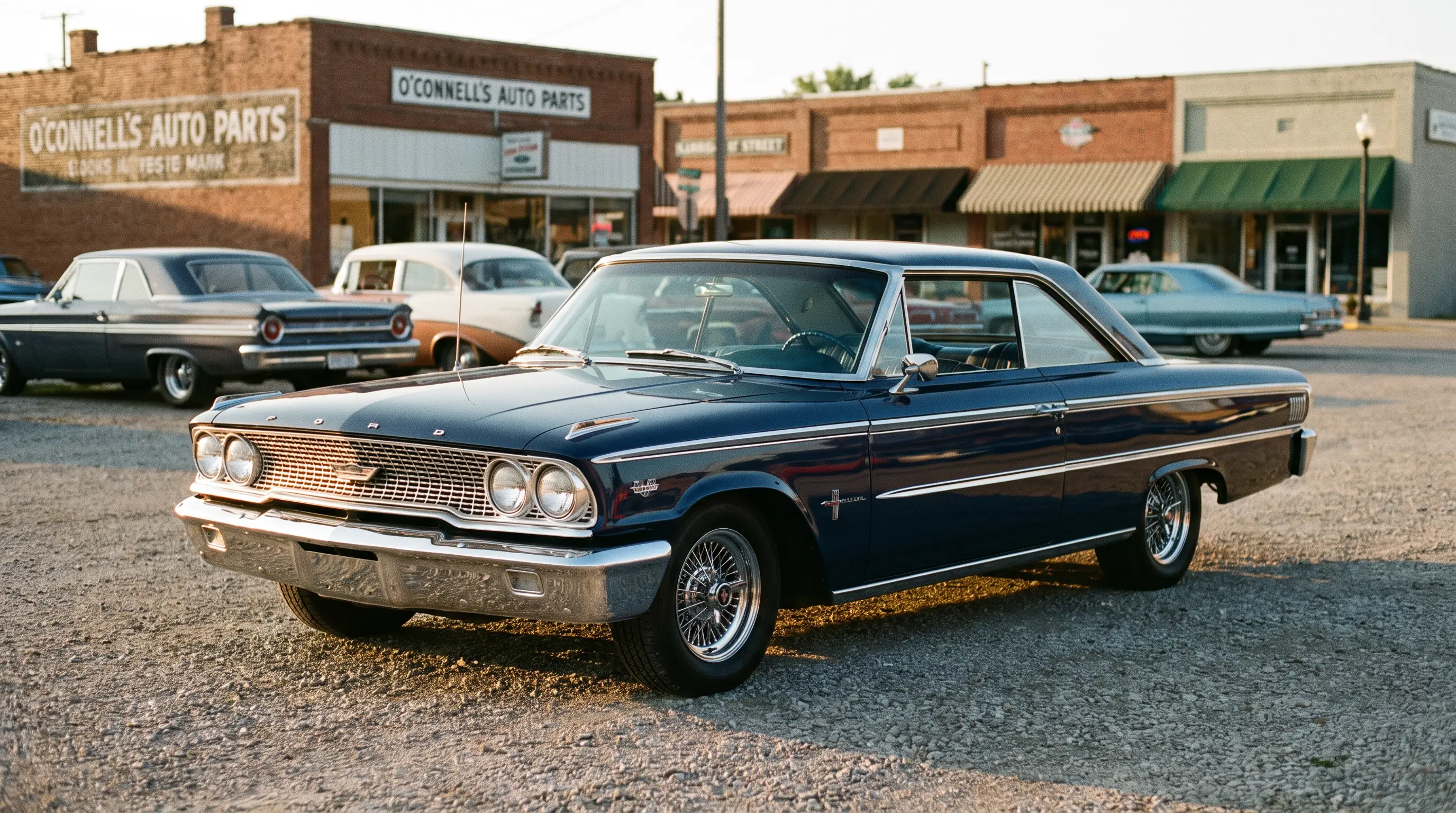
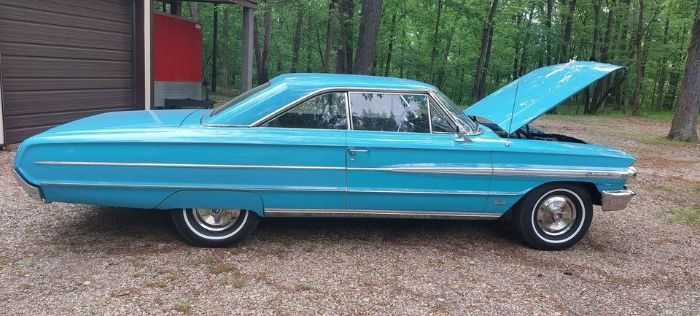
The best story in the 1963 Galaxie is the roof. The early cars wore the formal, upright hardtop roofline that Ford had carried over, and it looked handsome sitting still. At speed on a high-banked oval, though, that shape pushed air like a barn door. Ford's competition people knew it, and midway through the year the company released a new fastback roof, the sloping Sports Roof, that let the air flow cleaner over the back of the car. It was a racing fix sold to the public as a fresh look.
That midyear car, the 1963½, is the one enthusiasts single out. The fastback roofline is not just prettier to modern eyes, it is the physical evidence of Ford chasing lap time through the showroom. When you see one at a show, you are looking at aerodynamics as marketing, a shape that existed because a stopwatch demanded it. The formal-roof cars have their own charm, but the fastback is the shape that tells the whole Total Performance story in a single silhouette.
Where the Galaxie stood on the stock car ovals
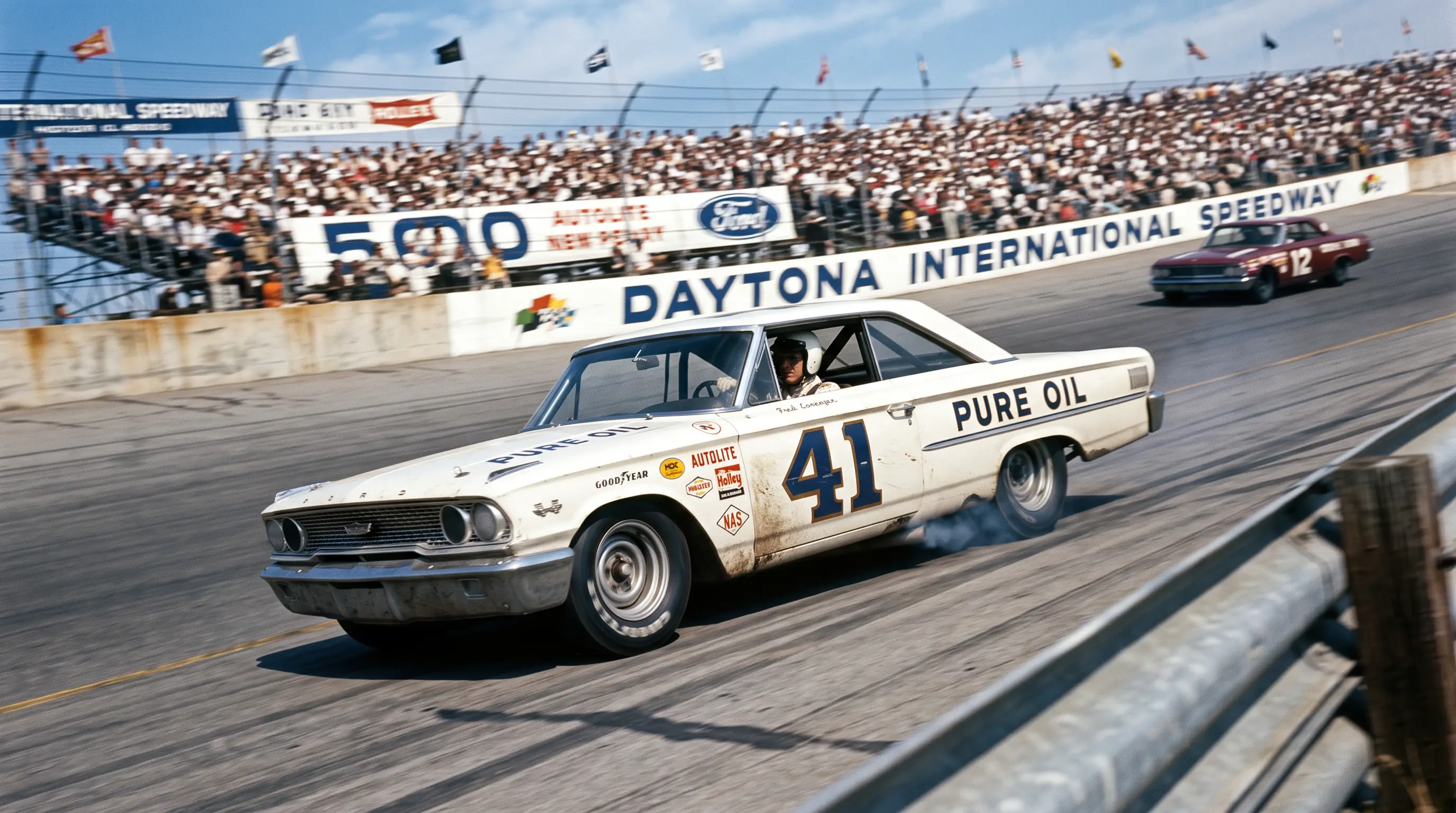
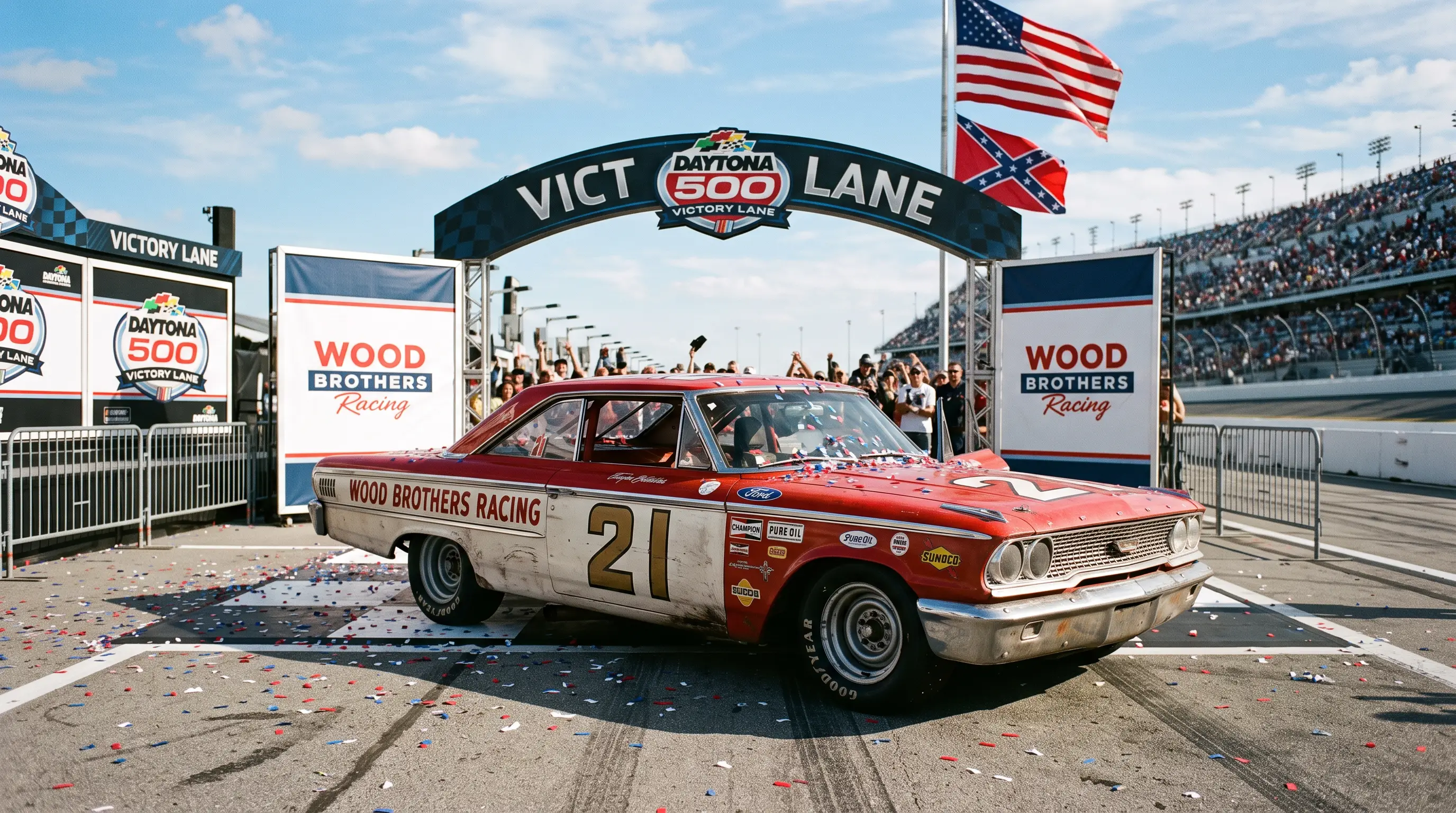
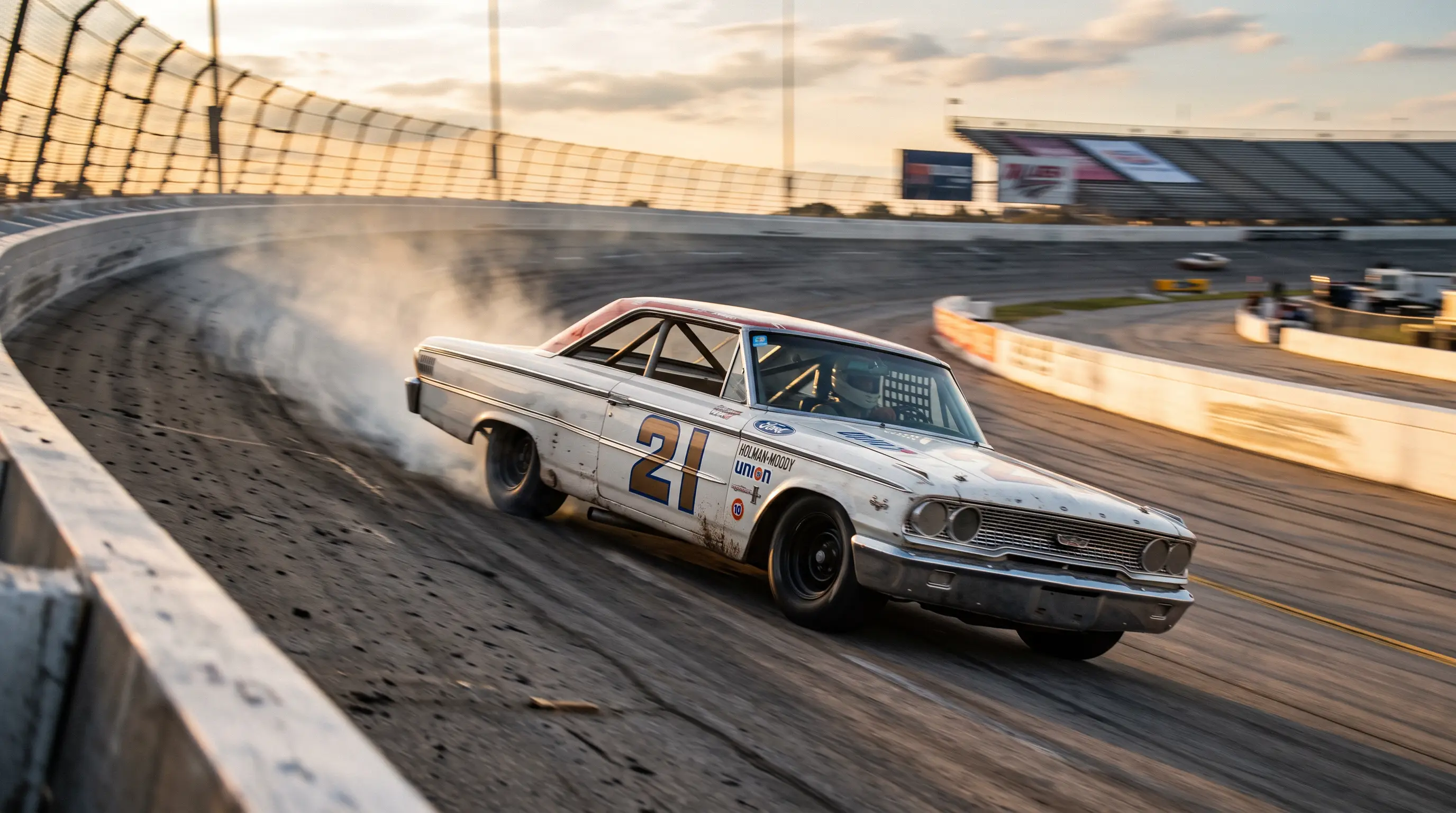
On track, 1963 was a strong year for the full-size Ford. The fastback cars ran at the front of NASCAR's biggest events, and the combination of the 427 and the slicker roof made the Galaxie competitive on the fastest tracks on the schedule. Ford's commitment showed in the results, and the racing success fed straight back into the showroom appeal. Every win was an advertisement that no copywriter could have bought outright, and the year's headline result was Tiny Lund's win in the Wood Brothers Galaxie at the 1963 Daytona 500.
The racing also set the emotional stakes for what came next. Ford was learning how far a full-size car could be pushed, and the lessons of 1963 shaped the decision-making that followed. The full-size stock car era was near its peak here, and anyone tracing the arc will find that the next season is another one worth knowing, because it carried the fight forward before the rules and the cars themselves started to change.
| Attribute | Detail |
|---|---|
| Model year | 1963, with a midyear 1963½ revision |
| Signature engine | 427 FE big block, Q-code single four-barrel (410 hp) and R-code dual four-barrel (425 hp) |
| Key styling change | Sports Roof fastback introduced midyear for aerodynamics |
| Marketing banner | Total Performance |
| Racing arena | NASCAR full-size stock car competition |
The lightweight cars and a quieter kind of legend
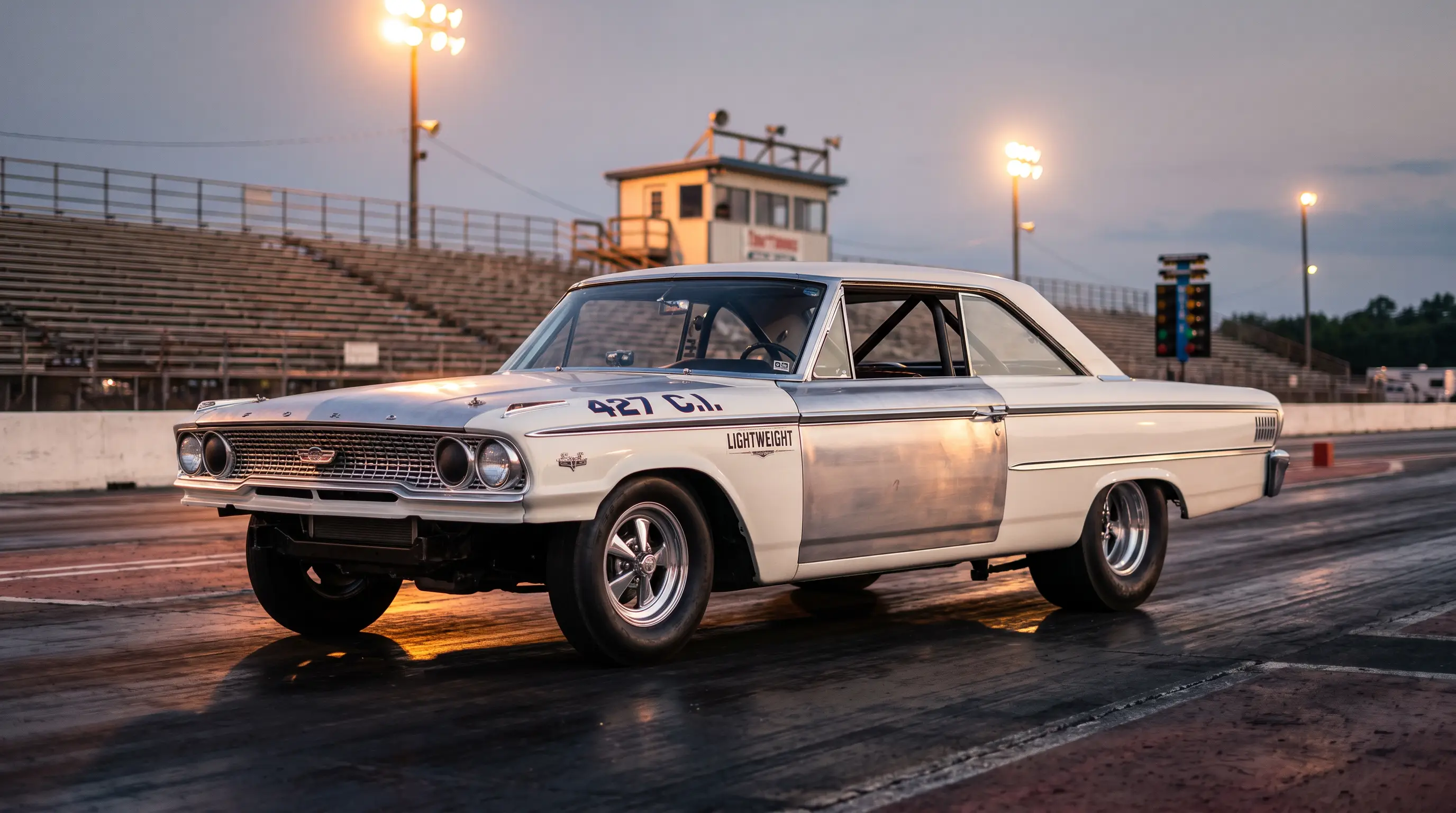
There is a second, stranger 1963 Galaxie story that runs alongside the NASCAR one, and it happened at the drag strip. Ford built a small run of stripped-down, lightweight Galaxies aimed at quarter-mile competition, cars with weight pulled out wherever the rulebook allowed and the biggest engines dropped in. These were not showroom cars in any normal sense. They were built for a purpose, sold to racers, and campaigned hard. Most led rough lives, which is exactly why the survivors carry such weight among people who know what they are looking at. Ford built around 212 of these MX-code lightweight Galaxies for 1963, all finished in Corinthian White with a red interior, with roughly 400 pounds pulled out through fiberglass and aluminum panels.
What I love about the lightweight cars is how they complete the picture. The fastback on the oval and the featherweight on the strip were two halves of the same idea, a full-size Ford pushed to do things a family sedan had no business doing. The company was willing to look a little ridiculous in pursuit of a result, and the cars are more interesting for it. When you stand next to one of the genuine articles, you are looking at the outer edge of what Total Performance actually meant in practice.
Why the 1963 cars still pull a crowd
Walk any large classic show and watch what happens around a fastback 1963 Galaxie. People stop. Part of it is the shape, which reads as purposeful even to someone who cannot name the year. Part of it is the sound, if the owner fires it up. Mostly, though, it is the story attached to the car, the sense that this particular full-size Ford was built during a year when the company had something to prove and went out and proved it. That narrative travels well, and it is why these cars hold attention across generations of enthusiasts.
The appeal also comes from honesty. A 1963 Galaxie does not pretend to be light or nimble. It is a big, heavy car that happened to be fast for its size and its era, and it wears that contradiction openly. Enthusiasts who grew up on lighter machinery often expect to be unimpressed and then find themselves won over by the sheer presence of the thing. That is a reaction I have watched play out more than once, and it says something about how well the 1963 car has aged.
Living with a 1963 Galaxie today
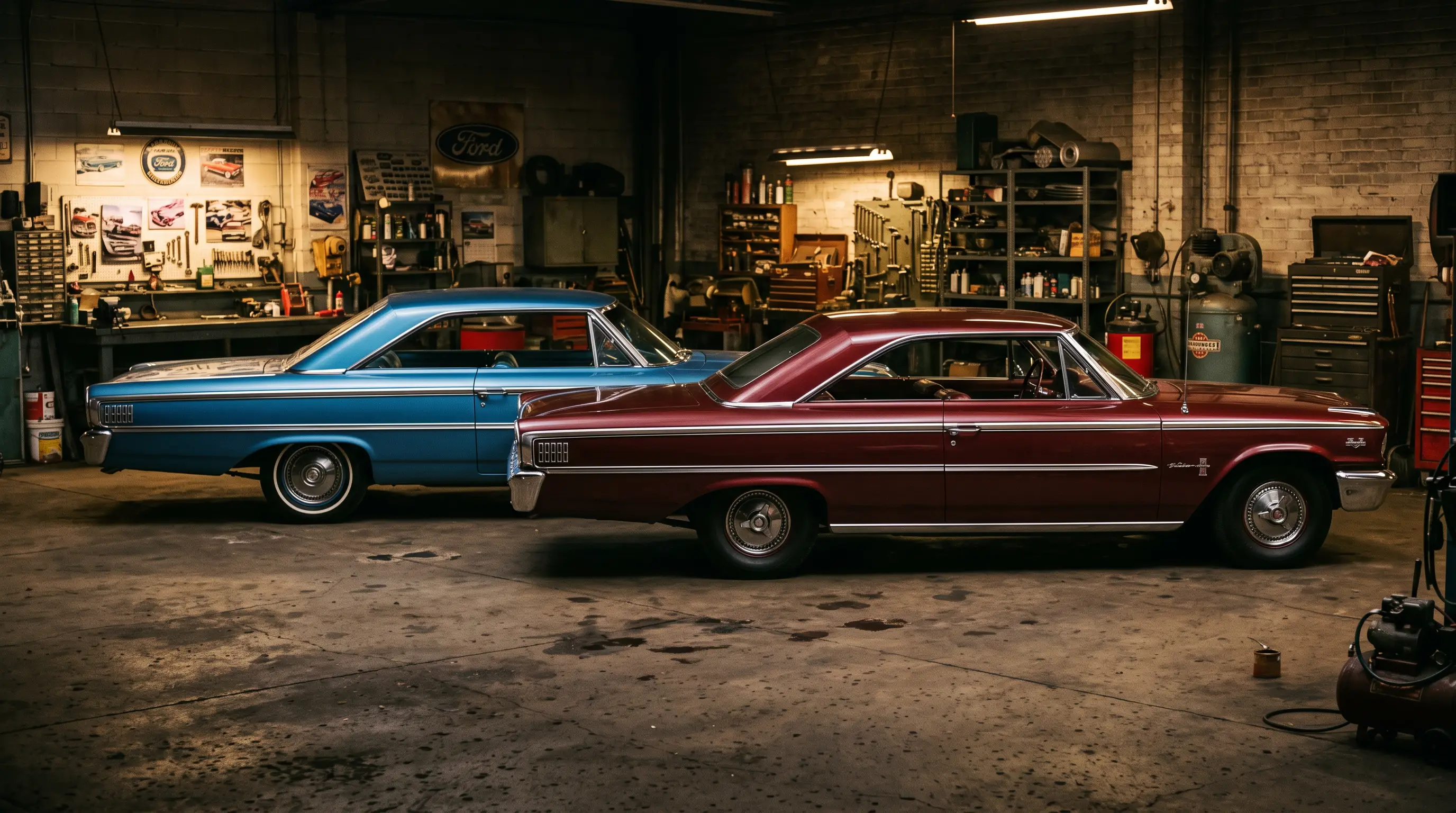
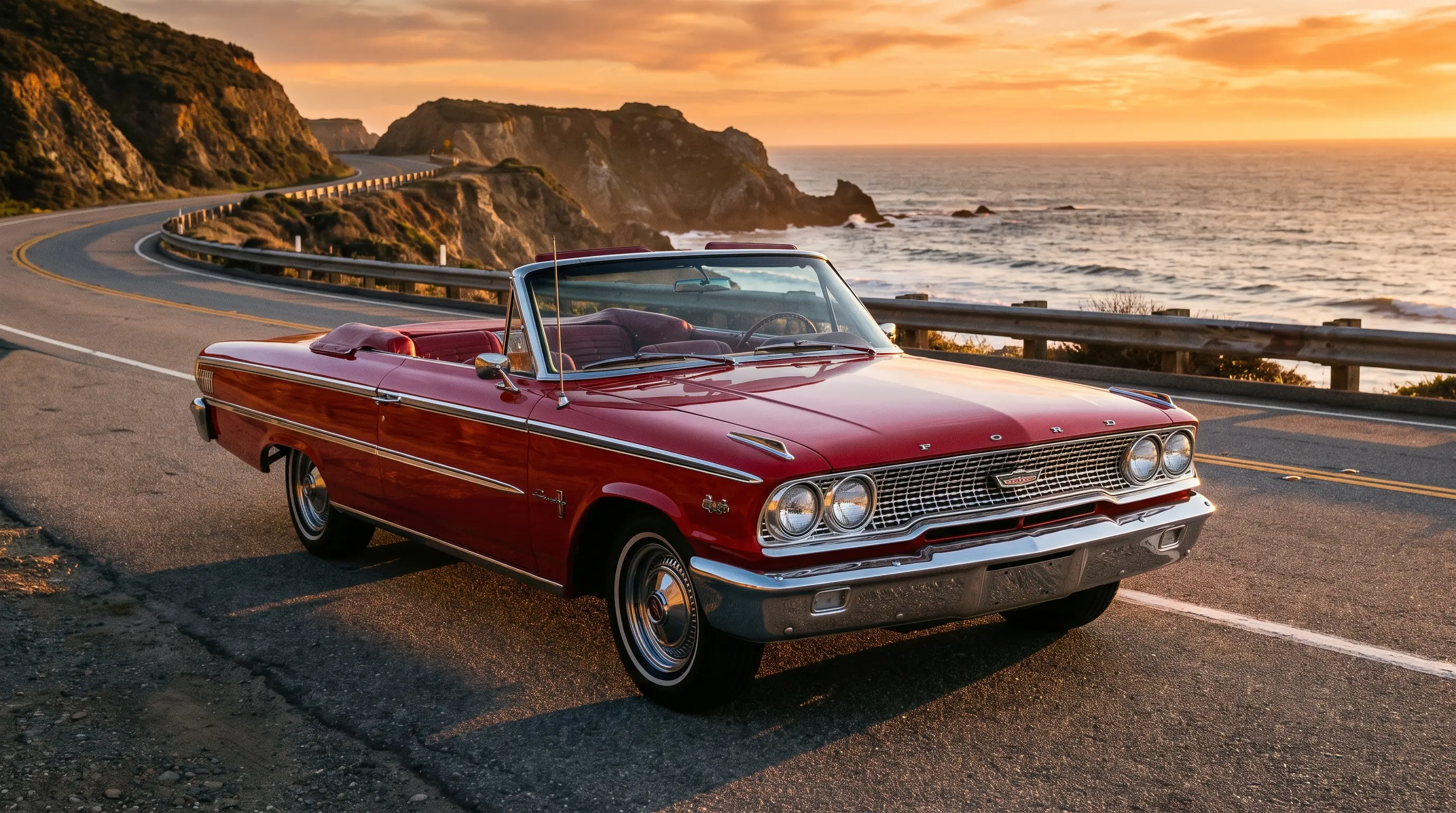
The 1963 Galaxie occupies a comfortable spot in the collector world. The big-block fastbacks are the headline cars and command real money, but the wider range of Galaxie 500 hardtops and convertibles from the year gives a buyer plenty of ways in. You do not need an R-code car to enjoy what this year represents. A clean 390-powered fastback still carries the Total Performance shape and the era's confidence, at a fraction of the cost of the top engines. If you want to see how the market values the year across its trims and engines, you can browse classic Galaxie listings and get a feel for the spread.
What keeps these cars desirable is the story they carry. A 1963 Galaxie is not just a nice old Ford. It is a document of the year a major American company decided to prove itself in public, and the surviving cars still feel like part of that effort. The fastback roof, the big-block growl, and the Total Performance badge all point back to the same moment on the banking. That is a lot of meaning packed into a full-size Ford, and it is why the 1963 cars remain some of the most talked-about Galaxies of all. For the next stage of the same fight, the 1964 cars are another one worth knowing.
"You can trace the whole shape of the 1963 Galaxie back to a stopwatch. Ford changed the roof because the old one was slow, then sold it as style. I love a car that honest about what it is."
- Patrick Walsh
Sources and notes
- 1963 Daytona 500 - Wikipedia
- Wood Brothers Claim 1963 Daytona 500, Owner's Title - NASCAR Hall of Fame
- Total Performance Styling: The '63 1/2 Ford Galaxie Fastback - Mac's Motor City Garage
- Rare 1963 Galaxie 500 XL R-Code 427 - autoevolution
- 1963 Ford Galaxie 500 Lightweight - Supercars.net
- Ford Galaxie - Wikipedia