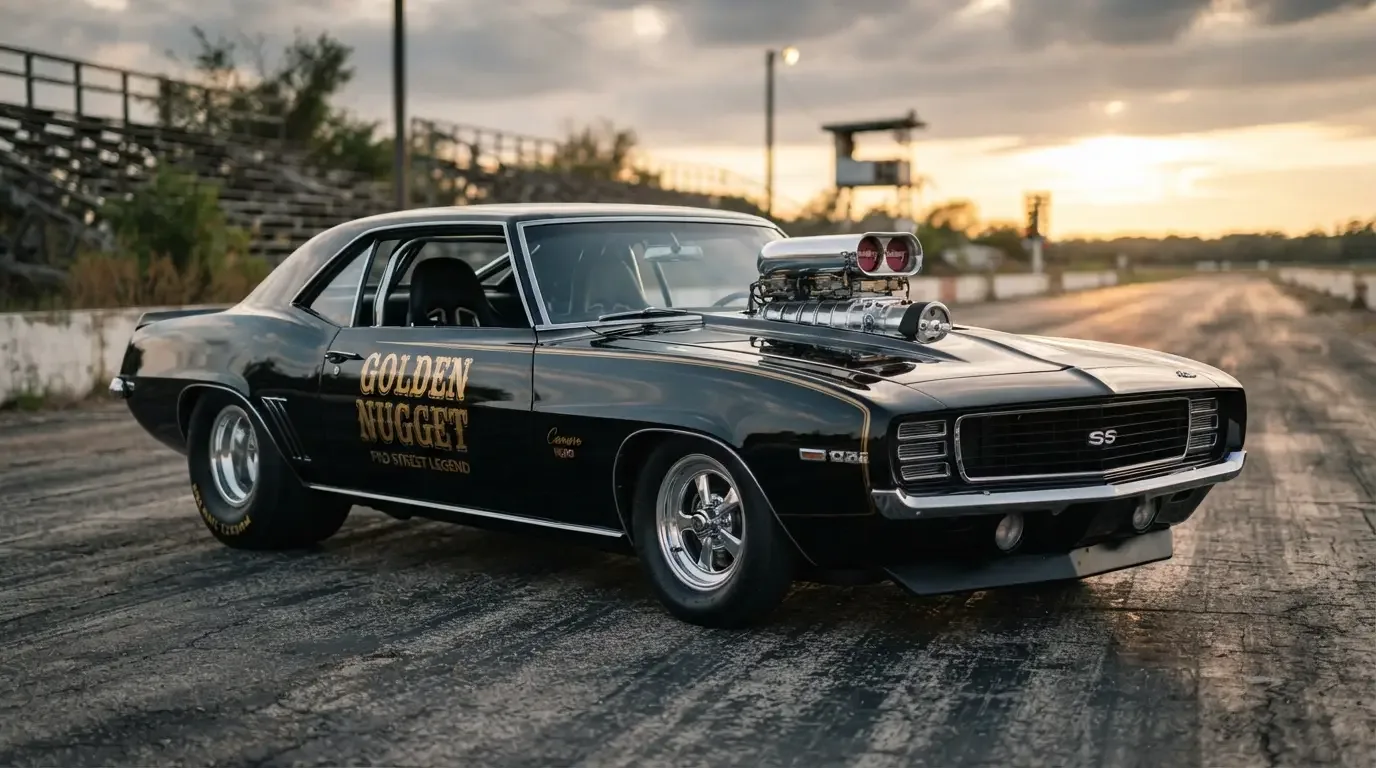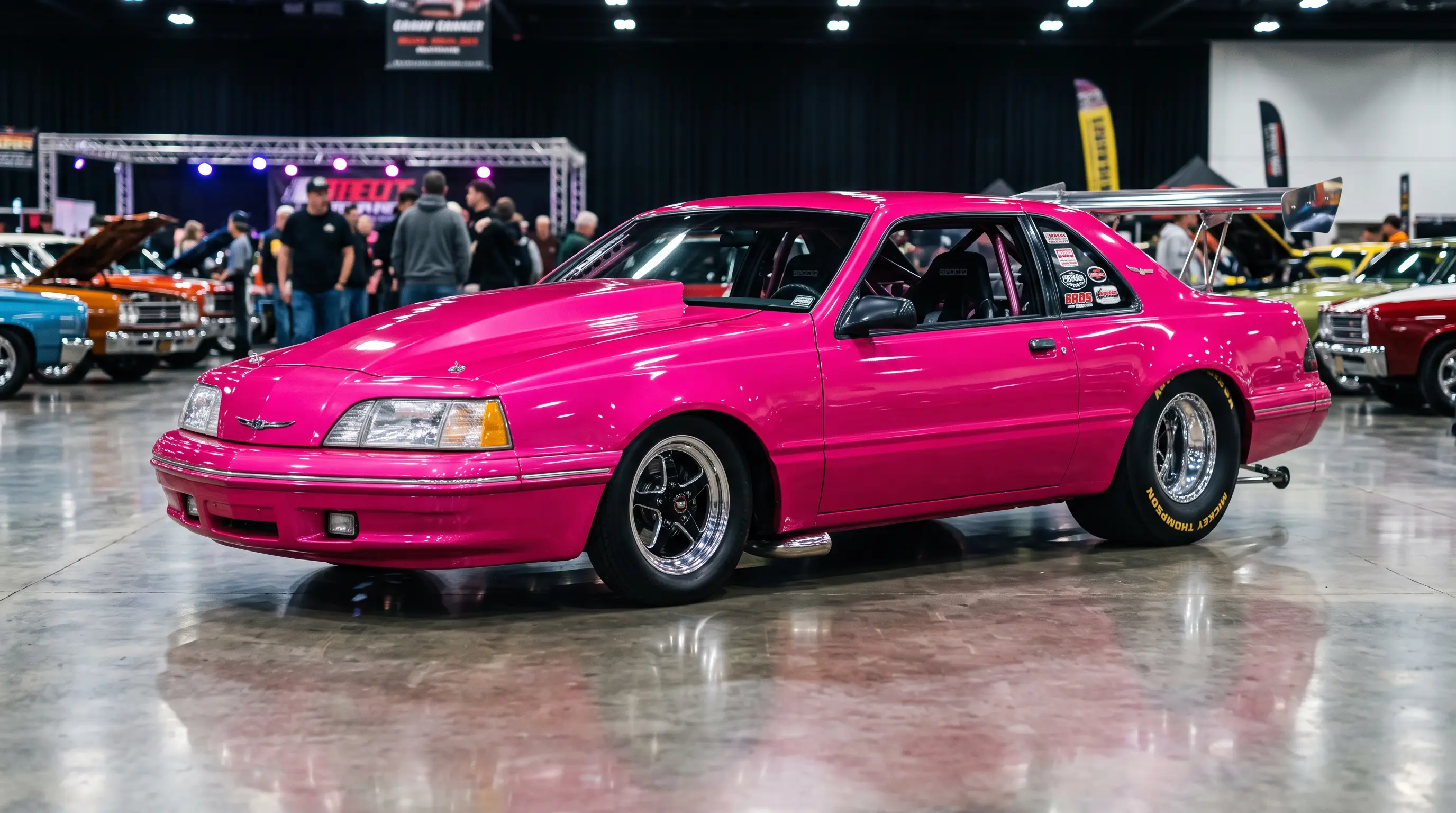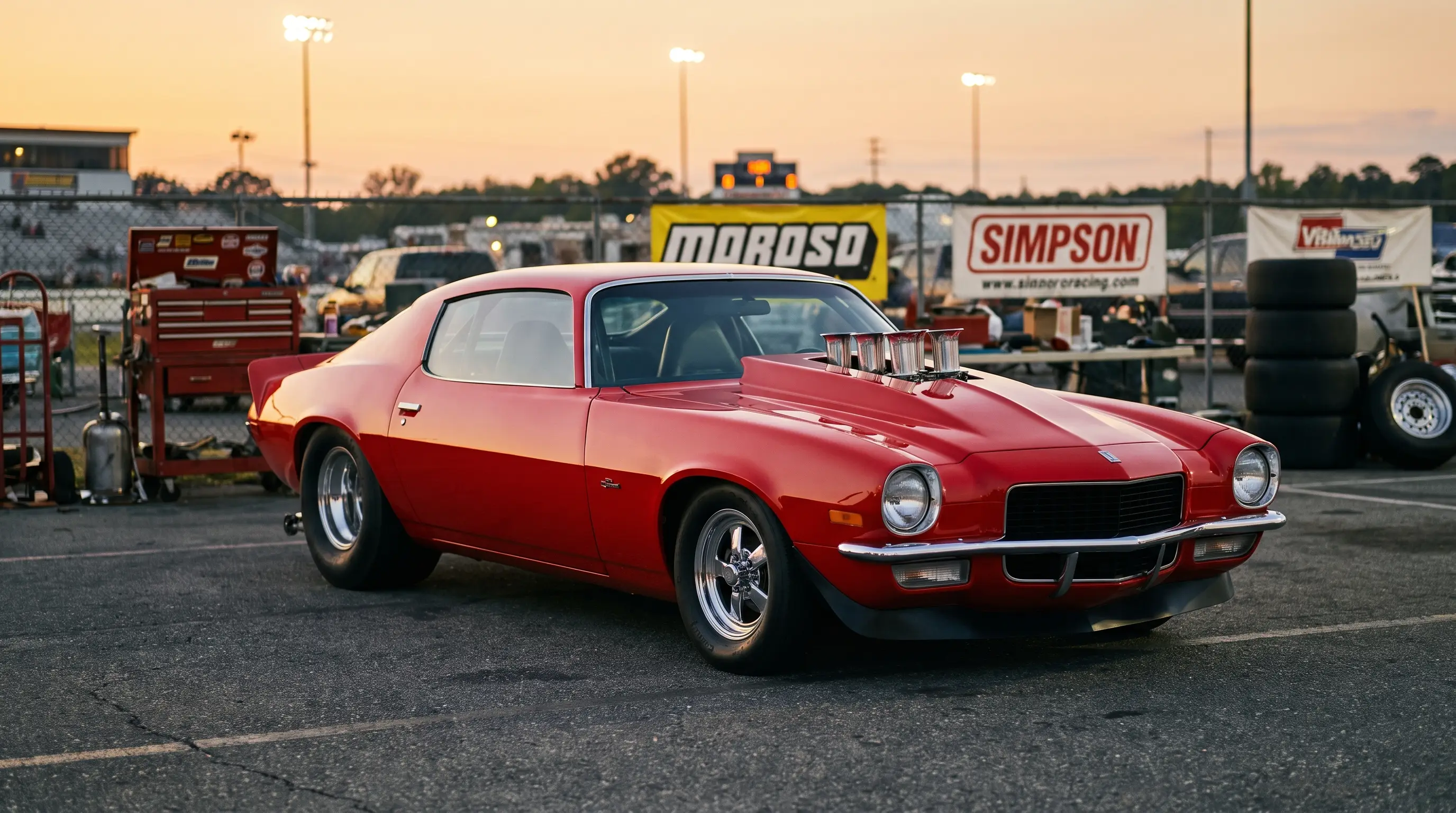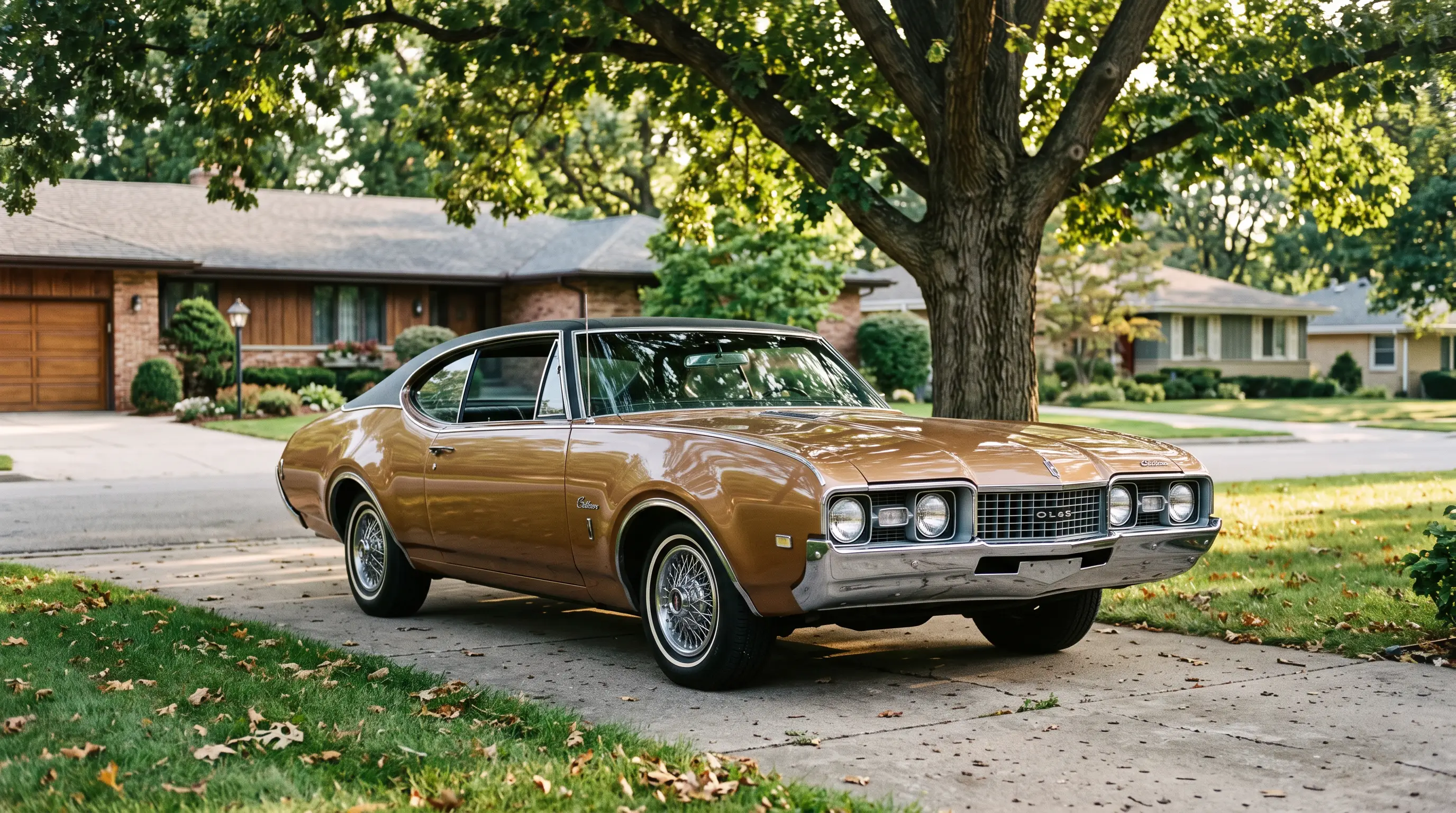
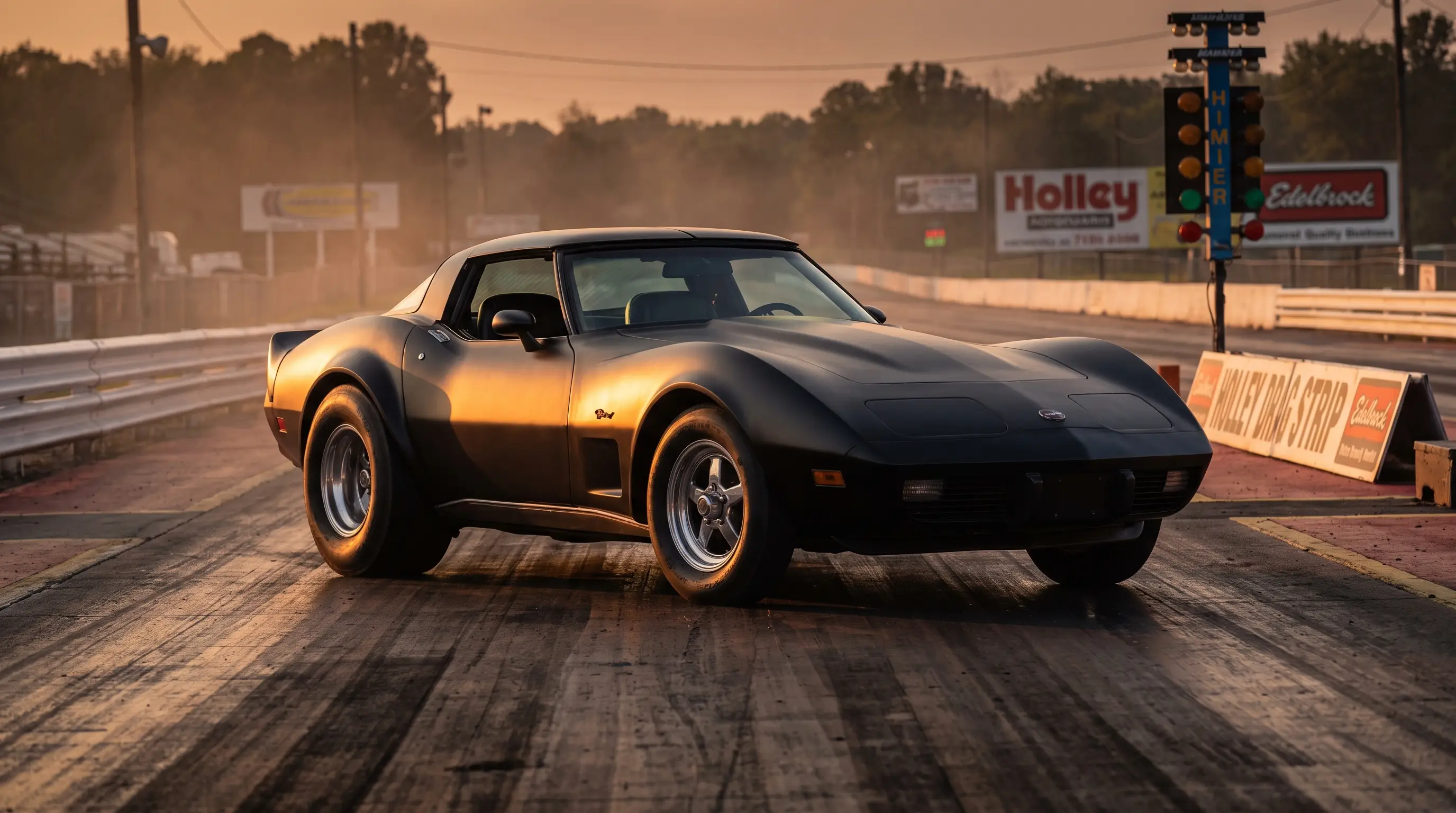
I've stood next to a lot of cars at the track that looked fast and weren't, and a handful that looked ordinary and flat scared me when the light dropped. Rod Saboury's Pro Street Corvette belongs in that second group. This is a car people still bring up at swap meets thirty-some years later, and when they do, the number that gets repeated is the six. A full-bodied, full-interior, street-driven Corvette running in the six-second range was not supposed to happen in the Pro Street era, and Saboury built one anyway.
Who was building it and why it mattered
Pro Street in the 1980s had a rulebook nobody wrote down but everybody understood. Tub the rear frame rails, stuff a set of huge slicks under the back of a muscle car body, keep the glass and most of the interior, and go run the number at the track on a Saturday, then drive it home. Most builders chased eight-second and low-nine-second times and called it a career achievement. Rod Saboury wasn't most builders. He came out of the Corvette scene with a reputation for taking the platform further than the guys running Camaros and Novas thought a fiberglass body could go, and he kept pushing the combination year after year instead of settling for one good pass and a magazine cover.
The car itself was built around a 1963 split-window Corvette body, a second-generation (C2) car chosen specifically because nobody else was doing serious Pro Street work in fiberglass at that level. Steel guys had the tubbing figured out. Fiberglass bodies flex and crack in ways steel doesn't, and building a car that could survive repeated six-second passes without the body coming apart around the driver took a different kind of patience.
The combination under the car
What made the Saboury Corvette a story instead of just another quick car was that it stayed streetable while the numbers dropped. A Mike Moran-built 427-cubic-inch small-block backed by twin 88mm Garrett turbochargers put the car in the neighborhood of 2,600 horsepower and roughly 1,700 lb-ft of torque. Twin-turbo power, a full interior, a stereo, and headlights that worked. That's the detail people who saw it in person remember best: it didn't look like a race car with a Corvette body wrapped around a cage. It looked like a Corvette that happened to be quicker than cars with half its curb weight and none of its creature comforts.
Running consistent six-second passes meant the chassis had to control wheel hop and body flex that would tear a lesser tub apart in a handful of runs. The rear frame rails were narrowed and reinforced well beyond what a typical Pro Street build called for, and the suspension geometry got revised more than once as the power climbed and the times dropped. This wasn't a car built once and left alone. It was refined pass after pass, season after season.
| Detail | Specification |
|---|---|
| Body | 1963 split-window Chevrolet Corvette (second-generation, C2), full glass, full interior |
| Class | Pro Street, street-driven with a full ET record |
| Signature result | 6.75 seconds at 209 mph in street trim, on DOT tires |
| Distinction | One of the first fiberglass-bodied Pro Street cars to run consistently in the sixes |
Why a fiberglass Pro Street car was the harder build
Steel absorbs stress differently than fiberglass does, and anyone who has cut into a Corvette body knows the panels were never designed to take the kind of chassis loading a Pro Street tub generates under full power. Saboury and the people around the build had to figure out reinforcement points that didn't exist in any factory service manual, because the factory never built a Corvette meant to survive repeated six-second launches. Every builder who followed with a fiberglass Pro Street car owes something to the trial and error that went into getting this one to hold together.
The other piece of the puzzle was tire and traction management. A Corvette sits lower and rides differently than a Camaro or Nova, and getting a car this light and this low to hook consistently at those speeds meant a suspension setup that had to be tuned specifically for the body, not borrowed wholesale from a steel-bodied car running similar power.
The rivalry with steel-bodied cars
Corvette guys at the strip in the 1980s got used to a certain amount of skepticism from the Camaro and Nova crowd, who had a decade's head start figuring out how to tub a steel unibody and were not shy about saying so. A fiberglass car showing up and running with the fastest steel-bodied Pro Street cars on the property was, for a lot of those guys, a genuine surprise the first time they saw it happen. Saboury's car forced a re-evaluation of an assumption a lot of builders had simply taken for granted, that fiberglass bodies belonged in a different, slower conversation than steel ones did.
That rivalry played out at tracks up and down the country over multiple seasons, not as a single grudge match but as an ongoing argument that got settled a little more each time the Corvette backed up its number on a new pass. Consistency mattered here as much as the headline time. A single great run gets forgiven as a fluke by skeptics. A car that keeps running the same range of numbers, weekend after weekend, eventually stops needing to argue its case at all.
What the car meant to the scene
Pro Street was always partly about the number and partly about the theater. A car that ran a great time but looked like a race car lost something in translation at a cruise night. A car that looked stock-ish but was slow lost the argument at the light. Saboury's Corvette did both jobs at once, and that combination is why it still gets mentioned when people talk about the cars that defined what the class was capable of rather than just what it looked like. The full story of how the Pro Street movement produced builds like this one covers a lot of the other cars that pushed the same boundaries around the same years.
It also mattered because it proved the format could still surprise people a decade into its existence. By the time this car was running its best numbers, plenty of onlookers assumed Pro Street had plateaued, that the quick cars were quick and the show cars were for show and the two lists didn't overlap much anymore. A full-interior Corvette in the sixes put that assumption to rest.
"You can build a car that's fast, and you can build a car that's finished. Building both into the same fiberglass body and having it survive more than one good pass, that's the part people don't understand until they've tried it themselves."
- Mike Sullivan
Where these cars stand today
Original Pro Street Corvettes from this era rarely surface for sale in unmolested, period-correct configuration. Most were eventually detubbed, sold off in pieces, or converted back toward something closer to stock as the market shifted in the 1990s. The ones that survive with their original chassis work intact carry real weight with collectors who understand what went into the fabrication, not just the paint and the graphics package on top of it. If you're chasing a piece of that era for your own garage, you can browse classic Pro Street car listings to see what's actually on the market right now, fiberglass and steel both.
What I keep coming back to with this build is that it didn't cut corners to get the number. A lot of six-second cars from that decade gutted the interior, pulled the glass, and called it done. This one kept the parts that made it a Corvette you could drive to the track, and that's a harder engineering problem than most people give it credit for.