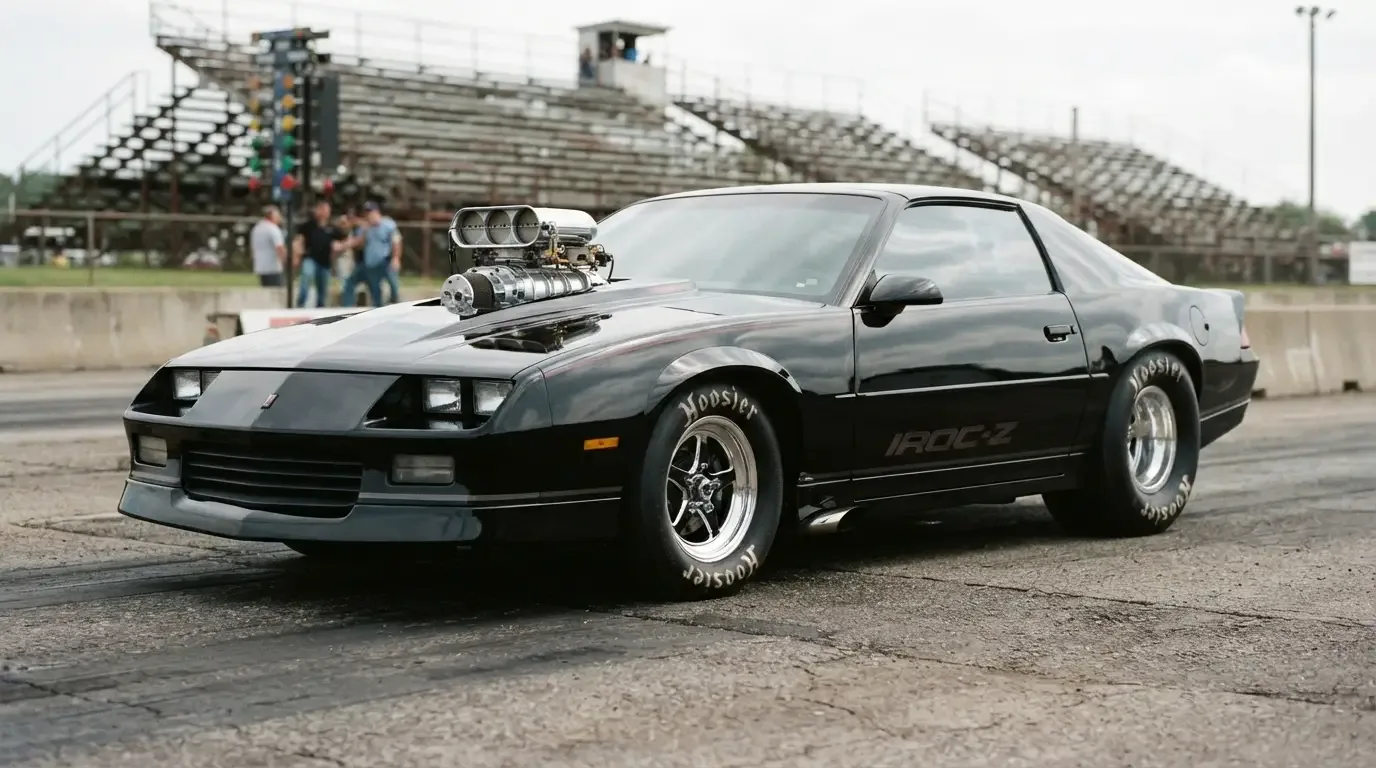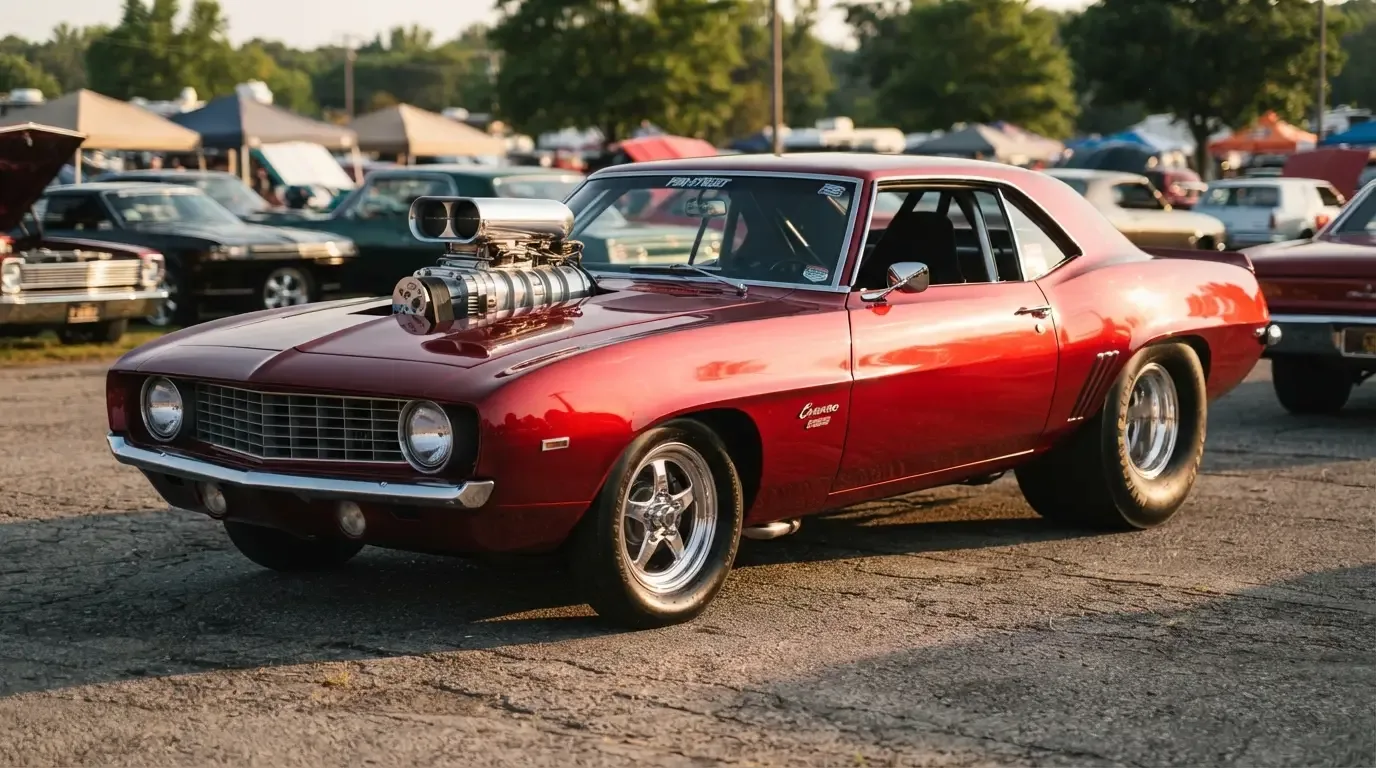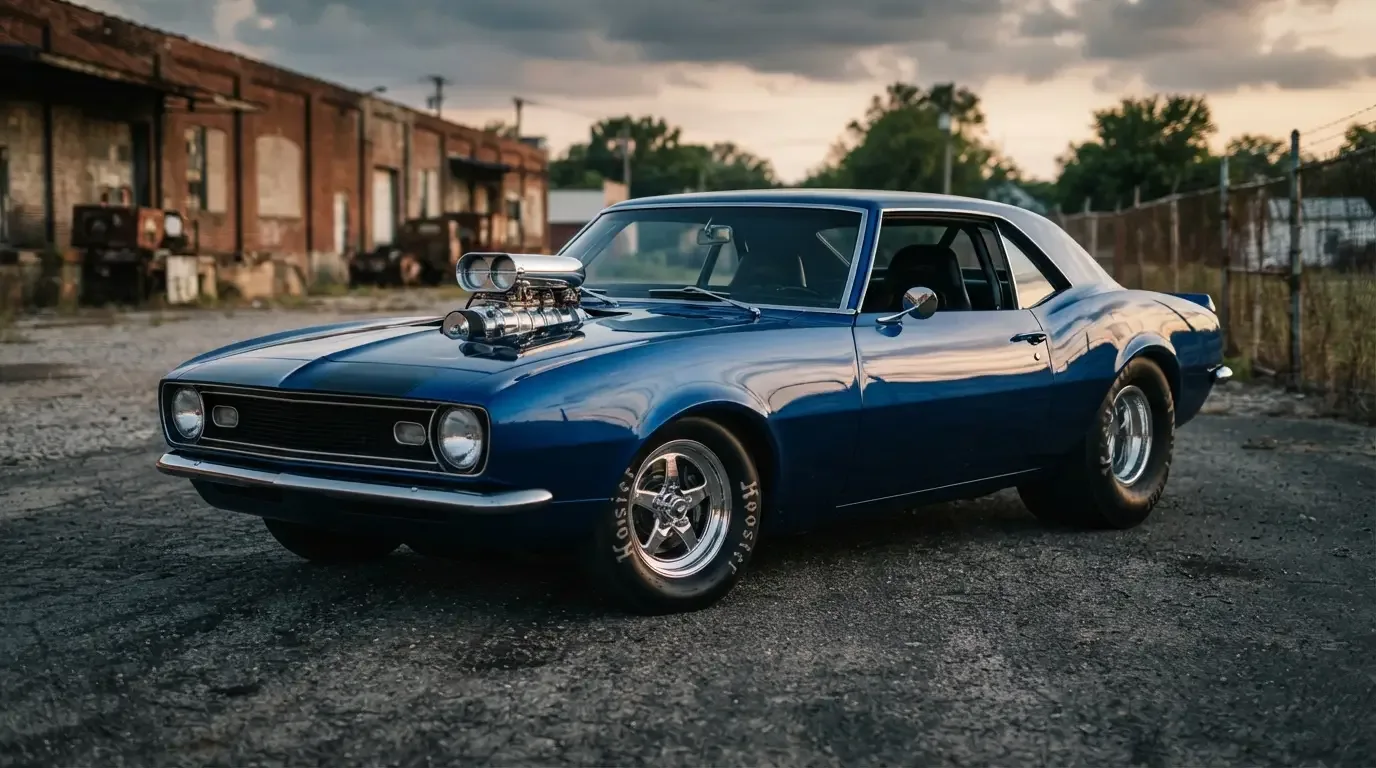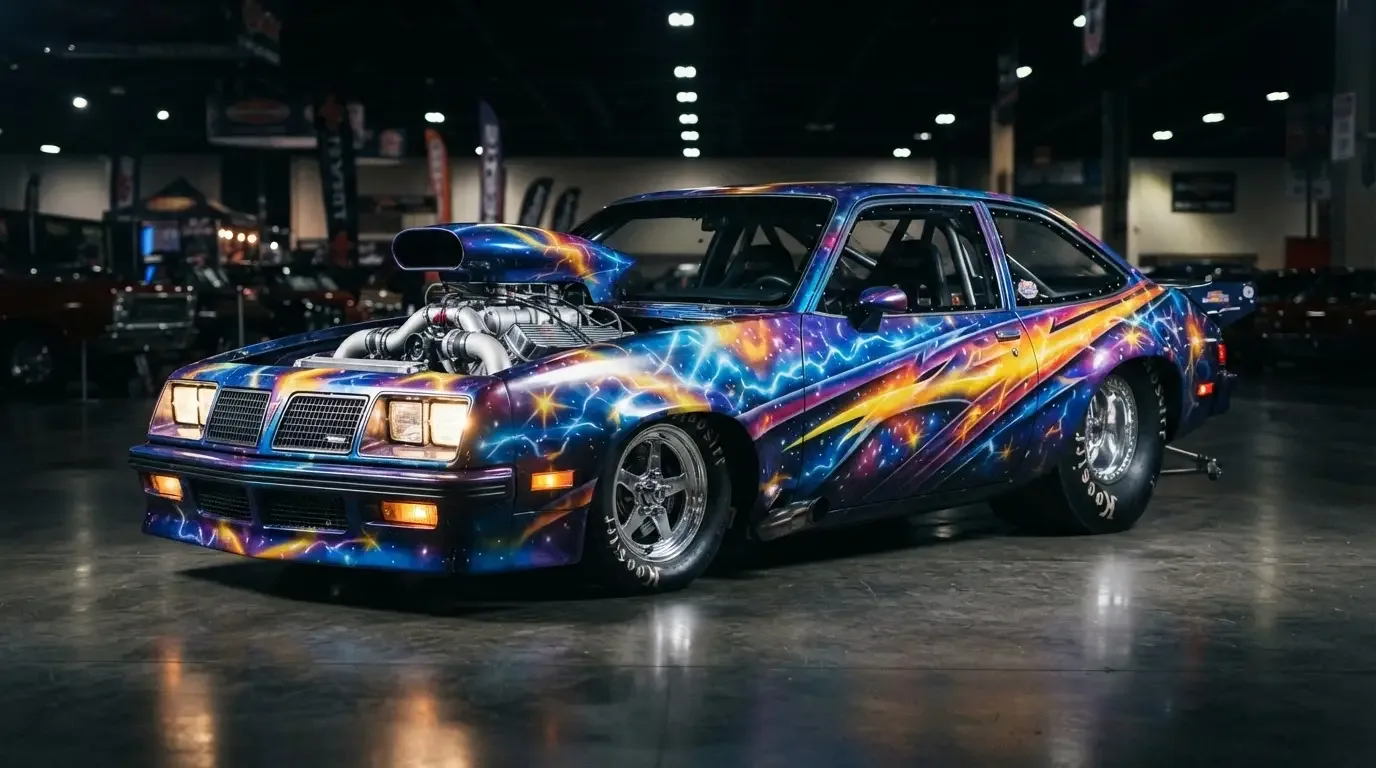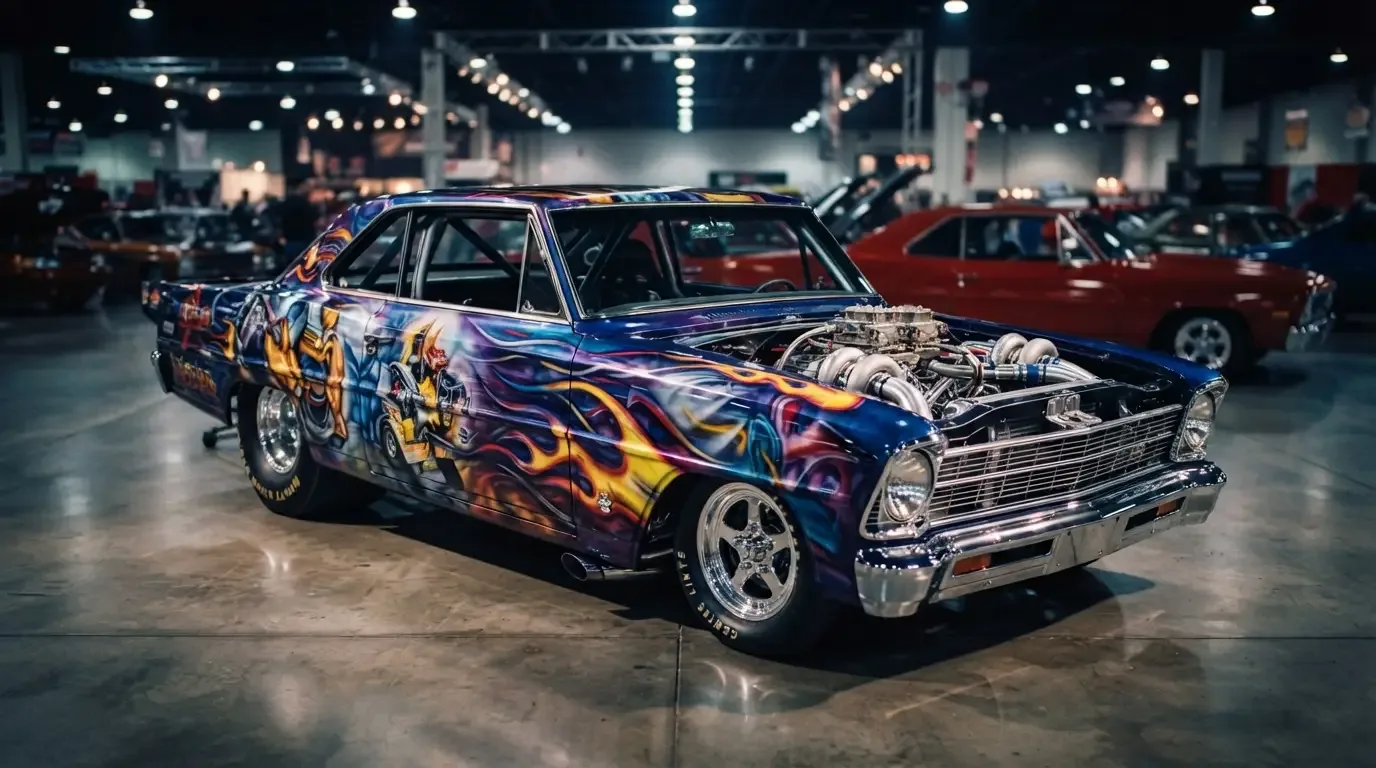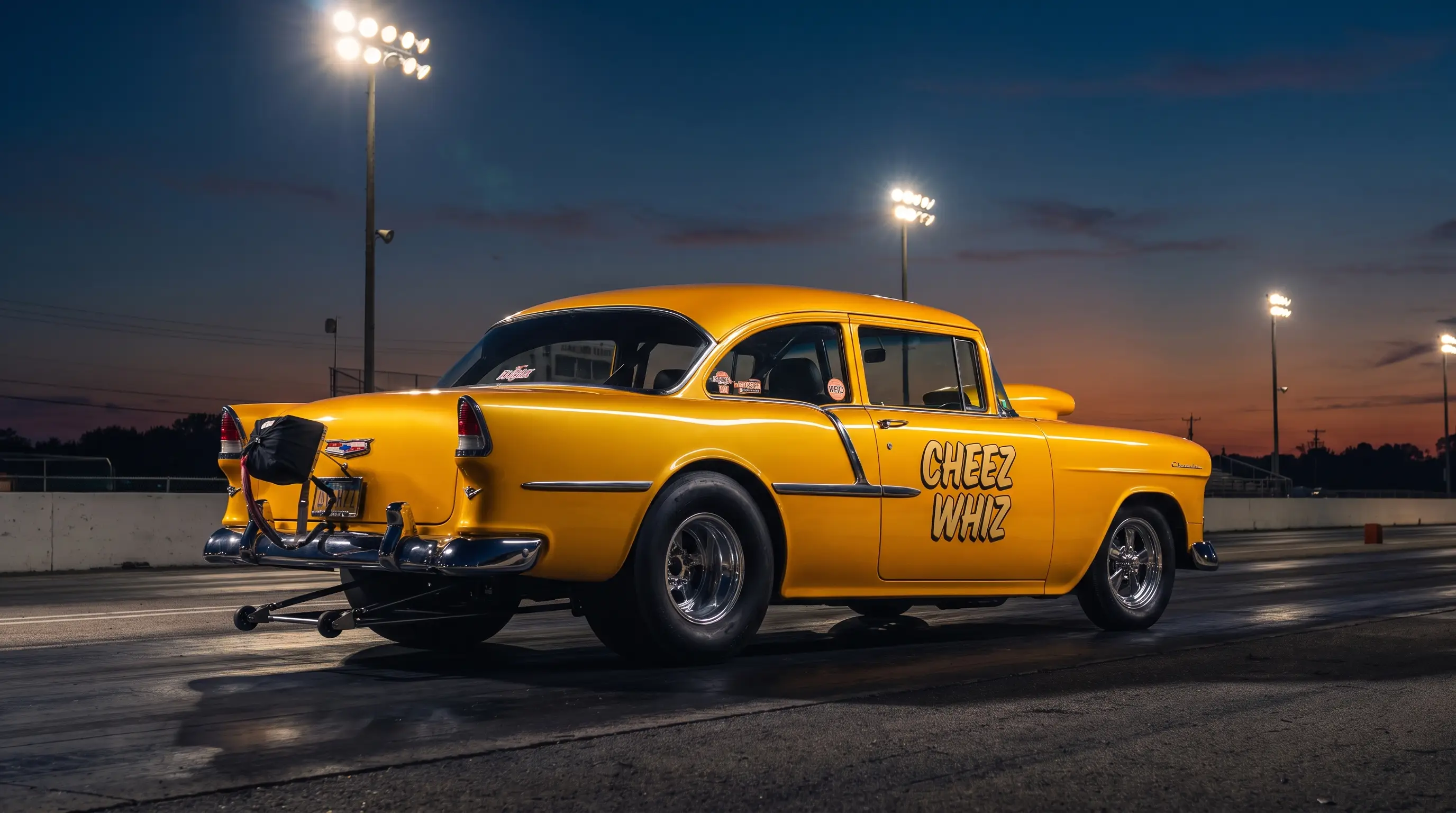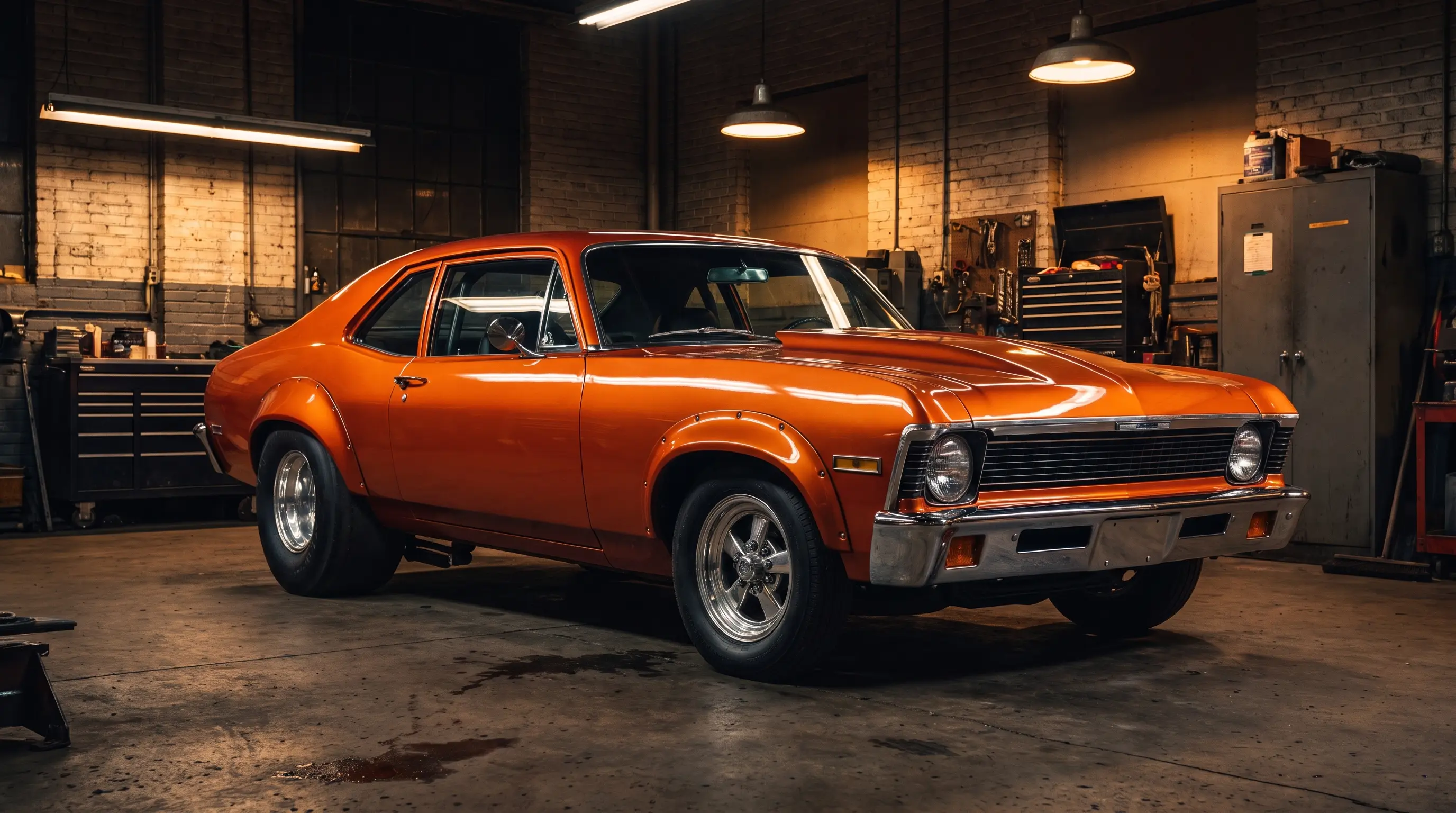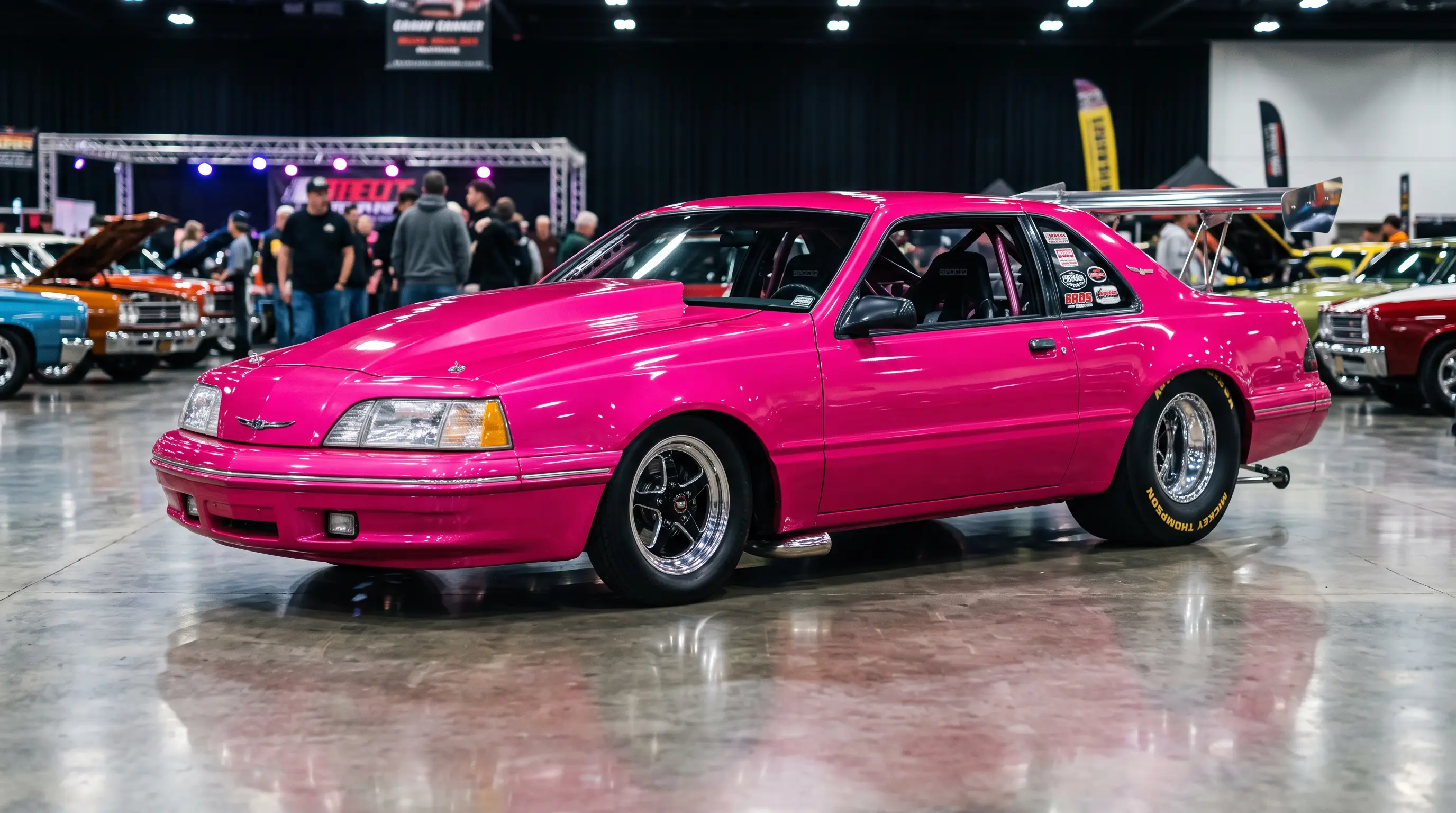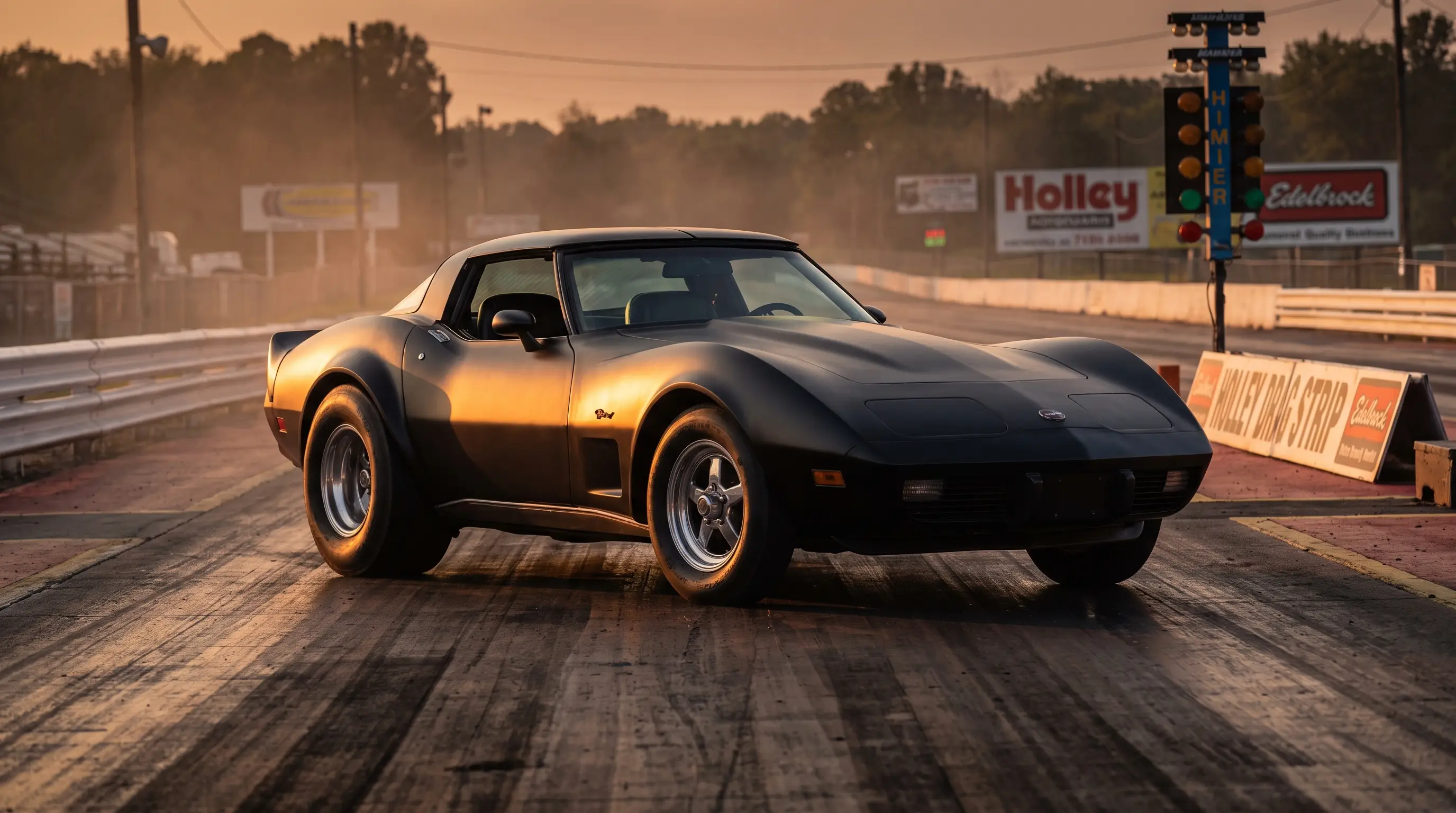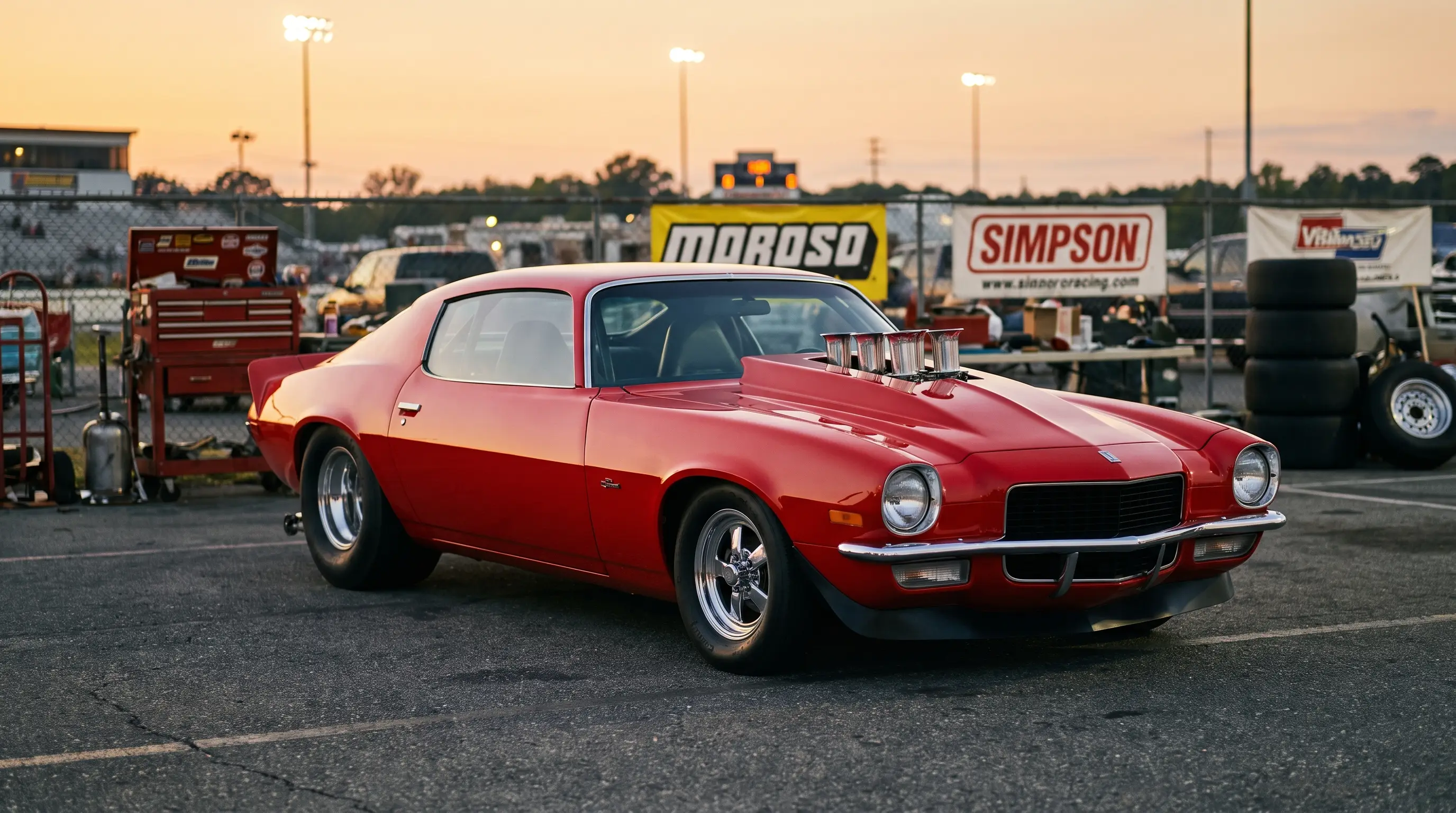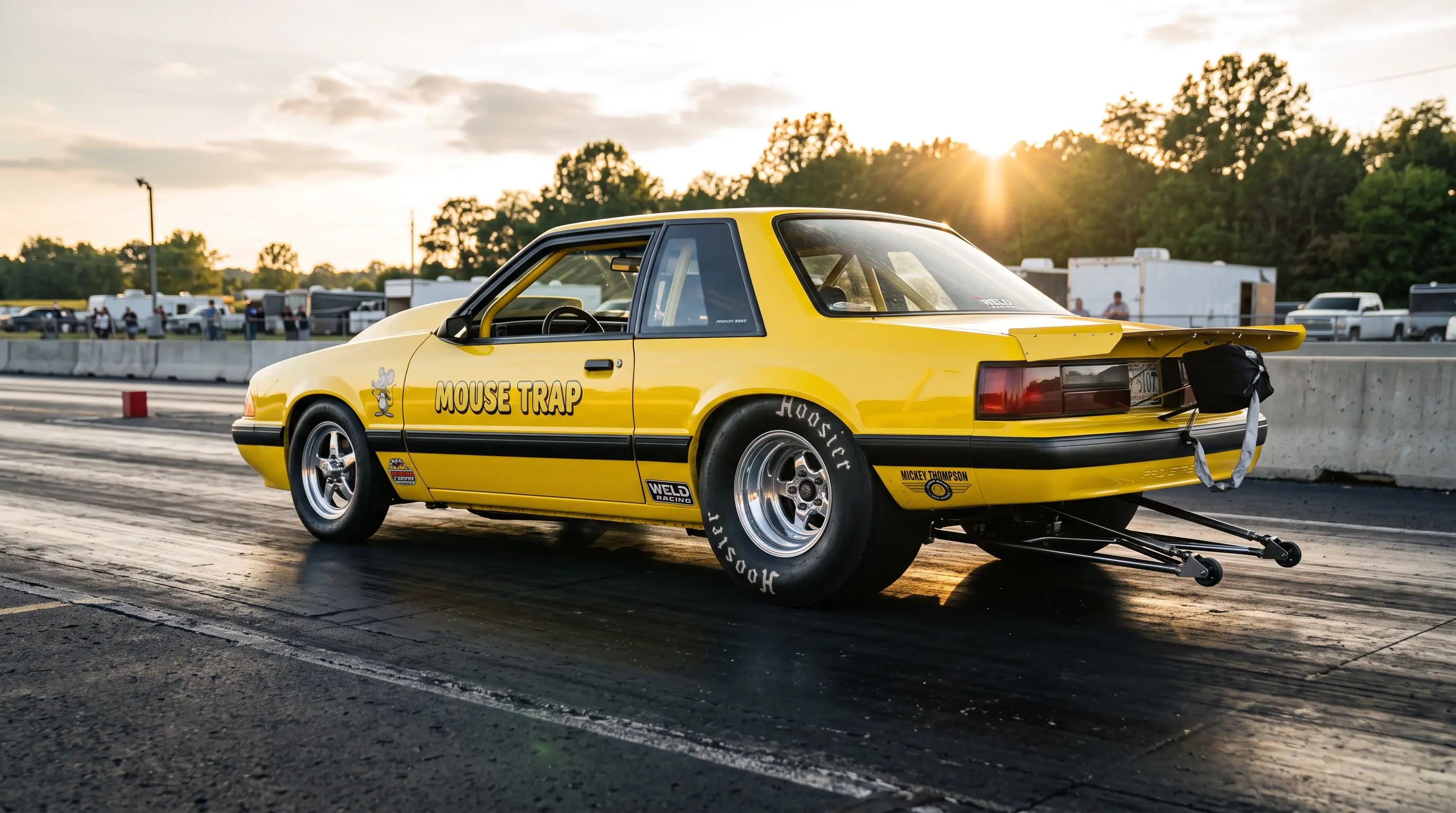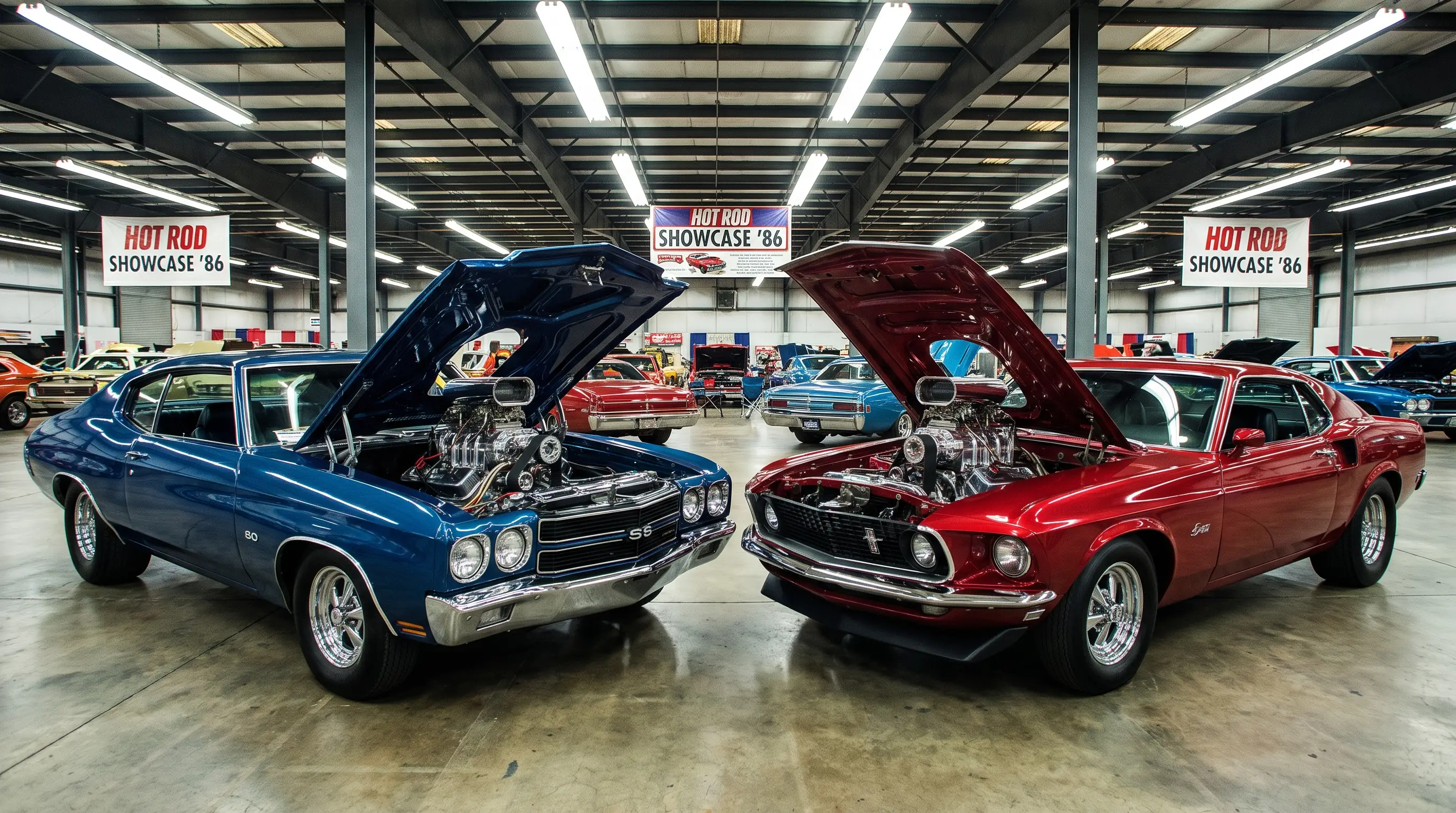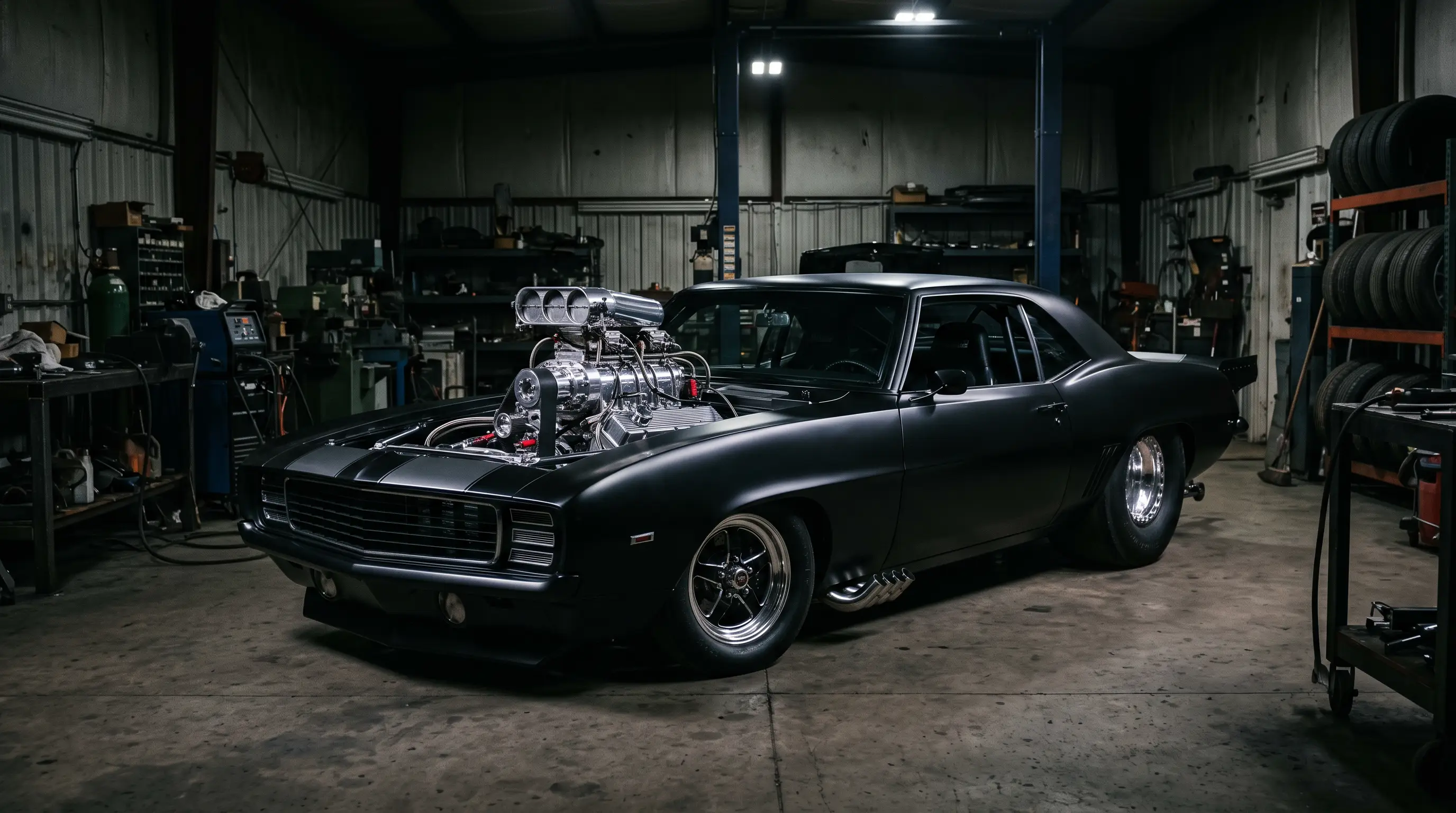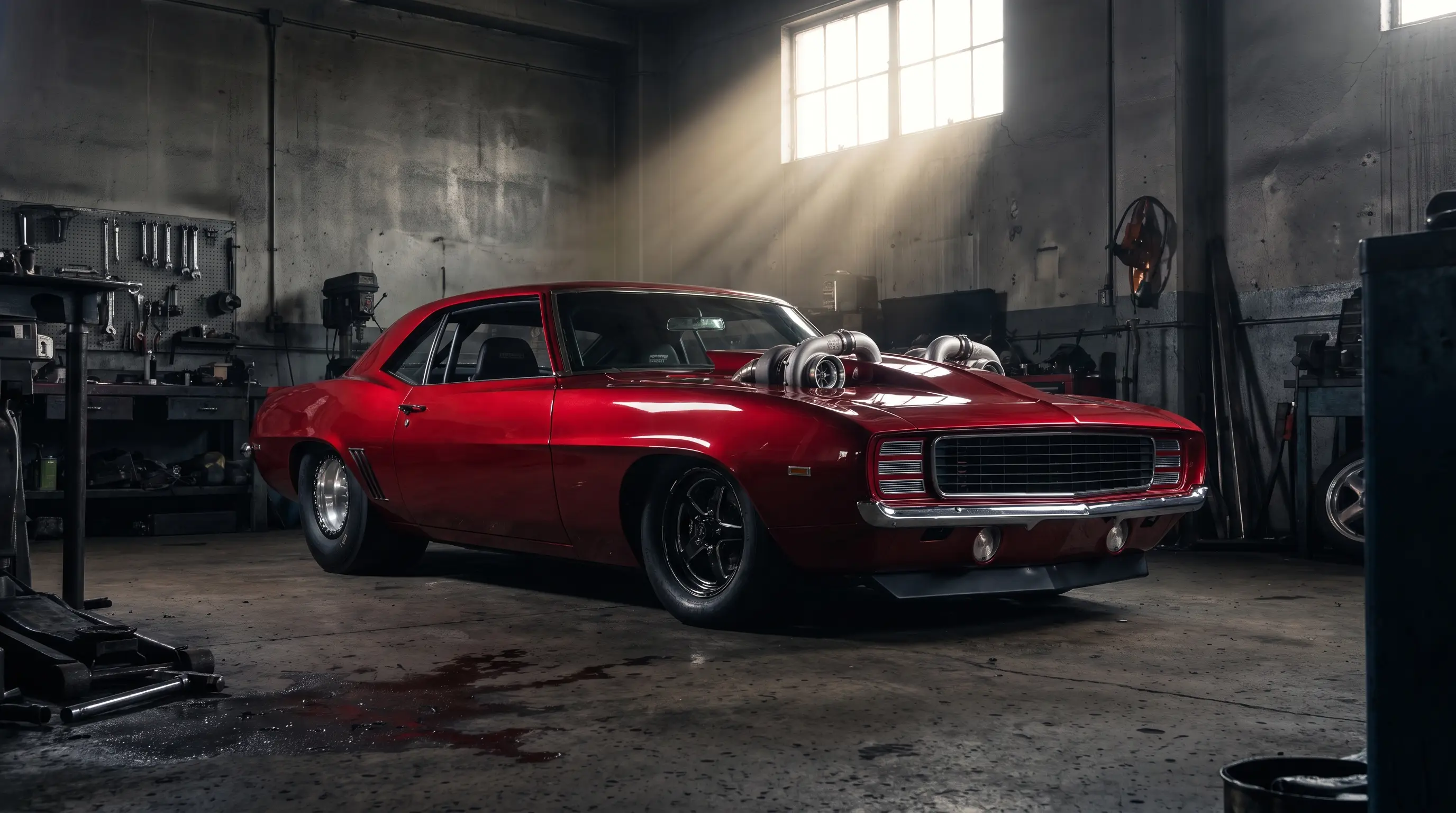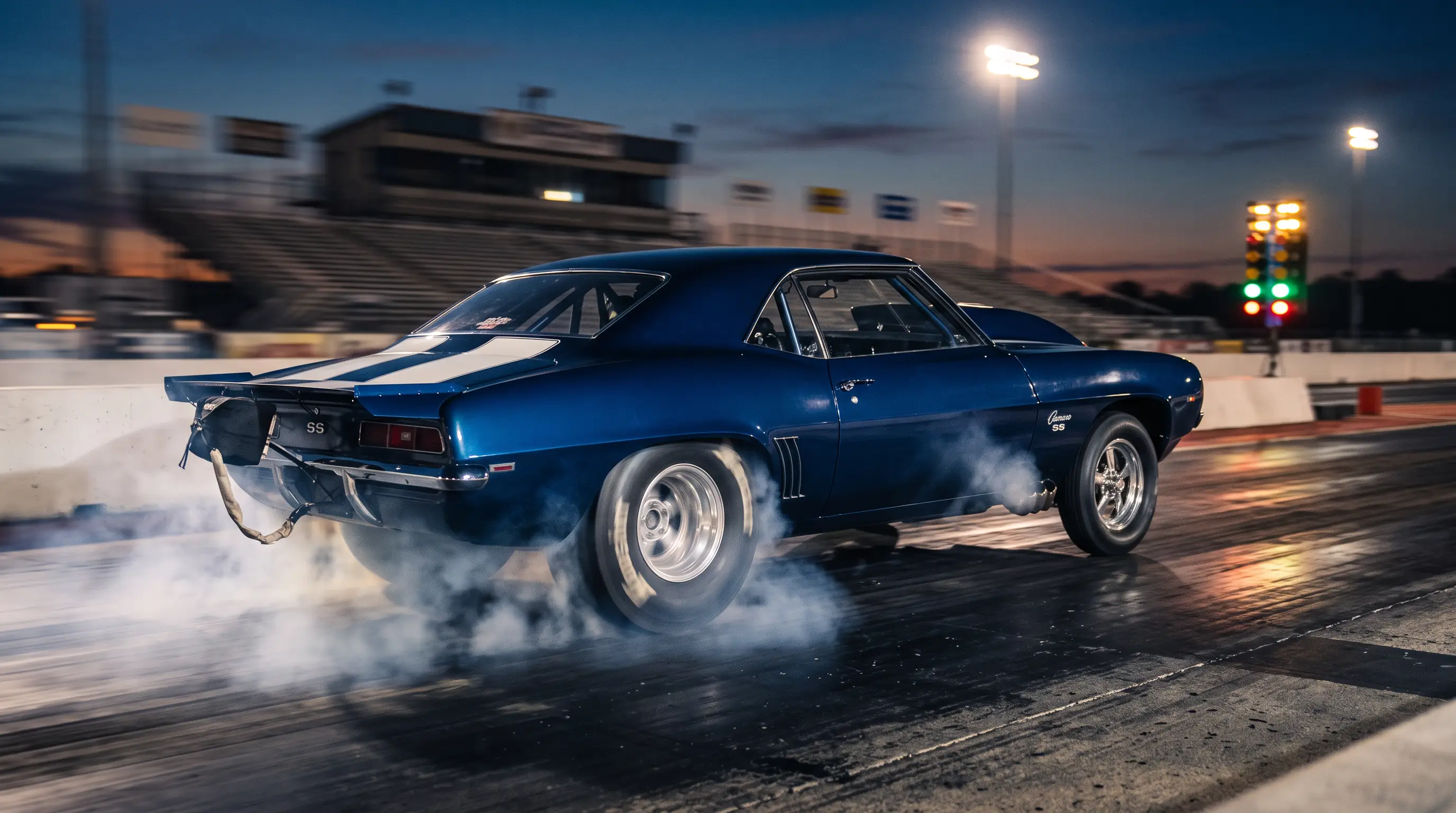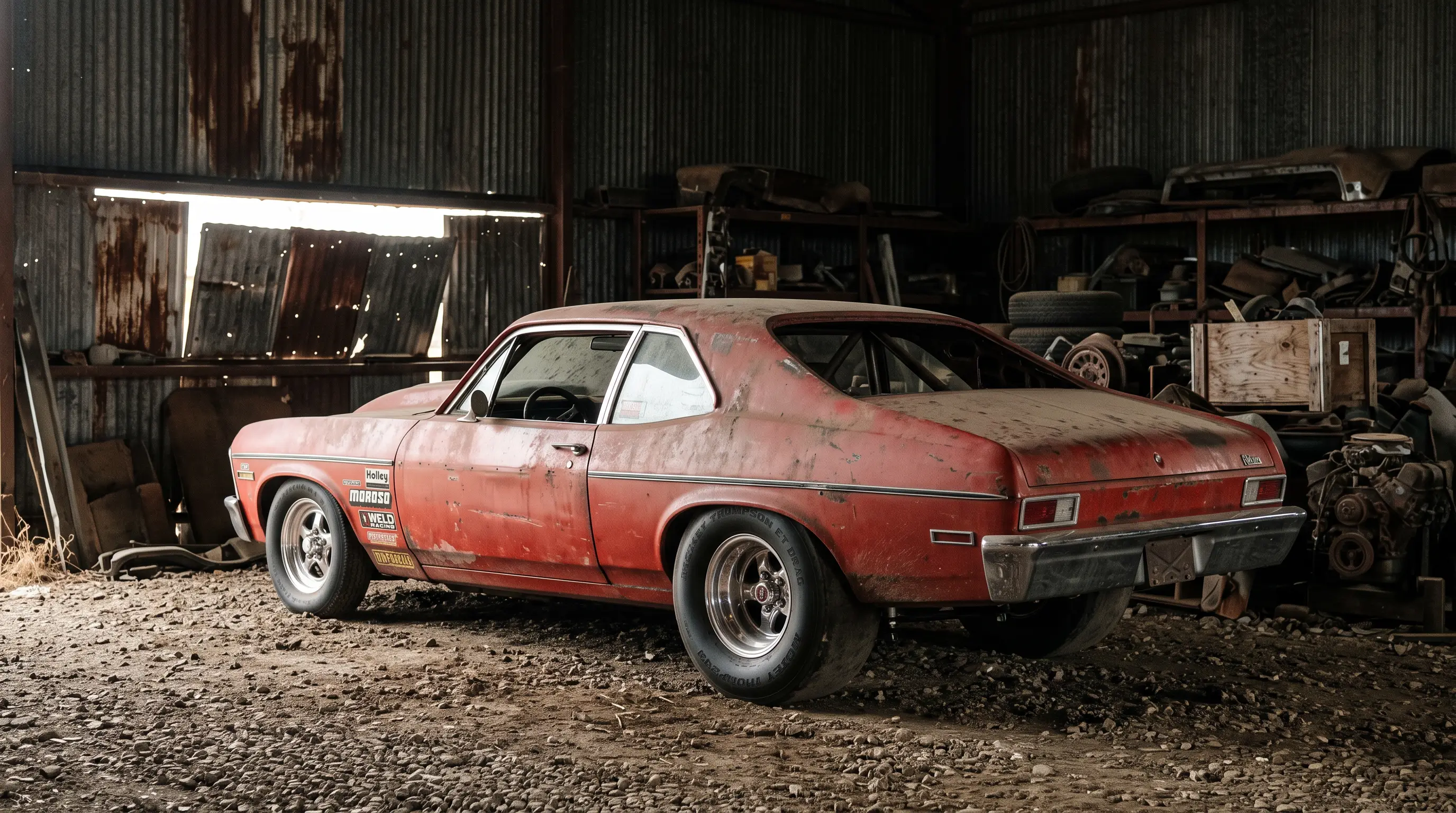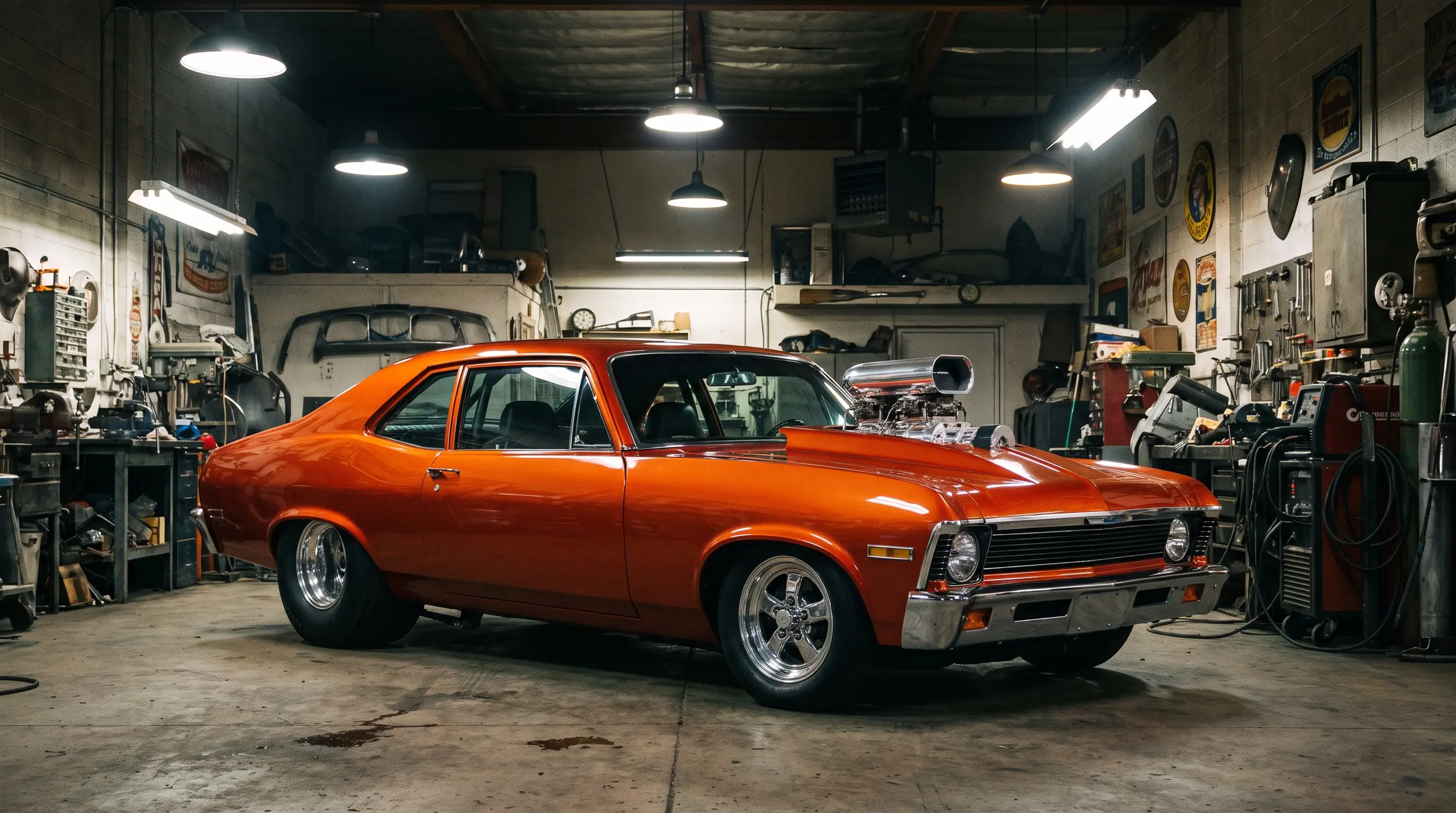
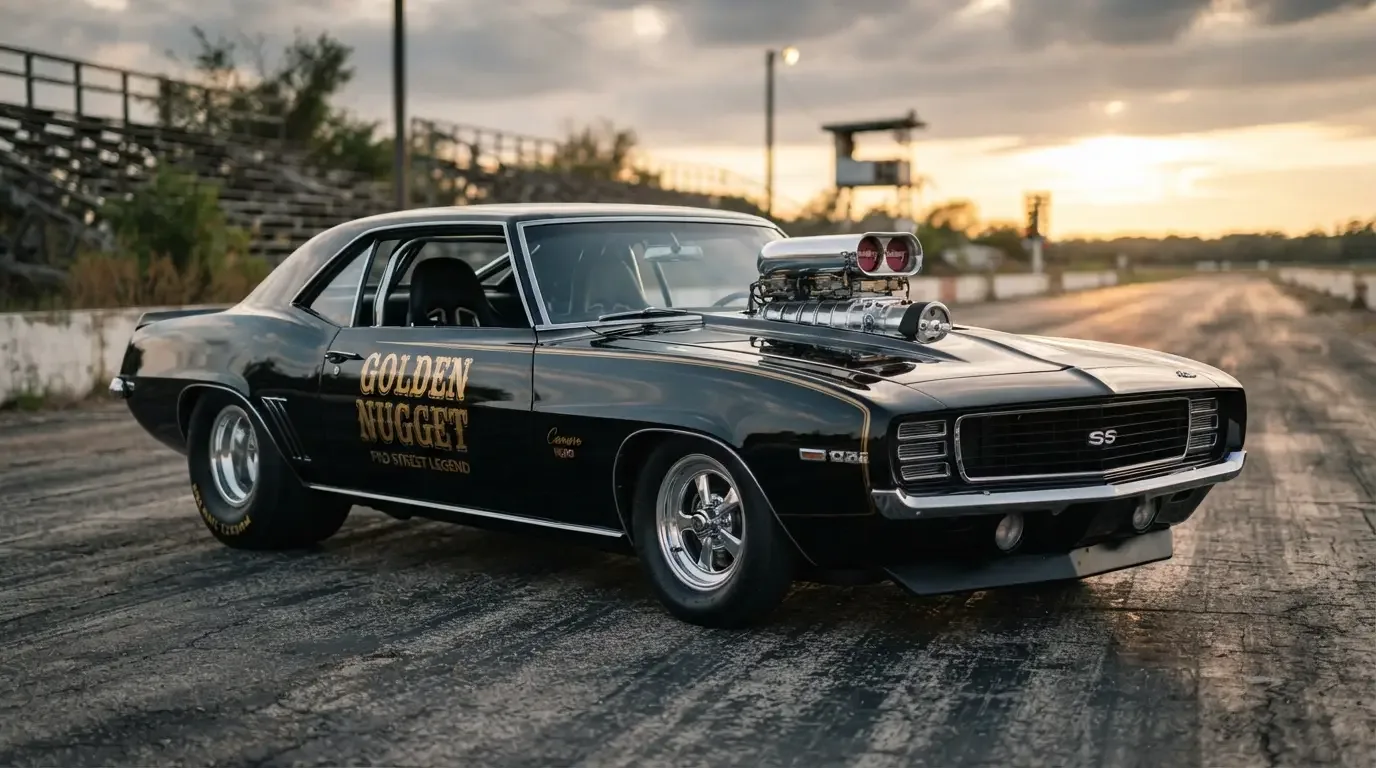
There is a moment at every big show when the crowd shifts. People stop drifting and start gathering, pulled toward one spot in the field, and if you follow them you almost always find a car that earned its fame the hard way. In the Pro Street world, a handful of builds did exactly that. They stopped crowds in the 1980s, they landed on magazine covers, and decades later people still say their names in the same reverent tone. The famous pro street cars were not just well built. They were events. And behind each one stood a builder who bet everything on a picture in his head.
I have spent a good chunk of my life chasing stories like these, standing in show fields with a notebook, listening to men describe the winter they spent welding tubs at two in the morning. What follows is not a ranked list. It is a walk through the kind of build, and the kind of man, that turned a garage subculture into legend. If you want the full arc of how the whole movement rose and fell and rose again, our our pro street cars retrospective lays it out, but here I want to talk about the individual machines that made it unforgettable.
The car that raised the bar
Every scene has a build that resets what people think is possible, and Pro Street had several. The ones that mattered most were not always the most powerful. They were the most complete, the cars where the fabrication, the paint, the engineering, and the sheer nerve all landed at once. A truly great Pro Street car made every other car in the field look like a first draft.
Think about what that took. A builder started with a classic body, often a muscle car from the 1960s, and committed to cutting it apart to fit tires that had no business under a street car. He narrowed the rear, fabricated the tubs, built or ordered a cage, sourced a big-block, and then, only then, got to the part most people notice, the paint. The famous cars nailed every single stage. Miss one and you have a nice car. Nail them all and you have a legend.
The builders behind the metal
You cannot separate the famous cars from the men who made them, and that is the part I love most. These were not corporations. They were individuals, often working out of modest shops, who happened to have an eye and a level of obsession that ordinary people do not carry. The magazines put the cars on the cover, but the real story was always the human standing next to it, arms crossed, trying not to look as tired as he was.
Some of these builders became names in their own right, sought out for the next project, their reputations built one crowd-stopping car at a time. Others built a single unforgettable machine and then quietly went back to their day jobs, content to have made one perfect thing. Both kinds shaped the movement. The scene ran on individual vision, and the variety of those visions is exactly why no two famous Pro Street cars looked alike.
| What made a build legendary | Why it mattered |
|---|---|
| Flawless tub and cage work | Proved real fabrication skill, not just bolt-on parts |
| A memorable engine | The blown or heavily worked big-block became the car's signature image |
| Bold, era-defining paint | Candy colors and graphics that photographed well and read from across a field |
| Magazine coverage | National features turned a local hero into a household name in the hobby |
| A story people repeated | The best cars came with a legend, and the legend outlived the paint |
Why certain cars became icons and others faded
I have thought about this a lot, standing in fields full of tubbed cars that were every bit as well built as the famous ones but that nobody remembers. What separated the icons? Timing helped. A car that landed on a cover at the right moment caught a wave that a better car built two years later missed entirely. Personality helped too. The builders who could tell a story, who gave their cars names and characters, planted something in people's memory that pure craftsmanship alone could not.
But mostly it was that indefinable thing, presence. Some cars just command a space. You walk up and the hair on your arm stands and you know, before you have read a single spec, that you are looking at something special. The famous Pro Street cars had that in abundance. They were built by people who understood that a show car is a performance, and they performed. The platforms that carried these builds are a whole story of their own, and there is a related story in how certain muscle bodies became the canvas of choice.
The paint that made them scream
You cannot talk about the legendary builds without talking about color. The famous cars of the golden era wore paint that was as much a part of their identity as their tires. This was the decade of candy apple over metallic base, of airbrushed fades, of graphics that looked like they were moving while the car sat still. A great paint job could carry a car onto a cover, and the painters who mastered the wild 1980s look became legends in their own corner of the trade.
What strikes me now, looking back, is how brave that paint was. Nobody was playing it safe. A builder who had spent a year on fabrication was willing to gamble the whole thing on a color scheme that might look dated in five years, because in the moment it looked like the future. That nerve is why the era's famous cars still leap out of old photographs. They were never trying to be tasteful. They were trying to stop your heart.
What the legends left behind
The famous pro street cars did more than fill magazine covers. They set a standard that pulled the whole hobby upward. Every kid who saw one of those builds and decided to try it himself was carrying the legacy forward, whether he knew it or not. The icons taught a generation what was possible when skill and nerve met a classic body and a big engine.
Some of those cars survive today, cherished and documented, worth real money to collectors who understand what they represent. Others were parted out or lost, remembered only in faded photographs and the memories of the men who saw them run. If the legends have you itching to own a piece of the story, there are Pro Street cars for sale now that carry the same spirit, and you can find Pro Street cars for sale now that trace their lineage straight back to the golden era.
The rivalries that pushed everyone higher
The famous cars did not exist in isolation. They pushed against each other, and that competition is a big part of why the golden era produced so many legends in such a short span. A builder who saw a rival land a cover did not shrug. He went home and started planning something wilder. The whole scene ratcheted upward because nobody wanted to be the guy whose car looked tame next season.
Some of those rivalries were friendly, two builders in the same town trading the local crown back and forth. Others had real heat behind them, regional pride and personal reputation on the line. Either way, the result was the same. The bar kept rising. Tires got wider, engines got wilder, paint got braver, and the crowds got bigger. The famous pro street cars were, in a real sense, built by their competition as much as by their makers.
What I find moving is how that competitive fire came wrapped in genuine camaraderie. The same men who battled for magazine covers would loan each other tools, share a source for a hard part, or stand around a fire at a show telling stories until sunrise. The rivalry made the cars better. The friendship made the scene worth belonging to. Both are stitched into every legendary build from the era.
"The great ones had presence you could feel from across the field. You did not need the spec sheet. The car walked up and grabbed you, and that is a thing you cannot fake with money or horsepower alone."
- Patrick Walsh
How the legends live on today
The remarkable thing about the famous cars is how many of them can still be traced. Because the magazines documented them so thoroughly, a serious collector can often follow a specific build from its original feature through every owner since. That paper trail turns a car into an artifact with a verifiable story, and stories are what drive value in this corner of the hobby. A tubbed Camaro with a documented cover history is worth far more than an identical car with no past.
Restoration has become its own art here. Bringing a famous 1980s build back to exactly the way it appeared in its magazine feature, right down to the wheels and the graphics, is a specialized craft practiced by people who treat these cars with real reverence. They chase down period photographs, hunt for the correct parts, and resist the temptation to modernize. The goal is not to improve the car. It is to return it to the moment it stopped a crowd.
Years from now, someone will still be standing in a show field, watching a crowd gather around a tubbed car with the tail in the air, and they will feel exactly what that fourteen-year-old kid felt in the 1980s. That is the real legacy of the legendary builds. They did not just win their moment. They made sure the moment would keep happening, again and again, for anyone willing to fall in love with a machine.