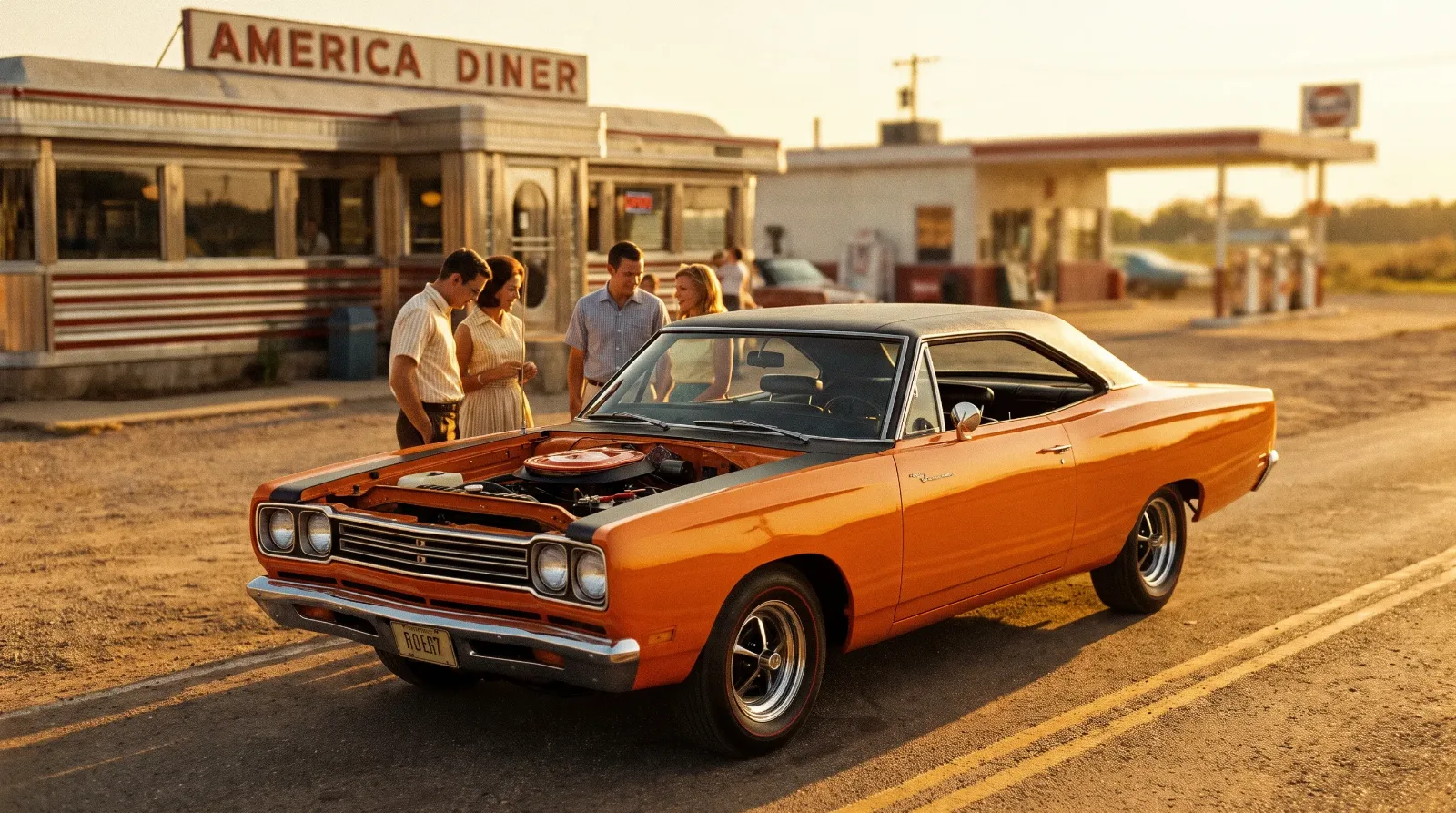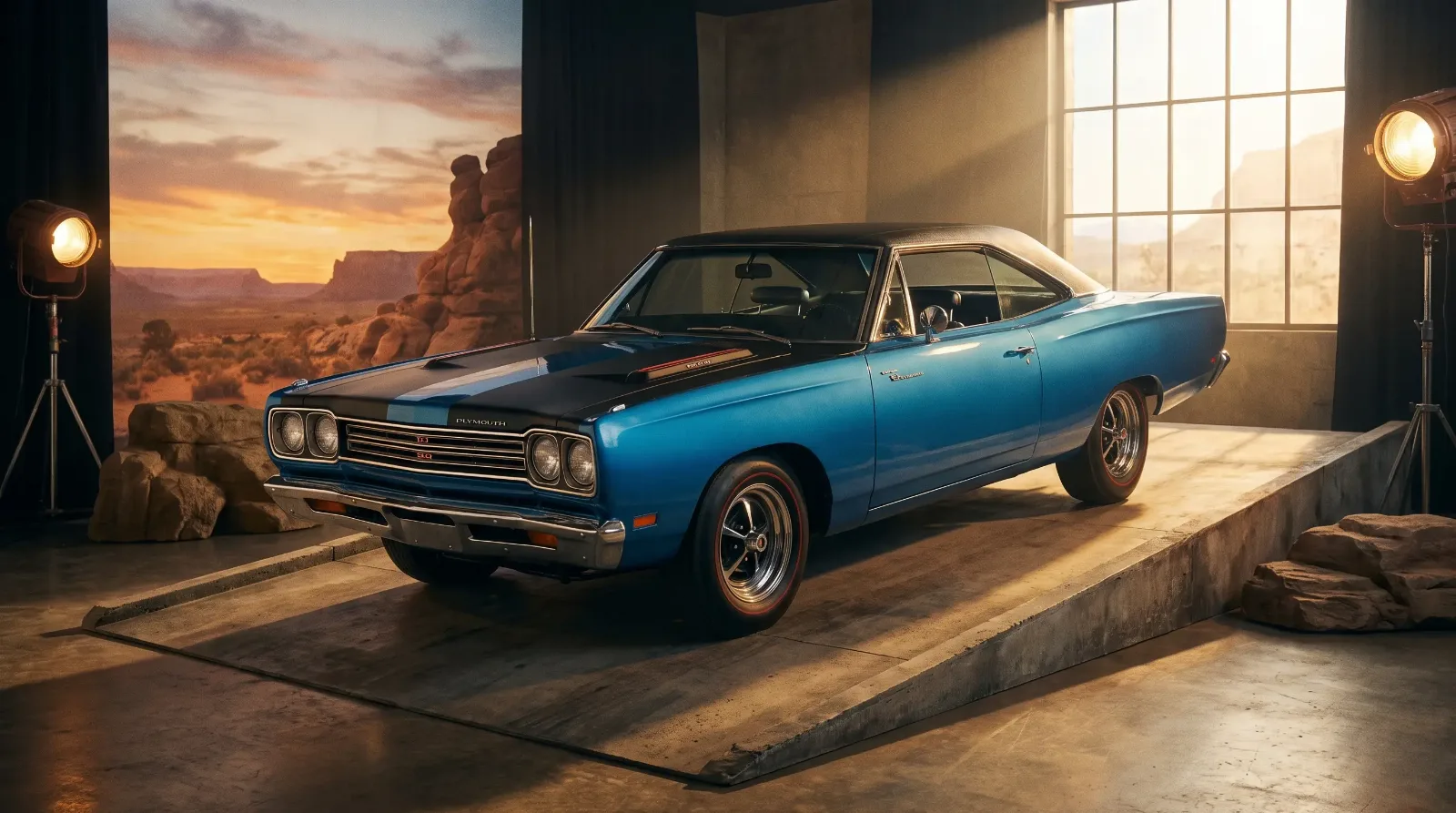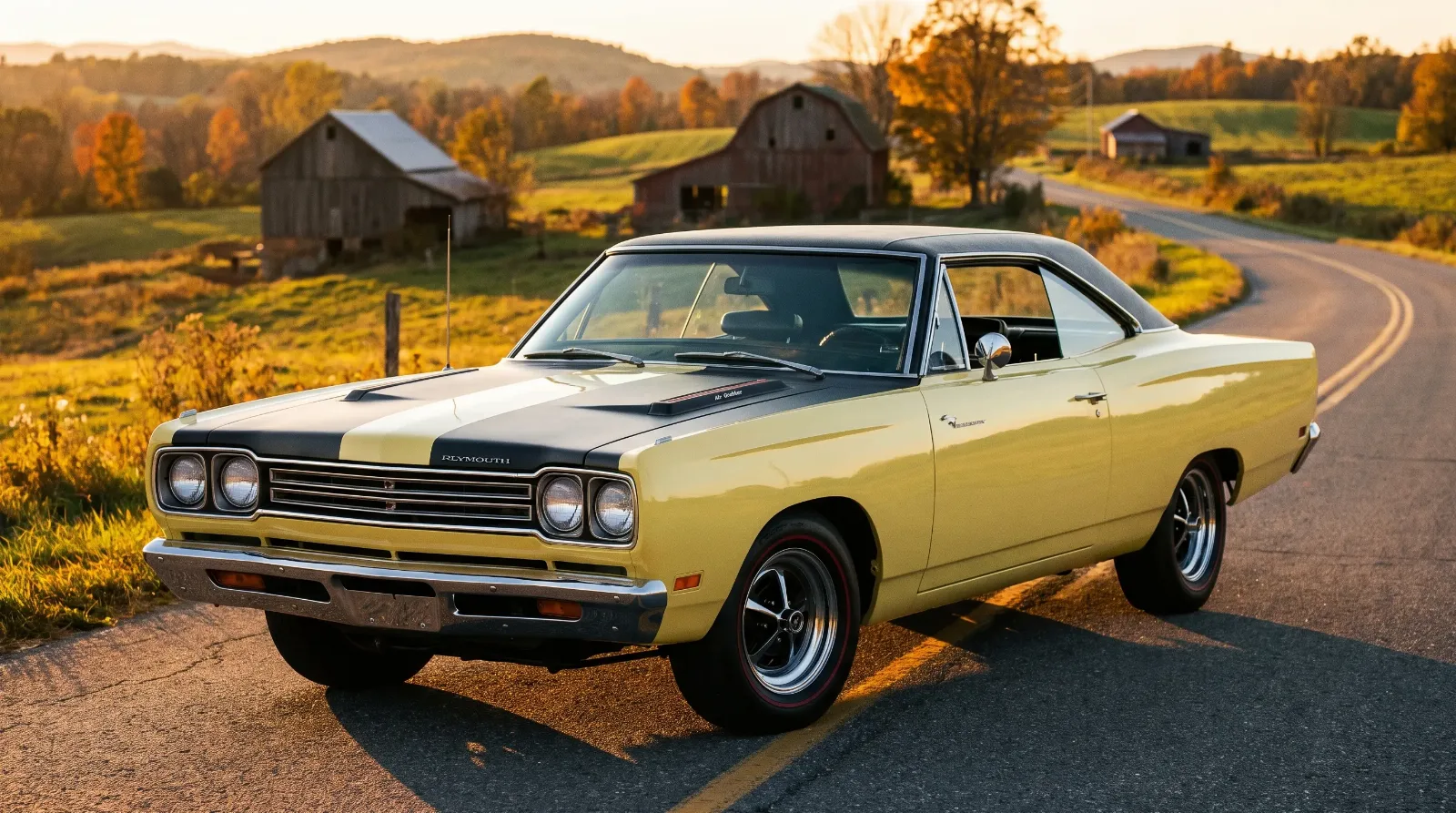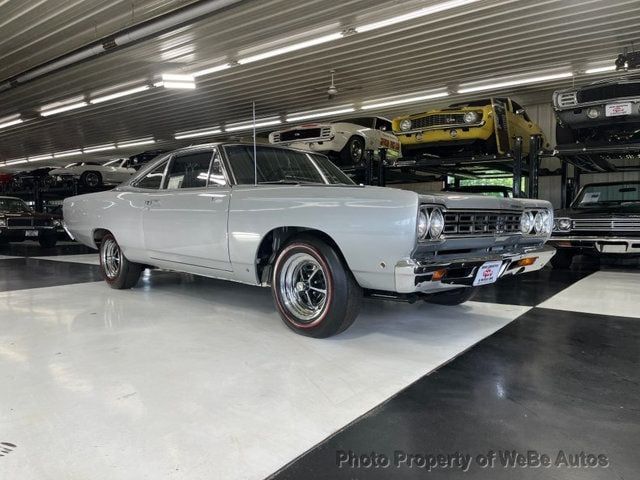
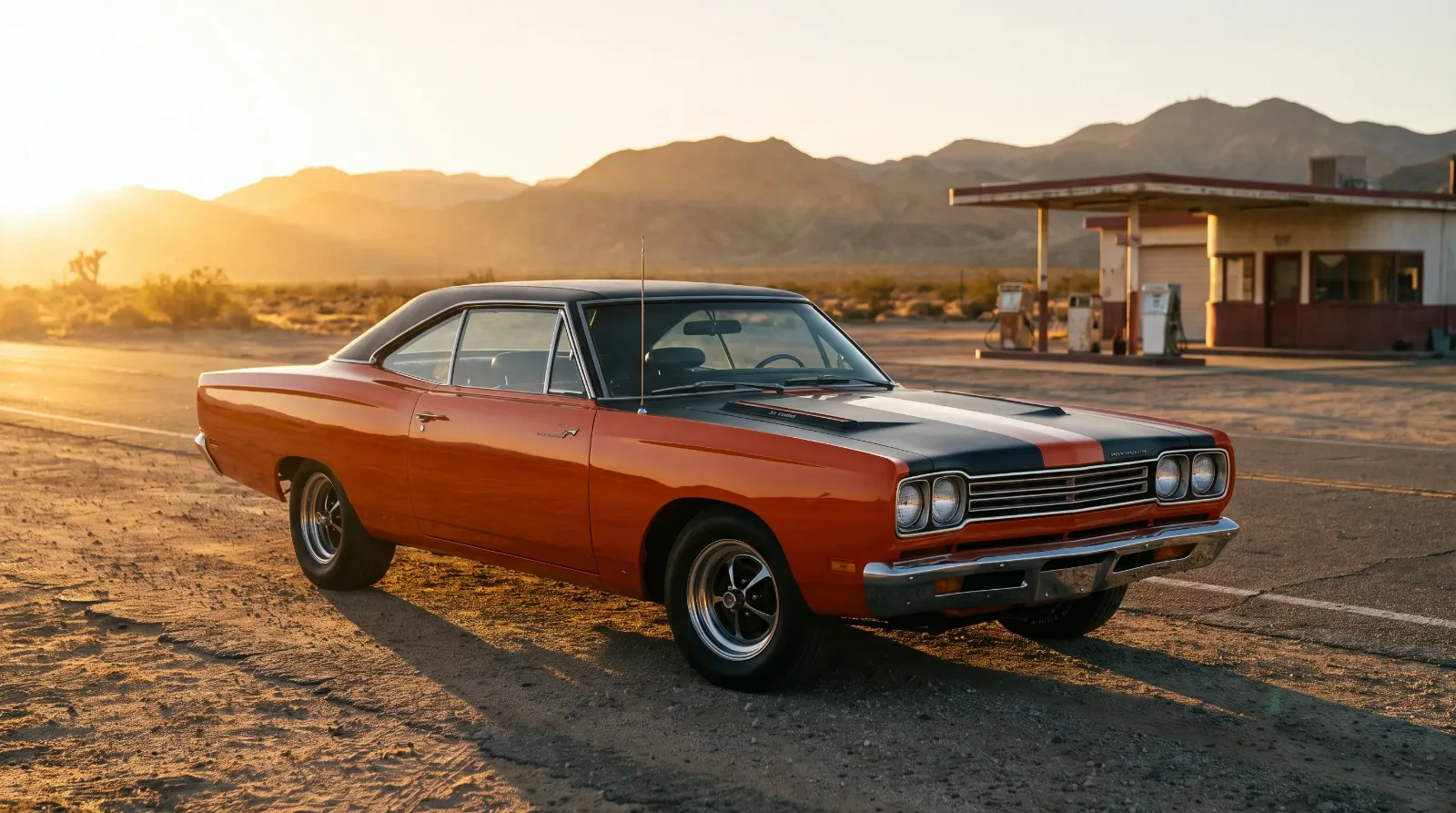
Plymouth had a real problem heading into the 1969 model year: how do you follow an act that broke every internal sales forecast in its first outing. The 1969 road runner answer wasn't a reinvention. It was a refinement, adding a convertible body style, a new 440 six barrel engine option, and enough small revisions to keep the car's momentum going without losing the stripped-down formula that made the original such a runaway success.
This was the year the Road Runner reached its commercial and cultural peak, the point where sales, engineering, and pop culture recognition all lined up at the same time. Everything that followed in the nameplate's history gets measured, fairly or not, against what Plymouth pulled off in 1969.
A convertible joins the lineup
The 1969 model year added a convertible Road Runner to the existing coupe and hardtop, a body style Plymouth hadn't offered in the car's debut year. The convertible never sold in huge numbers, with production figures reported at 2,128 units, but its addition mattered because it signaled Chrysler's confidence that the Road Runner had earned a permanent, expanded place in the Plymouth lineup rather than a one-year novelty.
Buyers who wanted the cartoon-badged performance car with open-air motoring finally had the option, and the convertible today ranks among the more sought-after variants specifically because of how few were built compared to the coupe and hardtop.
The 440 six barrel arrives
Engineering's biggest addition for 1969 was the 440 cubic inch V8 fitted with three two-barrel carburetors, an engine that split the difference between the standard 383 and the exotic, expensive 426 Hemi. The 440 six barrel delivered output close to Hemi territory, factory rated at 390 hp, at a fraction of the Hemi's cost and with none of the Hemi's reputation for being difficult to keep tuned for street use.
That engine became an instant favorite among buyers who wanted maximum bragging rights without maximum ownership headaches, and it remains one of the most desirable factory options a 1969 Road Runner can carry today, prized by collectors for offering serious performance with genuinely usable street manners.
| Engine option | Approx. output | Collector notes |
|---|---|---|
| 383 cu in (standard) | 335 hp | Base engine, still the most common survivor configuration |
| 440 six barrel (new for 1969) | 390 hp | Strong demand, fewer street-driving compromises than the Hemi |
| 426 Hemi | 425 hp | Rarest and most valuable, ordered in small numbers |
Marketing leaned harder into the character
Plymouth's advertising for 1969 pushed the cartoon bird identity further than the debut year's campaigns had, with print ads and dealer displays featuring the character more prominently across the lineup. The company understood by this point that the bird wasn't just a badge, it was the primary reason a large share of buyers walked into a Plymouth showroom instead of a competitor's, and the marketing budget shifted accordingly to reinforce that recognition.
Dealer showroom materials from the period leaned on the same cartoon energy that had made the badge famous in the first place, reinforcing a simple message that had worked from day one: this is the fast car that doesn't take itself too seriously, and it costs less than the ones that do.
Sales momentum that outpaced the debut year
The 1969 model year pushed total Road Runner production well past the already impressive 1968 numbers, with figures reported at 84,420 units across all body styles once the year closed. That kind of growth in a car's second model year is unusual, since most muscle car nameplates saw sales plateau or dip slightly after an initial burst of novelty-driven demand. The Road Runner kept climbing instead.
Part of that momentum came from the car's continued value proposition against increasingly expensive competitors, and part of it came from cultural recognition finally catching up to the badge. By 1969 the cartoon bird and its trademark horn were genuinely famous outside the automotive press, giving Plymouth's dealers a marketing hook that needed almost no explanation on the showroom floor.
"You can chart a lot of things about this car's history, but 1969 is the year every number points up at once. Sales, engine choices, body styles, all of it climbing together. That doesn't happen twice for most nameplates."
- Tom Ramirez
Why 1969 became the benchmark year
Every subsequent Road Runner model year gets compared to 1969 in some fashion, whether by sales figures, engine desirability, or sheer cultural presence. The car's Motor Trend Car of the Year honor for the 1969 model year, covered in depth alongside a related story on this site, added a layer of mainstream press validation that the Road Runner hadn't fully earned in its debut season.
That combination, expanding the lineup, adding a genuinely desirable new engine option, and winning major industry recognition, all inside a single model year, is why 1969 gets treated as the high water mark for the nameplate rather than just another strong sales year in a longer run. For the deeper history of how the car reached this point, 1969 plymouth road runner history lays out the full context behind the numbers covered here.
Smaller changes that added up
Beyond the headline additions, Plymouth made a series of smaller revisions for 1969 that collectors still track closely when dating a car precisely. Trim details shifted slightly partway through the model year, the beep horn option continued but with minor running changes to its mechanism, and interior color availability expanded to match the broader palette offered on other Plymouth models that season.
None of those changes made headlines in period road tests, but they matter enormously to researchers today trying to date a specific car within the model year or verify whether a claimed option combination is actually plausible. A 1969 Road Runner's exact build date, cross-referenced against these running changes, can settle disputes about originality that a casual inspection would never catch.
What it means for collectors today
The 1969 model year's combination of expanded body styles and stronger engine options gives today's buyers more configurations to chase than the 1968 debut car offers. A documented convertible or a verified 440 six barrel car from this year commands serious attention at auction, and rightly so, given how directly those specific combinations trace back to the peak moment covered here.
Anyone shopping this era of the nameplate can browse Runners for sale now and compare what's available against the production and engine notes above before making a decision. The 1969 Road Runner earned its reputation as the peak year through genuine sales performance and engineering choices, not nostalgia alone, and that distinction still holds up under scrutiny more than half a century later.