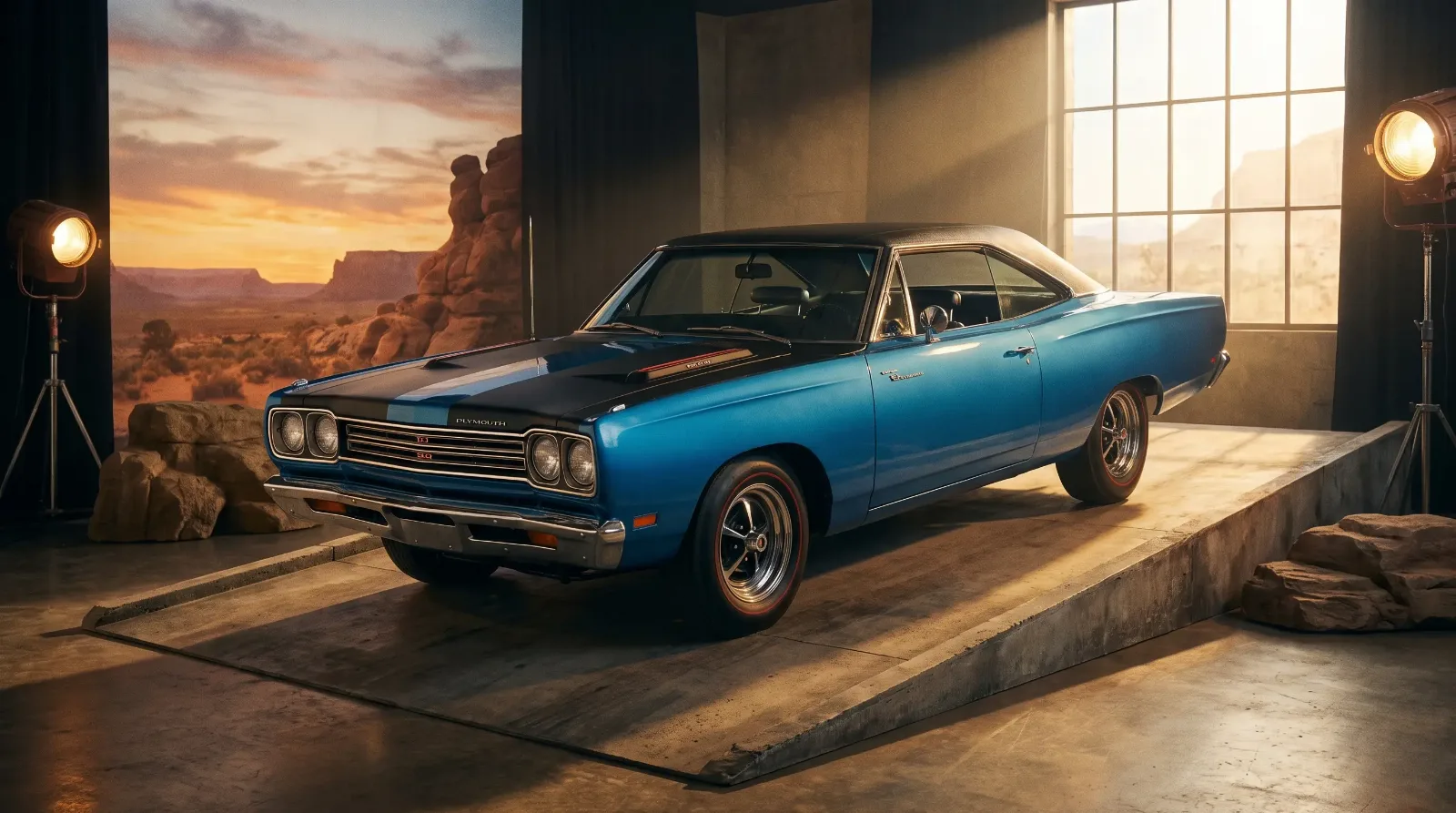
Motor Trend's Car of the Year award carried real weight in the automotive press of the late 1960s, and when the magazine named the Plymouth Road Runner its 1969 selection, the decision surprised commentators who had assumed a more expensive, more heavily engineered nameplate would take the honor. The road runner car of the year 1969 result rewarded a car built specifically to be cheap and stripped down, a choice that ran against the grain of how the award had typically been decided in prior years.
Understanding why the judges landed on the Road Runner requires looking past the car's badge and horsepower figures to the broader argument Motor Trend's editorial staff were making about the state of the American automobile industry at the close of the decade.
What the award actually recognized
Motor Trend's Car of the Year selection process weighed engineering merit, value, and significance to the broader market rather than pure performance numbers alone. The magazine's editors, evaluating the full field of 1969 domestic releases, concluded that the Road Runner represented a meaningful engineering and marketing achievement precisely because of what Plymouth had chosen to leave out of the car.
Period commentary from the magazine emphasized the Road Runner's value proposition, its combination of genuine performance credentials with a price point that undercut most of its direct muscle car competitors by a significant margin. That combination, rather than any single engineering breakthrough, formed the core of the award's justification.
Context: what else was in contention
The 1969 model year produced a genuinely competitive field of new releases across the domestic industry, giving Motor Trend's editors real alternatives to consider before settling on the Road Runner. Several manufacturers had launched significant new engineering or styling programs that model year, and the Road Runner's selection over those alternatives reflected a specific editorial argument about what mattered most to American buyers at that moment.
Documented period coverage of the selection process shows Motor Trend's staff placing particular weight on the Road Runner's accessibility, the idea that genuine performance had become available to a wider range of buyers than the muscle car segment had previously served. That argument aligned closely with how our complete history of the 1969 model year frames the car's broader commercial success that same season.
How the selection was communicated to the public
Motor Trend traditionally announced its Car of the Year selection through a dedicated feature issue, giving the winning nameplate substantial editorial real estate to explain the reasoning behind the choice to a broad readership well beyond dedicated muscle car enthusiasts. That format meant the Road Runner's win reached casual car buyers who might otherwise have never encountered detailed coverage of a budget-oriented performance model, expanding the car's visibility considerably beyond its existing enthusiast base.
The feature coverage also gave Motor Trend's editorial staff room to address skepticism directly, acknowledging that some readers would question a comparatively inexpensive car earning the same recognition previously reserved for more technically ambitious releases. That willingness to defend the choice in print, rather than simply announcing it, is part of why researchers today treat the 1969 selection as a genuine editorial statement rather than a routine award cycle.
How the industry responded
The Car of the Year recognition gave Plymouth's dealer network a marketing asset that extended well beyond the automotive enthusiast press, since Motor Trend's award carried mainstream credibility with general buyers who might never have cross-shopped a stripped-down muscle car otherwise. Dealer advertising throughout 1969 leaned on the award prominently, using it to validate the Road Runner's value pitch to buyers who might have assumed a cheaper car meant a lesser one.
Competing manufacturers took note as well. The award effectively validated the low-price performance formula the Road Runner had pioneered the year before, and several rival nameplates adjusted their own product strategies in the years immediately following, chasing a similar combination of accessible pricing and genuine performance credentials.
"The documentation from that award cycle is worth studying on its own merits. Motor Trend wasn't just praising a fast car. The staff was making an argument about what the entire muscle car segment should look like going forward, and the Road Runner happened to be their proof."
- Sarah Whitfield
The award's lasting place in the car's provenance
For collectors and researchers, the Motor Trend Car of the Year distinction has become a fixed reference point in how the 1969 Road Runner's historical significance gets discussed and documented. Period magazine coverage, dealer promotional materials referencing the award, and Chrysler's own internal communications from that model year all form part of the paper trail that serious researchers rely on when establishing a complete, accurate provenance for the nameplate's peak commercial season.
That documentation matters beyond simple bragging rights. A car's broader historical significance, verified through primary source material like period magazine coverage, adds meaningful context to any research or appraisal work involving the 1969 model year, distinguishing genuine period recognition from retrospective claims added decades after the fact.
Primary sources worth consulting
Researchers reconstructing this period accurately should prioritize original 1969 issues of Motor Trend over later retrospective articles, which sometimes compress or simplify the original editorial reasoning behind the selection. Dealer archives, where they survive, often contain promotional material referencing the award that adds useful context about how Plymouth's marketing department chose to frame the honor for retail customers at the time.
Chrysler's own corporate communications from 1969, held in various archival collections, occasionally reference the award in internal planning documents, offering a rare glimpse into how the company itself understood the significance of the recognition beyond its obvious marketing value. Cross-referencing these primary sources against period magazine coverage remains the most reliable method for separating documented fact from the retrospective embellishment that tends to accumulate around any well-known automotive milestone over several decades.
Why the recognition still resonates with researchers
The road runner car of the year 1969 selection remains one of the more thoroughly documented moments in the nameplate's history, precisely because it was covered extensively by mainstream automotive press at the time rather than reconstructed later from memory or secondhand accounts. That contemporaneous documentation gives researchers a reliable anchor point when cross-referencing other claims about the car's significance during this period.
Buyers interested in this specific model year, and in owning a piece of the car that earned this particular industry recognition, can find a classic Runner from the 1969 lineup and evaluate how closely a given example's documentation aligns with the broader historical record this award helped establish. The recognition itself remains a genuine, well-documented milestone rather than a marketing footnote, and it continues to shape how the 1969 Road Runner is understood within the wider history of American performance cars.