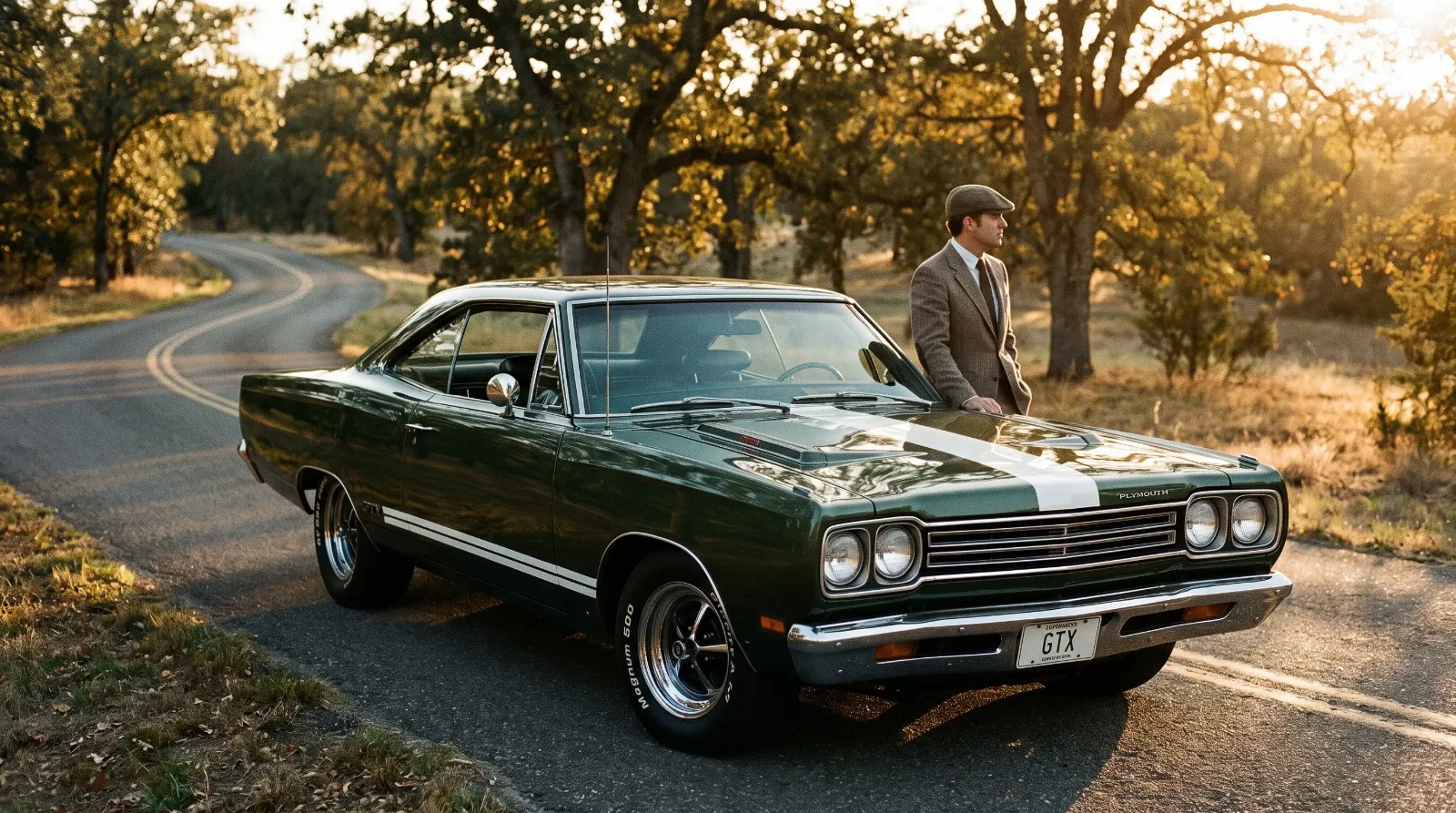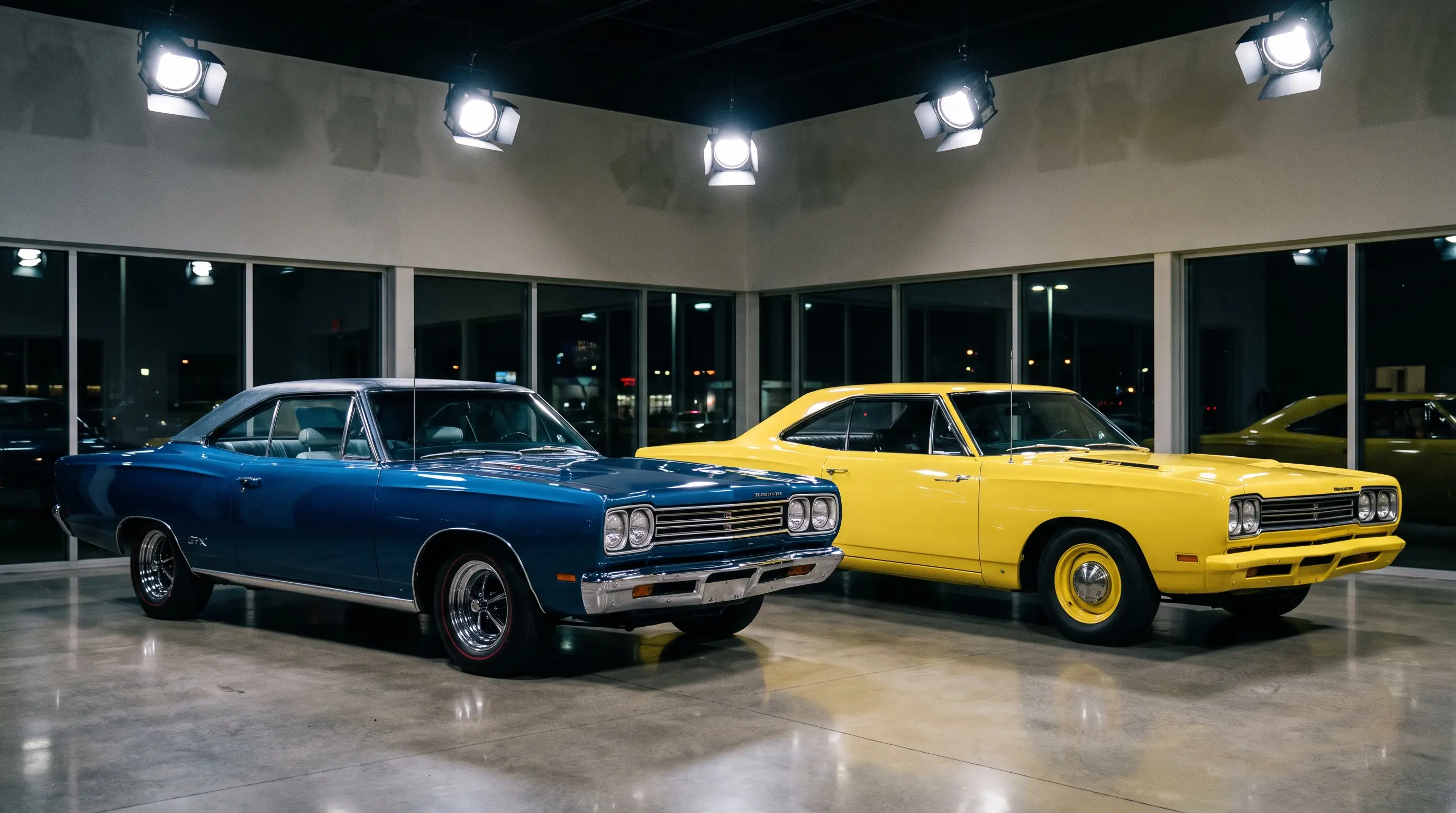
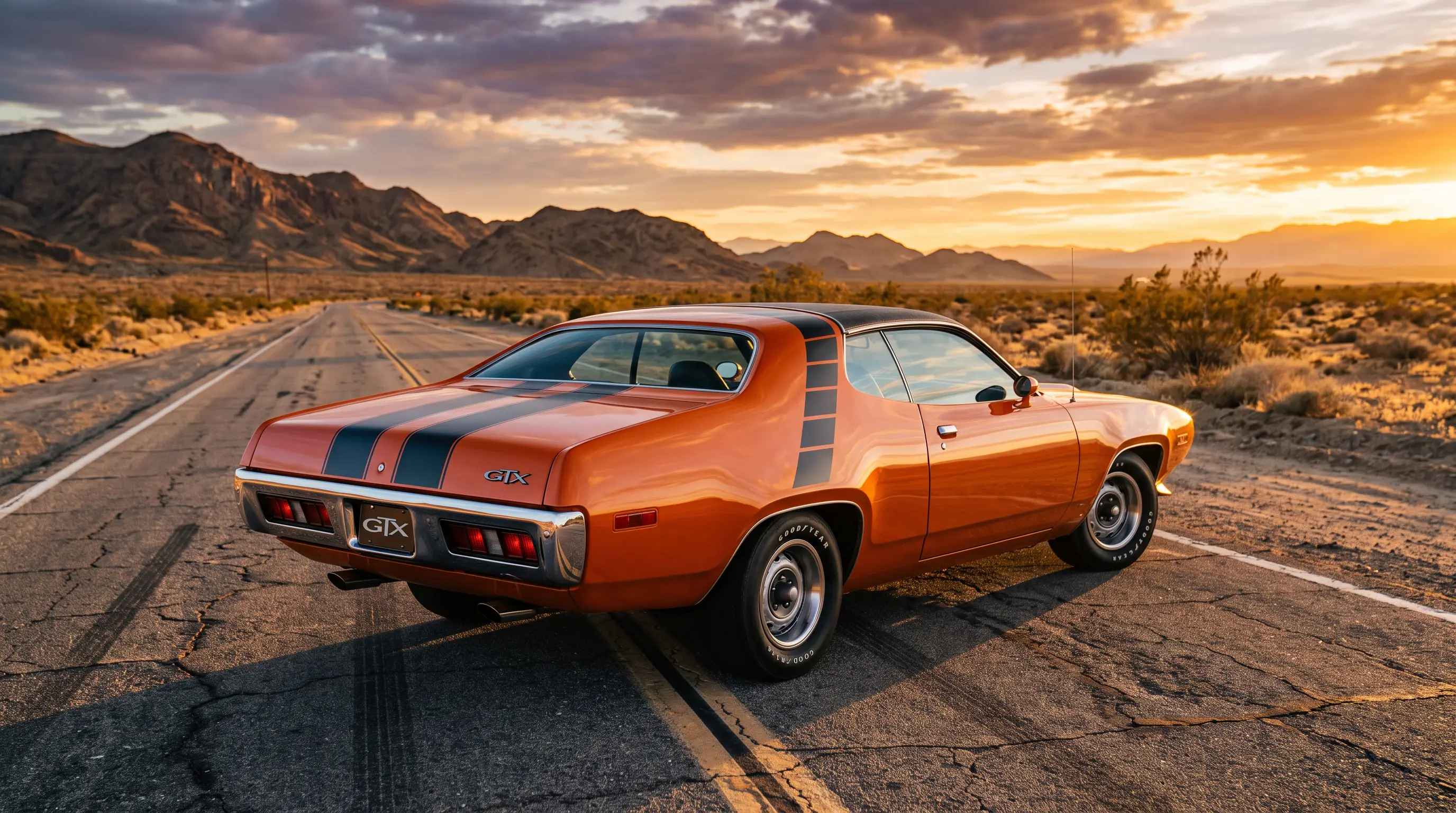
The 1971 Plymouth GTX closed out its run as a standalone model the same way it opened one back in 1967: as the better-trimmed, better-equipped B-body performance car sitting one step above the Road Runner. What makes the 1971 car worth studying is not just its restyled body, but the fact that it marked the end of an era. After this year, "GTX" would survive only as an option package rather than a model in its own right, and the badge that once meant a distinct car with its own identity became something closer to a trim level footnote.
A new body for a shrinking model
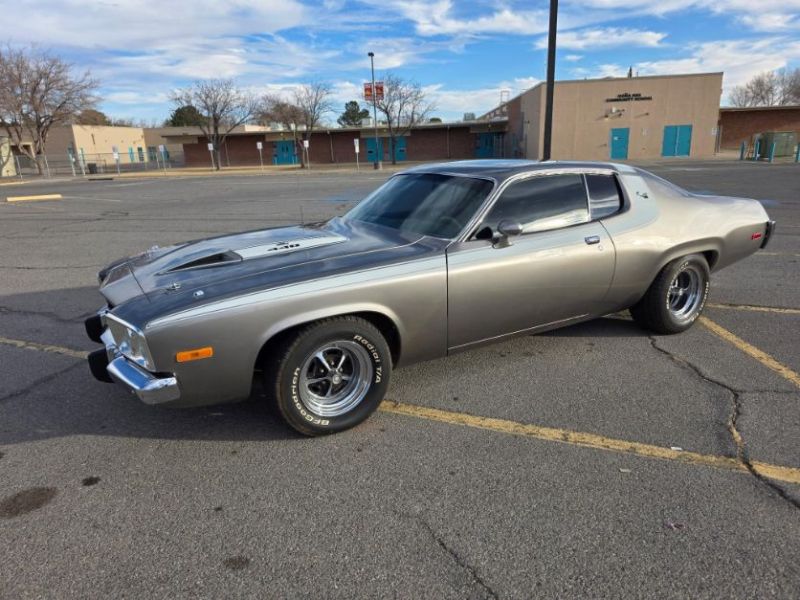
Plymouth gave the entire B-body intermediate line a full redesign for 1971, replacing the boxier late-1960s shape with a more rounded, fuselage-influenced body that shared its basic architecture with the redesigned Road Runner and Satellite. The GTX inherited this new shape along with revised bumpers, a distinctive twin-scoop hood available with the 440, and a general styling direction that pulled the whole intermediate lineup closer together visually than it had ever been before.
That visual convergence was not accidental. Plymouth was tightening its lineup, and the growing similarity between GTX and Road Runner styling reflected a broader decision within Chrysler to stop investing heavily in distinguishing the two nameplates. The 1971 GTX looked sharp and modern, but it also looked, for the first time, like a close cousin of the Road Runner parked next to it rather than a clearly separate car.
Standard power and what was left on the table
The 1971 GTX came standard with the 440 Super Commando V8, continuing the tradition established back in 1967 of giving GTX buyers big displacement without an extra-cost option box to check. Horsepower ratings had begun their industry-wide decline as manufacturers adjusted to tightening emissions standards and rising insurance costs, and factory output figures for 1971 reflected that shift compared to the peak years earlier in the decade.
The 440 Six Barrel remained available for buyers who wanted more, and the 426 Hemi was still technically on the order sheet, though Hemi production across the entire Chrysler B-body lineup had dwindled to a trickle by this point. Very few 1971 GTX buyers checked the Hemi box, with only about 30 Hemi GTX cars built that year, and surviving examples are exceptionally rare and closely documented today.
Why Plymouth pulled the plug
The decision to fold the GTX into the Road Runner option list did not happen in a vacuum. Sales of the standalone GTX had been declining for several years running, squeezed from both directions: buyers who wanted maximum performance for minimum money kept choosing the cheaper Road Runner, while buyers who wanted true luxury were increasingly drawn to personal luxury coupes rather than muscle cars dressed up with bucket seats. The GTX occupied a narrowing middle ground that fewer and fewer people wanted to pay extra for.
Insurance costs on high-performance intermediates were also climbing sharply by 1971, and that pressure hit optional-equipment-heavy cars like the GTX especially hard. Chrysler's broader corporate strategy was shifting resources away from standalone muscle car nameplates as the market cooled, and the GTX, never the volume leader in its own segment, was an obvious candidate for consolidation. Read the background on how the model got to this point, starting with its 1967 debut and the choices Plymouth made at every step along the way.
Rarity that collectors notice today
Because 1971 was the last standalone year, and because overall GTX production had already been trending downward for several years, surviving 1971 GTX cars are genuinely scarce. Documented, numbers-matching examples with the 440 or 440 Six Barrel command real attention at auction, and the car's status as an end-of-an-era model gives it a narrative appeal that goes beyond raw performance figures.
"Every closing chapter has a certain weight to it, and the 1971 GTX carries that weight whether or not the original buyer knew it at the time. It's the last car built under a name that meant something specific."
- Sarah Whitfield
Shopping for a 1971 GTX
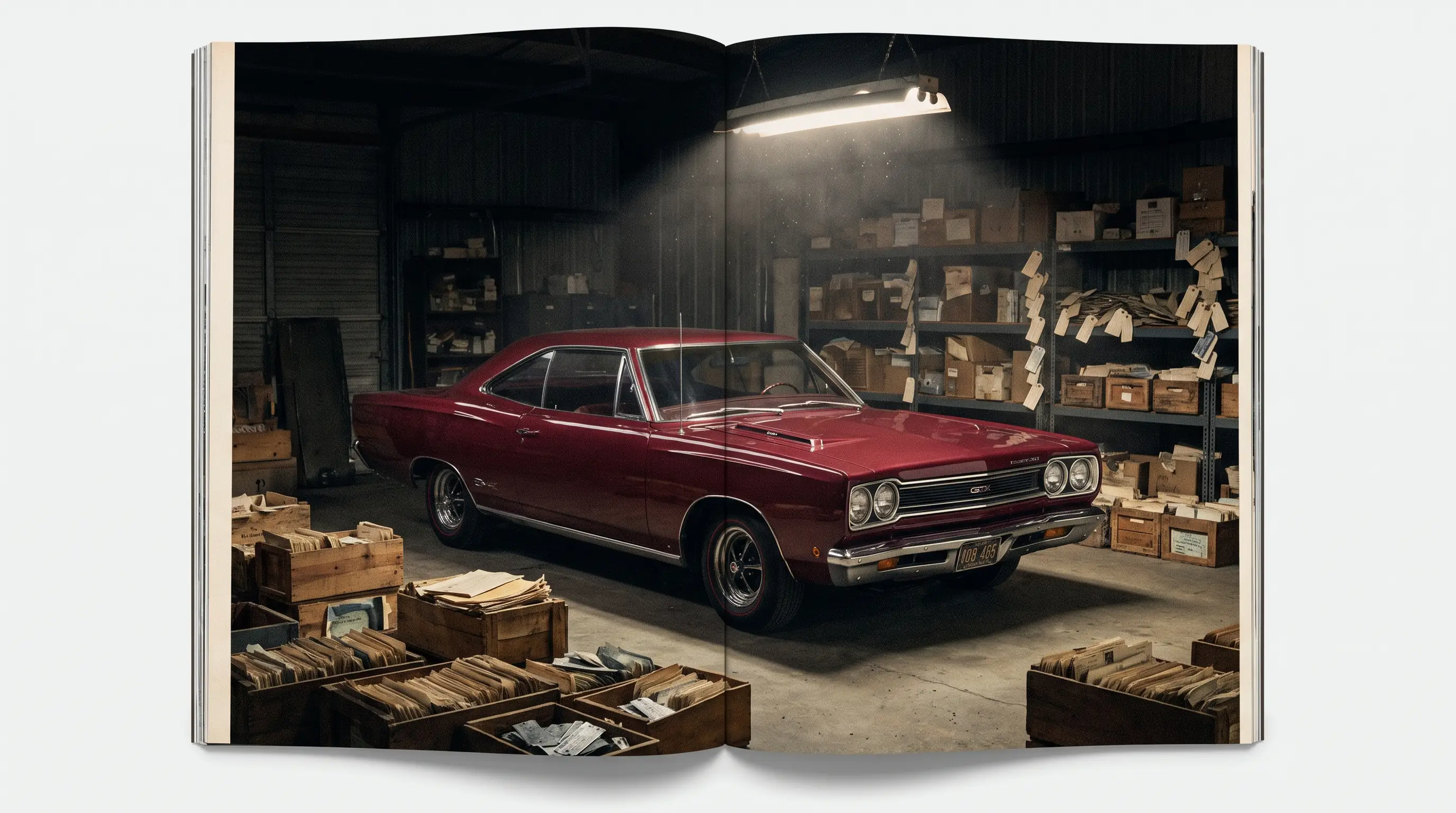
Because the 1971 GTX shares so much sheet metal and mechanical hardware with the redesigned Road Runner, verification through the fender tag and broadcast sheet is essential before buying. Rust in the trunk pan, rear quarters, and floor pans is common on cars that were driven hard and stored outdoors for decades, and originality documentation adds real value on a car this rare.
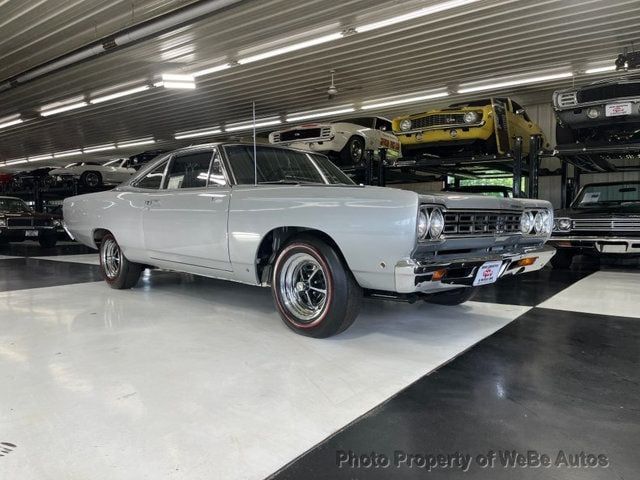
Buyers researching the current market can find a classic Runner to see what genuine, documented examples are asking today, and how condition and originality move the price on a model year with this much collector interest behind it.
Colors and options that defined the last year
Plymouth's 1971 High Impact color palette gave the GTX some of its boldest exterior options ever, with shades carrying names that sold themselves on personality alone. A GTX ordered in one of these bright colors, paired with the twin-scoop hood and correct stripe treatment, is instantly recognizable at any show field and tends to draw a crowd that a more conservatively colored car simply does not attract. Interior options carried over the GTX's traditionally upscale bent, with bucket seats, a console-mounted shifter for four-speed cars, and upgraded door panel trim distinguishing it from a comparably equipped Road Runner.
Wheel choices for 1971 included Rallye wheels as a popular option, and the combination of a bold exterior color, correct stripe kit, and Rallye wheels has become something of a template for how collectors want to see a 1971 GTX presented today. Cars that survive with their original color and trim combination intact, rather than having been repainted into a more common shade during a decades-old restoration, tend to command a real premium among buyers who care about matching the car to its factory build sheet.
The end of a distinct identity
The 1971 GTX deserves recognition for what it represents, not just what it drove like. It closed out a five-year run as one of Detroit's genuinely well-executed muscle car nameplates, one built on the simple idea that performance and comfort did not have to be mutually exclusive. That the GTX name survived afterward only as an option box makes the 1971 car the last complete expression of that original idea, and that alone makes it worth seeking out.
For collectors weighing where to put their money in the broader Mopar market, a well-documented 1971 GTX offers something increasingly hard to find: genuine rarity backed by a clear, well-understood historical narrative. The car is not the fastest or the most powerful example the nameplate ever produced, but it is the last one built with the full weight of Plymouth's original vision behind it, and that context is exactly what serious buyers pay for.