
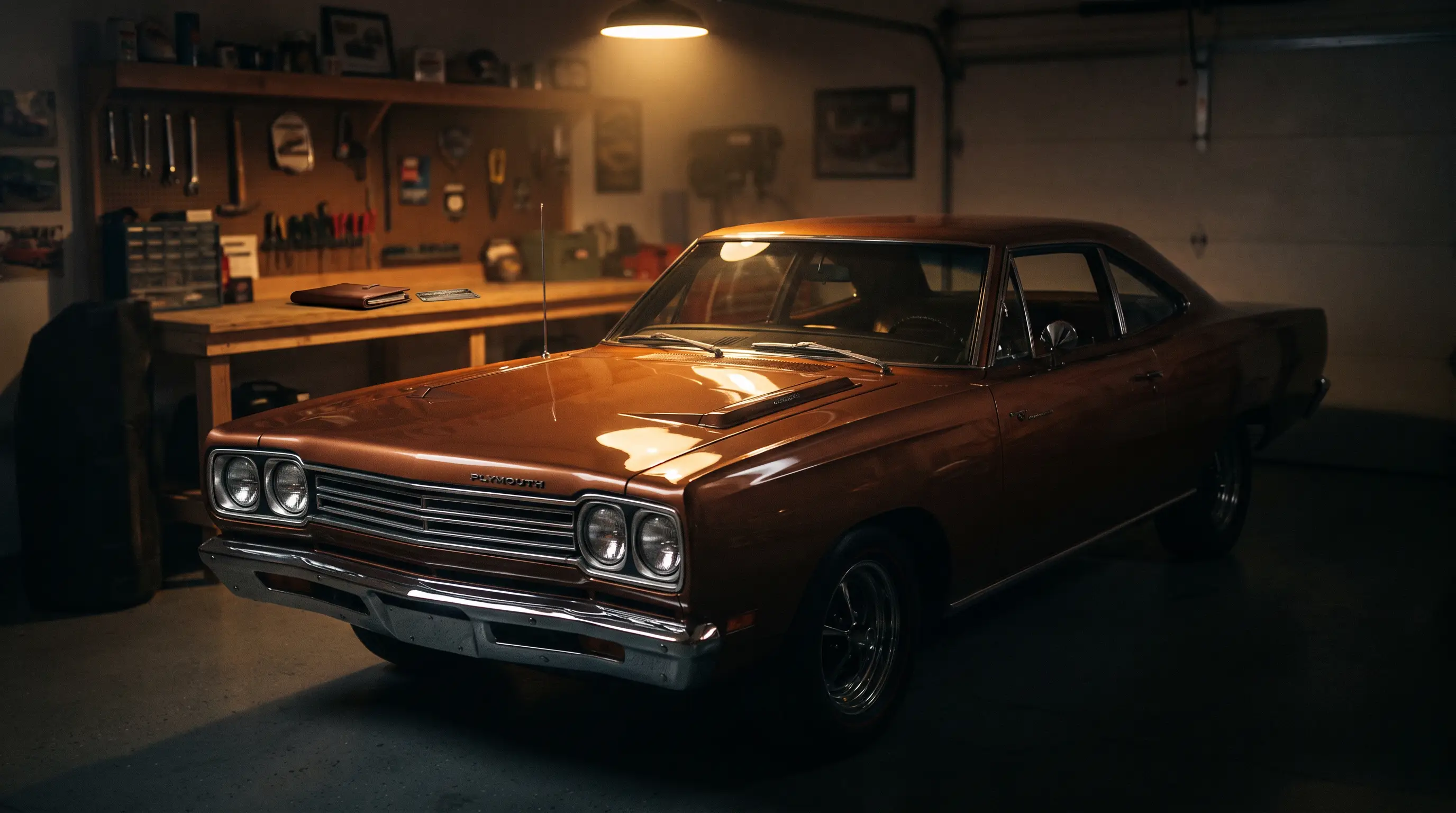
There was a fellow in our club years back, a retired machinist named Ray, who owned a 1967 Plymouth GTX in a deep bronze color and would not let anyone forget it was the grown-up car in the lot. He would stand next to it at every show, coffee in hand, and explain to whoever wandered by that the GTX had the big engine and the nice trim while the Road Runner boys were still saving up for carpet. Ray was needling his friends, of course. But he was also right about something. The Plymouth GTX was the gentleman's version of Mopar muscle, and that was the whole idea from the start.
Car Features
10 min read
The Plymouth GTX: The Gentleman's Muscle Car
The Plymouth GTX arrived a year before the Road Runner with a standard 440 and upgraded trim, the fast car you did not have to apologize for.
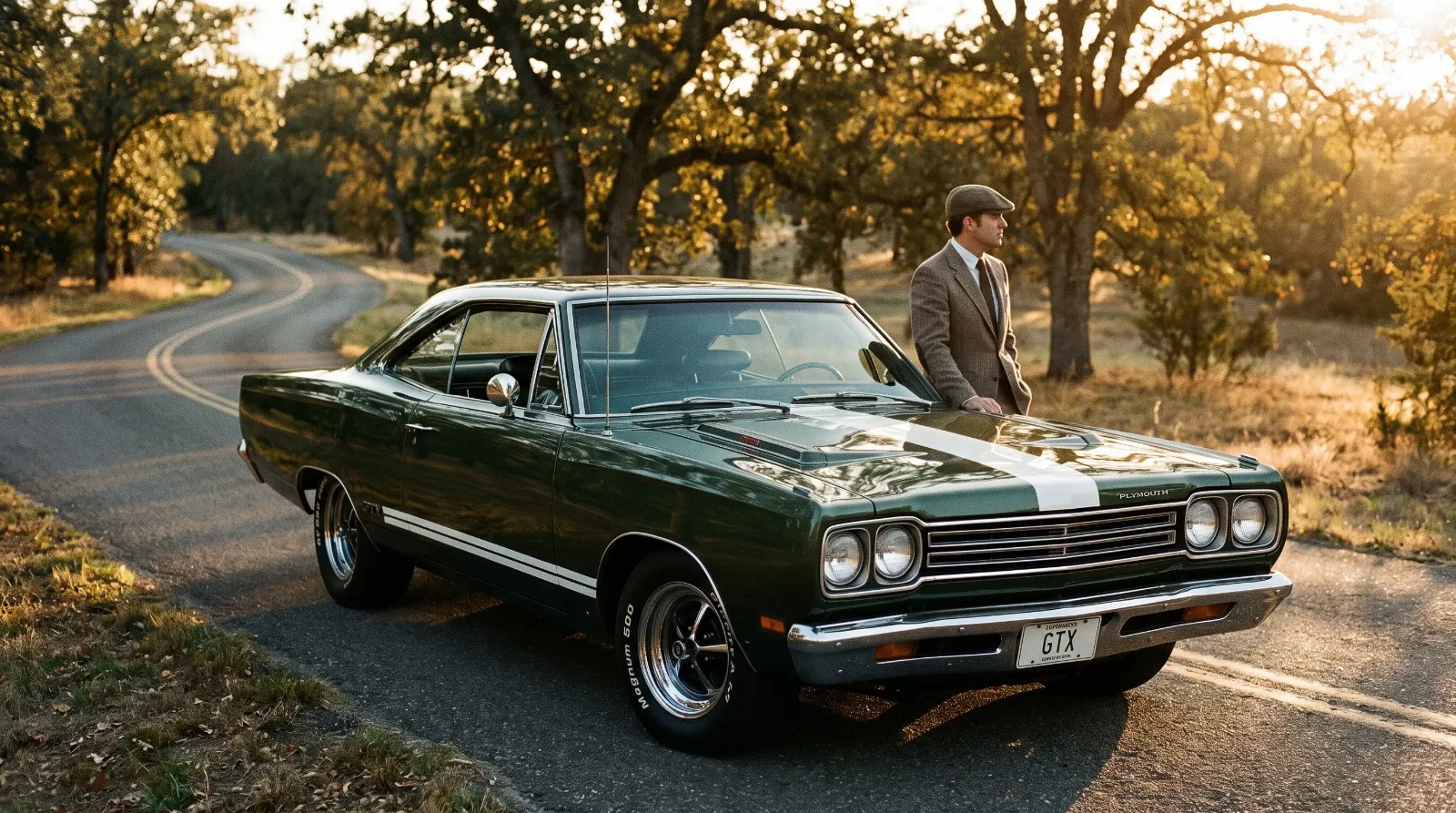
Plymouth introduced the GTX in 1967, a year before the Road Runner, and the two cars tell opposite halves of the same story. Where the Road Runner would later strip everything out to hit a price, the GTX added things in to reach for a buyer with a bit more money and a taste for a quieter kind of fast. Same B-body bones. Very different attitude. Ray understood that distinction better than the marketing department, and he explained it to me more than once, usually more than once in the same afternoon.
The premium muscle car idea
The GTX was built for a specific customer. This was the buyer who wanted serious speed but did not want to arrive looking like he had skipped every option to afford it. Plymouth gave the GTX standard bucket seats, upgraded interior trim, and exterior touches that set it apart from the plainer Belvederes it was based on. The pitch, more or less, was a muscle car you could wear a jacket in.
Under the hood there was nothing gentle about it. The standard engine was the 440 Super Commando, a big 375-horsepower V8 that gave the GTX real thrust right out of the gate. For the buyer who wanted the maximum, the 426 Hemi sat on the option sheet, just as it did across the performance line. So the GTX offered a genuine contrast. Refined presentation, unrefined power. If you want the fuller family picture, there is always more on the more on the plymouth road runner that grew alongside it, but the GTX got there first and aimed higher.
| Detail | Plymouth GTX |
|---|---|
| Introduced | 1967 |
| Standard engine | 440 Super Commando V8, 375 hp |
| Top option | 426 Hemi V8, 425 hp |
| Positioning | Premium trim, upgraded interior |
| Body | Mid-size B-body, hardtop and convertible |
| Nickname | The gentleman's muscle car |
440 standard, Hemi optional
Here is the detail that made Ray so insufferable, and he was proud of it. The GTX came standard with the 440, a bigger engine than the Road Runner's standard 383. That was the point of paying more. You did not have to tick a box to get a large-displacement V8. It was simply there, part of the deal, the same way the nicer seats were part of the deal. In Ray's telling, this made the GTX the sensible enthusiast's choice, and he would tap the fender for emphasis.
The 440 Super Commando was a torque monster, the kind of engine that moved a heavy mid-size car with an ease that never felt like it was straining. The Hemi option added top-end fury and a much higher price, along with the temperament that came with it. Most GTX buyers, sensibly, stuck with the 440, which delivered most of the performance with far less fuss. The club's real-world experience backed that up. The Hemi cars were the show-stoppers, but the 440 cars were the ones people actually drove to the meets.
Ray had strong feelings about that choice, naturally. He argued that the 440 was the more honest GTX engine, the one that matched the car's whole gentleman's character. The Hemi, he said, was for people who wanted to prove something. The 440 was for people who already knew. There was some club rivalry in that, of course, and the Hemi owners gave as good as they got. But he had a point about the way the two engines suited the car. The 440 delivered its power in a smooth, effortless wave that fit the GTX's more refined self-image. It never felt like it was picking a fight. It just went, and went hard, and did it in comfort.
How it lived next to the Road Runner
When the Road Runner arrived in 1968, it created an interesting situation inside the same showroom. Now Plymouth had two mid-size performance cars sharing a body but pitched at opposite buyers. The Road Runner shouted about how little it cost. The GTX quietly pointed at its standard 440 and its nicer cabin. For a few years the two coexisted, and plenty of buyers cross-shopped them right there on the lot.
In the club we saw the personalities play out over decades. The Road Runner people tended to love the stripped honesty of their cars, the sense that every dollar went to speed. The GTX people, Ray chief among them, loved the idea that they had bought the complete package, the fast car that did not make you apologize for the interior. Both camps were right. That was the beauty of Plymouth offering both. You picked the one that matched who you were, and the paperwork in the glovebox told the rest of the story.
Ray had a whole routine about the badge, too. The GTX name did not come from a cartoon or a joke. It borrowed the sporting letters that signaled a serious grand touring machine, the kind of lettering buyers associated with speed and a bit of class at the same time. Plymouth wanted that association, and it worked. When Ray backed his bronze car into a spot at a show, the badge did quiet work before he opened his mouth. Then he opened his mouth, and the badge got some help.
Stories from the club lot
The thing about the GTX crowd is that they tended to be the members who kept the receipts. I do not know if the car attracted that kind of owner or if that kind of owner gravitated to the car, but the correlation held for as long as I was in the club. GTX people brought binders. They knew their broadcast sheets. When a debate broke out over what a given car left the factory with, the GTX owners were usually the ones who could settle it with a document rather than a memory.
Ray was the extreme case, but he was not alone. I watched him win an argument once with a fellow who insisted no 1967 GTX came in that exact bronze. Ray said nothing. He walked to the car, opened the glovebox, and produced the original paperwork showing the paint code. The other fellow bought him a coffee. That was the GTX ethos in a single afternoon. The car looked like the gentleman of the lineup, and its owners tended to behave like the record keepers. Decades later that habit is exactly what makes a genuine GTX easy to authenticate and pleasant to own.
"Ray used to say the GTX was the only muscle car you could take your mother to church in and still smoke a Camaro on the way home. Then he would produce the original window sticker from the glovebox, just to settle any argument about the 440."
- Wayne Coburn
The years and the changes
The GTX evolved through the same body updates that shaped the rest of the B-body line. The clean 1968 and 1969 cars are widely regarded as the high point of the design, sharing the handsome proportions that made the Road Runner of those years so admired. The GTX carried the extra trim and the standard 440 through this stretch, holding its position as the upscale choice.
As the era wore on, the market that supported a premium muscle car began to shift. Insurance costs climbed, tastes changed, and the space between the GTX and the Road Runner narrowed. By the early 1970s Plymouth folded the GTX identity into the Road Runner option list rather than keeping it as a fully separate model, and the standalone gentleman's muscle car quietly wound down. That transition is part of a broader tale, and there is more from this era for anyone who wants to follow how the whole segment changed as the muscle years faded.
It is worth pausing on why the GTX faded while the Road Runner name carried on. The premium muscle car was always a narrower proposition. It asked a buyer to pay more for refinement in a segment increasingly defined by stripped-down value, and as budgets tightened that pitch got harder to make. The Road Runner, built from the start around a low price, was better suited to survive the squeeze. So the more expensive sibling gave way to the cheaper one, which is a small irony given that the GTX came first and set the template. Ray had a theory about this too, and it usually ended with him patting the fender and declaring that the best car does not always win, only the cheapest. He was not entirely wrong.
The club membership felt the change in real time. As the standalone GTX wound down, the cars that were already out there took on a slightly special status, the last of a distinct breed rather than one option among many. Owners who had bought theirs new suddenly held something the factory no longer made in quite the same way. That gave the GTX a quiet cachet among people who paid attention, and it is part of why the surviving cars carry the loyalty they do. A model that ends while it still has admirers tends to be remembered fondly, and the GTX ended exactly that way.
Collecting the gentleman's Plymouth
For collectors the GTX occupies a rewarding niche. It offers the same fundamental muscle car experience as the more famous Road Runner, often with a standard 440 and a nicer interior, yet it tends to fly a little below the radar in a hobby obsessed with the bird decals and the horn. That can make a well-kept GTX a genuinely appealing find, particularly the clean 1967 through 1969 cars that represent the concept at its most confident.
As always, the documents make the car. A GTX with its original build sheet, its window sticker, and a clear ownership history is worth far more than a pretty example with no story to back it up. Ray knew this before most of us did, which is why that bronze 1967 always drew a crowd. When you go looking, weigh the paperwork as heavily as the paint, and take your time to find a classic Runner from this family that carries its history in the glovebox as well as under the hood. The gentleman's muscle car rewards the buyer who does his homework, and it always did.
Sources and notes
- Plymouth GTX - Wikipedia
- Vintage Car Life Review: 1967 Plymouth GTX - Curbside Classic
- 1967 Plymouth Belvedere GTX: A Profile of a Muscle Car - HowStuffWorks
- 1967 Plymouth GTX Super Commando 440 Specs - Automobile Catalog
- 1967 Plymouth Mid-Size Cars Fact Sheet - Over-Drive Magazine
- Plymouth GTX - Hagerty Valuation Tools
Related Reading
Article
The Plymouth Road Runner Story: How a Cartoon Bird Became Budget Muscle King
Article
The 1970 Plymouth Superbird: The Winged Warrior of NASCAR
Article
1971 to 1975 Road Runner: The Fuselage Years and the Long Goodbye
Article
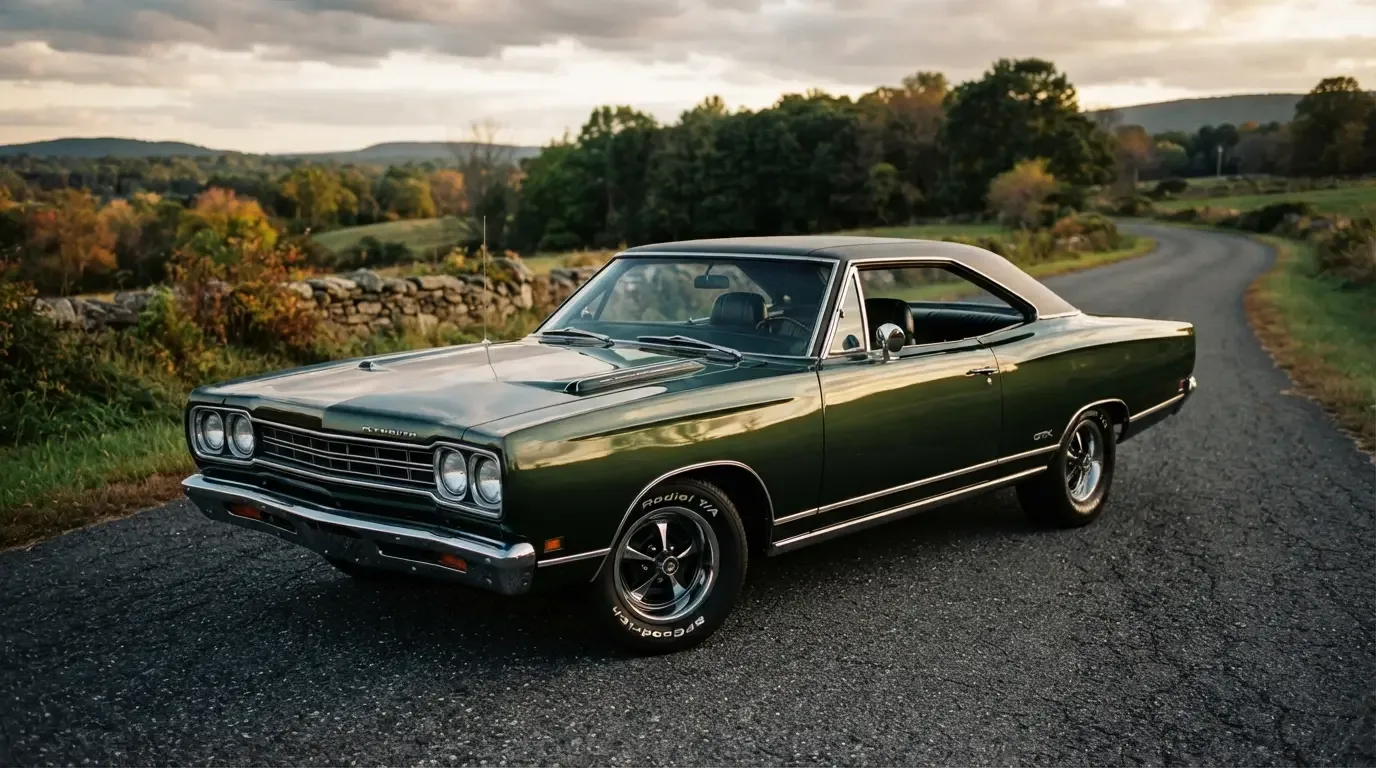
How the GTX Earned Its Gentleman's Reputation
Article
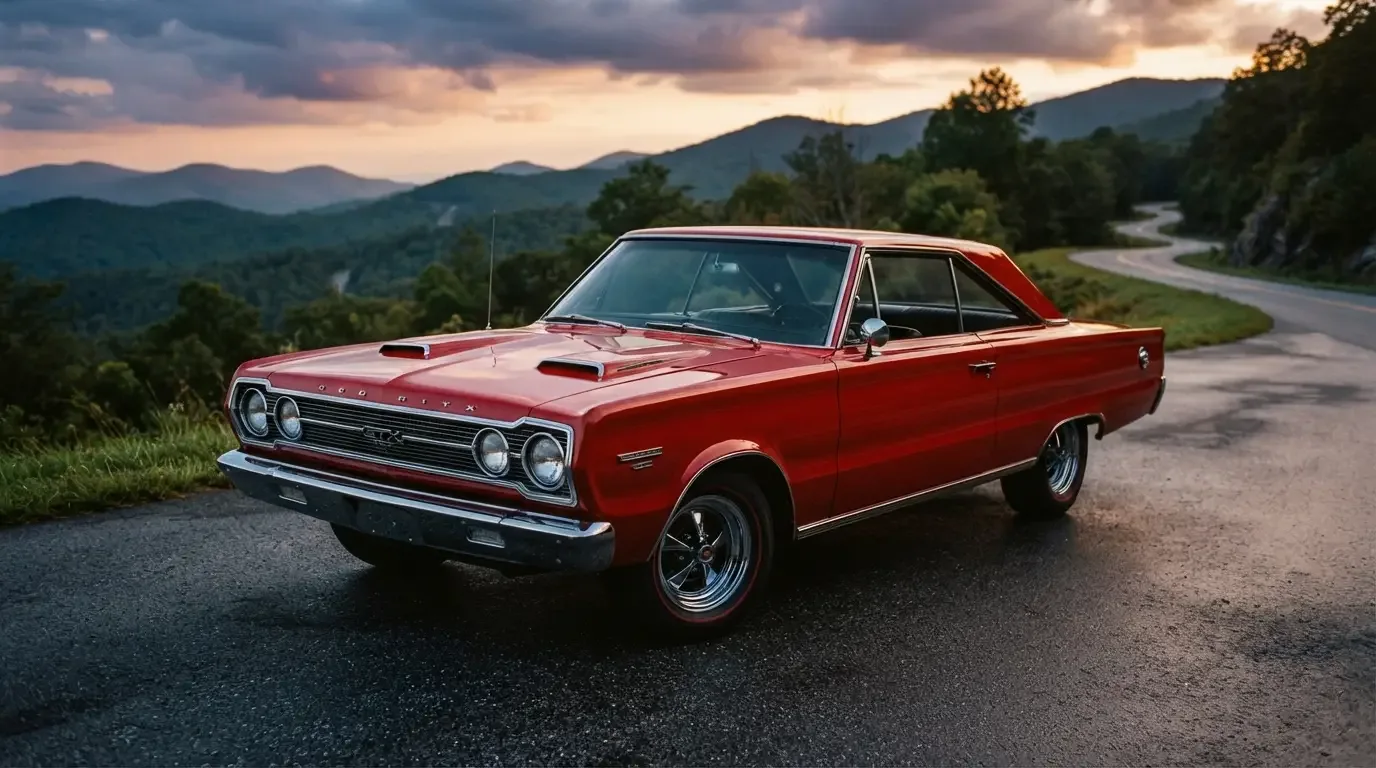
The 1967 GTX: The First Belvedere GTX
Article
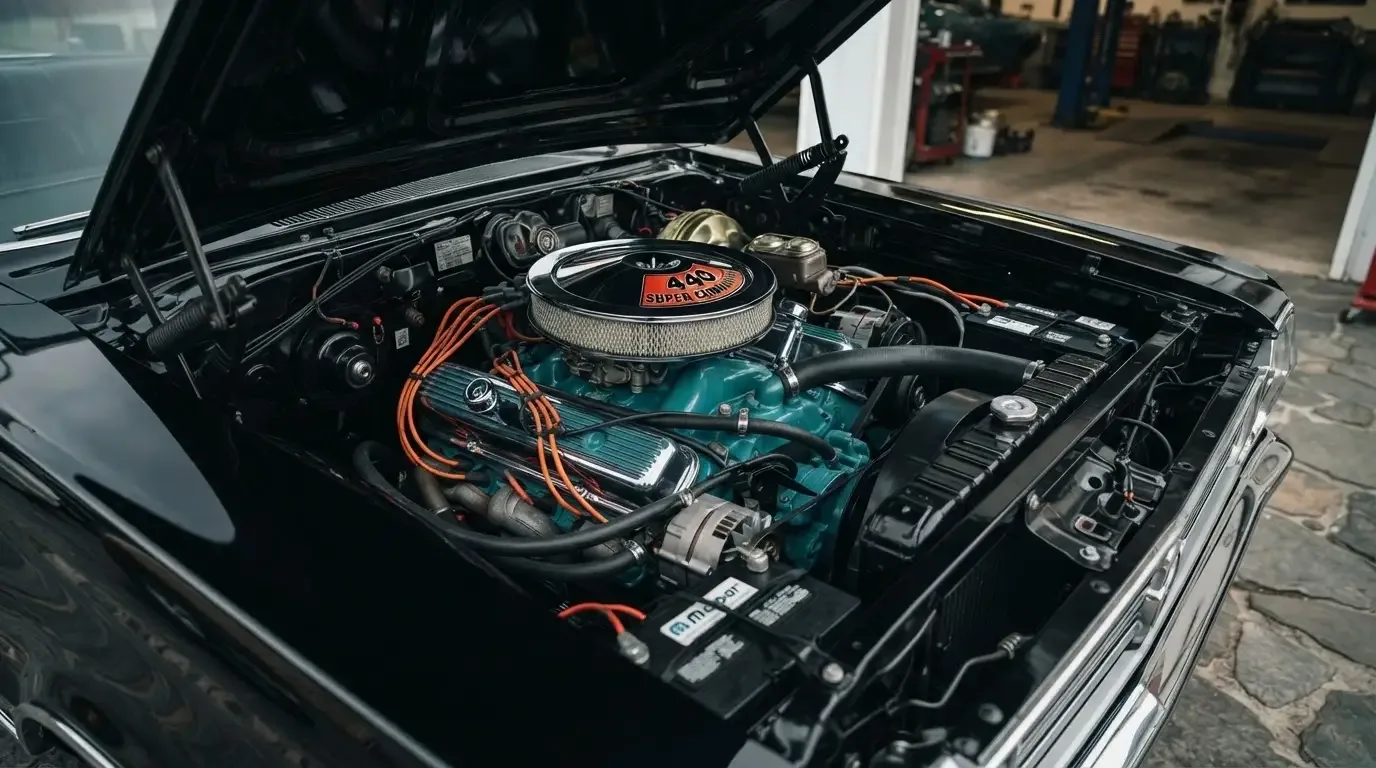
The 440 Super Commando: The GTX Standard
Article
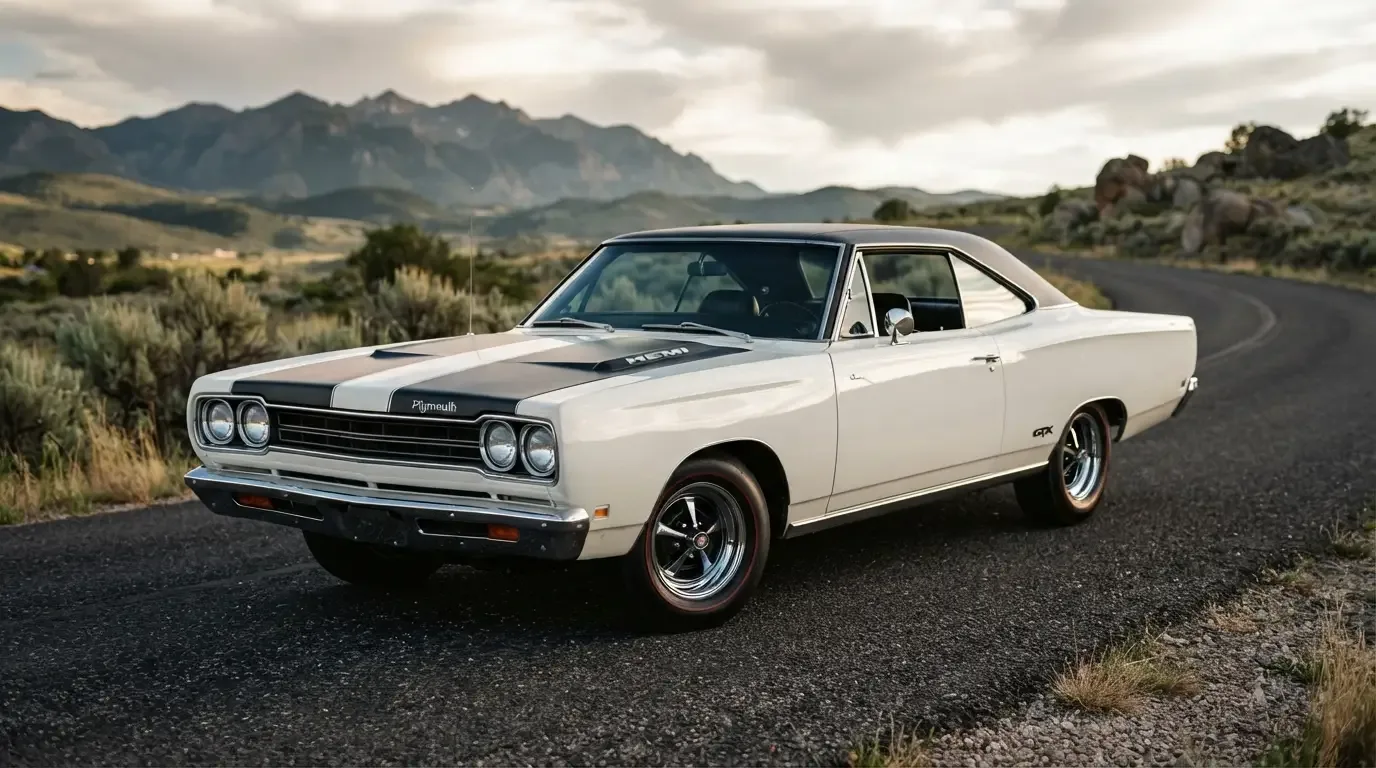
The Hemi GTX
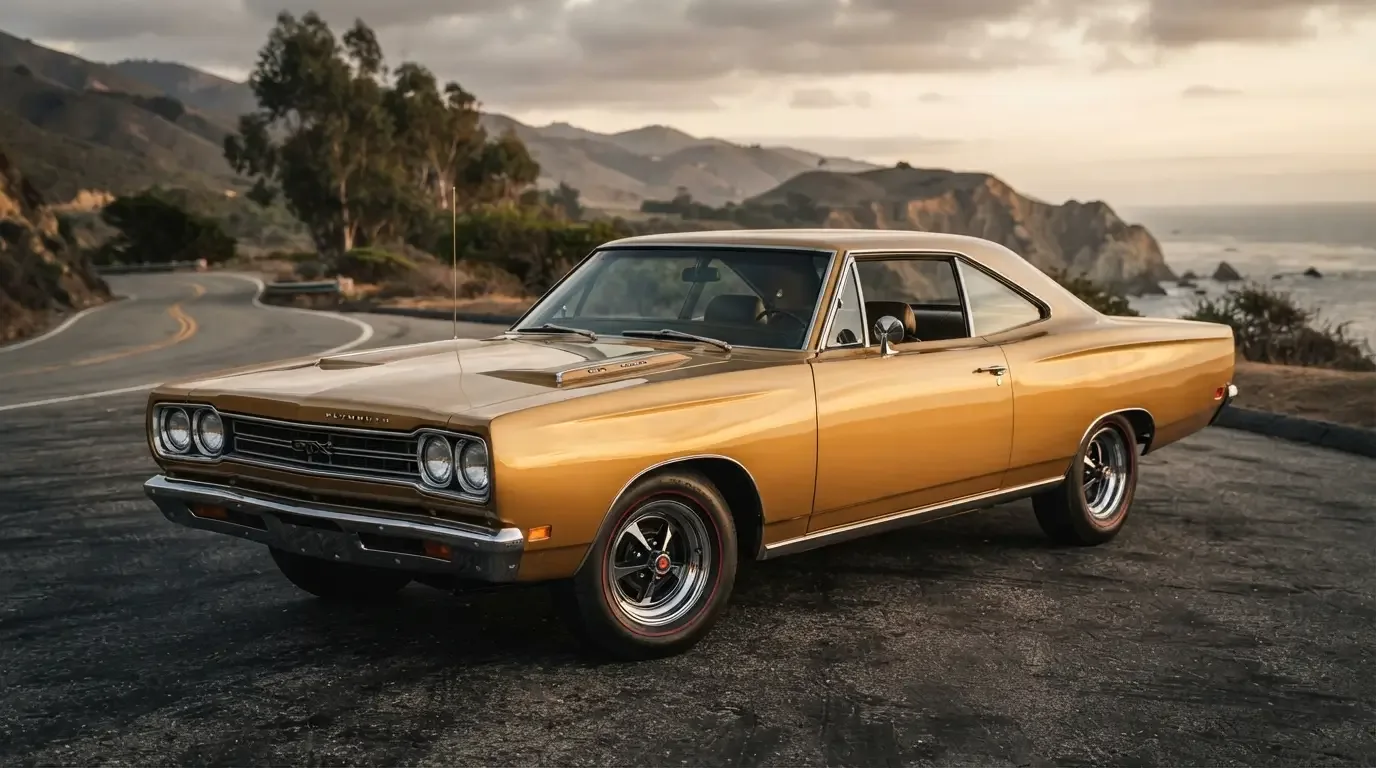
Article
The 1968 GTX
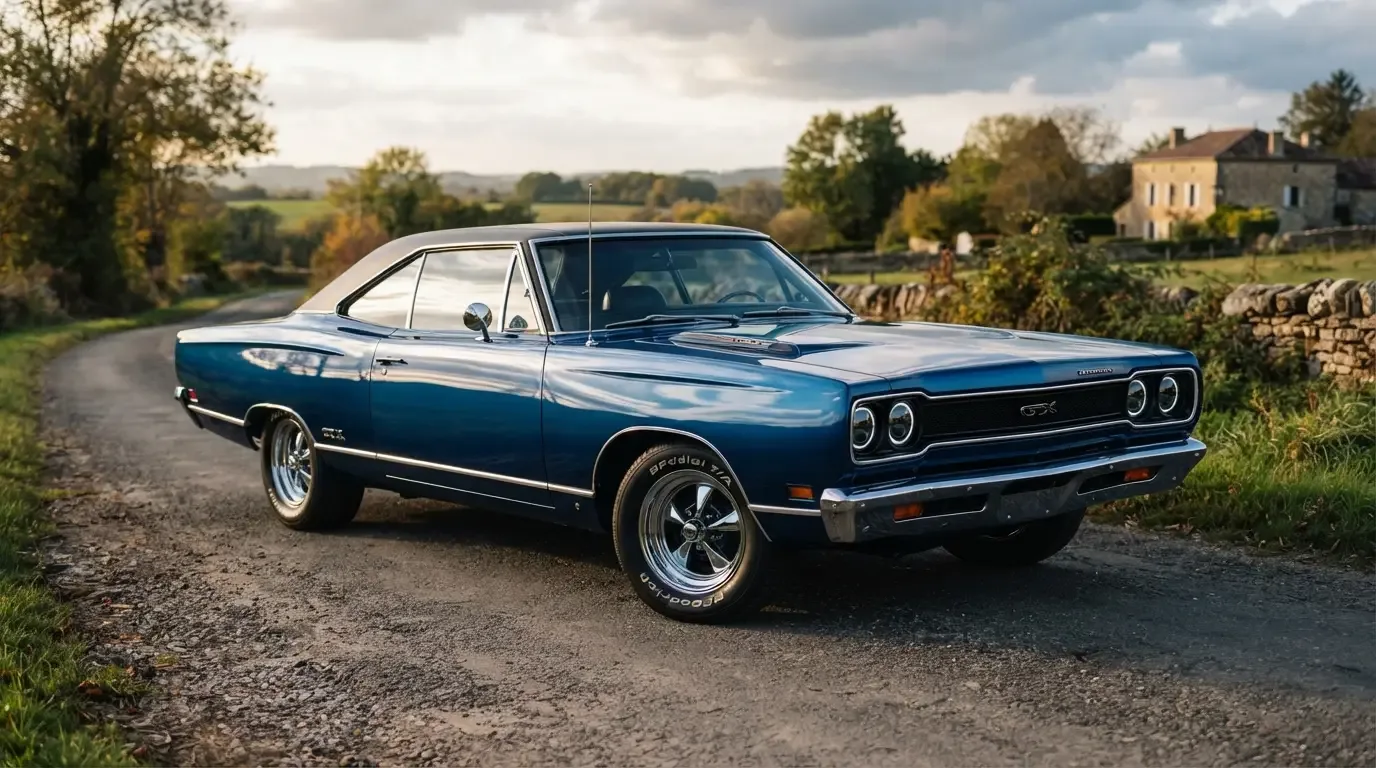
Article
The 1969 GTX
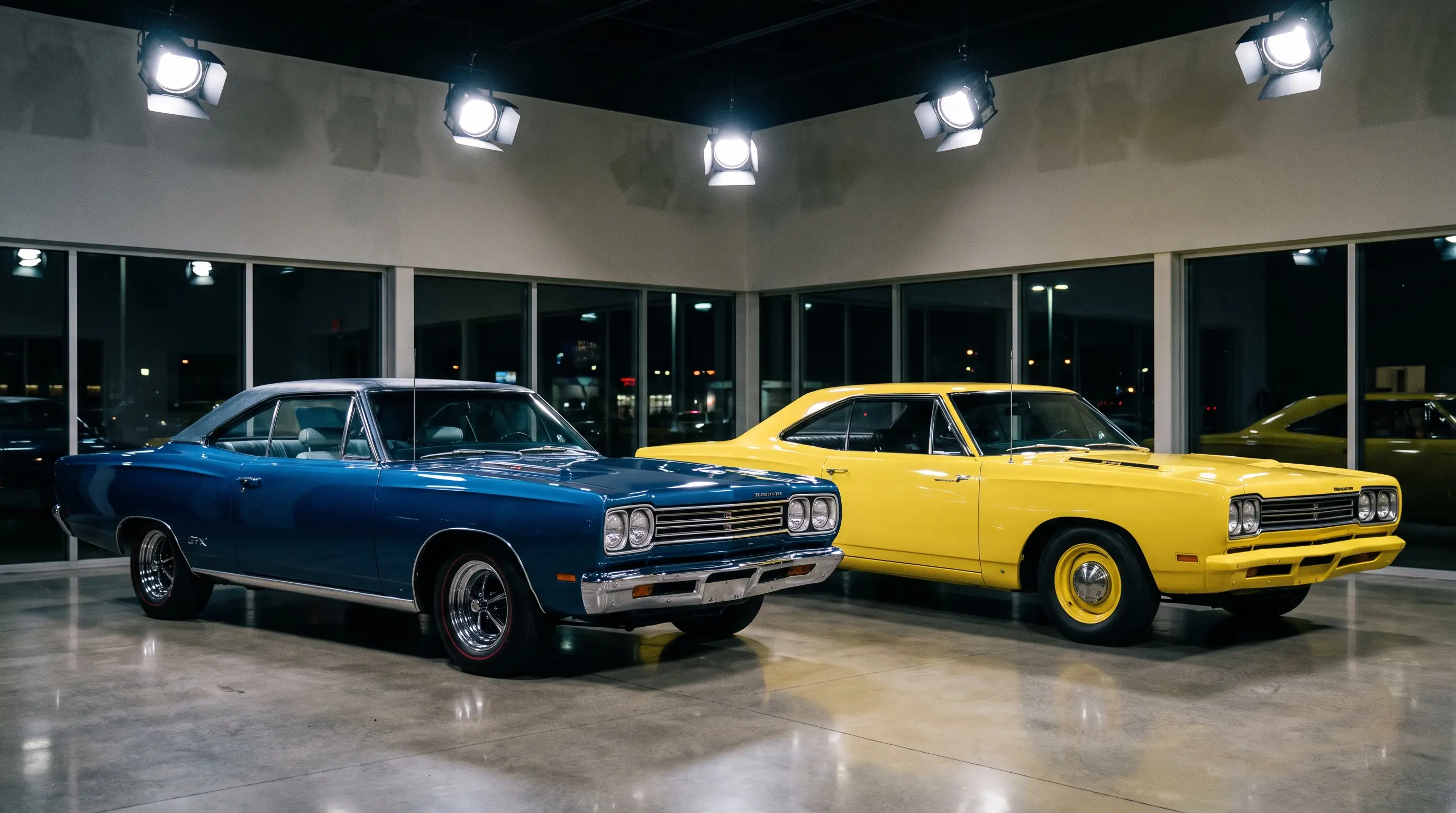
Article
GTX vs Road Runner: Luxury vs Budget
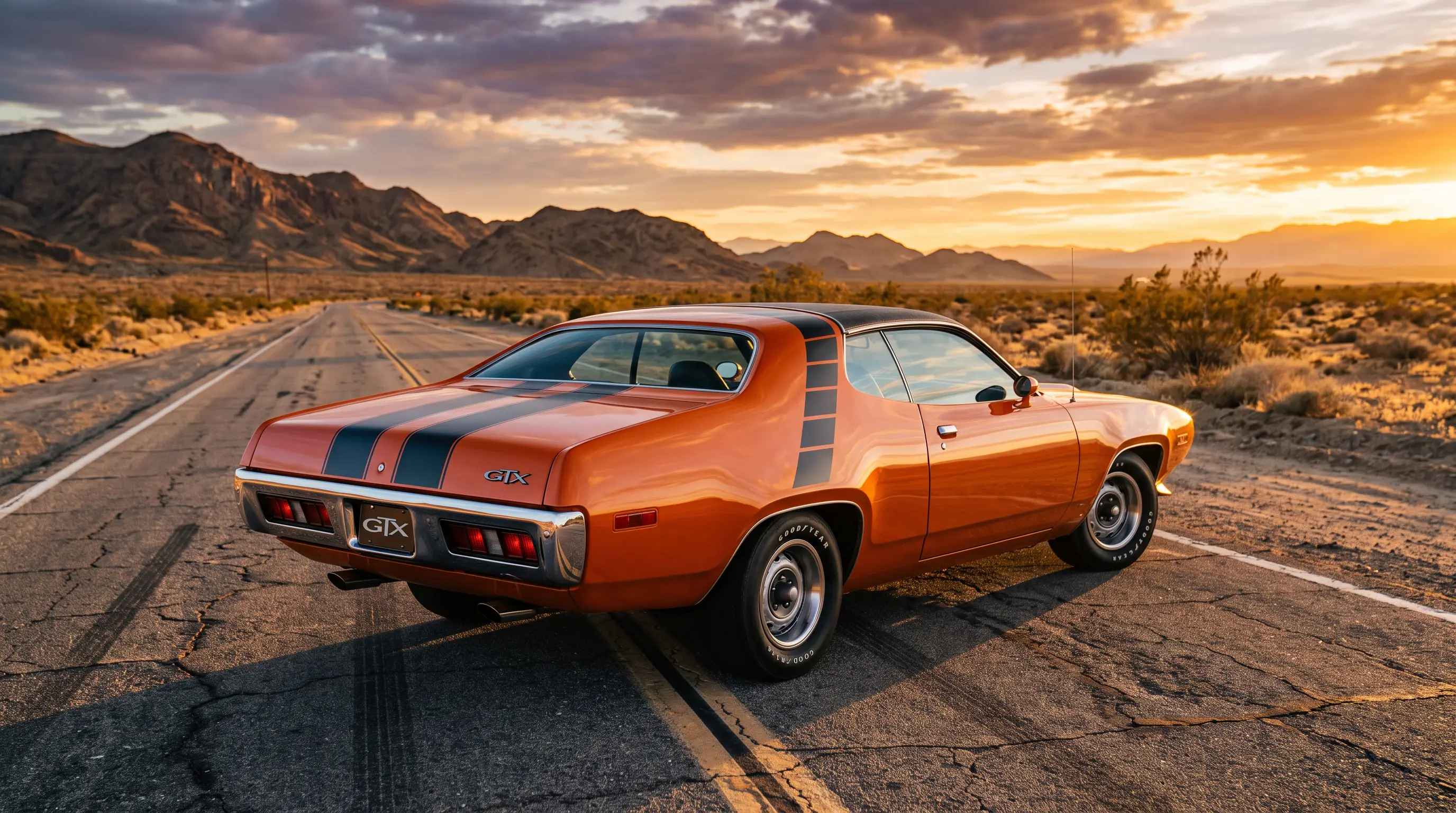
Article
The 1971 GTX: The Last Standalone GTX
Article
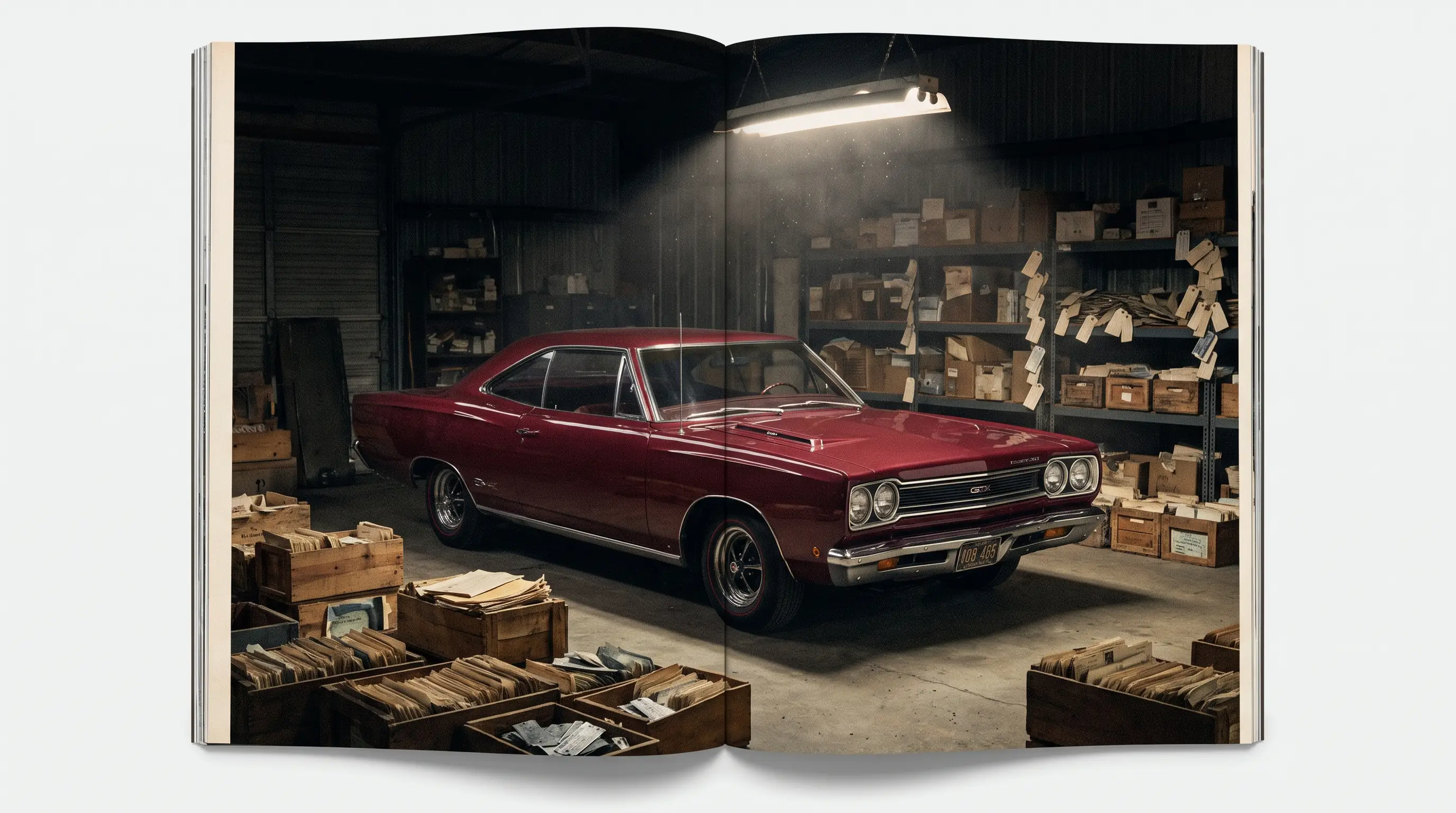
GTX Production Numbers
Article
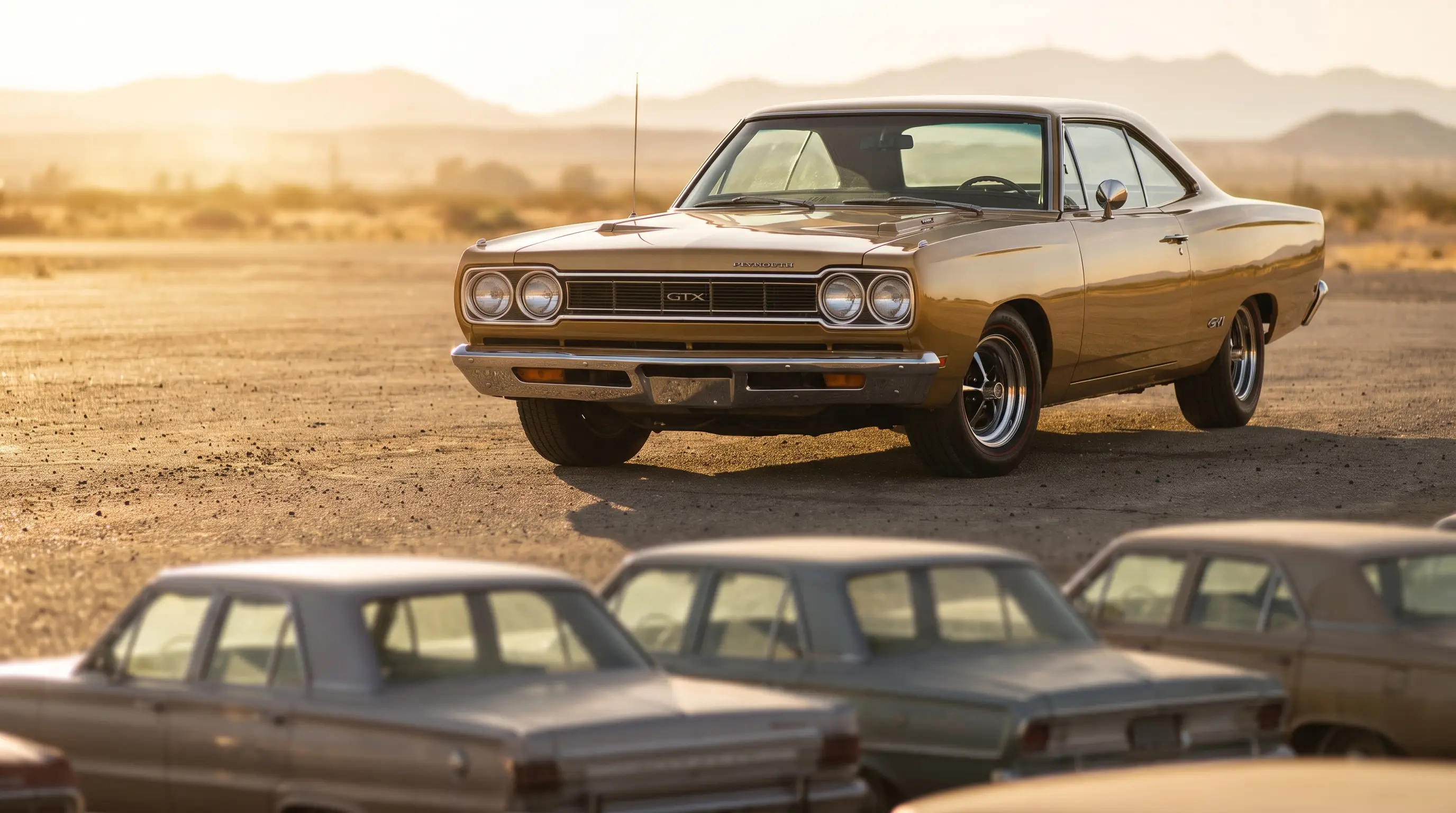
The GTX as the Boss of the Belvederes
Article
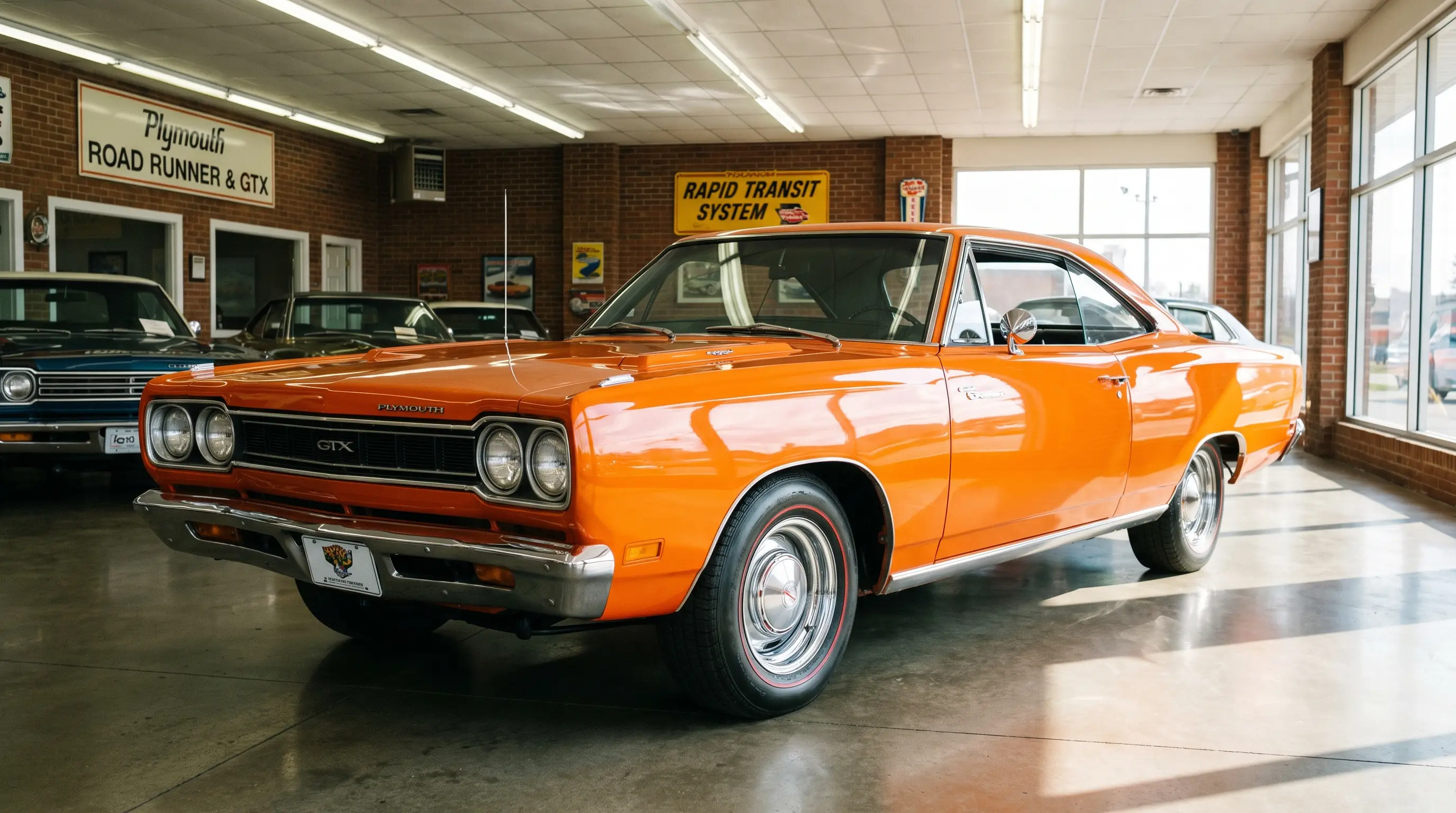
GTX Colors and Trim
Article
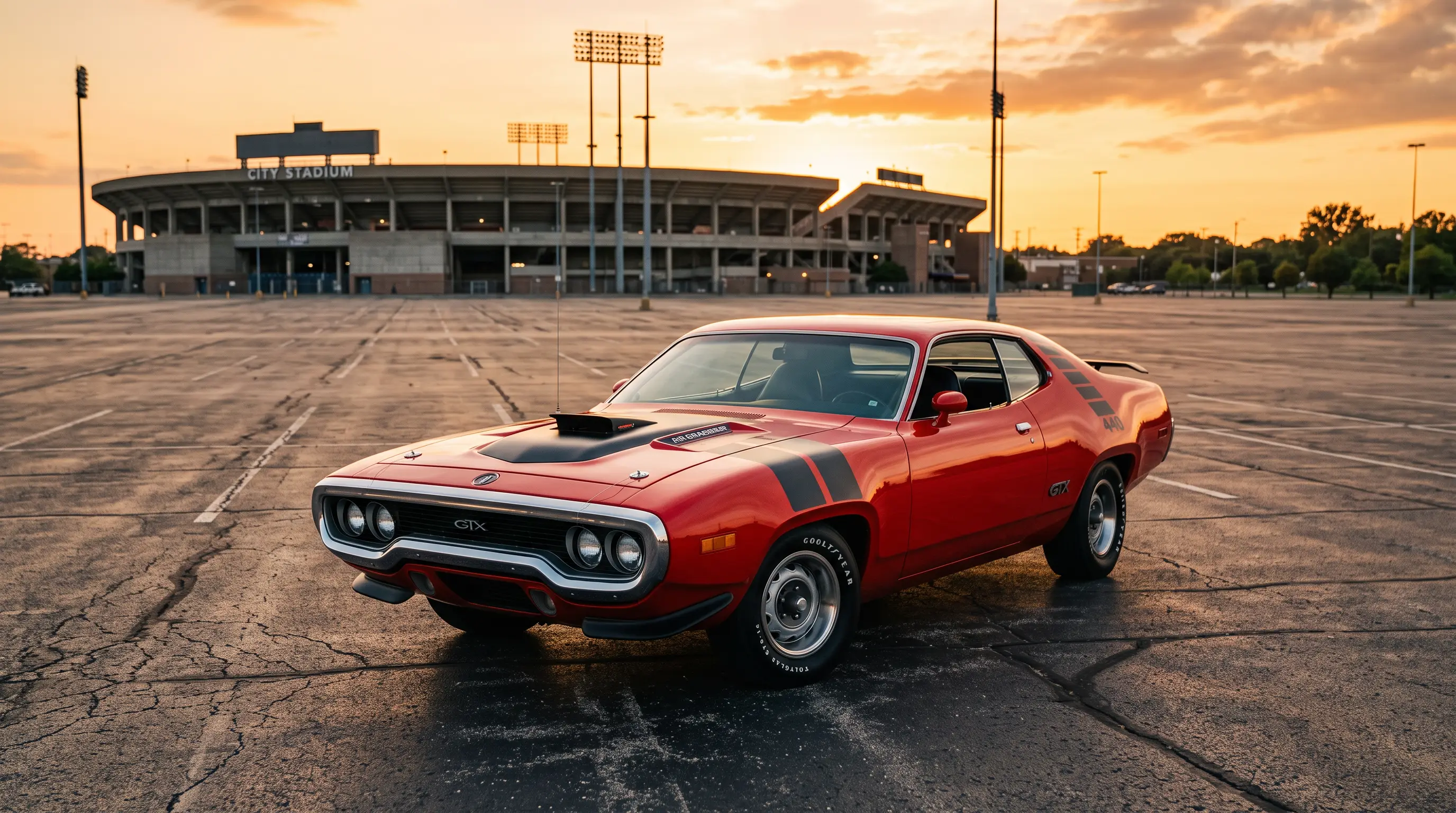
Why the GTX Became a Road Runner Option
Article
Collecting the GTX Today
Have a
Plymouth Road Runner
for Sale?
Reach thousands of serious classic car collectors across the US.
Sell It Here →
Are You a Classic Car Dealer?
List your full inventory and connect with targeted classic car buyers.
Join as a Dealer →

About the author
Wayne Coburn
Longtime Corvette owner, judge and club figure who knows the cars, the records and the people behind them.
Related Listings - Plymouth Road Runner




Comments
Be the first to comment on this article.