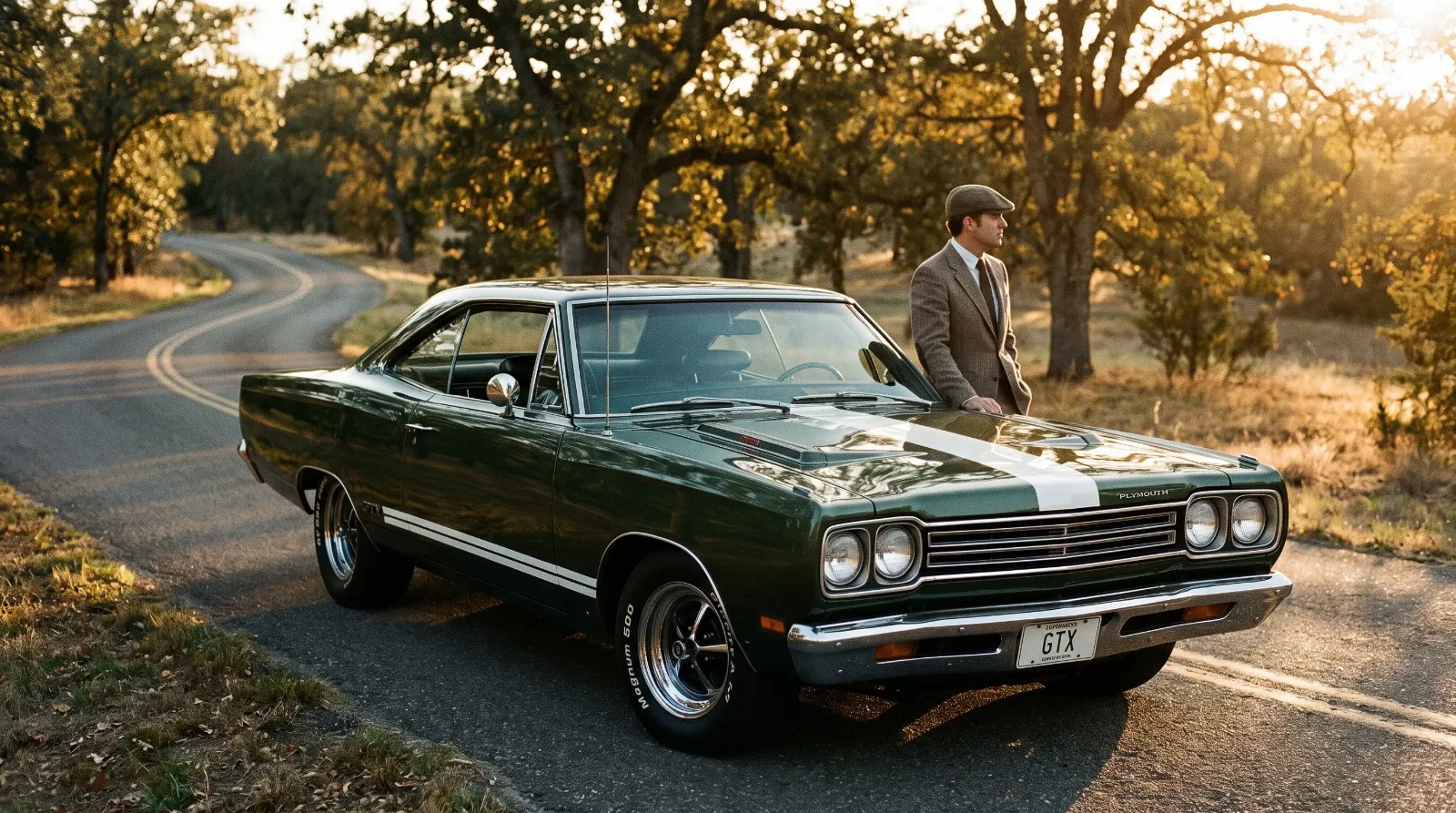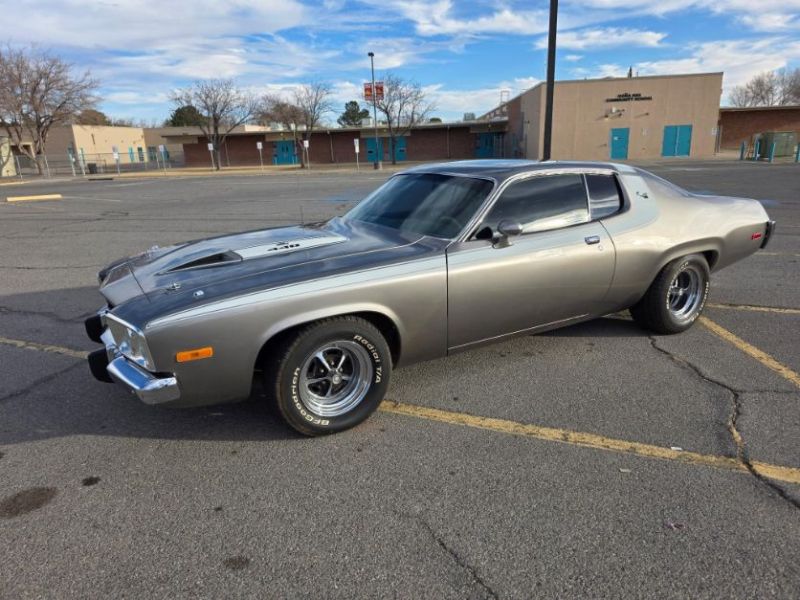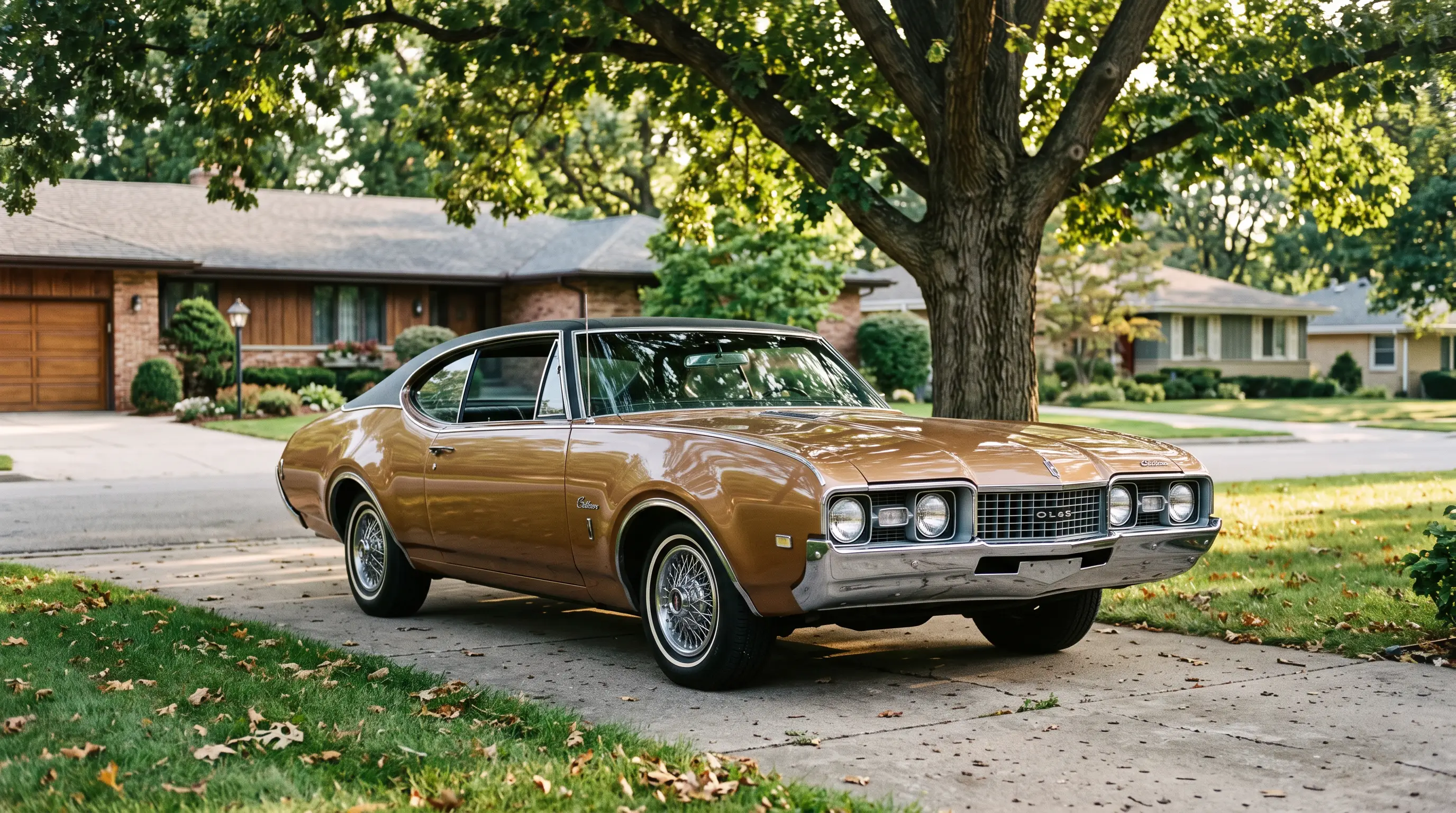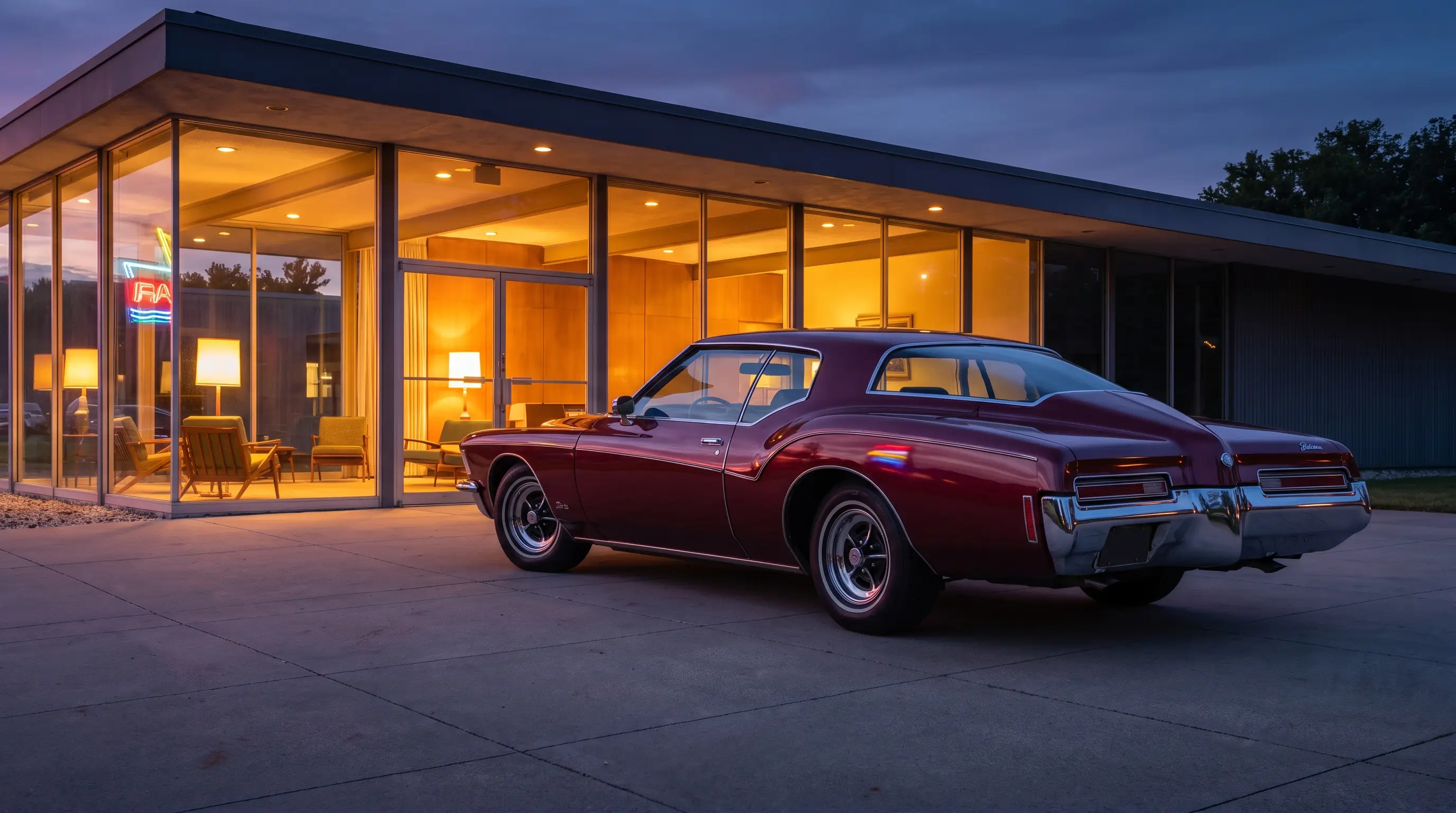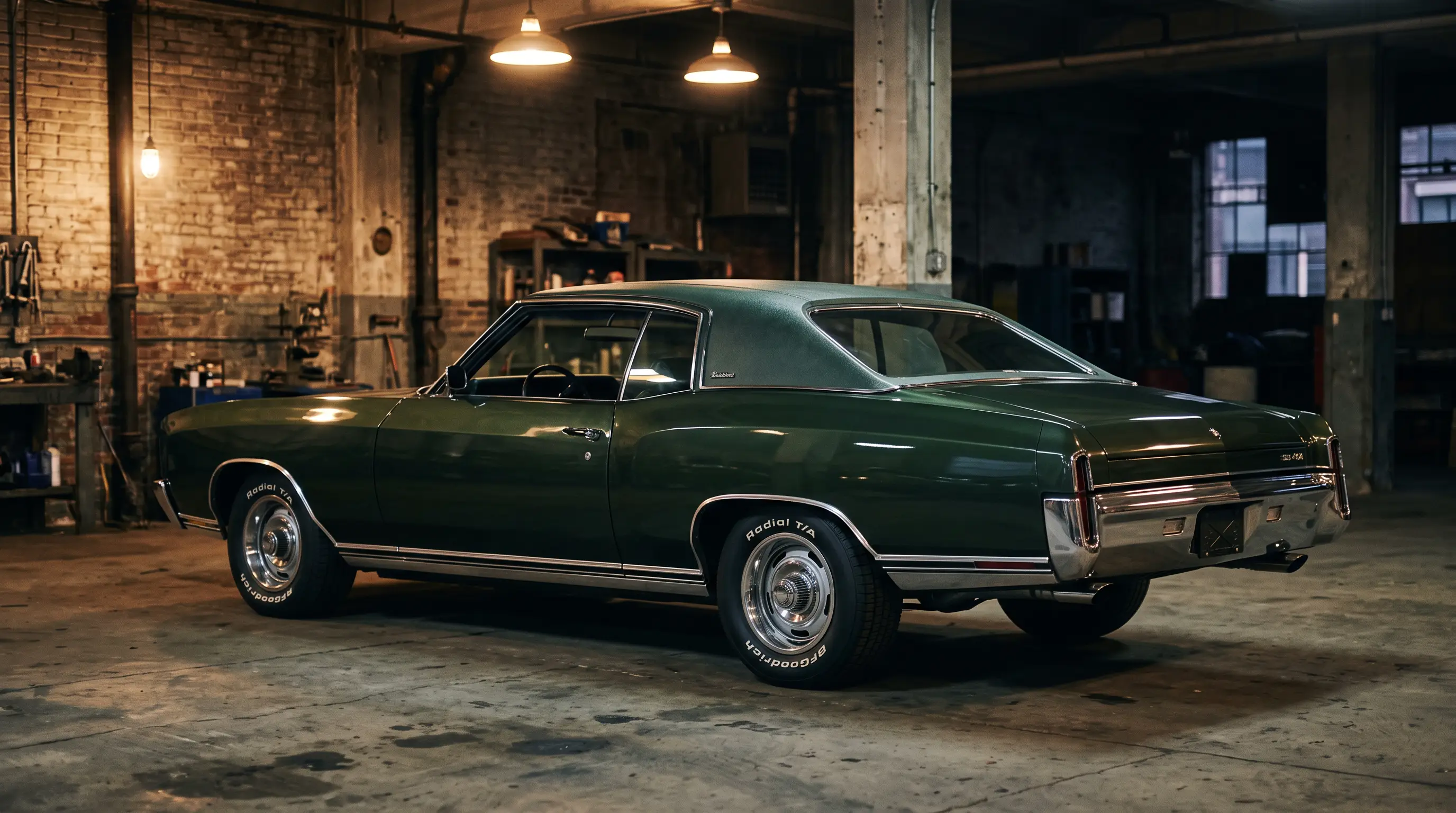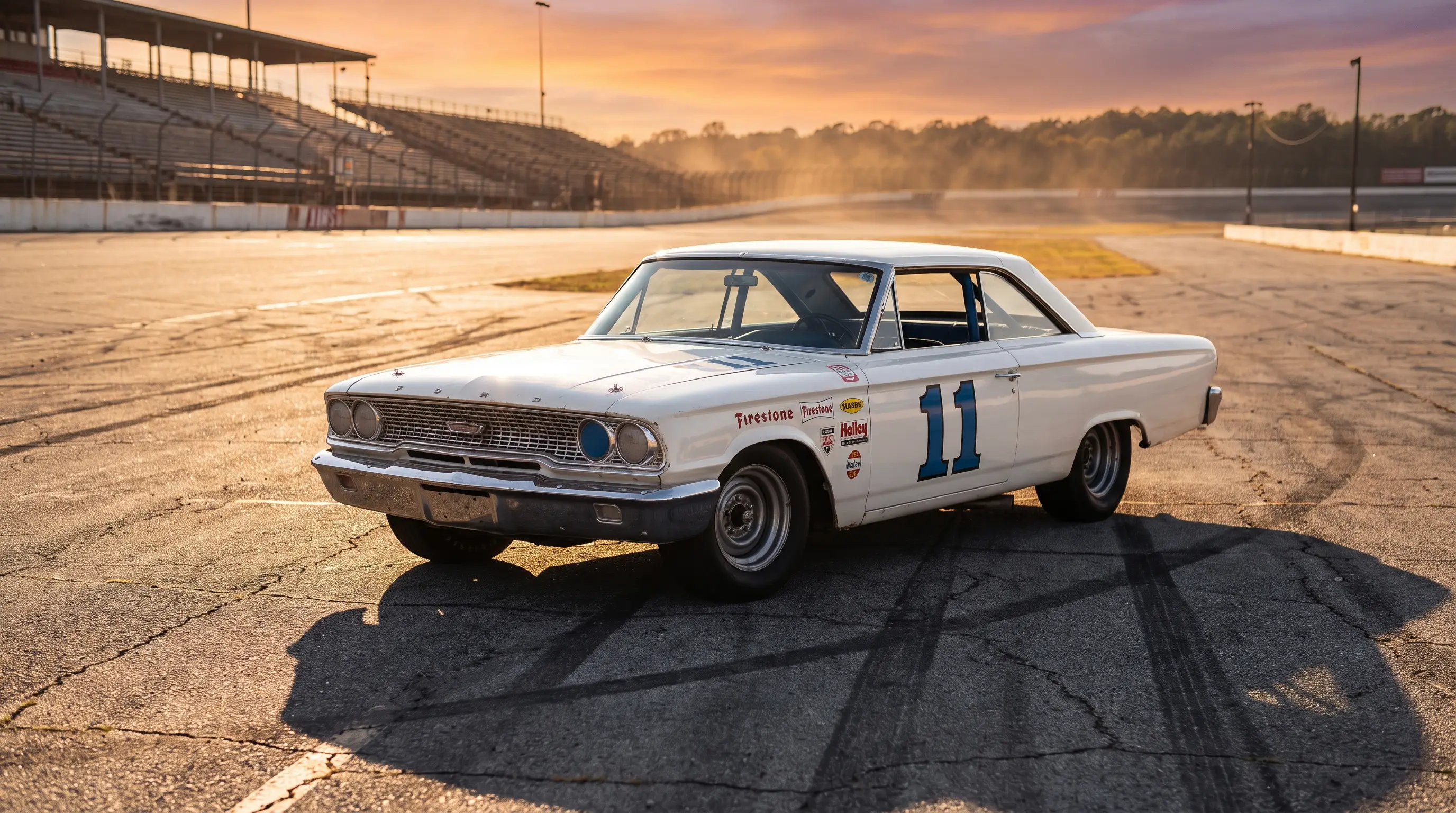
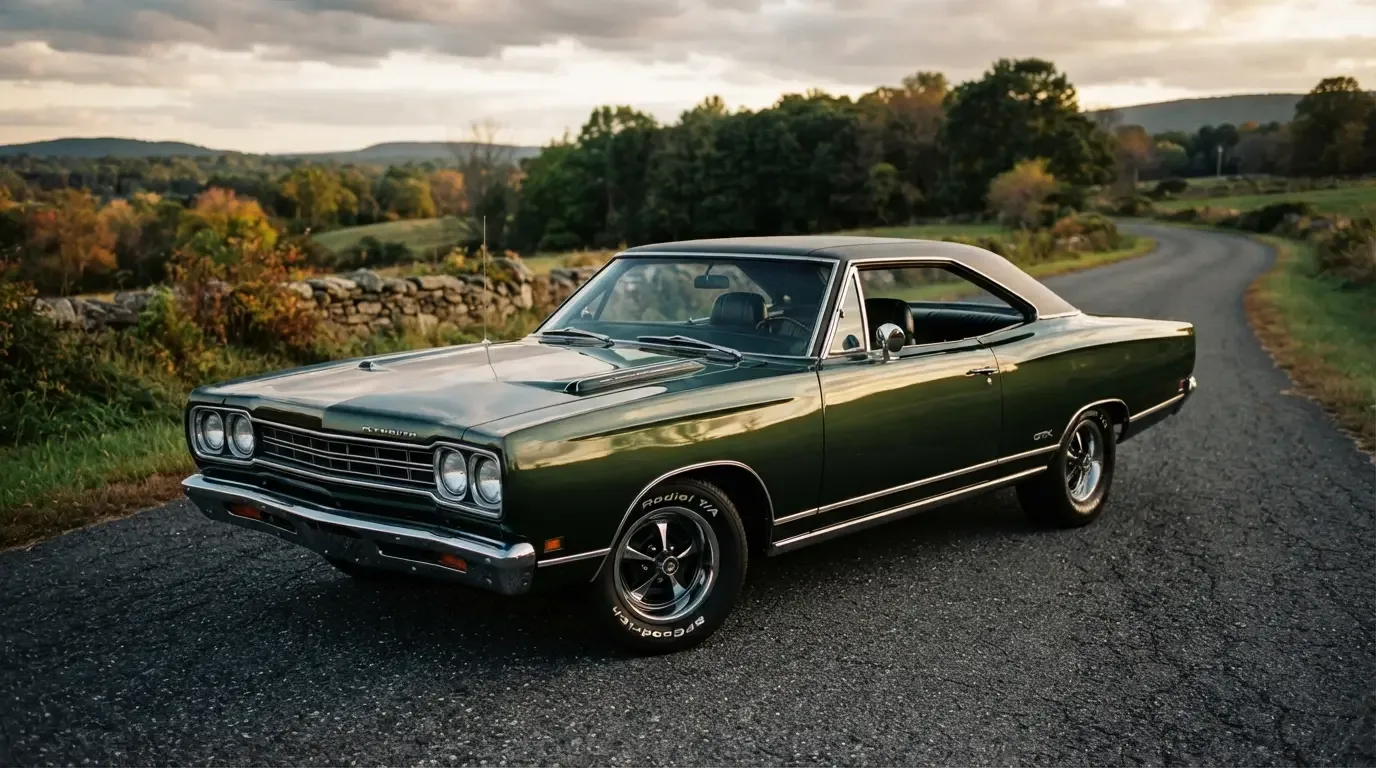
There's a guy at every Mopar show who parks his Plymouth GTX a little apart from the rest, doesn't pop the hood for the crowd right away, and just leans against the fender with a cup of coffee. Every time I've struck up a conversation with one of these owners, the story comes out the same way. They didn't buy a GTX to prove anything. They bought it because it does everything a Road Runner does and does it in a suit and tie.
That's the whole personality of the Plymouth GTX, and it's the reason people who know these cars call it the gentleman's muscle car without a hint of irony.
Why "gentleman's muscle car" isn't just a marketing line
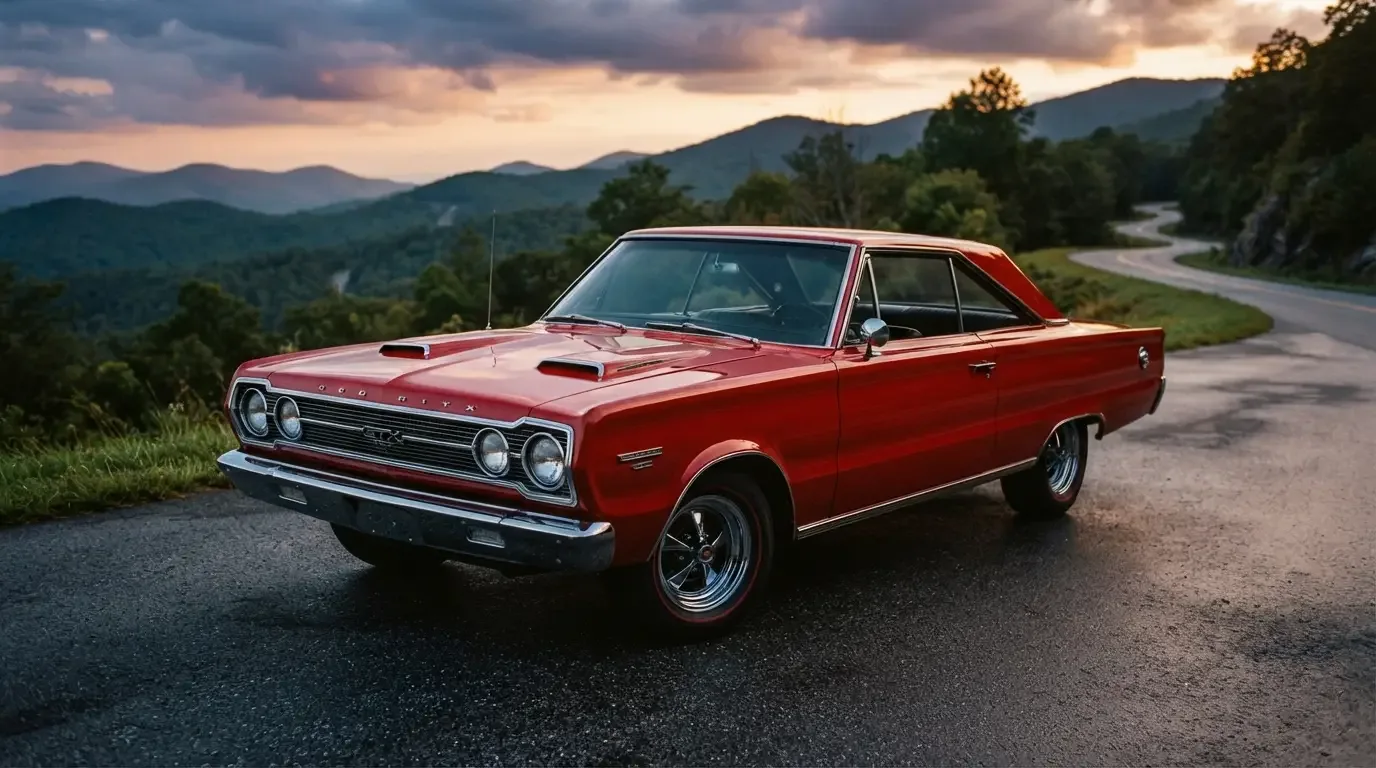
When Plymouth introduced the GTX in 1967, it wasn't trying to out-shout the Road Runner or the GTO. It came standard with the 440 Super Commando V8, better trim than the budget-minded Road Runner that would follow a year later, and styling touches, dual hood scoops, twin racing stripes, upgraded interior appointments, meant to signal that this was a performance car for someone who also cared about how the cabin felt at seventy miles an hour on a long drive. The Road Runner, when it arrived, was built to be cheap and fast. The GTX was built to be fast and comfortable, and Plymouth priced it accordingly.
I've heard old-timers at club meets describe it as the car you bought if you already had the driver's license, the job, and the taste to know the difference between raw speed and refined speed. That distinction held for the whole run of the car, and it's why GTX owners today still talk about it with a certain quiet pride instead of the loud enthusiasm you get from a Road Runner crowd.
"Nobody ever bought a GTX to win an argument at a stoplight. They bought it because they wanted to arrive looking like they hadn't been trying."
- Wayne Coburn
What set the trim apart from its stablemates
Underneath, a lot of GTX mechanicals overlapped with other B-body Plymouths of the era, but the details Plymouth chose to include told the real story. Bucket seats or a well-appointed bench, upgraded carpeting, simulated wood trim on the dash in later years, and a standard heavy-duty suspension that handled the big-block weight without beating up the driver. None of it was flashy compared to a show car, but all of it added up to a cabin that felt considered rather than stripped down for weight savings the way some of its competitors were.
Stories from the club circuit
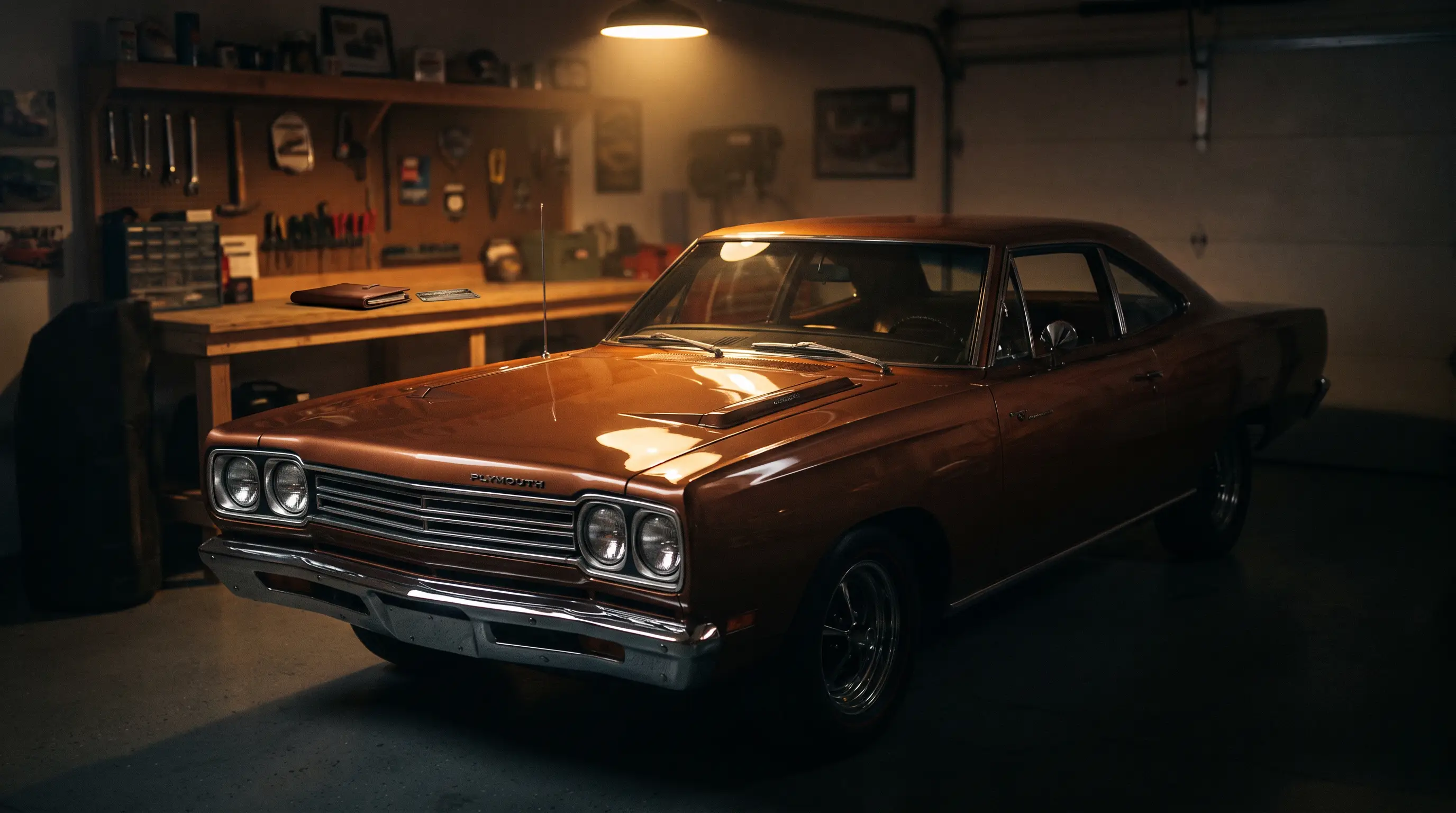
Every regional Mopar club I've spent time with has at least one GTX owner who inherited the car from a father or grandfather rather than buying it off a lot themselves, and those cars tend to come with the best documentation because families kept everything: the original bill of sale, service records from a dealer that's long since closed, even old insurance cards tucked into the glovebox. Those inherited cars carry a different weight at a show than a car bought purely as an investment. People stop and ask questions, not about horsepower, but about the family behind it.
I remember one owner at a Carlisle event who brought his grandfather's 1968 GTX with the original tank sticker still legible under the hood, and half the conversations at his spot that weekend weren't about the engine at all. They were about his grandfather's habit of taking the car to church on Sundays and nowhere else all year. That's the kind of story a Road Runner rarely generates in quite the same way, because the GTX was never marketed as a car for showing off. It was marketed as a car for people who already had somewhere to be.
Where the GTX sits relative to its siblings today
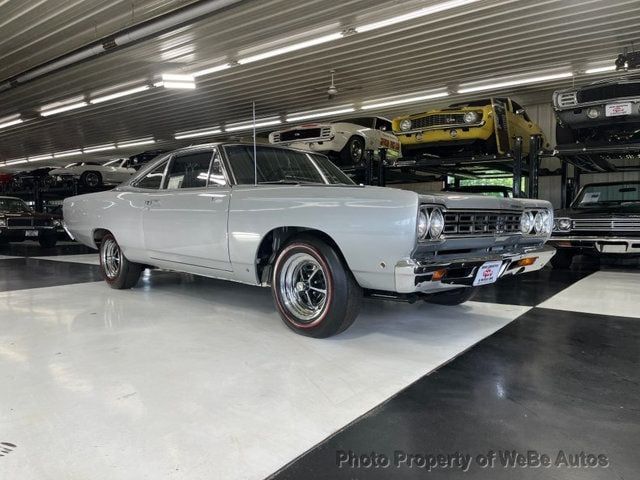
Collectors sometimes underrate the GTX next to the Road Runner simply because the Road Runner has the cartoon mascot and the louder cultural footprint. Club regulars know better. The GTX offered more standard performance for the dollar in its debut year than almost anything else Plymouth sold, and its lower production numbers relative to the Road Runner mean surviving, documented examples carry real scarcity value even if the market hasn't always priced that in as aggressively as it should.
If you want the full production story behind this car, our writeup on plymouth gtx history covers the model year by model year, and if the early cars interest you specifically, a related story digs into that debut year in more depth.
Why this reputation still matters to buyers
The gentleman's muscle car label isn't nostalgia dressed up as marketing copy. It reflects a real design philosophy Plymouth committed to for the GTX's entire run: performance without sacrificing comfort, standard equipment that didn't require a long options list to feel complete, and styling that read as confident rather than aggressive. That philosophy is exactly what still draws a certain kind of buyer to the model today, someone who wants the muscle car experience without the compromises that came with cheaper trims. If that sounds like the car you've been circling, you can see current Runners for sale now and start comparing what's actually out there.
How the GTX crowd differs from the Road Runner crowd at a show
Spend a weekend at a big regional Mopar event and you'll notice the two crowds gravitate toward different conversations even when they're parked in the same row. Road Runner owners tend to talk about quarter-mile times, cheap tricks their car came with from the factory, and the cartoon on the door. GTX owners talk about trim codes, original interior colors, and whether a car's simulated wood dash panel matches what the factory records say it should have. Neither conversation is more valid than the other. They're just different, because the cars were built for different buyers in the first place, and fifty-some years later the ownership culture still reflects that split almost exactly.
I've noticed GTX owners are also more likely to know the specific dealer their car was originally sold through, sometimes because the family kept the original paperwork, sometimes because a previous owner did the legwork years ago and passed the file along with the title. That level of continuity isn't universal, plenty of GTXs have gaps in their history like any other fifty-year-old car, but when it exists, it tends to exist more completely than on comparably priced Road Runners from the same years.
A note on originality within the GTX itself
Not every GTX left the factory identically equipped, and the model's more upscale positioning meant buyers had a wider range of options to personalize their car within the GTX package itself, from interior color choices to which of the available big-block engines they selected. That variety is part of what makes club conversations about individual cars so specific. Two GTXs from the same model year can differ meaningfully in feel and presence depending on what the original buyer checked off on the order form, and regulars at any serious club meet will ask about those choices before they ask about anything else.
Sources and notes
- Plymouth GTX - Wikipedia
- Automobile Catalog - 1967 Plymouth GTX Super Commando 440 specs
- Curbside Classic - Vintage Car Life review of the 1967 Plymouth GTX
- HowStuffWorks - 1967 Plymouth Belvedere GTX profile
- Hagerty Valuation Tools - 1967 Plymouth GTX
- autoevolution - 1967 Plymouth GTX Hemi rarity feature