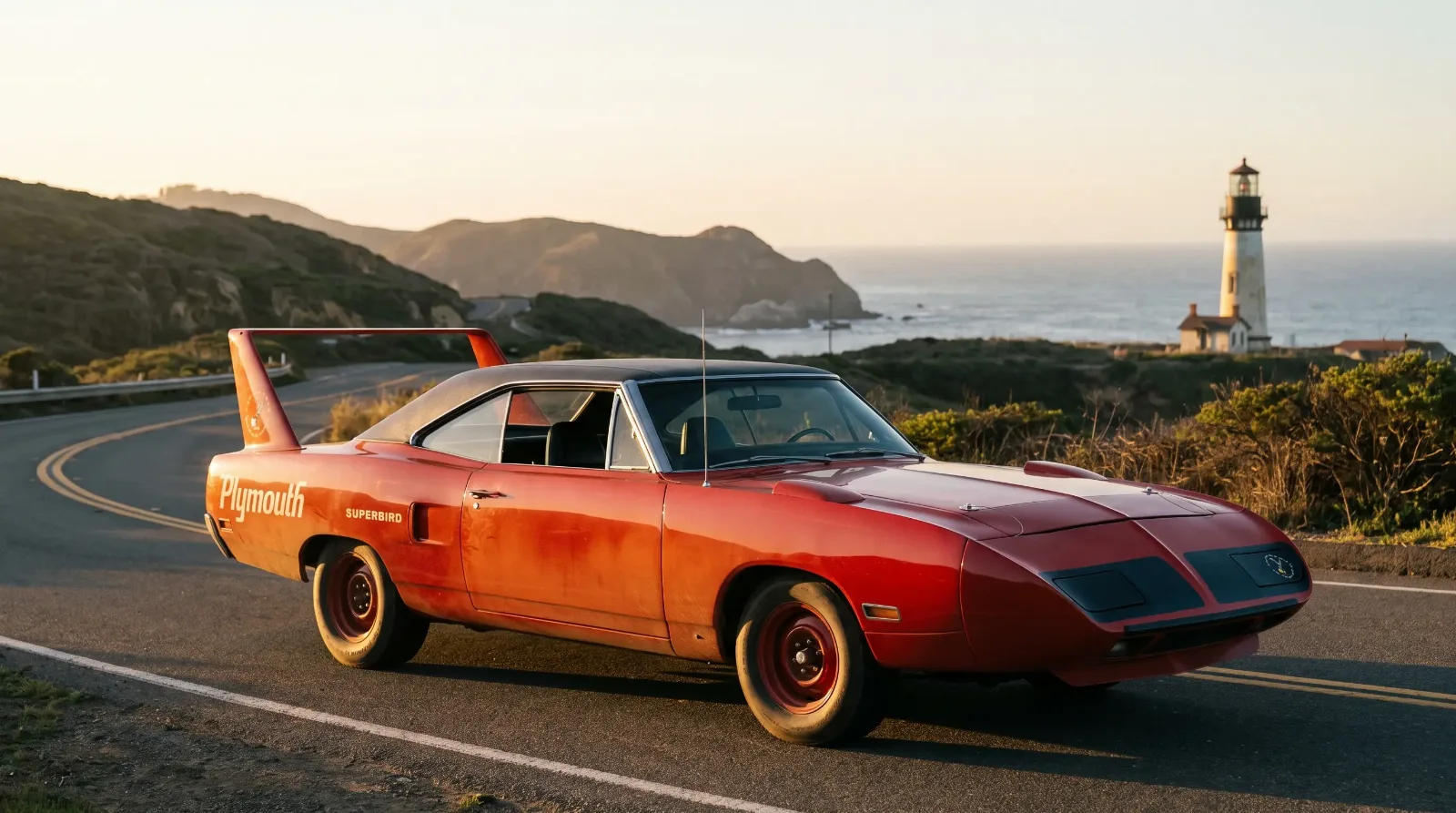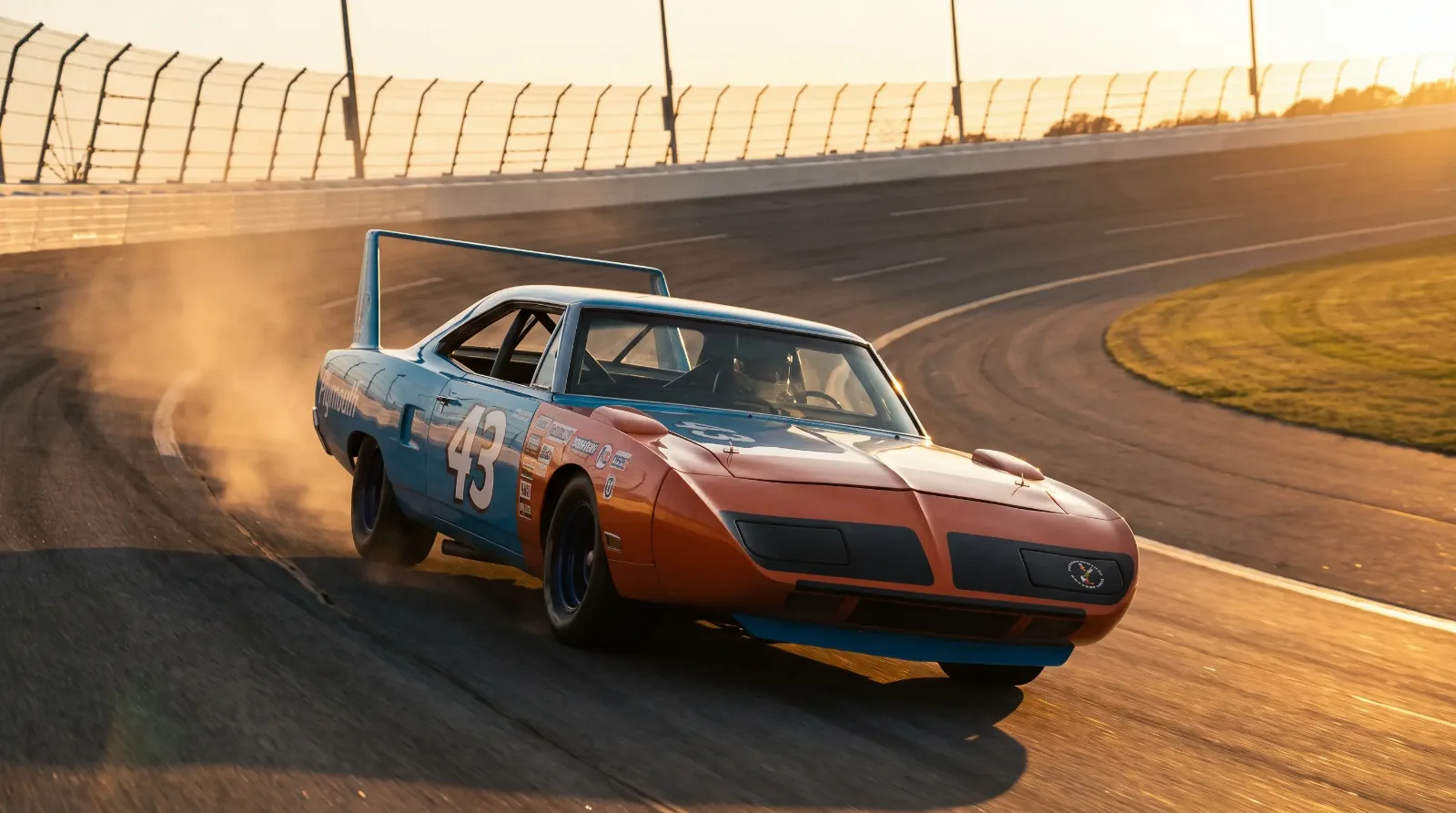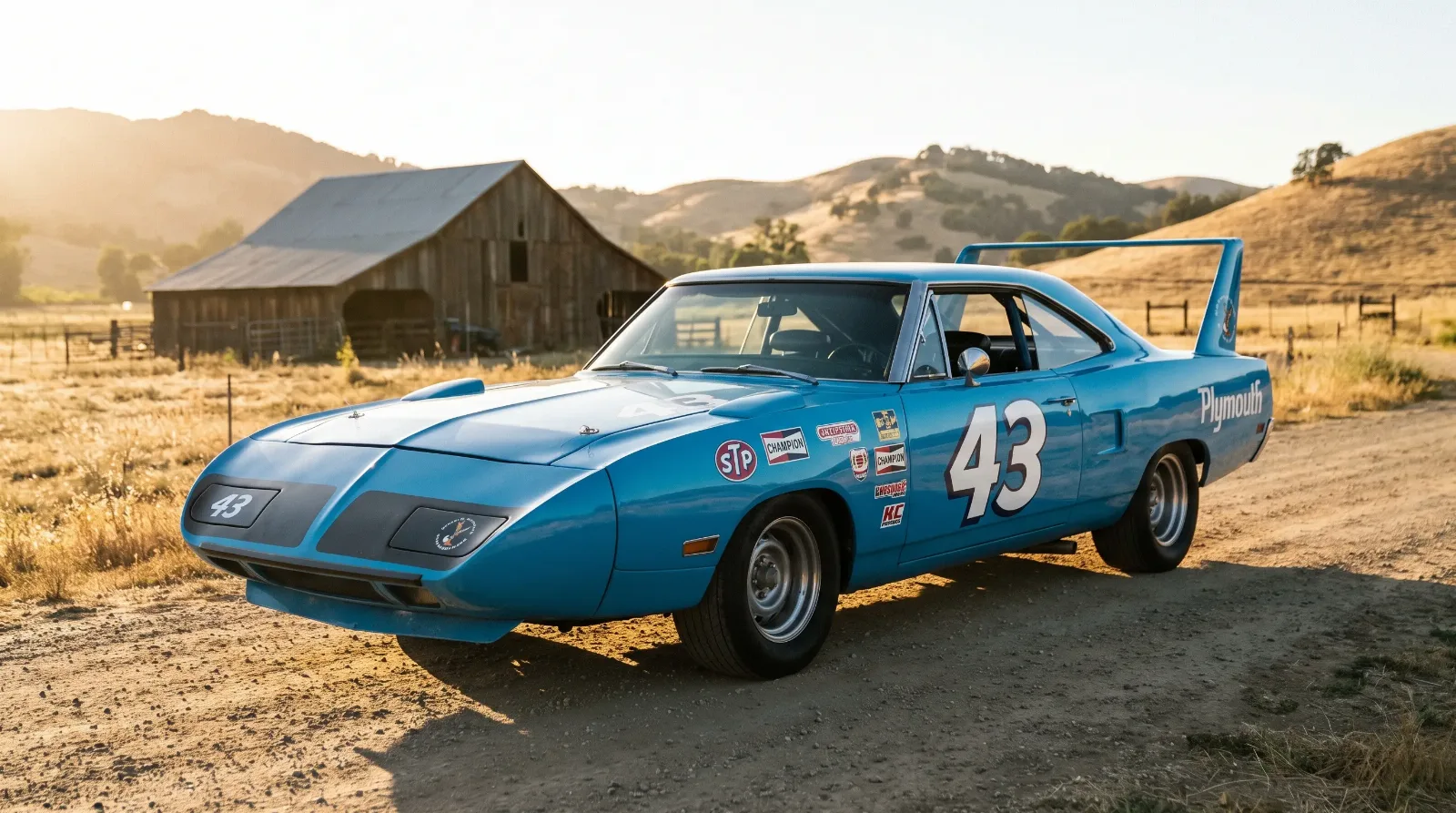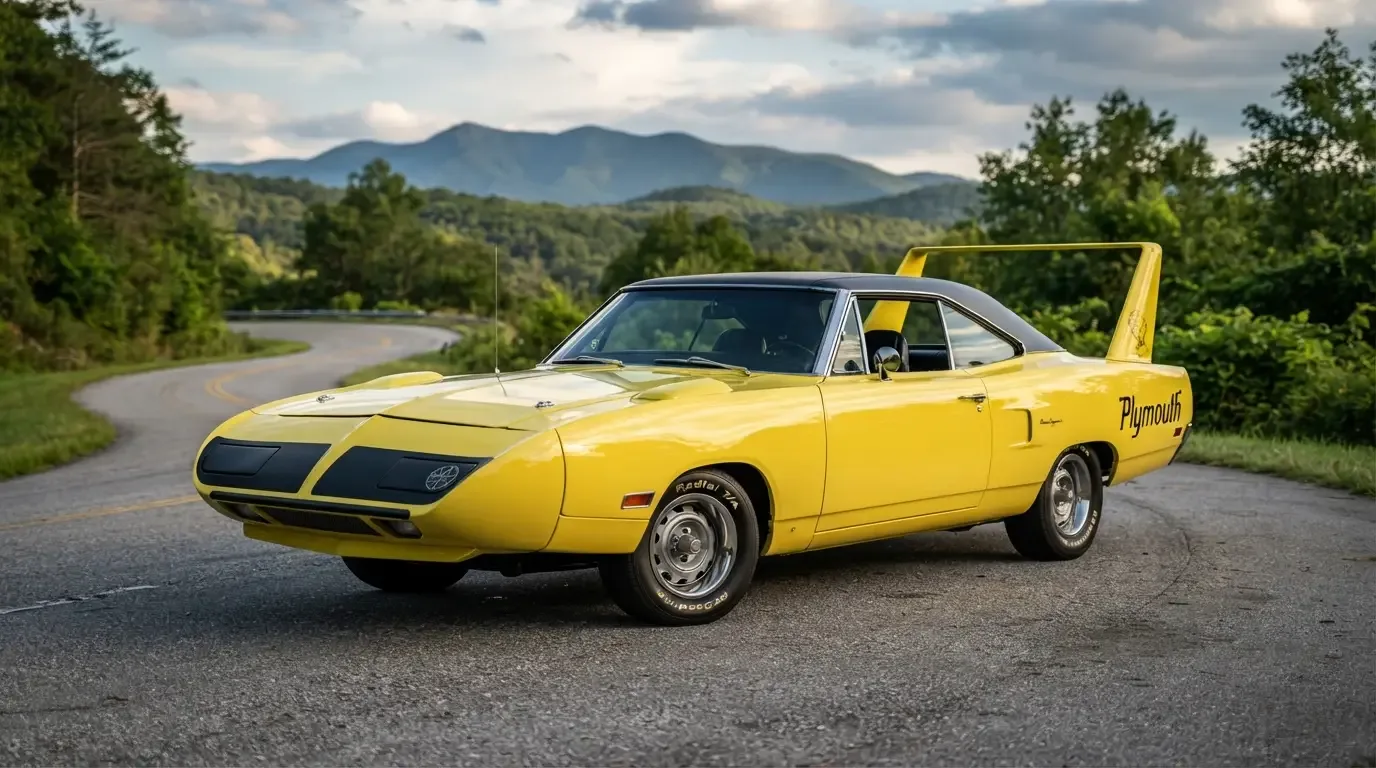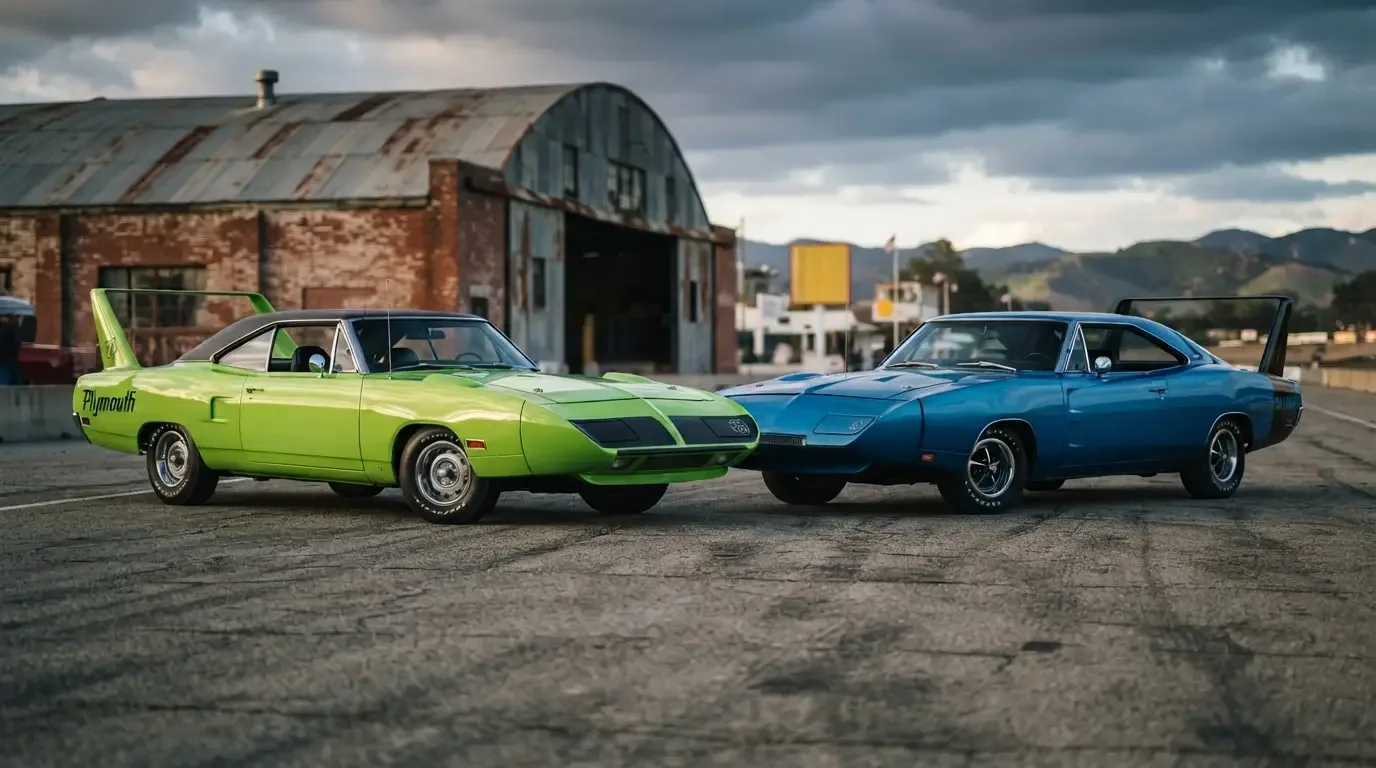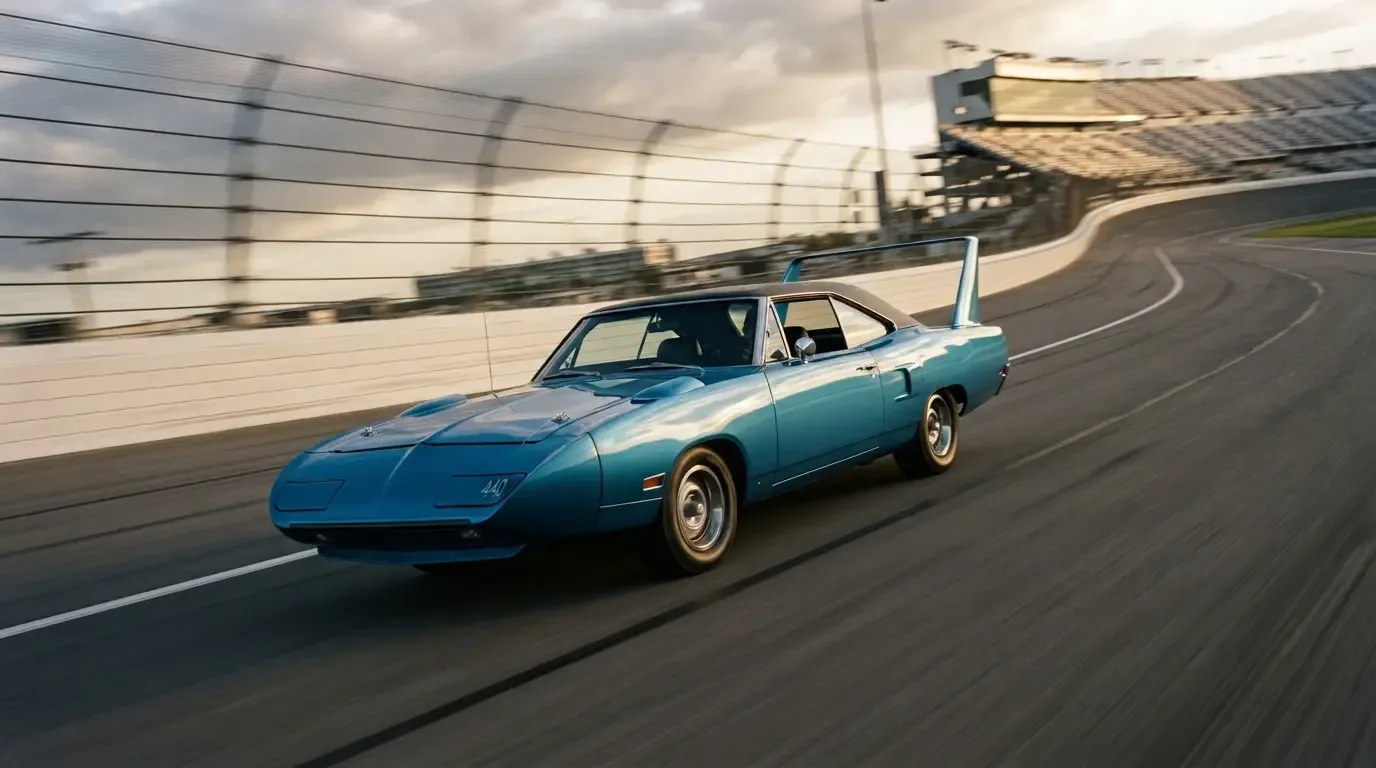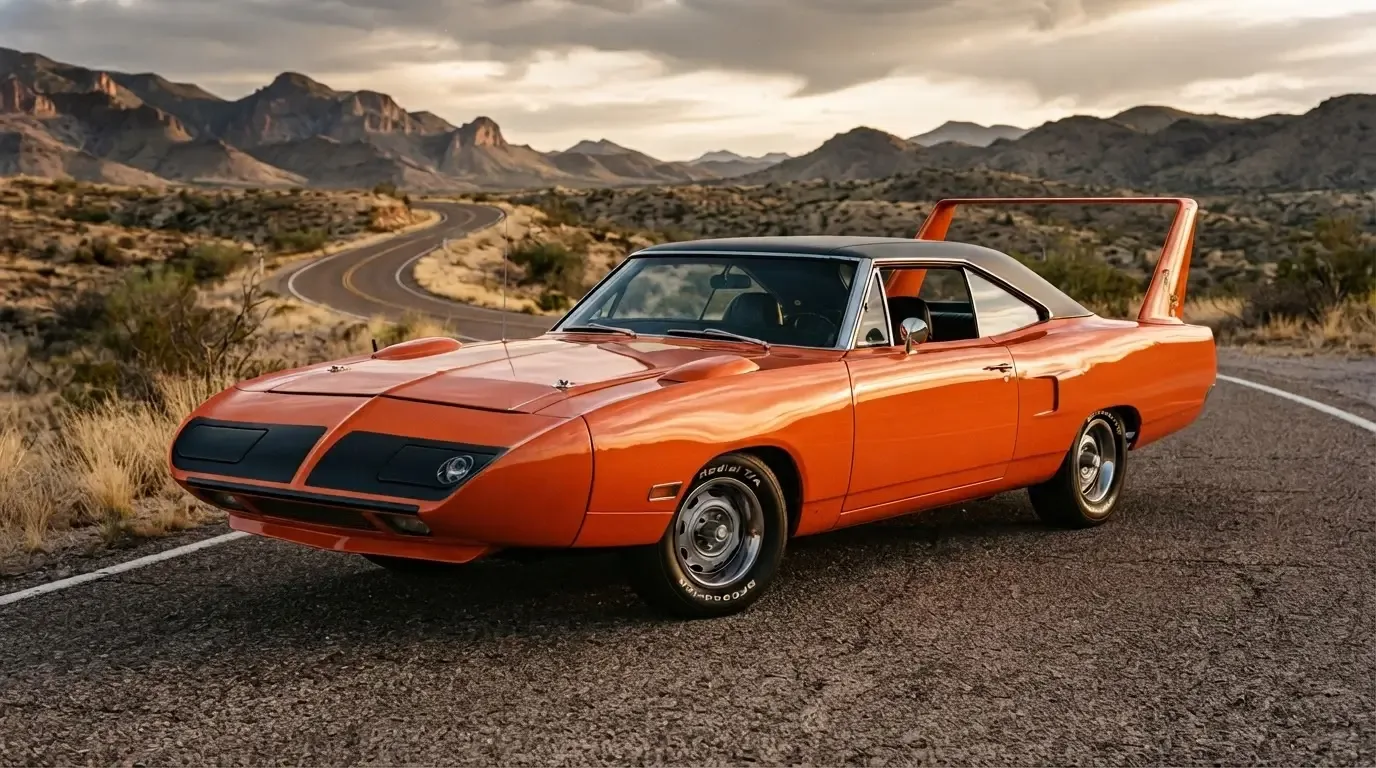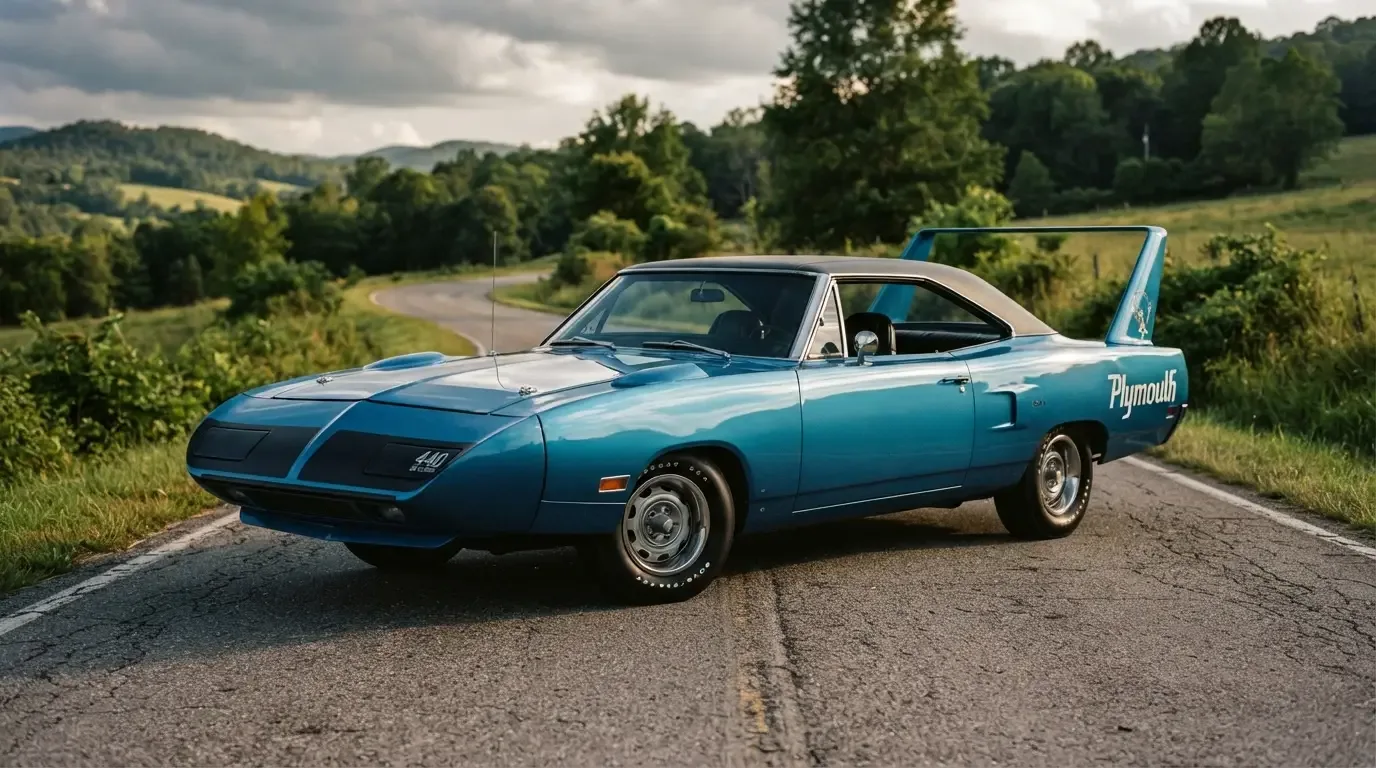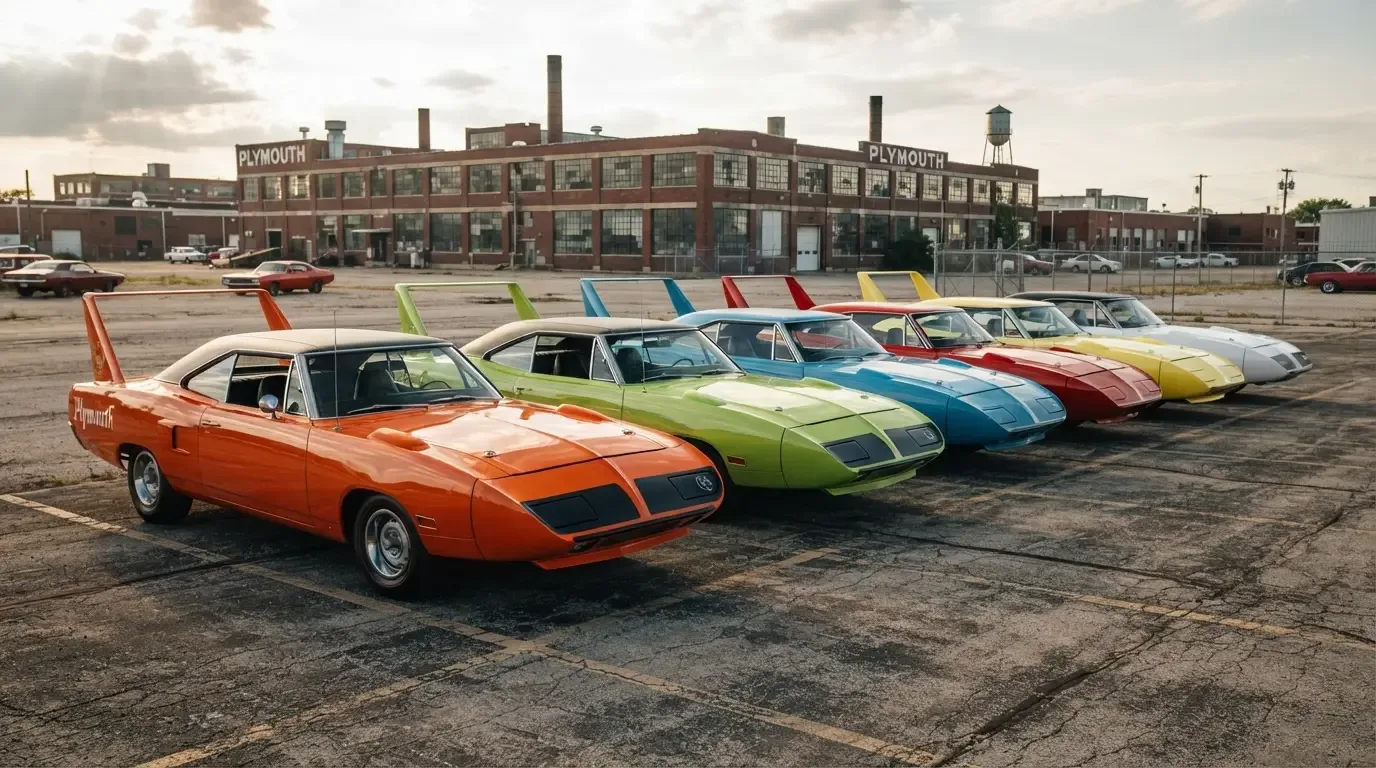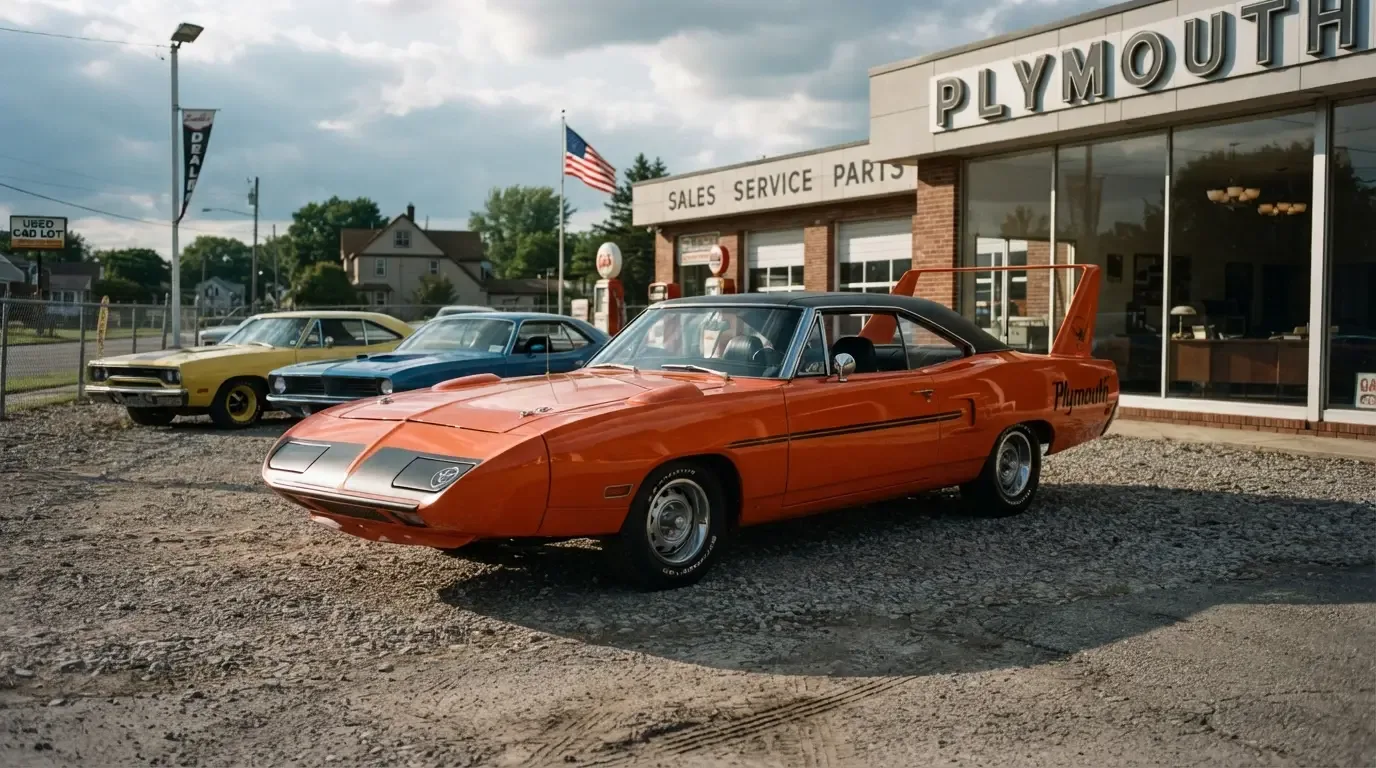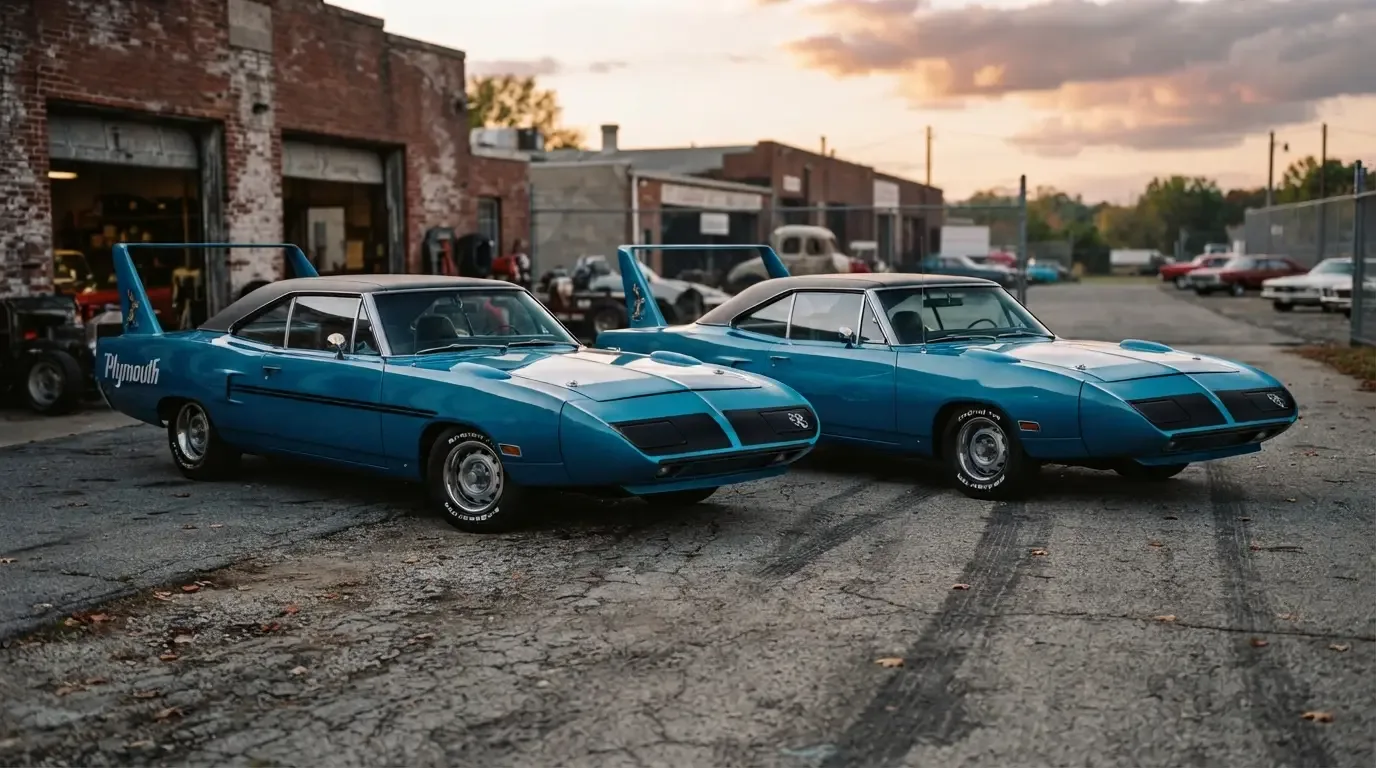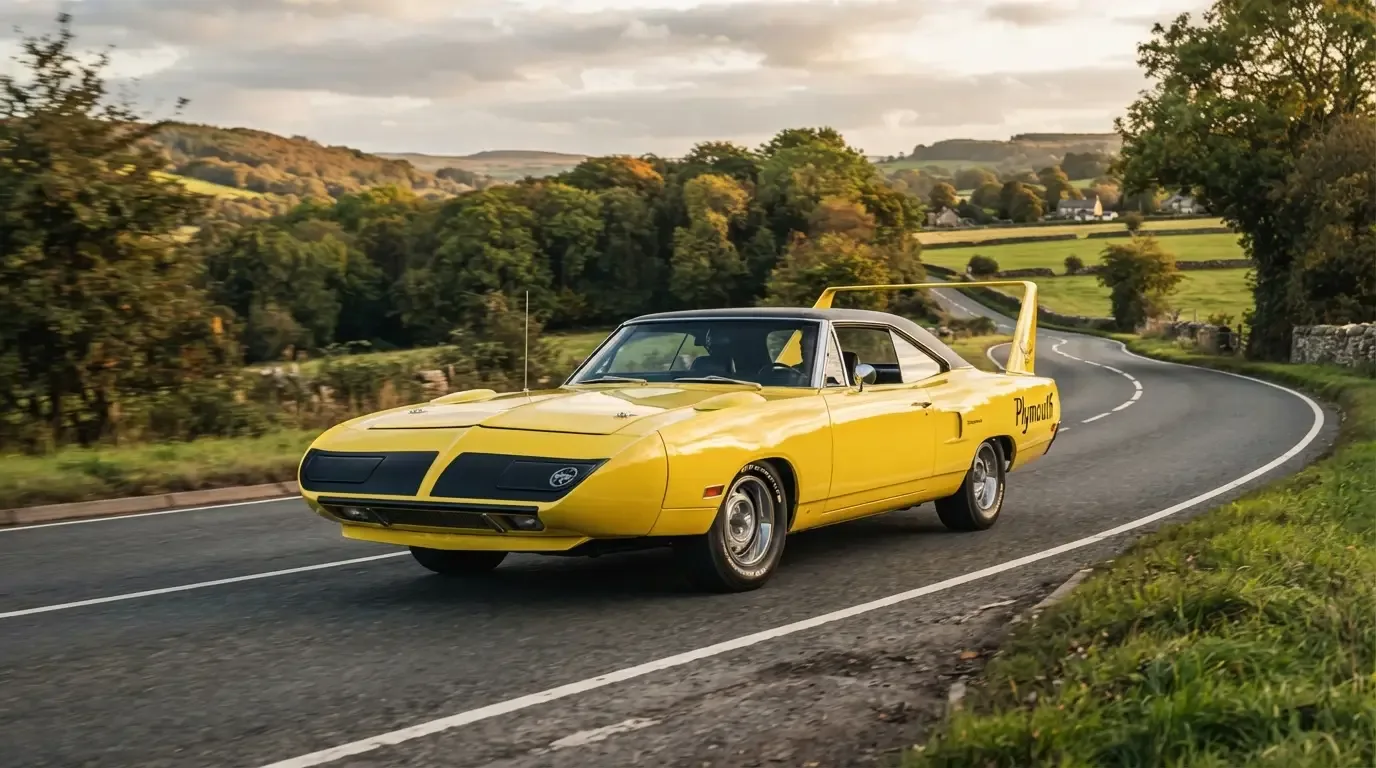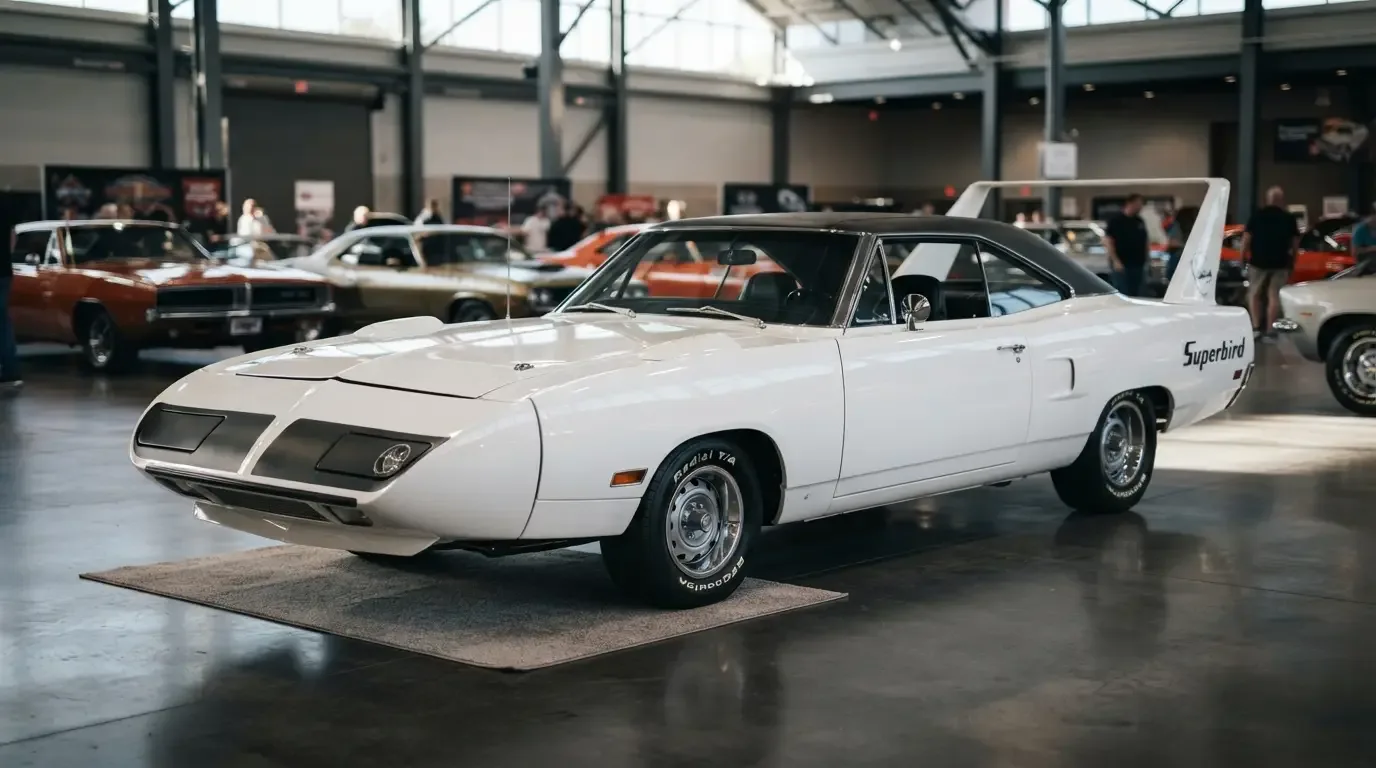
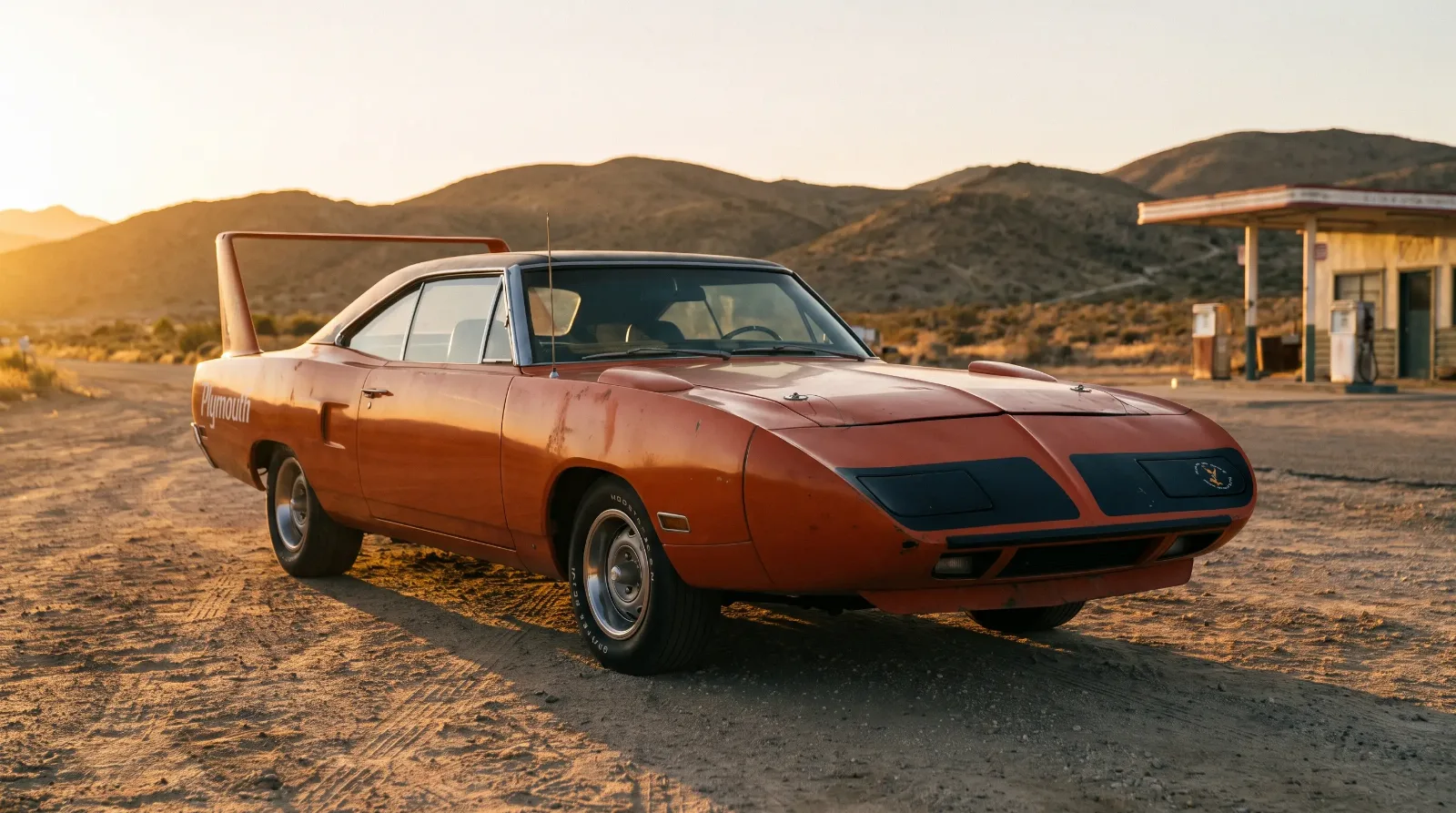
The 1970 Plymouth Superbird existed to win stock car races, and it did. Everything else about it, the nose cone, the towering wing, the cartoon bird on the tail, was in service of that single goal. People treat the Superbird as a styling exercise gone wild. It was not. It was aerodynamics, built to a rulebook, aimed at a number on a timing tower. Understand that and the whole strange car makes sense.
Start with the reason it happened. Plymouth had lost Richard Petty. Petty left for Ford in 1969 because Plymouth would not build him a car that could win. The Superbird was the answer. Build the aero car, and Petty comes home. He did. That is the short version, and the short version is mostly the true one.
Why the nose and the wing
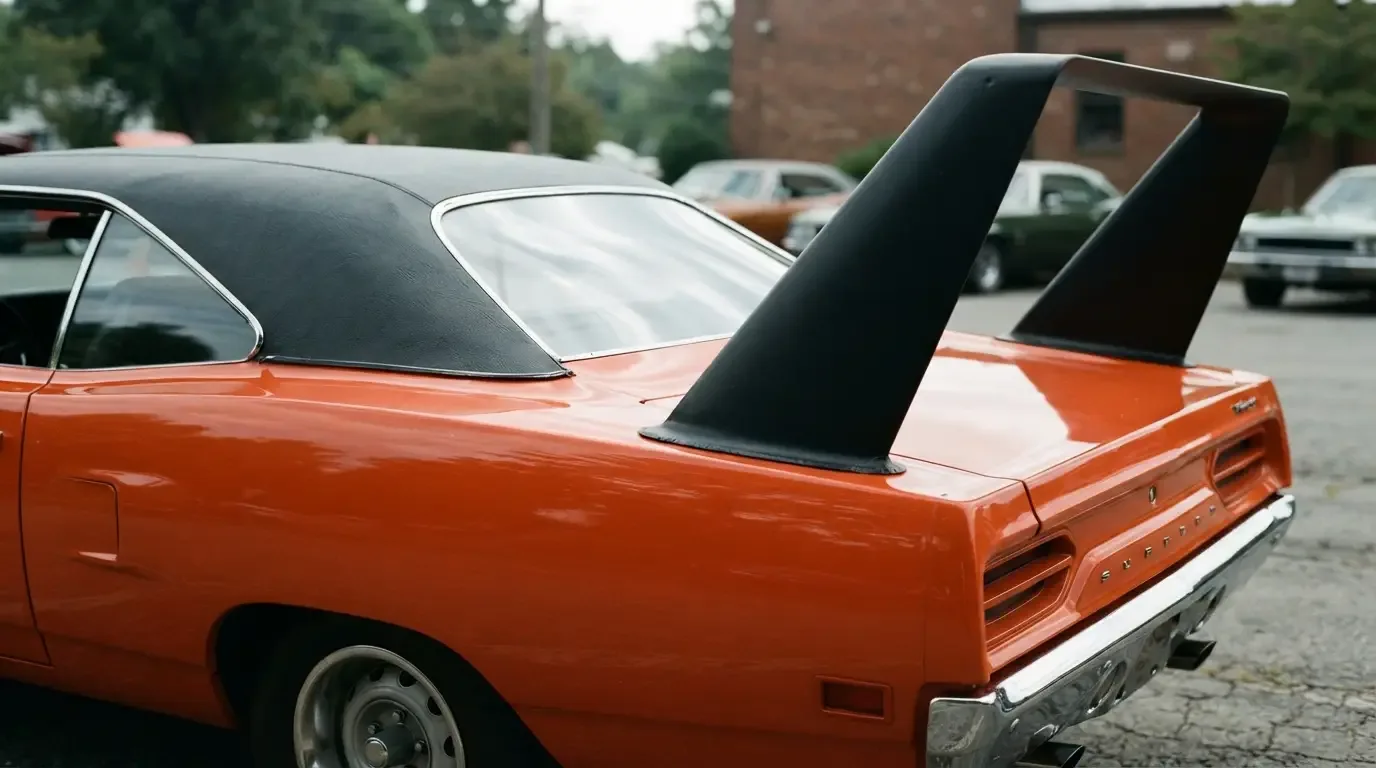
The shape was not for show. NASCAR speeds had crossed 190 miles per hour and the standard Road Runner body pushed air like a brick. The pointed nose cut drag. The tall rear wing added downforce and kept the back planted. Dodge had proven the concept in 1969 with the Charger Daytona. Plymouth copied the homework and refined it.
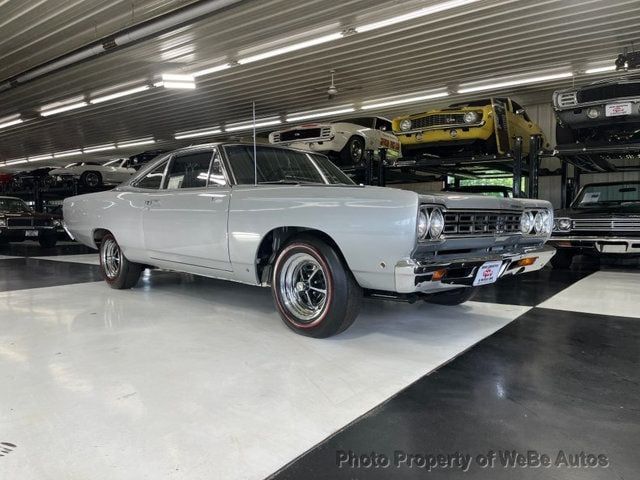
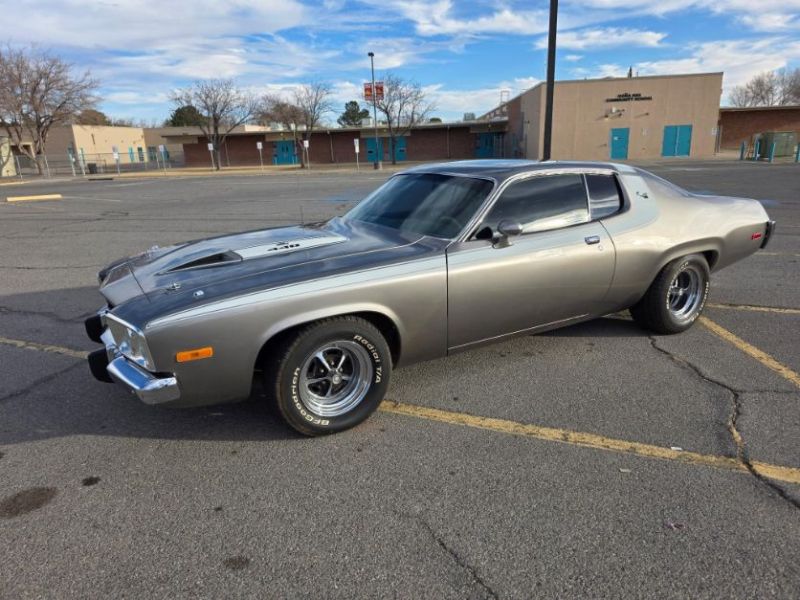
Look at what the standard car could not do. A regular 1970 Road Runner was a fine street machine and a poor superspeedway car. Its blunt front end and flat rear generated lift and drag at the speeds NASCAR now demanded. No amount of engine could fix a body fighting the air. The only answer was to change the shape, and changing the shape meant the nose and the wing. This was engineering solving a physics problem, not a stylist chasing a look. The Superbird is what a Road Runner becomes when the target is 200 miles per hour instead of a quarter mile.
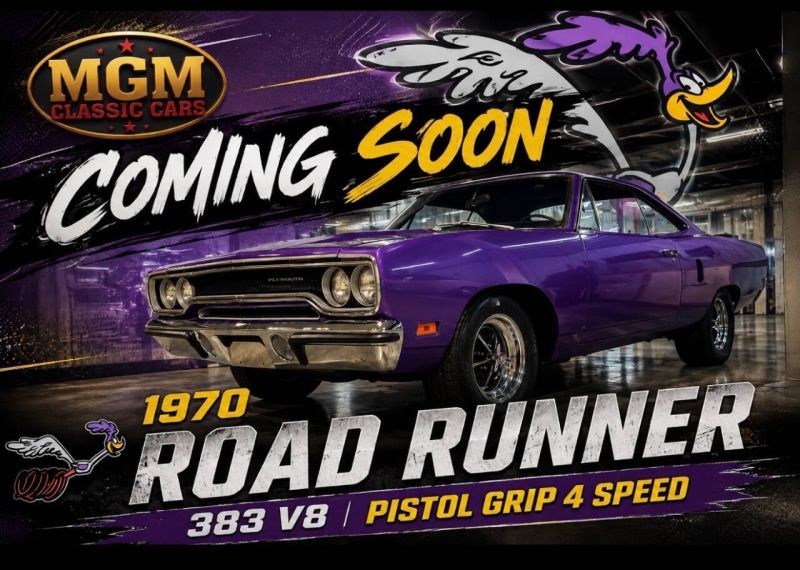
The wing height gets the questions. Why so tall? The answer is boring and practical. The wing had to clear the airflow coming off the roof and the deck, and it had to sit high enough to work at speed. Some people claim the height was set so the trunk could open. That story is repeated everywhere. Treat it as a workshop legend rather than a documented engineering brief. The aerodynamics came first. The full arc of how this machine grew out of the standard car runs through our our plymouth road runner retrospective, and the Superbird is the wild branch at the end of it.
The engines that mattered
Three engines. That is the whole list. The base engine was the 440 with a single four-barrel, rated at 375 horsepower. Step up to the 440 Six Barrel and you got 390 horsepower on three two-barrel carburetors. The top engine was the 426 Hemi at 425 horsepower. The Hemi cars are the ones the auction crowd chases. They were also the smallest slice of production.
Do not overthink the hierarchy. Most Superbirds left with a 440. The Hemi was rare then and rarer now, and the price gap between a Hemi car and a 440 car at auction is enormous. Both will run. Both will scare you at speed. One costs several times the other because of what is stamped on the block.
| Engine | Rated power | Reality |
|---|---|---|
| 440 four-barrel | 375 hp | The car most buyers got |
| 440 Six Barrel | 390 hp | Three carbs, the sweet spot |
| 426 Hemi | 425 hp | Rare, expensive, the trophy |
The rules that killed it
The Superbird had one job and it did it too well. NASCAR changed the rules for 1971. The aero cars were effectively legislated off the track, either restricted to small engines that made them uncompetitive or banned outright. The whole winged experiment lasted essentially one season at the top. That is why the road cars exist at all.
Here is the part people forget. NASCAR required manufacturers to build street versions to make the race car legal. That is homologation. Plymouth had to sell the Superbird to the public to race it. The street cars were not the goal. They were the tax you paid to go racing. Every wild Superbird parked at a show today is a byproduct of a rulebook.
The homologation math changed year to year. For 1970 NASCAR raised the minimum production count, which is why Plymouth built as many street Superbirds as it did. More cars on the track meant more cars in the showroom, whether the showroom wanted them or not. That regulation is the direct reason 1,935 of these things exist for the US market. Not demand. A quota.
What Petty did with it
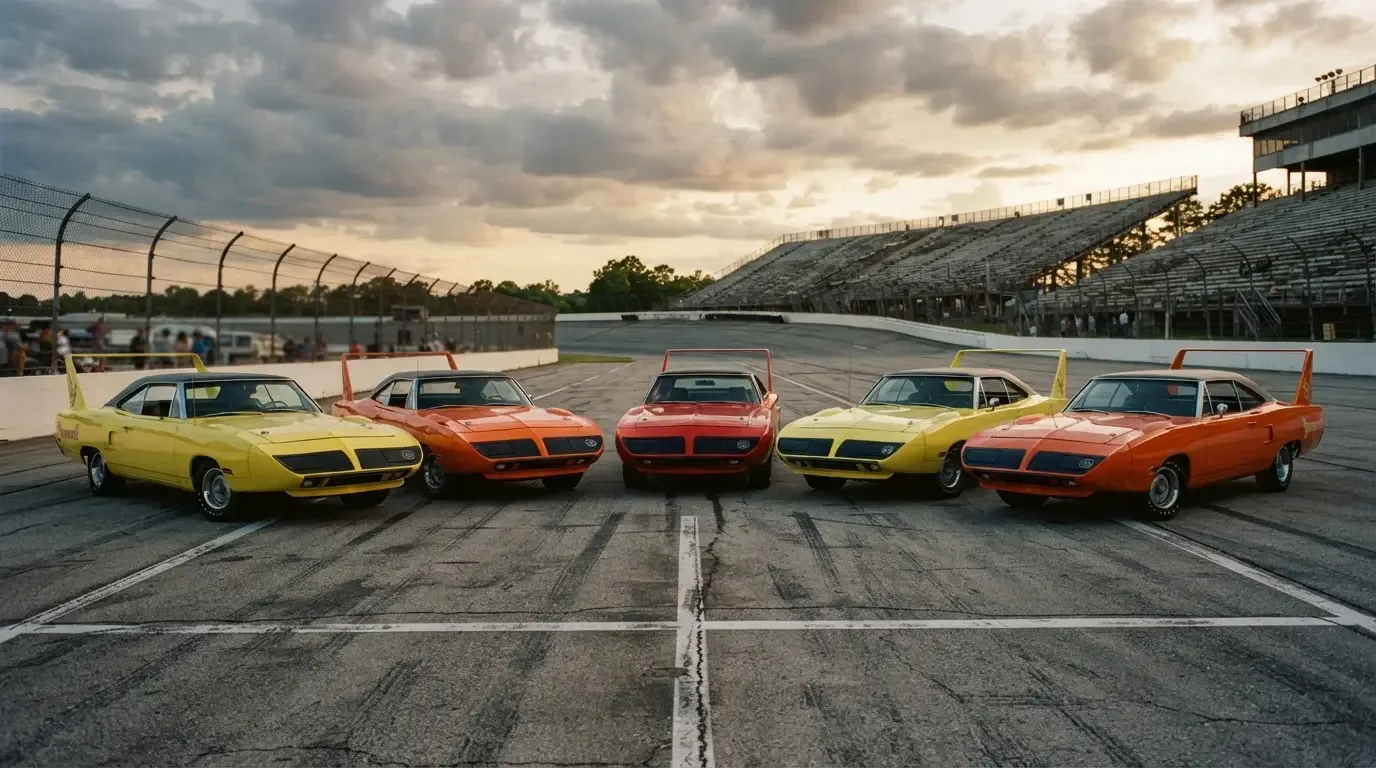
The point of the whole exercise was winning, and Petty delivered. He returned to Plymouth for 1970 and ran the Superbird in the Grand National season. He won races. The King was back in a Plymouth, which was the entire business case for the car in one sentence. Plymouth spent a fortune on aerodynamics and homologation to get one driver back, and it worked.
The aero cars as a group dominated when they ran. Between the Dodge Daytona and the Plymouth Superbird, the winged Mopars took a pile of victories across 1969 and 1970. That success is precisely what doomed them. A car that wins too much invites a rule change, and NASCAR obliged. The Superbird was a victim of doing its job. There is no better proof that the design worked than the fact that the sanctioning body had to outlaw it.
The cars nobody wanted
This is the fact that surprises people most. The Superbird did not sell. New. In 1970. Dealers could not move them. The nose and wing that collectors now pay fortunes for were, at the time, a hard sell to a buyer who just wanted a muscle car he could park at the office. Some dealers reportedly converted unsold Superbirds back into standard Road Runners to shift them off the lot.
Production ran to 1,935 cars for the US market, built to satisfy the NASCAR minimum. That is a small number, and it should have made the car instantly collectible. It did not, not for years. Superbirds sat. They got cheap. Only later did the market catch up to what the car actually was. The lesson is simple. Rarity plus significance eventually equals value, but the market can take a decade or two to do the math.
Think about what that means for the early owners. Some of these cars were sold at a discount just to clear the floor. A handful were driven hard, raced on the street, and used up, because in 1971 a Superbird was just a weird used muscle car with a huge wing and a thirsty engine. Nobody was storing them as investments. The survivors that made it to the collector era intact did so mostly by luck. That attrition is another reason the good ones are worth what they are now. The supply was never big, and a chunk of it was destroyed before anyone knew better.
The nose and wing were also impractical in ways that mattered day to day. The car was long and awkward to park. The wing blocked part of the rear view. The nose cone was vulnerable in traffic. None of this bothered a race team, because a race car does not parallel park. On the street it was a constant reminder that this machine was built for a purpose other than the one its owner was using it for. That mismatch is the source of half the Superbird stories worth telling.
"People call the Superbird excessive. It was the opposite. Every line on that car was doing a job at 190 miles per hour. The excess was the point of the rules, not the design."
- Dan Reeves
What a Superbird is worth now
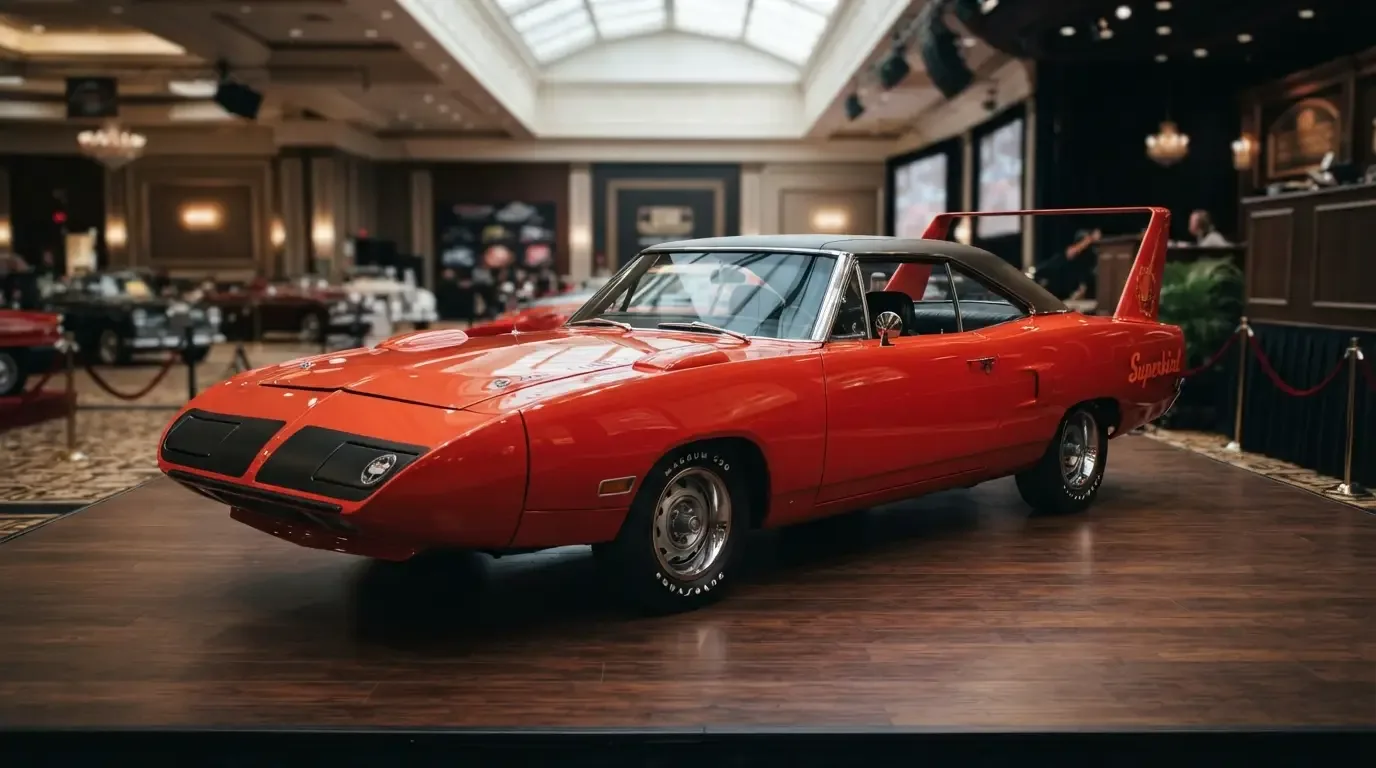
The reversal is complete. The car dealers gave away in 1970 is now a seven-figure proposition in Hemi form and a strong six-figure car with a 440. The wing and nose that scared off buyers are exactly what drives the value. Condition matters. Documentation matters more. A Superbird without a paper trail is a car with a problem, because the configuration is valuable enough to invite fakes.
Verify before you dream. The Hemi cars especially demand documented history, matching numbers where the market expects them, and a provenance that holds up. A clean 440 car is the honest way into the story for most buyers, and it delivers the same shape and the same presence for a fraction of the Hemi money. If you want the standard car that started all of this instead, there are always Runners for sale now that carry the DNA without the wing tax.
One more thing on value. The Superbird sits at the top of the muscle car market for a reason that has nothing to do with being the fastest car of its year. Plenty of period muscle cars would run with it. What the Superbird has is a story that cannot be replicated. A single-season race weapon, banned for winning, ignored when new, then rediscovered as one of the most extreme production cars Detroit ever shipped. Collectors do not pay for horsepower. They pay for that arc. The wing is not decoration. It is the physical proof of the whole tale, and that is what the money follows.
Buy on the documents, not the paint. A repaint is cheap. A fabricated history is not, and it is what separates a sound purchase from an expensive mistake at this level. The correct broadcast sheet, a VIN that matches the claimed configuration, and a chain of ownership that holds together are worth more than a flawless respray on a car nobody can vouch for. At Superbird prices, the paperwork is the car. Everything else is negotiable.
The verdict on the winged car
The Superbird is remembered as a piece of muscle car theater. It was really a piece of engineering that happened to look theatrical. It brought Petty back to Plymouth. It set records. It got so fast NASCAR banned the whole concept. Then it sat unsold on dealer lots until the world figured out what it had. That arc, from ignored to priceless, is the most interesting thing about it, more interesting than any single specification.
If you want the broader Plymouth performance picture, including the more civilized machine that shared much of this hardware, there is a related story worth reading next. But the Superbird stands alone in the lineup. It is the one car in the family built not to sell, not to cruise, but to win a race, and the fact that it succeeded is why anyone remembers it at all. The rest of the legend is just the market catching up to the number on the timing tower.
Sources and notes
- Plymouth Superbird - Wikipedia
- The History of the Plymouth Superbird - Trust Auto
- Buddy Baker Breaks the 200 MPH Mark at Talladega - Mac's Motor City Garage
- Buddy Baker Breaks 200 MPH Barrier - This Day In Automotive History
- Plymouth Superbird - History, Engines, Production Totals - Muscle Car Club
- 1970 Plymouth Road Runner Superbird 440 - Supercars.net