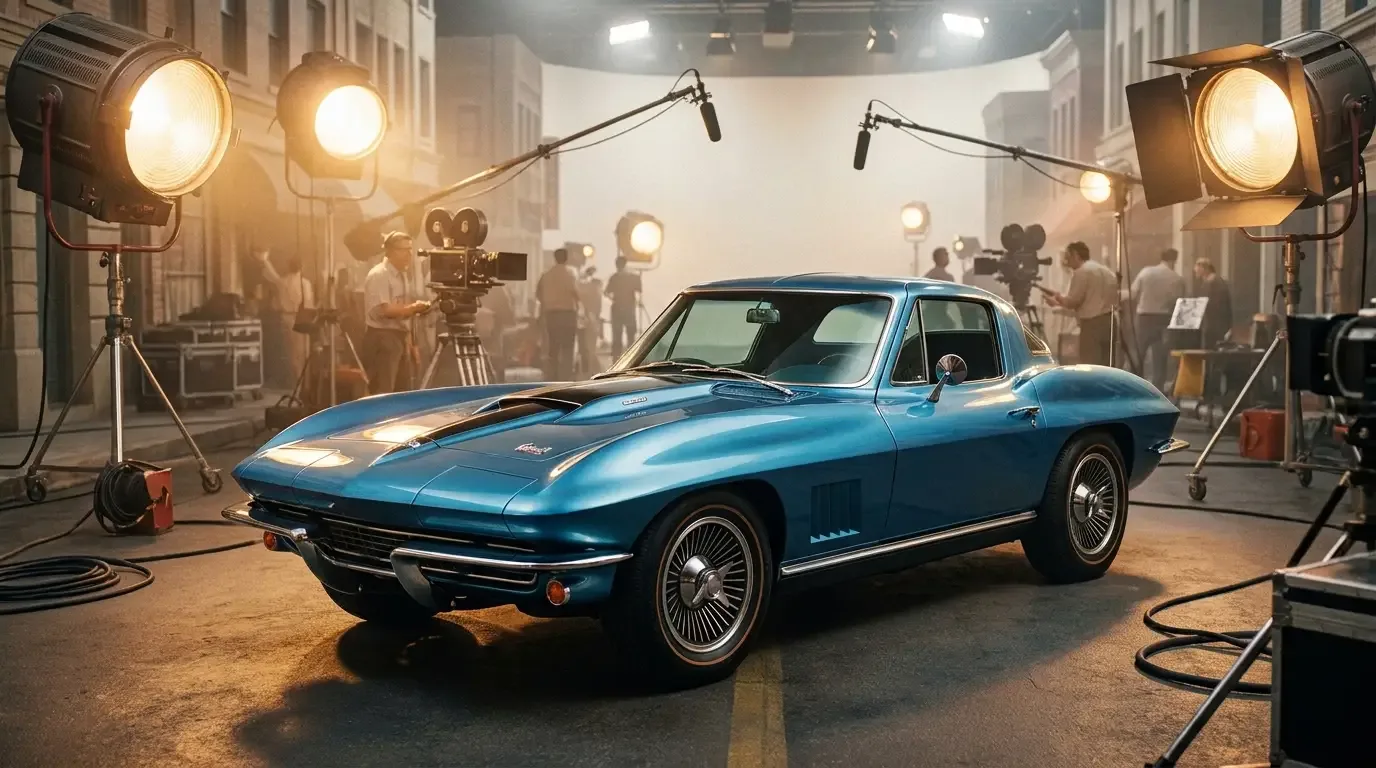
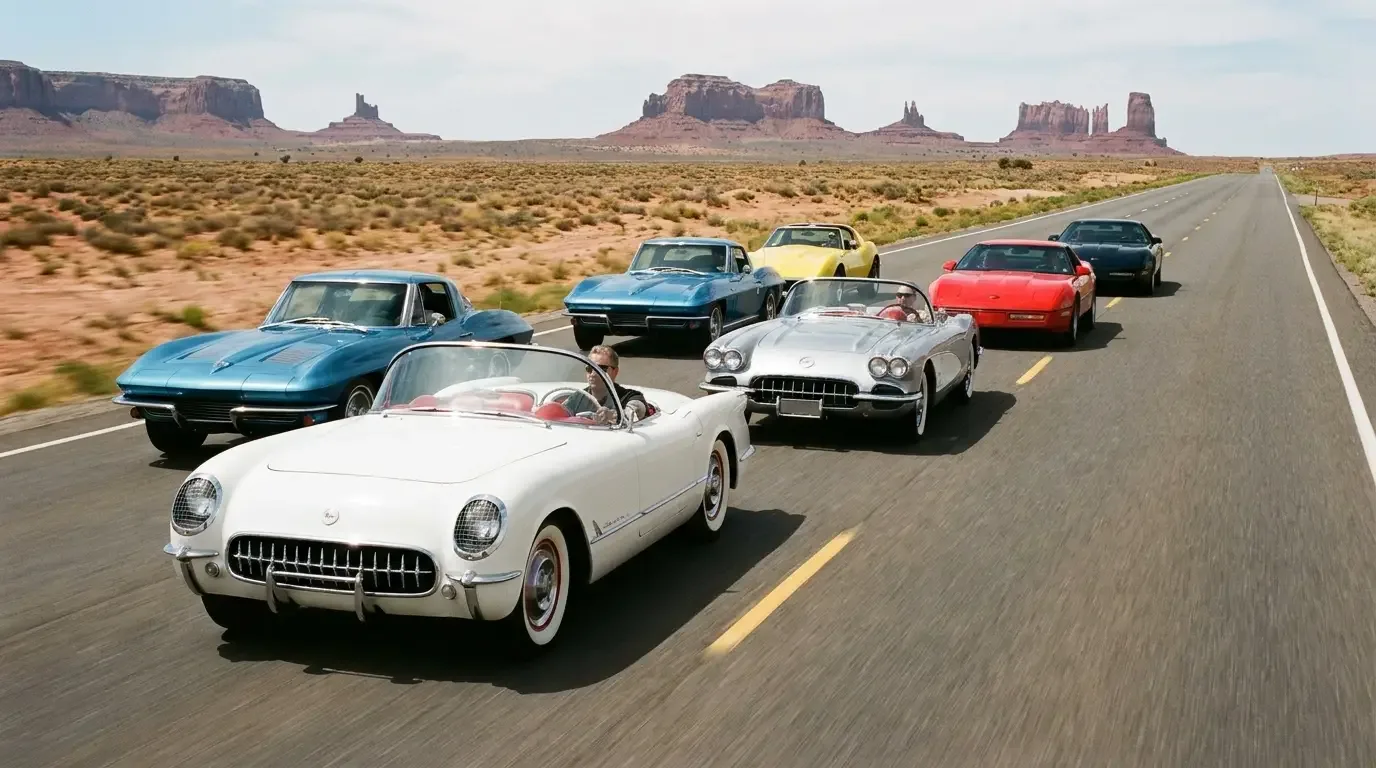
America has produced a lot of cars. Most of them were transportation. The Corvette was something else from the day it rolled off the Flint assembly line in June 1953, a statement about what American engineers believed they could build. Whether the car lived up to that statement took another decade to sort out. The history of how it got there, and what it became over four generations, is worth knowing if you care at all about postwar American automobiles.
This is the full arc from 1953 to the end of the C4 in 1996. Each era below has its own dedicated article for those who want the detail. Here we're after the through-line: the decisions, the people, and the moments that made the Corvette what it is.
The 1953 birth: a sports car on a deadline
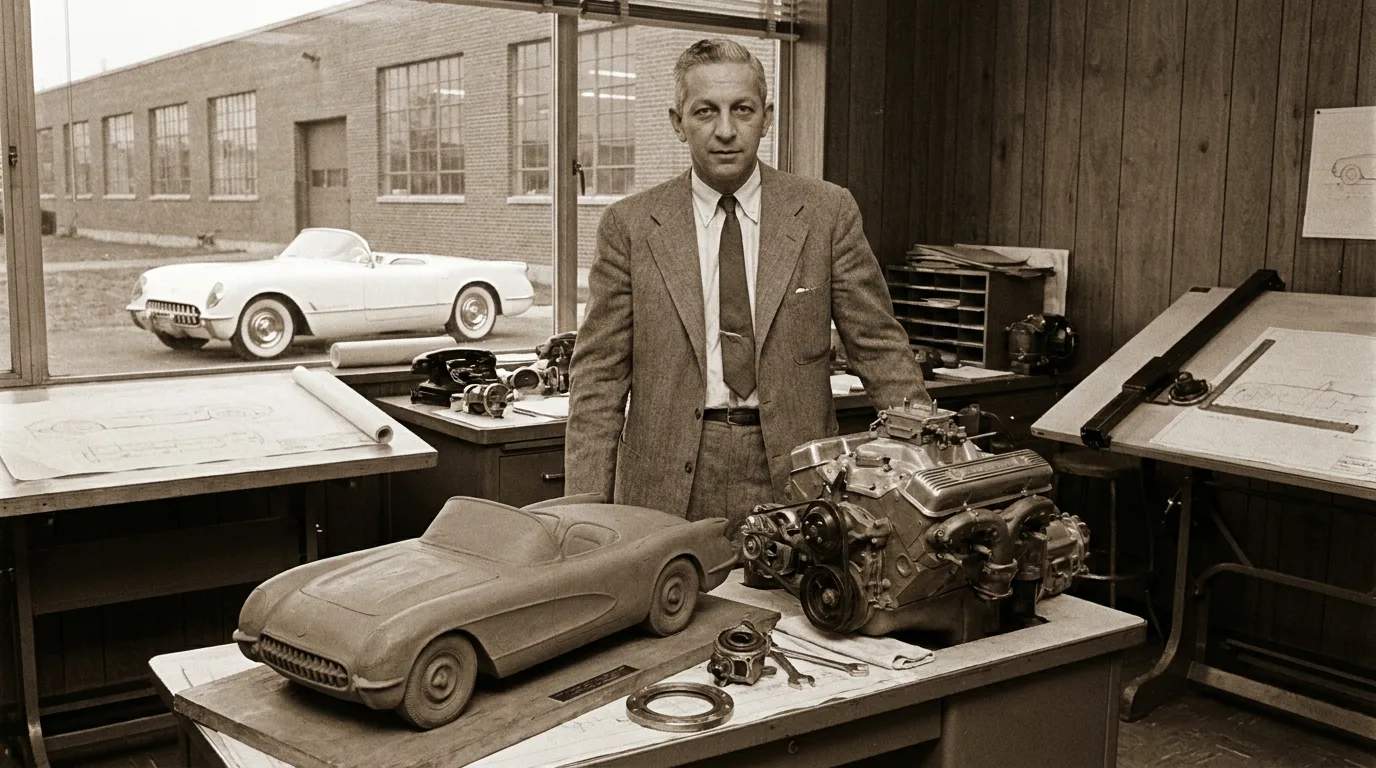
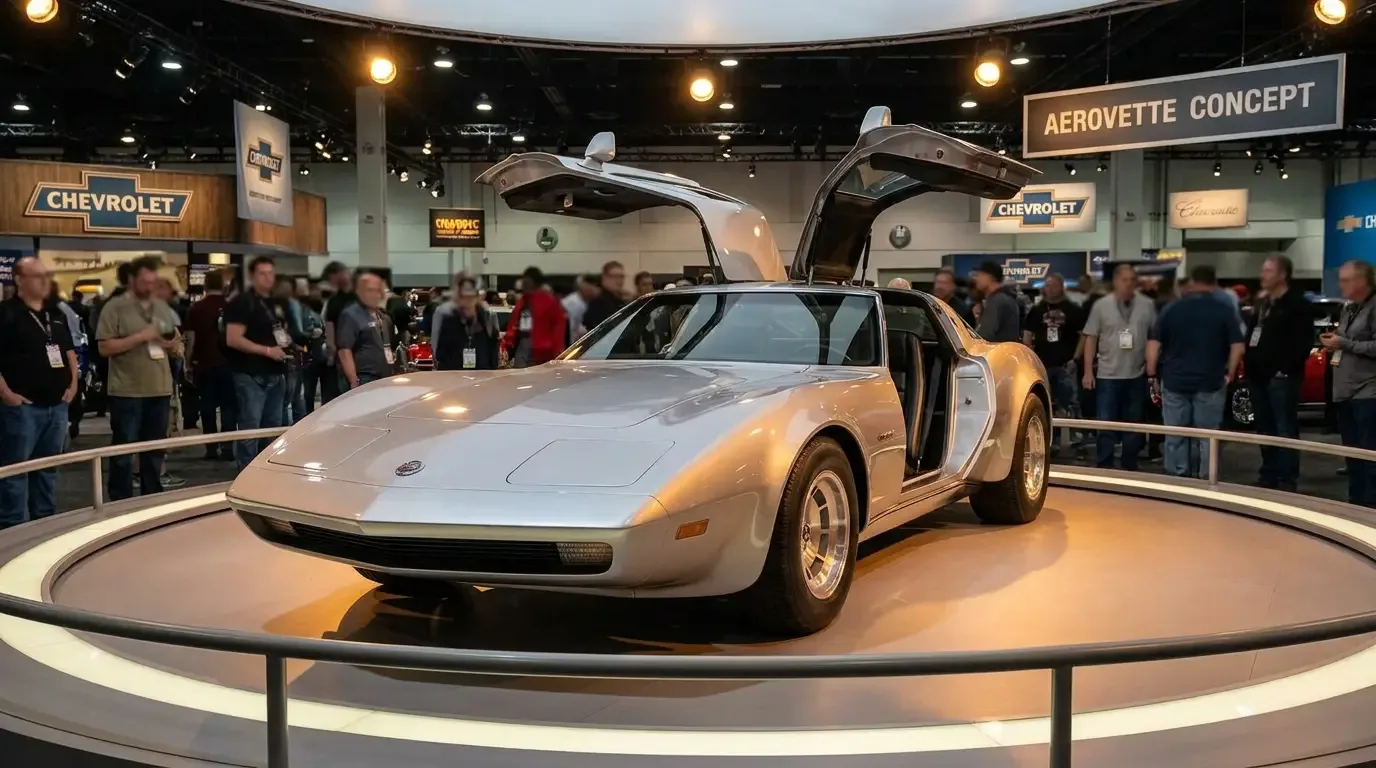
Harley Earl, GM's head of design, had been watching European sports cars arrive in the United States after World War II. The MG TC, the Jaguar XK120, the early Ferraris. American servicemen who'd seen those cars overseas were coming home with money and different tastes than their fathers. Earl believed GM needed an answer, and he pushed for what became the Corvette through his Motorama concept program.
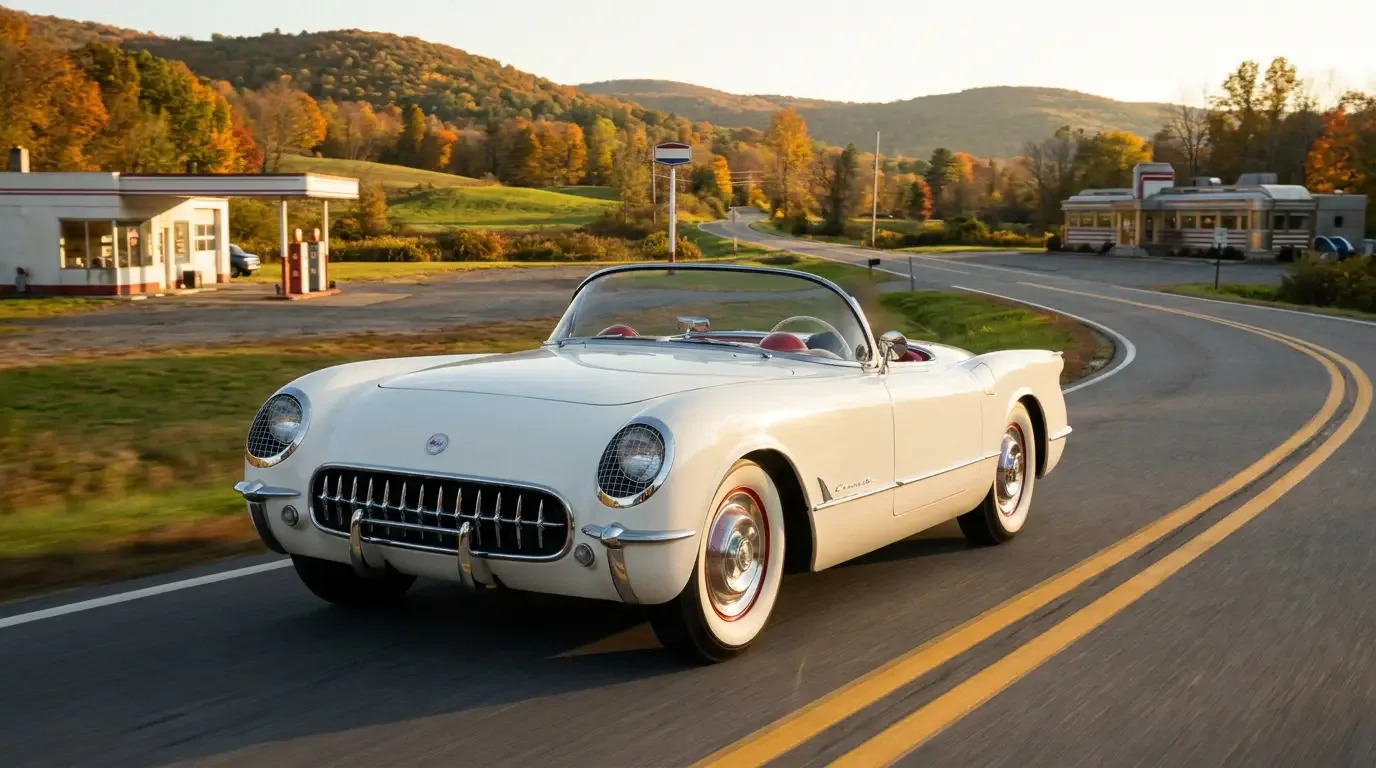
The car that debuted at the 1953 Motorama show in New York was close enough to production-ready that Chevrolet committed to building it. That was ambitious, given the timeline. The first production Corvettes came out of a temporary facility in Flint, Michigan, in June 1953. Only 300 were built that year, all in Polo White with red interior, all with a two-speed Powerglide automatic. No manual transmission. No V8. A 235-cubic-inch inline six producing around 150 hp through a triple-carburetor setup.
The reviews were not warm. Road & Track called the engine "not particularly impressive." Buyers who expected European sports car performance found instead a car that looked the part but drove more like a touring machine. Sales were poor enough that Chevrolet briefly considered canceling the program after the 1954 model year.
What saved the program was competition, both internal and external. Ford was preparing the Thunderbird for 1955. Zora Arkus-Duntov, a Belgian-born engineer who had written an unsolicited memo to GM management about the Corvette's performance potential, was now inside Chevrolet working on the problem. And the 1955 Corvette got the small-block V8.
Zora Arkus-Duntov and the C1 years (1953 to 1962)
Duntov's role in Corvette history is difficult to overstate, and also frequently overstated in casual accounts. He did not design the original car. He arrived at GM in 1953, after the Corvette was already committed to production. What he did was fight, consistently and over many years, to make the car what it should have been at the start: a genuine sports car with real performance engineering behind it.
The 1955 introduction of the 265-cubic-inch small-block V8 changed the car's character immediately. The three-speed manual transmission followed. A Corvette with a V8 and a manual was a different machine from the six-cylinder automatics that critics had dismissed. By 1956, the restyled body and the availability of a 225 hp V8 option produced a car that could actually compete with what was coming from Europe.
Duntov set a speed record at Daytona in a modified 1956 Corvette in February of that year. The timing was deliberate. He understood that racing results sold cars, and he worked to keep the Corvette in front of buyers who were paying attention to motorsport.
"Duntov didn't just improve the Corvette's performance, he built the case, internally at GM, that the car deserved to exist at all. Every memo he wrote, every speed record he set, every meeting he pushed for was an argument that this program was worth the investment. Most people don't know how close it came to being cancelled."
— Tom Ramirez
The C1 era ran from 1953 through 1962 with continuous refinement. The fuel-injected engines that arrived in 1957 produced 283 hp from 283 cubic inches, one horsepower per cubic inch, which was a significant engineering benchmark at the time. Production numbers grew as the car's reputation solidified. By 1960, annual production had passed 10,000 units for the first time, with 10,261 Corvettes built that model year. The C1 established the Corvette as a legitimate sports car. The C2 would make it iconic.
| Generation | Years | Key engines | Notable facts |
|---|---|---|---|
| C1 | 1953-1962 | 235 six (1953-55), 265/283 V8 (1955-62), fuel injection option (1957-62) | Fiberglass body, near-cancellation in 1954, Duntov speed records |
| C2 Sting Ray | 1963-1967 | 327 V8 (various outputs), 396 big-block (1965), 427 big-block (1966-67) | First coupe, independent rear suspension, split rear window (1963 only) |
| C3 Mako Shark | 1968-1982 | 427 (1968-69), 454 (1970-74), small-block through emissions era | Longest production run, T-top roof, severe power loss in early 1970s |
| C4 | 1984-1996 | L83/L98 350 V8 (1984-91), LT1 (1992-96), LT4/ZR-1 LT5 (1990-95) | No 1983 model year, digital dash, ZR-1 supercar performance |
The C2 Sting Ray (1963 to 1967): the car that defined the shape
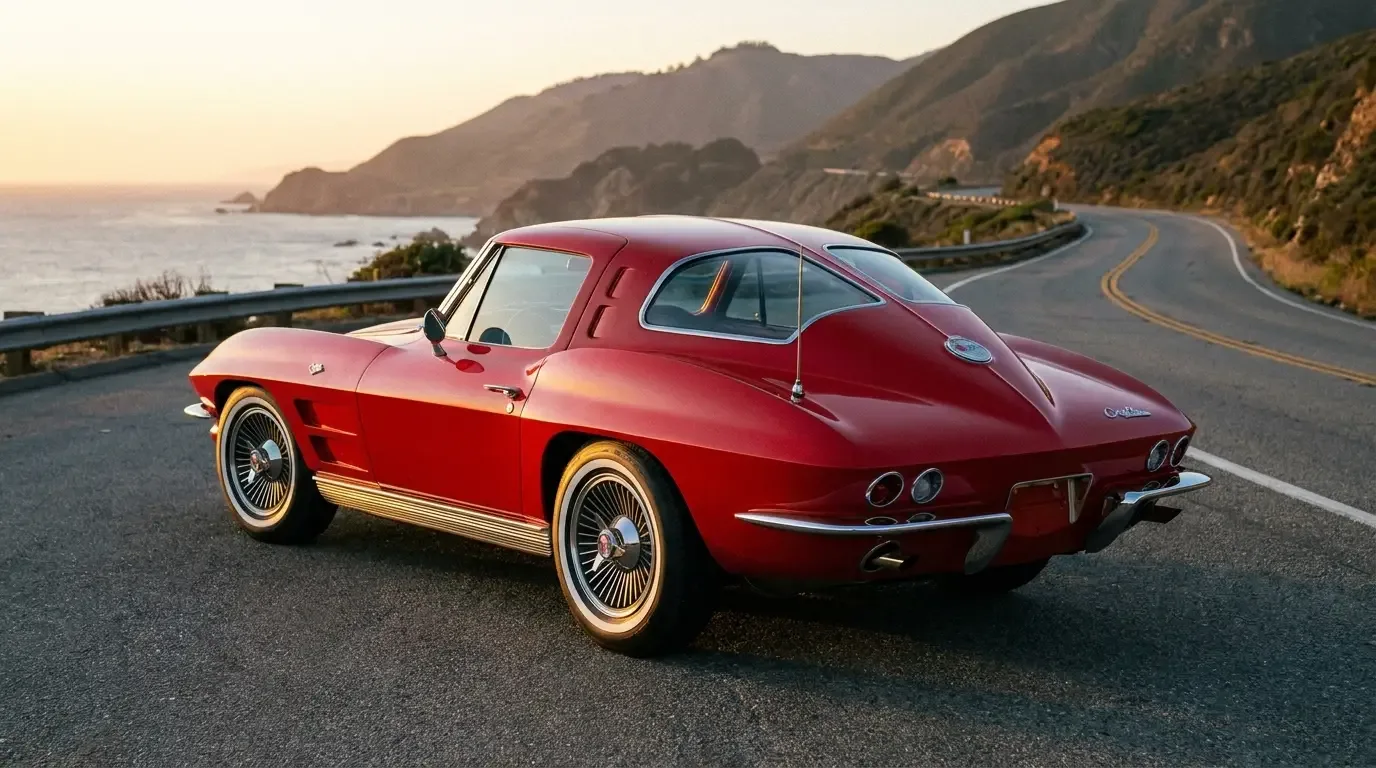
The second-generation Corvette, the Sting Ray, arrived for 1963 with a body designed by Larry Shinoda under Bill Mitchell. Where the C1 was pleasant to look at, the C2 was aggressive in a way that felt right for the car's performance. The split rear window coupe of 1963 remains one of the most recognized automotive design moments in American history, even if Duntov thought it compromised rear visibility and pushed to have it removed for 1964.
Under the revised body came the first independent rear suspension in a Corvette. This was a significant engineering step. The C1's solid rear axle had limited what the car could do in corners; the IRS transformed the handling. Combined with the available 327-cubic-inch small-block in various states of tune, the C2 delivered on what the C1 had only suggested.
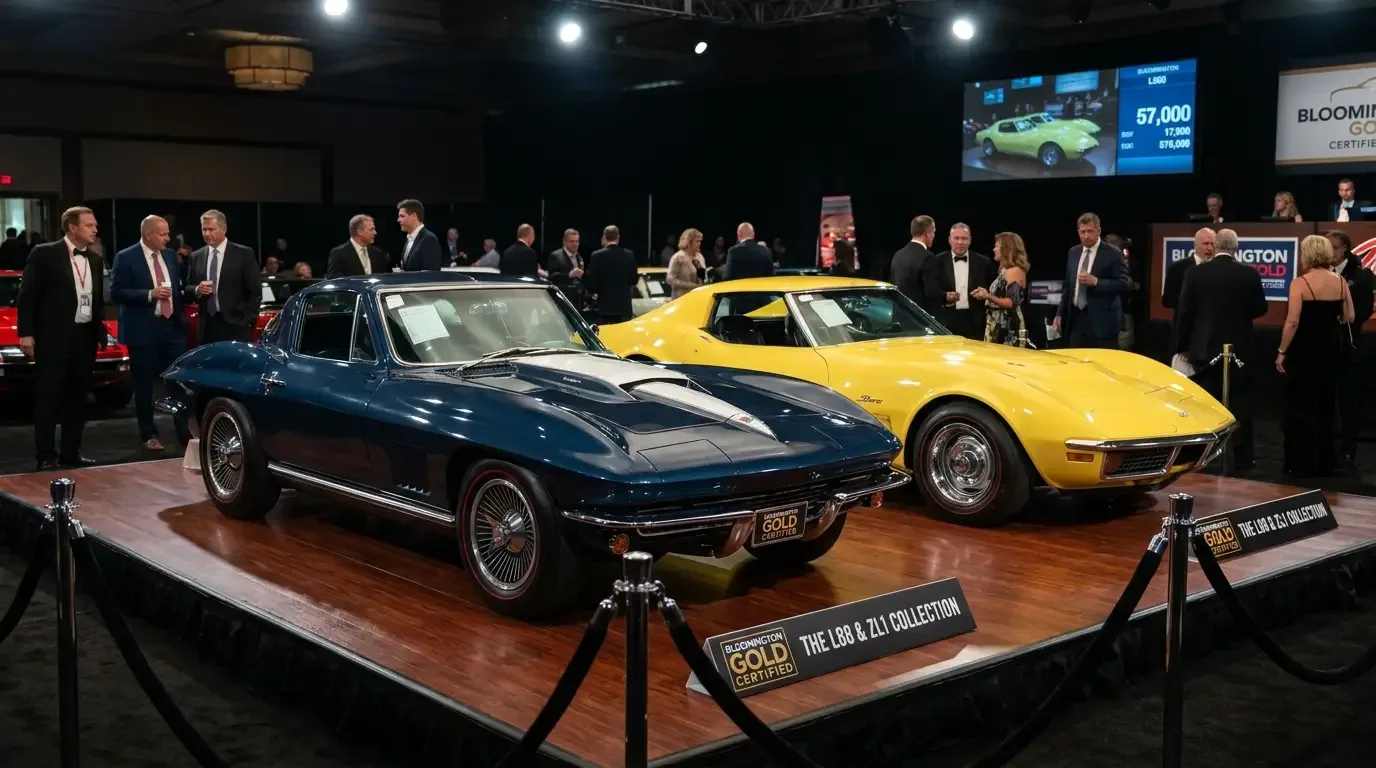
The big-block option arrived in 1965 with the 396-cubic-inch Mark IV engine, rated at 425 hp in its L78 tune. The 427 replaced it for 1966 and 1967, and the L88 option, with its aluminum heads and a conservative factory rating of 430 hp (dyno testing and period estimates put actual output closer to 500 to 550 hp), became one of the most sought-after factory Corvettes ever built. Very few L88s were sold new, the option required deleting the radio and heater, was explicitly not recommended for street use, and was priced to discourage casual buyers.
The C2 production run was short: five years, 1963 through 1967. That brevity is part of what makes it so collected today. If you are thinking about owning a piece of Corvette history, the classic Corvette for sale listings cover the full range from affordable drivers to documented numbers-matching examples at the top of the market.
Racing heritage and the competition connection
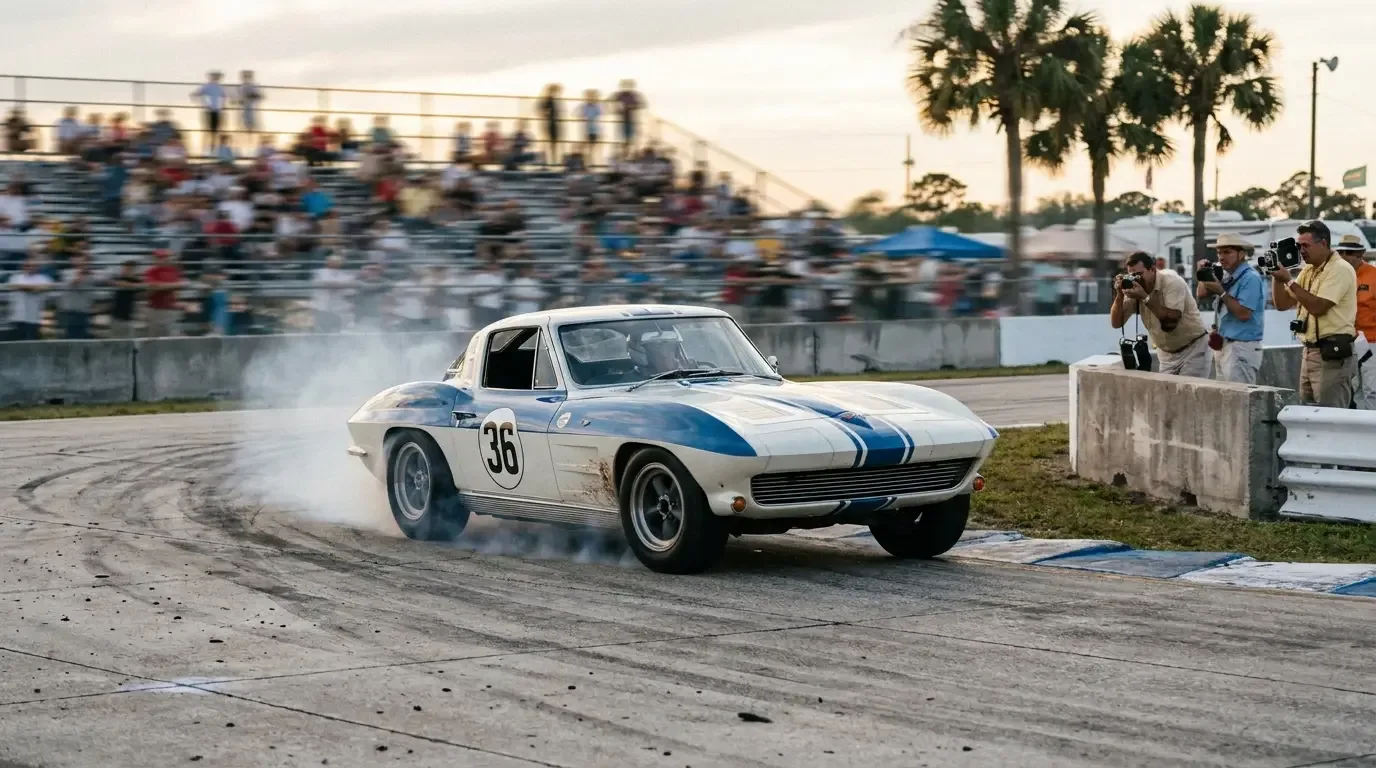
The Corvette's place in American motorsport is not incidental to its story. It runs through the whole history. Duntov's Daytona record in 1956. The SCCA class championships that came through the late 1950s and into the 1960s. The 1960 Le Mans effort, where Briggs Cunningham's privately entered team ran three Corvettes and the No. 3 car, driven by John Fitch and Bob Grossman, finished 8th overall and won its GT class, the first class win by a Corvette at Le Mans. The SR-2 and SS racing programs that GM corporate eventually shut down under the Automobile Manufacturers Association's 1957 agreement not to support factory racing.
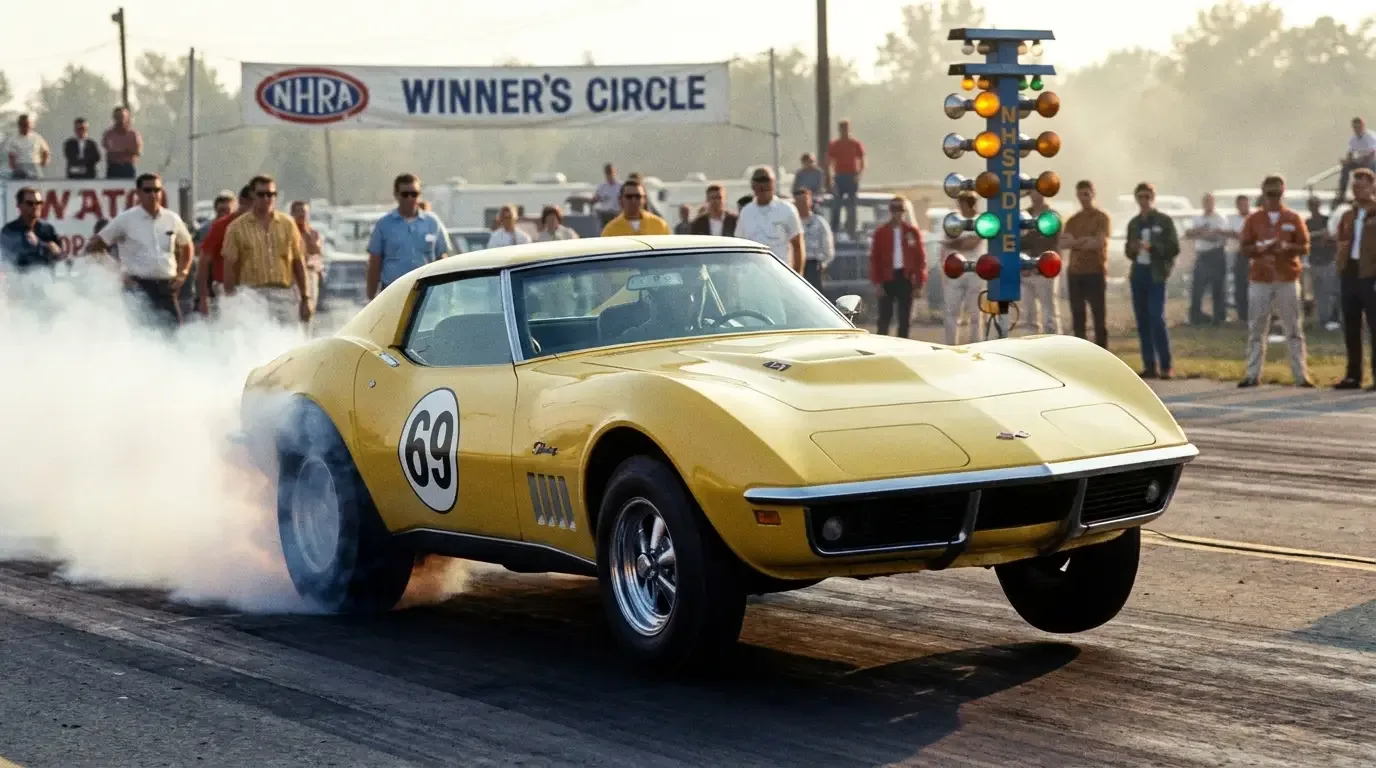
That AMA agreement, which banned factory involvement in motorsport, pushed Corvette racing underground rather than eliminating it. Privateers kept running the cars through the 1960s because the car was genuinely competitive in SCCA production classes. The Z06 package in 1963 was clearly aimed at racing use: it included a larger fuel tank, heavy-duty brakes, and suspension components that made no sense for street driving.
By the C3 era, the emissions and insurance climate of the early 1970s had done more damage to Corvette performance than any manufacturer policy decision. The L88 and ZL1 engines of 1969 were the high-water mark. What followed through the mid-1970s was a period where advertised horsepower dropped dramatically as engines were detuned to meet new standards. The 1975 Corvette, for example, made just 165 hp from its base L48 350-cubic-inch engine (the optional L82 was rated at 205 hp). The contrast with the L88's factory rating of 430 hp in 1969 illustrates the severity of the period.
The C4's ZR-1 represented the return of genuine high performance. The LT5 engine, developed with Lotus and built by Mercury Marine, produced 375 hp in its initial 1990 form and was upgraded to 405 hp for the 1993 model year. The ZR-1 could run 0-60 in a little over four seconds and reach a top speed around 180 mph. After two decades of performance decline, the factory was making a Corvette that competed with anything built in Europe at comparable price points.
The C3 Mako Shark years (1968 to 1982)
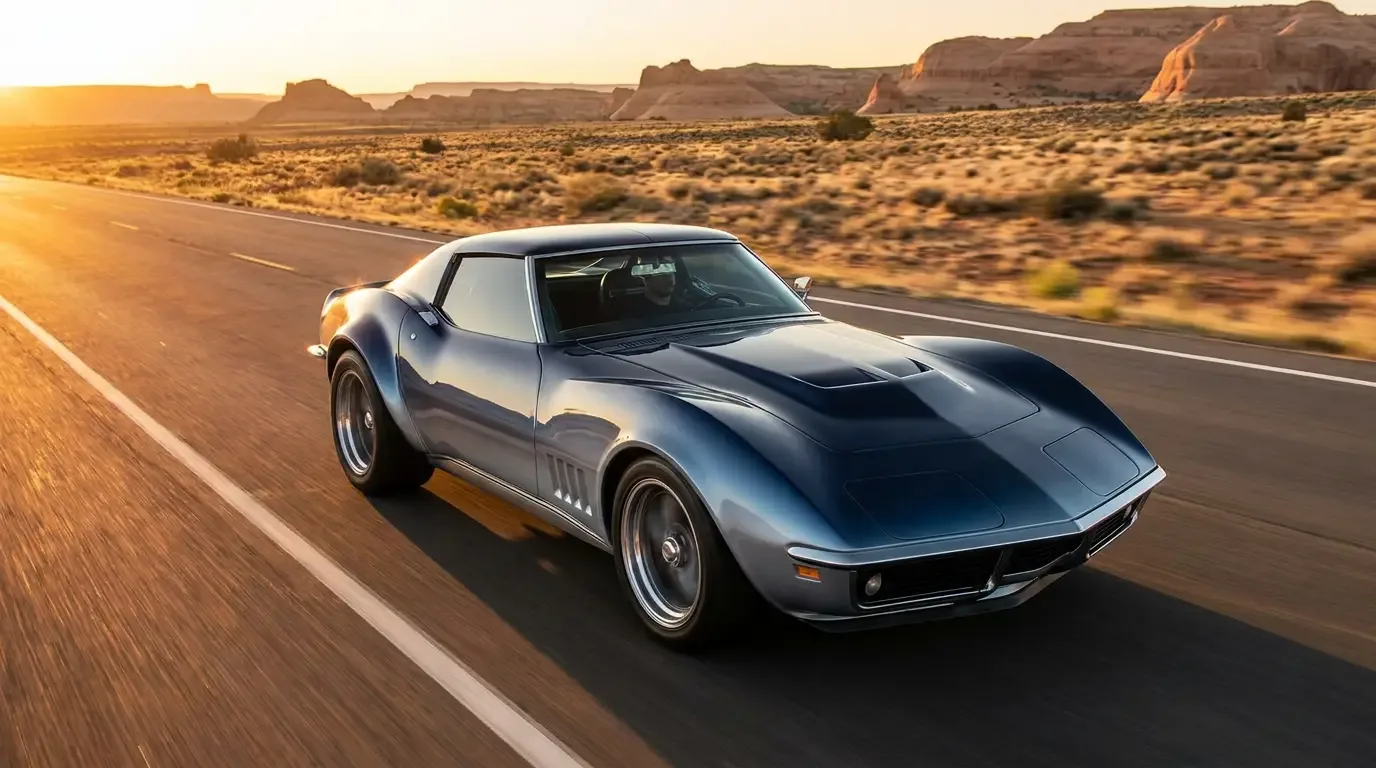
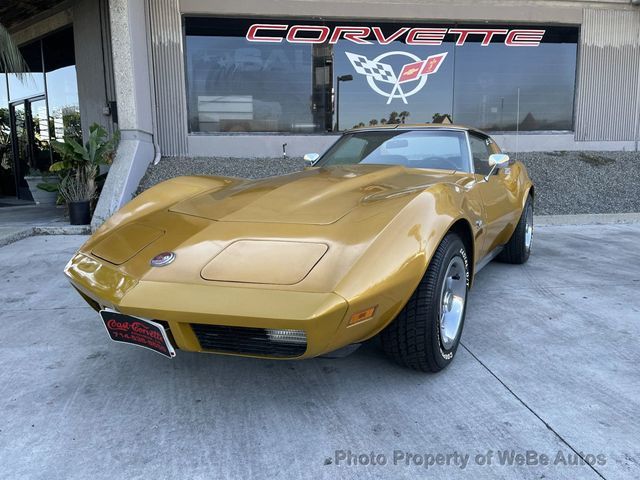
The third-generation Corvette ran for fifteen years, the longest production run of any Corvette generation. That longevity tells a complicated story. The car that launched in 1968 with the Mako Shark II styling was genuinely dramatic, wider, lower, more aggressive than the C2 it replaced. The 427 engines carried over, and for 1969 the L88 and aluminum-block ZL1 options represented peak factory performance for the classic era.
Then the world changed. The 454-cubic-inch LS5 engine arrived for 1970 rated at 390 hp; the higher-output LS6 454 was built for the Chevelle and El Camino that year but was not offered in the Corvette, and did not appear in the Corvette lineup until 1971, when it was rated at 425 hp with only 188 built. It was the last true high-performance year for some time. By 1971, compression ratios were dropping to accommodate lower-octane unleaded fuel. By 1972, net horsepower ratings replaced gross ratings, making the numbers look even lower. The 1973 model year brought a body-colored urethane front bumper and catalytic converters arrived for 1975. The mid-1970s Corvette is not what anyone talks about when they discuss the car's performance heritage.
The C3 recovered somewhat toward the end of its run. The 1978 Silver Anniversary edition and 1982 Collector Edition helped close out the generation with some attention on heritage rather than just compliance with regulations. The T-top roof, introduced during the C3 run, became a signature element that carried forward. But by the early 1980s, the platform was aging and a complete rethink was overdue.
"The C3 gets dismissed because of what the emissions era did to its performance numbers. That's fair as far as it goes. But the early cars, the 1968 and 1969 L88s and ZL1s, are some of the most serious performance machines ever to leave a factory. You have to separate the generation from the era."
— Tom Ramirez
The C4 (1984 to 1996): rebuilding the performance case
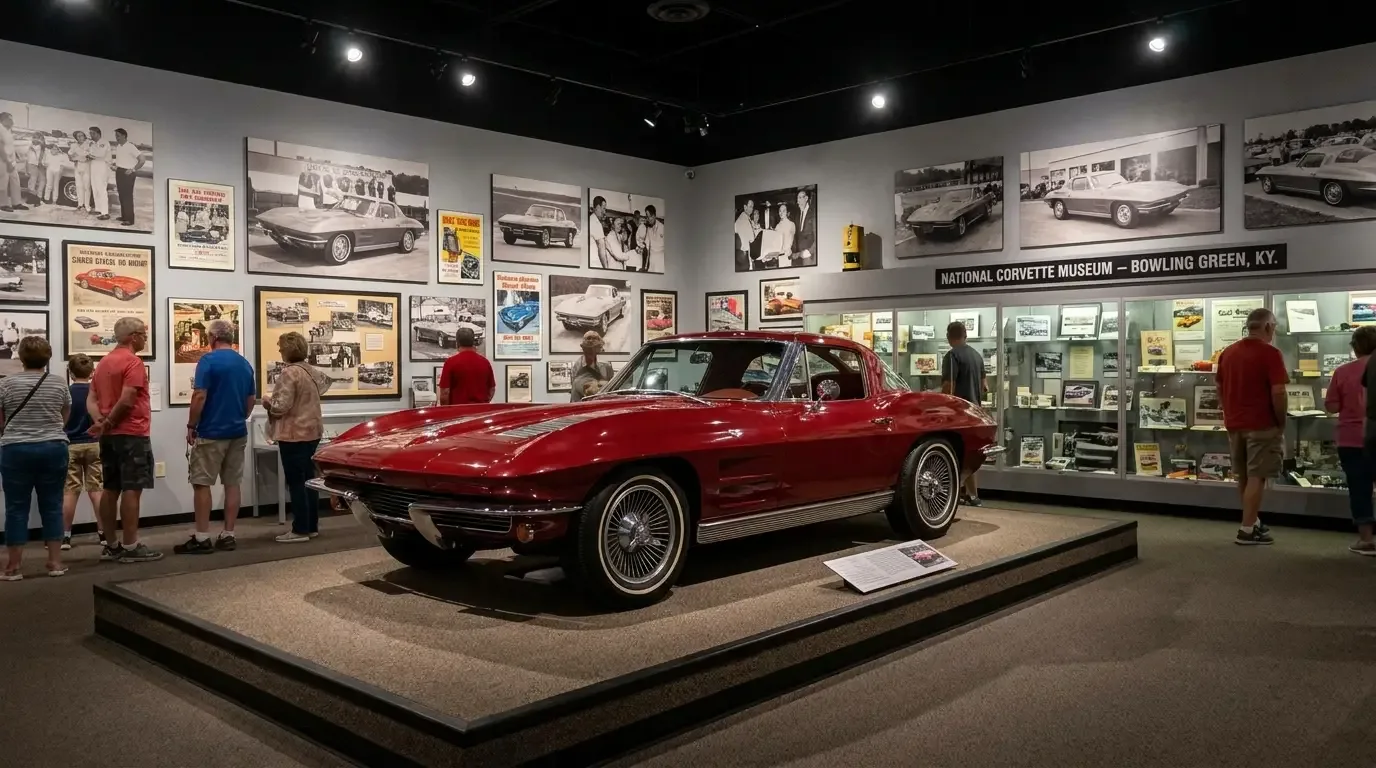
There is no 1983 Corvette. There were 1983 Corvettes built, but quality problems during development led Chevrolet to delay the launch and crush virtually the entire production run. A total of 61 serial-numbered 1983 cars were built for development and testing, including prototypes and pilot-line cars; nearly all were destroyed, and the single known survivor, a white pilot-line car, is now on permanent display at the National Corvette Museum in Bowling Green, Kentucky. The C4 officially launched for 1984.
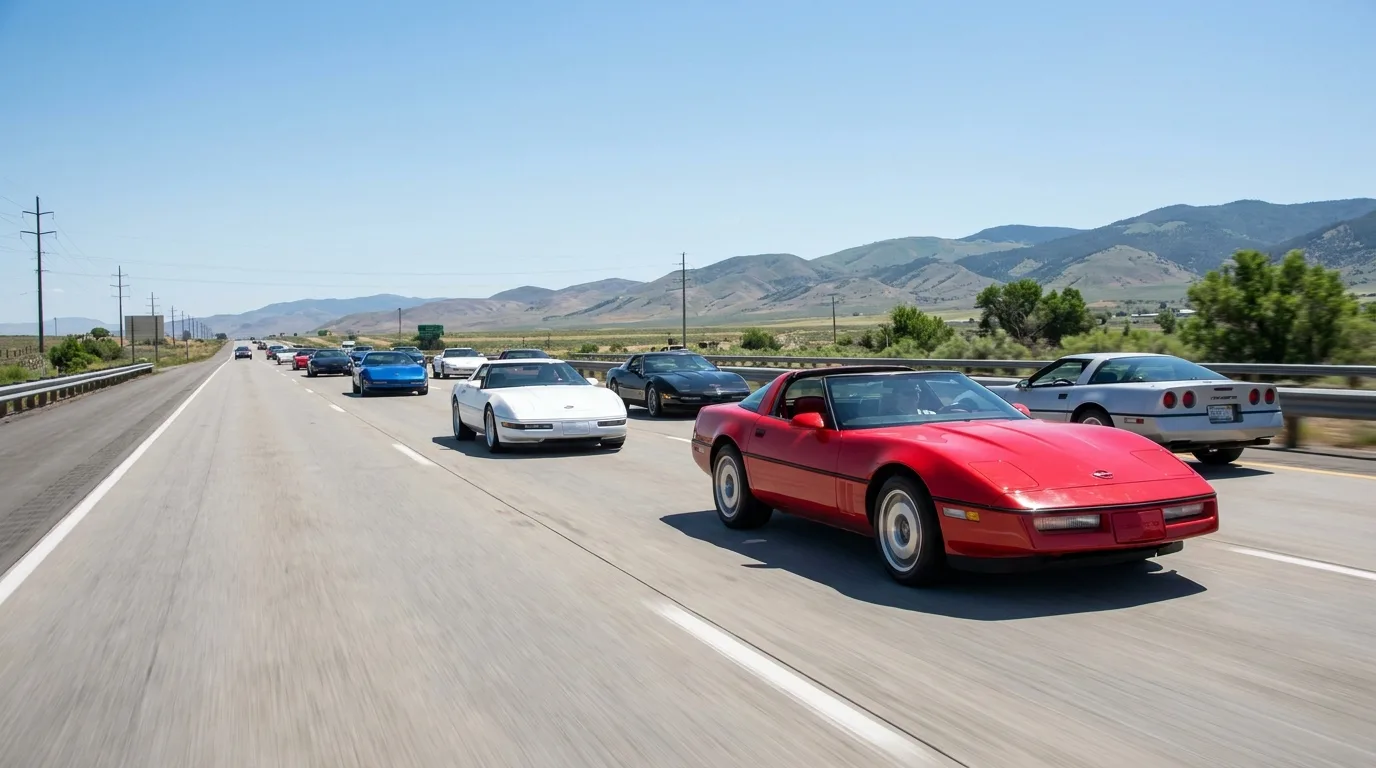
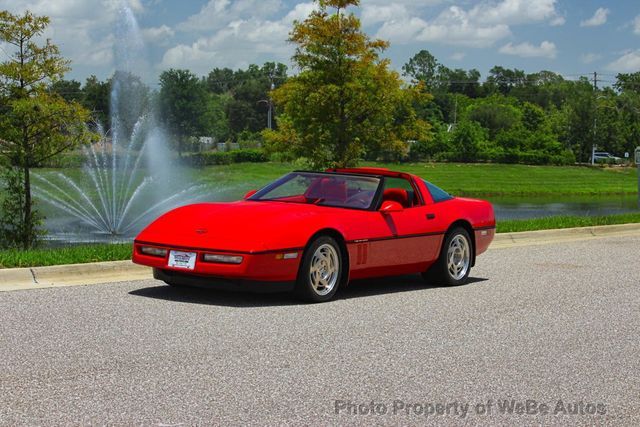
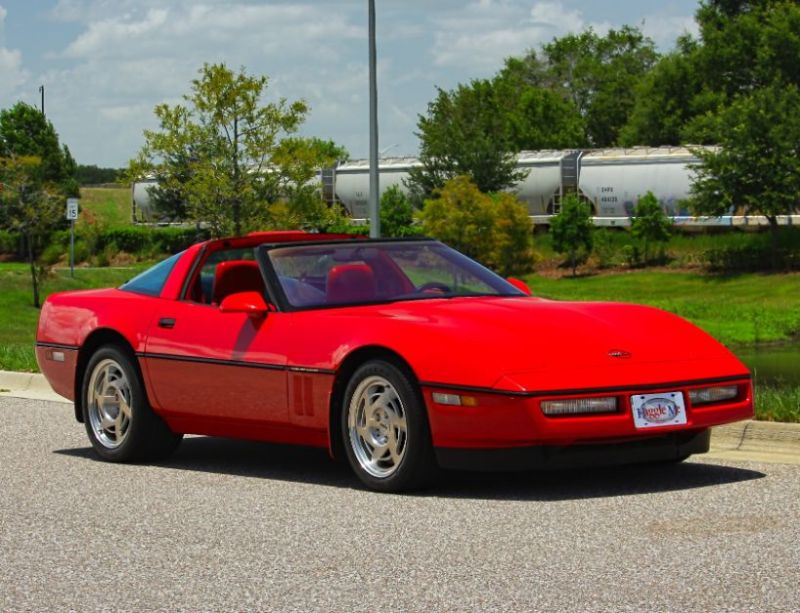
The new car was a significant departure. The chassis was entirely new. The suspension was redesigned. Inside, a digital instrument cluster replaced the analog gauges that had defined Corvette interiors through the C1 era. The base engine was the L83 Cross-Fire Injection 350, producing 205 hp, which was not impressive but was honest given what the previous decade had delivered.
The real story of the C4 is what happened after the foundation was laid. The L98 tuned-port injection engine of 1985 improved output meaningfully. The 1990 introduction of the ZR-1, with its dual-overhead-cam LT5 engine, announced that Chevrolet was serious about putting the Corvette back in conversation with European performance cars. The six-speed manual transmission returned proper driver engagement. And the LT1 small-block of 1992 brought 300 hp to the standard car without the ZR-1's price premium.
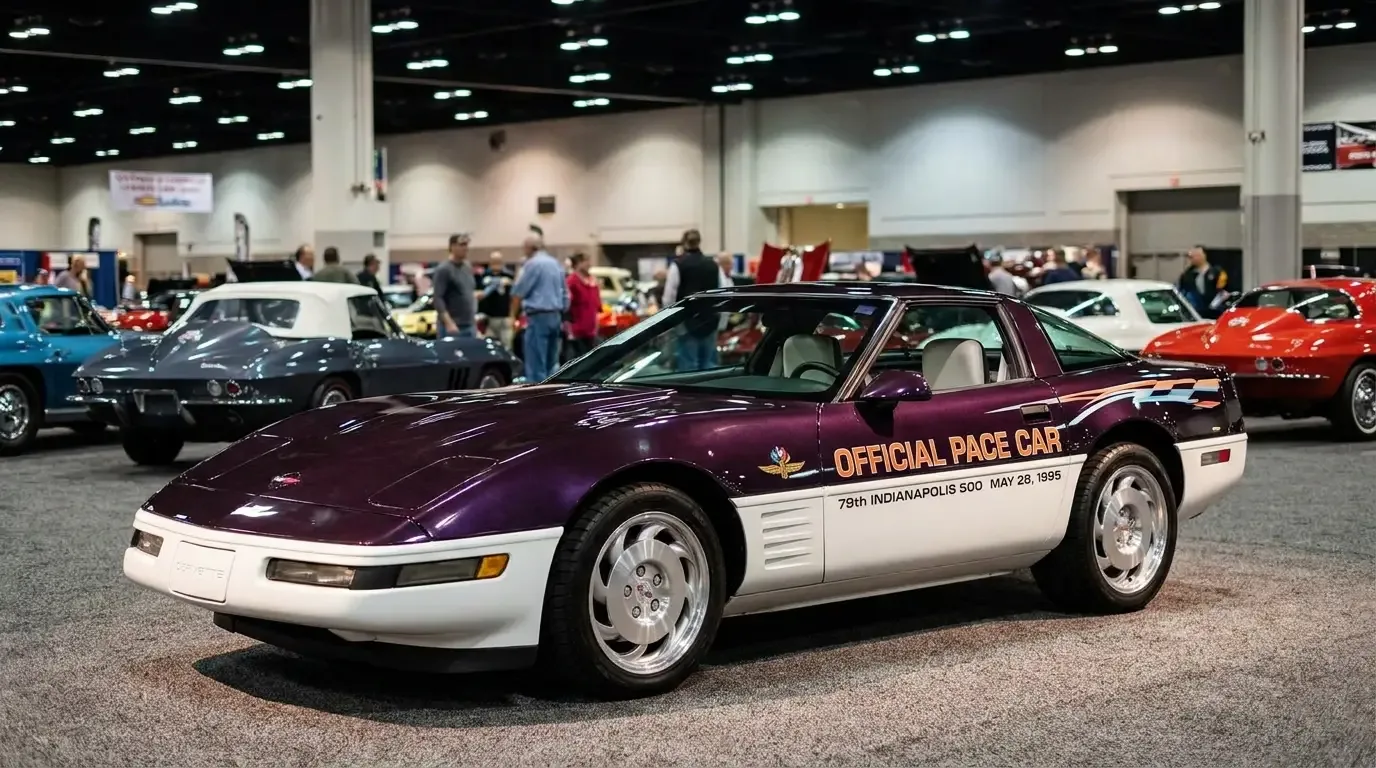
By the time the C4 ended production in 1996, the Grand Sport limited edition (1,000 produced: 810 coupes and 190 convertibles) and the LT4-equipped convertible had given the generation a proper send-off. The C4 is not as immediately collectible as the C2, but the ZR-1 cars in particular have been gaining attention as the market recognizes what they represented technically.
Cultural impact and what the Corvette meant
There is a reason the Corvette showed up in music, film, and advertising throughout the 1950s, 1960s, and beyond. The car carried an idea about American identity that went beyond its specifications. It said that the United States could build a sports car that competed on a world stage. Whether that was strictly true at any given moment is a technical question. The cultural weight of the belief was real regardless.
The television series Route 66, which ran from 1960 to 1964, built its premise around two men driving a Corvette across America. The show went into production in the same years the C1 was maturing and the C2 was being developed. GM provided cars. The association between the Corvette and a certain idea of open-road American freedom was not accidental.
At the racing level, the Corvette's presence at Sebring and Daytona through the 1950s and 1960s gave it credibility that translated into showroom traffic. Enthusiasts who followed motorsport knew the car as a serious machine, not just a styling exercise. That reputation survived the emissions era because it was built on enough real competition history to endure a decade of compromised performance.
The Corvette community that formed around the car is also part of its story. The National Corvette Restorers Society, founded in 1974, built a documentation and authentication framework that became the model for other one-make clubs. Bloomington Gold, the Corvette judging event, added another layer of organized expertise around authenticity and originality. The result is a car with a deeply developed collector infrastructure, which matters when you are buying, selling, or restoring.
The arc from 1953 to 1996
Four generations, forty-three years, and a continuous argument about what the car should be. The C1 established that it could exist. The C2 proved it could be beautiful and fast at the same time. The C3 survived an era that nearly killed performance in American cars and came out the other side. The C4 rebuilt the performance case from scratch and finished with a version that could genuinely embarrass European supercars at a fraction of their cost.
Duntov's contribution runs through all of it. He did not design the car, but he fought for its character at every stage of its existence. His understanding that the Corvette's survival depended on it being a serious performance machine, not a styled boulevard cruiser, shaped every major decision from the mid-1950s forward. He retired from GM in 1975, but the culture he built at the Corvette program continued.
The secondary articles in this silo go deeper on each era, on specific option codes, on the racing history, and on what to know if you are buying. This piece is the frame. Each generation has enough history to fill a book, and some of them have several. What the overview gives you is the sense of the whole thing: an idea that almost didn't survive its first two years, that became one of the most recognized automobiles in the world, and that spent four decades proving it deserved to be taken seriously.
Sources and notes
- Corvette Action Center, 1953 Corvette Production Numbers — confirmed 300 units built in 1953, all Polo White with red interior
- CorvSport, 1960 Corvette Production Numbers — confirmed 10,261 units produced for 1960
- Supercars.net, 1965 Corvette Sting Ray L78 396/425 HP — confirmed the 396 Mark IV big-block's 425 hp rating
- CorvetteForum, The L88 427: A History of GM's Ultimate Big Block — confirmed the L88's conservative 430 hp factory rating versus its real-world output
- Wikipedia, 1960 24 Hours of Le Mans — confirmed the Cunningham-entered Corvette's 8th-overall, GT-class-winning finish
- Hagerty, Crush Them All, Chevrolet Said — confirmed the fate of the 1983 Corvette prototypes and the sole surviving car now at the National Corvette Museum
- National Corvette Restorers Society, NCRS History — confirmed the club's founding in 1974