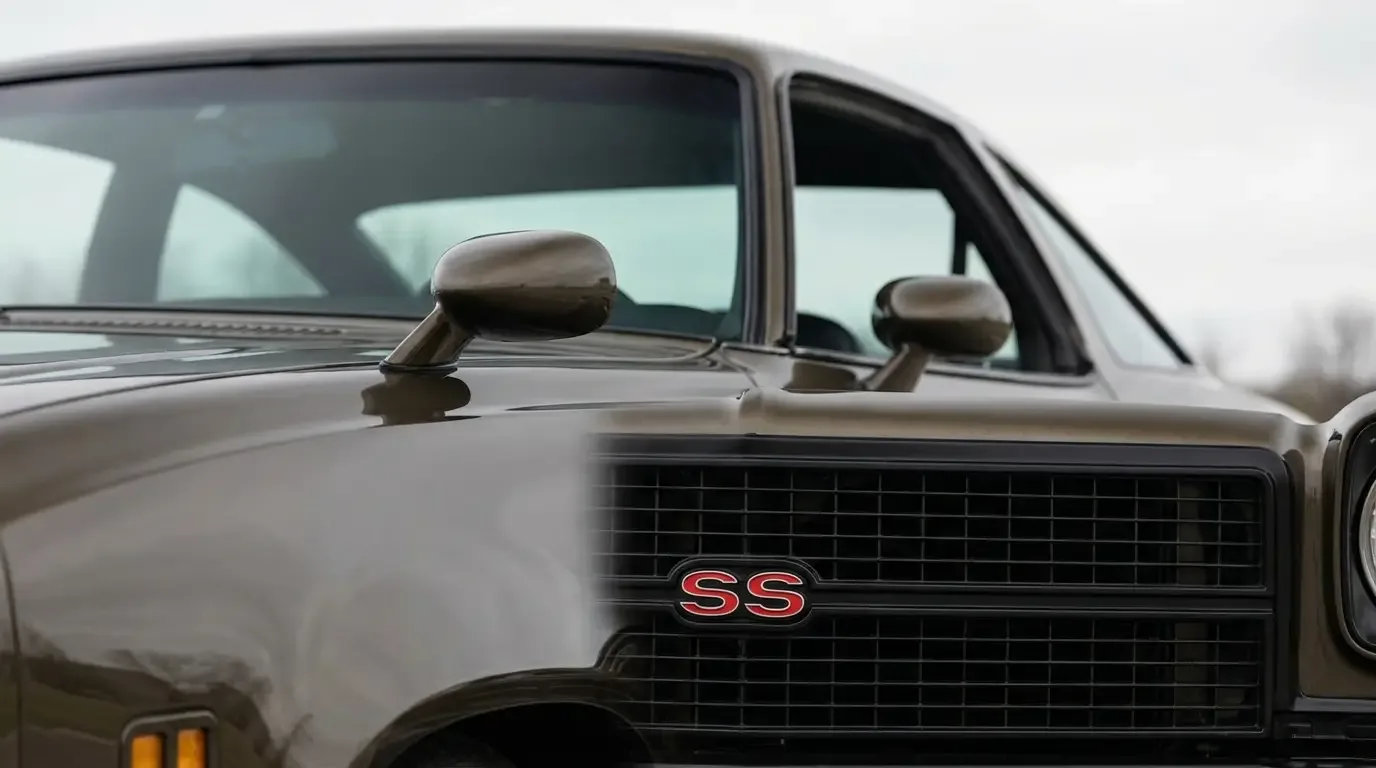
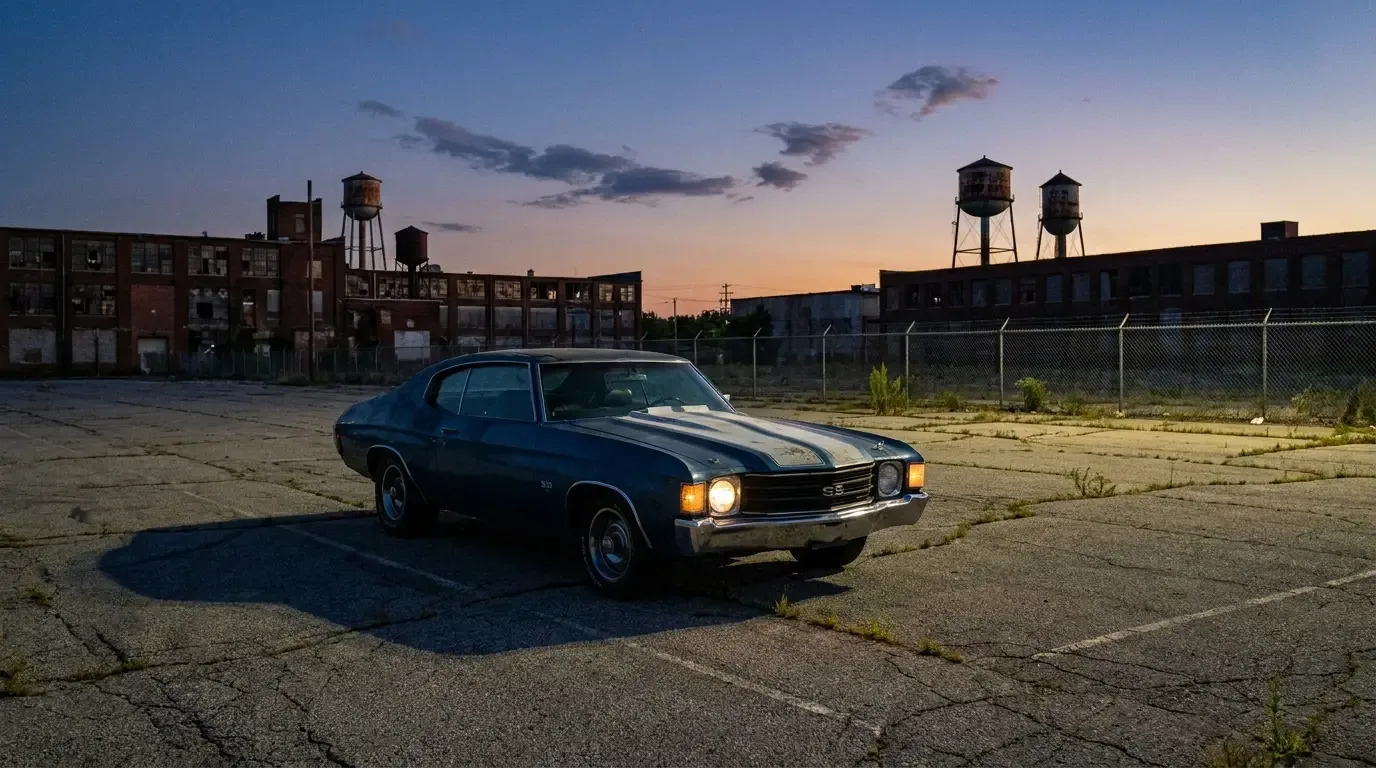
270 horsepower. That's the number stamped on the 1972 SS454's spec sheet, and it looks like a disaster next to the 360 the same basic engine carried two years earlier. It isn't a disaster. It's a different measuring stick. 1972 was the year the industry switched from gross horsepower ratings to SAE net ratings, and it's also the last model year of the second-generation Chevelle body before the 1973 colonnade redesign changed the car underneath the badge. Two separate things happened at once, and most people who look at a 1972 window sticker today conflate them into one story about decline. The real story is more specific than that, and the numbers back it up if you read them correctly.
Gross versus net, and why the drop looks bigger than it was
Gross horsepower was measured on a test stand, engine out of the car, no accessories, no exhaust restriction, no fan load. Net horsepower is measured with the engine installed as it actually runs in the car, accessories turning, full exhaust in place, air cleaner on. Same engine, same physical output at the crank, completely different number depending on which test protocol you use. The LS5 454 didn't lose 90 horsepower of real-world capability between 1971 and 1972. It lost a testing methodology that had been flattering every engine on the market for decades. Every manufacturer switched at roughly the same time, which is why every car's spec sheet from 1972 onward looks weaker than 1971 and earlier, not just Chevrolet's.
That said, don't read this as "nothing changed." Compression kept dropping year over year through this stretch for real emissions and fuel-quality reasons, and that part is not a measurement artifact. The 1972 LS5 ran a lower compression ratio than the 1971 version, which ran lower than 1970. Some of the 270 number is net-rating math. Some of it is a genuinely less aggressive engine. If you see a different horsepower figure quoted for a 1972 Chevelle big-block, check which rating method it's using before assuming it's wrong, the gross-versus-net gap alone accounts for most of the apparent swing.
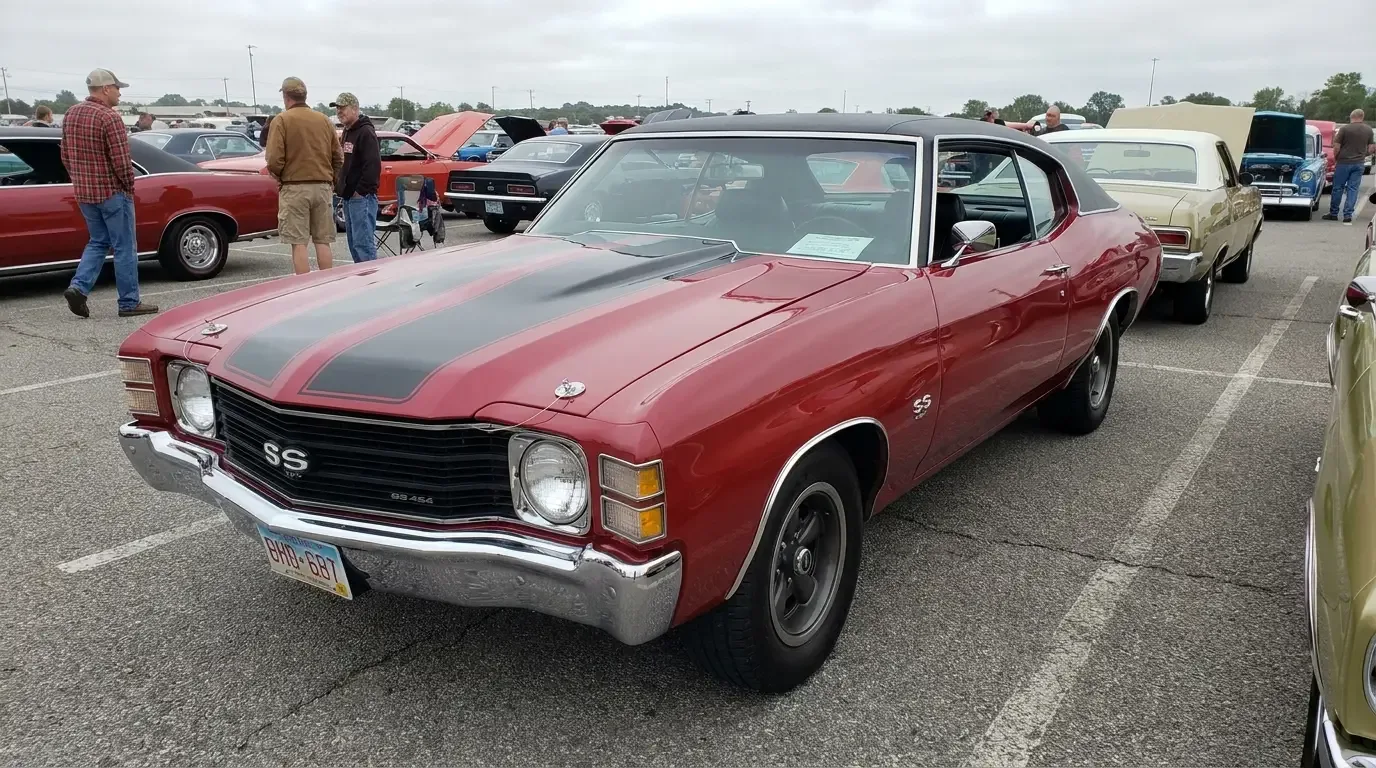
What the 1972 SS454 actually was
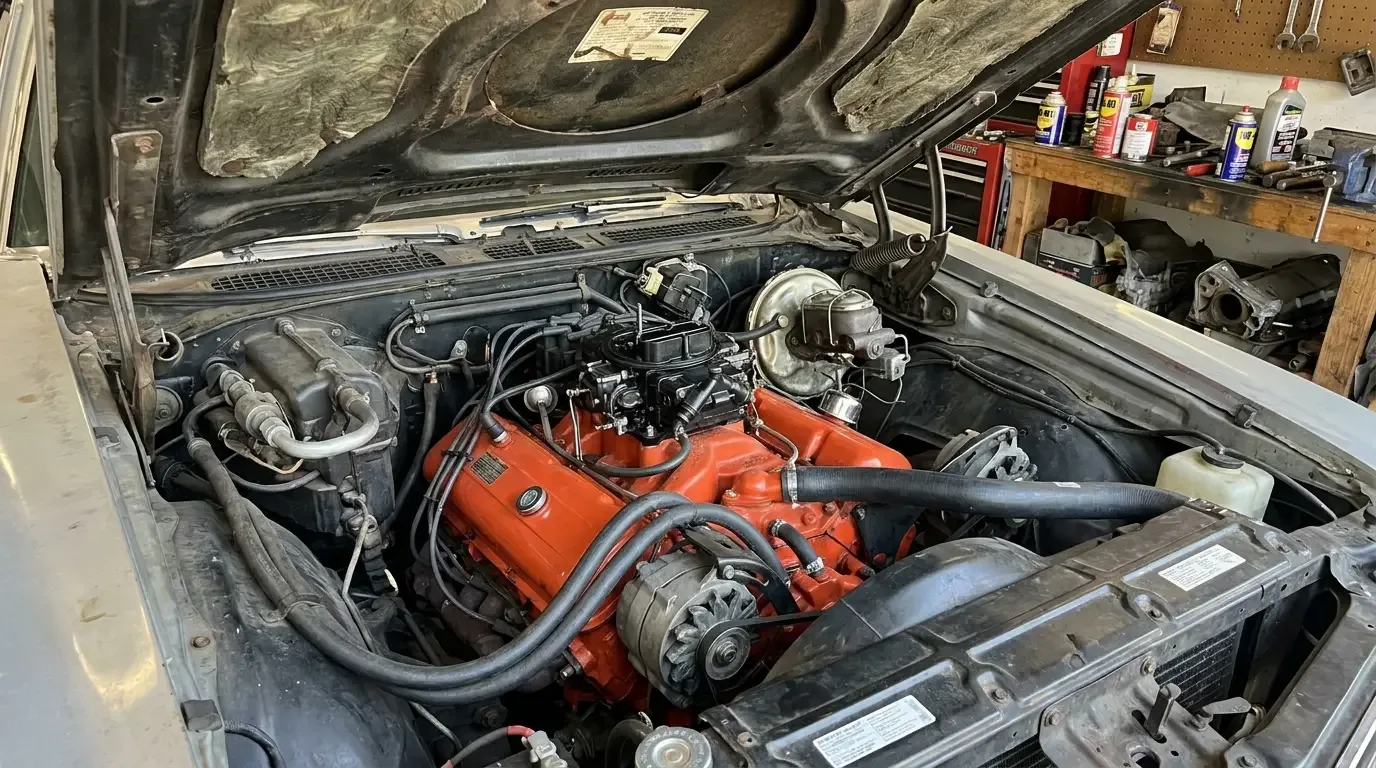
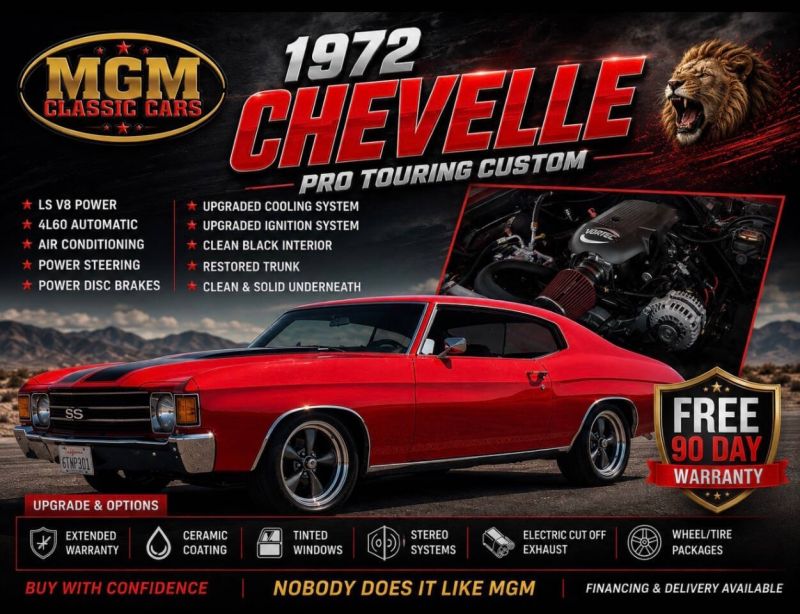
The LS5 454 remained the top engine option for 1972. The LS6 was gone, had been gone since 1971, and it wasn't coming back to the Chevelle. Production numbers on SS454-equipped 1972 Chevelles run lower than the 1970 peak, reflecting a broader muscle car market that was already cooling before the 1973 oil embargo made it worse the following year. Insurance surcharges on big-block intermediates had been climbing since the late sixties, and by 1972 that cost was doing real work discouraging buyers from checking the SS454 box, independent of what the engine could do on paper.
Here's the part worth being blunt about: a 1972 big-block Chevelle on a dyno today, properly tuned, isn't a slow car. Net-rated 270 horsepower with big-block torque underneath it moves a two-ton intermediate with authority. The number on the sticker measures a testing protocol, not what the car does when you put your foot into it. People chasing 1970 LS6 numbers on a 1972 car are chasing a different engine entirely. People writing off the 1972 as underpowered because of a spec sheet they don't understand are making the same mistake from the other direction.
| Model year | Rating method | LS5 454 rating | Notes |
|---|---|---|---|
| 1970 | Gross | 360 hp | 10.25:1 compression |
| 1971 | Gross | 365 hp | Compression dropped to 8.5:1 |
| 1972 | Net (SAE) | 270 hp | Lower compression, plus new measurement standard, last second-gen big-block year |
Why 1972 closes the chapter, not just the model year
The 1973 model year brought an entirely new colonnade body, a heavier structure built partly around new federal bumper standards, and a car that shared very little sheet metal with the 1968 through 1972 generation. Chevrolet kept a big-block option alive into the colonnade cars for a couple more years, so the big-block Chevelle didn't vanish outright, but the second-generation A-body that started in 1968 with a genuinely aggressive muscle car identity ends its run right here, with a net-rated 270 horsepower engine in a body that was about to be replaced completely. If you're building a collection or a story around the 1968-1972 era specifically, 1972 is the last chapter of that particular book, not a footnote in it.
"270 net horsepower reads like a letdown until you know what you're actually comparing it to. The dyno doesn't care what year it is or what rating method somebody used forty years ago. Torque still moves the car. Read the number for what it measures, not for what it sounds like."
— Dan Reeves
Reading a 1972 window sticker or build sheet correctly
If you're evaluating a 1972 against build documentation, separate three things that get lumped together by sellers who don't know better: the horsepower number, the compression ratio, and the rating method. A 270 hp net figure next to a 10.25:1 compression spec doesn't match anything Chevrolet built that year and should raise a flag immediately. The correct pairing for a 1972 LS5 is the lower compression figure with the net rating. If a seller quotes you a 360 hp figure for a 1972 car, they're either citing the wrong year's spec sheet or repeating something they heard without checking it, and either way it's worth asking where the number actually came from before you take the rest of the listing at face value.
Production numbers for SS454-equipped 1972 Chevelles are lower than 1970 and roughly comparable to 1971, reflecting both the cooling muscle car market and the insurance pressure that was pushing buyers toward packages like Heavy Chevy instead of a genuine SS. That declining production run is part of why documented 1972 big-blocks aren't actually as common as their relatively modest reputation suggests. A correctly optioned, numbers-matching 1972 SS454 is a real find, not a consolation prize next to the more famous years around it.
If you're shopping this model year specifically, you can find 1972 big-block Chevelles currently listed. And if the budget doesn't stretch to a numbers-matching SS454, the same era produced a genuinely underrated option worth knowing about, covered in next: Heavy Chevy 1971-72.