
Is the Mazda RX-7 becoming a serious classic car?

When I first started documenting JDM classics a decade ago, the RX-7 was still just "that rotary car that leaks apex seals." In 2026, clean third-gen FDs are approaching $100,000 — a price point that would have seemed impossible ten years ago. Here's what drove the change and what to know before buying.
The Three Generations
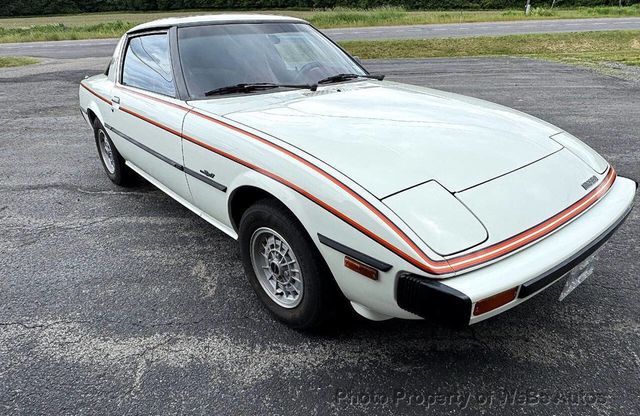
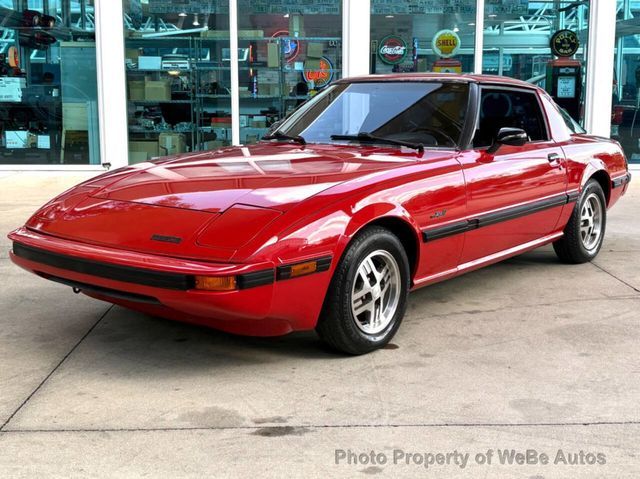
- SA/FB RX-7 (1979-1985): The original. A 1.1L rotary producing 100-135 hp in a lightweight 2,200-lb chassis — a genuine sports car at bargain prices. Clean, rust-free FB RX-7s trade at $8,000-$20,000 in 2026 and are the most accessible entry point. Rotary reliability here is the best of the three generations — simpler engine, lower boost, more forgiving maintenance.
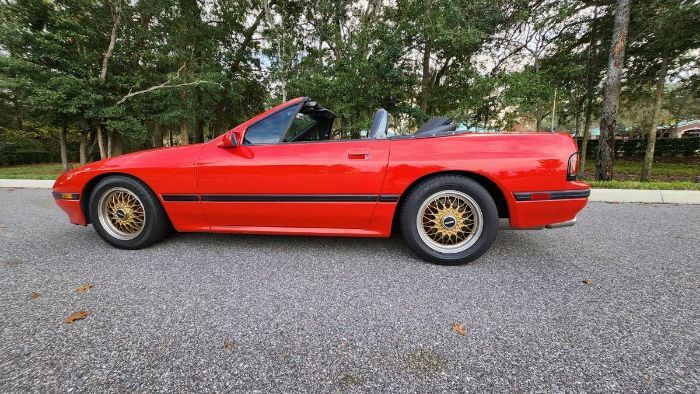
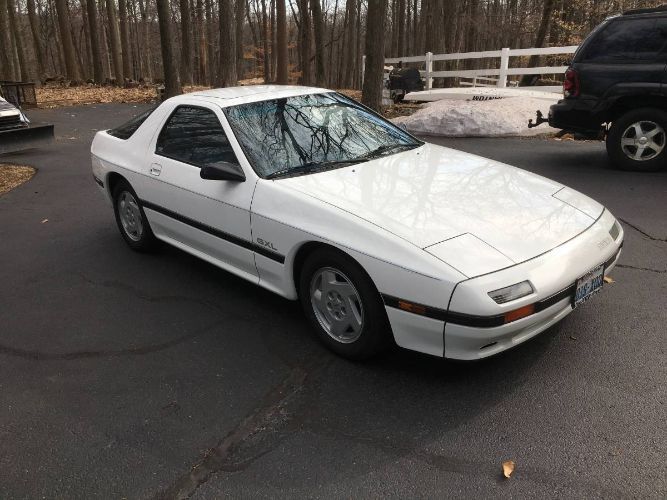
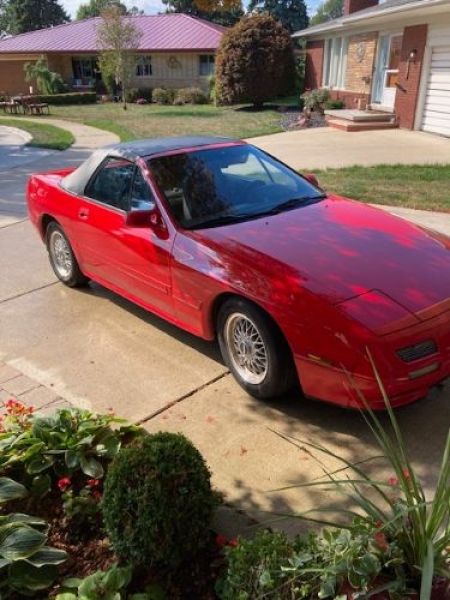
- FC RX-7 (1986-1991): Turbocharged, restyled, and more sophisticated. The naturally aspirated cars are overlooked; the Turbo II variant is the collector pick. Clean FCs: $12,000-$28,000. The convertible (rare in the US market) commands a premium.
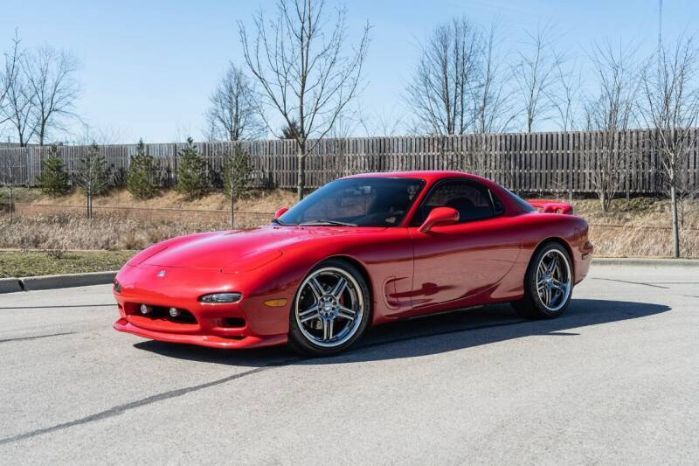
- FD RX-7 (1992-2002): The apex — sequential twin turbo 13B, 255 hp factory rating (widely believed to be conservative), 50/50 weight distribution, and one of the most analog sports car driving experiences of the 1990s. Clean FDs with documented mileage: $50,000-$95,000. Low-mileage unmolested survivors have cleared $120,000.
The Rotary Reality
The rotary engine is genuinely different from a piston engine in maintenance terms. The apex seals — the rotary's equivalent of piston rings — are the wear item. A well-maintained 13B with regular oil changes (rotaries consume some oil by design) and coolant maintenance lasts well; a neglected one fails expensively. Engine rebuilds on FD motors run $3,000-$8,000 depending on the shop and extent of work. Budget for this and treat it as a known cost, not a surprise.
Investment Trajectory
FD values have roughly doubled since 2020. The ceiling isn't established yet. Japanese domestic market examples (imported legally under the 25-year rule) have been setting the highest prices — Japan-spec FDs in pristine condition represent the best of what the platform was. This is a market with years of appreciation still ahead for the cleanest examples.
Browse current listings
 Dealer
 United States
1979 Mazda RX-7
 Dealer
United States
Dealer
United States
1983 Mazda RX-7
 Dealer
United States
Dealer
United States
1993 Mazda RX-7
 Dealer
United States
Dealer
United States
1988 Mazda RX-7
 Dealer
United States
Dealer
United States
1987 Mazda RX-7
 Dealer
United States
Dealer
United States