Published June 10, 2026Updated September 28, 20265 generations1958–1997
The Land Cruiser is the rare vehicle where the engineering brief was overbuilt from the start and stayed that way. Toyota designed it to go places and come back, and the result is a truck that earns its reputation through component durability rather than clever features. For a collector, the appeal is straightforward: the FJ40 is one of the most usable vintage off-roaders you can own, and the later wagons trade some of that ruggedness for comfort without losing the bulletproof drivetrain. The catch is rust, which is the single factor that decides whether any Land Cruiser is a good buy. Here is how the line developed across the cars that matter to US buyers.
Toyota Land Cruiser — Generation by Generation
1958–1960
20 Series (FJ25)
"The first US Land Cruisers"
Toyota brought the Land Cruiser to the United States with the 20 Series, a rounded, Jeep-sized 4x4 powered by the F-series inline-six. Very few sold, which makes surviving FJ25 trucks rare and valuable today. They established the formula that the line would follow for decades: a stout six, a low-range transfer case, and solid axles built for abuse. These are collector pieces now rather than usable trucks, and they rarely come to market.
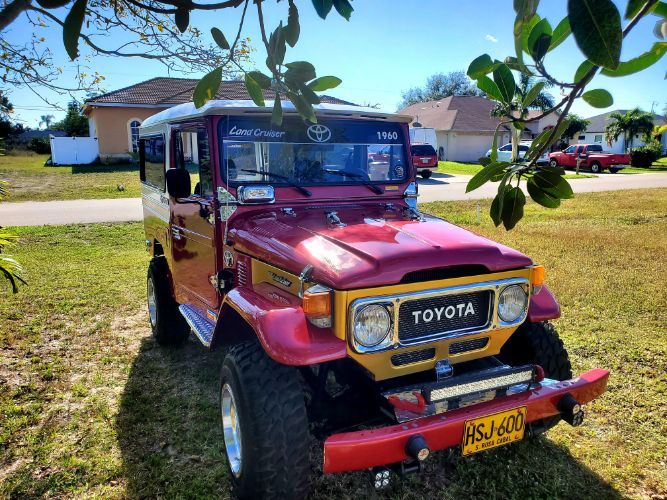
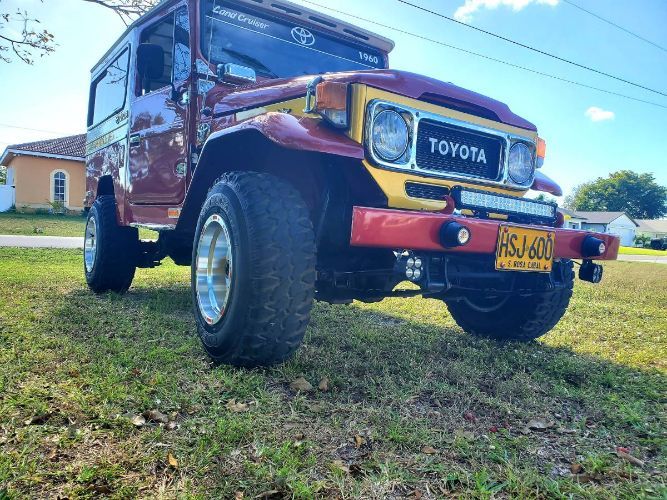
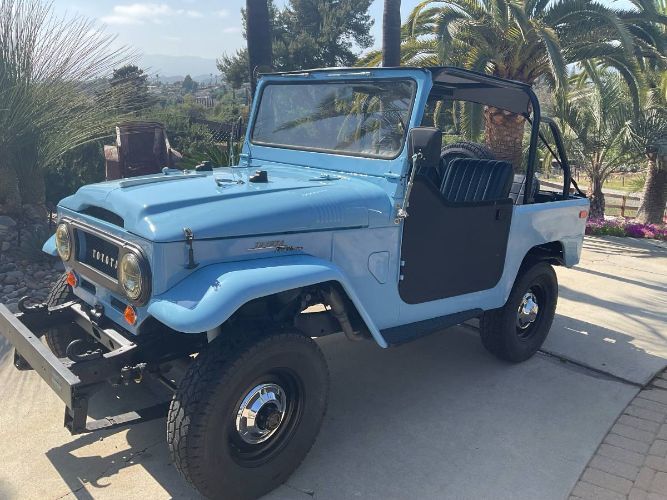
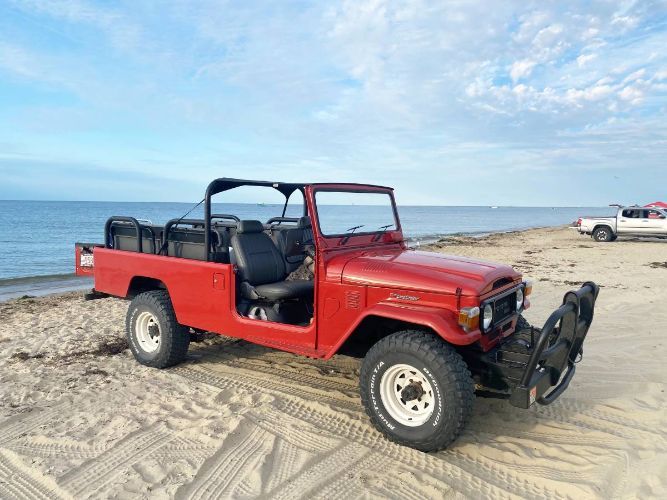
The 40 Series is the Land Cruiser most people picture, and it ran an extraordinary twenty-four years with steady mechanical improvement and little styling change. The F engine gave way to the larger 2F inline-six in 1975, front disc brakes arrived in 1976, and trim and emissions equipment evolved year to year. The FJ40 is short, loud, and uncompromising, and that is exactly why values have climbed. Clean, original trucks with the factory drivetrain are the prize. Rust in the rear quarters, floors, and frame is the deciding factor on every one.
Key Changes
→
F inline-six, then 2F from 1975
→
Front disc brakes from 1976
→
Drum-to-disc and emissions updates through the run
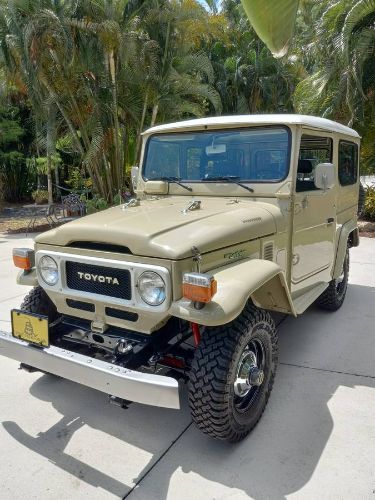
The FJ55, nicknamed the Iron Pig, was the first Land Cruiser built as a four-door station wagon for families rather than a bare utility truck. It shares the durable F and 2F drivetrain with the FJ40 but adds room and a longer wheelbase. The styling has aged into a cult following, and clean examples are increasingly sought after as an affordable way into vintage Land Cruiser ownership. They rust as readily as the FJ40, so the same structural inspection applies.
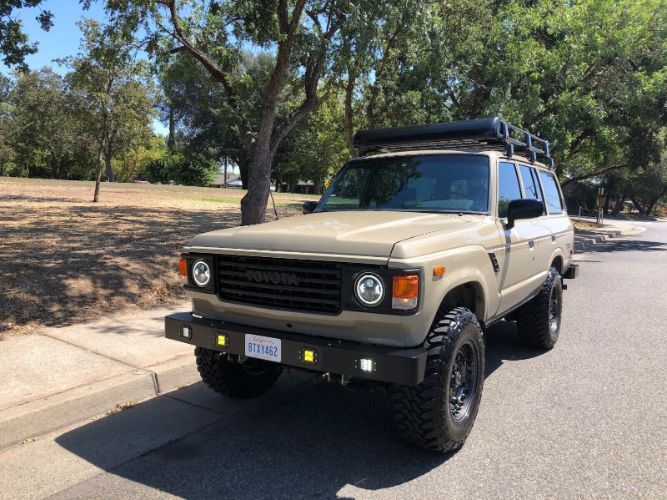
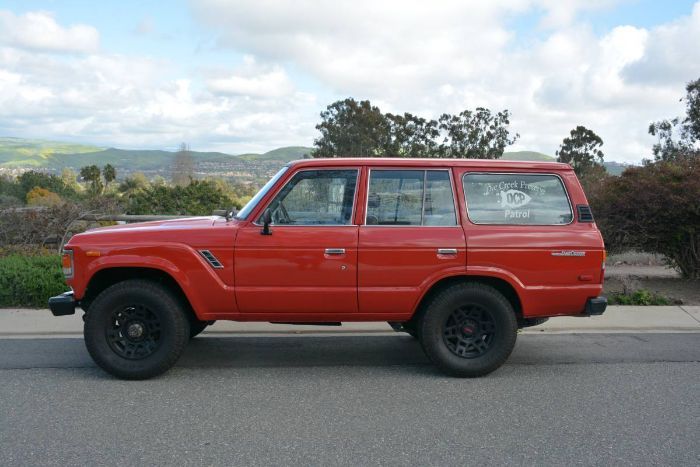
The 60 Series moved the Land Cruiser wagon upmarket with a roomier, squarer body, better insulation, and eventually air conditioning and power accessories. The carbureted FJ60 ran into 1987, when the fuel-injected FJ62 with the 3F-E engine and an available automatic took over. These are genuinely usable classics, durable and comfortable enough for regular driving, and the FJ62 in particular makes a strong daily-usable vintage truck. Rust and worn interiors are the main concerns.
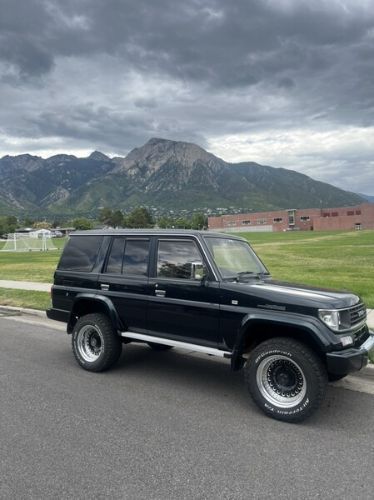
The 80 Series brought coil-spring suspension on all four corners and full-time four-wheel drive, a major step in ride and capability. The early FJ80 used the 3F-E six, and the 1993 FZJ80 introduced the smooth 1FZ-FE 4.5-liter twin-cam six, with factory front and rear locking differentials available. The 80 Series has become the enthusiast favorite among later Land Cruisers because it pairs genuine off-road ability with everyday comfort. A well-kept locked-diff FZJ80 is the one to chase.
For a buyer, the decision usually comes down to how much you value the analog experience. The FJ40 is the icon and carries the strongest values, especially clean, unmolested examples with the original drivetrain, but it asks the most in noise, ride, and rust repair. The FJ55 and the 60 Series are the affordable, usable entries, and the 80 Series is the one to buy if you want a vintage Land Cruiser you can drive every day. On all of them, the rust audit comes first: rear quarters, floors, the frame around the rear spring hangers, and the battery tray. The drivetrain almost always outlasts the steel, so a clean body is the asset worth paying for.
Frequently Asked Questions
The FJ40 is the short, utilitarian 40 Series off-roader built from 1960 to 1984, while the FJ60 is the larger, more comfortable 60 Series station wagon from the 1980s aimed at families. Both use Toyota F-series inline-six engines and solid axles, but the 60 Series adds civility the FJ40 never had.
The 40 Series FJ40 is the most collectible by a wide margin, particularly rust-free examples with the original F or 2F engine and matching components. Values have climbed sharply over the past decade as buyers seek clean, unrestored trucks.
The drivetrains are exceptionally durable, with the F-series and later inline-sixes routinely passing 200,000 miles. The weak point on any classic Land Cruiser is rust rather than mechanical failure, so structural condition matters far more than mileage.
📖
Thinking of Buying One?
Read our Toyota Land Cruiser Buyer's Guide — pre-purchase checklist, common issues, and pricing.
Bay Area engineer with a deep focus on vintage Japanese and European performance cars. Approaches classic car research and restoration with an analytical eye.


 Dealer
 United States
 Dealer
 Dealer
 Dealer
 Dealer
 Dealer
 Dealer
 Dealer
 Dealer
 Dealer