
The Complete Volkswagen Vanagon Evolution: 1980–1991

The Vanagon is the third-generation Volkswagen bus, and it sits at an interesting engineering crossroads: it began as the last of the air-cooled VWs and ended as a modern water-cooled van, all in the same boxy body. For a buyer that distinction matters more than almost anything else, because the early and late vans are mechanically different animals that happen to look alike. The Vanagon kept the rear-engine layout that defined the bus while adopting a stiffer body, more space, and eventually a proper coolant system. Add the Syncro four-wheel-drive version and the Westfalia camper conversion and you have one of the most versatile classics on the road. The thing that decides any Vanagon purchase is the state of the engine and the rust, in that order.
Volkswagen Vanagon — Generation by Generation
Key Changes
- → New stiffer, roomier Vanagon body
- → Carried-over air-cooled flat-four
- → Last air-cooled VWs in the US
- → Westfalia camper available
- → Simple but modestly powered
Specs
| Engine | 2.0L air-cooled flat-four |
| Layout | Rear engine |
| Camper | Westfalia conversion |
| Appeal | Air-cooled purists |
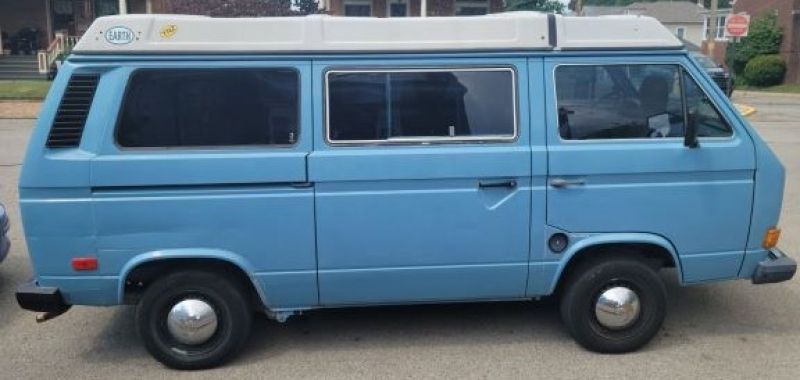
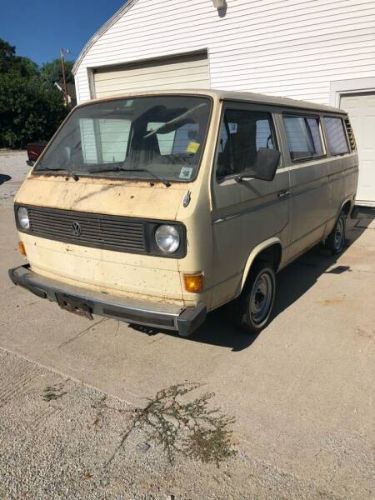 Dealer
 United States
1981 Volkswagen Vanagon
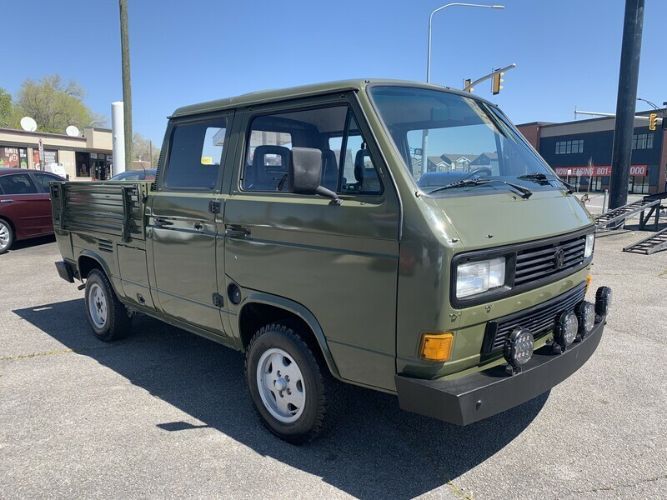 Dealer
United States
Dealer
United States
1980 Volkswagen Vanagon
Key Changes
- → Water-cooled wasserboxer flat-four
- → 1.9 then 2.1 liter displacement
- → Syncro four-wheel drive from 1986
- → Carat luxury trim
- → Westfalia camper continues
Specs
| Engine | 1.9/2.1L water-cooled flat-four |
| 4WD | Syncro from 1986 |
| Camper | Westfalia |
| Most wanted | Syncro, Westfalia |
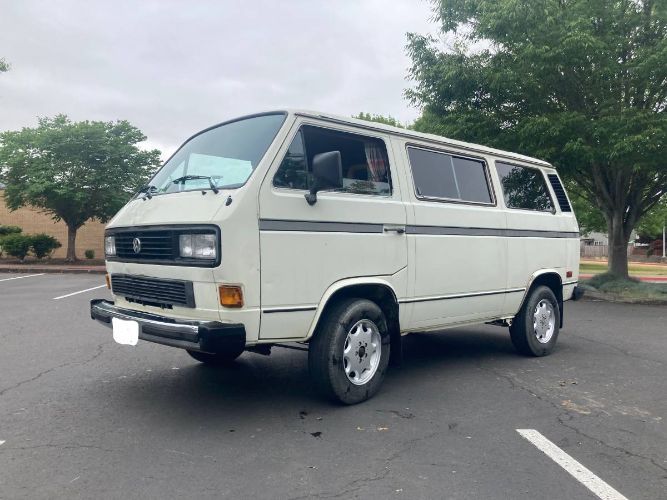 Dealer
United States
Dealer
United States
1986 Volkswagen Vanagon
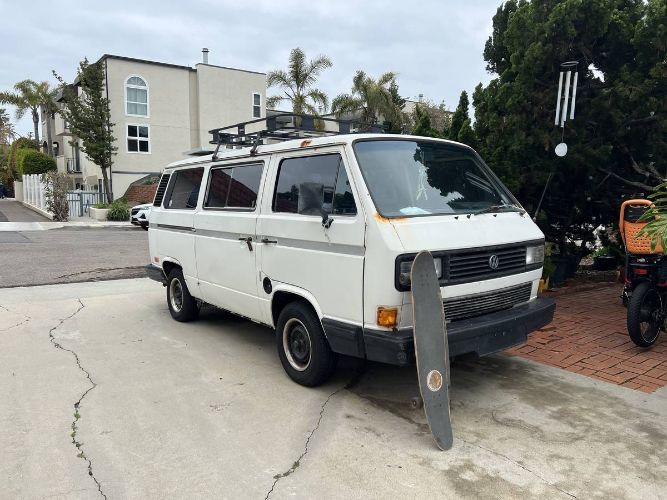 Dealer
United States
Dealer
United States
1988 Volkswagen Vanagon
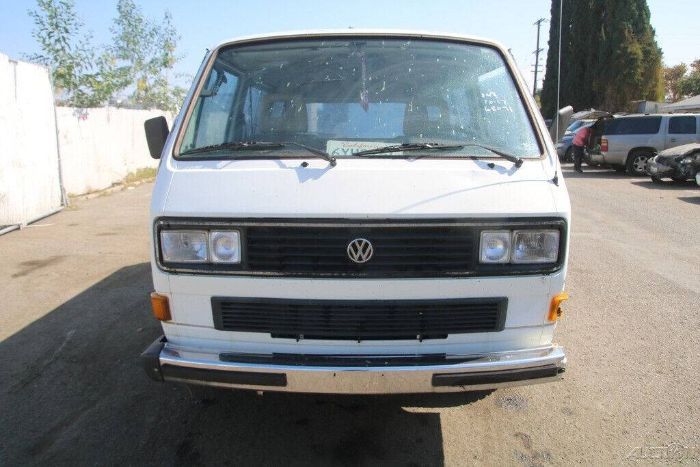 Dealer
United States
Dealer
United States
1986 Volkswagen Vanagon
Legacy & Impact
For a buyer, the first decision is air-cooled versus water-cooled. The 1980 to 1983 air-cooled vans are simpler and appeal to purists, but they are slow and the engines are getting hard to source. The 1983 and later water-cooled wasserboxer vans are more usable, though that engine has a known history of cooling-system and head-gasket trouble that a careful buyer must investigate, and many have been converted to other engines. The Syncro is the sought-after four-wheel-drive version, and the Westfalia camper carries the strongest values. On every Vanagon, check the engine's service history closely and inspect the body for rust in the rockers, the lower corners, and around the sliding door. A sorted van is worth far more than a cheap one that needs an engine.
Frequently Asked Questions
Find a Vanagon for Sale
Browse active Volkswagen Vanagon listings on Classic Cars Arena.
View Listings →