
Chevrolet Fleetmaster Buyer's Guide
The best postwar Chevy before the all-new 1949 redesign — the Fleetmaster offers authentic late-1940s style with a hot rod pedigree that never gets old.

History & Overview
When World War II ended in 1945, American automakers faced an impossible situation: the factories were retooling from war production, raw materials were scarce, and millions of returning veterans needed transportation immediately. Chevrolet's response was the 1946–1948 models — essentially the 1942 cars with updated trim and a fresh identity. Two lines were offered: the Stylemaster (base) and the Fleetmaster (upper trim), the latter including the Sport Sedan, Sport Coupe, convertible, and the elegant two-door fastback Aerosedan.
Three body styles dominate collector interest:
- Convertible: Rarest and most valuable. Rare chrome trim, genuine open-air experience, and enormous hot rod potential.
- Sport Coupe (two-door hardtop-style fastback): The classic form — flowing fastback roofline, coupe proportions, the quintessential 1940s car.
- Aerosedan (two-door notchback): More common but equally clean — the chopped Aerosedan is a hot rod staple for good reason.
Which Fleetmaster to Buy
For the stock restorer, a 1947 or 1948 Sport Coupe in a correct period color is the cleanest choice — the 1947–1948 cars received minor trim updates that make them slightly more refined than the transitional 1946. The convertible is the grail but commands a significant premium. The Aerosedan is the most versatile — it's the entry point for custom builds, the platform for hundreds of successful hot rod and custom transformations, and still handsome in stock form.
Common Problems & What to Inspect
Engine Guide
| Engine | Output | Notes |
|---|---|---|
| 216ci "Stovebolt" I6 (1946–1947) | 90 hp | Period-correct; adequate for stock driving; easy to maintain |
| 216ci "Stovebolt" I6 (1948) | 90 hp | Same engine through 1948; the 235 did not reach Chevrolet passenger cars until 1950 |
| Small Block V8 swap | varies | Extremely common; 265/283ci are the period-correct hot rod choices |
"There's something deeply American about a 1947 Fleetmaster — it represents the moment when the country exhaled after the war and started building again. Drive one and you feel every bit of that optimism in the wheel and the six-cylinder sound." — Mike Sullivan
Pricing & Market
The Fleetmaster occupies a sweet spot in the market: significant historical age and visual appeal at prices well below tri-five or prewar competition. A presentable running Aerosedan runs $12,000–$22,000; a solid Sport Coupe in correct colors $18,000–$30,000; a convertible $30,000–$55,000 in original condition, higher restored. Custom and hot rod builds are more liquid — a well-executed SBC-swapped, lowered Fleetmaster in correct patina can fetch $25,000–$45,000 in the right market.
Browse Chevrolet Fleetmaster listings
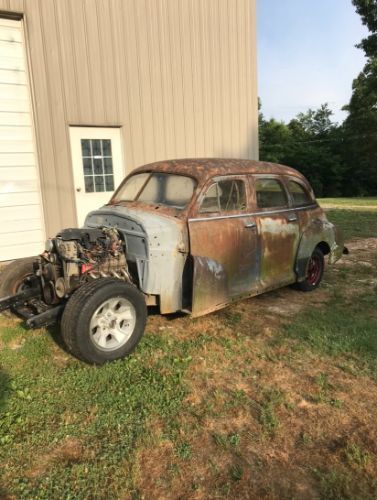 Dealer
 United States
1948 Chevrolet Fleetmaster
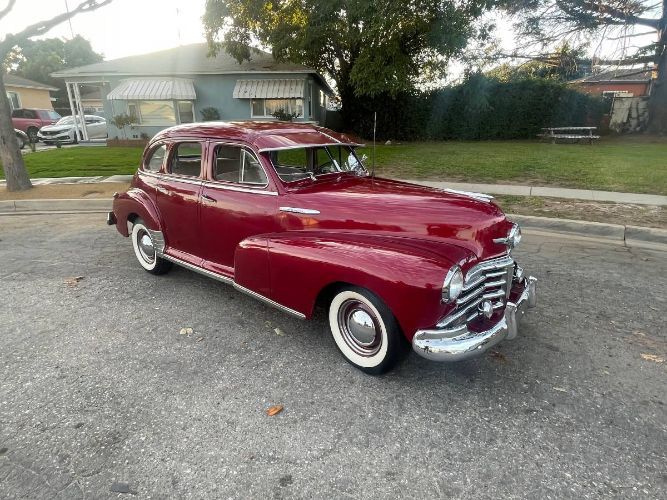 Dealer
United States
Dealer
United States
1948 Chevrolet Fleetmaster
What to Look For
The ideal Fleetmaster buy is a southwestern survivor with original paint oxidized to a beautiful patina, a freshly rebuilt cooling system and brakes, and complete Fleetmaster trim. These cars are increasingly acquired as preservation-class originals rather than full restorations — a well-documented, running original commands strong respect at shows and auctions. For hot rod buyers, focus on structural integrity over cosmetics — a solid Sport Coupe with rotten trim is worth more than a flashy one with questionable floors.Pre-Purchase Checklist
- Probe floor pans under carpet and verify quality of any previous repair work
- Test cooling system — thermostat, water pump, hoses, and radiator core
- Inspect convertible top bows for rot (wooden frame) and canvas condition
- Check brake master cylinder for leaks and verify all four wheel cylinders
- Inspect Fleetmaster-specific chrome trim — hood ornament and body molding condition
- Verify engine identity — Stovebolt six or SBC swap (impact valuation accordingly)
- Check windshield seal condition — leaks cause dash and floor rot
- Inspect firewall for rust and verify wiring harness condition
Common Issues
Floor pan rust is nearly universal — expect it and evaluate repair quality. The Stovebolt six overheats with neglected cooling systems. Convertible wooden top bows decay over decades. Brake system seals age and the master cylinder needs rebuilding on most unrestored cars. Missing Fleetmaster-specific trim is common and can be expensive to replace.More Fleetmaster for sale
 Dealer
United States
Dealer
United States
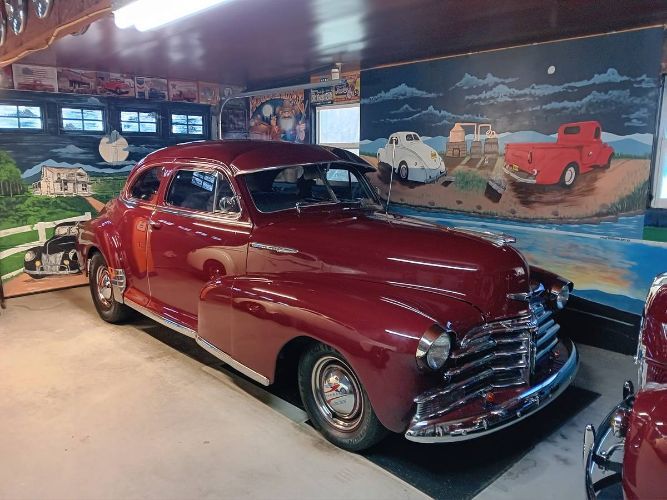
1948 Chevrolet Fleetmaster
 Dealer
United States
Dealer
United States
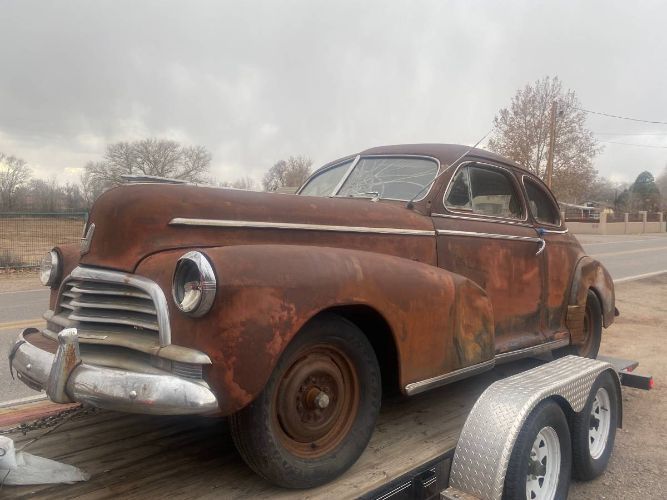
1946 Chevrolet Fleetmaster
Pricing Guide
Aerosedan stock driver: $12,000–$22,000. Sport Coupe in correct colors: $18,000–$30,000. Convertible (original): $30,000–$55,000; restored: $55,000–$85,000. Custom/hot rod builds: $25,000–$45,000 depending on quality and execution.Fun Facts
The Fleetmaster name was chosen to evoke prestige and confidence in the postwar consumer market — 'fleet' suggesting speed and efficiency, 'master' suggesting mastery and quality. The 1946–1948 cars were literally sold before they were built in many markets, with dealers taking deposits a year or more in advance. The 'Stovebolt Six' nickname for Chevrolet's inline six-cylinder came from the stove-bolt screws used extensively in its construction — it became a term of affection.Frequently Asked Questions
Ready to find your Fleetmaster?
Browse 6+ active Chevrolet Fleetmaster listings on Classic Cars Arena.
View Listings →