
Chevrolet Malibu Buyer's Guide (1964–1977)
The Malibu was Chevrolet's premium trim on the A-body Chevelle platform — available with V8 engines up to 396 cubic inches and a cleaner exterior than the base Chevelle. It's often overlooked in favor of the SS badge, but a Malibu with the right engine is every bit as rewarding and frequently priced more realistically.

People see "Malibu" and think grocery car. That's a mistake. The Malibu was the trim-line above the base Chevelle from 1964 to 1972, and it was available with the full V8 engine roster — including the 396 big-block. What it wasn't was the SS, and that distinction matters to some buyers and not at all to others. If you need the SS badge for show-point purposes, buy an SS. If you want an A-body Chevrolet that drives great and doesn't cost SS money, the Malibu is the car I'd send you to look at.
History: The Malibu in the A-Body Lineup
Chevrolet introduced the Chevelle for 1964 as a new mid-size model on the GM A-body platform. The Malibu was the premium trim level from the start — above the base 300 series, with better interior appointments and the full V8 engine availability. The SS (Super Sport) package was initially an option on the Malibu, not a separate model, meaning early SS cars are technically Malibus with the SS option.
1964–1967: The First Generation
The original 1964–1967 Chevelle/Malibu has the classic proportions that made the A-body platform famous: long hood, short deck, balanced weight distribution. The 1965–1967 cars are the most visually refined, with a cleaner grille and more resolved body lines. The 327 cubic inch V8 is the performance sweet spot in this generation — smooth, torquey, and well-supported by the aftermarket. The 396 big-block arrived mid-1965 as the L35 option.
1968–1972: The Big-Block Era
The 1968 redesign gave the Malibu a longer wheelbase and a more muscular appearance. This generation coincides with the peak of the muscle car era — 396 and 454 big-block V8s were available, the suspension was improved, and the cars were simply faster and more capable than their predecessors. The 1970 LS6 454 in Chevelle SS trim is the legendary option, but a 1970 Malibu with the 396 is nearly the same car at a significantly lower price.
1973–1977: The Colonnade Era
The 1973 redesign introduced the "Colonnade" body style — wider, heavier, with a more formal appearance required by federal safety regulations. Compression ratios dropped with lower-octane fuel requirements, and performance declined relative to the 1968–1972 cars. The 1973–1977 Malibus are larger, more comfortable cruisers that appeal to a different buyer — less about muscle, more about the classic American long-distance car experience.
Engine Options: The Malibu Matrix
The Malibu's engine availability overlaps almost entirely with the Chevelle SS:
- 250 ci inline six: Base transportation in early years. Not a collector engine.
- 307/327 ci small-block V8: The practical choice — smooth, reliable, and easily improved with aftermarket support.
- 350 ci small-block V8: Available from 1969, the classic choice for a driver Malibu.
- 396 ci big-block: The performance option through 1970. L35 (325 hp), L34 (350 hp), L78 (375 hp). Verify via VIN and trim tag.
- 454 ci big-block (1970–1972): LS5 (360 hp) and LS6 (450 hp, 1970 only). Rare in Malibu trim — verify carefully.
Rust Inspection
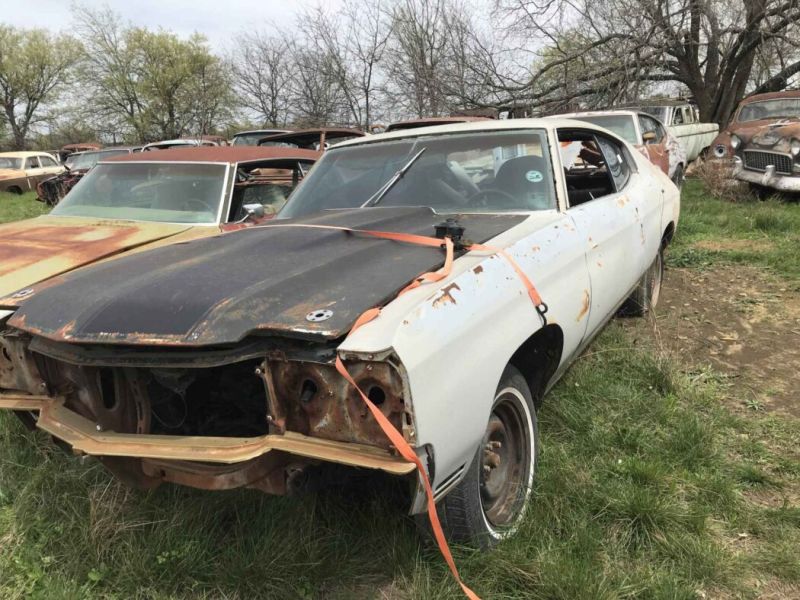
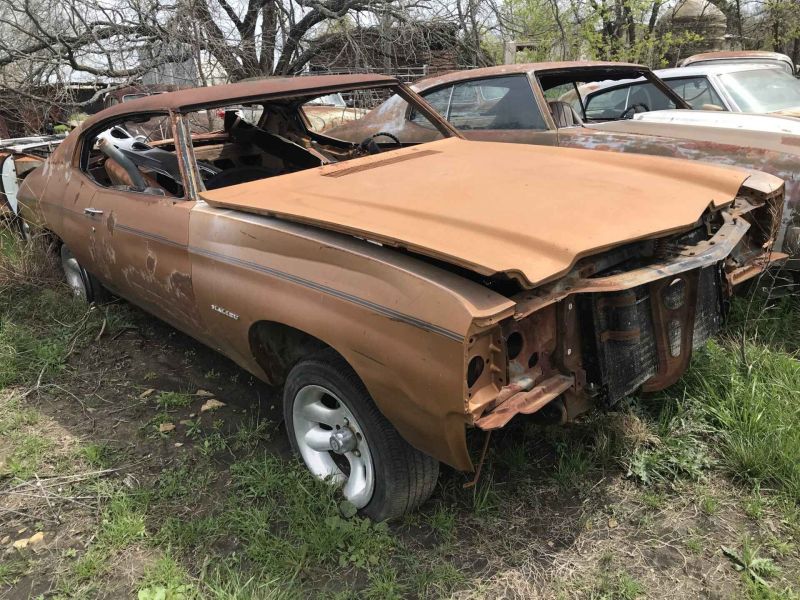
Lower rear quarters at the wheel arch seam are the primary rust zone. Trunk floor corners are second. The torque box — the juncture of the rear frame rail and the floor structure — is the critical structural failure zone. This requires inspection from underneath and cannot be properly evaluated from the trunk alone. Floor pans under the front seat are the fourth zone. Core support rust at the front is common on high-mileage cars with cooling system failures.
| Generation | Years | Key Engine | Character |
|---|---|---|---|
| First gen | 1964–1967 | 327 small-block | Classic proportions, pre-muscle-war |
| Second gen | 1968–1972 | 396 / 454 big-block | Peak muscle era, best driver cars |
| Colonnade | 1973–1977 | 350 small-block | Larger, softer, comfort-focused |
"The muscle car premium on the SS badge is real, and I'm not saying it isn't. But I've driven back-to-back 1970 SS 396s and 1970 Malibu 396s and they feel identical. The difference is the badging and what the next buyer will pay. If you're driving the car — really using it — the Malibu with the right engine makes total sense. The SS tax buys you show points. The Malibu money buys you the same experience."
— Mike Sullivan
Pricing
Driver-quality 1968–1972 Malibu with 350 or 396 V8: $18,000–$28,000. Show quality: $30,000–$45,000. First-gen 1964–1967 Malibu: $15,000–$25,000 driver; $28,000–$38,000 show. Colonnade 1973–1977 Malibus: $10,000–$18,000. The Malibu consistently prices 20–35% below equivalent Chevelle SS cars. A documented 396 Malibu at any condition level represents the best performance-per-dollar value in the A-body Chevrolet market.
Browse Chevrolet Malibu listings
What to Look For
Verify engine authenticity via partial VIN stamp on block — last 8 digits should match car VIN. Lower rear quarters at wheel arch seam — primary rust zone. Trunk floor corners. Torque box inspection from underneath — structural failure zone at rear frame rail junction with floor. Floor pans under front seat. Core support condition at front. On big-block cars: verify cooling system adequacy and check for radiator core damage. Trim tag (on driver door jamb) for factory engine and options verification. Request broadcast sheet if available.Pre-Purchase Checklist
-
Engine VIN stamp
Check partial VIN on engine block front pad — must match car VIN -
Lower rear quarter rust
Inspect wheel arch seam from inside wheel well — primary A-body rust zone -
Torque box inspection
Get under car and inspect rear frame rail to floor junction — structural rust zone -
Trunk floor corners
Remove mat and probe all four trunk corners -
Floor pans
Check under front seat carpet for rust-through -
Trim tag verification
Read door jamb trim tag to verify factory engine code and options -
Big-block cooling
Verify radiator sizing matches engine on 396/454 cars -
Front suspension
Check ball joints and tie rod ends for wear — alignment issues indicate worn components -
Core support condition
Check front core support for rust from cooling system failures -
Broadcast sheet search
Check under rear seat and trunk area for original build sheet
Common Issues
Lower rear quarter rust at wheel arch seam is the signature A-body failure. Torque box rot at rear frame rail junction is a structural issue visible only from underneath. Trunk floor corner rust from water intrusion. Floor pan rust from condensation and carpet moisture. Big-block cooling system overwork — the 396 and 454 run warm and require correct radiator sizing; overheated big-blocks develop oil leak and gasket issues. Engine identity fraud is less common than on SS cars but does occur — verify VIN stamp. The A-body front suspension requires periodic alignment and ball joint inspection; worn components cause tire wear and handling degradation.More Malibu for sale
 Dealer
 United States
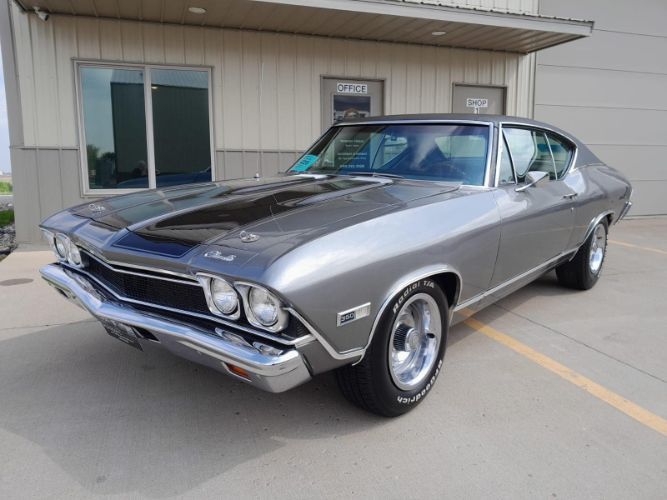
1968 Chevrolet Malibu
 Dealer
United States
Dealer
United States
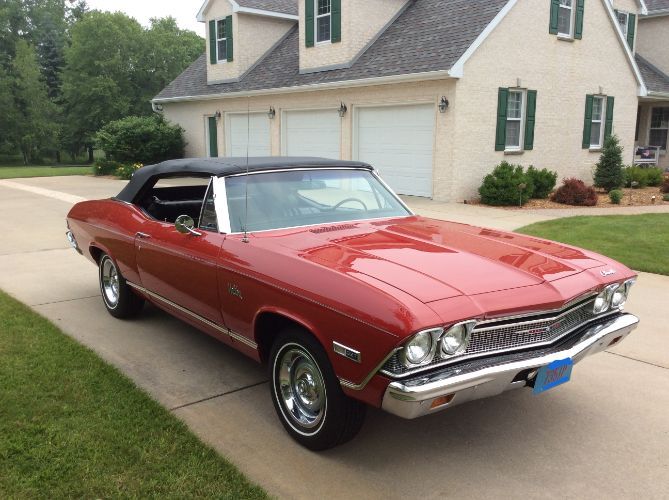
1968 Chevrolet Malibu
Pricing Guide
Driver-quality 1968–1972 with 350/396: $18,000–$28,000. Show quality: $30,000–$45,000. First-gen 1964–1967: $15,000–$25,000 driver, $28,000–$38,000 show. Colonnade 1973–1977: $10,000–$18,000. Malibu prices consistently run 20–35% below equivalent Chevelle SS — the same mechanical car with a different badge. A documented 396 Malibu is the best value proposition in the A-body Chevrolet collector market.Fun Facts
The 1966 Chevelle Malibu SS 396 set a then-record quarter-mile time of 14.66 seconds at 98 mph in Car and Driver testing, outrunning cars costing twice as much. The Malibu name would survive the discontinuation of the Chevelle in 1977, continuing on a front-wheel-drive platform through the 1980s and being revived again in the 1990s — making it one of the longest-running nameplate histories in GM's lineup. The original 1964 Chevelle Malibu SS was almost called the "Chevelle Monaco" before someone realized Monaco was already a Dodge nameplate.Frequently Asked Questions
Ready to find your Malibu?
Browse 6+ active Chevrolet Malibu listings on Classic Cars Arena.
View Listings →