
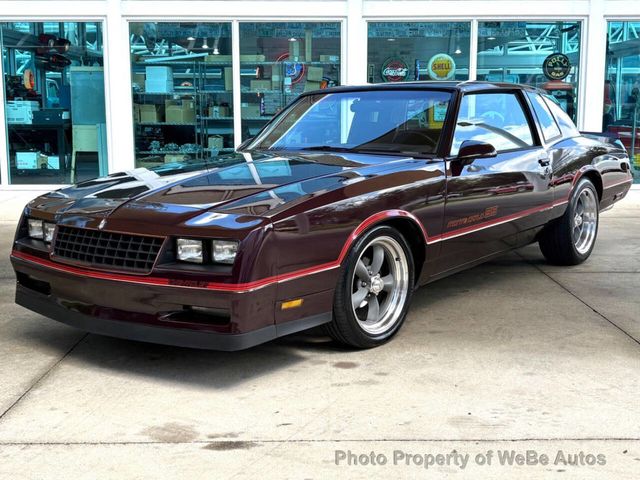
1986 Chevrolet Monte Carlo
$29,997
Vehicle Details
Chevrolet
Monte Carlo
1986
92,583 miles
1G1GZ37G3GR217453
Coupe
Automatic
Gasoline
5.0L 8 Cylinder
Description
1986 Chevrolet Monte Carlo SS — 305 V8, Burgundy on Burgundy, Clean Florida Car Why This Car Is Special The 1986 Chevrolet Monte Carlo SS represents the final chapter of one of GM's most recognized performance coupes. Chevrolet introduced the Monte Carlo SS in 1983, reviving the SS nameplate on the G-body platform at a time when performance cars were just beginning to recover from the emissions and fuel crisis era. The SS package gave buyers a factory-built sport coupe with a V8 engine, aero body pieces, and sport-tuned suspension, all wrapped in a two-door fastback profile that stood apart from everything else on the road at the time.
By 1986, the Monte Carlo SS had developed a loyal following, both on the street and in NASCAR, where the aerodynamic roofline of the Monte Carlo was a common sight on superspeedways throughout the mid-1980s. That racing connection was not lost on buyers — Chevrolet leaned into it. The street car and the race car shared the same basic silhouette, and that gave the 1986 Monte Carlo SS a credibility that few domestic coupes of the period could match.
This particular example is a numbers-relevant SS-trimmed car finished in Burgundy over a matching Burgundy cloth and vinyl interior. The color-matched cabin gives this car a cohesive, purposeful look that was very much in style when it left the Lakewood, Georgia assembly plant. The undercarriage photos tell an important part of this car's story — the floors are solid, the framerails are straight, and the undercoating is intact.
For a nearly 40-year-old car, especially one that could have spent time in the rust belt, that's a meaningful detail. The 1986 model year was the last year for the Monte Carlo SS in this body style. Chevrolet discontinued the G-body Monte Carlo after 1988, but the SS trim ended a year earlier, making 1986 the final opportunity to buy a new Monte Carlo SS.
Collectors have taken note of that fact in recent years, and clean, well-optioned examples like this one are becoming harder to find. Features List - 305ci (5.0L) V8 engine with carburetor - 700R4 4-speed automatic overdrive transmission - Factory Monte Carlo SS trim package - Dual exhaust - Center console with floor shifter - Tachometer - Custom aftermarket wheels - SS side stripes and badging - Bucket seats with armrests - Rear bench seat - Power steering - Power brakes with front disc brakes - Power windows - Power door locks - Tilt steering column - SS sport steering wheel - Rear deck spoiler - SS front air dam - Tinted windows - AM/FM cassette radio - Clean undercarriage Mechanical Under the hood sits the 305 cubic inch (5.0-liter) V8, fed by a carburetor and backed by the 700R4 4-speed automatic overdrive transmission. The 700R4 was a significant piece of equipment for this era.
Unlike the older Turbo-Hydramatic 350, the 700R4 added a true overdrive fourth gear, which dropped engine RPM at highway speeds and improved fuel economy without sacrificing the V8 character that SS buyers expected. The combination of a carbureted small-block and a 700R4 is a well-understood pairing that's easy to service and has a deep aftermarket supply chain behind it. The front brakes are discs, with power assist, giving this car better stopping performance than the four-wheel drum setups found on base Monte Carlos of the period.
Power steering is also present. The SS package came with a firmer suspension calibration compared to the standard Monte Carlo, with higher spring rates and specific shock valving that gave the car a more planted feel without making it harsh. The dual exhaust system exits out the rear and is visible in the undercarriage photos.
The floor pans, framerails, transmission crossmember, and rear suspension components all present cleanly. This is a Florida car by history, and the undercarriage reflects that — no significant rust, no patch panels, no evidence of prior structural repairs. The 700R4 pan visible in the photos carries the correct GM Hydra-Matic casting mar
Classic Chevrolet Monte Carlo Buyer's Guide
Chevrolet Monte Carlo Market Overview
Based on 45 Chevrolet Monte Carlo listings currently on ClassicCarsArena.com
Classic Chevrolet Monte Carlo Buyer's Guide
The Chevrolet Monte Carlo ran from 1970 through 1988 and made its collector case in two very different ways. The 1970–1972 first-generation cars are legitimate muscle-era machines — personal luxury coupes built on the Chevelle platform with engine options that climbed to the 454 LS6. The 1983–1988 Aero coupes are NASCAR-influenced collector pieces built to racing homologation rules. Between those two peaks are the middle-generation cars: comfortable, affordable classics with a strong styling identity. The first-gen SS454 is one of the most undervalued muscle cars in the market right now — and that window is not staying open much longer.
What to Check Before Buying
Common Issues
What to Look For
Price Guide
Did You Know?
1986 Chevrolet Monte Carlo
Contact Seller
Listed by dealer
Nationwide consignment dealer
WeBe Autos lists vehicles from sellers across multiple states. The vehicle may not be at the dealer's address shown. Contact the dealer to confirm the vehicle's actual location before traveling.
Buying safely?
Read our scam-avoidance tips before paying →
Listing Actions
Browse by Era
1980s Classics for SaleAll 1986 Classics
Browse all 1986 Cars for SaleModel History
How the Chevrolet Monte Carlo evolved (1970–1988) — 4 generations.
📈 View Full EvolutionGet classic car alerts
Latest arrivals, newest deals, and discount coupons — straight to your inbox.
Selling your classic car?
Reach millions of classic car enthusiasts on the largest US classics marketplace.
Sell Your Car →Similar Listings
 Dealer
 United States
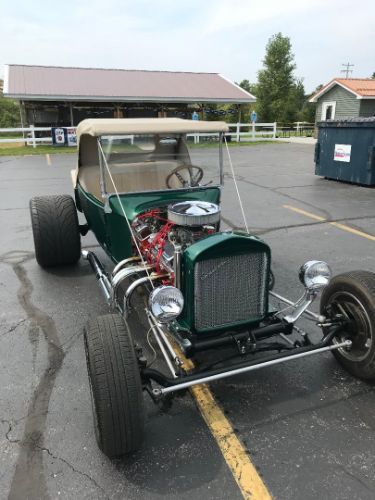
1918 Chevrolet 100
 Dealer
United States
Dealer
United States
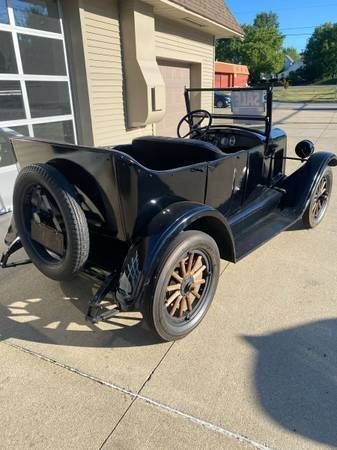
1923 Chevrolet Master
 Dealer
United States
Dealer
United States
1925 Chevrolet Superior K
 Dealer
United States
Dealer
United States
1926 Chevrolet 100
Contact Seller
Call this seller?
You're about to call WeBe Autos about the 1986 Chevrolet Monte Carlo.
+1 (631) 339-0399
Report this Ad
Help us keep the marketplace clean. Our moderation team reviews every report within 24 hours.