
Chevrolet Special Deluxe Buyer's Guide (1941–1948)
The Special Deluxe was the top trim of Chevrolet's wartime and early postwar lineup — chrome where others had painted steel, a nicer interior, and a price premium that still shows up in the collector market today. The convertible and woodie wagon are the headline grabbers, but even a solid driver-quality sedan is a rewarding car to own.

I've walked past a lot of Special Deluxes at swap meets and auctions over the years, and the ones that hold their value all have one thing in common: good metal. The chrome trim, the two-tone upholstery, the extra brightwork — those things matter, but they don't matter nearly as much as the cowl and the floor pans underneath. Get the structural metal right and the cosmetics are just time and money. Get it wrong and you're into a full restoration whether you planned for one or not.
History & Overview
Chevrolet offered two trim levels in the 1941–1948 model run: the base Deluxe and the top-line Special Deluxe. Both shared the same body stampings and the reliable 216 cubic inch "Stovebolt" six-cylinder, but the Special Deluxe added chrome window moldings, richer upholstery, a chrome grille surround, and on select body styles, genuine wood structural framing in the Fleetmaster woodie wagon.
Production was interrupted by World War II. Civilian car production halted in early 1942 and did not resume until the summer of 1945. The 1946–1948 cars are essentially restyled 1942 models — a practical reality of postwar retooling that makes parts interchangeability good across the wartime span. The 1941 models are mechanically compatible but have slightly different trim details.
Body Styles
The Special Deluxe was available in five configurations: two-door sport coupe, four-door sedan (called the Fleetline or Fleetmaster depending on year), business coupe, convertible, and the Fleetmaster Estate wagon with wood body panels. The convertible and woodie are by far the most valuable today and represent a distinct price tier above the sedans.
The 216 Stovebolt Six
Every Special Deluxe left the factory with the 216.5 cubic inch overhead-valve inline six producing approximately 90 horsepower and 174 lb-ft of torque. For a car weighing around 3,100 pounds, that's adequate rather than exciting — these are cruisers, not runners. The Stovebolt is legendarily durable: proper oil changes, valve adjustments, and attention to the cooling system will keep one running indefinitely. Parts are plentiful from suppliers like Chevy Duty and specialized vintage Chevrolet vendors.
The three-speed manual transmission is equally robust. Synchromesh on second and third; double-clutching first is the period-correct technique. Vacuum-shift models exist — understand the system before buying if originality matters to you.
What to Inspect
Start at the cowl. Open the hood and find the vent slots at the base of the windshield — probe that channel with a screwdriver. If it goes in easily, you're looking at structural metalwork before anything else. Move to the floor pans under the front seat and rear seat. These cars trap water in the lower body and the floors go long before the exterior panels show visible rust.
Lower rear quarters are the other critical zone. Check inside the trunk at the lower corners — water pools there and works outward. On the exterior, look at the bottom of the rear fenders just above the running boards. Surface rust here is cosmetic; soft metal means the inner structure has followed.
On a convertible, check every body seam for evidence of flex — cracked paint along the door jambs or around the windshield frame can indicate a structurally compromised body. These cars were not designed for open-top driving without their original wood framing intact.
| Specification | Detail |
|---|---|
| Engine | 216.5 ci Stovebolt inline six, 90 hp / 174 lb-ft |
| Transmission | 3-speed manual (synchromesh 2nd/3rd) |
| Wheelbase | 116 inches |
| Curb weight | ~3,100 lbs (sedan) |
| Production years | 1941–1942, 1946–1948 (no 1943–1945) |
| Body styles | Sport coupe, 4-door sedan, convertible, woodie wagon |
"The cowl channel is where I start every inspection on these cars. I don't care how nice the paint looks or how good the chrome is — if that cowl is soft, I'm walking or getting a structural repair estimate before I do anything else. I've seen beautifully presented Special Deluxes that were essentially structural disasters underneath. The Stovebolt engine will run forever. The body is what you're buying."
— Mike Sullivan
Pricing & Market
Driver-quality Special Deluxe sedans and coupes trade in the $12,000–$20,000 range depending on completeness and mechanical condition. Show-quality examples — correct paint, all trim present, professional interior — reach $28,000–$42,000. Convertibles carry a 30–40% premium at every condition level: driver convertibles routinely bring $18,000–$28,000; clean show examples exceed $55,000. The Fleetmaster woodie wagon is the rarest body style and commands $45,000–$80,000 for presentable examples with intact wood framing.
Browse Chevrolet Special Deluxe listings
 Dealer
 United States
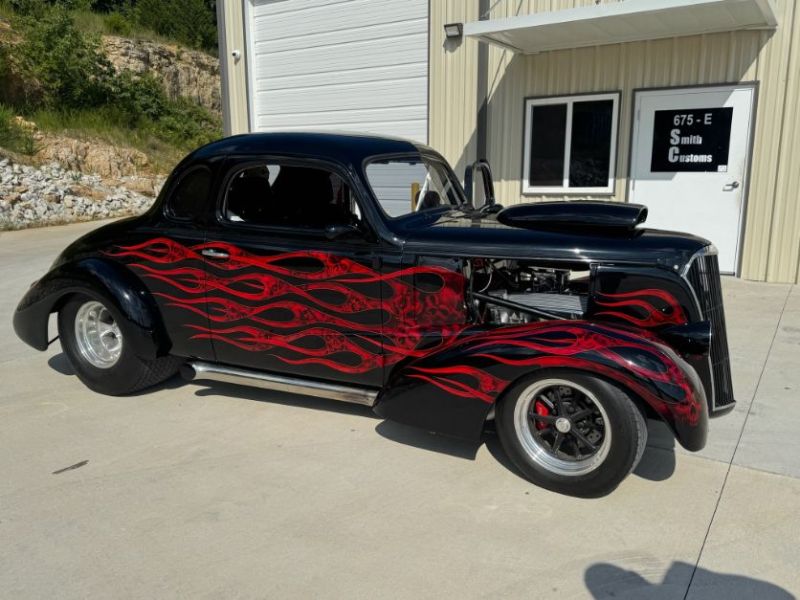
1938 Chevrolet Special Deluxe
 Dealer
United States
Dealer
United States
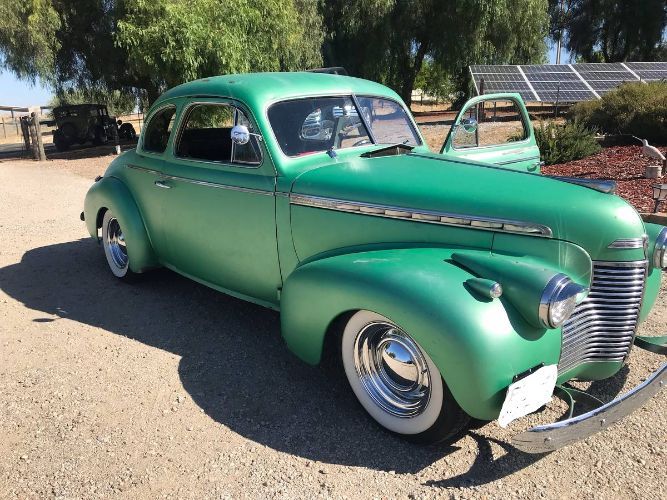
1940 Chevrolet Special Deluxe
What to Look For
Cowl channel rust is the defining inspection point — probe the vent slots at the windshield base with a screwdriver before evaluating anything else. Floor pan condition under both front and rear seats. Lower rear quarters inside the trunk corners and at the bottom of rear fenders above running board mounts. On convertibles: check all body seams for flex-related paint cracking, and verify the wood structural framing is intact. Inspect all Special Deluxe trim (chrome moldings, hood ornament, interior garnish pieces) — missing or damaged trim is expensive to source. Verify the Stovebolt starts cold and idles steadily. Check for oil leaks at the rear main seal and timing cover. Confirm transmission synchromesh engages cleanly on 2nd and 3rd. Test all electrical (gauges, lights, wipers) — the 6-volt system requires correct grounds throughout.Pre-Purchase Checklist
-
Cowl channel probe
Probe vent slots at windshield base with screwdriver — soft metal = structural repair required -
Floor pan inspection
Lift carpet under front and rear seats, check for rust-through or repairs -
Trunk corner rust
Inspect lower trunk corners inside and rear fender bottoms outside -
Convertible body seams
Check door jambs and windshield frame for flex-cracked paint on drop-tops -
Wood framing (wagon)
Probe all wood structural members on woodie — rot is not always visible -
Chrome trim inventory
Document all missing or pitted chrome — window moldings, hood ornament, grille surround -
Cold start test
Start from cold, listen for steady idle — rough idle often means valve adjustment -
Oil leaks
Check rear main seal and timing cover for oil seeping -
Transmission synchro
Verify 2nd and 3rd shift cleanly — grinding indicates worn synchro rings -
Electrical grounds
Test all lights and gauges — 6-volt issues almost always trace to ground connections -
Running board condition
Check running board attachment points for rust at lower body mounting
Common Issues
Cowl channel rust is nearly universal on unrestored examples and requires professional metalwork to address properly. Floor pan rust accompanies cowl rot — these cars trap water in the lower body structure. Lower rear quarter rust at the inner corners of the trunk is the third common structural failure. On convertibles, wood structural framing deteriorates independently of metal and compromises body rigidity. Rear main seal oil leaks are common and expected on high-mileage examples. The 6-volt positive-ground electrical system requires all grounds to be clean and correct — mysterious electrical gremlins almost always trace to ground connections. Chrome trim pieces (window moldings, hood ornament, grille surrounds) are difficult to find in good condition and expensive to replate; missing or pitted chrome is the most common cosmetic issue on driver-quality cars. Woodie wagon wood panels require periodic refinishing and moisture sealing to prevent structural deterioration.More Special Deluxe for sale
 Dealer
United States
Dealer
United States
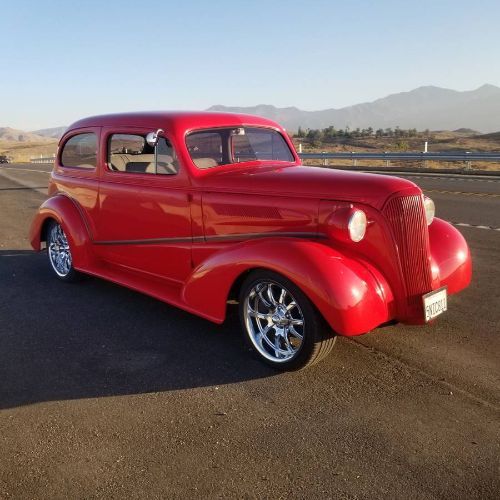
1937 Chevrolet Special Deluxe
 Dealer
United States
Dealer
United States
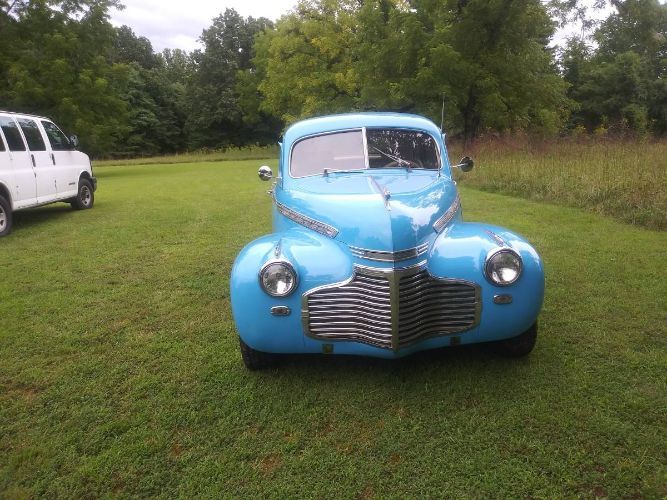
1941 Chevrolet Special Deluxe
Pricing Guide
Driver-quality sedans and coupes: $12,000–$20,000. Show-quality sedans: $28,000–$42,000. Convertibles carry a 30–40% premium at all condition levels — driver convertibles $18,000–$28,000, show quality $55,000+. Woodie wagons in presentable condition with intact wood: $45,000–$80,000. The Standard Deluxe (slug: deluxe, same chassis, lower trim) trades 15–20% below Special Deluxe prices at comparable condition. Incomplete cars missing trim pieces trade at significant discounts — factor in the sourcing cost of missing chrome before agreeing to a deal.Fun Facts
Chevrolet sold more cars than any other US manufacturer in 1941, and the Special Deluxe was the glamour piece of that lineup. Production halted entirely in February 1942 as all US auto plants converted to war production. The 1946 models, the first postwar Chevys, were essentially 1942 designs — dealers sold them as fast as they could be delivered to a car-starved public. The 216 Stovebolt six was so well regarded that it remained in production for truck applications well into the 1950s.Frequently Asked Questions
Ready to find your Special Deluxe?
Browse 6+ active Chevrolet Special Deluxe listings on Classic Cars Arena.
View Listings →