
Corvette C6 Z06 vs Dodge Viper GTS — American Supercar Showdown
<p>The Corvette C6 Z06 and the Dodge Viper GTS represent the two most extreme expressions of American performance car engineering from the same decade — and they arrive at their performance through completely different philosophies. The C6 Z06 is precision: a 7.0-litre naturally aspirated V8 with titanium connecting rods, 505 hp, and electronics that make the power accessible. The Viper GTS is intensity: a 8.4-litre V10 with 600 hp, no stability control, no ABS on early models, and a driving experience that demands complete driver commitment. Both are legitimate supercars. Only one of them is forgiving.</p>
Specs side-by-side
| Spec | Chevrolet Corvette | Dodge Viper |
|---|---|---|
| Engine | 7.0L LS7 V8, naturally aspirated | 8.4L V10, naturally aspirated |
| Power | 505 hp @ 6,300 rpm | 600 hp @ 6,100 rpm (Gen 4+) |
| Torque | 470 lb-ft @ 4,800 rpm | 560 lb-ft @ 5,000 rpm |
| Electronics | MRC suspension, traction control | Minimal (early), progressive (Gen 5) |
| Curb weight | 3,130 lbs | 3,374 lbs (GTS) |
| 0–60 mph | 3.7 sec | 3.5 sec (Gen 4 GTS) |
| 2026 value range | $45,000–$85,000 | $38,000–$80,000 |
The case for Chevrolet Corvette
The C6 Z06 makes its case through the most complete track-performance package available from an American manufacturer at its price point. The LS7 engine is the engineering centerpiece — purpose-built with titanium connecting rods and a dry-sump lubrication system that maintains oil pressure through sustained lateral loads that would starve a conventional wet-sump. The Brembo brake package (optional carbon-ceramic on Z07 cars) is race-derived in specification. The Magnetic Ride Control suspension adapts in real-time to road conditions, making the car genuinely manageable on public roads between track sessions. At $45,000–$85,000 in the current market, the Z06 delivers documented 7-minute-30-second Nürburgring capability at a price that the Viper GTS at equivalent specification cannot match. The Z06 also benefits from the Corvette's established dealer network, parts availability, and specialist community — practical advantages that matter when the car needs service.
The case for Dodge Viper
The Dodge Viper GTS makes its case through a driving experience that is simply more intense, more demanding, and more rewarding for the driver who has the skill to use it. The 8.4-litre V10 producing 600 hp (in the 2008–2010 GTS) with no electronic nannies — early Vipers had no stability control, no ABS, no traction control — is an honest machine: everything the driver inputs, the car faithfully executes. The consequences of inputs are proportional to driver skill rather than smoothed by intervention systems. This is not a criticism — it is a design philosophy that the Viper's enthusiast community considers a feature. The Viper GTS also delivers a visual and audio presence that the Z06 does not match: the side-exit exhaust of the Gen 4 and Gen 5 Vipers produces one of the most dramatic exhaust notes in the history of American performance cars. Values at $38,000–$80,000 for well-maintained GTS examples make it directly competitive with the C6 Z06.
Verdict
Buy the C6 Z06 if you want the more complete, more manageable track machine with better electronics, better parts support, and a safety net that allows you to explore the performance without catastrophic consequences for errors. Buy the Viper GTS if you are an experienced driver who wants the most visceral, unfiltered American performance experience available — and who accepts that the car will reward skill and punish mistakes in equal measure. Both are world-class performance cars. The Z06 is the better everyday sports car; the Viper is the better track-day experience for the driver who earns it. Cross-reference any purchase against documented service history — both cars are capable of being abused at high speeds, and inspection is non-negotiable before purchase.
Recent Chevrolet Corvette listings
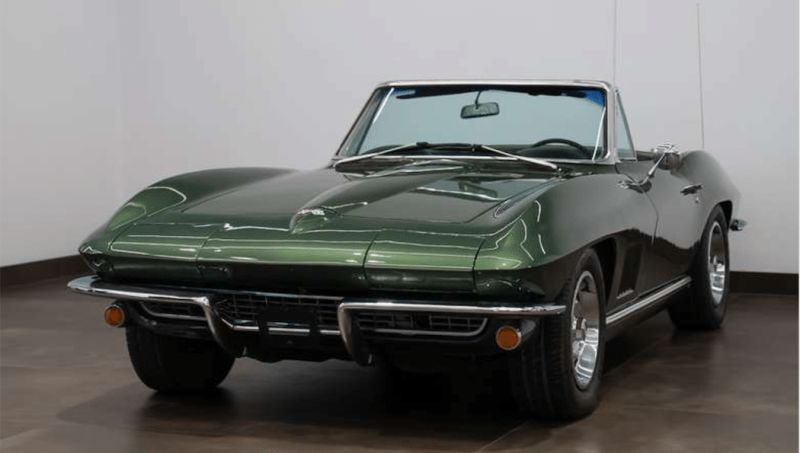
 Dealer
 United States
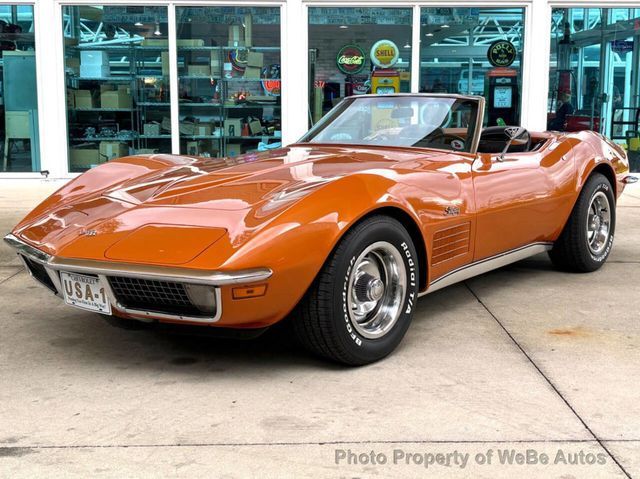
1971 Chevrolet Corvette
 Dealer
United States
Dealer
United States
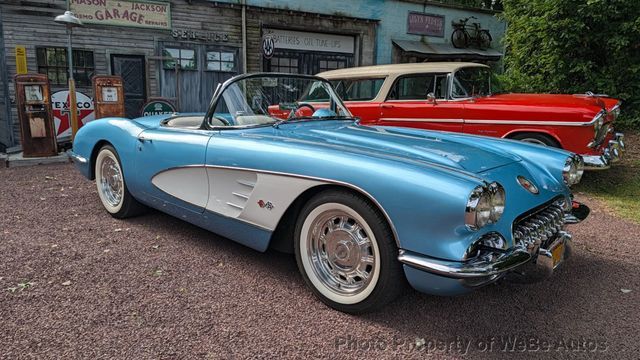
1960 Chevrolet Corvette
 Dealer
United States
Dealer
United States
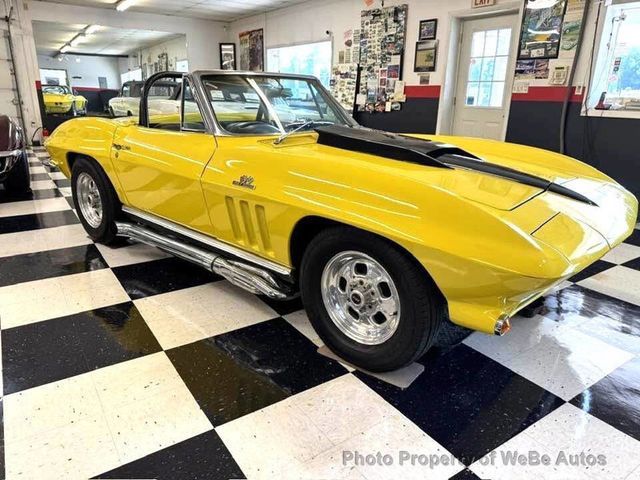
1966 Chevrolet Corvette
Recent Dodge Viper listings
 Dealer
United States
Dealer
United States
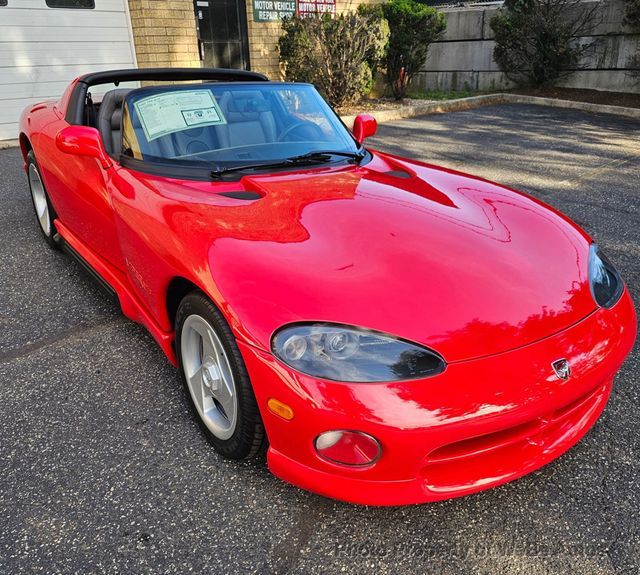
1995 Dodge Viper
 Dealer
United States
Dealer
United States
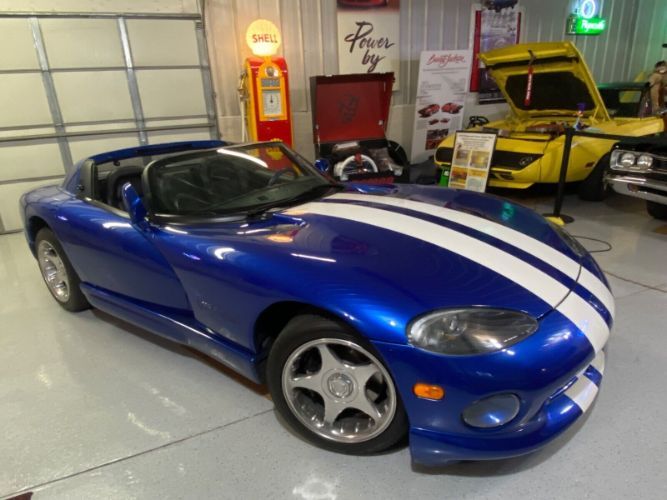
1997 Dodge Viper
 Dealer
United States
Dealer
United States
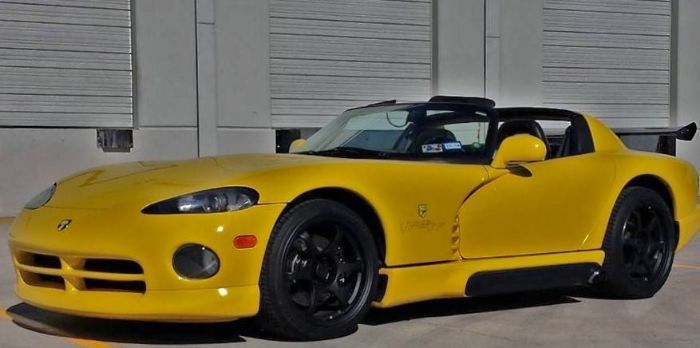
1995 Dodge Viper
 Dealer
United States
Dealer
United States