
De Tomaso Pantera vs Ferrari 308 — American V8 vs Italian V8 in a 1970s Exotic
<p>The De Tomaso Pantera (1971) and the Ferrari 308 GTB (1975) arrived in the same decade, targeting the same buyer — the serious performance enthusiast who wanted a mid-engine Italian exotic at a price below the Lamborghini Countach. Both use mid-mounted V8 engines. Both offer Italian styling over an engineering architecture designed for real-world performance. The comparison ends there. The Pantera uses Ford's 351 Cleveland pushrod V8 — bulletproof, parts-available everywhere in the United States, tunable to extraordinary power levels. The 308 uses Ferrari's 2.9-litre DOHC V8 — rev-hungry, communicative, requiring specialist knowledge and patience to maintain correctly. These are two very different answers to the same question.</p>
Specs side-by-side
| Spec | De Tomaso Pantera | Ferrari 308 |
|---|---|---|
| Production years | 1971–1993 | 1975–1985 |
| Engine | 5.8L Ford 351 Cleveland V8 | 2.9L Ferrari DOHC V8 |
| Power (peak) | 330 hp (factory) | 255 hp (EU carb) / 240 hp (US) |
| Engine layout | Mid-mounted, longitudinal | Mid-mounted, transverse |
| Body material | Steel (Ghia) | Steel / fiberglass (Pininfarina) |
| Total production | ~7,000 (all variants) | ~12,000 (all 308 variants) |
| 2026 value range | $65,000–$200,000 | $45,000–$165,000 |
| Annual maintenance est. | $2,000–$5,000 | $4,000–$8,000 |
The case for De Tomaso Pantera
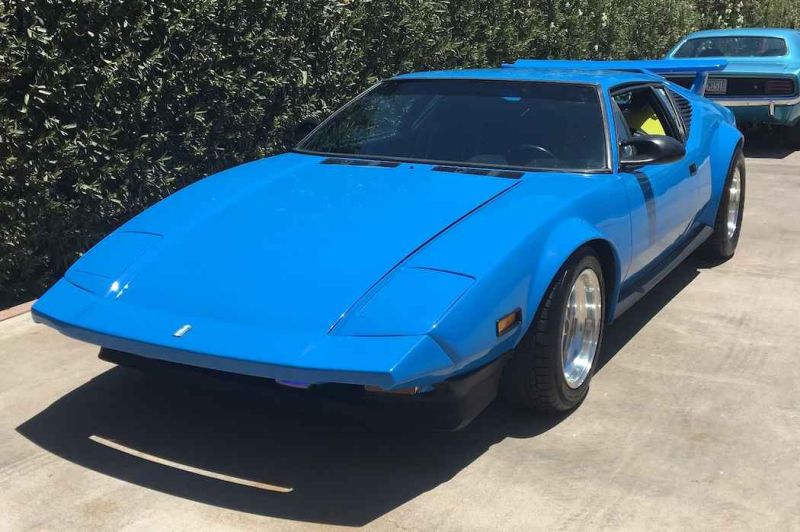
The Pantera's case begins with honesty. Alejandro de Tomaso's decision to use the Ford 351 Cleveland was a statement: this car will be fast, it will be Italian, and it will be serviceable anywhere in the United States without an exotic parts pipeline. That decision has aged better than almost any other exotic engineering choice of the 1970s. The 351 Cleveland at 330 hp in factory tune is a strong, linear engine with proven reliability — correctly tuned examples with period-correct Ford performance modifications can produce 400+ hp without exotic components. The Ghia-designed steel body is genuinely beautiful, the chassis dynamics are properly engineered for the mid-engine layout, and the wide-body GTS and GT5 variants offer visual drama that no 308 can match. Values ($65,000–$160,000 for a well-documented pre-L car) offer genuine exotic content at a price point well below the 308's upper range. The Pantera is the exotic for someone who wants to drive it rather than manage it.
The case for Ferrari 308
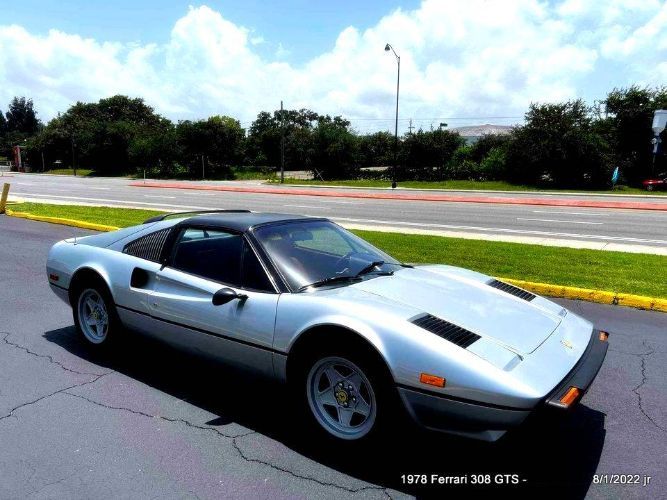
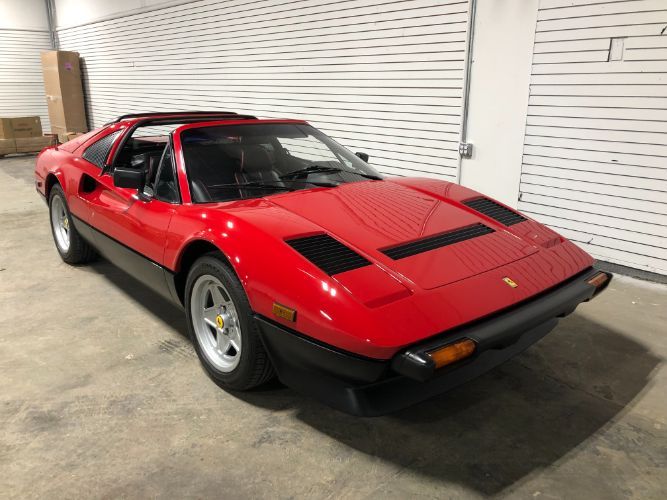
The Ferrari 308's case is the driving experience — an argument that does not require footnotes. The 2.9-litre DOHC V8, mid-mounted transversely behind the cabin, produces 255 hp (EU spec) or 240 hp (US carb) from a unit that revs freely to 7,700 rpm and communicates through the gearchange, the steering, and the seat in a way the heavier, torquier 351 Cleveland simply does not. Pininfarina's body is among the most beautiful designs of the decade — the 308 is not a car that requires explanation at a show or on a public road. Parts support through Ferrari Classiche and the independent 308 specialist community is comprehensive; annual maintenance ($4,000–$8,000) is manageable. The carbureted 308 GTB, especially the rare fiberglass-body early version, is appreciating consistently in a market that recognizes it as the most accessible Ferrari with genuine bloodline. The 308 is the exotic that rewards regular use in a way few mid-engine cars of its era can claim.
Verdict
These cars answer genuinely different questions. The Pantera answers: "What is the fastest, most serviceable mid-engine exotic available for under $150,000 that I can take to any competent mechanic?" The answer is the Pantera, and it is not particularly close. The 308 answers: "What is the most rewarding, most communicative, most genuinely Ferrari mid-engine exotic in the accessible price range?" The 308, also not close. The choice depends on whether you prioritize the drive — the 308 wins that argument — or the ownership proposition, in which case the Pantera's Ford V8 simplicity is compelling. If you will drive the car regularly and need it to be sorted, buy the 308 and develop a relationship with a 308 specialist. If you want more power, more drama, and less specialist dependency, the Pantera with a properly sorted 351 Cleveland delivers more of everything except refinement.
Recent De Tomaso Pantera listings
See all Pantera →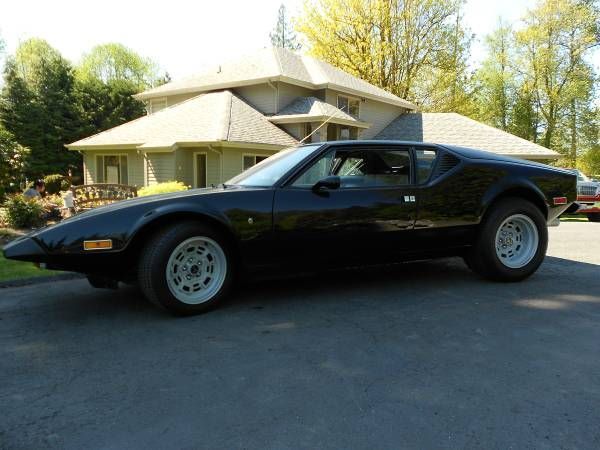
Recent Ferrari 308 listings
 Dealer
 United States
1978 Ferrari 308
 Dealer
United States
Dealer
United States