
Jaguar E-Type vs Porsche 911 — European Sports Car Icons
The Jaguar E-Type and Porsche 911 are two of the most important European sports cars ever produced, launched within two years of each other (1961 and 1963 respectively) and still defining the benchmark for classic sports car collecting. The E-Type is the grand tourer — long, low, devastatingly beautiful. The 911 is the driver's car — rear-engined, communicative, constantly evolving across six decades. Both reward deep engagement; the choice is a statement of what you want from a car.
Specs side-by-side
| Spec | Jaguar E-Type | Porsche 911 |
|---|---|---|
| Launched | 1961 | 1963 |
| Engine layout | Front inline-six (XK) | Rear flat-six (air-cooled) |
| Driver-quality value | \$45,000-\$120,000 | \$40,000-\$150,000+ (era) |
| Best collector era | Series 1 (1961-1967) | 993 (1994-1998) |
| Annual maintenance | \$5,000-\$12,000 | \$3,500-\$9,000 |
| Investment performance | Steady appreciation | Strong — esp. 993 |
The case for Jaguar E-Type
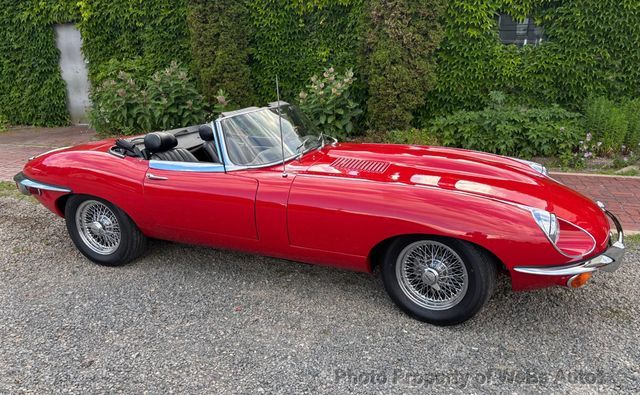
Choose the Jaguar E-Type if the aesthetic experience is the priority. No car produced in the 20th century has attracted more universal admiration for its design; the Series 1 E-Type's long hood, recessed headlamps, and monocoque body are a work of functional sculpture. The XK inline-six's sound through twin SU carburetors is among the most distinctive in all of automotive history. E-Type values have been firm for two decades, with concours Series 1 cars appreciating steadily. The car rewards smooth, flowing driving — it's not a car for aggressive cornering, but for covering ground in extraordinary style.
The case for Porsche 911
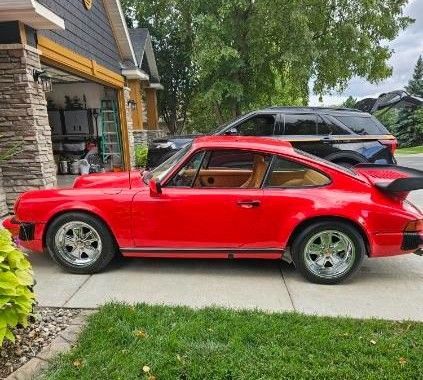
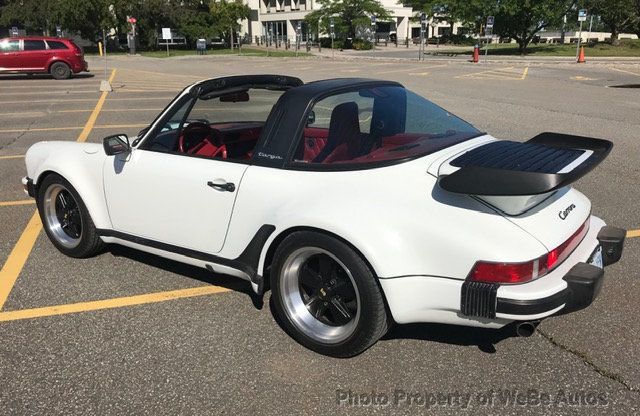
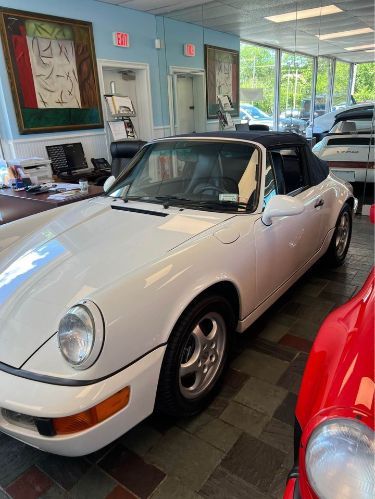
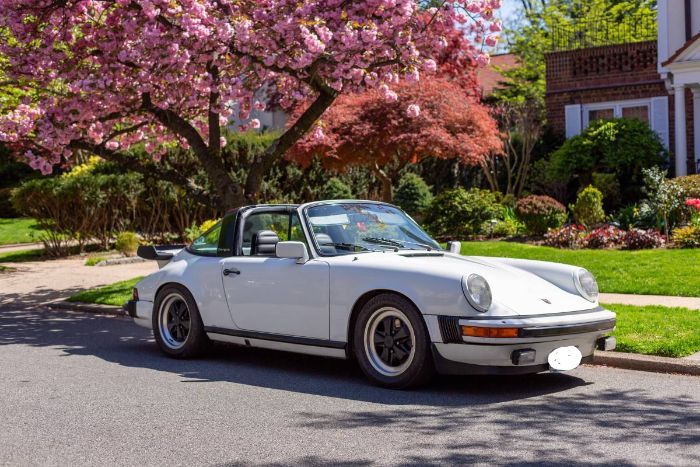
Choose the Porsche 911 if driving engagement is the priority. I've approached the 911 question with an engineer's eye for years, and the conclusion is always the same: no car of this era rewards the driver more consistently with feedback, capability, and mechanical honesty. The air-cooled flat-six's response, the rear-engine balance that punishes careless inputs and rewards smooth ones, and the 911's evolution across decades of engineering refinement (from 1963 to the last air-cooled 993 in 1998) make it the most thoroughly developed sports car in history. Values have appreciated dramatically — the 993 in particular has been one of the best-performing classic investments of the past decade.
Verdict
The E-Type is the car you look at; the 911 is the car you drive. Both are legitimate investments at their respective price levels, but the 911 — particularly the late air-cooled 993 — has outperformed the E-Type as a financial investment in recent years. For a buyer who wants to drive their classic car hard and often, the 911 is the rational choice. For a buyer who wants to own the most beautiful automobile of the 20th century, the E-Type is without peer.
Recent Jaguar E-Type listings
 Dealer
 United States
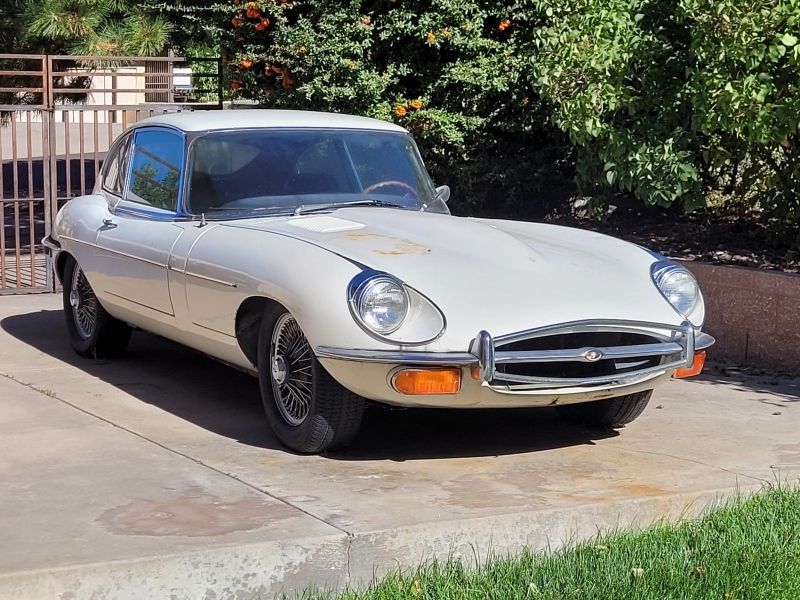
1971 Jaguar E-Type
 Dealer
United States
Dealer
United States
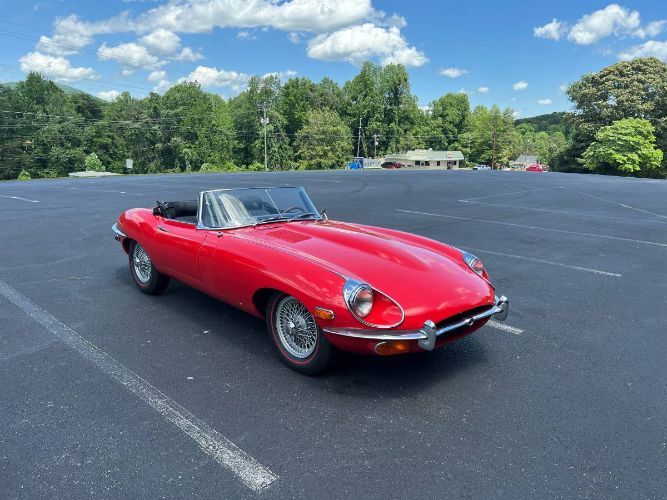
1969 Jaguar E-Type
 Dealer
United States
Dealer
United States
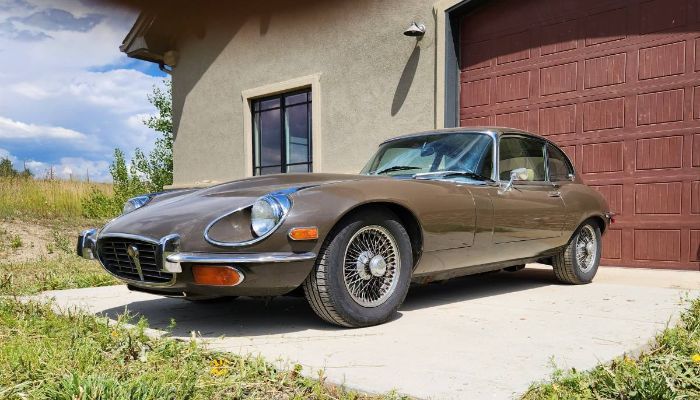
1972 Jaguar E-Type
Recent Porsche 911 listings
 Dealer
United States
Dealer
United States
1978 Porsche 911
 Dealer
United States
Dealer
United States
1988 Porsche 911
 Dealer
United States
Dealer
United States
1993 Porsche 911
 Dealer
United States
Dealer
United States