
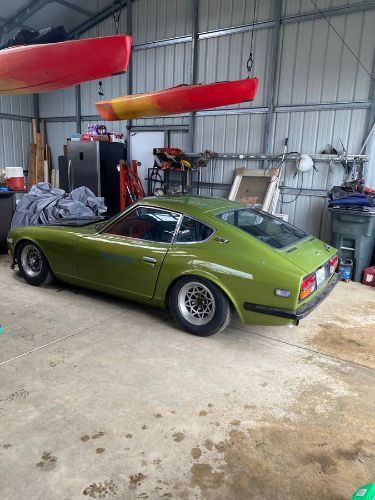
1973 Datsun 240Z
$24,895
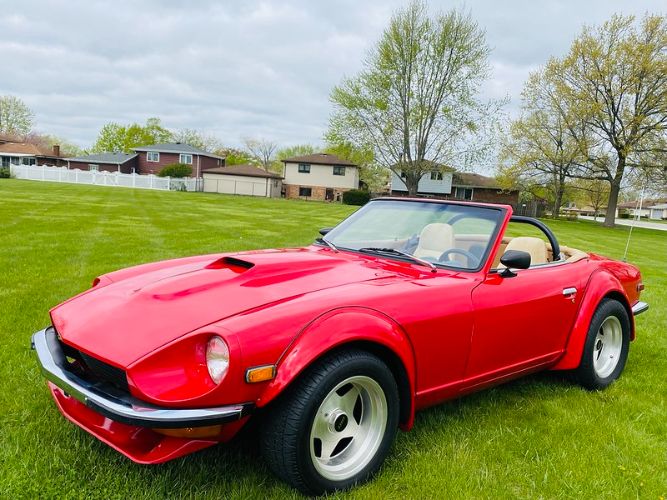
Vehicle Details
Datsun
240Z
1973
AAH40327
Convertible
Manual
350 V8 4 barrel
Description
1973 Datsun 240Z Roadster 350 V8…4-speed manual transmission, 4 Barrel Edelbrock Carb and Intake Mallory Ignition Fast as a Cobra!!! A very unique car..one of a kind!! Please Note The Following **Vehicle Location is at our clients home and Not In Cadillac, Michigan. **We do have a showroom with about 25 cars that is by appointment only **Please Call First and talk to one of our reps at 231-468-2809 EXT 1 **
Datsun 240Z Buyer's Guide
Datsun 240Z Market Overview
Based on 9 Datsun 240Z listings currently on ClassicCarsArena.com
Datsun 240Z Buyer's Guide
The Datsun 240Z is the car that changed how Americans thought about Japanese performance. Launched in 1969 for the 1970 model year at a sticker price of $3,526, it offered Jaguar E-Type styling, BMW 2002 driving dynamics, and Toyota reliability — for half the price of any of them. Today, clean original 240Zs sell for sums that would have shocked enthusiasts ten years ago, and the supply of unrestored survivors continues to shrink.
What to Check Before Buying
Common Issues
What to Look For
Price Guide
Did You Know?
1973 Datsun 240Z
Comparable Sales
Buying safely?
Read our scam-avoidance tips before paying →
Listing Actions
Browse by Era
1970s Classics for SaleAll 1973 Classics
Browse all 1973 Cars for SaleGet classic car alerts
Latest arrivals, newest deals, and discount coupons — straight to your inbox.
Selling your classic car?
Reach millions of classic car enthusiasts on the largest US classics marketplace.
Sell Your Car →Similar Listings
 Dealer
 United States
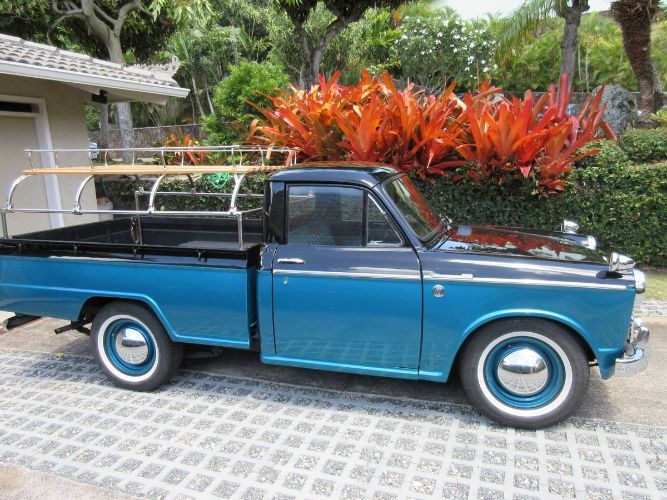
1965 Datsun 1200
 Dealer
United States
Dealer
United States
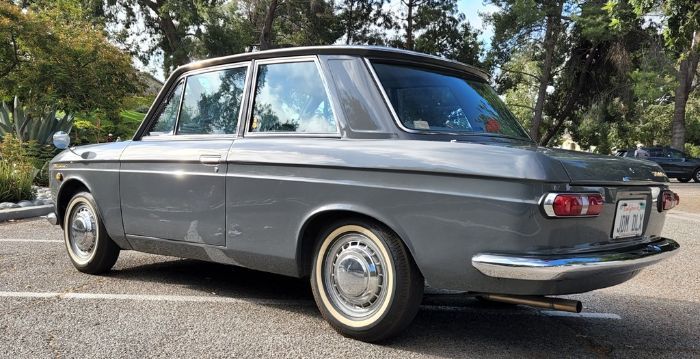
1966 Datsun 180B
 Dealer
United States
Dealer
United States
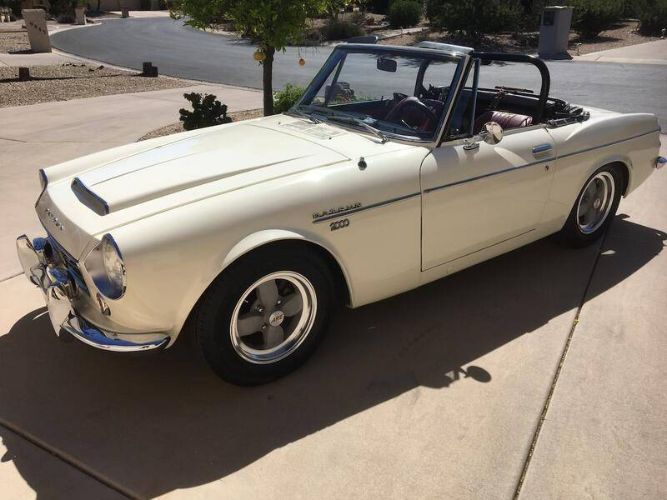
1968 Datsun 2000
 Dealer
United States
Dealer
United States
1970 Datsun 240Z
Call this seller?
You're about to call Classic Car Deals about the 1973 Datsun 240Z.
+1 (231) 468-2809
Report this Ad
Help us keep the marketplace clean. Our moderation team reviews every report within 24 hours.