
Ford Model 50 Buyer's Guide
The 1935 Ford Model 50 commercial vehicles continued the flathead V8 tradition in a more streamlined body than its predecessors — transitional pre-war Fords that are part of the same hot rod and custom lineage that made the 1932 Deuce and 1933–34 Ford so celebrated.

Jim Vasquez here. Ford used numerical model designations throughout the 1930s, and the Model 50 covers the 1935 commercial and light truck variants — different from the Model 48 passenger car but sharing the same flathead V8 that powered everything good that came out of Dearborn during the Depression era. The 1935 Ford trucks and commercial vehicles are the working-class relatives of the prewar hot rod canon, and they've been undervalued by comparison to the passenger car variants for decades.
The flathead V8 in the Model 50 is the same architecture that built the hot rod movement. You can find period-correct Edelbrock heads, multiple-carburetor setups, and performance ignitions for these engines right now. The Model 50 is a working foundation: honest proportions, accessible prices, and the flathead V8 that every serious builder understands.
Ford's 1935 Commercial Line
Ford's model numbering in the 1930s was systematic but not immediately intuitive from the outside. The Model 18 covered 1932, the Model 40 was 1933, the Model 40B covered 1934, and 1935 saw the split: Model 48 for the passenger cars and Model 50 for the commercial and light truck body styles. Both used the 221ci flathead V8 that had launched in 1932, now refined and producing 85 horsepower with improving reliability compared to the early production teething issues.
The 1935 commercial body was a significant update from the 1934 trucks — more streamlined, with a slightly more modern appearance that presaged the cleaner styling directions of the late 1930s. The cab was roomier, the hood longer, and the overall proportions better suited to both working use and the eye of a builder looking for a canvas.
The Flathead V8 Legacy
By 1935, the Ford flathead V8 was three years old and Ford's engineers had addressed most of the early production issues. The 221ci engine producing 85 horsepower was remarkably robust for the era, and the architecture — with valves in the block rather than in overhead heads — was genuinely modifiable. The flathead's design philosophy made it tunable in ways that competing inline-six and eight-cylinder engines weren't.
Pickup, Panel, and Cab Types
The 1935 Ford commercial line offered several body configurations. The standard pickup had the familiar open bed. The panel delivery offered an enclosed cargo area — the 1930s equivalent of the commercial van — and is visually distinctive with its smooth panel sides. The cab and chassis configuration allowed aftermarket bodies. For the collector and builder, the pickup is the most available; the panel delivery is the most sought-after for its enclosed-body visual appeal.
| Configuration | Body Type | Rarity | Builder Appeal |
|---|---|---|---|
| Pickup | Open bed, Cab-over-cargo | Most common | Traditional hot rod truck foundation |
| Panel Delivery | Enclosed cargo body | Less common | High show appeal; enclosed body |
| Cab & Chassis | Cab only, no rear body | Rare | Custom rear body opportunity |
Building on the Model 50
The same principles that make the prewar Ford passenger cars attractive to builders apply to the Model 50 commercial vehicles. The flathead V8 takes the same performance upgrades: Edelbrock heads, multiple-carb manifolds (the 97 Stromberg dual-carb setup is the classic period-correct choice), and electronic ignition conversions that substantially improve reliability. The engine bay is roomy by modern standards and the basic architecture is familiar to any shop that works on prewar Fords.
The commercial body proportions are different from the passenger cars — taller cab, longer hood, more upright stance — which creates a different visual character. A built Model 50 pickup sits differently from a chopped passenger car. The commercial platform has its own aesthetic, and the builders who work in that space are producing some genuinely interesting trucks that stand apart from the sea of chopped coupes.
"I love these trucks because they're honest. The proportions are right, the flathead is right, and you can build them to any level without pretending they're something they're not. A Model 50 pickup with a built flathead, period-correct equipment, and clean stance is a statement car that nobody else at the show has."
— Jim Vasquez
Browse Ford Model 50 listings
 Dealer
 United States
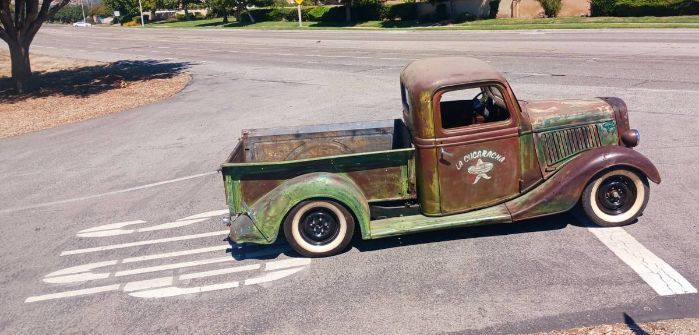
1936 Ford Model 50
 Dealer
United States
Dealer
United States
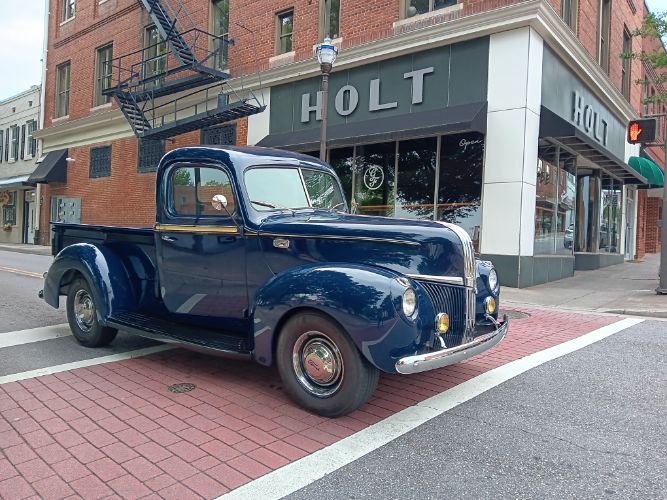
1941 Ford Model 50
What to Look For
The cab floor is the primary rust concern — inspect from underneath and inside for perforation. The lower cab rear corners where the cab meets the bed are the second location. On panel delivery bodies, inspect the lower panel body sections and the door sills. Verify the flathead V8 runs without overheating — the cooling system on these engines relies on proper water pump function and clean water passages; a clogged block from 90 years of scale buildup is a serious repair. Test the three-speed manual transmission through all gears — synchronizers are absent on first gear (double-clutching required) but second and third should synchronize cleanly. On any 90-year-old vehicle, inspect the electrical system for proper insulation — cloth-covered wiring deteriorates with age.Pre-Purchase Checklist
-
Cab Floor Rust
Inspect floor from underneath and inside — perforation is the primary structural failure on 90-year-old trucks. -
Lower Cab Corners
Probe where the cab meets the bed at the lower rear corners — consistent water collection point. -
Flathead Cooling System
Warm to operating temperature — any overheating indicates scale-blocked water passages in the block. -
Head Gasket Condition
Check for white exhaust smoke and oil emulsification — head gasket failure follows overheating. -
Transmission Function
Test all gears — second and third should synchronize; first is non-synchronized (double-clutch required). -
Wiring Insulation
Inspect visible wiring for deteriorated cloth insulation — a fire risk on unrefurbished examples. -
Panel Body Sections
On panel delivery variants, inspect lower body sections and door sills for rust. -
Glass Completeness
Verify all glass is intact — pre-war glass profiles are difficult and expensive to reproduce.
Common Issues
Cab floor perforation from age and rust — the most common structural issue. Lower cab corner rust. Flathead V8 cooling system blockage from scale buildup over decades — overheating and head gasket failures result. Early flathead casting porosity and crack risk on severely overheated engines. Three-speed manual transmission wear. Electrical system insulation deterioration — fire risk on unrefurbished cloth-wiring examples. Panel delivery body lower section rust on enclosed-body variants. Original glass replacements difficult to source for correct pre-war profiles.More Model 50 for sale
 Dealer
United States
Dealer
United States
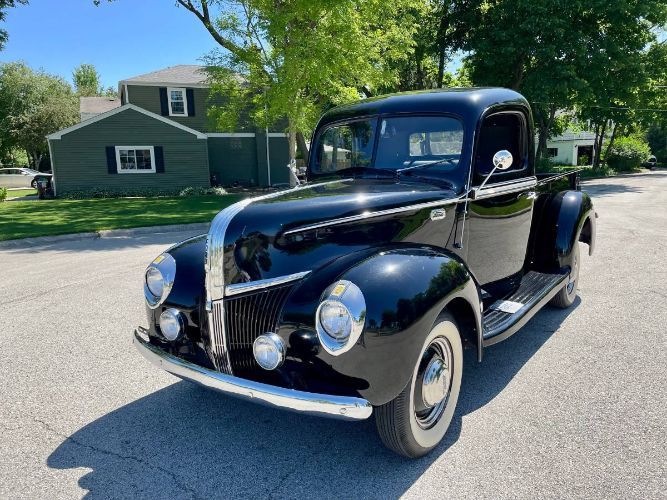
1941 Ford Model 50
 Dealer
United States
Dealer
United States
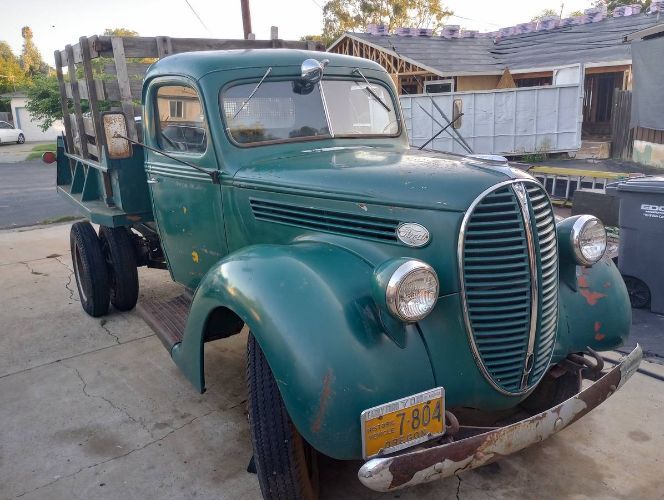
1939 Ford Model 50
Pricing Guide
1935 Ford Model 50 pickup (driver condition): $12,000–$28,000. Model 50 panel delivery: $18,000–$40,000. Original unrestored survivor (any condition): $8,000–$22,000. Show-quality built truck: $30,000–$75,000 depending on build quality. Period-correct built flathead V8 trucks command significant premiums — the quality of the engine work is the primary value driver after body condition.Fun Facts
Ford's 1935 commercial vehicles used the same 221ci flathead V8 that had debuted in 1932 — by this point the engine had been refined through three production years and most of the early reliability issues had been addressed. The 85-horsepower output was unchanged from 1934, but the engine's dependability had improved substantially. The flathead V8's architecture, with intake and exhaust valves in the block beneath the flat cylinder head, was technically less efficient than overhead-valve designs — but it was simpler, cheaper, and tunable in ways that made it the foundation of American hot rodding for the following two decades.Frequently Asked Questions
Ready to find your Model 50?
Browse 6+ active Ford Model 50 listings on Classic Cars Arena.
View Listings →