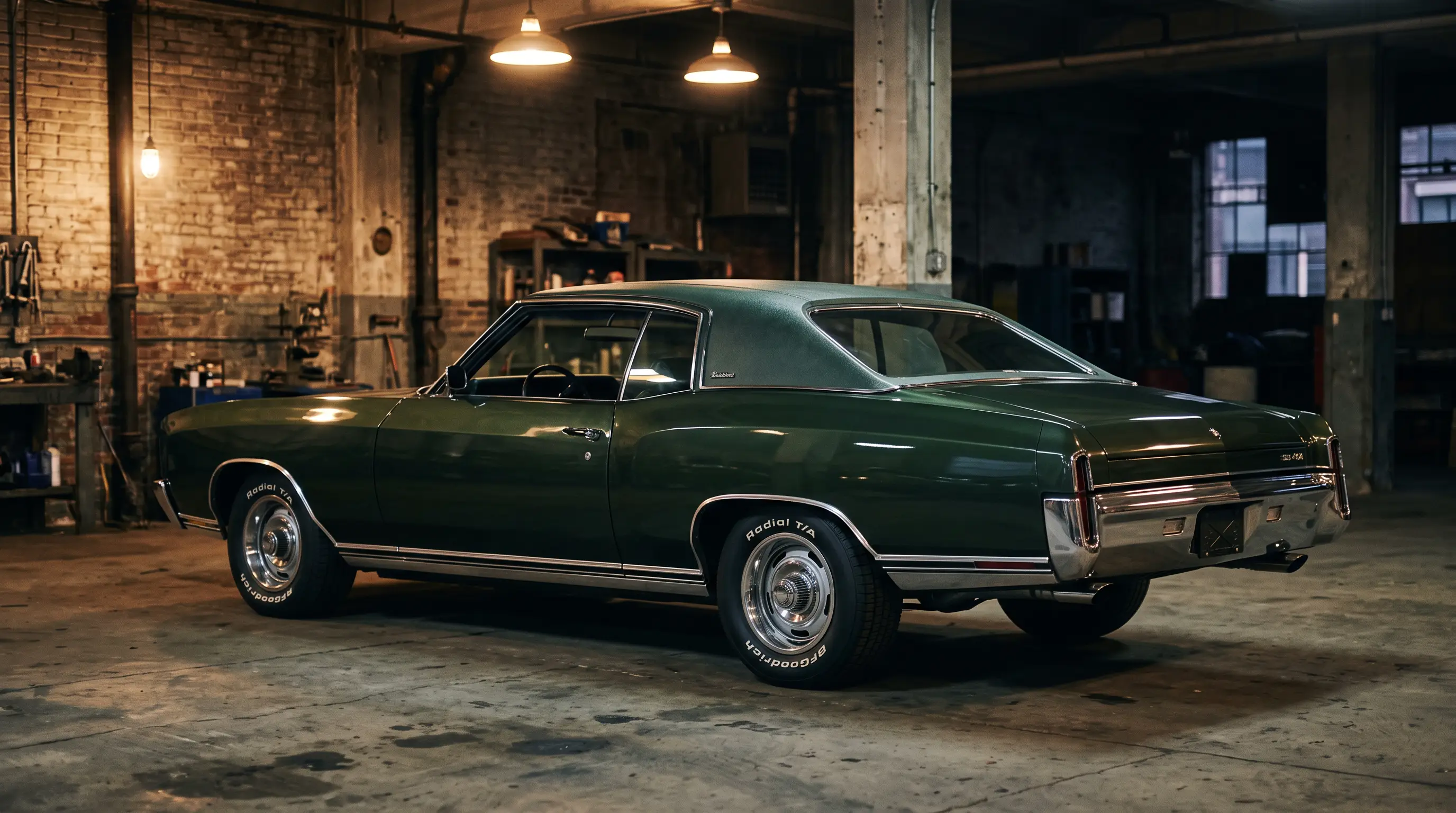
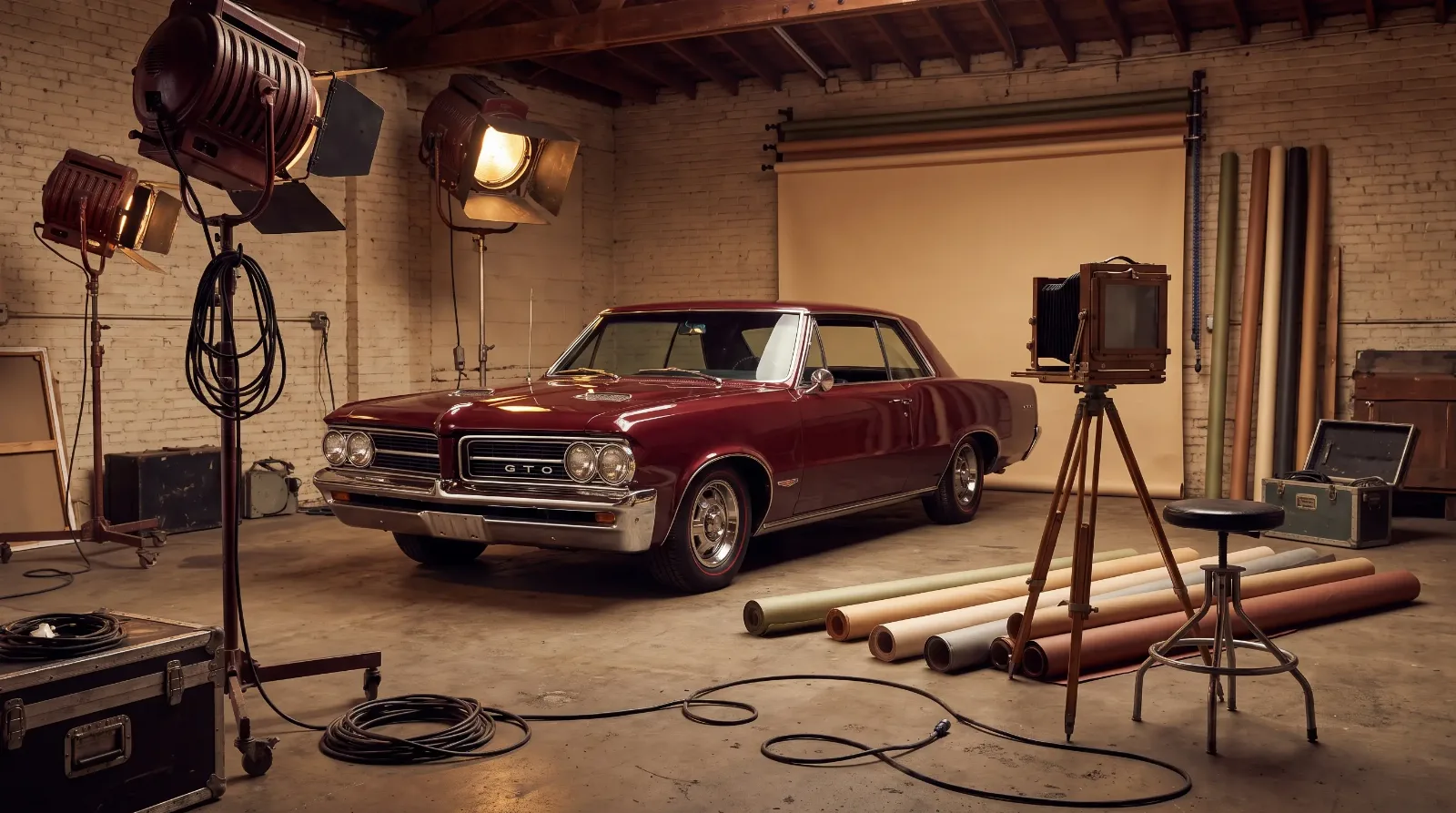
Car and Driver's March 1964 issue put a Pontiac GTO on the cover alongside a Ferrari 250 GTO under the headline "GTO vs. GTO," and the story that ran inside became nearly as famous within GTO history as the car it covered. What most readers remember, a real showdown between an American muscle car and Ferrari's most celebrated competition machine, never actually happened. No Ferrari showed up for testing, the cover pairing was an illustration, and the piece editor David E. Davis Jr. wrote was closer to an imagined match-up built on borrowed performance figures than a genuine side-by-side comparison. Understanding what the magazine actually did, and where the legend outran the facts, matters for anyone trying to separate the GTO's real record from the story that grew up around this one issue.
A comparison that was never actually run
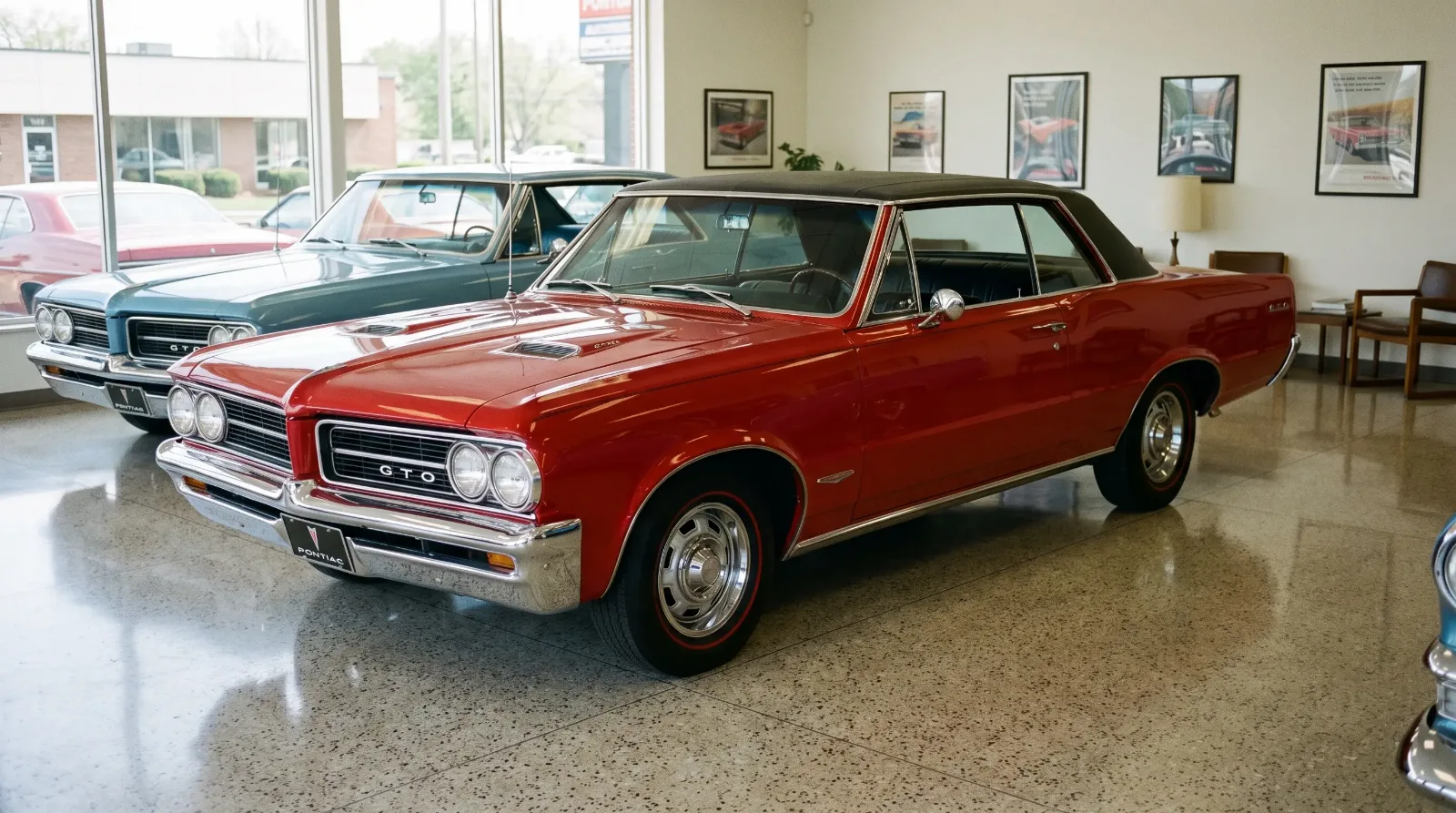
Pontiac's decision to name its new option package after Ferrari's homologation special all but invited a magazine to invoke the comparison, and Car and Driver took the bait with enthusiasm, just not in the form most people assume. The Ferrari 250 GTO was never delivered to the magazine, never driven, and never photographed alongside the Pontiac. Davis built the story around borrowed Ferrari performance figures and a Pontiac that had been through Royal Pontiac's shop, framing a comparison on paper rather than running an actual head-to-head test. That framing still generated exactly the attention Pontiac wanted, putting the GTO name in front of readers who followed international sports car racing and would otherwise have had little reason to pay attention to a mid-size American option package.
The name itself was the provocation. Ferrari's 250 GTO stood for Gran Turismo Omologato, a designation tied to genuine international racing homologation rules, earned through actual competition results rather than borrowed for a marketing campaign. Pontiac's use of the same three letters on a mid-size American car with no racing homologation behind it struck some in the automotive press as presumptuous before a single performance figure was published. Car and Driver's editors understood that friction and built the story around it rather than shying away from it.
The test car problem
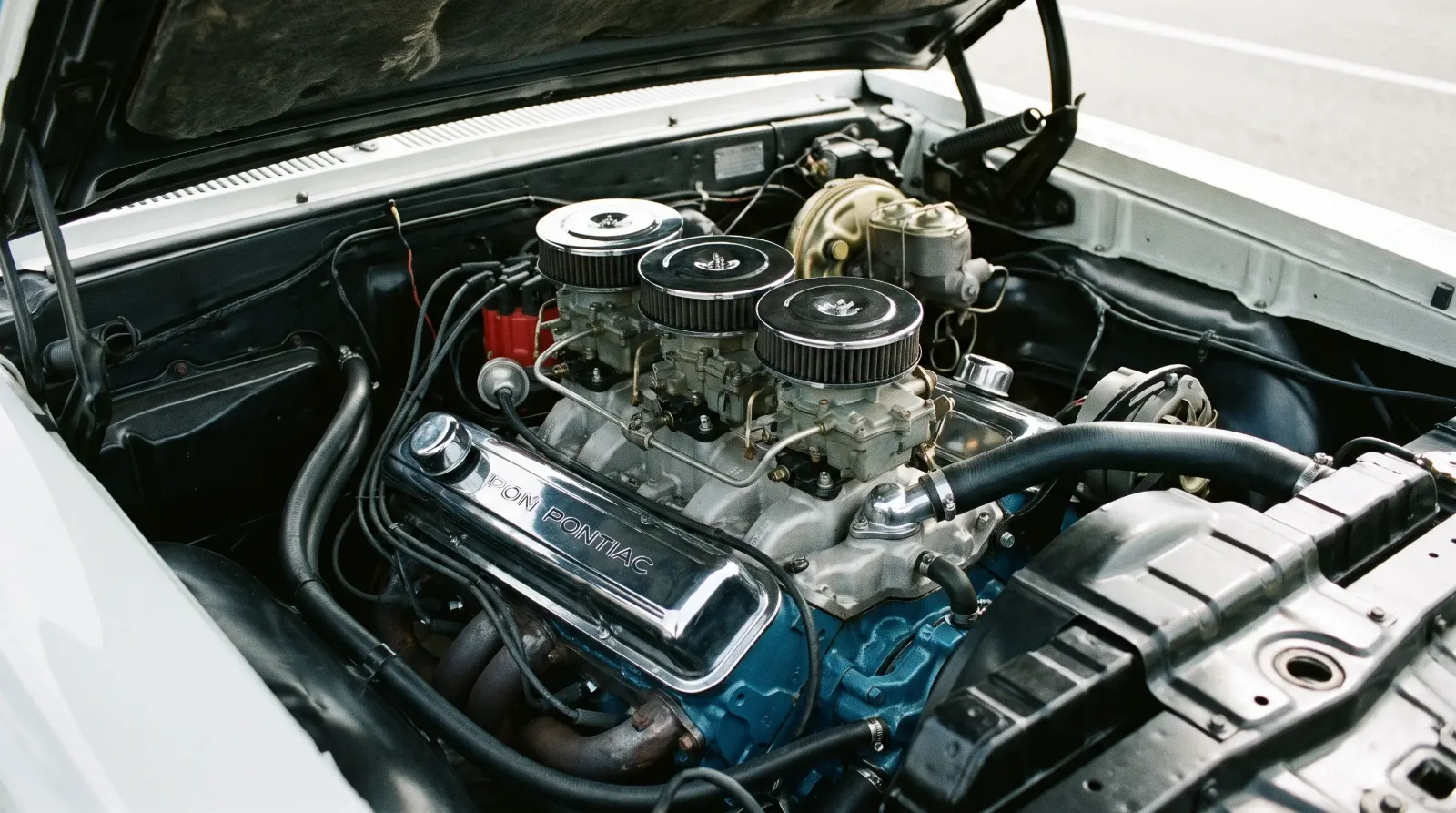
The Pontiacs Car and Driver actually drove for the story were not stock 389 Tri-Power GTOs. They were a pair of Royal Pontiac-prepped cars fitted with 421 cubic inch V8s pulled from Pontiac's full-size lineup, well beyond anything a GTO buyer could order from a dealer's option sheet. The magazine's editors didn't hide this entirely, they acknowledged the cars had been modified by Royal Pontiac with changes to carburetion, compression, and ignition timing, but the headline framing left many readers with the impression they were reading about a showroom-stock GTO taking on a Ferrari. What's clear is that the performance figures published in that issue, a 0-60 run in the mid-4-second range and a quarter-mile in the low 13s, became the numbers most frequently repeated in later GTO coverage, despite describing a heavily massaged 421-powered ringer rather than the 389 Tri-Power car most 1964 buyers actually drove home.
This wasn't an unusual practice for the era. Manufacturers routinely supplied press cars prepared with a level of attention no ordinary buyer's example would receive straight from a dealer's lot, blueprinted engines, careful tuning, and sometimes parts that technically existed on an option sheet but that almost no retail customer actually ordered together. What made the GTO story stand out wasn't that Pontiac did this, plenty of manufacturers did. It's that the resulting numbers got attached permanently to a car whose entire identity was built on outrunning its price class, and that the story built its premise around a Ferrari matchup that never actually took place, which made the gap between legend and fact wider here than it was for most period road tests.
Why the industry took the story so seriously
A magazine cover pairing an American mid-size car with Ferrari's most celebrated competition machine wasn't a small provocation in 1964. Enthusiast readers took performance claims seriously, and a favorable comparison to Ferrari carried real weight in a way that ordinary road test praise never could. Rival manufacturers noticed too. GM's other divisions, along with Ford and Chrysler, watched the coverage the GTO generated and understood, correctly, that a well-placed magazine story could do more for a car's reputation than a season of factory racing ever had, especially with the 1963 racing ban still fresh.
Ford's response arrived in the form of increasingly aggressive performance marketing of its own over the following seasons, and Chrysler leaned harder into its own factory-backed drag racing efforts, both moves that trace at least partly back to watching what a single well-timed magazine feature did for Pontiac's sales floor traffic. The GTO didn't just start a car, in other words. It demonstrated a marketing playbook that the rest of Detroit spent the back half of the decade refining and repeating.
Tom Ramirez has spent considerable time working through the primary documentation from this period, and his take on the episode leans toward professional caution rather than outright dismissal.
"I don't think David E. Davis set out to deceive anyone. He was writing a magazine feature, not a certified test report, and he told readers plainly that Royal Pontiac had built the cars. The mistake is on the reader's side, sixty years of retelling turned an imagined match-up with borrowed Ferrari numbers into a memory of an actual race that never happened."
— Tom Ramirez
How the controversy is remembered differently by different audiences
Ask a GTO owner about the Car and Driver story today and you'll often hear it told as if the two cars actually raced, proof the GTO really could hang with something as celebrated as a Ferrari. That version is folklore, not history: no Ferrari ever showed up, and the Pontiacs in the story were 421-powered Royal Pontiac ringers, not the 389 Tri-Power car buyers actually drove home. Ask a historian who's worked through the primary documentation and you'll get a more careful answer, one that treats the published numbers as a data point tied to a specific pair of heavily modified press cars, not a stand-in for what a stock GTO could do, and treats the Ferrari matchup as the magazine's framing device rather than an event that occurred. Both readings still coexist in GTO literature today, sometimes within the same book or article, which says less about the facts, which are settled, than about how durable a good magazine story can be.
That ambiguity is itself part of the GTO's story now. Very few muscle cars from this era have a single magazine article this thoroughly picked apart, re-examined, and argued over decades after publication, and the fact that the debate has never fully resolved says something about how much weight that one issue still carries in shaping the car's reputation.
What the controversy actually changed
Whatever the truth behind the test cars and the missing Ferrari, the coverage did lasting work for the GTO's reputation. It cemented the car's identity as a genuine performance machine rather than merely a marketing exercise, gave Pontiac's dealers a magazine cover to point to on the sales floor, and set a template other manufacturers would chase for the rest of the decade: get your new performance car into an enthusiast magazine's hands and let the resulting coverage do the advertising work a factory racing budget used to handle. That template traces directly back to the birth of the GTO and the specific competitive pressures Pontiac was operating under in 1964.
The GTO's relationship to the ordinary LeMans and Tempest it was built on remains one of the more misunderstood parts of this story. Read on for how the GTO option actually related to the A-body platform it shared with its more modest siblings.