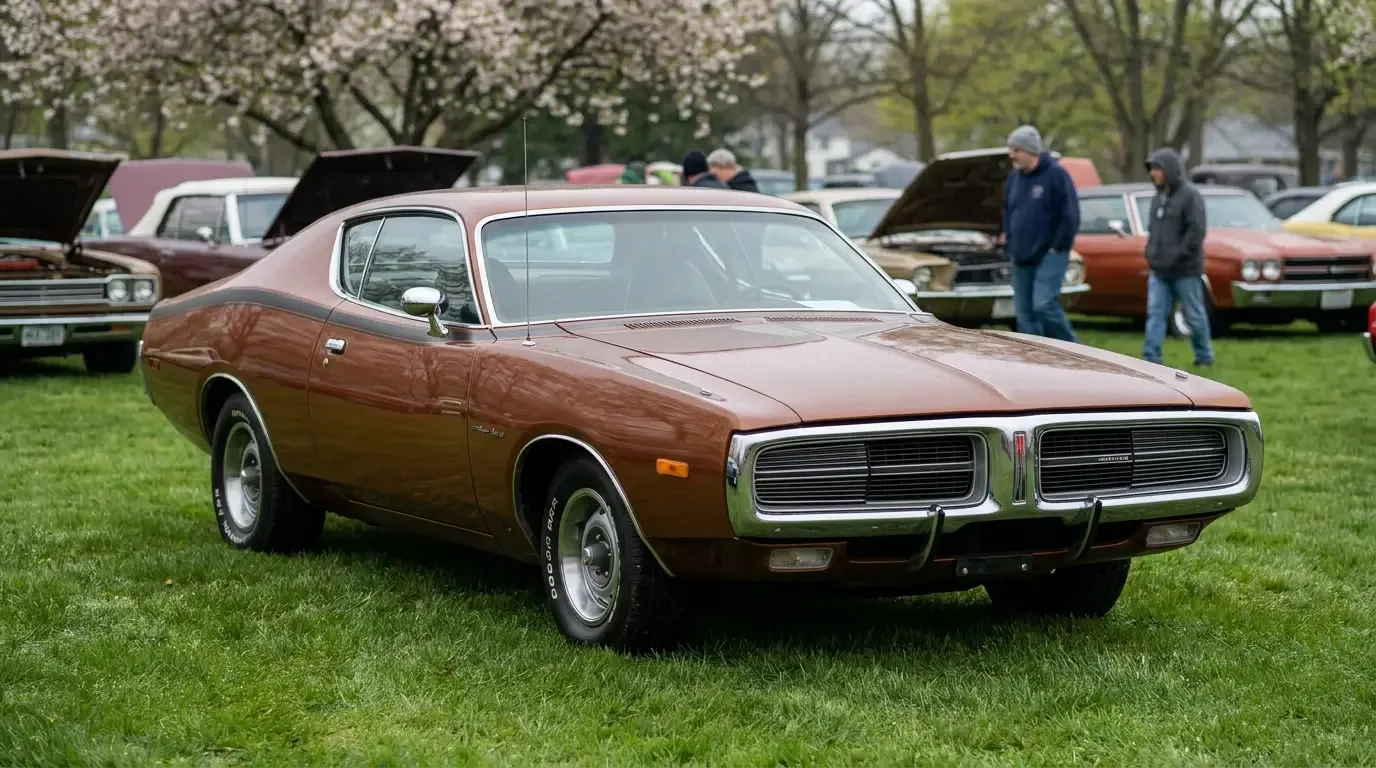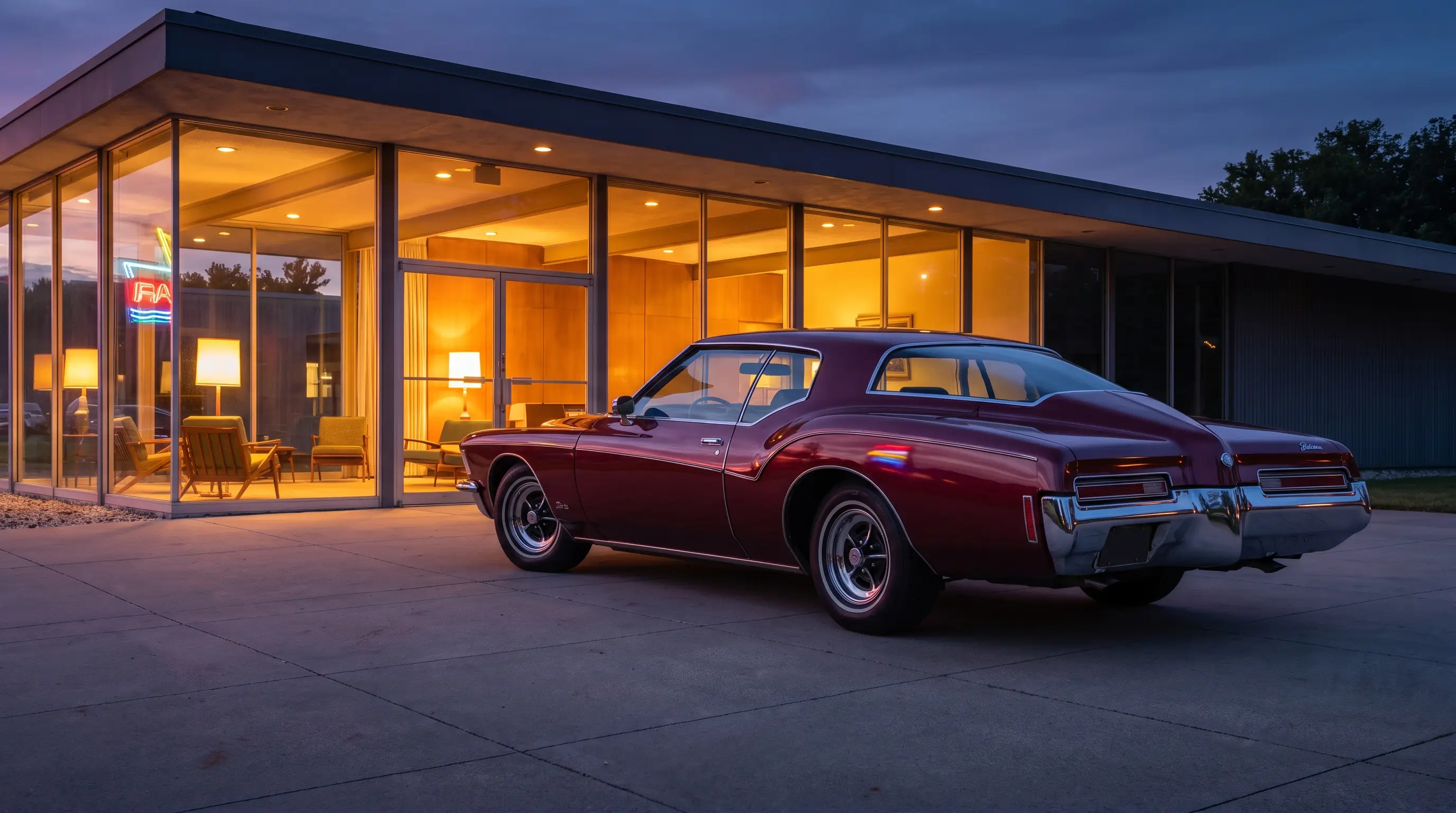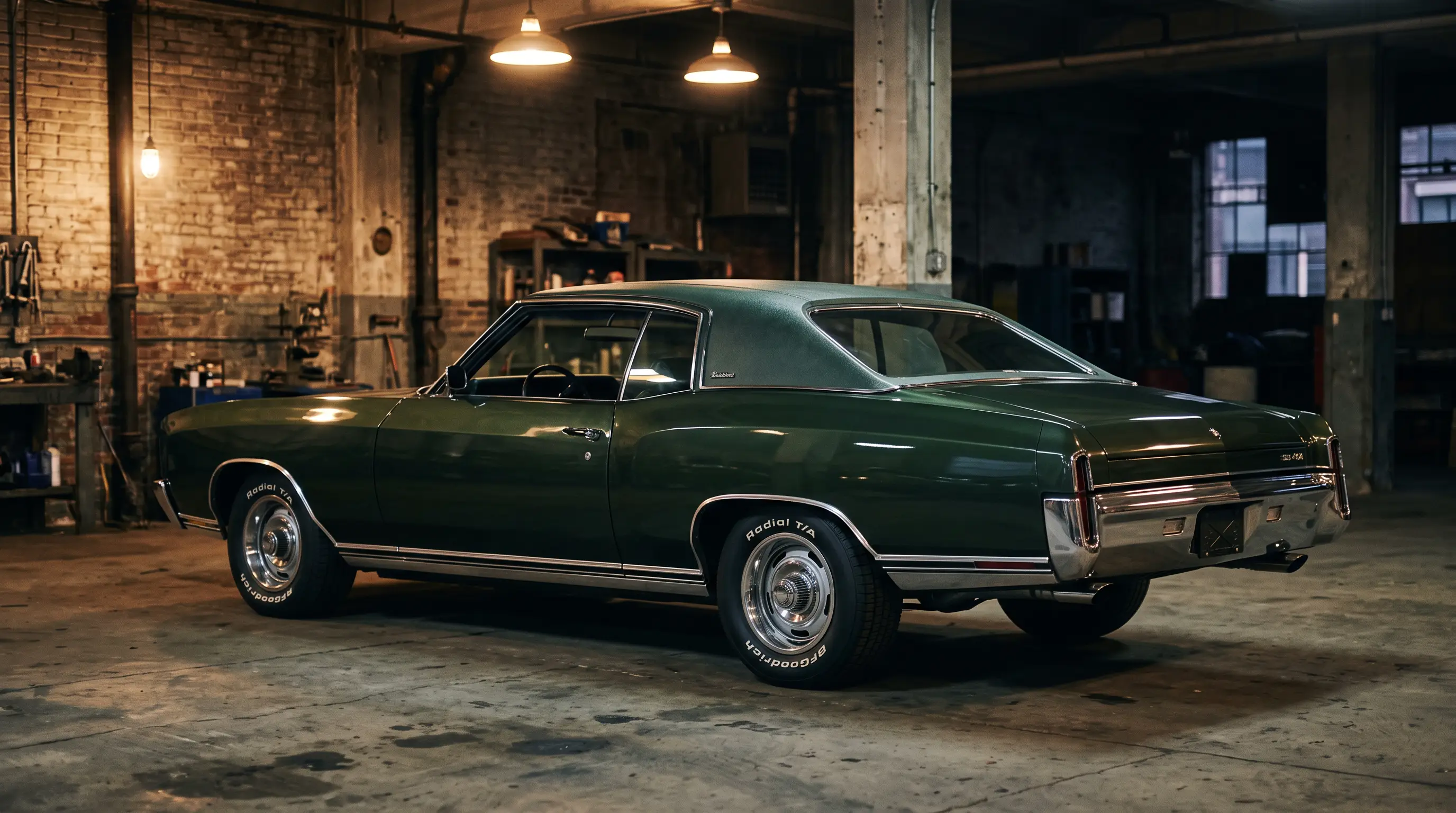
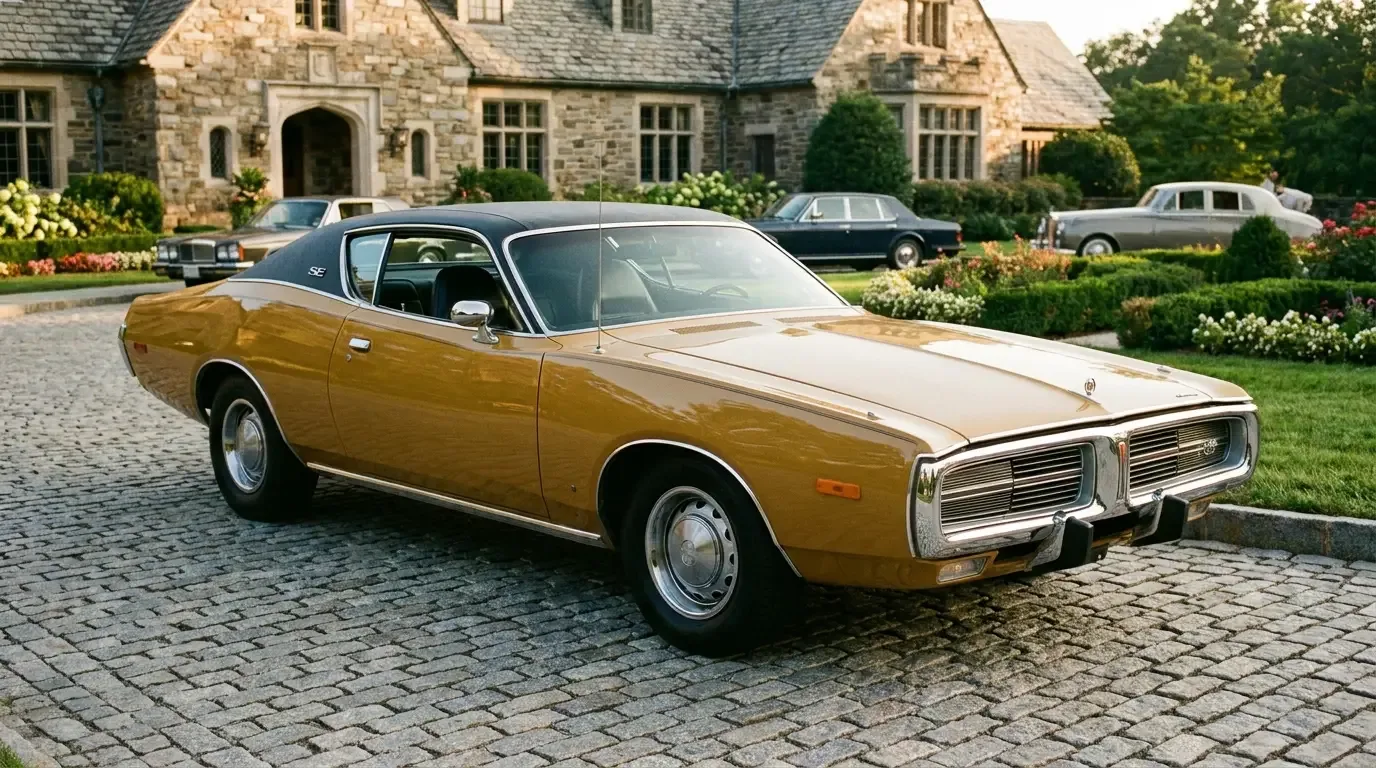
A man in Toledo bought his 1971 Charger SE new, off the lot, because his wife refused to ride in anything with a bench seat and a rattle in the dash. He wanted a Charger. She wanted quiet, leather, and a radio that didn't crackle over sixty. The dealer had one car that satisfied both of them, and it wore a small SE badge on the C pillar that most people walked right past.
That badge marked a real turn for Dodge. The Charger had spent 1968 through 1970 building a reputation as a street fighter, the car in the chase scenes, the one with the R/T and the 440 and the attitude. Then the body changed completely for 1971, curved and heavier looking, and Dodge used the moment to add something the old Charger never really offered: a version built for comfort first.
A new kind of Charger for 1971
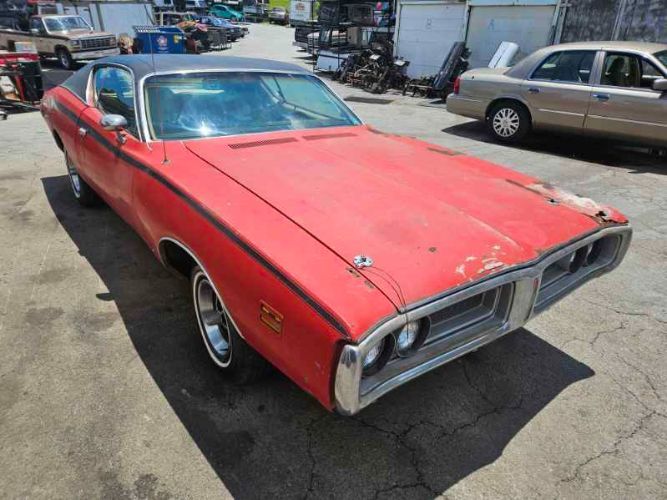
The 1971 restyle gave the Charger a "fuselage" shape, rounded at the fenders, low at the beltline, with a split grille that made the car look wider than it was. Underneath the new sheet metal, Dodge kept the same B-body platform, but the SE trim asked a different question of the car. Instead of "how fast," the SE asked "how nice." You can read more on the fuselage Charger and how that body carried the nameplate through 1974.
The SE wasn't a performance package. It was a trim level, sitting above the base Charger and the sport oriented models, aimed at a buyer who wanted the shape and the name without the harder edges. Dodge had watched Pontiac do well with the Grand Prix and Chevrolet clean up with the Monte Carlo, personal luxury coupes that sold on comfort and style rather than quarter mile numbers. The Charger SE was Dodge's answer, built off a car that had a very different reputation just two years earlier.
What SE actually bought you
Order a 1971 SE and the options list read differently than the R/T sheet. A vinyl roof came standard on the SE, along with hidden headlights, upgraded cloth or vinyl bench or bucket seating, and brightwork the base car didn't get. A small oval opera window sat in the roofline on some cars, and buyers could add leather seating surfaces, a center console, and a tilt steering wheel that wasn't common equipment on a muscle coupe of that era.
Dodge also offered a "pillared hardtop" look for the SE that kept a thin B pillar rather than the fully open hardtop styling of lesser Chargers, a small detail that made the cabin feel more like a coupe than a convertible with the top up. It was a quiet engineering choice that mattered to buyers cross shopping a Cordoba or a Monte Carlo, cars built around that same sense of enclosed, cushioned privacy.
| SE feature (1971) | What it added |
|---|---|
| Vinyl roof | Standard on SE, unlike base Charger |
| Hidden headlights | Standard SE styling cue |
| Leather seating | Optional, unusual for a Charger at the time |
| Opera window | Optional oval rear quarter window |
| Engine range | 318 V8 up through 440 Magnum |
The engines under a plusher hood
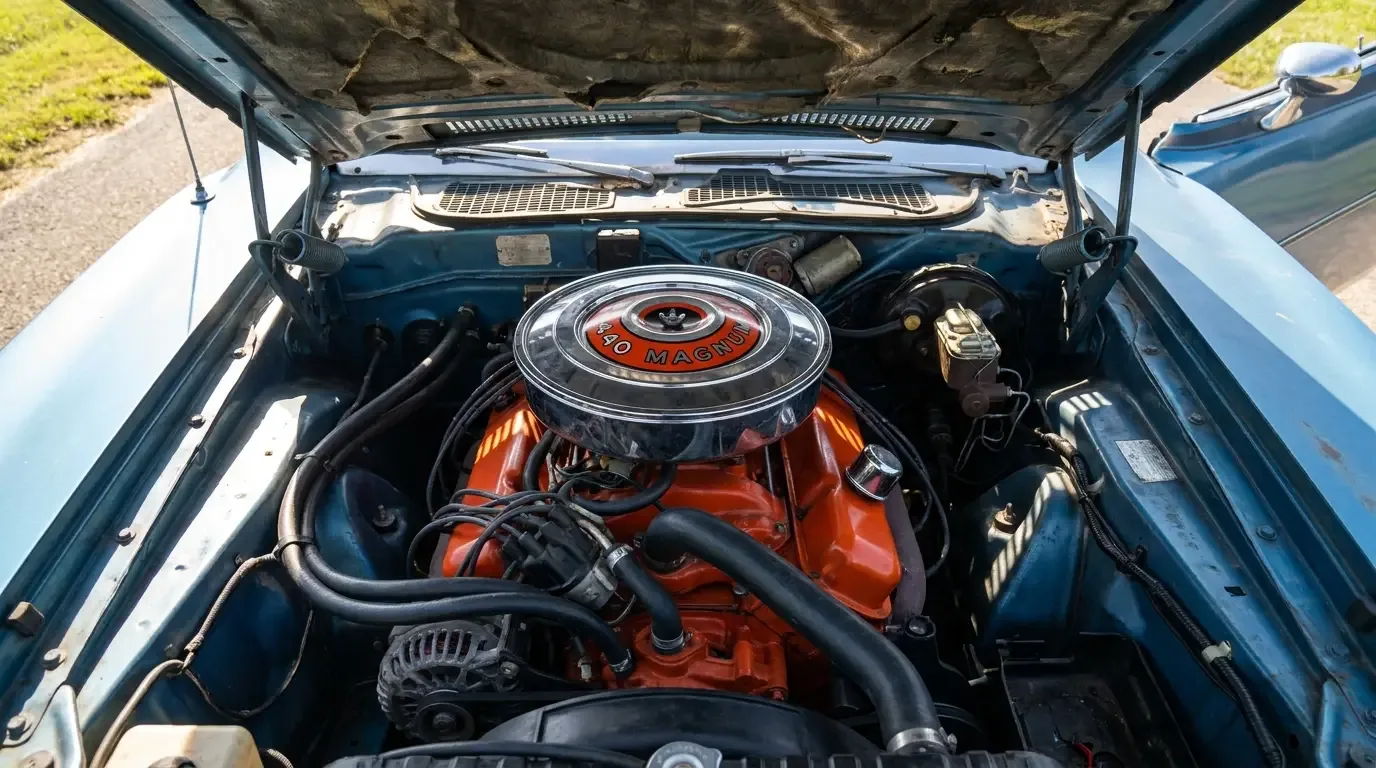
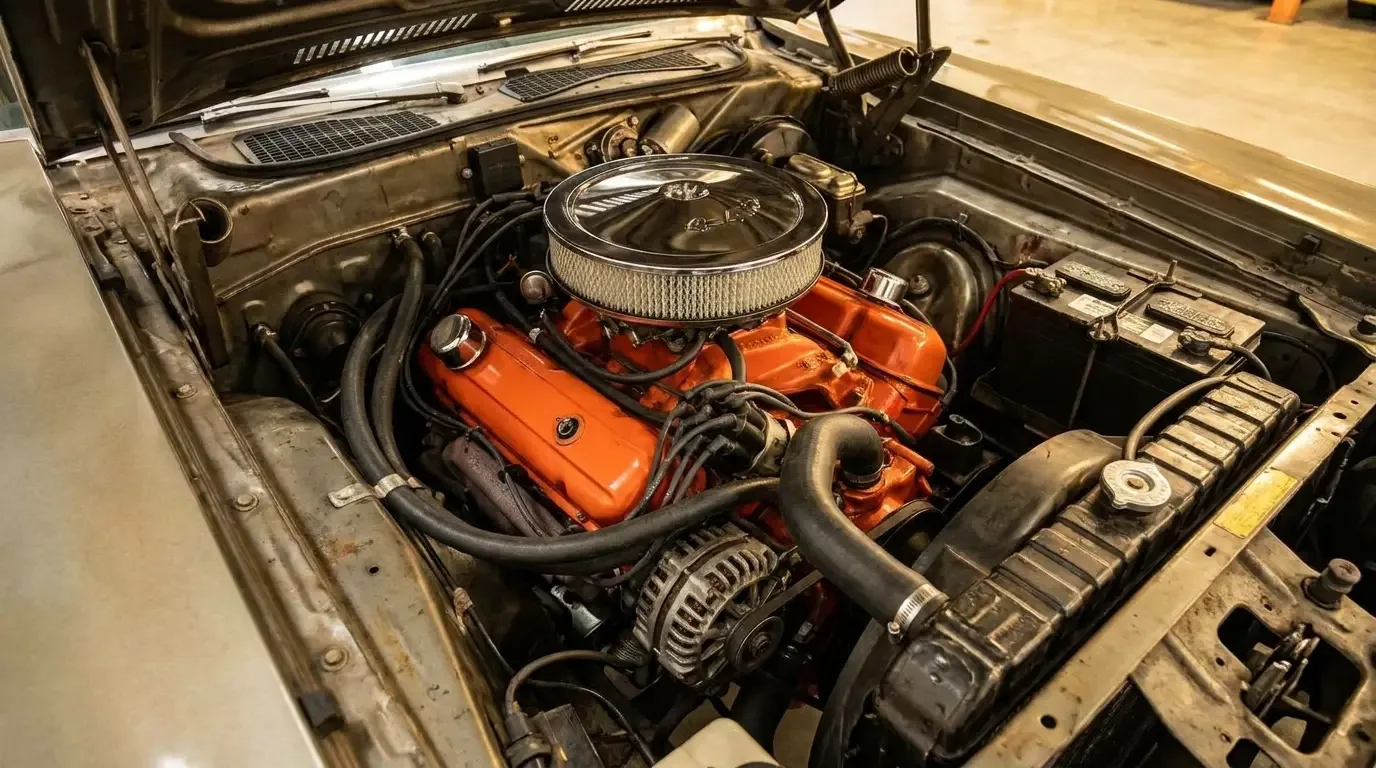
A buyer could still order a 440 Magnum in an SE, and some did, pairing the softer trim with a genuinely quick car underneath. But most SE buyers picked something milder. The 318 V8 was the base and most common choice, with the 383 big block also available, and it anchored the bottom of the SE range for buyers who wanted the SE look without the insurance bill that came with a bigger engine. That range is part of why the SE is easy to misjudge from a spec sheet alone. Two SE cars from the same year could have almost nothing in common under the hood.
The 1972 model year brought a different kind of change to the whole lineup, one that had nothing to do with trim levels and everything to do with what Dodge could and couldn't put under a hood as emissions rules tightened. That story runs alongside the SE's, and you can read more here about why the biggest engine option disappeared from the order sheet the very next year.
A quieter kind of driving
Owners who drove an SE back to back with an R/T from the same years described a noticeably different car, not because the chassis changed, but because everything around it did. Softer springs, more sound deadening, and a steering ratio tuned for comfort rather than quick response. It rode like Dodge wanted it to ride for a buyer who cared more about the drive to church on Sunday than a stoplight on Friday night.
Inside the cabin: leather, gauges, and quiet
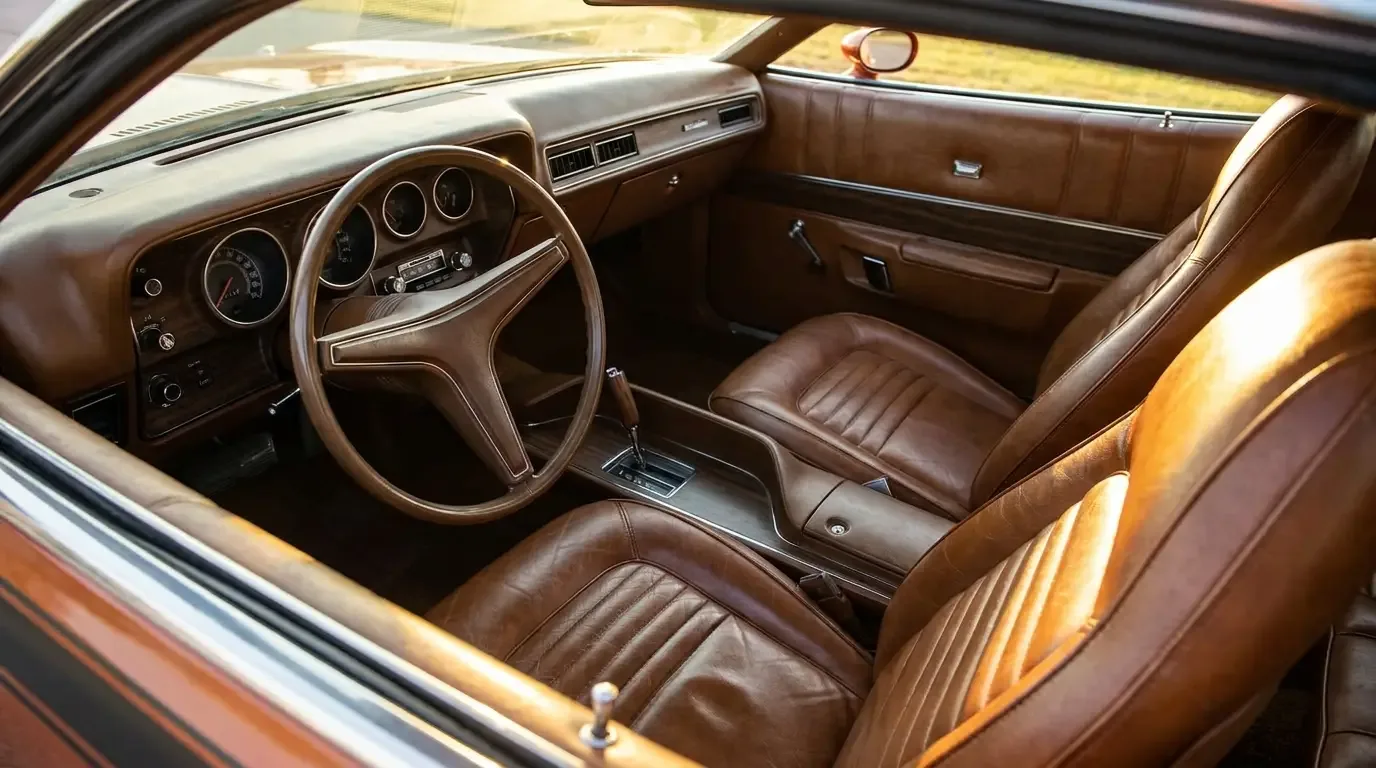
Step inside a well equipped 1971 SE and the difference from a base Charger is obvious. Woodgrain trim on the dash and door panels, a full length console between the front buckets on cars so equipped, and gauges set into a more finished looking cluster than the plainer models got. Air conditioning was a popular option on the SE specifically, since the buyer paying for leather seats usually wanted cold air to go with them.
None of this made the SE a soft car in the way a modern buyer might picture "luxury." It was still a two door B-body with the same basic dimensions and the same available big block. Dodge simply layered comfort equipment on top of a chassis that hadn't forgotten how to move when someone ordered it that way.
"I used to think the SE badge meant somebody's grandmother bought the car new. Then I found one with a 440 under the hood and leather seats, and I had to rethink the whole idea. Dodge built that car for a buyer who wanted both, and for a couple of years, you actually could order both."
— Nora Beckett
Why the SE mattered then, and now
The SE never got the attention the R/T got in period, and it still doesn't get it today. Collectors chase the big block cars, the Super Bee trim, the cars with a documented drag strip history. The SE sat in driveways instead, doing ordinary duty for people who liked how it looked more than how it launched off the line.
That's part of why SE cars are worth a second look now. Fewer people saved them on purpose, because fewer people thought they were saving anything special. A clean, original SE with its trim intact, its woodgrain unfaded, and its vinyl roof still tight is getting harder to find precisely because nobody was trying to keep one back in 1978 or 1988. The ones that survived usually did so by accident, tucked in a garage by an owner who just liked the car and never sold it.
The 1971 Charger SE is a reminder that "muscle car" and "personal luxury coupe" weren't always separate categories in Detroit's mind. For a couple of years, Dodge built both into the same body, and the SE badge on the pillar was the only clue as to which one you were about to drive.
Sources and notes
- Dodge Charger (1966) - Wikipedia - confirmed the 1971 fuselage restyle, the SE trim positioning, and hidden headlights as an SE styling cue.
- Muscle Car Facts: 1971 Charger - used to confirm the 1971 engine lineup (318 V8 base through 440 Magnum and 426 Hemi optional).
- The Third-Generation Dodge Charger (1971-1974) - corroborated concealed headlights being standard on the SE and the personal-luxury positioning.
- CarGurus: 1971 Dodge Charger research - background on SE features, vinyl roof, and trim equipment.
- Automobile-Catalog: Charger 3rd-gen production - context on where the SE sat within total third-generation output.