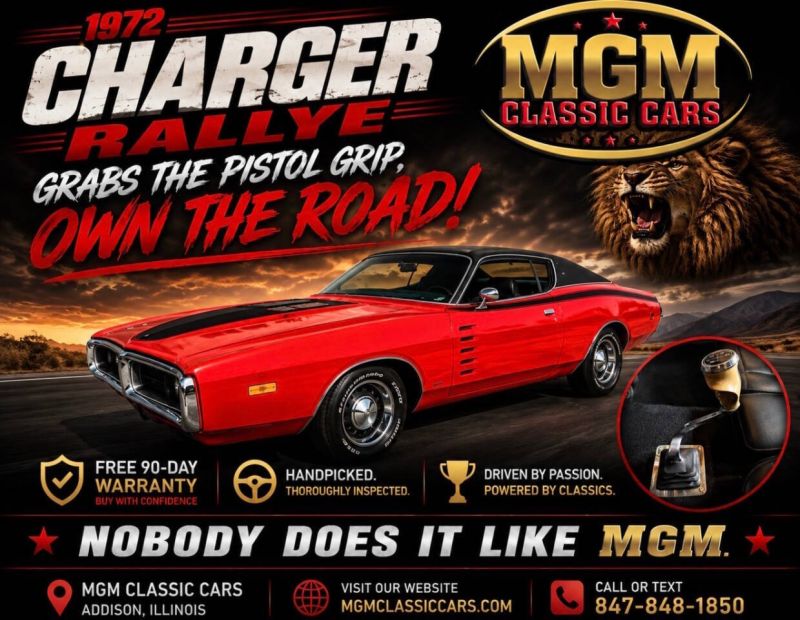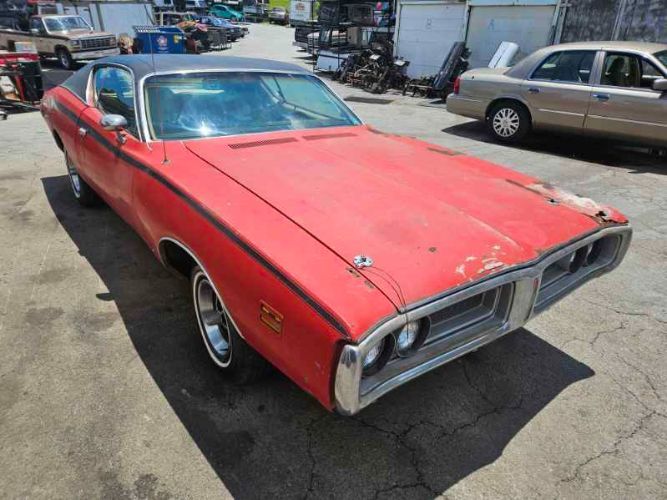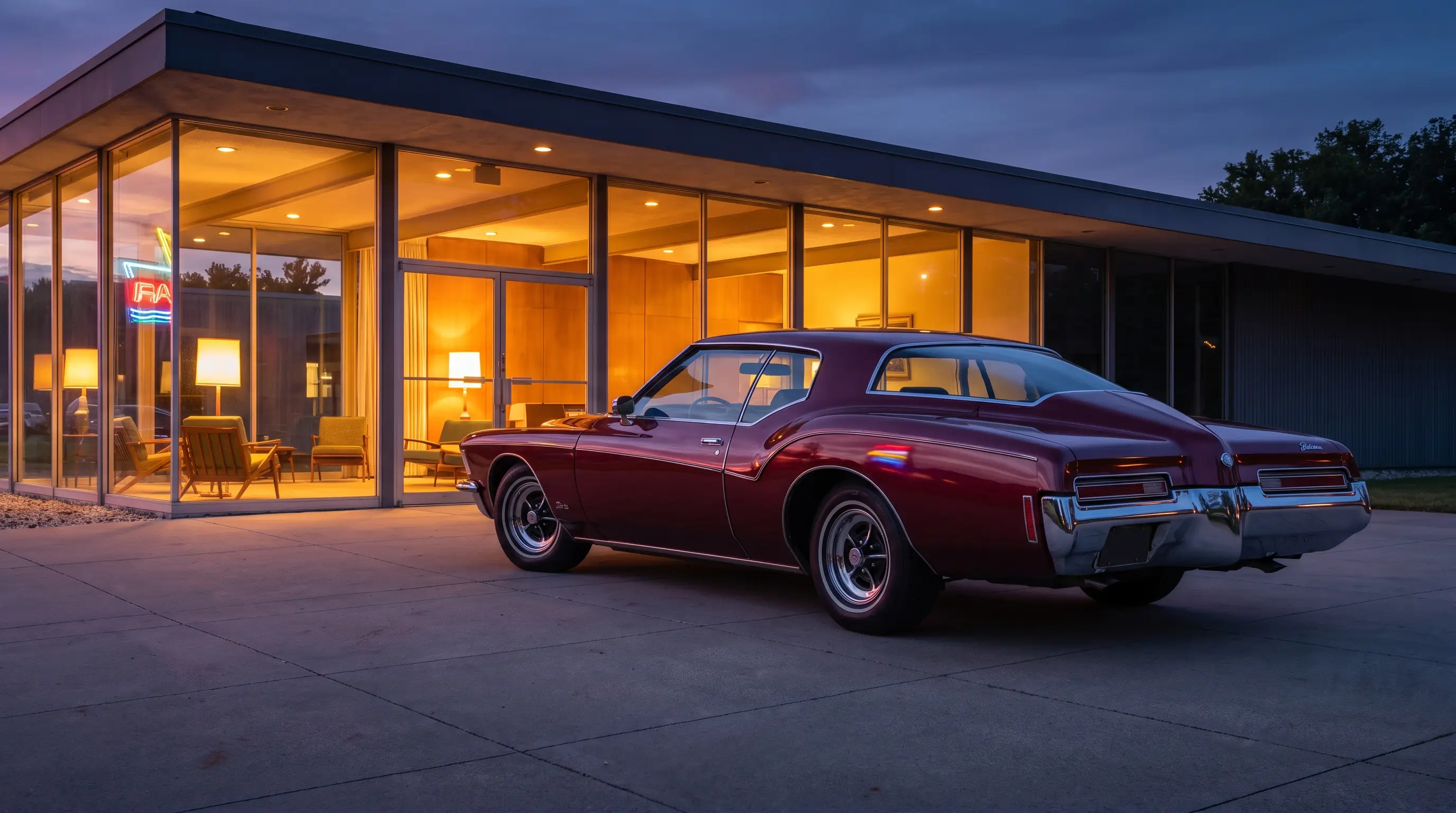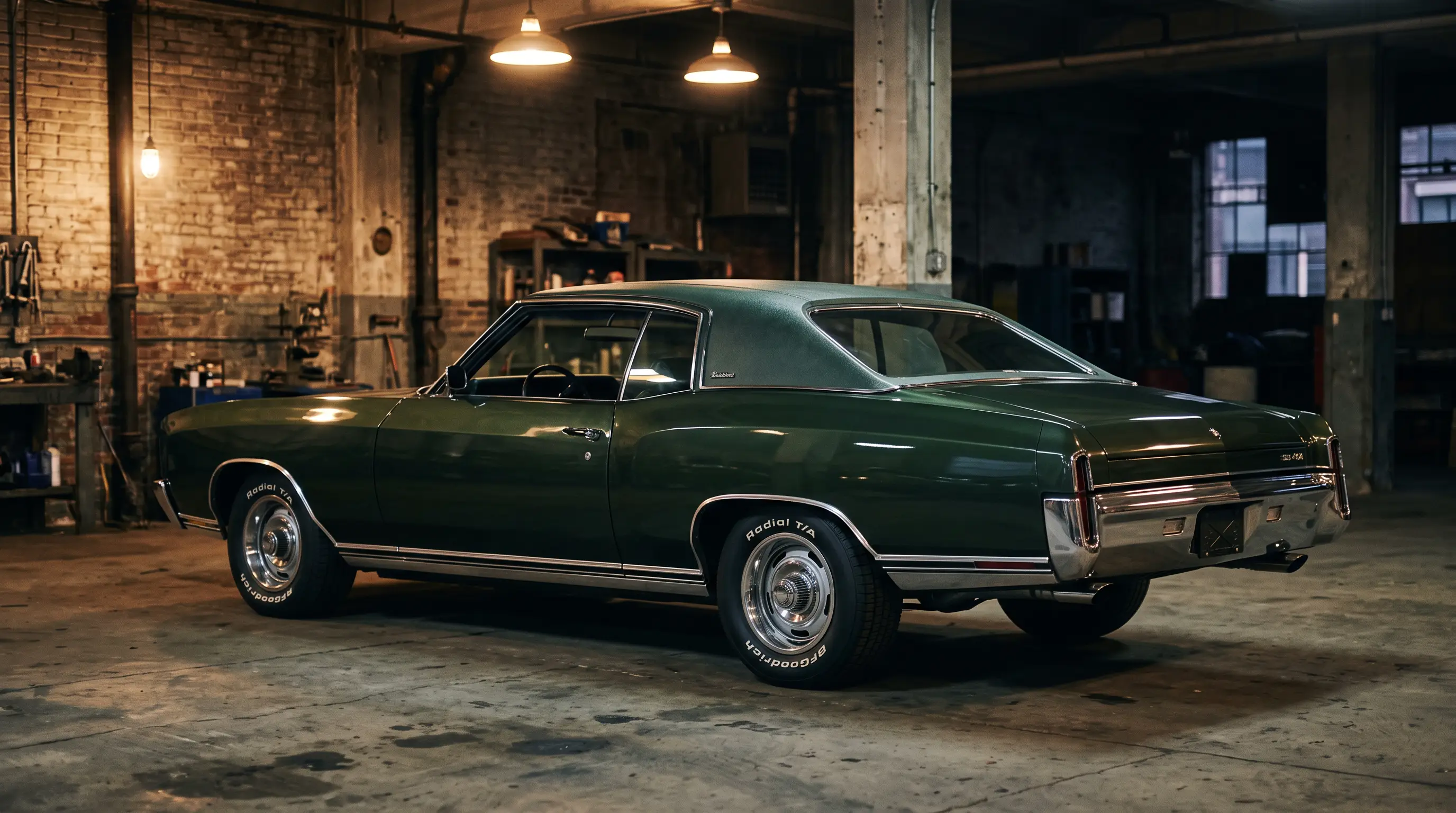
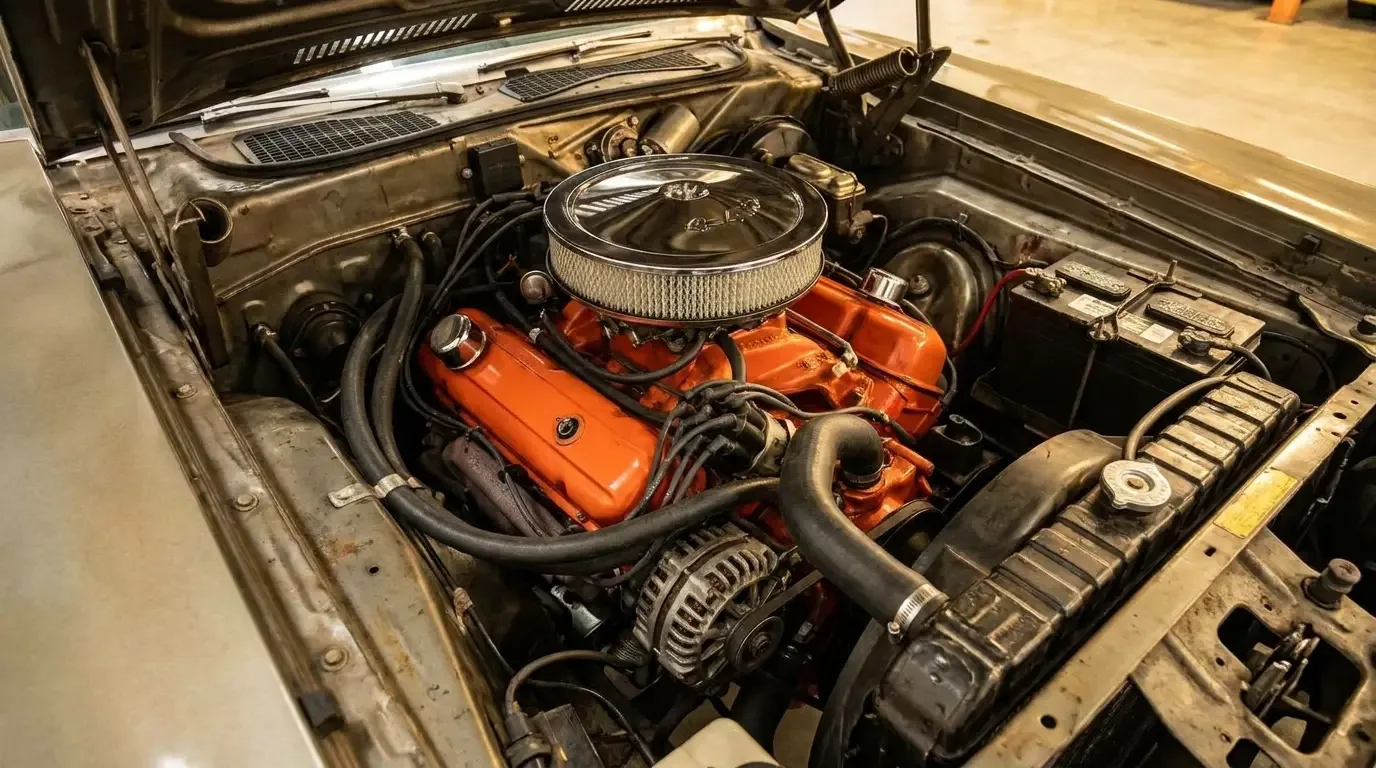
Every few months someone posts a photo of a Charger with a Hemi callout on the fender and asks whether it's a genuine 1972 car. The honest answer is short: Chrysler did not offer the 426 Hemi as a regular production option in any Charger for 1972. The longer answer, the one worth actually reading, is why that question keeps coming up and what buyers should look for when someone tries to sell them one anyway.
What the factory actually offered in 1972
The 426 Hemi's last year as an available option across Chrysler's B-body lineup was 1971. For 1972, Chrysler dropped the Hemi from the order sheet entirely, across Charger, Road Runner, GTX, and every other model that had carried it. The top engine in the 1972 Charger lineup was the 440 Magnum, rated at 280 net horsepower under the new SAE net measurement standard that Detroit adopted that year. That number looks small next to a 1970 spec sheet, but the measurement method changed as much as the engine did, and comparing the two directly misleads more than it informs.
Anyone building a real understanding of this generation should start with 1971 dodge charger restyling, because the body that debuted that year carried through to 1974 largely unchanged, while the engine bay tells a very different story year over year.
Why 1971 was the real cutoff, not 1972
The Hemi's retirement had little to do with the Charger itself and everything to do with insurance rates, emissions targets, and a shrinking pool of buyers willing to pay for an engine that was expensive to build and increasingly hard to certify. Chrysler's own production numbers show the writing on the wall well before 1972. Hemi take rates across the B-body lineup had been falling since 1969, as insurance surcharges on high performance engines climbed and buyers quietly downgraded their orders to 440s that cost less to own.
By the time 1972 model planning was locked, the Hemi wasn't just optional at Chrysler, it was gone from the price sheet. No amount of dealer connections or special order paperwork could get you one in a new Charger that year. The engine did continue briefly in other applications and in aftermarket and marine use, which is part of where some of the confusion originates, but the passenger car option ended with the 1971 model year.
| Model year | Hemi available in Charger? | Top factory engine |
|---|---|---|
| 1970 | Yes, 426 Hemi | 426 Hemi |
| 1971 | Yes, last year | 426 Hemi |
| 1972 | No | 440 Magnum |
| 1973 | No | 440 Magnum |
Where the myth comes from
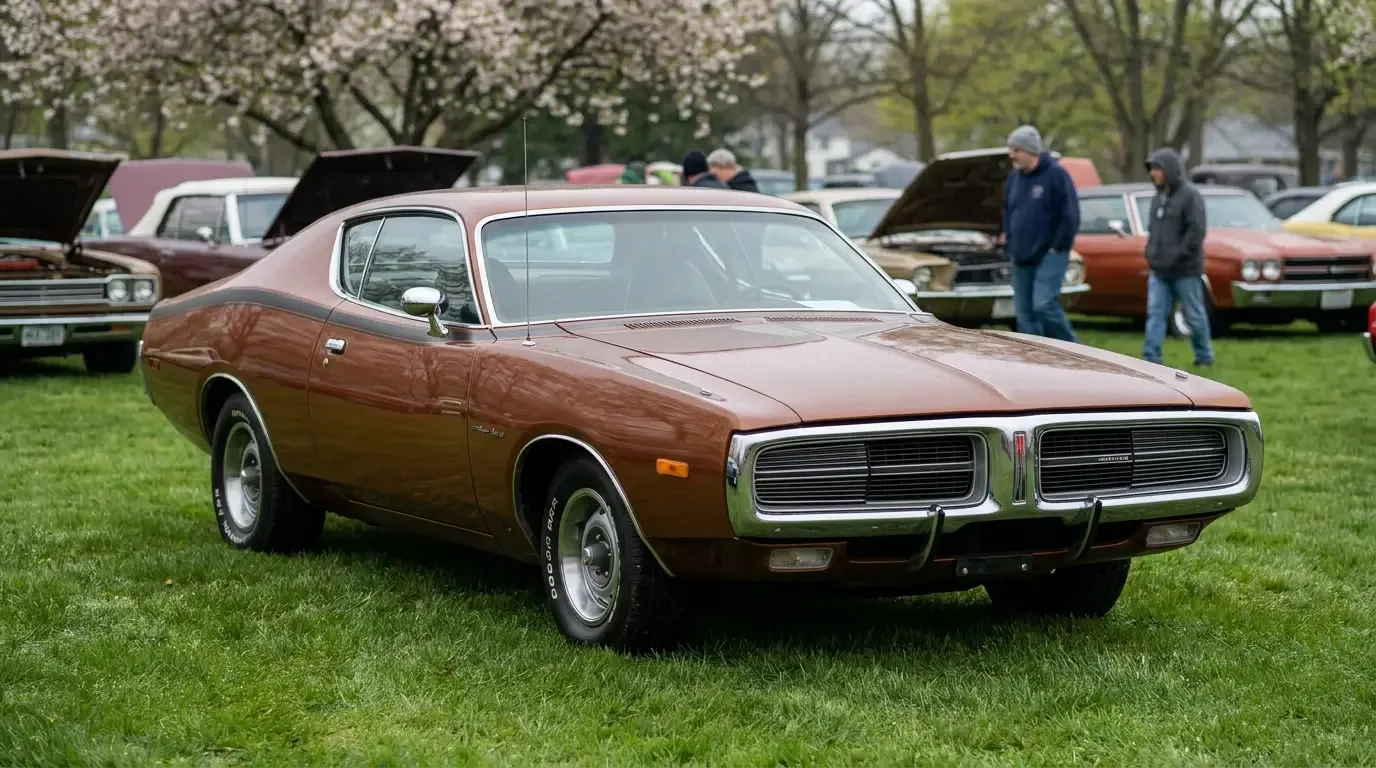
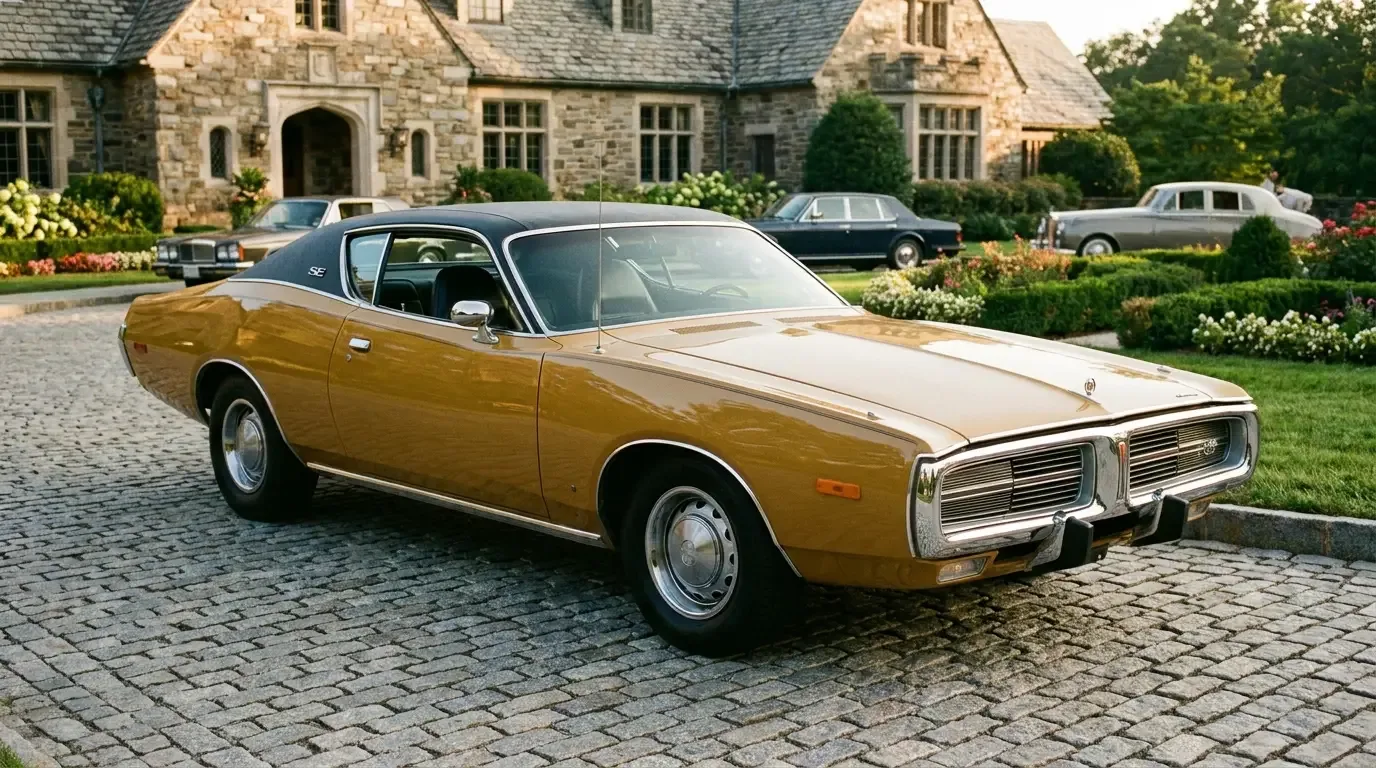
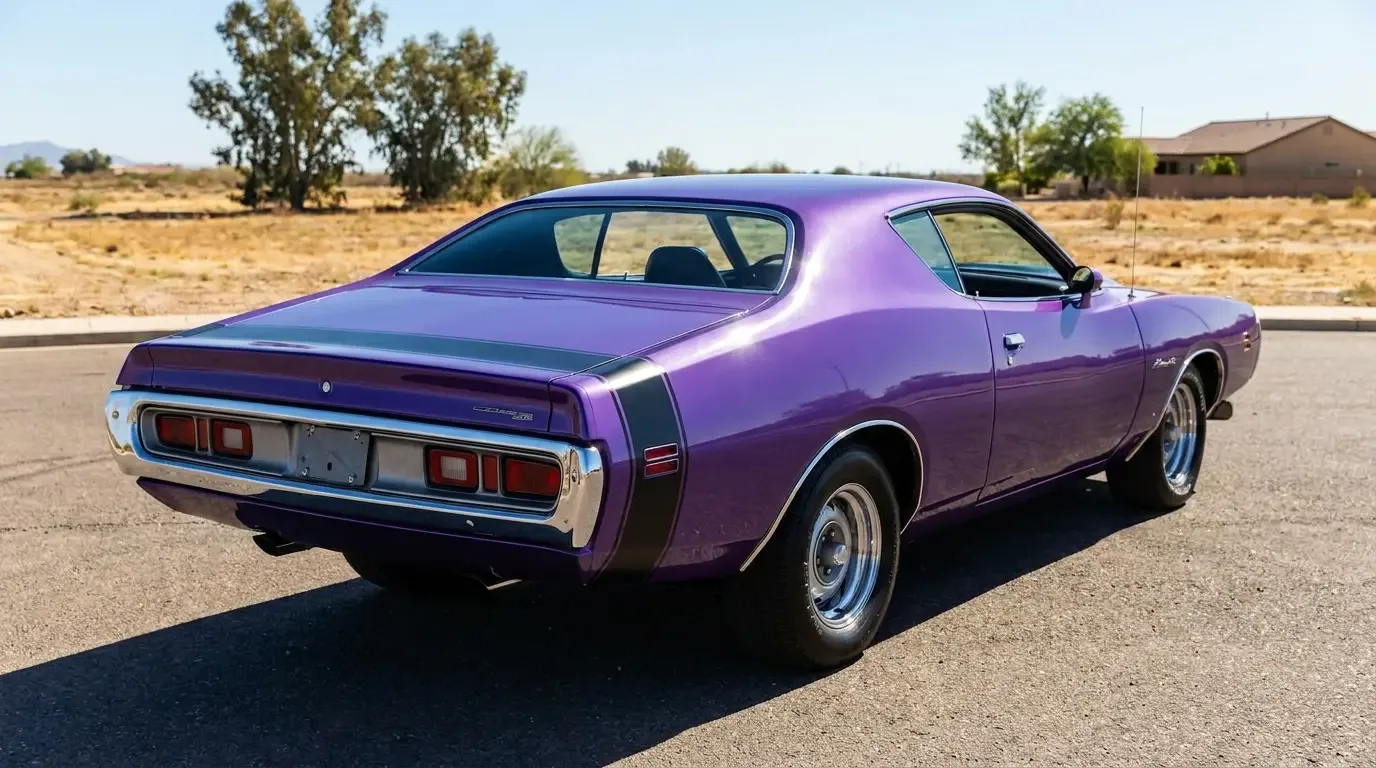
Part of the confusion traces back to how many 1971 and 1972 Chargers look almost identical from ten feet away. The fuselage body ran with only minor trim and grille changes across those years, so a casual buyer scanning listings can't always tell a 1971 from a 1972 without checking the VIN and fender tag. A seller who is careless, or worse, dishonest, can list a genuine 1971 Hemi car under the wrong year, or build a Hemi clone and let the ambiguity do the selling.
The other source is simpler: enthusiasts talk, and details get smoothed over time. Someone remembers "a Hemi Charger from around then" and the year slides from 1971 to 1972 in the retelling. Repeated enough times online, that slide starts to look like a documented fact instead of a memory that drifted.
How to check a car yourself
If someone offers you a "1972 Hemi Charger," start with the VIN. The fifth character of a Chrysler B-body VIN identifies the engine, and Hemi cars carry a specific code that will not appear on a 1972 build regardless of what the seller says the car has under the hood now. Cross reference that against the fender tag, which lists the original broadcast order codes for the car as it left the factory, including engine, transmission, and trim.
A matching numbers claim needs both documents to agree, plus ideally a copy of the original invoice or a Chrysler Historical Services report confirming factory build data. A Hemi engine sitting in a Charger today, no matter how well it runs, doesn't make the car a factory Hemi if the VIN and fender tag say otherwise. It makes it a clone, which can still be a fine car, just not the car the price tag might be implying.
Color and trim history matters here too, since a lot of buyers get distracted by stripe packages and paint codes without checking the engine documentation first. If you want the full picture on how Dodge dressed these cars up for the showroom floor, the 1971 Charger Colors story covers what's original to which year, which is its own minefield of clones and repaints.
"The build record matters. Not because it tells you everything, but because it's the factory's own account of what left the line. If a seller can't produce one, or the one they show you doesn't match the VIN, that's the whole conversation right there."
— Tom Ramirez
What this means for buyers
None of this means a 1972 Charger is a lesser car. The 440 Magnum was a strong engine in its own right, and the fuselage body it came in has plenty of admirers who never cared about Hemi bragging rights in the first place. The issue is honesty in the marketplace. A 1972 Charger with a period correct 440 and solid documentation is worth buying on its own merits. A 1972 Charger advertised with Hemi power and no paperwork to back it up is a different transaction entirely, and buyers should walk in with that distinction clear before any money changes hands.
For anyone working through the full arc of this nameplate, from its 1966 debut through the end of the road in 1978, the full story lays out exactly which years carried which engines, so claims like this one are easy to check against the record rather than against memory.
Sources and notes
- Dodge Charger (1966) - Wikipedia - confirmed the 426 Hemi's last B-body year was 1971 and the 440 became the top engine for 1972.
- Automobile-Catalog: 1972 Charger 440 4-bbl - confirmed the 1972 440 Magnum's 280 net-hp SAE rating.
- Muscle Car Facts: 1972 Charger - corroborated the 1972 engine lineup and the switch to net horsepower ratings.
- DodgeGarage: High Impact Colors - background on Hemi Orange naming persisting after the Hemi option ended.
- CarGurus: 1972 Dodge Charger - background on the fuselage body carrying largely unchanged across 1971-1974.